
The Evolution of IndianPersian Music: A Harmonious Blend

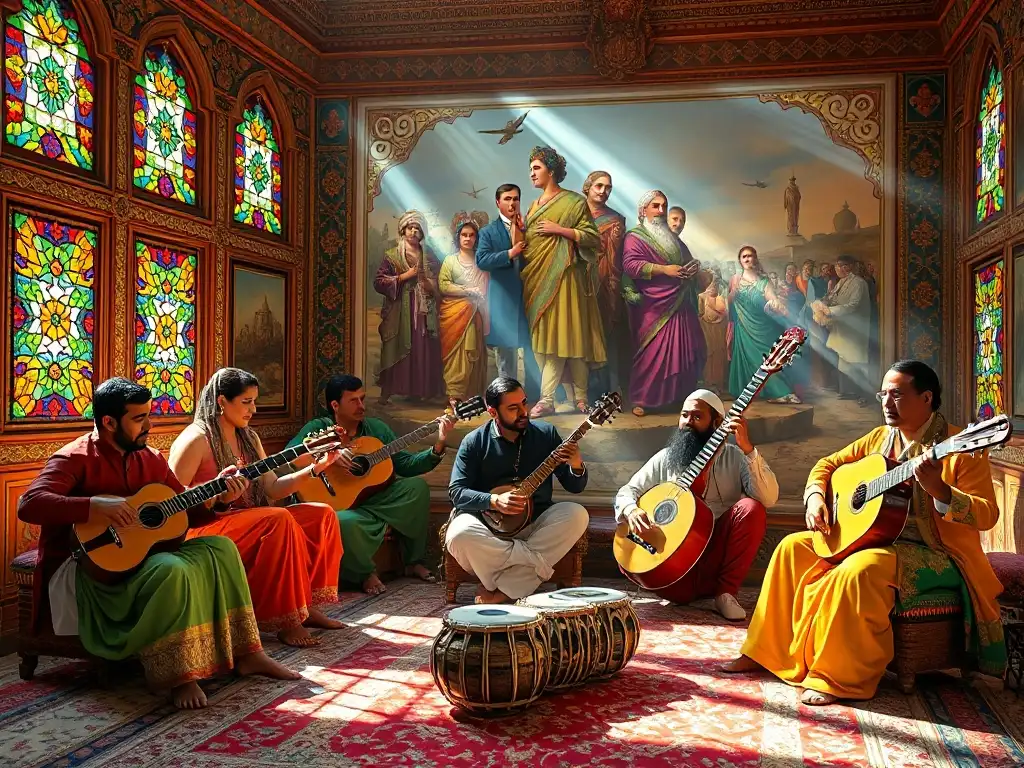
Welcome to Ancient India History, where we embark on a journey through the rich and diverse tapestry of ancient Indian civilizations. Today, we invite you to delve into the captivating realm of Indian Persian music history. Discover how the harmonious blend of these two vibrant cultures not only shaped musical traditions but also fostered profound interactions that resonate through the ages. As you explore this article, prepare to uncover the intricate connections and influences that have enriched our musical heritage. Join us in unraveling the melodious saga of this unique art form!
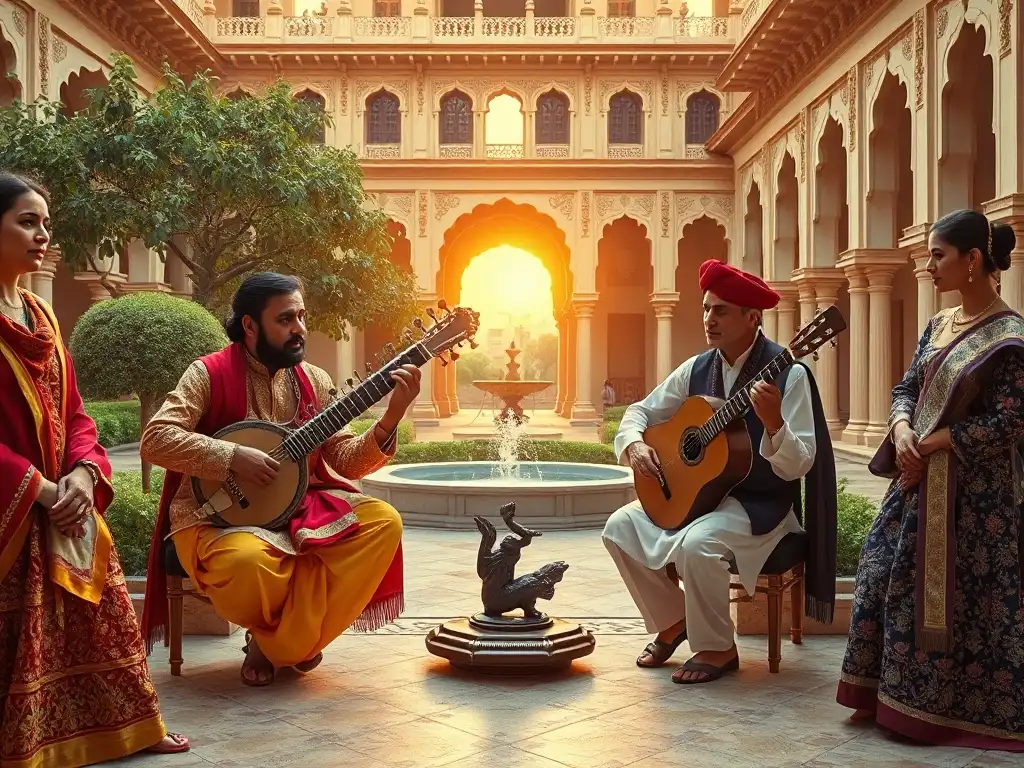
Indian-Persian music history represents an intricate tapestry woven through centuries of cultural exchange between two rich civilizations. From the early days of the Indus Valley to the heights of the Gupta Empire, the interactions between India and Persia have fostered a vibrant musical tradition that resonates through various genres and styles.
This article delves into the evolution of Indian-Persian music, exploring its origins, influences, and the profound impact it has had on both cultures. As we navigate through this harmonious blend, we will uncover how music became not just an art form but a vital medium of communication and cultural amalgamation between these two historic civilizations.
Introduction to Indian-Persian Music History
Indian-Persian music history is characterized by a unique fusion that emerged from the interactions between the Indian subcontinent and the Persian Empire. This blend resulted in a rich musical landscape that incorporates elements from both traditions. The historical context of this relationship spans several centuries, beginning with early trade routes and cultural exchanges to the more formalized interactions during the Mughal era.
Understanding the Significance of Indian Persian Music
The significance of Indian-Persian music lies in its ability to transcend geographical and cultural boundaries. This genre not only showcases the technical prowess of musicians but also reflects the social and political contexts of its time. Through various forms, such as dhrupad, khayal, and qawwali, it has served as a medium for storytelling, spiritual expression, and social commentary.
Overview of Cultural Interactions between India and Persia
The cultural interactions between India and Persia can be traced back to ancient times, with various dynasties facilitating exchanges in art, literature, and, notably, music. Key periods of influence include:
- The Mauryan Empire: Early trade links established connections between Indian and Persian musicians.
- The Mughal Empire: A significant era where Persian culture heavily influenced Indian music, particularly under emperors like Akbar.
- Modern Era: Continued blending of musical styles, resulting in unique contemporary genres.
Origins of Indian-Persian Music
The origins of Indian-Persian music can be seen as a confluence of diverse musical traditions that enriched each other over time. Understanding these origins requires a deeper look into the historical context that facilitated this musical evolution.
The Historical Context of Indian Persian Music Development
The development of Indian-Persian music is rooted in a series of historical events that shaped the cultural landscape of both regions. The arrival of Persian influence in India, particularly through invasions and migrations, brought with it a wealth of musical knowledge and practices.
- Key Historical Events:
- Invasions by Persian Empires: Brought Persian musicians and instruments to India.
- Establishment of the Mughal Empire: Led to a flourishing of arts, including music, which synthesized Persian styles with Indian classical traditions.
Early Influences of Persian Music on Indian Classical Traditions
Persian music had a profound impact on the development of Indian classical music. The introduction of new instruments, scales, and vocal techniques can be traced back to Persian influences. Notable aspects include:
- Instruments: The rubab and sitar, which evolved from Persian prototypes.
- Taal and Raag: The integration of Persian rhythm patterns and melodic structures into Indian raag systems.
Through these influences, Indian-Persian music has emerged as a distinct and rich musical heritage, illustrating the enduring legacy of cultural interactions between these two great civilizations.
Key Features of Indian-Persian Music
Indian-Persian music is characterized by a rich tapestry of sounds that reflect the deep cultural exchanges between India and Persia throughout history. Several key features define this unique musical tradition:
- Melodic Systems: The music incorporates both the Indian raga system and the Persian dastgah framework, allowing for intricate melodic development. This blending creates a diverse range of emotional expressions and improvisational techniques.
- Use of Microtones: Both musical traditions employ microtonal variations, which add depth and nuance to the performances. This technique allows musicians to explore subtle tonal differences, enhancing the emotive quality of the music.
- Fusion of Styles: The synthesis of Indian classical music with Persian elements results in a hybrid style that is both distinct and harmonious. This fusion manifests in various genres, including khayal, thumri, and qawwali, among others.
- Cultural Themes: The lyrical content of Indian-Persian music often explores themes of love, spirituality, and nature, resonating deeply with the philosophical traditions of both cultures.
Instrumentation in Indian Persian Music
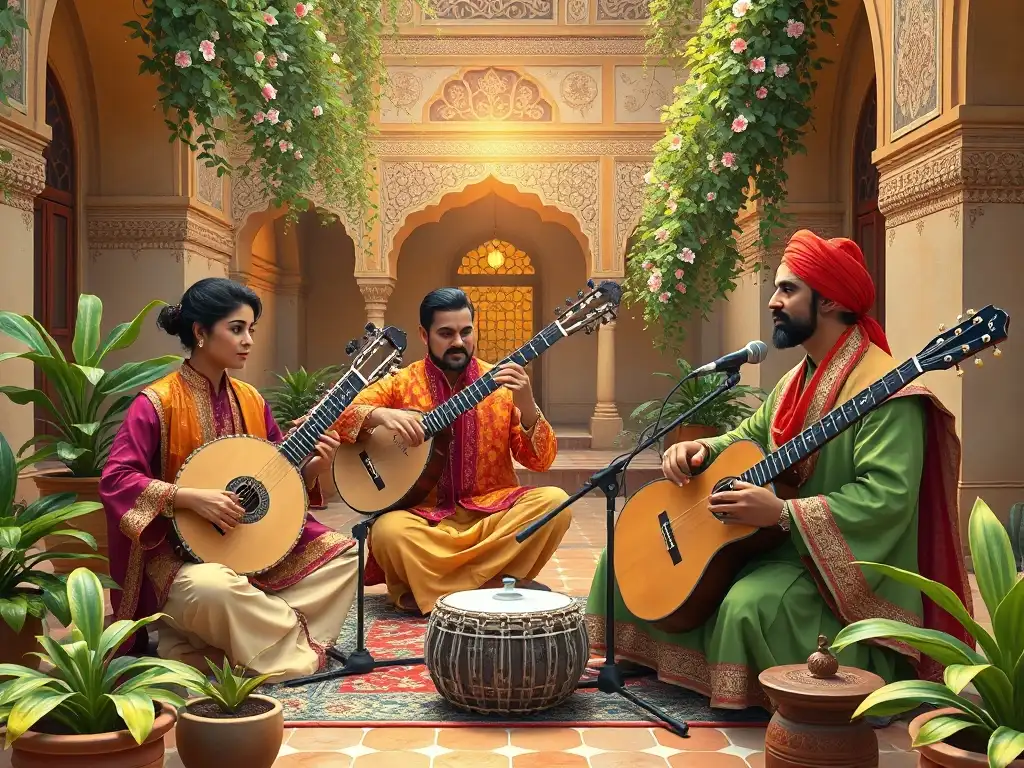
Instrumentation plays a crucial role in shaping the sound of Indian-Persian music. The combination of traditional instruments from both cultures creates a unique auditory experience:
- String Instruments:
- Sitar: A prominent string instrument in Indian music, the sitar's resonant sound complements Persian melodies beautifully.
- Taar: A Persian lute, the taar adds a distinctive texture with its plucked strings and melodic capabilities.
- Percussion Instruments:
- Tabla: A staple in Indian music, the tabla's intricate patterns contribute to the rhythmic complexity of Indian-Persian fusion.
- Daf: A Persian frame drum, the daf offers a driving rhythm that enhances the overall musical experience.
- Wind Instruments:
- Bansuri: The Indian bamboo flute adds a lyrical quality to the music, often used for improvisation.
- Ney: A traditional Persian flute, the ney brings a breathy, ethereal sound that complements vocal performances.
Vocal Styles and Techniques in Indian-Persian Music
Vocalization is a vital aspect of Indian-Persian music, characterized by various styles and techniques that enhance its emotive power:
- Improvisation: Both traditions place a high value on improvisation, allowing artists to express their creativity and emotional depth within the framework of established ragas or dastgahs.
- Ornamentation: The use of ornamentation, such as meend (slides) and gamaks (grace notes), adds a layer of complexity to the vocal lines, enriching the listener's experience.
- Dhrupad and Khayal: These two forms of vocal music showcase the deep emotional and technical prowess of singers. Dhrupad is often more austere and meditative, while khayal allows for greater flexibility and expression.
- Sufi Influences: Sufi music, particularly in qawwali, emphasizes devotional themes, often featuring call-and-response techniques that engage the audience emotionally.
Rhythmic Patterns and Melodic Structures
The rhythmic and melodic frameworks of Indian-Persian music are intricately woven together, creating a rich soundscape:
- Tal and Metrical Structures: Indian-Persian music utilizes complex rhythmic cycles known as tal, while Persian music employs similar metrical systems. These structures provide a foundation for rhythmically intricate compositions.
- Cross-Rhythms: Musicians often experiment with cross-rhythms, layering different rhythmic patterns to create a dynamic and engaging performance.
- Melodic Development: The development of melodies within both Indian ragas and Persian dastgahs allows for an extensive exploration of musical ideas, often leading to breathtaking improvisational passages that showcase the artist's virtuosity.
Major Historical Periods in Indian-Persian Music History
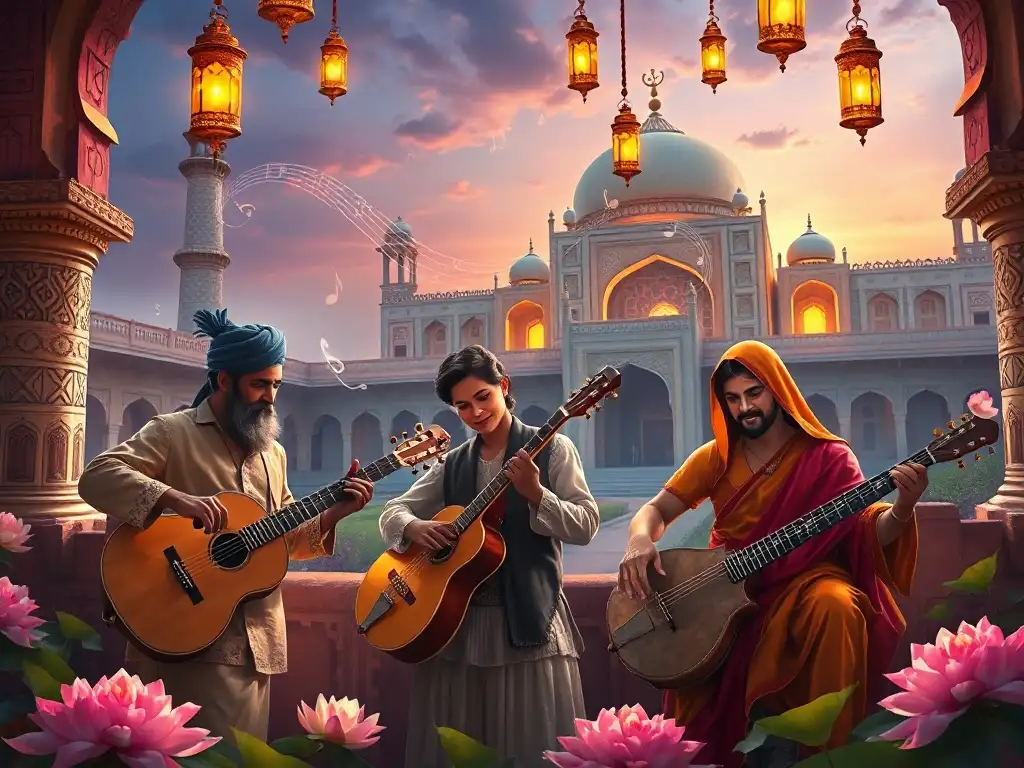
The history of Indian-Persian music is marked by significant periods that influenced its evolution and development:
The Mughal Era: A Golden Age of Fusion
The Mughal era (16th to 18th centuries) represents a pinnacle of cultural exchange between India and Persia. Under emperors like Akbar, music flourished, leading to:
- Court Patronage: Mughal courts became centers of artistic expression, where musicians from both cultures collaborated and created new forms of music.
- Development of Gharanas: Distinct musical schools, or gharanas, emerged, each contributing unique styles that blended Indian and Persian elements.
- Influence of Persian Poets: Persian poetry profoundly impacted the lyrical content of Indian music, fostering a tradition of lyricism that celebrated love and spirituality.
The Role of Sufi Music in Indian Persian Traditions
Sufi music plays a vital role in the Indian-Persian tradition, with its emphasis on spiritual themes and communal expression:
- Qawwali: This form of Sufi devotional music combines Persian poetic forms with Indian musical structures, creating a powerful spiritual experience.
- Sufi Saints: Figures like Amir Khusro and Nizamuddin Auliya significantly influenced the music, blending poetic and musical styles to convey deep spiritual messages.
- Festivals and Gatherings: Sufi gatherings often feature music as a means of connecting with the divine, highlighting the communal aspect of Indian-Persian music.
Colonial Influence on Indian Persian Music
The colonial period brought significant changes to Indian-Persian music, leading to both challenges and adaptations:
- Cultural Suppression: British colonial rule often marginalized traditional music forms, leading to a decline in patronage and performance opportunities.
- Emergence of New Genres: Despite challenges, new genres, such as film music, emerged that incorporated Indian-Persian musical elements, ensuring the continued evolution of the tradition.
- Revival Movements: In response to colonial influences, various revival movements in the 20th century sought to preserve and promote traditional Indian-Persian music, celebrating its rich heritage and cultural significance.
Prominent Figures in Indian-Persian Music
The evolution of Indian-Persian music has been significantly shaped by numerous influential figures whose contributions have left an indelible mark on this rich musical tradition. These prominent figures include musicians, composers, and royal patrons who have fostered the growth and integration of diverse musical styles. Their legacies continue to resonate in contemporary music, showcasing the enduring impact of their artistry.
Influential Musicians and Composers
Several musicians and composers stand out in the realm of Indian-Persian music, each bringing unique influences and innovations. One of the most notable figures is Tansen, a legendary musician of the Mughal court, who played a crucial role in the development of Hindustani classical music. His mastery of ragas and his ability to merge Indian and Persian styles laid the foundation for future generations of musicians.
Another influential figure is Amir Khusro, often regarded as the father of Indian classical music. A 13th-century poet and musician, Khusro is credited with introducing Persian musical forms into Indian music, notably through his creation of the ghazal and qawwali. His compositions exemplify the harmonious blend of Persian and Indian elements, making him a pivotal figure in the history of Indian-Persian music.
In modern times, musicians like Zakir Hussain and A. R. Rahman have furthered this tradition by incorporating Persian influences into their works, demonstrating the ongoing evolution of this musical genre.
Contributions of Notable Royal Patrons
Royal patrons have played a significant role in the flourishing of Indian-Persian music. The Mughal emperors, especially Akbar, were instrumental in promoting a syncretic culture that embraced diverse musical traditions. Akbar's court was a melting pot of artists, where musicians from India and Persia collaborated, resulting in the birth of new genres and styles.
Shah Jahan, another prominent Mughal ruler, continued this legacy by supporting musicians and fostering artistic endeavors within his court. The construction of the iconic Taj Mahal also reflects the cultural amalgamation of Indian and Persian aesthetics, further highlighting the interconnectedness of the two civilizations.
Additionally, the Nawabs of Awadh were significant patrons of music, establishing their courts as centers for artistic innovation. Their support for musicians created an environment where Indian-Persian music flourished, leading to the emergence of various forms, including thumri and dhrupad.
The Modern Era of Indian-Persian Music
The modern era has witnessed a resurgence of interest in Indian-Persian music, with contemporary artists exploring its rich heritage while incorporating modern influences. This revitalization is characterized by the blending of traditional forms with contemporary styles, resulting in a vibrant musical landscape.
Contemporary Trends in Indian Persian Music
Today, Indian-Persian music is experiencing a renaissance with contemporary artists embracing its historical roots while pushing creative boundaries. There is a growing trend of musicians experimenting with fusion, combining traditional Indian instruments like the sitar and tabla with Persian instruments such as the santur and ney. This fusion showcases the adaptability and relevance of Indian-Persian music in the modern context.
The rise of digital platforms has also facilitated the dissemination of Indian-Persian music, allowing artists to reach global audiences. Collaborations between musicians from different backgrounds have become commonplace, leading to innovative projects that celebrate the heritage of both cultures.
Fusion Genres and Cross-Cultural Collaborations
The blending of genres has led to the emergence of various fusion styles within Indian-Persian music. Genres such as fusion jazz and world music have seen artists integrating classical Indian and Persian elements with contemporary genres, creating a unique sound that appeals to diverse audiences.
Cross-cultural collaborations have also become a hallmark of the modern Indian-Persian music scene. Artists like A. R. Rahman and Shujaat Husain Khan have collaborated with international musicians, showcasing the universality of their music. These collaborations not only highlight the rich tapestry of Indian-Persian musical heritage but also foster greater understanding and appreciation of cultural diversity in music.
The Legacy of Indian-Persian Music
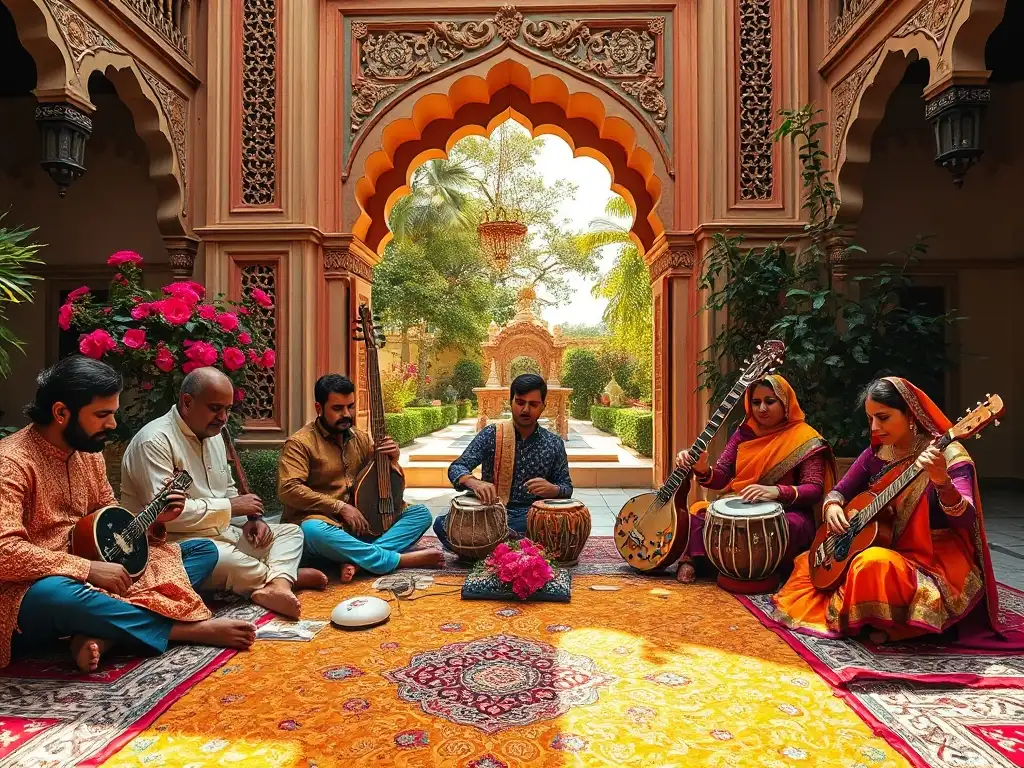
The legacy of Indian-Persian music is a rich tapestry woven from centuries of cultural exchange, artistic collaboration, and shared traditions. Originating from the confluence of Indian and Persian civilizations, this unique musical heritage showcases the synthesis of distinct styles, instruments, and themes. The Mughal Empire, particularly during the 16th to 18th centuries, played a pivotal role in this evolution, as Persian musicians and poets were patronized by Indian rulers, leading to an unprecedented fusion of musical elements.
Notable contributions include the introduction of Persian poetic forms, such as ghazals and rubaiyat, which found a fertile ground in Indian classical music. Instruments like the sitar and tabla began to incorporate Persian techniques, while the Persian language and aesthetics influenced the lyrical compositions in Hindustani music. This amalgamation created a distinctive genre that resonated across social and cultural boundaries, laying the foundation for future musical developments.
As we examine the legacy of Indian-Persian music, it is essential to recognize its profound impact on the spiritual, emotional, and communal aspects of life in both cultures. Music became a medium for expressing love, devotion, and philosophical ideas, contributing to the cultural ethos of the time. The remnants of this rich legacy continue to influence various contemporary music forms, proving that the harmonious blend of Indian and Persian music remains a vibrant aspect of South Asian cultural identity.
Impact on Modern Indian Music
The impact of Indian-Persian music on modern Indian music is both significant and enduring. Contemporary Indian music, whether in classical, semi-classical, or popular forms, retains elements that can be traced back to this historical fusion. The ongoing influence is particularly evident in genres such as ghazal, qawwali, and even Bollywood soundtracks, which frequently incorporate Persian lyrical styles and musical structures.
One of the most notable outcomes of this musical evolution is the continued prominence of the ghazal. This poetic form, originally rooted in Persian literature, has been embraced by Indian musicians and poets, creating a unique genre that resonates with audiences. Renowned artists such as Jagjit Singh and Ghulam Ali have popularized ghazals, blending Persian themes with Indian melodic frameworks, thereby expanding the reach and appreciation of this art form.
Moreover, the rhythmic complexities of Indian classical music, especially in the use of tablas and other percussion instruments, have been enriched by Persian influences. The adaptability of these elements allows for innovative interpretations and new compositions that bridge the past with the present, ensuring that the legacy of Indian-Persian music continues to thrive in the modern era.
Preservation of Indian Persian Music Traditions
The preservation of Indian-Persian music traditions is crucial for maintaining the cultural heritage that emerged from centuries of interaction between these two civilizations. Various organizations, cultural institutions, and music schools work tirelessly to ensure that the rich history of this musical tradition is not lost to time.
Efforts to preserve this heritage include the documentation of traditional forms, the teaching of classical music styles that emphasize Persian influences, and the promotion of performances that celebrate this cultural exchange. Festivals and concerts featuring artists who specialize in Indian-Persian music serve as platforms for showcasing the beauty and complexity of this genre, while also educating audiences about its historical significance.
Additionally, collaborations between artists of Indian and Persian backgrounds continue to foster a living tradition that honors the past while innovating for the future. By encouraging cross-cultural dialogue through music, these initiatives help create a vibrant community that appreciates and nurtures the legacies of both Indian and Persian musical traditions.
Conclusion
Recap of the Evolution of Indian Persian Music History
The evolution of Indian-Persian music history is marked by a rich interplay of cultural influences and artistic expressions. From the early days of the Mughal Empire to modern interpretations, this musical journey reflects the complexities and beauty of shared heritage. The synthesis of Indian and Persian styles has not only shaped classical music but has also permeated various contemporary genres, showcasing the timeless relevance of this fusion.
The Future of Indian-Persian Music and Cultural Exchange
Looking ahead, the future of Indian-Persian music and cultural exchange appears promising. As globalization continues to connect diverse cultures, there is a renewed interest in exploring and celebrating the historical ties between India and Persia. Emerging artists are increasingly blending traditional forms with contemporary sounds, creating innovative compositions that resonate with modern audiences.
Moreover, digital platforms offer unprecedented opportunities for collaboration and dissemination of Indian-Persian music. By leveraging technology, musicians can reach wider audiences and invite new interpretations of ancient traditions. This evolution not only preserves the rich legacy of Indian-Persian music but also ensures its relevance in an ever-changing musical landscape.
As we navigate the intricacies of Indian-Persian music history, it becomes clear that this harmonious blend continues to inspire and unite people across cultures, enriching the global musical tapestry for generations to come.
Further Reading and Resources
To deepen your understanding of the rich history and evolution of Indian-Persian music, a variety of resources, including books, articles, and online collections, can provide valuable insights. The following sections outline recommended literature and digital archives that explore this harmonious blend.
Recommended Books and Articles on Indian Persian Music History
-
"The Music of India" by J. P. Singh
This comprehensive book explores traditional Indian music, including its interactions with Persian influences throughout history. It delves into the evolution of various musical forms and styles, making it a vital resource for understanding the broader context of Indian Persian music.
-
"Persian and Indian Music: A Study of Their Interactions" by R. S. Sharma
This scholarly work focuses specifically on the historical exchanges between Persian and Indian music traditions. It examines how these interactions shaped the development of both cultures, providing detailed analysis and case studies.
-
"The Gharana Tradition: A Study of Indian Classical Music" by K. G. Rao
While primarily focused on Indian classical music, this book touches upon the significant Persian influences within various gharanas. It offers an insightful look into the stylistic elements that emerged from this cultural blend.
-
"The Influence of Persian Music on Indian Classical Traditions" by N. Qureshi
This article, published in a reputable journal, analyzes the specific musical techniques and instruments that were adopted from Persian music into Indian classical traditions. It also discusses the socio-political context of these interactions.
-
"Indian Persian Music: A Cultural Fusion" by A. Patel
This insightful analysis highlights the cultural exchanges between India and Persia, focusing on music as a pivotal area of interaction. The book includes discussions on notable musicians and compositions that exemplify this blend.
Online Archives and Collections of Indian-Persian Music
-
Digital Archive of Indian Classical Music
This online resource hosts a vast collection of recordings and manuscripts that showcase the diversity of Indian classical music, including pieces influenced by Persian traditions. Users can explore various genres and listen to historical recordings.
-
Persian Music History Project
This initiative aims to preserve and promote the rich musical heritage of Persian music, featuring a section dedicated to its influence on Indian music. The website includes articles, audio samples, and interviews with musicians who specialize in Indian-Persian music.
-
National Digital Library of India
A treasure trove of resources, the National Digital Library offers access to a wide array of documents, audio files, and videos related to Indian music history. Specific collections focus on the contributions of Persian musicians and composers in India.
-
The British Library Sound Archive
This archive features a selection of recordings that highlight the cross-cultural influences of Indian and Persian music. It provides access to historical audio recordings, interviews, and musicology resources that shed light on the evolution of this musical tradition.
-
Indian Musicological Society Archives
This platform includes research papers, articles, and recordings documenting the interactions between Indian and Persian music. It serves as an academic hub for scholars and enthusiasts interested in the historical and cultural aspects of this musical dialogue.
By exploring these recommended books and online resources, readers can gain a more profound appreciation for the intricate tapestry of Indian-Persian music history and its enduring legacy.
- Introduction to Indian-Persian Music History
- Understanding the Significance of Indian Persian Music
- Origins of Indian-Persian Music
- Key Features of Indian-Persian Music
- Instrumentation in Indian Persian Music
- Vocal Styles and Techniques in Indian-Persian Music
- Rhythmic Patterns and Melodic Structures
- Major Historical Periods in Indian-Persian Music History
- Prominent Figures in Indian-Persian Music
- The Modern Era of Indian-Persian Music
- The Legacy of Indian-Persian Music
- Conclusion
- Further Reading and Resources
- What is the significance of Indian Persian music history?
- How did Persian influence shape Indian music?
- What are some key instruments associated with Indian Persian music?
- During which periods did Indian Persian music flourish?
- How does Indian Persian music differ from traditional Indian or Persian music?
Frequently Asked Questions
What is the significance of Indian Persian music history?
Indian Persian music history represents a unique fusion of two rich musical traditions, showcasing the cultural exchange between India and Persia throughout history.
How did Persian influence shape Indian music?
The Persian influence introduced new melodic structures, instruments, and lyrical themes, significantly enriching the Indian musical landscape and leading to the development of genres like Ghazal.
What are some key instruments associated with Indian Persian music?
Instruments such as the sitar, tabla, and santur are integral to Indian Persian music, each contributing to the distinctive sound that characterizes this harmonious blend.
During which periods did Indian Persian music flourish?
Indian Persian music flourished predominantly during the Mughal era, particularly under emperors like Akbar, who actively promoted the arts and facilitated cross-cultural collaborations.
How does Indian Persian music differ from traditional Indian or Persian music?
While Indian Persian music incorporates elements from both traditions, it emphasizes melodic improvisation found in Indian music while retaining the poetic forms and rhythmic patterns of Persian music.
Final Reflection: The Timeless Harmony of Indian-Persian Music
The evolution of Indian-Persian music is not just a historical account; it is a vibrant testament to the power of cultural exchange and artistic collaboration. Today, as we navigate a world increasingly defined by globalization, the rich tapestry of Indian-Persian music serves as a reminder of our shared human experience and the beauty that arises when diverse traditions intertwine. This harmonious blend continues to resonate, inviting us to explore the depths of our cultural identities and the connections that bind us.
Culturally, the influence of Indian-Persian music is profound, shaping not only musical forms but also social narratives and artistic expressions. The melodies and rhythms that emerged from this fusion have left an indelible mark on contemporary music, inspiring countless artists and musicians. As we reflect on this legacy, we are reminded of the words of the great Persian poet Rumi: The wound is the place where the Light enters you.
This quote encapsulates the transformative power of music as a healing force, bridging divides and fostering understanding among diverse communities.
As we look to the future, let us embrace the lessons of Indian-Persian music history and recognize the importance of cultural dialogue in our lives. I invite you to explore your own musical heritage and seek out the stories that connect you to others. Whether through listening, creating, or sharing, let us celebrate the harmonious blend of influences that enrich our world, fostering a spirit of unity and appreciation for the diverse melodies that define our shared humanity.
Unveil the Melodies of Tradition!
Thank you for diving into the enchanting world of Indian-Persian music with us! We hope you gained a deeper appreciation for the rich history and harmonious fusion of these musical traditions. Now, let’s take the next step in your journey of exploration and connection.
- Listen to a fusion track today! Explore authentic Indian-Persian music on streaming platforms and immerse yourself in the unique sounds that have shaped cultural history.
- Share your experience! Discuss your favorite tracks or artists with friends and family to spread the beauty of this musical blend.
- Join a local music group or class! Discover workshops or online communities dedicated to Indian-Persian music and connect with fellow enthusiasts.
Which style of Indian-Persian music resonates with you the most, and how does it inspire your life? We invite you to share your thoughts below!