
Architectural Evolution: From the Indus Valley to the Gupta Empire

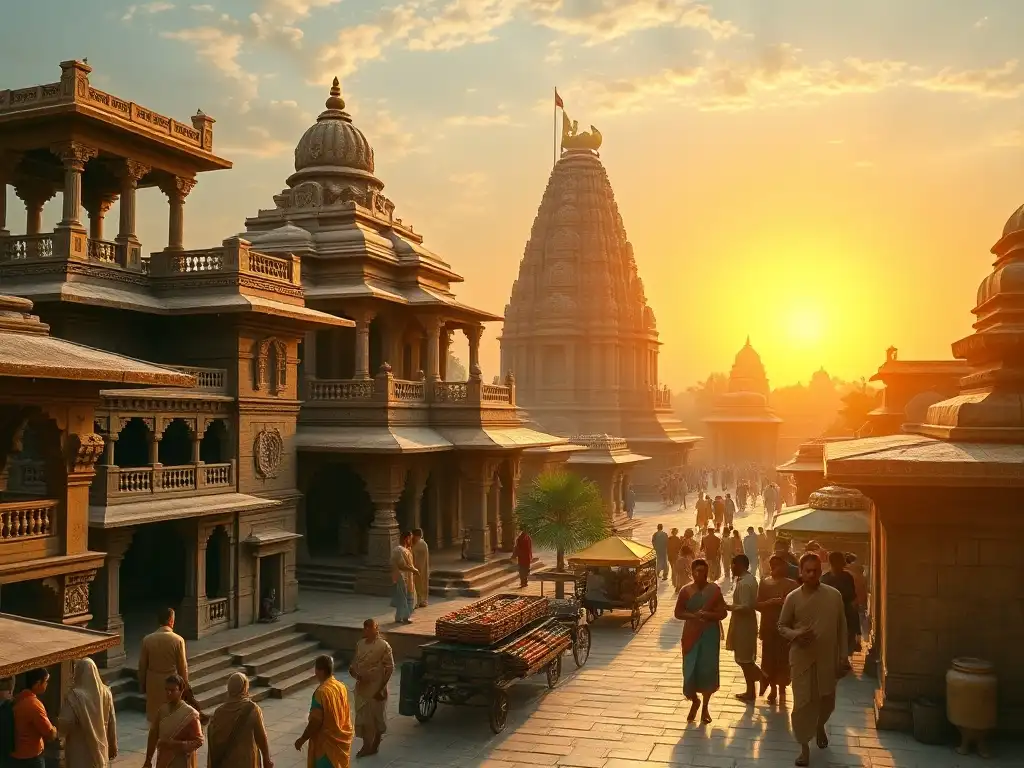
Welcome to Ancient India History, where we take you on a captivating journey through the rich tapestry of civilizations that shaped the Indian subcontinent. In today's exploration, we delve into the ancient Indian architectural evolution, tracing the remarkable transformations from the sophisticated designs of the Indus Valley to the grandeur of the Gupta Empire. Prepare to uncover the stories behind the structures, the philosophies that inspired them, and the cultural significance they hold. Join us as we unveil the mysteries of ancient architecture and its enduring legacy—your adventure into the past starts here!
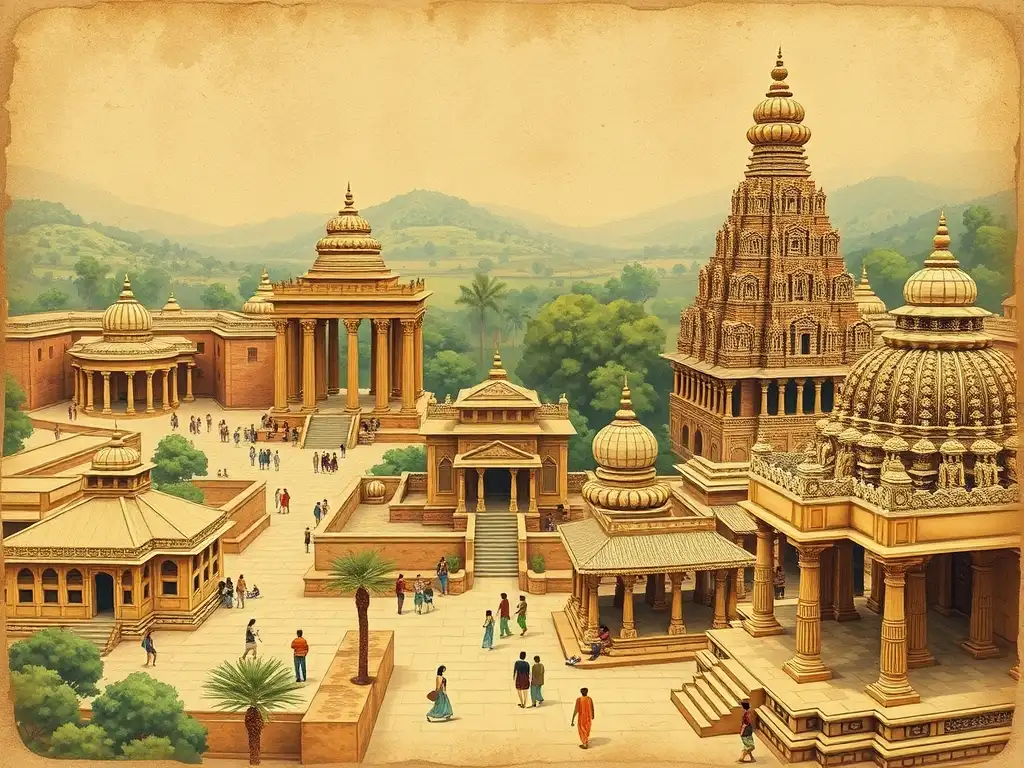
Introduction to Ancient Indian Architectural Evolution
The architectural evolution of ancient India is a fascinating journey that spans thousands of years, showcasing the ingenuity and creativity of its civilizations. From the meticulously planned cities of the Indus Valley to the grand temples of the Gupta Empire, this article explores the remarkable transformations in design, materials, and techniques employed throughout this rich historical tapestry.
Understanding the architectural evolution not only sheds light on the aesthetic values of ancient Indian societies but also reveals their socio-political dynamics, technological advancements, and cultural influences. This exploration invites us to appreciate how ancient Indian architectural evolution has laid the foundational stones for future architectural endeavors and continues to inspire contemporary designs.
Overview of Ancient Indian Architecture
Ancient Indian architecture reflects a diverse range of styles and functions, rooted in the geographical and cultural contexts of its time. The journey begins with the urban settlements of the Indus Valley Civilization (c. 3300–1300 BCE), characterized by sophisticated urban planning and standardized brick construction. As civilizations evolved, so did their architectural expressions, with the emergence of monumental structures during the Maurya (c. 322–185 BCE) and Gupta (c. 240–550 CE) periods, which include stupas, temples, and palaces.
Understanding these architectural forms is essential for appreciating the technological advancements and artistic endeavors that define ancient Indian society. Each period highlights unique aspects of creativity and functionality, showcasing the ability of ancient architects to adapt to their environment and societal needs.
Importance of Architectural Evolution in Ancient Civilizations
The architectural evolution of ancient civilizations serves multiple purposes beyond aesthetics. It reflects the socio-economic conditions, religious beliefs, and advancements in technology of the time. The buildings and structures created were not merely shelters; they were expressions of cultural identity and societal values. For instance:
- Religious Significance: Temples and stupas served as focal points for worship and community gatherings.
- Civic Pride: Urban planning reflected the administrative prowess and aspirations of city-states.
- Technological Innovation: Advances in construction techniques demonstrate the application of mathematics and engineering.
By studying the architectural evolution, we gain insights into the complexities of ancient Indian civilization and its contributions to global architectural heritage.
The Indus Valley Civilization: Foundations of Architecture
The Indus Valley Civilization stands as one of the earliest and most advanced urban cultures in the world, laying the groundwork for architectural practices that would influence future generations.
Key Features of Indus Valley Architecture
Indus Valley architecture is distinguished by its use of baked brick, a significant advancement over traditional mud construction. Key features include:
- Uniformity: Standardized brick sizes (about 28 x 14 x 7 cm) facilitated uniform construction.
- Drainage Systems: Advanced drainage systems, including covered drains and soak pits, highlight urban planning and public health considerations.
- Granaries and Warehouses: Large structures indicate the importance of agriculture and trade.
These features illustrate a society that prioritized functionality, hygiene, and order in urban design.
Urban Planning and Infrastructure in the Indus Valley
The urban planning of Indus Valley cities like Harappa and Mohenjo-Daro reveals meticulous design and organization. Key aspects include:
- Grid Layout: Streets were laid out in a grid pattern, showcasing advanced planning and organization.
- Public Bathing Areas: The Great Bath of Mohenjo-Daro is a testament to the significance of ritual cleanliness and public spaces.
- Residential Areas: Houses were constructed with standardized bricks, often featuring multiple rooms and access to drainage systems.
This level of infrastructure indicates a highly organized society with a strong emphasis on community living.
Material and Techniques Used in Indus Valley Construction
The construction techniques employed in the Indus Valley significantly influenced later architectural practices. Notable materials and methods include:
- Baked Brick: The use of kiln-fired bricks provided durability and resistance to weathering.
- Mud Mortar: Mud was often used as mortar, showcasing local resource utilization.
- Stone Foundations: Some structures featured stone foundations, reflecting an understanding of load-bearing principles.
These innovative techniques laid the groundwork for the architectural practices that followed in subsequent Indian civilizations, setting a benchmark for durability and functionality.
The Vedic Period: Transition and Transformation
The Vedic Period, spanning from approximately 1500 BCE to 500 BCE, marks a significant transition in ancient Indian architectural evolution. This era saw the shift from the urban, planned cities of the Indus Valley Civilization to more decentralized settlements that reflected the nomadic and pastoral lifestyle of the Vedic people. The architectural focus during this period was primarily on temporary structures and simple forms, utilizing materials such as wood and thatch.
The Vedic society emphasized the construction of fire altars and sacrificial sites, which became central to their religious practices. These altars were often rectangular and built with earth and stone, showcasing the beginning of ritualistic architecture. As the Vedic texts evolved, so too did the architectural complexity, leading to the development of more permanent structures, particularly in the later Vedic period, where the influence of settled agricultural practices began to emerge.
Influence of Religion on Architecture During the Vedic Period
Religion played a pivotal role in shaping the architecture of the Vedic Period. The rituals and sacrifices outlined in the Vedas dictated the design and construction of various structures. Fire altars, known as yajnashalas, were specifically designed for conducting sacred rituals, and their layout was meticulously planned according to the Vedic texts. The construction of these altars required precise measurements and orientations, reflecting the deep connection between spirituality and architecture.
The significance of the sacred fire (Agni) in Vedic culture led to the establishment of architectural forms that facilitated ritualistic practices. The altars were often elevated and surrounded by enclosures, creating a space that was not only functional but also imbued with religious meaning. This period laid the groundwork for future architectural developments that would increasingly integrate religious and cultural significance into their designs.
Evolution of Architectural Styles in Early Indian History
The architectural styles during the early Vedic period were relatively simple but set the stage for more complex designs in subsequent eras. Initially characterized by temporary structures, the evolution of architectural styles began with the introduction of brick and stone in later Vedic times. As agriculture became more widespread, permanent settlements emerged, fostering the development of larger and more intricate architectural forms.
This period also saw the emergence of cities and fortified settlements, which featured defensive structures made of mud and brick. The transition from nomadic to settled lifestyles influenced architectural styles, leading to innovations such as the mandapa (pillared halls) and shikhara (spire) that would become prominent in later Indian architecture. The adaptability of these styles reflects the dynamic cultural and social changes occurring in early Indian civilization.
The Maurya Empire: A New Era of Architectural Marvels

The Maurya Empire (circa 321–185 BCE) heralded a new era of architectural innovation and grandeur in ancient India. Under the rule of influential emperors, particularly Chandragupta Maurya and his grandson Ashoka, the empire witnessed unprecedented advancements in architectural design and urban planning. The Mauryan architecture is noted for its emphasis on monumental structures that conveyed both power and spirituality.
The integration of local materials with advanced construction techniques allowed for the creation of impressive buildings, including palaces, public structures, and religious edifices. The Maurya Empire's architectural evolution reflects a synthesis of various regional styles, which were harmonized to create a cohesive identity that represented the empire's vast reach and diversity.
Key Architectural Achievements of the Maurya Empire
The Maurya Empire is renowned for several architectural achievements that have left a lasting impact on Indian culture. Among the most notable is the Great Stupa at Sanchi, which stands as a testament to the Mauryan dedication to Buddhist architecture. This stupa, characterized by its hemispherical dome and intricate carvings, served as a reliquary and a focal point for Buddhist pilgrimage.
Additionally, the architectural layout of Pataliputra, the Mauryan capital, showcased advanced urban planning. The city was fortified with massive walls and featured sophisticated drainage systems, reflecting the empire's commitment to infrastructure and public welfare. The construction of Ashoka's edicts—inscriptions carved on rock and pillars—further exemplified the Mauryan focus on communication and governance, merging art with political ideology.
The Role of Ashoka in Architectural Development
Emperor Ashoka, one of the most significant figures in Indian history, played a crucial role in the architectural development of the Maurya Empire. After his conversion to Buddhism, Ashoka championed the construction of stupas and other religious monuments across his empire. His vision was not only to promote Buddhism but also to create a sense of unity and cultural identity among his diverse subjects.
Ashoka's patronage led to the establishment of several key architectural sites, including the Sanchi Stupa, the Bodh Gaya temple, and numerous pillars adorned with intricate carvings and inscriptions promoting moral and ethical values. His emphasis on architecture as a means of spiritual expression and governance reshaped the landscape of ancient India, leaving an indelible mark on its architectural heritage.
Stupas and Rock-Cut Architecture: Innovations of the Maurya Period
The Maurya Period is particularly known for its innovations in stupa construction and rock-cut architecture. Stupas, originally burial mounds, evolved into complex structures that housed relics of the Buddha and served as places of worship. The Great Stupa at Sanchi and the Sarnath Stupa are prime examples of this architectural form, demonstrating the use of brick, stone, and elaborate ornamentation.
Rock-cut architecture also flourished during the Maurya Empire, with significant examples found in sites such as the Barabar Caves. These caves, carved from solid rock, served as monastic retreats for Buddhist monks and reflect sophisticated engineering techniques. The intricate carvings and inscriptions found within these caves illustrate the merging of art and architecture, highlighting the cultural richness of the Mauryan era.
The architectural evolution from the Vedic Period to the Maurya Empire showcases a remarkable journey of cultural and artistic development in ancient India. Each phase contributed to the rich tapestry of architectural heritage that continues to inspire and inform contemporary design and aesthetics.
The Post-Mauryan Period: Regional Diversity in Architecture
The Post-Mauryan period, spanning from approximately 200 BCE to 300 CE, marked a significant transition in ancient Indian architecture characterized by increased regional diversity. Following the decline of the Mauryan Empire, various local dynasties emerged, each contributing unique architectural styles that reflected their cultural identities and local traditions. This period saw the amalgamation of different influences, including those from the Hellenistic world, which had a profound impact on the subcontinent's architectural landscape.
Various regions developed distinct architectural features. For example, in the northwest, the influence of Greco-Bactrian architecture led to the construction of stupas with intricate carvings and elaborate gateways. Meanwhile, in the south, the rock-cut cave architecture flourished, with significant examples found in sites like Ajanta and Ellora. The diversity of materials, techniques, and artistic expressions during this time laid the groundwork for the architectural advancements that would follow in the Gupta period.
The Impact of Regional Cultures on Architectural Styles
Regional cultures significantly influenced the architectural styles of the Post-Mauryan period. Each local dynasty brought its traditions, materials, and religious beliefs into the architectural fold. For instance, the influence of Buddhism is evident in the rock-cut caves of western India, which served as monastic complexes adorned with sculptures depicting the life of the Buddha.
In contrast, Hinduism began to assert its prominence during this period, leading to the construction of temples that reflected local deities and architectural styles. The fusion of different cultural elements resulted in a rich tapestry of architectural forms that varied from region to region. This cultural melting pot not only enhanced the aesthetic appeal of structures but also allowed for the expression of regional identities through architecture.
Notable Structures and Their Significance
Several notable structures from the Post-Mauryan period exemplify the architectural evolution during this time. One of the most significant is the Great Stupa at Sanchi, which showcases the early development of Buddhist architecture. This stupa, with its hemispherical dome and elaborate toranas (gateways), served as a monument for relics and became a pilgrimage site, symbolizing the spread of Buddhism.
Another remarkable structure is the rock-cut caves of Ajanta, which date from the 2nd century BCE to the 6th century CE. These caves are celebrated for their exquisite frescoes and sculptures that illustrate Jataka tales, providing insights into the religious and cultural life of the time. The architectural innovations and artistic expressions found in these structures reflect the dynamic nature of ancient Indian architecture during the Post-Mauryan period.
The Gupta Empire: The Golden Age of Indian Architecture
The Gupta Empire, flourishing from around 320 to 550 CE, is often referred to as the Golden Age of Indian architecture. This era witnessed remarkable advancements in architectural techniques, materials, and styles, marking a peak in the artistic expression of ancient India. The Gupta rulers were patrons of art and architecture, promoting the creation of grand temples, stupas, and various monuments that exhibited both religious devotion and aesthetic brilliance.
During this time, architecture began to embrace more intricate designs, with an emphasis on proportion and symmetry. The influence of earlier styles merged with new ideas, leading to the development of a distinctly Indian architectural identity that would resonate through the ages.
Characteristics of Gupta Architecture
Gupta architecture is characterized by several distinctive features that set it apart from previous styles. Key characteristics include:
- Temple Architecture: The construction of Hindu temples reached new heights, with elaborate carvings and detailed iconography that depicted various deities and mythological narratives. The evolution of the shikhara (tower) design became a hallmark of Gupta temples.
- Use of Stone: The preference for stone as a primary building material allowed for more durable and intricate structures, enabling artisans to create detailed sculptures and carvings.
- Innovative Layouts: Temples during this period often featured a sanctum (garbhagriha), an assembly hall (mandapa), and a courtyard, demonstrating a well-thought-out spatial organization that catered to the needs of worshippers.
These characteristics exemplify the refinement and sophistication of Gupta architecture, reflecting the empire's cultural and religious values.
Noteworthy Temples and Monuments of the Gupta Period
Several temples and monuments from the Gupta period are particularly noteworthy for their architectural excellence and historical significance. The Dashavatara Temple at Deogarh, dedicated to Lord Vishnu, is renowned for its intricate carvings and early examples of the shikhara style, showcasing the transition from simple to more elaborate temple designs.
Another significant site is the Kandariya Mahadeva Temple at Khajuraho, which, while built slightly later, reflects the enduring influence of Gupta architectural principles. The temple is famous for its stunning sculptures and intricate detailing that narrate various aspects of life, spirituality, and mythology.
These structures not only served religious purposes but also acted as centers of cultural and social life, contributing to the legacy of Indian architecture.
Influence of Gupta Architecture on Future Generations
The architectural innovations of the Gupta period had a profound impact on future generations and set the foundation for subsequent styles in Indian architecture. The principles established during this time influenced the design of later temples, particularly during the medieval period, as seen in the intricate carvings and elaborate shikharas of temples in South India and the Nagara style of Northern India.
Moreover, the Gupta emphasis on iconography and sculptural detail became a standard for temple architecture, inspiring artisans and architects in subsequent dynasties, including the Chola and Vijayanagara empires. The rich legacy of Gupta architecture continues to be celebrated and revered, as it represents a pinnacle of artistic achievement in ancient India, influencing not only architecture but also the broader cultural landscape of the subcontinent.
Comparative Analysis of Architectural Styles Across Eras
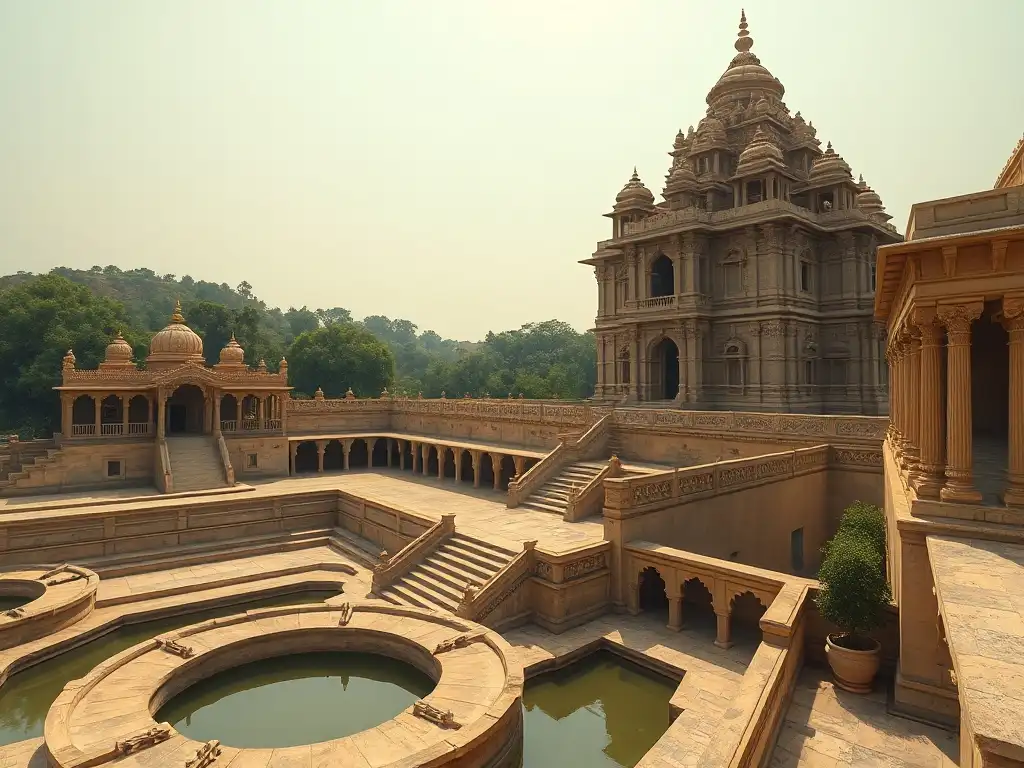
The architectural evolution of ancient India showcases a rich tapestry of styles and techniques that transformed significantly from the Indus Valley Civilization through to the Gupta Empire. Each era contributed unique features that reflect the socio-political, religious, and cultural dynamics of the time. By examining these styles comparatively, we can understand how architectural practices evolved while still retaining elements of continuity.
- Indus Valley Civilization (c. 3300 – 1300 BCE): The architecture during this period was characterized by urban planning, with well-structured cities like Mohenjo-Daro and Harappa. The use of baked bricks, sophisticated drainage systems, and uniformity in housing styles were notable features. The grid layout of cities indicates advanced urban management and civic planning.
- Mauryan Period (c. 322 – 185 BCE): Following the Indus Valley, the Mauryan architecture introduced monumental stone structures. Ashoka's pillars and stupas, such as the Sanchi Stupa, reflect Buddhist architectural influences, showcasing intricate carvings and edicts inscribed on stone.
- Gupta Empire (c. 320 – 550 CE): Gupta architecture marked a renaissance in the arts, with a focus on temple architecture. The emergence of the Nagara style, characterized by curvilinear shikharas (towers) and intricate sculptures, is a hallmark of this period. Temples such as the Dashavatara Temple at Deogarh illustrate this style's complexity and aesthetic refinement.
This comparative analysis highlights the transition from urban-centric designs of the Indus Valley to the more religiously inspired structures of the Gupta Empire, signaling a shift in societal focus.
Key Differences Between Indus Valley and Gupta Architecture
The architectural practices of the Indus Valley Civilization starkly contrast with those of the Gupta Empire, reflecting different cultural values and technological advancements.
- Materials Used:
- Indus Valley: Primarily utilized mud bricks and baked bricks, which were abundant and facilitated the construction of durable structures.
- Gupta: Transitioned to stone masonry, allowing for more monumental and enduring edifices, exemplified in the intricately carved temples.
- Design Philosophy:
- Indus Valley: Emphasized functional urban planning with a focus on drainage and sanitation, showcasing a pragmatic approach to architecture.
- Gupta: Shifted towards religious symbolism and aesthetics, with elaborate carvings and sculptures that conveyed spiritual narratives.
- Cultural Context:
- Indus Valley: Architecture reflected a secular society, with an emphasis on trade and residential communities.
- Gupta: Architecture was predominantly religious, with temples dedicated to Hindu deities, indicating a society deeply intertwined with spiritual practices.
These differences illustrate a significant evolution in architectural purpose and context, moving from practical urbanism to religious expression.
Continuities in Architectural Practice from Indus to Gupta
Despite the marked differences across periods, certain architectural practices persisted from the Indus Valley through to the Gupta Empire, reflecting a continuity in cultural expression.
- Urban Planning: The grid pattern established in Indus Valley cities influenced later urban designs, where the layout of cities continued to prioritize order and accessibility.
- Water Management: The advanced drainage systems of the Indus Valley set a precedent for the importance of water management in later architectural endeavors, including temple complexes.
- Religious Elements: While the specific religious practices evolved, the incorporation of sacred spaces within urban layouts can be traced from the Indus period to Gupta architecture, where temples became focal points in cities.
These continuities underscore the enduring legacy of early architectural innovations that shaped subsequent developments.
Conclusion: The Legacy of Ancient Indian Architectural Evolution
The architectural evolution from the Indus Valley to the Gupta Empire represents a significant chapter in ancient Indian history, showcasing not only the creativity and ingenuity of its people but also their ability to adapt and innovate in response to changing cultural paradigms.
Lasting Impact of Ancient Architecture on Modern India
The legacy of ancient Indian architecture can be seen in contemporary society, where ancient principles of design, symmetry, and urban planning continue to influence modern architecture. The reverence for traditional styles can be observed in the construction of new temples and public spaces, which often draw inspiration from ancient techniques and aesthetics.
Reflections on the Cultural Significance of Ancient Indian Architecture
Ancient Indian architecture serves as a testament to the civilization's cultural richness and diversity. It reflects the spiritual and social values of its time, encapsulating the beliefs and aspirations of the people. By studying these architectural marvels, we gain insights into the historical narratives and cultural identities that have shaped modern India, emphasizing the significance of preserving and honoring this architectural heritage.
References and Further Reading
As we delve into the architectural evolution of ancient India, it is essential to consult a variety of sources that provide in-depth insights and analyses. The following literature and online resources are invaluable for anyone interested in exploring the rich tapestry of ancient Indian architecture, from the urban planning of the Indus Valley Civilization to the intricate temple designs of the Gupta Empire.
Suggested Literature on Ancient Indian Architecture
-
"The Art and Architecture of Ancient India" by Thomas Donaldson
This comprehensive guide covers the major architectural styles and artistic expressions found throughout ancient India, detailing the significance of various structures and their cultural contexts.
-
"A History of Indian Architecture" by Percy Brown
A seminal work that traces the development of architectural forms across different periods in India, including the evolution of temple architecture and the impact of various dynasties.
-
"Indian Temple Architecture: Form and Transformation" by Adam Hardy
Hardy's work focuses on the evolution of temple architecture in India, exploring how forms changed over time and the influences that shaped these transformations.
-
"Indus Valley Civilization: A Historical Perspective" by Shereen Ratnagar
This book provides insights into the urban planning and architectural innovations of the Indus Valley Civilization, emphasizing their advanced techniques and societal organization.
-
"Gupta Architecture" by B. N. Mukherjee
Mukherjee's exploration of Gupta architecture highlights the key features of this era, including the emergence of intricate sculptures and the development of temple layouts.
Online Resources for Exploring Architectural Evolution in Ancient India
-
Digital Indus
This online platform offers a collection of resources, including articles, images, and videos related to the Indus Valley Civilization, presenting a visual journey through its architectural marvels.
-
Archaeological Survey of India (ASI)
The ASI's official website features a wealth of information on various archaeological sites across India, showcasing detailed descriptions of ancient structures and ongoing excavations.
-
India Heritage Portal
A rich repository of information on India's architectural heritage, this website provides access to a variety of texts, photographs, and maps that document the evolution of architecture from ancient times to the present.
-
Google Arts & Culture: Ancient India
This platform allows users to explore high-resolution images and virtual tours of significant archaeological sites and artifacts, offering a unique perspective on ancient Indian architectural evolution.
-
ResearchGate
A network where scholars publish their papers, ResearchGate contains numerous research articles and studies focused on different aspects of ancient Indian architecture, making it a valuable resource for academic exploration.
These resources will significantly enhance your understanding of the architectural evolution in ancient India, providing a well-rounded perspective on the subject.
- Introduction to Ancient Indian Architectural Evolution
- The Indus Valley Civilization: Foundations of Architecture
- The Vedic Period: Transition and Transformation
- The Maurya Empire: A New Era of Architectural Marvels
- The Post-Mauryan Period: Regional Diversity in Architecture
- The Gupta Empire: The Golden Age of Indian Architecture
- Comparative Analysis of Architectural Styles Across Eras
- Conclusion: The Legacy of Ancient Indian Architectural Evolution
- References and Further Reading
Frequently Asked Questions
What is ancient Indian architectural evolution?
Ancient Indian architectural evolution refers to the development and transformation of architecture in India, showcasing influences from the Indus Valley Civilization through to the Gupta Empire.
What are some key features of Indus Valley architecture?
The Indus Valley architecture is characterized by advanced urban planning, use of drainage systems, standardized brick sizes, and large public buildings, reflecting a sophisticated understanding of civil engineering.
How did architecture change during the Gupta Empire?
During the Gupta Empire, architecture saw a shift towards more ornate styles, including the use of carvings and intricate sculptures, particularly in temples, which showcased the religious devotion of the period.
What role did religion play in shaping ancient Indian architecture?
Religion was a significant factor, with Hinduism, Buddhism, and later Jainism influencing the design and construction of temples and stupas, leading to the integration of spiritual and architectural elements in ancient structures.
Can you give an example of a prominent ancient Indian architectural site?
One prominent site is the Ajanta Caves, famous for their stunning rock-cut architecture and frescoes, which reflect the cultural and artistic achievements of ancient India during the early centuries CE.
Final Reflection: The Timeless Journey of Ancient Indian Architectural Evolution
The architectural evolution of ancient India, from the intricate designs of the Indus Valley to the majestic structures of the Gupta Empire, remains profoundly relevant today. As we navigate the complexities of modern architecture, the lessons learned from these ancient civilizations remind us of the importance of cultural identity and innovation in design. The ingenuity displayed in these early structures not only reflects the technological advancements of their time but also serves as a testament to the enduring legacy of human creativity.
Cultural and social landscapes are continually shaped by the architectural choices of the past, influencing how we perceive space and community. The intricate planning of cities like Mohenjo-Daro and the grandeur of Gupta temples illustrate a deep understanding of both functionality and aesthetics, which resonates in contemporary architecture. Architecture is the thoughtful making of space,
as Louis Kahn once said, encapsulating the essence of how these ancient designs continue to inspire modern architects and urban planners alike.
As we reflect on the architectural evolution of ancient India, let us embrace the lessons embedded within these historical marvels. Consider how the principles of harmony, sustainability, and cultural expression can be integrated into our own lives and communities. I invite you to explore your surroundings, appreciate the stories told through architecture, and think about how you can contribute to a legacy that honors the past while paving the way for a sustainable future.
Embrace the Journey of Architectural Discovery!
Thank you for exploring the fascinating evolution of architecture in ancient India with us! You've gained valuable insights into how civilizations like the Indus Valley and the Gupta Empire shaped the architectural landscape. Now, let’s build on that knowledge and take actionable steps to deepen your understanding and appreciation of this rich heritage.
- Dive deeper into ancient architecture: Visit local museums or historical sites that showcase ancient Indian structures, allowing you to experience these architectural marvels firsthand.
- Share your newfound knowledge: Engage with friends and family about the significant evolution of architectural styles, or create a post on social media to spark interest in ancient Indian history.
- Join a local history group: Connect with other enthusiasts to discuss and explore more about ancient cultures and their architectural wonders.
Which aspect of ancient Indian architecture surprises you the most, and in what ways do you think it influences modern design today?