
The Legacy of the Buddha's Mother: Maya and Her Role in Buddhism

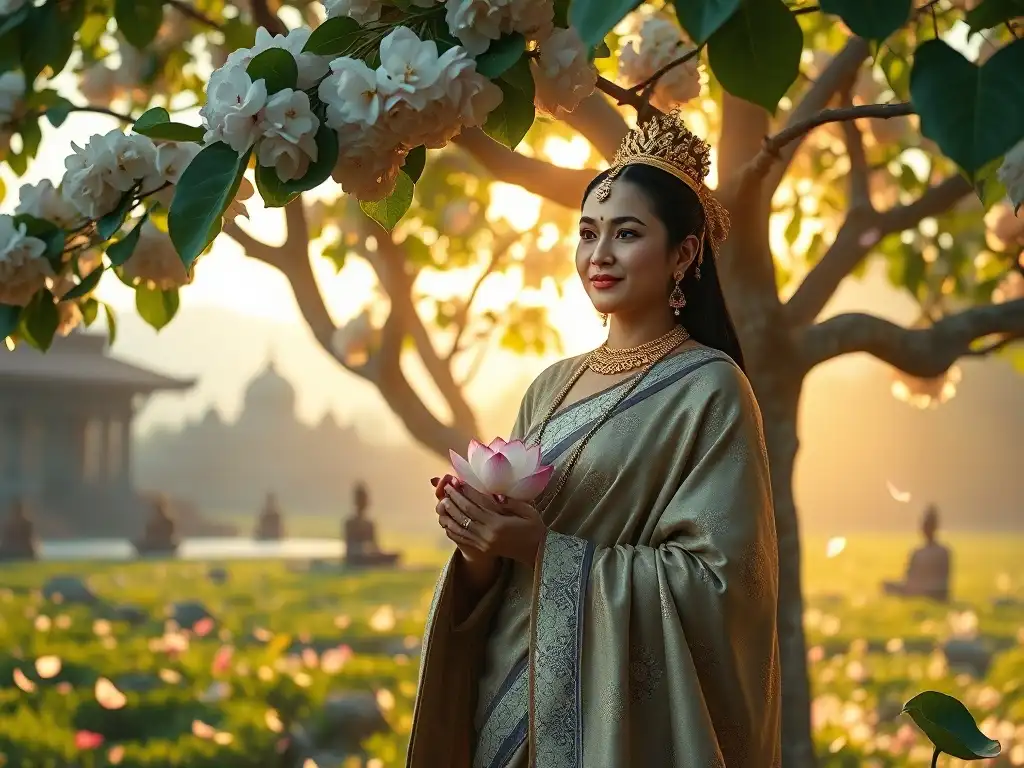
Welcome to Ancient India History, where we embark on a captivating journey through the rich and diverse tapestry of ancient Indian civilizations. Here, we delve into the profound cultural heritage and remarkable contributions that have shaped the course of history, from the enigmatic Indus Valley to the illustrious Gupta Empire.
In our featured article, "The Legacy of the Buddha's Mother: Maya and Her Role in Buddhism," we uncover the significance of Buddha's Mother, Maya, and her pivotal influence on one of the world's most profound spiritual traditions. Prepare to be intrigued as we explore her story and its lasting impact on Buddhism—read on to discover how this extraordinary figure continues to resonate through time!
Introduction to Buddha's Mother Maya
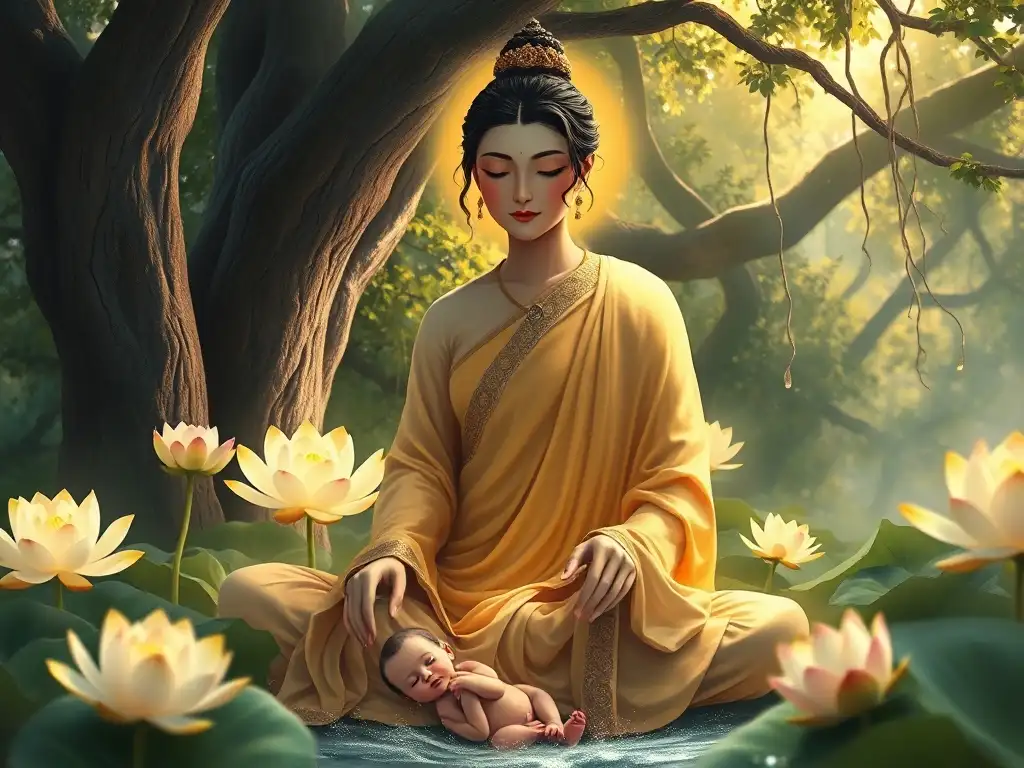
The figure of Maya, the mother of Siddhartha Gautama, who later became known as the Buddha, holds a remarkable place in the tapestry of Buddhism. Her life and significance extend beyond her role as a mother; she embodies the values and virtues that underpin Buddhist teachings. As an essential figure in the narrative of the Buddha's life, Maya's legacy reflects the rich cultural and spiritual heritage of ancient India.
Understanding her contributions offers deeper insights into the foundations of Buddhism and the reverence for maternal figures within the tradition. This exploration of Maya's significance not only sheds light on her individual character but also highlights the pivotal role mothers play in shaping spiritual journeys.
Overview of Maya's Significance in Buddhism
Maya's importance in Buddhism can be encapsulated in several key aspects:
- Maternal Archetype: Maya represents the ideal qualities of motherhood, including compassion, nurturing, and selflessness, which are central to Buddhist values.
- Symbol of Enlightenment: Her dreams and the miraculous circumstances of Siddhartha's birth symbolize the potential for enlightenment that exists within all beings.
- Cultural Impact: Maya's narrative has influenced various forms of Buddhist art, literature, and philosophy, serving as a source of inspiration across generations.
These facets of her significance underscore how Maya transcends her historical context to become a universal symbol of maternal love and spiritual guidance.
Historical Context of Maya in Ancient India
To appreciate Maya's role in Buddhism fully, it is essential to consider the historical and cultural context of ancient India during her lifetime. The period marked the rise of various philosophical and spiritual movements, including Hinduism and early Buddhism, which were deeply intertwined with social structures and religious beliefs.
- Indo-Aryan Society: Maya belonged to the Shakya clan, a group that thrived in the region of modern-day Nepal. This society was characterized by a blend of tribal traditions and early forms of governance that influenced social dynamics.
- Religious Landscape: The spiritual atmosphere of ancient India was rich and diverse, with various schools of thought emerging. Maya's life unfolded amidst these transformative ideas, which later shaped the principles of Buddhism and its approach to suffering, compassion, and enlightenment.
Maya's Life and Background
Early Life of Maya: Family and Influences
Maya was born into the Koliyan clan, known for their prominence in the region. Her upbringing was steeped in the values and practices of the time, which greatly influenced her character and beliefs.
- Family Background: As the daughter of King Anjana, Maya was raised in a royal environment that emphasized duty, honor, and spirituality.
- Cultural Influences: The teachings of sages and the prevailing philosophies of the time played a significant role in shaping her worldview, nurturing a sense of compassion and understanding that would later resonate in her son's teachings.
Marriage to King Suddhodana and Life in the Shakya Kingdom
Maya's marriage to King Suddhodana marked a pivotal transition in her life, placing her at the heart of the Shakya kingdom's royal affairs.
- Royal Life: As the queen, Maya navigated the complexities of court life while upholding her values and responsibilities. Her role included not only being a mother but also a supporter of her husband's reign.
- Cultural Responsibilities: The Shakya kingdom thrived on trade and cultural exchanges, allowing Maya to engage with various influences, enriching her perspectives and contributing to the broader narrative of Buddhism.
The life of Maya, intertwined with the historical and cultural elements of her time, serves as a crucial foundation for understanding her significance in Buddhism and the enduring legacy she has left in the hearts of practitioners.
The Birth of Siddhartha Gautama
The birth of Siddhartha Gautama, who would later become known as the Buddha, is a pivotal event in Buddhist tradition. According to various texts, Siddhartha was born around the 5th to 4th century BCE in Lumbini, a region that is now part of modern-day Nepal. His mother, Queen Maya, is depicted as a significant figure in this narrative, embodying virtues that would influence Siddhartha's eventual path to enlightenment.
Maya's journey during her pregnancy is laden with profound symbolism. It is said that she experienced a divine dream, where a white elephant entered her womb, signifying the imminent birth of a great being. This event is not merely a precursor to Siddhartha's arrival; it serves as a testament to his extraordinary destiny. The birth, marked by miraculous occurrences, such as Siddhartha emerging from her side while standing and taking seven steps, reflects themes of purity, divinity, and the potential for enlightenment.
The Significance of Siddhartha's Birth in Buddhist Tradition
In Buddhist tradition, Siddhartha's birth is celebrated as a moment of immense significance, symbolizing hope and the possibility of liberation from suffering. His arrival is often depicted during the festival of Vesak, which marks the birth, enlightenment, and passing away of the Buddha. This triad of events emphasizes the importance of Siddhartha's life and teachings in guiding individuals towards spiritual awakening.
Maya's role as Siddhartha's mother further enriches this narrative. She is revered not only for giving birth to the Buddha but also for the nurturing qualities she embodies. Her story reflects the broader themes of maternal love, compassion, and selflessness, which are central to Buddhist teachings. As such, Siddhartha's birth is not merely a historical event but a profound moment that resonates with the core principles of Buddhism, encouraging practitioners to seek enlightenment and foster compassion.
Maya's Role in the Birth Story: Myths and Symbolism
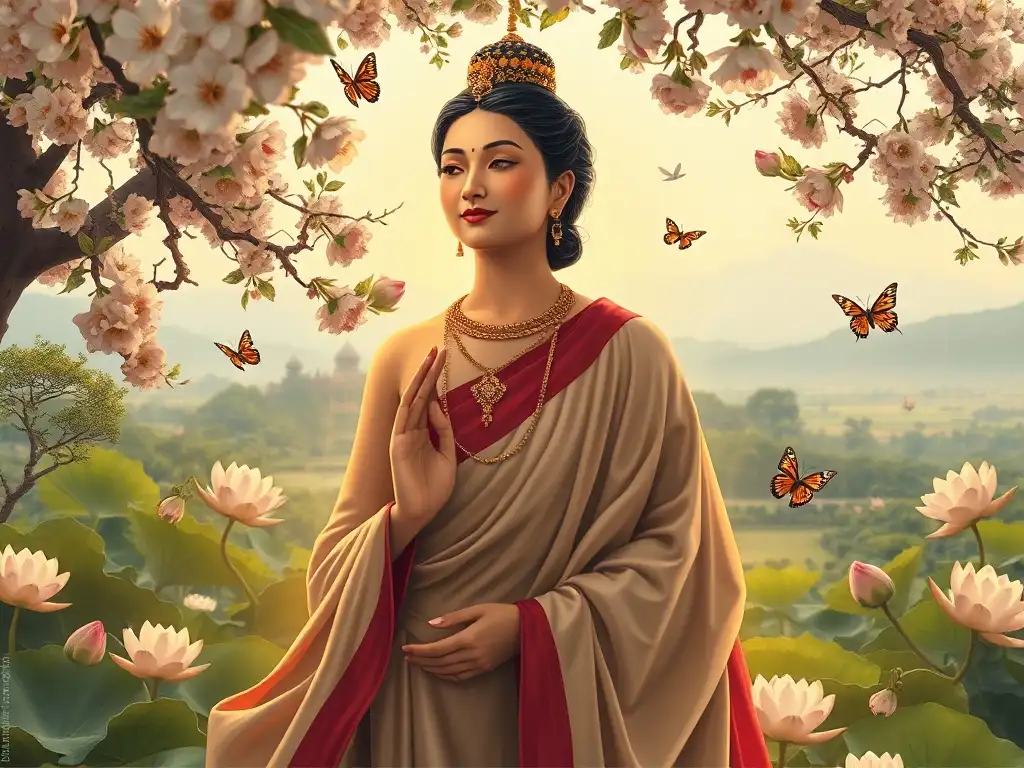
Maya's role in the birth story of Siddhartha Gautama is steeped in myths and rich symbolism. The imagery surrounding her pregnancy and delivery carries significant cultural and spiritual meanings. The white elephant entering her womb is often interpreted as a symbol of purity and the divine nature of her child. This portrayal elevates Maya to a status of reverence, linking her directly to the spiritual lineage of the Buddha.
Additionally, the circumstances of Maya’s death shortly after Siddhartha's birth add layers of complexity to her narrative. Her passing is seen as a poignant reminder of the impermanence of life, a fundamental concept within Buddhism. Maya's brief but impactful presence in Siddhartha's early life serves to highlight the transient nature of existence, further encapsulating the essence of Buddhist philosophy.
Her story is also a reflection of the archetypal mother figure found in many cultures, representing nurturing and wisdom. Through Maya, the teachings of Buddhism embrace the importance of maternal influences, suggesting that the qualities of love and compassion are foundational to the spiritual journey.
Maya's Influence on Siddhartha Gautama’s Journey
Maya's influence on Siddhartha Gautama's journey is profound, extending beyond her physical presence. Although she passed away shortly after his birth, the values she represents—compassion, love, and selflessness—are pivotal in shaping Siddhartha’s understanding of the world. These qualities are essential in his quest for enlightenment, as they resonate with the core principles of Buddhism.
Siddhartha's experiences of love and loss, particularly in relation to his mother, contributed to his understanding of suffering, a key tenet of his teachings. The nurturing qualities that Maya embodies are reflected in Siddhartha’s later teachings about compassion towards all beings. Thus, her legacy is woven into the fabric of his life, influencing his approach to the spiritual path.
The Impact of Maternal Love in Buddhism
Maternal love, as exemplified by Maya, holds a significant place in Buddhist thought. It is often viewed as a model for the compassionate love that practitioners are encouraged to cultivate towards all sentient beings. This love is not selfish but rather selfless, reflecting the core Buddhist tenet of interconnectedness.
In many Buddhist teachings, the concept of 'Metta' or loving-kindness is central. This quality can be traced back to the nurturing and unconditional love that Maya provided. Her influence serves as an archetype for practitioners, encouraging them to develop a similar sense of compassion and empathy in their lives. This maternal love extends beyond individual relationships and fosters a sense of community and collective well-being, essential for spiritual growth.
Lessons from Maya’s Life and Their Relevance to Buddhism
Maya's life and legacy offer valuable lessons that resonate deeply within Buddhist teachings. Her story emphasizes the importance of compassion, sacrifice, and the acceptance of impermanence. These themes are not only integral to the understanding of Buddhist philosophy but also serve as guiding principles for practitioners seeking enlightenment.
One of the key lessons from Maya's life is the notion of selflessness. She embodies the idea that true fulfillment comes from caring for others, a sentiment that is echoed in the teachings of the Buddha. Furthermore, her experiences highlight the cycle of life and death, reminding practitioners of the transient nature of existence—an essential perspective that fosters detachment and a deeper understanding of reality.
Maya's significance in Buddhism extends beyond her role as the Buddha's mother; she represents the virtues of love, compassion, and the acceptance of life's impermanence, all of which are critical for those on the spiritual path. Her influence remains an enduring legacy, inspiring generations of practitioners to embody these qualities in their own lives.
The Spiritual Legacy of Buddha's Mother
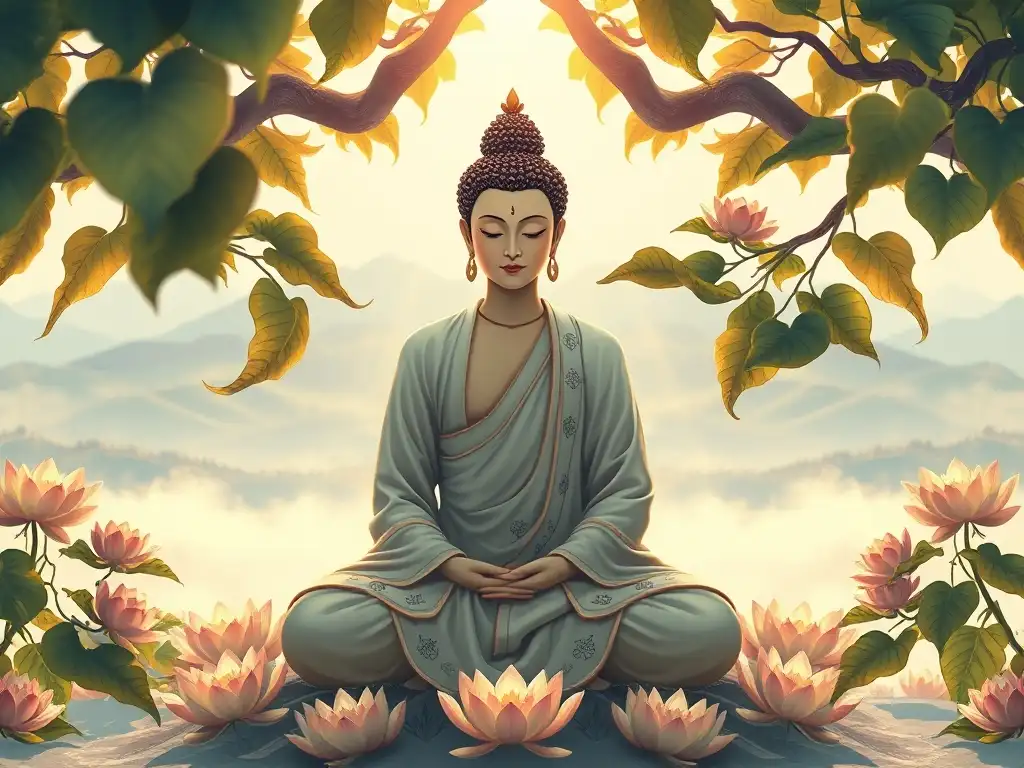
The spiritual legacy of Buddha's Mother, Maya, is profound and multifaceted, influencing the foundational principles of Buddhism. Maya is often revered not just as the mother of Siddhartha Gautama (Buddha) but also as a symbol of the nurturing qualities essential for spiritual growth and enlightenment. Her significance extends beyond motherhood into the realms of compassion, wisdom, and the understanding of impermanence—core tenets of Buddhist philosophy.
Maya's life story is imbued with spiritual symbolism, particularly her dream of the white elephant, which is interpreted as a divine sign of the extraordinary future that awaited her son. This event is often associated with the notion of destiny and the interconnectedness of all beings, emphasizing the belief that every individual has a unique purpose.
Furthermore, her role in Siddhartha's early life is seen as a crucial influence in shaping his character and values, which ultimately guided him on his path to enlightenment. As such, Maya's legacy is integral to understanding the spiritual underpinnings of Buddhism and the qualities that practitioners strive to embody.
Maya as a Symbol of Compassion and Nurturing
Maya is emblematic of compassion and nurturing, qualities that are foundational in Buddhist teachings. As a mother, she exemplified unconditional love and care, providing the essential emotional and spiritual support that enabled Siddhartha to embark on his journey toward enlightenment. Her nurturing nature is reflected in the nurturing aspects of Buddhism, where compassion (karuna) is considered a vital practice for all followers.
In various teachings, Maya's compassion is highlighted as a model for all beings, encouraging people to develop empathy and love toward others. This nurturing spirit is not limited to motherhood; it extends to a broader understanding of compassion as a universal principle. By embodying these traits, Maya serves as a reminder of the importance of emotional intelligence and care in the spiritual journey, inspiring both men and women to cultivate love and compassion in their lives.
The Role of Women in Buddhism: Maya as a Model
Maya's role in Buddhism also serves to highlight the significance of women within the tradition. Despite the challenges that women faced in ancient societies, Maya stands out as a powerful symbol of strength, virtue, and influence. Her status as the Buddha's mother places her in a position of reverence, illustrating that women can hold a vital role in spiritual narratives and religious life.
Maya's portrayal encourages the recognition of women's contributions to Buddhism and spirituality. Her example asserts that women possess the same potential for enlightenment and spiritual leadership as men. Throughout Buddhist history, women like Maya have been pivotal in shaping the community and its teachings, advocating for the recognition of female practitioners and their unique perspectives in the spiritual discourse. This model challenges patriarchal interpretations and promotes inclusivity within the Buddhist tradition.
Maya in Buddhist Texts and Art
Maya's presence is felt throughout Buddhist texts and art, where her story and significance are immortalized. These representations serve not only to honor her but also to convey deeper spiritual messages about motherhood, compassion, and the path to enlightenment. Various texts and artworks depict her life, capturing the essence of her character and her impact on Siddhartha's journey.
Representation of Maya in Buddhist Literature
In Buddhist literature, Maya's representation is rich and varied. Texts such as the "Lalitavistara Sutra" recount her miraculous conception and the birth of Siddhartha, emphasizing the divine nature of her motherhood. These narratives often focus on her dreams and omens, which signify her importance in the Buddhist cosmology.
Additionally, her character is often depicted as embodying the qualities of wisdom and benevolence, symbolizing the nurturing aspect of the Dharma. Scholars have analyzed these texts to uncover the deeper philosophical meanings behind her portrayal, discussing how her story reflects themes of impermanence, compassion, and the sacredness of life. As a result, Maya is not merely a background figure; she becomes central to the understanding of the values and teachings that Buddhism espouses.
Artistic Depictions of Maya and Their Importance
Artistic depictions of Maya are significant in conveying her legacy and the values she represents. From ancient sculptures to modern paintings, artists have sought to capture her essence, often portraying her in scenes that highlight her nurturing qualities and her relationship with Siddhartha. These artworks serve as visual narratives that reinforce the teachings of Buddhism and inspire devotion.
The importance of these artistic representations lies in their ability to transcend cultural and temporal boundaries, enabling viewers to connect with the spiritual ideals embodied by Maya. They evoke feelings of compassion, love, and reverence, encouraging practitioners to reflect on the qualities they aspire to cultivate in their own lives. By preserving Maya's image in art, the Buddhist community continues to honor her legacy and emphasize the vital role that compassion and nurturing play in the spiritual journey.
Conclusion
The legacy of the Buddha's Mother, Maya, is a profound aspect of Buddhist history that transcends her physical presence in the narratives. Her life and the circumstances surrounding her son’s birth are rich with symbolism and meaning. Maya's significance extends beyond her role as the mother of Siddhartha Gautama; she embodies the values of compassion, nurturing, and spiritual potential. Her story illustrates the foundational beliefs of Buddhism regarding the nature of existence, the importance of maternal influence, and the transformative power of love and sacrifice.
Understanding Maya's influence allows us to appreciate the intricate relationship between motherhood and spirituality within the context of Buddhism. This connection not only honors her memory but also emphasizes the vital role that women play in the development of Buddhist thought and practice. As we reflect on Maya's legacy, we are reminded of the enduring impact that individual lives can have on broader religious traditions.
Reflection on Buddha's Mother Maya's Enduring Legacy
Maya’s enduring legacy serves as a reminder of the essential qualities that define motherhood—selflessness, love, and guidance. In Buddhist teachings, she is often depicted as a source of purity and virtue, representing the ideal qualities that practitioners strive to embody. Her story is not only a narrative of personal sacrifice but also a metaphor for the potential of every being to achieve enlightenment.
Moreover, the reverence held for Maya within Buddhist communities reflects a broader acknowledgment of women's contributions to spiritual life. By recognizing her role, we acknowledge the importance of female figures in Buddhism, challenging the often male-centric narratives that dominate historical discourse. This recognition fosters a deeper understanding of the spiritual lineage that connects all practitioners, regardless of gender.
The Ongoing Relevance of Maya's Significance in Modern Buddhism
Maya's significance continues to resonate within modern Buddhist practices and teachings. Contemporary interpretations of her life highlight the importance of nurturing qualities in the journey toward enlightenment. Many Buddhist communities emphasize the role of compassion and loving-kindness, values that Maya epitomizes.
Additionally, the increased focus on gender equality within Buddhism has led to a resurgence of interest in female figures like Maya. Today, her story inspires discussions about the representation of women in spiritual leadership and the need for inclusive narratives within the religious framework. As practitioners reflect on Maya's contributions, they foster a more holistic understanding of Buddhism that honors the diverse experiences and roles of women throughout history.
References and Further Reading
Recommended Texts on Maya and Early Buddhism
- "The Life of the Buddha" by Bhikkhu Nanamoli - This text provides an in-depth look into the life of Siddhartha Gautama and the pivotal role played by his mother, Maya.
- "Buddhism: A Very Short Introduction" by Damien Keown: - A concise overview of Buddhist teachings, including insights into significant figures such as Maya.
- "Women in Buddhism: Images of the Feminine in the Lotus Sutra" by Barbara R. Ambros: - This book discusses representations of women in Buddhism, including Maya, and their implications for understanding gender roles.
Additional Resources on the Role of Women in Buddhism
- "Women and Buddhism: A Partial Bibliography": - This resource compiles key texts and articles that explore the contributions and roles of women in Buddhist history.
- "The Feminine Face of Buddhism" by Karma Lekshe Tsomo - A collection of essays that explore the intersection of gender and Buddhism, highlighting the significance of figures like Maya.
- Online Lectures and Documentaries - Platforms like YouTube provide various lectures and documentaries on early Buddhism and the role of women, offering accessible insights into Maya’s legacy.
By engaging with these texts and resources, readers can deepen their understanding of Buddha's Mother Maya and her significance within the broader context of Buddhism.
- Introduction to Buddha's Mother Maya
- Maya's Life and Background
- The Birth of Siddhartha Gautama
- The Significance of Siddhartha's Birth in Buddhist Tradition
- Maya's Role in the Birth Story: Myths and Symbolism
- Maya's Influence on Siddhartha Gautama’s Journey
- The Impact of Maternal Love in Buddhism
- Lessons from Maya’s Life and Their Relevance to Buddhism
- The Spiritual Legacy of Buddha's Mother
- Maya in Buddhist Texts and Art
- Conclusion
- References and Further Reading
Frequently Asked Questions
What is the significance of Buddha's Mother, Maya?
Buddha's Mother, Maya, is significant as she is believed to have played a crucial role in the Buddha's birth and early life, embodying qualities of compassion and nurturing essential to Buddhist teachings.
How does Maya's story contribute to Buddhist teachings?
Maya's story highlights themes of sacrifice, love, and spirituality, emphasizing the importance of maternal figures in Buddhism and their influence on the development of the Buddha's path.
Key events include her dream of a white elephant, which symbolized the Buddha's future greatness, and her early death, which deeply impacted Siddhartha Gautama and shaped his quest for enlightenment.
How is Maya represented in Buddhist art and literature?
In Buddhist art, Maya is often depicted in scenes of the Buddha's birth, symbolizing purity and divine motherhood. Her narratives in literature emphasize her importance in the Buddhist tradition.
What lessons can be learned from Maya's role in Buddhism?
Maya's role teaches us about the importance of maternal love, the sacrifices made by mothers, and the profound impact of family on one's spiritual journey in Buddhism.
Final Reflection: The Enduring Significance of Buddha's Mother Maya
The legacy of Buddha's Mother Maya is not only a historical narrative but a profound testament to the nurturing spirit that shapes our understanding of enlightenment and compassion. In a world increasingly fragmented by strife and misunderstanding, her story serves as a reminder of the foundational values of love and sacrifice that underpin Buddhism. The significance of Buddha's Mother Maya transcends time, urging us to reflect on the role of maternal figures in our spiritual journeys and the universal quest for peace.
Maya's influence resonates deeply within the cultural and social landscapes of today, reminding us that the essence of nurturing is vital in fostering a compassionate society. Her life exemplifies the strength found in vulnerability and the power of love to inspire transformation. As the Dalai Lama poignantly stated, Love and compassion are necessities, not luxuries. Without them, humanity cannot survive.
This sentiment underscores the importance of Maya's legacy, as it continues to inspire individuals to embrace compassion in their daily lives, fostering a sense of community and understanding.
As we reflect on the lessons imparted by Buddha's Mother Maya, let us take a moment to consider how we can embody her spirit in our own lives. I invite you to explore the ways in which you can nurture compassion and understanding in your interactions with others. Whether through acts of kindness, listening with an open heart, or simply being present for those around you, each small gesture contributes to a larger tapestry of love that can transform our world. Embrace the legacy of Maya, and let it guide you toward a more compassionate existence.
Embrace the Wisdom of Maya: Take Action Now!
Thank you for dedicating your time to explore the profound legacy of Maya, the mother of the Buddha. You've uncovered the significant role she plays in Buddhism, inspiring us with her virtues and strength. Now, it's time to put this knowledge into action! Here’s how you can deepen your connection and honor her remarkable influence:
- Reflect on your own journey: Take a moment to journal about the qualities you admire in Maya. What virtues can you incorporate into your own life?
- Join a community discussion: Engage with others by sharing your insights about Maya’s impact on Buddhism. Consider participating in online forums or local groups.
- Organize or attend a mindfulness session: Seek out or host a local meditation group that explores themes related to compassion and motherhood in Buddhism.
How will you integrate the teachings and virtues inspired by Maya into your daily life? Share your thoughts below!