
The Spiritual Benefits of Buddhist Retreats: Rejuvenation and Reflection

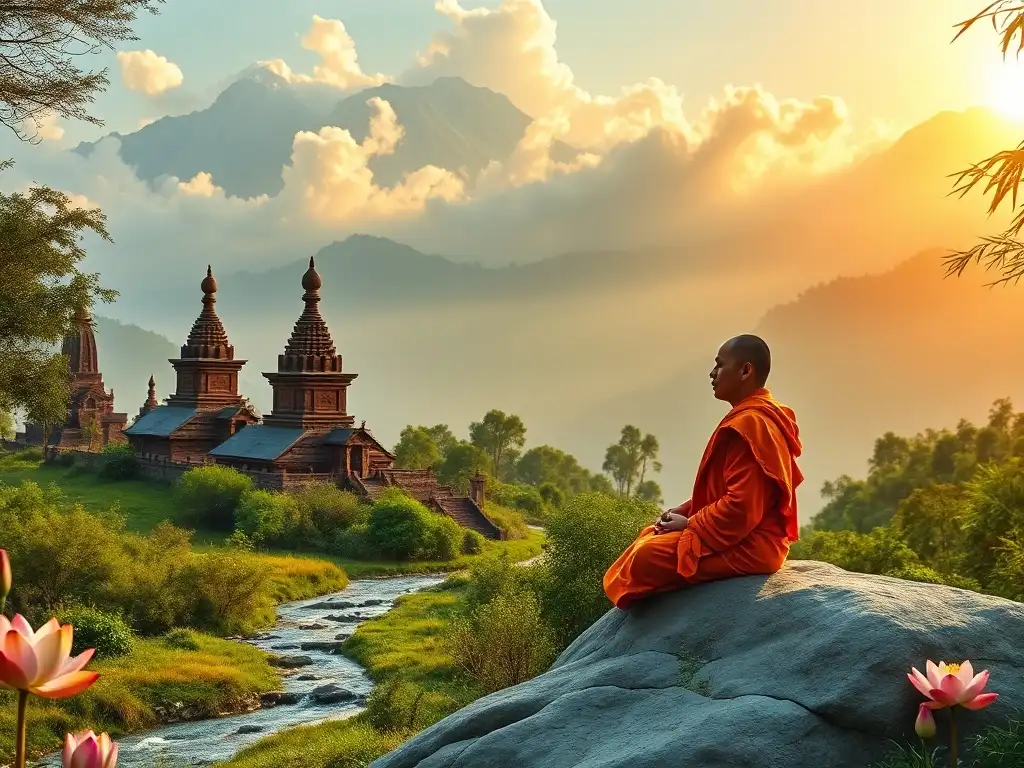
Welcome to Ancient India History, where we embark on an enlightening journey through the rich tapestry of India's past. In this exploration, we delve into the profound Buddhist retreats in ancient India, a topic that reveals not only the spiritual practices of the time but also the transformative power of reflection and rejuvenation. What secrets did these serene sanctuaries hold?
Join us as we uncover the layers of history, culture, and the remarkable contributions of ancient Indian civilizations, from the tranquil Indus Valley to the illustrious Gupta Empire. Your adventure into the depths of history awaits—let's discover the spiritual benefits that shaped a nation's soul!
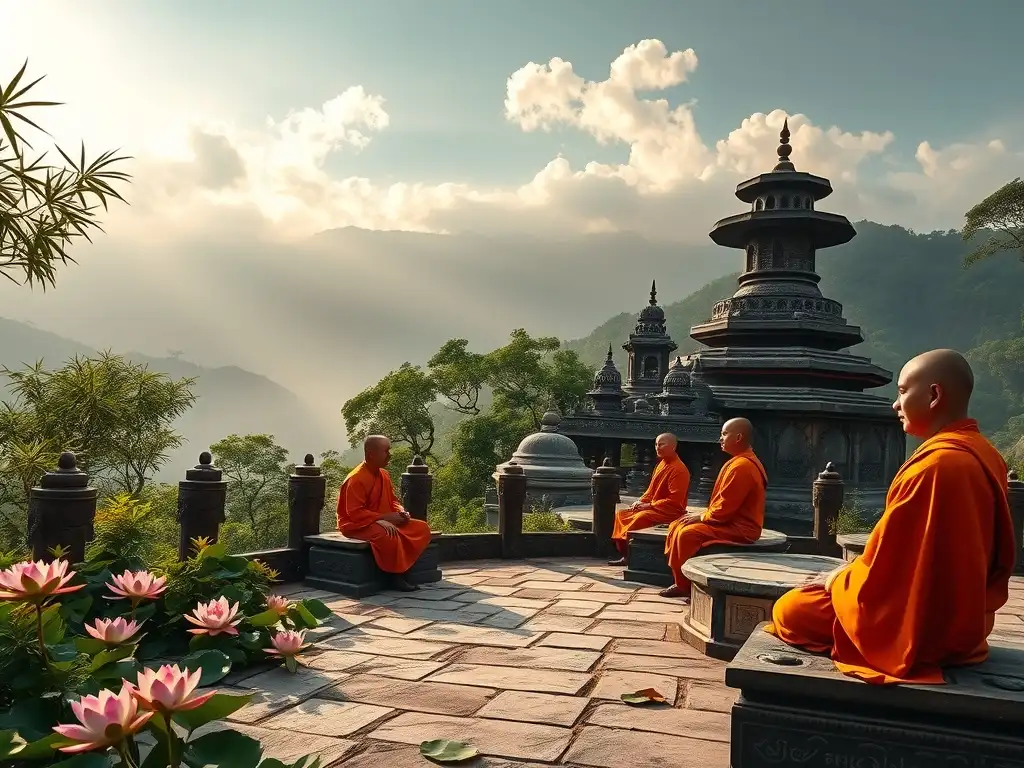
Introduction to Buddhist Retreats in Ancient India
Buddhism, one of the most significant religions to emerge from ancient India, has profoundly influenced spiritual practices and philosophies over the centuries. Among its many traditions, Buddhist retreats stand out as vital spaces for personal growth, reflection, and rejuvenation. These retreats, often nestled in serene landscapes, offer practitioners a chance to step away from the chaos of daily life and immerse themselves in meditation and mindfulness. This article explores the spiritual benefits of Buddhist retreats, particularly focusing on their historical roots and significance in ancient Indian culture, while also examining their enduring relevance in contemporary practice.
Understanding the Concept of Buddhist Retreats
Buddhist retreats are structured periods of withdrawal from the external world, designed to help individuals engage deeply with their spiritual practice. Typically lasting from a few days to several weeks, these retreats encourage participants to focus on meditation, mindfulness, and self-reflection. The core principles of these retreats include:
- Silence: Many retreats emphasize noble silence, creating an environment conducive to introspection.
- Meditation: Daily meditation sessions are central, allowing practitioners to cultivate a deeper awareness of their thoughts and feelings.
- Community: Participants often share these experiences with fellow practitioners, fostering a sense of connection and support.
These elements combine to create a transformative experience that promotes spiritual growth and personal insight.
Historical Context of Buddhist Retreats in Ancient Indian Culture
The practice of retreating for spiritual development has deep historical roots in ancient Indian culture, particularly within the Buddhist tradition. Early followers of the Buddha, such as Siddhartha Gautama, engaged in various forms of meditation and ascetic practices in secluded areas, seeking enlightenment and understanding. This historical context is crucial for appreciating the evolution of retreats in Buddhism:
- The Role of Monastic Communities: Ancient monasteries provided the ideal setting for retreats, where monks could dedicate their lives to meditation and study.
- Influence of Nature: Many retreats were located in remote environments, such as forests or mountains, where practitioners could connect with nature and focus on their spiritual journey.
- Scriptural Foundations: Texts such as the Pali Canon highlight the importance of retreat for cultivating insight and achieving enlightenment.
The legacy of these early practices continues to inform the structure and purpose of modern Buddhist retreats, demonstrating their enduring significance in the spiritual landscape of ancient India.
The Purpose of Buddhist Retreats
Buddhist retreats serve a variety of purposes, primarily revolving around spiritual rejuvenation and personal growth. Understanding these purposes is essential for grasping the comprehensive benefits these retreats offer to participants.
Spiritual Rejuvenation Through Meditation
At the heart of Buddhist retreats is the practice of meditation, which acts as a powerful tool for spiritual rejuvenation. Participants engage in various meditation techniques, which may include:
- Mindfulness Meditation: Focusing on the present moment to cultivate awareness and reduce stress.
- Loving-Kindness Meditation: Developing compassion and empathy towards oneself and others.
- Zen Meditation (Zazen): Emphasizing seated meditation to enhance concentration and insight.
Through these practices, individuals often experience profound shifts in their mental and emotional states, leading to greater clarity, peace, and rejuvenation of the spirit. The structured environment of a retreat amplifies these benefits, allowing for deeper engagement with the practice.
Reflection and Self-Discovery in Retreat Settings
Buddhist retreats provide a unique opportunity for participants to engage in reflection and self-discovery. In the absence of everyday distractions, individuals can explore their inner thoughts and feelings, leading to transformative insights. Key aspects of this reflective process include:
- Journaling: Many retreats encourage participants to keep a journal, documenting their thoughts and experiences throughout the retreat.
- Group Discussions: Participants often engage in discussions that foster shared learning and collective wisdom.
- Guided Teachings: Teachers may offer insights and teachings that illuminate various aspects of the path, aiding in personal exploration.
These elements contribute to a deeper understanding of oneself, facilitating personal growth and spiritual development that can extend well beyond the retreat experience.
The spiritual benefits of Buddhist retreats in ancient India highlight the profound impact such practices have had on individuals seeking rejuvenation and reflection. As we delve deeper into this topic, we will uncover more about the teachings, practices, and historical significance of these retreats in fostering spiritual growth.
Key Components of Buddhist Retreats
Buddhist retreats are designed to facilitate deep spiritual practice and self-exploration. Key components of these retreats include meditation, mindfulness practices, communal living, and spiritual guidance. Each element plays a pivotal role in creating an environment conducive to rejuvenation and reflection.
- Meditation: Central to Buddhist retreats, meditation practices vary in techniques, including Vipassana (insight meditation), Metta (loving-kindness meditation), and Zazen (seated meditation). Participants engage in both guided and silent meditations, often lasting several hours each day.
- Mindfulness: Mindfulness practices encourage participants to remain present in the moment. This may involve mindful walking, eating, and even daily tasks, allowing individuals to cultivate a heightened awareness of their thoughts and surroundings.
- Communal Living: Living in a community setting fosters a sense of connection and shared purpose. Participants often eat, meditate, and engage in discussions together, allowing for the exchange of experiences and insights.
- Spiritual Guidance: Experienced monastic leaders provide teachings and support, helping participants navigate their spiritual journey. This guidance is essential for understanding the deeper aspects of Buddhist philosophy and practice.
Meditation Practices and Techniques in Ancient India
In ancient India, meditation was a fundamental aspect of spiritual development. Various techniques were employed, each with unique benefits and purposes. Some of the prominent meditation practices included:
- Samatha: This technique focuses on developing concentration and tranquility. Practitioners often concentrate on a single object, such as the breath, to calm the mind and achieve a state of deep peace.
- Vipassana: Known as insight meditation, Vipassana emphasizes awareness of the present moment and the nature of reality. This practice encourages practitioners to observe their thoughts and feelings without attachment, leading to greater self-understanding and clarity.
- Metta Bhavana: This loving-kindness meditation cultivates compassion and love towards oneself and others. Participants repeat phrases that express goodwill, fostering a sense of connection and empathy.
- Walking Meditation: A dynamic form of meditation, walking meditation involves mindful movement. Practitioners focus on the sensations of each step, grounding themselves in the present moment while engaging in physical activity.
The Role of Silence and Solitude in Retreats
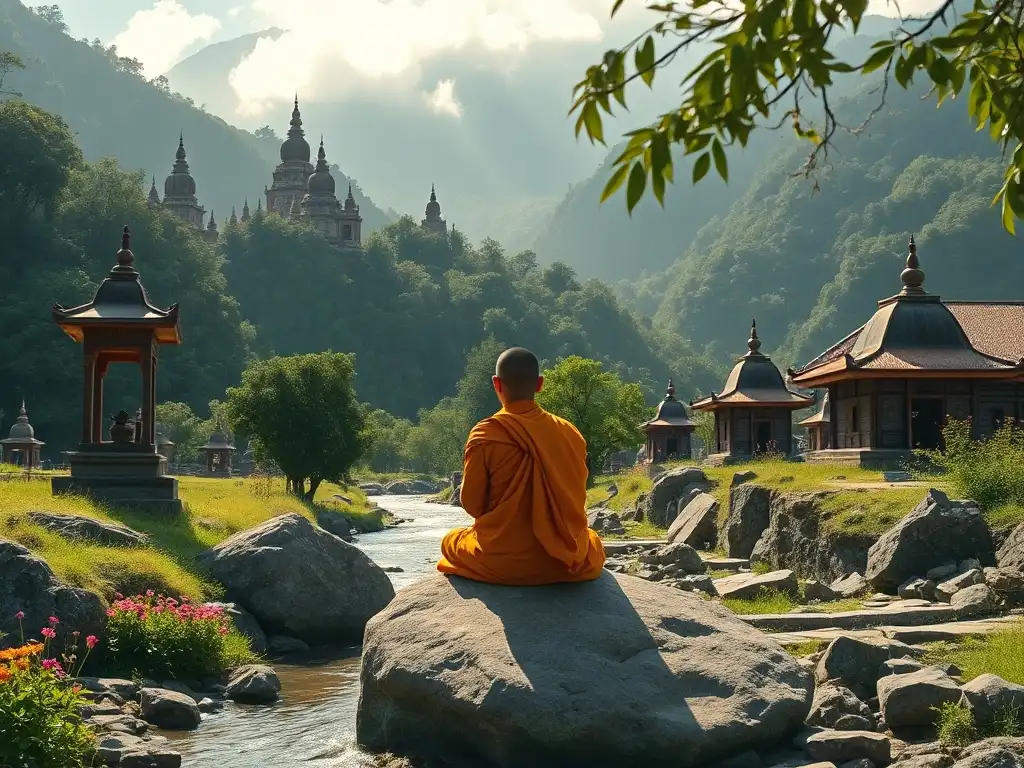
Silence and solitude are integral components of Buddhist retreats, providing participants with the space to explore their inner landscape.
- Silence: The practice of noble silence, where verbal communication is minimized, allows individuals to turn inward. This quietude fosters a deeper connection to one's thoughts and emotions, facilitating introspection and self-discovery.
- Solitude: Time spent in solitude is essential for personal reflection. It encourages participants to confront their inner struggles and gain insights into their spiritual journey. Solitude can lead to profound realizations and a greater understanding of one's place in the world.
- Mental Clarity: Both silence and solitude contribute to mental clarity. As distractions fade away, participants often experience a heightened sense of awareness, making it easier to process emotions and thoughts.
Spiritual Guidance from Monastic Leaders
The presence of monastic leaders during retreats is crucial for participants seeking spiritual growth. These leaders offer wisdom, experience, and support, guiding individuals through their practice.
- Teachings: Monastic leaders impart teachings on Buddhist philosophy, ethics, and meditation techniques. Their insights help participants deepen their understanding of core Buddhist concepts and practices.
- Personalized Support: Participants often have the opportunity to meet with monastic leaders for personalized guidance. This one-on-one interaction can address specific challenges, enhancing the overall retreat experience.
- Role Models: Monastic leaders serve as role models for participants, embodying the principles of mindfulness and compassion. Observing their conduct can inspire individuals to adopt similar traits in their own lives.
The Historical Significance of Buddhist Retreats
Buddhist retreats hold significant historical importance, reflecting the traditions and practices that have shaped spiritual life in ancient India. They served as centers for learning, reflection, and community building, fostering the spread of Buddhism across the region.
- Centers of Learning: Ancient Buddhist retreats often doubled as monastic schools where individuals came to study Buddhist texts, philosophy, and meditation. This contributed to the preservation and dissemination of Buddhist teachings.
- Cultural Exchange: Retreats were melting pots of cultural exchange, where monks and laypeople from diverse backgrounds gathered. This interaction enriched Buddhist practices and allowed for the sharing of ideas, fostering a more profound understanding of spirituality.
Influence of Buddhist Retreats on Ancient Indian Society
The impact of Buddhist retreats on ancient Indian society was profound. They played a vital role in shaping social structures, community dynamics, and spiritual practices.
- Community Building: Buddhist retreats fostered a sense of community, bringing together individuals from various walks of life. This communal aspect promoted social cohesion and mutual support among participants.
- Moral and Ethical Development: The teachings imparted during retreats encouraged ethical living and moral development. As participants engaged with Buddhist principles, they often returned to their communities with a renewed commitment to compassion and non-violence.
- Promotion of Tolerance: The inclusive nature of Buddhist retreats contributed to the promotion of tolerance and understanding among different religious and cultural groups in ancient India. This helped mitigate conflicts and fostered a more harmonious society.
Contributions of Buddhist Retreats to Spiritual Traditions
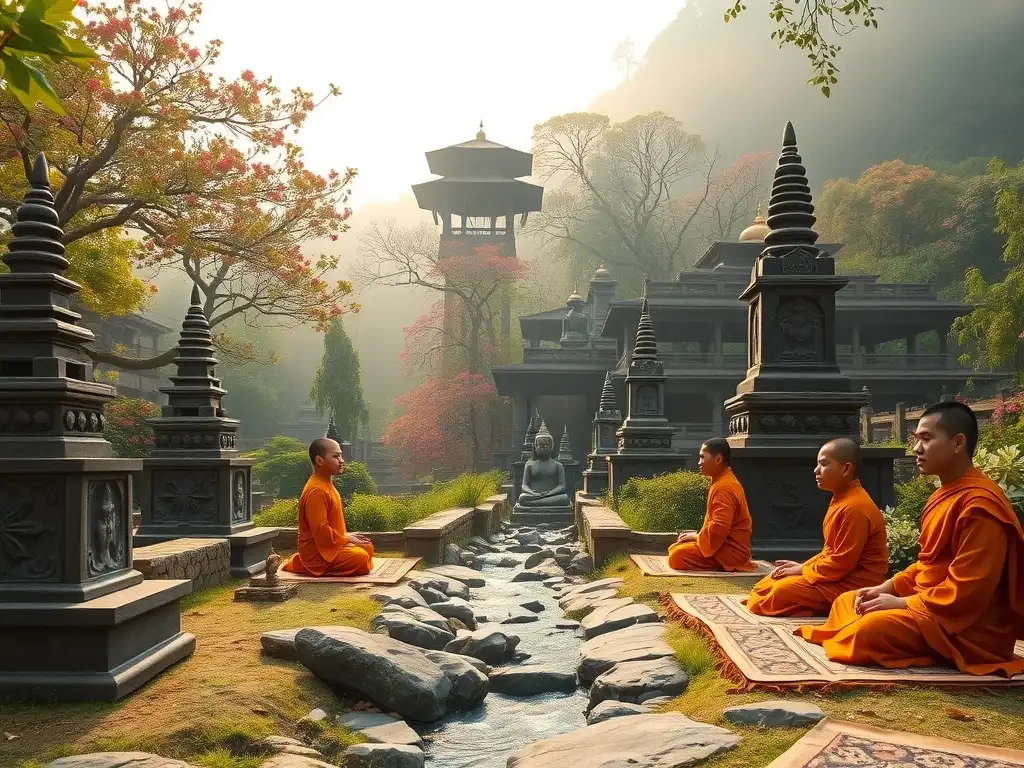
Buddhist retreats have significantly influenced various spiritual traditions, both within and beyond Buddhism. Their practices and teachings have contributed to the evolution of spirituality in many contexts.
- Integration of Practices: Many spiritual traditions have incorporated meditation and mindfulness practices inspired by Buddhist retreats. This cross-pollination has enriched the spiritual landscape, encouraging individuals to explore diverse practices.
- Holistic Approaches: The emphasis on holistic well-being in Buddhist retreats—addressing the mind, body, and spirit—has resonated with various spiritual movements. This approach has led to the development of comprehensive wellness practices that integrate physical, mental, and spiritual health.
- Legacy of Compassion: The teachings of compassion and loving-kindness cultivated in retreats have transcended Buddhism, influencing broader spiritual movements. This legacy continues to inspire individuals seeking deeper connections with themselves and others.
The spiritual benefits of Buddhist retreats in ancient India are profound, shaping both individual journeys and the broader cultural landscape. Through meditation practices, guidance from monastic leaders, and the nurturing environment of silence and solitude, these retreats foster rejuvenation and reflection, leaving a lasting impact on the spiritual traditions of the region.
Personal Transformation Through Buddhist Retreats
Buddhist retreats have long been recognized as transformative experiences that allow individuals to step away from the hustle and bustle of daily life and engage in deep introspection and spiritual practice. These retreats often emphasize meditation, mindfulness, and the ethical teachings of Buddhism, creating a conducive environment for personal growth and self-discovery. Participants typically experience a shift in perspective, leading to greater emotional resilience, enhanced compassion, and a clearer understanding of their life’s purpose.
During a retreat, individuals engage in various practices such as sitting meditation, walking meditation, and mindful eating, which collectively foster a profound sense of presence. This immersion in spiritual activities encourages participants to confront their inner challenges and attachments. As they release these burdens, many find a renewed sense of clarity and peace, ultimately paving the way for personal transformation.
The communal aspect of retreats also plays a significant role in personal transformation. Sharing experiences with fellow practitioners fosters a sense of belonging and support, allowing participants to witness and inspire each other's journeys. Through this collective experience, individuals can cultivate compassion and empathy, essential qualities that are central to Buddhist teachings.
Stories of Transformation from Ancient Retreats
Throughout history, many notable figures have emerged from the practice of Buddhist retreats, their stories illuminating the profound impact of these experiences. One such figure is the Buddha himself, Siddhartha Gautama, who attained enlightenment after meditating under the Bodhi tree. His profound transformation from a prince to the Enlightened One serves as a foundational narrative in Buddhism, inspiring countless individuals to seek their own paths to awakening through retreat.
Another compelling story is that of Milarepa, a revered Tibetan yogi who transformed his life through rigorous meditation and retreat practices. After leading a tumultuous life marked by vengeance, Milarepa turned towards the teachings of Buddhism, spending years in solitary retreat. His journey from darkness to enlightenment highlights the potential for radical transformation through dedicated practice.
These historical narratives not only inspire modern practitioners but also serve as reminders of the power of retreat in fostering deep inner change. They illustrate that through commitment to the path, individuals can overcome personal struggles and emerge with newfound wisdom and insight.
Modern Reflections on Ancient Practices
Today, many modern retreats draw heavily from the practices established by ancient Buddhist traditions. While the settings and technologies may differ, the core principles remain the same. Contemporary retreats often incorporate traditional meditation techniques, such as Vipassana and Zen, which emphasize mindfulness and insight. These methods have been adapted to suit modern sensibilities, making them accessible to a broader audience.
Moreover, the teachings on impermanence and interconnectedness, prevalent in ancient Buddhist philosophy, continue to resonate deeply in today's fast-paced world. Many modern practitioners find solace in these teachings, using them to navigate the complexities of contemporary life. The integration of ancient wisdom into modern retreats serves not only to preserve these practices but also to enhance personal transformation and spiritual growth.
The Lasting Impact of Buddhist Retreats on Contemporary Spirituality
Buddhist retreats have left an indelible mark on contemporary spirituality, influencing various spiritual movements and practices worldwide. As people increasingly seek authentic spiritual experiences, the principles and methodologies of Buddhist retreats have been embraced across diverse cultural contexts. This adaptation has led to the proliferation of mindfulness-based practices, wellness retreats, and holistic approaches to mental health, all of which draw inspiration from ancient Buddhist teachings.
With the modern world's challenges, such as stress and anxiety, many individuals are turning to these retreats as a means of rejuvenation and reflection. The practices learned during these retreats often become integral to participants' daily lives, fostering a sustained engagement with mindfulness, compassion, and ethical living.
How Ancient Practices Influence Modern Retreats
The influence of ancient Buddhist practices on contemporary retreats can be seen in several key areas. First, the structure of retreats often mirrors ancient formats, including periods of silence, meditation, and Dharma talks. This adherence to traditional schedules allows participants to engage deeply with their practice and cultivate a profound sense of presence.
Additionally, many modern retreats emphasize the importance of community, just as ancient retreats did. Participants often form lasting connections with each other, creating a supportive environment conducive to spiritual growth. This communal aspect echoes the teachings of the Buddha, who emphasized the significance of the Sangha, or spiritual community, in the path to enlightenment.
Incorporating traditional rituals and teachings into modern settings also serves to bridge the gap between ancient wisdom and contemporary issues. This synthesis not only preserves the relevance of these practices but also enhances their efficacy in addressing the spiritual needs of today's seekers.
The Relevance of Buddhist Retreats in Today's Spiritual Journey
In an increasingly chaotic world, Buddhist retreats offer a sanctuary for individuals seeking meaning and connection in their lives. The relevance of these retreats lies in their ability to provide tools for self-reflection, emotional healing, and spiritual awakening. Participants often return from retreats with a sense of renewed purpose, equipped with practical skills for navigating life’s challenges.
Moreover, the accessibility of these retreats has expanded significantly, with many organizations offering programs tailored to beginners and seasoned practitioners alike. This inclusivity ensures that the benefits of Buddhist retreats are available to a wider audience, fostering a greater understanding and appreciation of ancient Buddhist teachings.
As spirituality continues to evolve, the enduring philosophy of Buddhism and its practices remain a vital source of inspiration. The emphasis on mindfulness, compassion, and community in Buddhist retreats not only enriches individual lives but also contributes to the cultivation of a more compassionate and interconnected world. Thus, the spiritual benefits of these retreats resonate far beyond their immediate context, offering profound insights for anyone on a quest for deeper understanding and fulfillment.
Conclusion: The Enduring Legacy of Buddhist Retreats in Ancient India
Buddhist retreats in ancient India have left a profound and lasting impact on spiritual practices that continue to resonate today. These retreats were not merely a place for seclusion and meditation; they were transformative experiences that fostered deep introspection and personal growth. The teachings imparted during these retreats, centered around mindfulness, compassion, and enlightenment, have permeated various aspects of spiritual life in not only India but also across the globe.
The legacy of these retreats is visible in the rich tapestry of Buddhist traditions that have evolved over centuries. They serve as a testament to the importance of solitude and reflection in achieving spiritual clarity. The serene environments of ancient monastic sites, often nestled in nature, provided practitioners with the ideal backdrop to contemplate their existence, cultivate inner peace, and connect with the universal truths of life. This enduring legacy invites modern practitioners to seek similar experiences that echo the practices of their ancestors.
Summary of the Spiritual Benefits
The spiritual benefits of participating in Buddhist retreats are multifaceted and profound. These retreats offer an opportunity for individuals to step away from the distractions of daily life and immerse themselves in practices that promote mental clarity and emotional stability. Key benefits include:
- Enhanced Mindfulness: Retreats encourage practitioners to engage deeply with mindfulness techniques, fostering a heightened awareness of the present moment. This practice helps to alleviate stress and anxiety, promoting a sense of calm.
- Deeper Understanding of Self: Time spent in reflection allows individuals to explore their thoughts, emotions, and behaviors, leading to greater self-awareness and personal insight.
- Community and Connection: Many retreats emphasize communal living, where participants share their experiences and support each other on their spiritual journeys. This sense of belonging can enhance emotional well-being and foster meaningful relationships.
- Spiritual Growth: Engaging in meditation, chanting, and other spiritual practices during retreats can facilitate profound insights and foster a sense of connection to the greater universe.
- Physical Rejuvenation: The tranquil environments of retreats, often combined with practices such as yoga and mindful eating, contribute to physical health and vitality, complementing the spiritual rejuvenation experienced.
Encouragement to Explore Buddhist Retreats Today
As we reflect on the spiritual benefits rooted in the traditions of ancient India, it is essential to encourage individuals to explore modern Buddhist retreats. These retreats, inspired by the principles established centuries ago, offer a unique opportunity to disconnect from the demands of contemporary life and reconnect with oneself.
Today, many Buddhist centers around the world host retreats that cater to various levels of experience, from beginners to seasoned practitioners. Whether one is seeking a weekend getaway or an extended period of retreat, the options are abundant. Engaging in these practices can yield significant personal transformation, helping individuals to navigate life with greater ease and intention.
By participating in a Buddhist retreat, individuals can not only honor the practices of ancient India but also cultivate their own spiritual journey. In a world filled with distractions, the call to retreat for rejuvenation and reflection remains as relevant today as it was in the time of the Buddha. Embrace the opportunity to explore these enriching experiences and discover the profound benefits they can bring to your spiritual practice.
- Introduction to Buddhist Retreats in Ancient India
- The Purpose of Buddhist Retreats
- Key Components of Buddhist Retreats
- Meditation Practices and Techniques in Ancient India
- The Role of Silence and Solitude in Retreats
- Spiritual Guidance from Monastic Leaders
- The Historical Significance of Buddhist Retreats
- Influence of Buddhist Retreats on Ancient Indian Society
- Contributions of Buddhist Retreats to Spiritual Traditions
- Personal Transformation Through Buddhist Retreats
- The Lasting Impact of Buddhist Retreats on Contemporary Spirituality
- Conclusion: The Enduring Legacy of Buddhist Retreats in Ancient India
- What are Buddhist retreats in ancient India?
- How did ancient Indian civilizations influence Buddhist retreats?
- What are the spiritual benefits of participating in a Buddhist retreat?
- Were there specific locations in ancient India known for Buddhist retreats?
- How do modern Buddhist retreats compare to those in ancient India?
Frequently Asked Questions
What are Buddhist retreats in ancient India?
Buddhist retreats in ancient India were spiritual gatherings where practitioners engaged in meditation, prayer, and reflection to deepen their understanding of Buddhist teachings.
How did ancient Indian civilizations influence Buddhist retreats?
Ancient Indian civilizations established the foundational philosophies and practices of Buddhism, which shaped the structure and purpose of retreats, focusing on self-discovery and enlightenment.
What are the spiritual benefits of participating in a Buddhist retreat?
Participating in a Buddhist retreat can lead to profound spiritual rejuvenation, improved mindfulness, and a deeper connection to one's inner self, fostering personal growth and clarity.
Were there specific locations in ancient India known for Buddhist retreats?
Yes, several locations, such as Bodh Gaya and Sarnath, were significant in ancient India for Buddhist retreats, serving as centers of meditation and learning for practitioners.
How do modern Buddhist retreats compare to those in ancient India?
Modern Buddhist retreats often incorporate traditional practices from ancient times while adapting to contemporary needs, emphasizing both historical significance and modern relevance in spiritual practices.
Final Reflection: Embracing Rejuvenation Through Buddhist Retreats
The spiritual journey of Buddhist retreats in ancient India continues to resonate profoundly in our modern world. As we navigate the complexities of contemporary life, the teachings and practices derived from these ancient traditions offer a sanctuary for rejuvenation and reflection. The essence of these retreats—mindfulness, meditation, and self-discovery—reminds us of the importance of pausing amidst our hectic schedules to reconnect with our inner selves. In a time when mental health and well-being are paramount, the relevance of these ancient practices is more critical than ever.
Cultural and social landscapes are continuously shaped by the wisdom of the past, and Buddhist retreats exemplify this enduring influence. They serve as a bridge connecting us to our roots, fostering a sense of community, peace, and introspection. The transformative power of these retreats is not merely historical; it is alive and thriving today. In the stillness of meditation, we find the answers we seek.
This quote encapsulates the essence of what these retreats offer—a space for clarity and insight that transcends time and place.
As you reflect on the insights shared in this article, I invite you to consider how you can incorporate the principles of rejuvenation and reflection into your own life. Whether through a dedicated retreat or simply carving out moments of mindfulness in your daily routine, embrace the opportunity to connect with your inner self. Let the teachings of Buddhist retreats inspire you to cultivate a deeper sense of peace and purpose, guiding you toward a more harmonious existence in a fast-paced world.
Unleash Your Inner Peace Today
Thank you for diving into the enriching world of Buddhist retreats with us! You’ve gained valuable insights into how these transformative experiences can rejuvenate your spirit and foster deep reflection. Now, it's time to put this knowledge into action!
Here’s how you can embark on your own journey toward inner peace:
- Join a local meditation group or retreat: Seek out community gatherings that promote mindfulness and meditation practices in your area. It's an excellent way to start your path!
- Explore solo retreats or virtual courses: Consider dedicating a weekend to a solo retreat, whether at home or in nature, or sign up for online meditation courses to deepen your practice.
- Share your journey: Inspire others by sharing your experiences or tips from this article on social media or with friends who are curious about mindfulness.
What steps will you take to incorporate the calming practices of Buddhist retreats into your daily life?