
The Impact of Hindu Philosophy on Indian Art and Culture

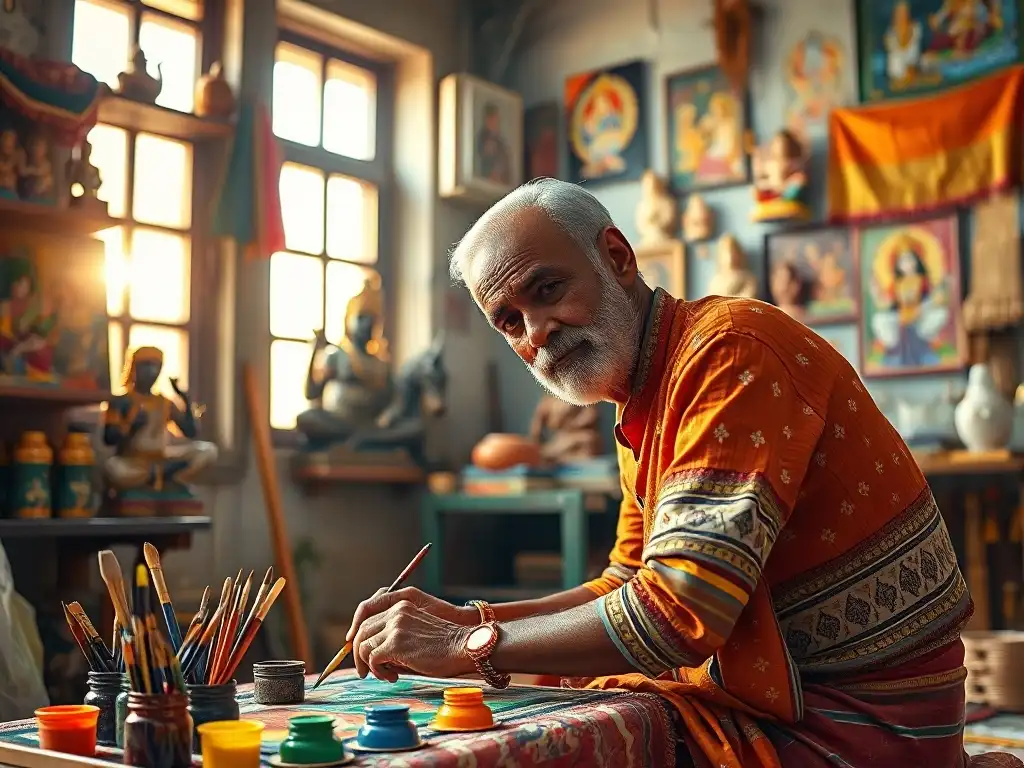
Welcome to Ancient India History, where we embark on a captivating journey through the rich tapestry of ancient Indian civilizations! Here, you'll uncover the profound influence of Hindu philosophy on art, which has shaped not only the visual aesthetics of the subcontinent but also its cultural and spiritual essence.
As we delve into this fascinating intersection of thought and creativity, prepare to be intrigued by how these ancient beliefs continue to resonate in contemporary expressions. Join us as we explore the depths of this topic, revealing insights that beckon you to read further and discover the timeless legacy of India's artistic heritage!
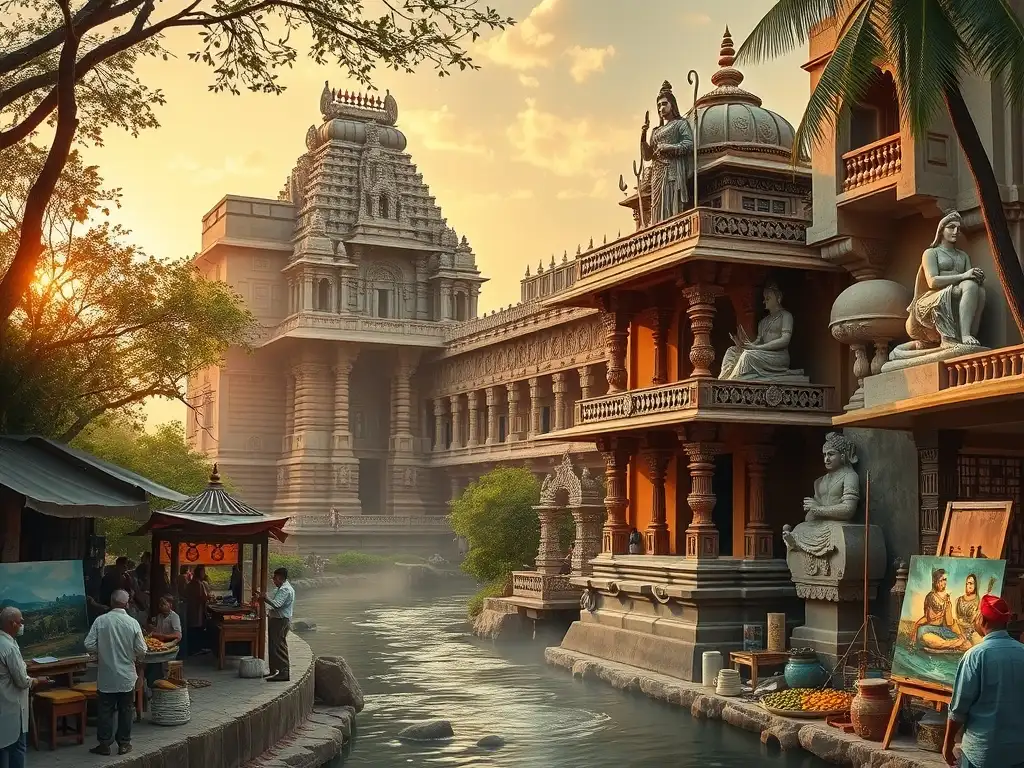
Introduction to Hindu Philosophy and Its Significance
Hindu philosophy, a profound and intricate system of thought, has significantly shaped the cultural and artistic landscape of India throughout its history. Rooted in ancient texts and traditions, this philosophy not only addresses metaphysical inquiries but also profoundly influences various aspects of life, including art, architecture, and societal values.
The impact of Hindu philosophy on art is particularly noteworthy, as it provides a framework through which artistic expression is understood, appreciated, and manifested. This article aims to explore the rich tapestry of Hindu philosophy and its enduring influence on Indian art and culture, highlighting the symbiotic relationship between these two realms.
Definition of Hindu Philosophy
Hindu philosophy encompasses a diverse range of philosophical thoughts and schools that have emerged within the context of Hinduism. It includes six orthodox (āstika) schools—Nyaya, Vaisheshika, Samkhya, Yoga, Mimamsa, and Vedanta—as well as various heterodox (nāstika) systems such as Buddhism and Jainism. Each of these schools presents unique perspectives on life, ethics, and the nature of reality, facilitating a broad exploration of existential questions. The core principles of Hindu philosophy often revolve around concepts such as Dharma (duty/righteousness), Karma (action and its consequences), and Moksha (liberation from the cycle of birth and death).
Overview of Hindu Philosophy's Role in Indian Culture
The role of Hindu philosophy in shaping Indian culture cannot be overstated. It serves as a guiding principle for moral conduct, social organization, and artistic expression. Philosophical ideas have been integrated into various cultural practices, rituals, and festivals, providing a cohesive framework that unites diverse traditions across India. Moreover, artistic expressions—ranging from literature and dance to sculpture and painting—often reflect philosophical themes, creating a dialogue between the material and spiritual realms. This interplay fosters a deeper understanding of human experiences and the cosmos, making Hindu philosophy integral to the cultural identity of India.
Historical Context of Hindu Philosophy
Origins of Hindu Philosophy in Ancient Texts
The origins of Hindu philosophy can be traced back to ancient texts, including the Vedas and Upanishads, which form the foundation of philosophical discourse in Hinduism. The Vedas, composed around 1500 BCE, encompass a vast body of knowledge, including hymns, rituals, and philosophical inquiries. The Upanishads, written later, delve deeper into metaphysical concepts, exploring the nature of the self (Atman) and its relationship with the ultimate reality (Brahman). These texts not only lay the groundwork for philosophical thought but also serve as sources of inspiration for artistic expressions throughout Indian history.
Key Philosophical Schools and Their Tenets
Hindu philosophy is characterized by a rich diversity of schools, each contributing to the broader understanding of existence and knowledge. Some of the key schools include:
- Nyaya: Focuses on logic and epistemology, emphasizing the importance of inference and evidence in acquiring knowledge.
- Vaisheshika: Concentrates on the nature of reality and categorizes substances, qualities, and actions.
- Samkhya: A dualistic philosophy that distinguishes between Purusha (consciousness) and Prakriti (matter), emphasizing the path to liberation through knowledge.
- Yoga: Integrates physical, mental, and spiritual practices aimed at achieving self-realization and union with the divine.
- Mimamsa: Centers on the interpretation of Vedic texts, particularly concerning rituals and ethical obligations.
- Vedanta: Explores the nature of the self and the ultimate reality, advocating for the realization of one’s true nature as a means to attain liberation.
These schools of thought not only reflect the philosophical richness of ancient India but also significantly influence various art forms, encouraging artists to imbue their works with deep philosophical meanings and social commentary.
The Influence of Hindu Philosophy on Visual Arts
Hindu philosophy has profoundly shaped the visual arts in India, serving as a conduit for expressing spiritual beliefs, moral values, and cultural narratives. From the intricate carvings of ancient temples to the vibrant colors of traditional paintings, the influence of Hindu philosophical tenets is evident throughout various art forms. Central to this impact is the concept of Dharma (duty/righteousness), which informs the themes and narratives depicted in visual arts, encouraging artists to explore and convey moral and ethical dilemmas faced by humanity.
In addition, the notion of Maya (illusion) has encouraged artists to transcend the physical realm, inviting viewers to contemplate deeper spiritual truths. This philosophical underpinning has led to a rich tapestry of artistic expression that not only reflects the aesthetics of the time but also serves as a medium for philosophical discourse. The use of symbolism plays a pivotal role in this dialogue, allowing for multiple interpretations and deeper connections between the viewer and the artwork.
Symbolism in Indian Painting and Sculpture
Symbolism is a cornerstone of Indian painting and sculpture, steeped in the philosophical foundations of Hinduism. Each color, form, and figure often carries profound meanings, reflecting complex ideas rooted in Hindu beliefs. For instance, the color saffron is frequently associated with purity and sacrifice, while blue is often linked to divine qualities, as seen in depictions of Lord Krishna.
In sculptures, deities are portrayed with specific attributes that symbolize their powers and roles within the cosmic order. For instance, Ganesha, the elephant-headed god, symbolizes wisdom and the removal of obstacles, with his multiple arms representing his ability to perform various tasks simultaneously. Such symbolism not only enriches the aesthetic experience but also invites the viewer to engage with the underlying philosophical concepts.
Moreover, the position of figures in artwork often reflects the hierarchical nature of society and the cosmos, illustrating the interconnectedness of all beings and the balance between the physical and spiritual realms. This use of symbolism allows the viewer to delve deeper into the philosophical narratives that have shaped Indian culture.
Case Studies of Iconic Artworks Reflecting Hindu Philosophical Concepts
Several iconic artworks serve as exemplars of Hindu philosophical concepts, showcasing the intricate relationship between art and spirituality. One notable example is the Ajanta Caves, which house stunning frescoes and sculptures depicting scenes from the Jataka Tales. These tales illustrate moral lessons and the path to enlightenment, embodying the Buddhist influence that coexisted with Hinduism during this period.
Another significant work is the Brihadeeswarar Temple in Thanjavur, which features elaborate carvings that narrate stories from the Ramayana and Mahabharata. These narratives not only celebrate the heroic deeds of divine figures but also convey the moral and ethical dilemmas faced by individuals, echoing the concept of Dharma in everyday life.
The sculpture of Shiva Nataraja, depicting Lord Shiva as the cosmic dancer, embodies the principle of creation and destruction, representing the cyclical nature of existence. This artwork encapsulates the essence of Hindu philosophy, emphasizing the interconnectedness of life, death, and rebirth.
The Impact of Hindu Philosophy on Performing Arts
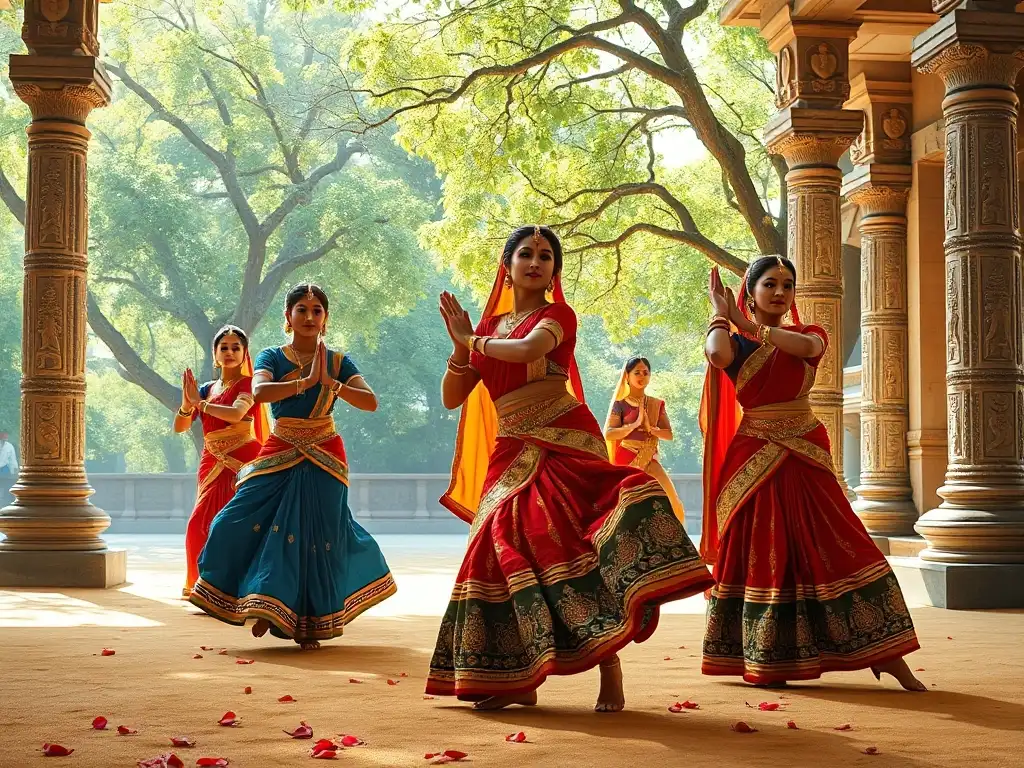
Hindu philosophy has also left an indelible mark on the performing arts, enriching forms such as dance and music with deep spiritual significance. The various dance forms and musical traditions of India are not merely entertainment; they are expressions of devotion and a means to explore complex philosophical ideas.
The integration of philosophical themes into these art forms has allowed performers to articulate profound concepts such as love, longing, and the quest for spiritual enlightenment. Through movement and melody, the performing arts become a dynamic form of storytelling that resonates with the core tenets of Hindu philosophy.
Influence on Dance Forms: Bharatanatyam and Kathak
Bharatanatyam and Kathak are two classical dance forms significantly influenced by Hindu philosophy. Bharatanatyam, originating in Tamil Nadu, is characterized by its expressive gestures ( mudras) and intricate footwork, often narrating stories from Hindu scriptures. The dance embodies the concept of Bhakti (devotion), allowing performers to convey their reverence for the divine through movement and expression.
Kathak, with roots in Northern India, reflects a blend of storytelling and intricate footwork, often focusing on the themes of love and devotion. The dance form emphasizes the relationship between the devotee and the divine, mirroring the philosophical exploration of Maya and the pursuit of spiritual truth. The use of improvisation in Kathak allows for personal interpretation, inviting dancers to express their own spiritual journeys while remaining grounded in philosophical concepts.
The Role of Music in Expressing Hindu Philosophical Themes
Music, too, plays a vital role in expressing Hindu philosophical themes, with ragas and talas serving as vehicles for emotional expression and spiritual connection. Indian classical music often draws upon raga as a means to evoke specific moods and emotions, aligning with the philosophical idea of Rasa, which refers to the aesthetic experience.
The performance of devotional songs ( bhajans) and classical compositions often reflects themes of love, devotion, and the quest for knowledge, acting as a bridge between the individual and the divine. This connection is further enhanced by the use of instruments that carry their own symbolic meanings, such as the veena, which represents knowledge and wisdom.
Through the interplay of music and philosophy, performers and audiences alike engage in a shared exploration of profound truths, making the performing arts a vital aspect of Hindu cultural expression. The impact of Hindu philosophy on art and culture remains a testament to the richness and depth of this ancient civilization.
Architecture and Hindu Philosophy
Hindu philosophy has significantly influenced the architectural landscape of India, with a profound emphasis on spiritual symbolism and cosmic harmony. The principles derived from texts such as the Vedas and the Upanishads shaped architectural practices, manifesting in the design and construction of temples and other sacred structures. These architectural expressions not only served religious purposes but also aimed to create a connection between the material and the spiritual realms.
Central to this connection is the belief that the design of a temple reflects the universe's cosmic order. The layout, orientation, and proportions of temples are meticulously planned to align with astronomical and astrological principles, symbolizing the relationship between humanity and the divine. The impact of Hindu philosophy on architecture showcases how physical structures can embody spiritual truths and philosophical ideals, making them integral to understanding ancient Indian civilization.
Sacred Geometry and Symbolism in Temple Architecture
Sacred geometry plays a crucial role in Hindu temple architecture, representing the underlying order of the universe. The use of geometric shapes, particularly squares and circles, reflects both earthly and cosmic dimensions. For instance, the square symbolizes the earthly realm, while the circle represents the celestial sphere. This interplay of shapes is evident in the mandapa (pillared hall) and garbhagriha (inner sanctum), which are often arranged in a manner that embodies the harmony between these realms.
The designs often incorporate intricate carvings and motifs that depict various deities, animals, and natural elements, each carrying symbolic meanings linked to Hindu philosophy. The use of mandalas, which are geometric configurations of symbols, also illustrates the connection between the microcosm of human existence and the macrocosm of the universe. Through these elements, temple architecture serves as a visual representation of philosophical concepts, inviting devotees to reflect on their spiritual journey.
Examples of Temples Reflecting Hindu Philosophical Ideals
Several temples across India exemplify the profound influence of Hindu philosophy on architectural design. The Brihadeeswarar Temple in Thanjavur, built during the Chola dynasty, showcases grand scale and intricate artistry. Its towering vimana (temple tower) symbolizes Mount Meru, the axis of the universe in Hindu cosmology, illustrating the connection between earthly structures and divine realms.
Another notable example is the Sun Temple at Konark, which is designed in the shape of a chariot, representing the movement of the sun across the sky. This temple not only serves as a place of worship but also as an astronomical observatory, reflecting the Hindu philosophical belief in the cyclical nature of time.
The Khajuraho temples, known for their erotic sculptures, also convey deeper philosophical messages about the interplay of the physical and spiritual dimensions of life. These examples illustrate how Hindu philosophy has shaped architectural practices, creating spaces that foster spiritual contemplation and connection.
The Relationship Between Hindu Philosophy and Literature
Hindu philosophy has profoundly influenced Indian literature, enriching it with themes and ideas that explore the nature of existence, morality, and the divine. The intricate relationship between philosophy and literature can be observed through ancient texts that reflect philosophical thoughts and modern literature that draws inspiration from these traditions. This connection highlights how literature serves as a medium for articulating complex philosophical ideas, allowing readers to engage with profound spiritual concepts.
Influence on Ancient Indian Texts: Epics and Puranas
The great epics, the Mahabharata and the Ramayana, are prime examples of how Hindu philosophy has permeated ancient Indian literature. These texts not only narrate heroic tales but also delve into moral dilemmas and philosophical discussions about duty (dharma), righteousness, and the nature of reality. The characters in these epics embody philosophical ideals, providing readers with models for ethical behavior and spiritual growth.
The Puranas, a genre of ancient texts, further illustrate this influence by recounting the stories of deities and cosmic events through a lens of philosophical inquiry. For example, the Bhagavata Purana emphasizes the concept of bhakti (devotion) and the importance of surrendering to the divine will, reflecting key aspects of Hindu philosophical thought. These texts have played a crucial role in shaping the spiritual and cultural identity of India, serving as a source of inspiration and guidance for countless generations.
Modern Literature Influenced by Hindu Philosophical Thought
In contemporary literature, the influence of Hindu philosophy continues to resonate. Authors like R. K. Narayan and Arundhati Roy draw upon themes from Hindu mythology and philosophy to explore modern societal issues and individual struggles. Narayan's works often reflect the moral complexities found in the epics, while Roy’s narratives incorporate philosophical concepts related to identity and existence.
Moreover, the resurgence of interest in spirituality and philosophy in modern literature has led to a renewed appreciation of ancient texts. Writers often reinterpret these philosophical ideas, making them relevant to contemporary audiences. This ongoing dialogue between ancient philosophy and modern literary expression highlights the enduring legacy of Hindu thought in shaping cultural narratives and artistic endeavors, ensuring that the influence of Hindu philosophy on art continues to thrive.
The Role of Rituals and Festivals in Expressing Hindu Philosophy
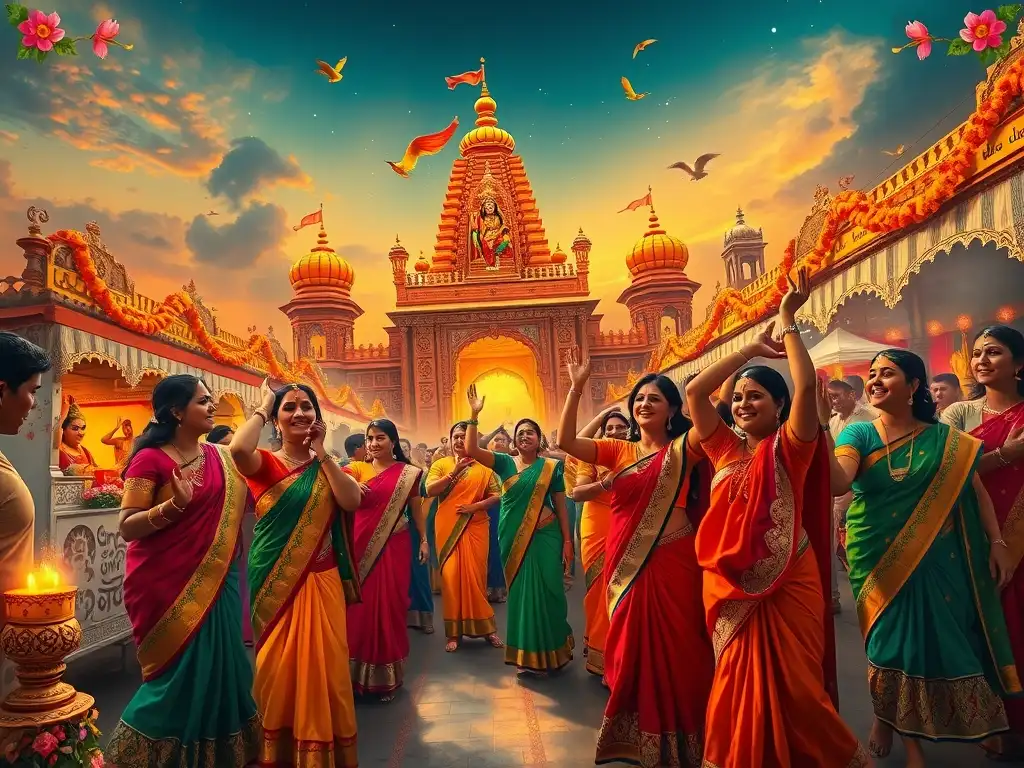
Hindu philosophy is deeply intertwined with the rituals and festivals that characterize Indian cultural practices. These elements serve as a medium through which philosophical concepts are articulated and celebrated, reflecting the beliefs and values of Hindu thought. Rituals, whether performed in temples or at home, embody the philosophical underpinnings of dharma (duty), karma (action and its consequences), and moksha (liberation). They provide a structured way for individuals and communities to engage with the divine and express their understanding of life's purpose.
Rituals often involve symbolic actions, prayers, and offerings that connect practitioners with the spiritual realm, fostering a sense of unity and continuity with tradition. Festivals, on the other hand, are community celebrations that highlight the collective identity and shared beliefs of the Hindu community. They serve not only as a means of worship but also as an opportunity to reinforce social bonds and cultural heritage through joyous participation.
Significance of Rituals in Art and Cultural Practices
Rituals are fundamental to the practice of Hinduism and significantly influence the artistic expressions found within Indian culture. They often inspire various art forms, including sculpture, painting, dance, and music, which are designed to enhance the ritual experience. For instance, temple architecture is meticulously planned to facilitate rituals, with intricate carvings and sculptures depicting deities, mythological narratives, and philosophical concepts.
Artworks created for rituals frequently embody the principles of Hindu philosophy. The use of specific colors, patterns, and symbols is intentional, each carrying significant meaning that aligns with philosophical ideas. For example, the lotus flower, often depicted in art, represents purity and spiritual awakening, echoing the philosophical themes of transcendence and enlightenment.
Moreover, the performance arts, such as classical dance forms like Bharatanatyam and Kathak, are rooted in storytelling that conveys Hindu philosophical teachings. Through movements and expressions, dancers embody spiritual concepts, making the philosophical ideas accessible and relatable to the audience. This synergy between rituals and artistic expression reinforces the importance of ritualistic practices in preserving and propagating Hindu philosophy within Indian culture.
Festivals as Expressions of Hindu Philosophical Ideas
Festivals in Hindu culture serve as vibrant manifestations of philosophical ideas, encapsulating the essence of various beliefs and values. Major festivals like Diwali, Holi, and Navaratri are not merely religious observances; they are public displays of the principles of light over darkness, the triumph of good over evil, and the cyclical nature of life.
During Diwali, for example, the lighting of lamps symbolizes the inner light that protects against spiritual darkness. This festival reflects the philosophical belief in the victory of knowledge and wisdom, encouraging individuals to seek enlightenment. Similarly, Holi celebrates the arrival of spring and the joy of community, emphasizing the interconnectedness of life and the importance of love and forgiveness, fundamental tenets of Hindu philosophy.
Festivals also create an atmosphere of collective participation and reflection, drawing individuals from diverse backgrounds to share in the celebration of shared beliefs. This communal aspect reinforces the philosophical notion of unity in diversity, a central theme in Hindu thought. Through these vibrant expressions, festivals become a living illustration of Hindu philosophy, impacting the artistic landscape and societal values of Indian culture.
Conclusion: The Enduring Legacy of Hindu Philosophy in Indian Art and Culture
Hindu philosophy has left an indelible mark on Indian art and culture, shaping the ways in which individuals express spirituality and cultural identity. The intricate relationship between philosophical teachings, rituals, and artistic practices illustrates the profound impact of Hindu thought on various aspects of life in ancient and contemporary India.
Summary of Key Points
- Hindu rituals serve as a vital means of expressing philosophical concepts such as dharma, karma, and moksha.
- Artistic expressions influenced by rituals enhance the understanding and appreciation of Hindu philosophy through visual and performance arts.
- Festivals embody and manifest philosophical ideas, fostering community and cultural identity while celebrating shared beliefs.
- The legacy of Hindu philosophy continues to resonate within Indian art and cultural practices, demonstrating its dynamic and enduring influence.
Reflection on the Continued Influence of Hindu Philosophy
As we reflect on the enduring legacy of Hindu philosophy within Indian art and culture, it becomes evident that these traditions are not static but continually evolve. The principles of Hindu thought remain relevant, adapting to contemporary societal contexts while retaining their core values.
This adaptability ensures that the influence of Hindu philosophy on art and cultural practices will persist, inspiring future generations to explore and express their cultural identity in meaningful ways. The rich tapestry of rituals, festivals, and artistic expressions serves as a testament to the profound and lasting impact of Hindu philosophy on the collective consciousness of Indian society.
Future Directions for Research on Hindu Philosophy and Art
As scholars continue to explore the intricate relationship between Hindu philosophy and art, several promising future directions for research emerge. This exploration can significantly enhance our understanding of how philosophical principles have shaped artistic expressions throughout history, contributing to a more profound appreciation of ancient Indian culture. One potential avenue is the interdisciplinary approach, where researchers can integrate insights from anthropology, sociology, and even neuroscience to analyze how Hindu philosophical concepts resonate in various art forms.
Moreover, the impact of globalization on the interpretation and representation of Hindu philosophy in contemporary art provides fertile ground for investigation. Scholars can examine how modern artists reinterpret traditional motifs and themes, thereby bridging the gap between ancient beliefs and modern artistic expression. This will not only enrich the existing body of knowledge but also highlight the evolving nature of Hindu philosophy as it interacts with contemporary cultural narratives.
Additionally, there is a growing need to document and analyze regional variations in how Hindu philosophy influences art across different parts of India. This could involve comparative studies of artistic traditions in states like Rajasthan, Kerala, and Bengal, each of which has distinct interpretations of Hindu philosophy reflected in their art forms. Such research could uncover unique cultural practices and artistic expressions that are often overlooked.
Emerging Trends in the Study of Hindu Philosophy's Influence on Art
Recent years have witnessed a surge in interest surrounding the influence of Hindu philosophy on art, leading to several emerging trends in scholarly research. One notable trend is the increasing focus on visual culture and its intersection with philosophical texts. Researchers are beginning to analyze how scriptures, like the Bhagavad Gita and Upanishads, inform visual representations in sculpture, painting, and architecture. This approach encourages a deeper understanding of how philosophical teachings translate into visual narratives.
Another significant trend is the exploration of performative arts such as dance and theater, which embody philosophical concepts in motion and expression. Scholars are investigating how classical dance forms like Bharatanatyam and Kathak convey themes from Hindu philosophy, thus broadening the scope of analysis beyond static visual arts. This trend emphasizes the dynamic nature of art as a living expression of philosophical ideas.
Furthermore, the integration of digital humanities tools in research is revolutionizing the study of Hindu philosophy and art. Digital mapping, 3D modeling, and data visualization are enabling scholars to reconstruct historical art forms and analyze their philosophical underpinnings in innovative ways. These technologies facilitate a more interactive engagement with ancient artworks, allowing for a fresh perspective on their historical and philosophical contexts.
Potential Research Topics
The exploration of Hindu philosophy's influence on art presents a wealth of potential research topics for scholars. Some of these topics include:
- The Representation of Deities in Art: Analyzing how various artistic interpretations of Hindu deities reflect underlying philosophical concepts, such as the nature of divinity and the relationship between the human and the divine.
- Symbolism in Sacred Art: Investigating the symbolic meanings of colors, forms, and motifs in Hindu art and how they connect to philosophical teachings, particularly in temple architecture and iconography.
- Cultural Syncretism in Artistic Practices: Examining how the synthesis of Hindu philosophy with other cultural and religious traditions has influenced artistic expression, particularly in regions with diverse cultural histories.
- The Role of Art in Ritual Practices: Studying how art is utilized in Hindu rituals and ceremonies, exploring its significance in conveying philosophical ideas and enhancing spiritual experiences.
- Modern Interpretations of Traditional Themes: Researching contemporary artists who draw inspiration from Hindu philosophy, analyzing how they reinterpret traditional themes in their work to address modern societal issues.
By pursuing these topics, researchers can contribute significantly to the understanding of Hindu philosophy's enduring impact on Indian art and culture, ensuring that this rich tradition continues to be appreciated and studied in contemporary contexts.
- Introduction to Hindu Philosophy and Its Significance
- Historical Context of Hindu Philosophy
- The Influence of Hindu Philosophy on Visual Arts
- The Impact of Hindu Philosophy on Performing Arts
- Architecture and Hindu Philosophy
- The Relationship Between Hindu Philosophy and Literature
- The Role of Rituals and Festivals in Expressing Hindu Philosophy
- Conclusion: The Enduring Legacy of Hindu Philosophy in Indian Art and Culture
- Future Directions for Research on Hindu Philosophy and Art
- What is the main focus of the article "The Impact of Hindu Philosophy on Indian Art and Culture"?
- How did Hindu philosophy influence Indian art?
- Can you give examples of art forms influenced by Hindu philosophy?
- What role did the Gupta Empire play in the evolution of art influenced by Hindu philosophy?
- How does the article link Hindu philosophy to modern Indian art?
Frequently Asked Questions
What is the main focus of the article "The Impact of Hindu Philosophy on Indian Art and Culture"?
The article explores the significant influence of Hindu philosophy on various forms of Indian art and culture, highlighting how these philosophies shaped artistic expressions and cultural practices throughout history.
How did Hindu philosophy influence Indian art?
Hindu philosophy provided spiritual and thematic foundations for Indian art, encouraging artists to depict mythological narratives and divine concepts, which enriched the visual and performing arts.
Can you give examples of art forms influenced by Hindu philosophy?
Key art forms influenced by Hindu philosophy include sculpture, temple architecture, and classical dance, all showcasing philosophical concepts and mythological themes central to Hindu beliefs.
What role did the Gupta Empire play in the evolution of art influenced by Hindu philosophy?
During the Gupta Empire, there was a resurgence in artistic expression, with a focus on Hindu themes that reflected the philosophical ideals of the time, marking a significant period of creativity in Indian art.
How does the article link Hindu philosophy to modern Indian art?
The article discusses the continuing legacy of Hindu philosophy in modern Indian art, illustrating how traditional themes and spiritual concepts remain relevant and influential in contemporary artistic practices.
Final Reflection: The Enduring Influence of Hindu Philosophy on Art
The profound connection between Hindu philosophy and art remains remarkably relevant today, as it shapes not only the aesthetic expressions of India but also the cultural identity of its people. In an era where globalization often overshadows local traditions, the intricate philosophies rooted in Hinduism continue to inspire artists and thinkers alike, reminding us of the rich tapestry of ideas that inform our understanding of beauty and existence. The interplay of spirituality and creativity in Hindu art serves as a testament to the timeless nature of these philosophies, urging us to explore deeper meanings in our own artistic endeavors.
Hindu philosophy has not only influenced the visual arts but has also permeated literature, dance, and music, creating a holistic cultural landscape that resonates with the essence of life itself. The teachings of interconnectedness and the celebration of diversity found in Hindu thought encourage a dialogue between different art forms, fostering a sense of unity and shared experience.
As Mahatma Gandhi once said, "> The best way to find yourself is to lose yourself in the service of others." This sentiment encapsulates the spirit of Hindu philosophy, which emphasizes selflessness and community, and continues to inspire artists to create works that reflect the collective human experience.
As we reflect on the lessons of Hindu philosophy and its impact on art, let us invite ourselves to engage with these ideas in our daily lives. Consider how you can incorporate the principles of interconnectedness, harmony, and spirituality into your own creative expressions.
Whether through painting, writing, or any form of artistic endeavor, take a moment to explore the deeper meanings behind your work and how it can contribute to a greater understanding of the world around you. Embrace the opportunity to create art that not only reflects your individuality but also honors the rich heritage of thought that has shaped our cultural landscape for centuries.
Unveil the Transformative Power of Hindu Philosophy
Thank you for taking the time to explore how Hindu philosophy has shaped the rich tapestry of Indian art and culture! You've just uncovered the profound connections that influence not only aesthetics but the very essence of life in India. Now, let’s translate that knowledge into meaningful action.
- Dive Deeper: Read a classic text on Hindu philosophy to explore its roots and nuances.
- Create Art: Experiment with a creative piece inspired by Hindu themes—whether through painting, dance, or poetry!
- Share the Knowledge: Engage in discussions about this topic with friends or on social media to inspire others to discover the impact of philosophy in creative fields.
What aspect of Hindu philosophy resonates with you the most in shaping your understanding of the arts?