
Mahakasyapa: The First Patriarch of Buddhism and His Impact on the Faith

Welcome to Ancient India History, where we embark on a fascinating journey through the vibrant tapestry of ancient Indian civilizations. Here, we delve deep into the profound Buddhist teachings of Mahakasyapa, the first patriarch of Buddhism, whose insights and influence have shaped the faith in remarkable ways. What legacy did he leave behind, and how did it ripple through the centuries? Join us as we uncover the intricate connections between his teachings and the broader landscape of ancient Indian religions, igniting your curiosity to explore further into this captivating era.
- Introduction to Mahakasyapa and Buddhism
- Mahakasyapa: The First Patriarch of Buddhism
- Mahakasyapa's Buddhist Teachings
- The Impact of Mahakasyapa on Buddhism
- Mahakasyapa's Influence on Buddhist Thought
- Conclusion: The Enduring Impact of Mahakasyapa
-
Frequently Asked Questions
- What are the key teachings of Mahakasyapa in Buddhism?
- How did Mahakasyapa influence the Buddhist community?
- What is the significance of Mahakasyapa in the context of Buddhist history?
- In what ways did Mahakasyapa contribute to the development of Zen Buddhism?
- How does Mahakasyapa's legacy affect modern Buddhist practices?
- Final Reflection: The Enduring Legacy of Mahakasyapa's Teachings
- Unveil the Wisdom of Mahakasyapa and Ignite Your Journey in Buddhism!
Introduction to Mahakasyapa and Buddhism
The legacy of Mahakasyapa, one of the most revered figures in Buddhism, resonates deeply within the fabric of Buddhist teachings and practices. As the first patriarch of Buddhism after the Buddha's passing, Mahakasyapa played a pivotal role in shaping the early community of monks and preserving the essence of the Buddha's teachings.
His influence extends beyond mere historical significance; it encompasses a profound impact on the faith that continues to be felt today. This article seeks to explore Mahakasyapa's life, his contributions to the development of Buddhism, and the lasting effects of his teachings on the faith as a whole.
Overview of Buddhism's Origins
Buddhism originated in the 5th to 4th centuries BCE, emerging from the spiritual landscape of ancient India. Its founder, Siddhartha Gautama, known as the Buddha, sought to address the fundamental questions of human suffering and the path to enlightenment. The core tenets of Buddhism, including the Four Noble Truths and the Eightfold Path, laid the groundwork for a philosophical and practical approach to achieving spiritual liberation.
The early followers of the Buddha, known as the Sangha, formed a community dedicated to practicing and spreading his teachings. Among these early disciples, Mahakasyapa is often highlighted for his unique contributions, which would help to solidify the teachings of Buddhism as they evolved over time.
Importance of Mahakasyapa in Buddhist History
Mahakasyapa's significance in Buddhist history cannot be overstated. He is traditionally regarded as the first patriarch of Buddhism, chosen by the Buddha himself to lead the community after his death. This appointment was not merely ceremonial; it underscored Mahakasyapa's deep understanding of the Buddha's teachings and his ability to convey them to future generations.
His role in the First Buddhist Council, which took place shortly after the Buddha's passing, was crucial. During this council, Mahakasyapa gathered the remaining disciples to compile and preserve the teachings and discourses of the Buddha, ensuring that they would not be lost to time. This effort was instrumental in establishing a foundation for the various schools of Buddhism that would emerge in the centuries following.
Mahakasyapa's teachings emphasized the importance of direct experience in understanding the Dharma (the Buddha's teachings). He advocated for a method of transmission that transcended written texts, highlighting the significance of oral tradition and experiential wisdom. This approach has had a lasting impact on Buddhist practice, fostering a culture of meditation and personal insight that remains central to the faith today.
Mahakasyapa: The First Patriarch of Buddhism
Mahakasyapa holds a significant place in the annals of Buddhism, recognized as the first patriarch who succeeded Buddha Shakyamuni after his death. His profound influence on the development and dissemination of Buddhist teachings is vital for understanding the foundations of the faith. Mahakasyapa is often depicted as a figure embodying the essence of wisdom and asceticism, bridging the teachings of the Buddha with the early monastic community, thus shaping the future of Buddhism.
Historical Context of Mahakasyapa
Mahakasyapa lived during a transformative period in ancient India, shortly after the Buddha's enlightenment and teachings began to proliferate. This era, characterized by a rich tapestry of philosophical debate and spiritual exploration, saw the emergence of various schools of thought. The socio-political landscape was marked by the rise of powerful kingdoms and the flourishing of trade routes, which facilitated the spread of ideas.
- Timeframe: Mahakasyapa's life is generally placed in the 5th century BCE, closely aligned with the Buddha’s lifetime.
- Geographical Influence: Originating from the region of Magadha, Mahakasyapa's teachings would eventually transcend geographical boundaries, influencing areas as far as Central Asia and East Asia.
Amidst this backdrop, Mahakasyapa distinguished himself through rigorous ascetic practices and adherence to the Buddha’s teachings. His asceticism resonated with many followers who sought deeper spiritual understanding and enlightenment.
Life and Teachings of Mahakasyapa
Mahakasyapa’s life is a testament to his unwavering dedication to the Buddhist path. Born into a Brahmin family, he renounced worldly pleasures to pursue a life of spirituality after encountering the Buddha. His teachings emphasized the importance of direct experience and mindfulness, aligning with the core principles of Buddhism.
- Key Teachings:
- Mindfulness and Meditation: Mahakasyapa advocated for meditative practices as essential for attaining enlightenment. He emphasized the importance of focused meditation, which later influenced Zen Buddhism.
- Simplicity and Non-Attachment: His teachings encouraged followers to embrace simplicity, reducing attachment to material possessions to foster spiritual growth.
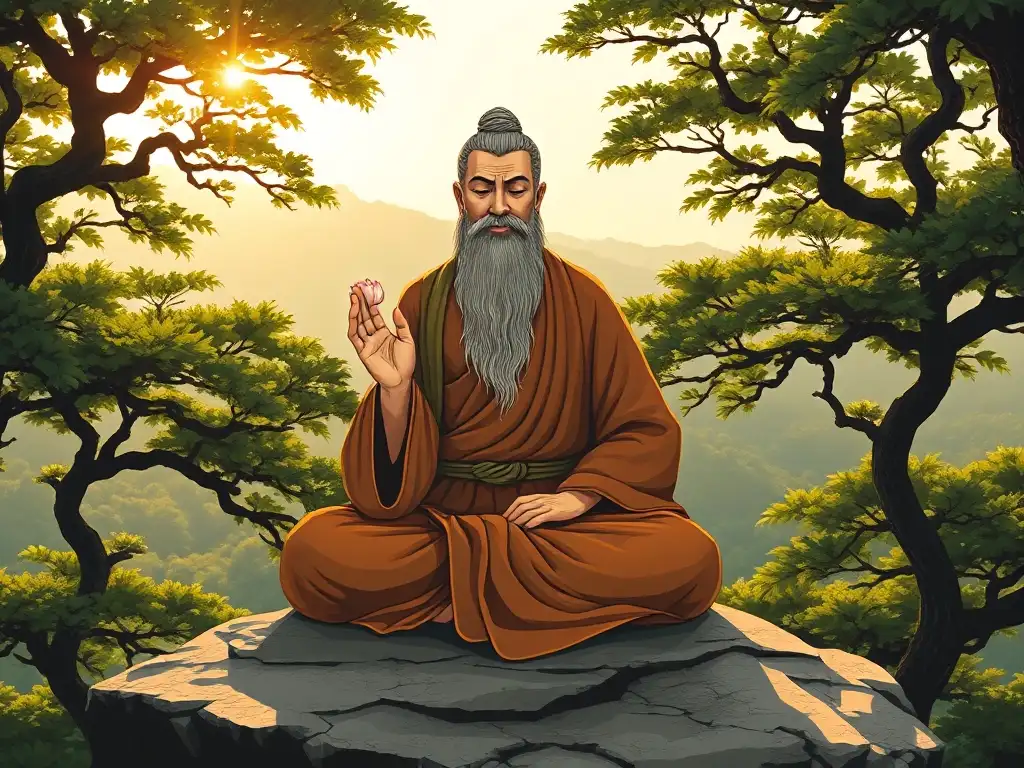
Mahakasyapa is also known for a pivotal moment recorded in the "Flower Sermon," where he silently held up a flower, which only he and the Buddha understood. This act symbolized the transmission of wisdom beyond words, a concept that became a cornerstone of Mahakasyapa's legacy.
Mahakasyapa’s Role in the Buddhist Community
As the first patriarch, Mahakasyapa played a crucial role in establishing the monastic community and setting the framework for Buddhist teachings. His leadership was instrumental in preserving the Buddha's teachings and ensuring their correct interpretation.
- Formation of the Sangha: Mahakasyapa was pivotal in formalizing the monastic community (Sangha), creating a structured environment for practitioners to live and learn.
- Council of Rajgir: He presided over the first Buddhist council shortly after the Buddha’s parinirvana, where the teachings were recited and codified, ensuring their preservation for future generations.
His influence extended beyond just organizational structure; it also encompassed nurturing the spiritual growth of his followers. Mahakasyapa's emphasis on direct experience and personal understanding of the Dharma continues to resonate in various Buddhist traditions today.
Mahakasyapa's contributions to Buddhism were not merely administrative; they were deeply rooted in his teachings and spiritual insights. His legacy as the first patriarch laid the groundwork for the flourishing of Buddhism, impacting future generations and shaping the direction of the faith.
Mahakasyapa's Buddhist Teachings
Mahakasyapa, one of the most revered figures in Buddhism, is often celebrated as the first patriarch following the historical Buddha, Siddhartha Gautama. His teachings and philosophies have played a pivotal role in shaping the early Buddhist community and its subsequent evolution. As a monk known for his ascetic practices and profound understanding of the Dharma, Mahakasyapa emphasized the importance of direct experience over theoretical knowledge, a principle that continues to influence Buddhist thought today.
Key Teachings and Philosophies of Mahakasyapa
Mahakasyapa's teachings are characterized by several key principles that highlight his unique approach to Buddhism:
- Emphasis on Direct Experience: Mahakasyapa advocated for the importance of personal experience in understanding the teachings of the Buddha. He believed that true wisdom cannot be conveyed solely through words but must be realized through direct experience and practice.
- Simplicity and Asceticism: Known for his austere lifestyle, Mahakasyapa embodied the values of simplicity and renunciation. His commitment to ascetic practices served as a model for many monks and lay followers, emphasizing the significance of discipline in spiritual development.
- Non-Dualism: Mahakasyapa taught the principle of non-duality, suggesting that distinctions between self and other, subject and object, are ultimately illusory. This teaching encourages practitioners to look beyond dualistic thinking and cultivate a deeper understanding of reality.
- Compassion and Loving-Kindness: Integral to Mahakasyapa's teachings is the cultivation of compassion and loving-kindness (metta). He underscored the importance of developing a compassionate heart towards all beings, seeing it as essential for spiritual progress.
- Community and Sangha: Mahakasyapa played a crucial role in establishing the monastic community (Sangha). He emphasized the value of communal practice and support, believing that the Sangha was essential for nurturing the teachings of the Buddha.
The Concept of Mind-to-Mind Transmission
A cornerstone of Mahakasyapa's influence is the concept of mind-to-mind transmission, which signifies the direct passing of wisdom and insight from teacher to student. This idea is particularly prominent in Zen Buddhism, where it is often referred to as "transmission outside the scriptures."
- Direct Transmission: Mahakasyapa is said to have received the Buddha's teachings directly through a non-verbal exchange, symbolizing the importance of personal insight over written texts. This moment is often depicted in art and literature as a pivotal event in the history of Buddhism.
- Significance in Zen: This concept emphasizes that the essence of the Buddha's teachings transcends words and scriptures, relying instead on the direct experience of the practitioner. Mahakasyapa's approach laid the groundwork for the Zen tradition, which values meditation and personal insight.
- Legacy: The mind-to-mind transmission concept has had a profound impact on the development of various Buddhist schools, particularly in East Asia. It highlights the significance of the teacher-student relationship and the potential for enlightenment to occur in an instant.
Mahakasyapa and the Zen Tradition
Mahakasyapa's teachings are foundational to the development of the Zen tradition, which emerged centuries later but drew heavily on his insights. The following aspects illustrate his influence on Zen Buddhism:
- Meditation Practice: Mahakasyapa's emphasis on meditation as a means of realizing the Dharma directly paved the way for the meditative practices central to Zen. His approach encouraged practitioners to engage in zazen (sitting meditation) as a means of experiencing enlightenment.
- Simplicity in Practice: The Zen tradition echoes Mahakasyapa's focus on simplicity and directness, often favoring spontaneous expression and naturalness over rigid rituals or complex doctrines.
- Teacher-Student Dynamics: The concept of mind-to-mind transmission in Zen is deeply rooted in Mahakasyapa's teachings. The relationship between teacher and student in Zen emphasizes personal guidance and experiential learning, reflecting Mahakasyapa's influence.
- Symbolic Representation: Mahakasyapa is often depicted in Zen literature and art as a significant figure who embodies the transmission of wisdom. His legacy continues to inspire Zen practitioners who seek to understand the deeper truths of existence.
Mahakasyapa's teachings have had a lasting impact on Buddhism, particularly through his emphasis on direct experience, compassion, and the significance of community. His influence is notably evident in the Zen tradition, where his insights into mind-to-mind transmission continue to resonate with practitioners seeking to cultivate a profound understanding of the Dharma.
The Impact of Mahakasyapa on Buddhism
Mahakasyapa, one of the foremost disciples of Gautama Buddha, is often regarded as the first patriarch of Buddhism. His teachings and leadership played a pivotal role in shaping the early practices of the faith. This section explores the profound impact Mahakasyapa had on Buddhism, particularly through his influence on early practices, contributions to Buddhist texts, and the legacy he left behind in various Buddhist schools.
Influence on Early Buddhist Practices
Mahakasyapa's influence on early Buddhist practices can be seen in several key areas:
- Emphasis on Direct Experience: Mahakasyapa advocated for a form of Buddhism that prioritized personal experience and insight over mere doctrinal knowledge. This focus encouraged practitioners to engage deeply with meditation and mindfulness, laying the groundwork for future meditation schools.
- Community Leadership: As the leader of the Sangha (the community of monks), Mahakasyapa emphasized the importance of monastic discipline and communal living. His leadership style fostered unity among practitioners, which was essential for the survival and spread of early Buddhism.
- Transmission of Teachings: Mahakasyapa is credited with preserving and transmitting the core teachings of the Buddha. He was known for his ability to convey the essence of Buddhism succinctly, often through direct instruction and personal examples. This approach helped ensure that fundamental concepts were accessible to all followers.
- Establishment of the First Council: Following the Buddha's passing, Mahakasyapa convened the First Buddhist Council in Rajgir. This gathering was crucial in compiling the Buddha's teachings, known as the Tripitaka (Pali Canon), which served as a foundational text for future generations.
Mahakasyapa’s Contributions to Buddhist Texts
Mahakasyapa's contributions to Buddhist texts are significant and multifaceted:
- Oral Transmission: He played a vital role in the oral transmission of the Buddha's teachings, ensuring that they were accurately conveyed to subsequent generations. His commitment to preserving these teachings helped maintain the integrity of Buddhist philosophy.
- Compilation of the Tripitaka: During the First Council, Mahakasyapa oversaw the recitation and compilation of the Buddha's discourses. This endeavor solidified the teachings in written form, allowing them to transcend time and geographical boundaries.
- Advocacy for Vinaya: Mahakasyapa was instrumental in establishing the Vinaya, the monastic code that governs the conduct of monks and nuns. His emphasis on ethical conduct and discipline ensured that the monastic community remained focused on spiritual development.
- Influence on Later Texts: Mahakasyapa's teachings and interpretations contributed to the development of later Buddhist texts, including commentaries and philosophical treatises. His insights into core Buddhist concepts have had a lasting influence on Buddhist literature.
The Legacy of Mahakasyapa in Various Buddhist Schools
Mahakasyapa's legacy continues to resonate across different Buddhist schools:
- Zen Buddhism: In Zen traditions, Mahakasyapa is often revered as a symbol of direct transmission of insight. His interaction with the Buddha, where he famously smiled at a flower, represents the essence of non-verbal understanding, a key principle in Zen practice.
- Theravada Buddhism: In Theravada traditions, Mahakasyapa is celebrated as a key figure in the early community of monks. His role in the First Council is acknowledged, reinforcing the importance of the Pali Canon in Theravada practice.
- Mahayana Buddhism: Mahakasyapa's teachings have also found resonance in Mahayana Buddhism, where he is regarded as a predecessor of the Bodhisattva ideal. His emphasis on compassion and community continues to inspire followers in their pursuit of enlightenment for the sake of all beings.
- Cultural Impact: Across various cultures, Mahakasyapa has been depicted in art, literature, and religious practices. His image embodies the principles of wisdom and compassion, serving as a guiding figure for practitioners seeking to deepen their understanding of Buddhism.
Mahakasyapa's teachings and actions have left an indelible mark on the development of Buddhism. His commitment to preserving the Buddha's teachings and fostering community has shaped the trajectory of the faith, influencing generations of practitioners and scholars alike.
Mahakasyapa's Influence on Buddhist Thought
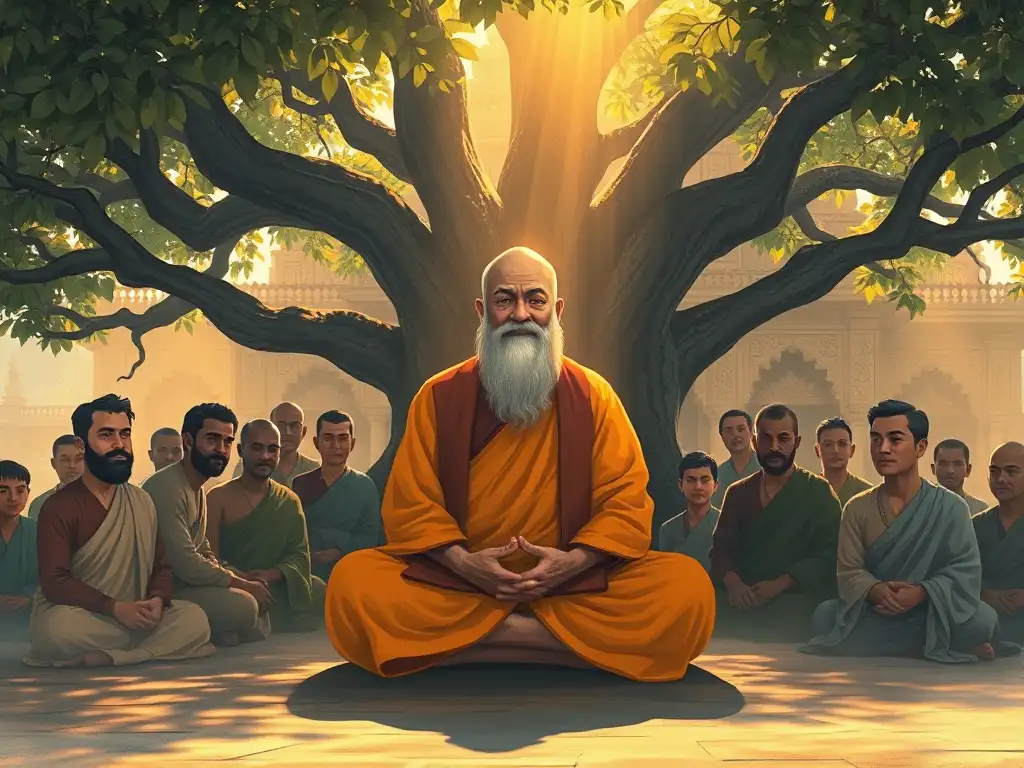
Mahakasyapa, a prominent figure in early Buddhism, is widely recognized for his crucial role in shaping the foundational teachings of the faith. As the first patriarch of Buddhism, Mahakasyapa's influence extends beyond his lifetime, affecting the direction and interpretation of Buddhist principles throughout the ages.
Mahakasyapa's influence is particularly noted in his emphasis on direct experience and the practice of meditation, which became central to Buddhist teachings. His teachings emphasized the importance of personal insight over mere intellectual understanding, advocating for a path that requires practitioners to engage deeply with their own consciousness.
Comparison of Mahakasyapa's Teachings with Other Patriarchs
Mahakasyapa's teachings can be contrasted with those of other early Buddhist patriarchs, such as Ananda and Nagarjuna. While Ananda, known for his role in preserving the Buddha's discourses, focused on the oral transmission of teachings, Mahakasyapa's approach was more experiential.
- Direct Experience vs. Textual Knowledge:
- Mahakasyapa: Emphasized meditation and personal insight.
- Ananda: Stressed the importance of the Buddha's words and teachings, prioritizing the written texts.
- Unity and Community:
- Mahakasyapa: Advocated for communal practice, believing that the Sangha (community) was essential for spiritual growth.
- Nagarjuna: Focused on the philosophical underpinnings of emptiness and dependent origination, often abstracting the teachings from communal practices.
This divergence in focus highlights Mahakasyapa's role as a bridge between the Buddha's original teachings and the evolving interpretations that would follow. His emphasis on community and meditation laid the groundwork for later schools of thought within Buddhism, particularly the Zen and Chan traditions.
Mahakasyapa and the Evolution of Buddhist Philosophy
Mahakasyapa's teachings played a significant role in the evolution of Buddhist philosophy, particularly in the development of the Mahayana tradition. His emphasis on the direct perception of reality and the importance of meditation contributed to a philosophical shift from the early Theravada focus on the historical Buddha's teachings to a broader understanding of enlightenment.
- Meditation as a Core Practice: Mahakasyapa's insistence on meditation as the primary means to attain enlightenment was pivotal. This practice became a hallmark of later Buddhist schools, emphasizing experiential knowledge over scholastic learning.
- Transmission of Wisdom: Mahakasyapa was also instrumental in the concept of Dharma transmission, where wisdom is passed down from master to disciple, often beyond the written word. This idea is foundational in many Mahayana schools, emphasizing the importance of lineage and personal connection to a teacher.
- Symbolism and Zen: Mahakasyapa is often associated with the famous story of him silently holding up a flower, which represents the transmission of wisdom beyond words. This moment is seen as a pivotal point in the establishment of the Zen tradition, highlighting the importance of non-verbal communication in spiritual understanding.
Mahakasyapa's contributions are not just historical; they continue to inform contemporary Buddhist practices and philosophies. His teachings on mindfulness, community engagement, and direct experiential knowledge have left an indelible mark on the landscape of Buddhism, influencing countless practitioners and schools of thought throughout the centuries.
Conclusion: The Enduring Impact of Mahakasyapa
Summary of Mahakasyapa’s Significance in Buddhism
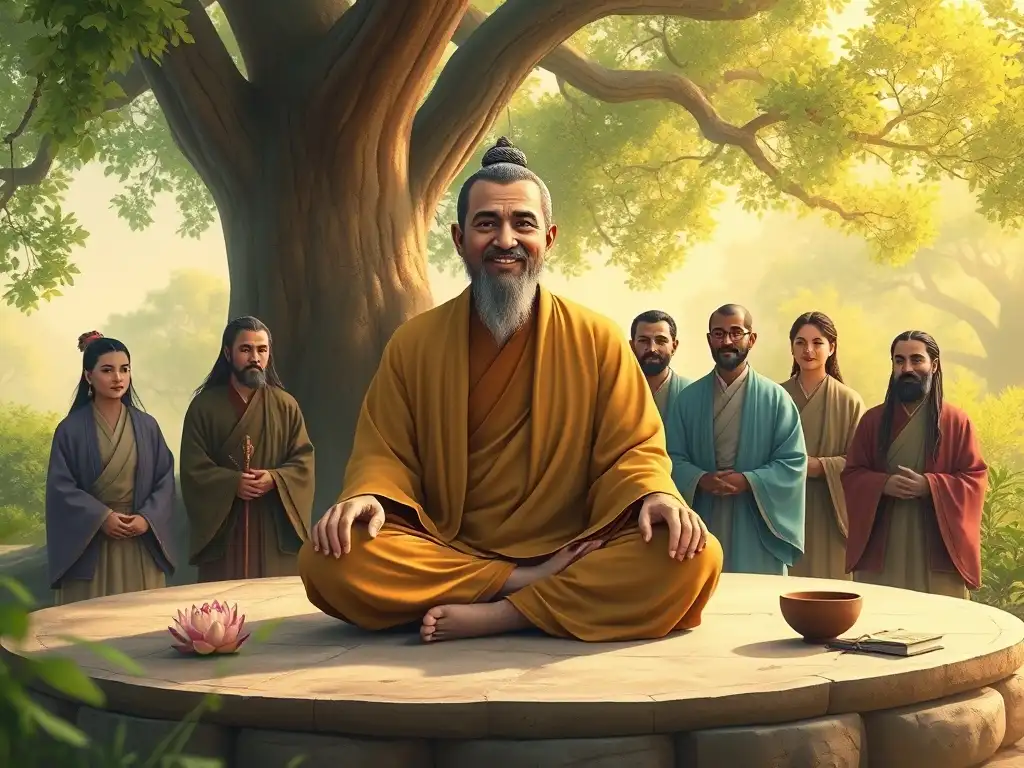
Mahakasyapa holds a pivotal role in the history of Buddhism, renowned as the first patriarch after the Buddha. His teachings and leadership were instrumental in the preservation and dissemination of Buddhist doctrines. Mahakasyapa's significance can be summarized through several key aspects:
- Transmission of Teachings: Mahakasyapa is often credited with preserving the core teachings of the Buddha, emphasizing the importance of direct experience and meditation. His approach laid the foundation for Zen Buddhism, which focuses on the experiential aspects of enlightenment.
- The First Council: After the Buddha's death, Mahakasyapa convened the First Buddhist Council to compile and standardize the teachings. This event was crucial in ensuring that the Buddha’s teachings were accurately transmitted to future generations. The council's decisions shaped the early Buddhist canon, significantly influencing subsequent interpretations.
- Symbol of Asceticism: Mahakasyapa is often depicted as an ascetic who valued simplicity and detachment. His lifestyle and practices have inspired countless followers to pursue a path of renunciation and self-discipline, reflecting the essence of Buddhist practice.
- Role in Mahayana and Theravada Traditions: While primarily recognized in the Theravada tradition, Mahakasyapa's influence extends into Mahayana Buddhism as well. His teachings have been interpreted and adapted, showcasing the adaptability of Buddhist principles across different cultures and times.
Future Directions for Research on Mahakasyapa and Buddhism
The study of Mahakasyapa and his impact on Buddhism presents numerous avenues for further exploration. Here are some potential directions for future research:
- Comparative Analysis of Teachings: Investigating the differences between Mahakasyapa’s interpretations of Buddhist teachings and those of other early followers, such as Ananda or Sariputta, could provide deeper insights into the evolution of Buddhist thought.
- Cultural Impact: Examining how Mahakasyapa’s teachings influenced various Buddhist cultures across Asia will enrich our understanding of the adaptability and dissemination of Buddhist practices. This could involve studying historical texts and artifacts from different regions.
- Gender Perspectives: Researching the roles of female disciples and their interactions with Mahakasyapa could highlight the inclusivity and diversity within early Buddhist communities. Understanding their contributions may offer a more nuanced view of early Buddhist teachings.
- Interdisciplinary Approaches: Collaborating with scholars from fields such as anthropology, sociology, and religious studies can uncover the socio-political contexts surrounding Mahakasyapa’s life and teachings. This interdisciplinary approach could yield new interpretations of his impact.
- Modern Relevance: Exploring how Mahakasyapa’s teachings resonate with contemporary spiritual practices and mindfulness movements could bridge ancient wisdom with modern applications, demonstrating the timeless relevance of his insights.
By delving into these areas, scholars can continue to illuminate the profound impact of Mahakasyapa on Buddhism and its enduring legacy in the spiritual landscape of the world.
Frequently Asked Questions
What are the key teachings of Mahakasyapa in Buddhism?
Mahakasyapa emphasized the importance of direct experience and meditative practice over theoretical knowledge, shaping the way Buddhism was practiced and understood.
How did Mahakasyapa influence the Buddhist community?
As the first patriarch, Mahakasyapa played a crucial role in establishing the Sangha, or monastic community, ensuring the preservation and transmission of Buddhist teachings.
What is the significance of Mahakasyapa in the context of Buddhist history?
Mahakasyapa is recognized as a pivotal figure who helped to solidify the teachings of Buddha, ensuring that the core principles of Buddhism were maintained and passed down through generations.
In what ways did Mahakasyapa contribute to the development of Zen Buddhism?
His focus on mindfulness and meditative insight laid the groundwork for the later evolution of Zen Buddhism, which values direct experience over textual study.
How does Mahakasyapa's legacy affect modern Buddhist practices?
Today, Mahakasyapa's teachings continue to inspire Buddhists to seek personal enlightenment through meditation, emphasizing the relevance of his impact on contemporary Buddhist practices.
Final Reflection: The Enduring Legacy of Mahakasyapa's Teachings
Mahakasyapa's teachings continue to resonate profoundly in today's spiritual landscape, reminding us of the importance of direct experience and personal insight in our pursuit of truth. As the first patriarch of Buddhism, Mahakasyapa laid the groundwork for a tradition that emphasizes mindfulness and the transformative power of meditation. His influence is not merely historical; it is a living testament to the relevance of his teachings in a world often clouded by distractions and superficial understanding.
Culturally and socially, Mahakasyapa's impact is evident in the way contemporary practitioners approach Buddhism. His emphasis on the importance of direct experience over textual knowledge has shaped a more experiential and personal understanding of spirituality. This shift encourages individuals to cultivate their own insights and connections to the teachings. The mind is everything. What you think you become.
This quote encapsulates the essence of Mahakasyapa's legacy, urging us to reflect on our thoughts and their profound influence on our lives and spiritual journeys.
As we contemplate the teachings of Mahakasyapa, let us invite ourselves to engage deeply with our own experiences and insights. Consider how you can apply the principles of mindfulness and direct experience in your daily life. Reflect on the ways these teachings can guide you toward a more authentic and fulfilling spiritual path. In doing so, we honor Mahakasyapa's legacy and contribute to the ongoing evolution of Buddhism in our lives and communities.
Unveil the Wisdom of Mahakasyapa and Ignite Your Journey in Buddhism!
Thank you for exploring the profound legacy of Mahakasyapa, the first patriarch of Buddhism. Your interest in this pivotal figure highlights a deep commitment to understanding the roots and teachings of this ancient faith. Now it’s time to take the next steps toward further enlightenment!
- Dive deeper into Mahakasyapa's teachings by engaging with authentic Buddhist texts or joining a local meditation group.
- Share your insights by writing a blog post or discussing Mahakasyapa’s impact on Buddhism with your friends and family.
- Explore the vibrant community of practitioners—consider attending a Buddhist retreat or workshop to connect with others who share your interests.
What aspect of Mahakasyapa's teachings resonates most with your personal journey?