
Connect with Culture: Culinary Tours that Dive Deep into Indian Traditions

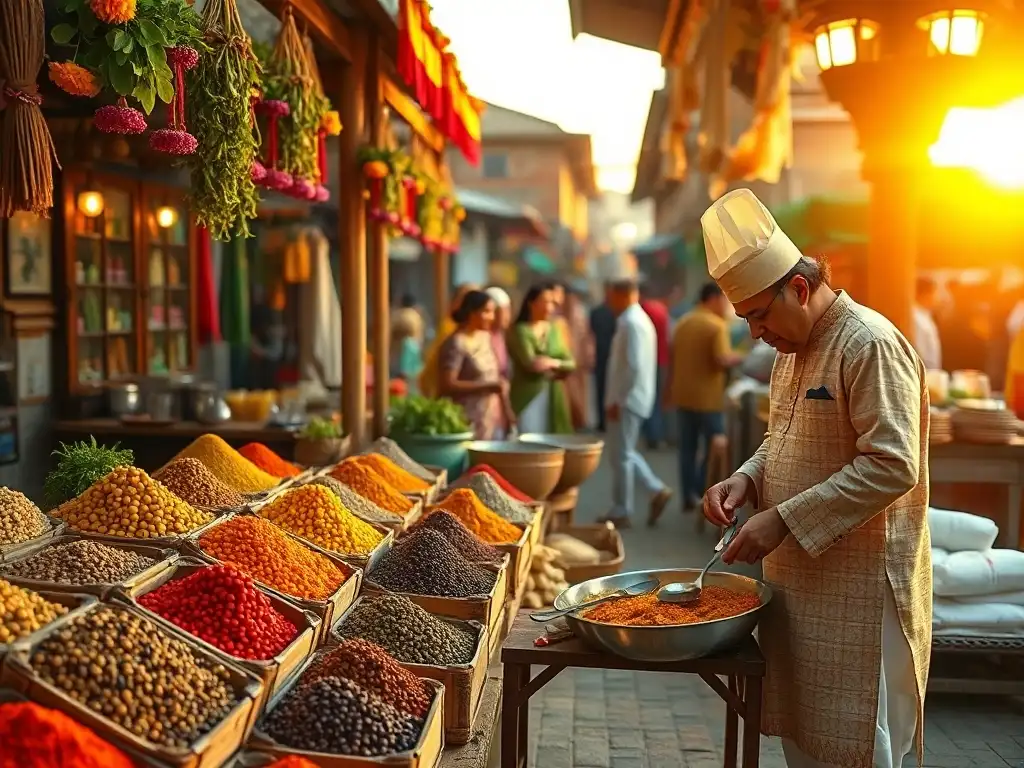
Welcome to Ancient India History, where we embark on a fascinating journey through the vibrant tapestry of India's past. Did you know that the culinary traditions of ancient India are as rich and diverse as its history itself? In our featured article, "Connect with Culture: Culinary Tours that Dive Deep into Indian Traditions," we invite you to explore the delectable flavors and age-old recipes that tell the stories of civilizations—from the bustling kitchens of the Indus Valley to the royal feasts of the Gupta Empire.
Prepare to be intrigued as we uncover how food not only nourished the body but also shaped the culture and identity of a nation. Dive in and discover the culinary heritage that awaits you!
- Introduction to Culinary Tours of Ancient India
- The Rich Tapestry of Indian Culinary Heritage
- Top Culinary Tours of Ancient India
- Cultural Insights Gained Through Culinary Tours
- Tips for Choosing the Right Culinary Tour
- The Impact of Culinary Tours on Local Communities
- Conclusion: Embrace the Flavors of Ancient India
- Frequently Asked Questions
- Final Reflection: Embracing Heritage Through Culinary Journeys
- Embark on Your Culinary Adventure!
Introduction to Culinary Tours of Ancient India
Culinary tours of ancient India offer a unique window into the rich tapestry of the subcontinent’s history and culture. These tours not only tantalize the taste buds but also provide an immersive experience into the traditions, customs, and historical legacies that have shaped Indian cuisine over millennia. From the sophisticated flavors of the Indus Valley civilization to the royal kitchens of the Gupta Empire, exploring these culinary pathways is akin to walking through the annals of time.
Each dish tells a story, reflecting the diverse regional influences, ancient practices, and the evolution of food as a vital part of Indian identity. This article will delve into the concept of culinary tourism and highlight the significance of these tours in connecting travelers with the deep-rooted traditions of Indian culture.
Understanding the Concept of Culinary Tourism
Culinary tourism, often referred to as food tourism, is a growing trend that emphasizes the exploration of food as a central element of travel. This concept involves:
- Experiencing Local Cuisines: Travelers engage directly with local food, learning about traditional cooking methods and unique ingredients.
- Cultural Immersion: Food acts as a lens to understand the culture and heritage of a place, allowing participants to connect with local communities.
- Historical Insights: Many culinary tours are designed around historical themes, offering insights into how ancient cooking practices have influenced modern cuisine.
Culinary tours of ancient India are particularly significant as they allow participants to discover the origins and evolution of various dishes that have been passed down through generations. By tasting and preparing traditional meals, travelers gain a deeper appreciation for the cultural significance of food in Indian society.
The Significance of Culinary Tours in Exploring Indian Traditions
Culinary tours serve as an essential tool for exploring and preserving Indian traditions. Here are some key reasons why these tours hold great significance:
- Cultural Preservation: Many ancient recipes and cooking techniques are at risk of fading into obscurity. Culinary tours help keep these traditions alive by passing them down to new generations.
- Connection to Heritage: Participants can experience the historical context of dishes, understanding how they were influenced by various dynasties, trade routes, and cultural exchanges.
- Promoting Sustainable Practices: These tours often highlight the importance of using local, seasonal ingredients, fostering a connection to the land and sustainable agricultural practices.
Culinary tours of ancient India not only provide a feast for the senses but also play a crucial role in celebrating and preserving the rich cultural heritage of the subcontinent. By participating in these tours, travelers embark on a journey that transcends mere taste, connecting them to the very essence of Indian traditions.
The Rich Tapestry of Indian Culinary Heritage
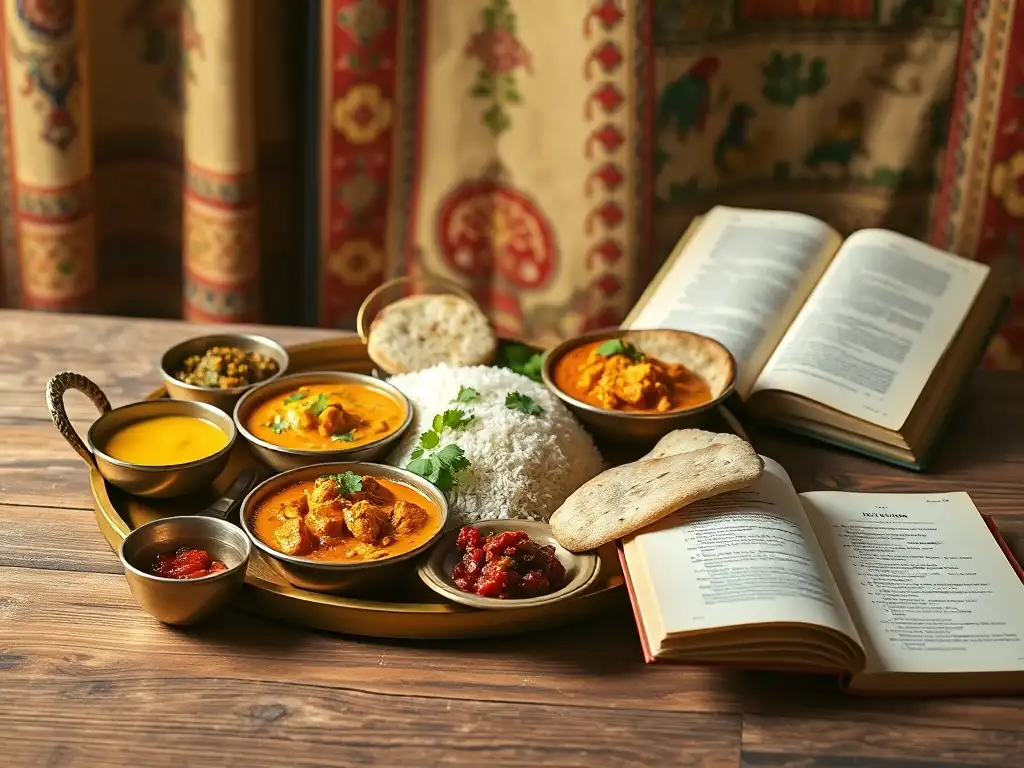
Indian culinary heritage is a vibrant mosaic that reflects the historical, geographical, and cultural diversity of the subcontinent. The evolution of Indian cuisine can be traced back thousands of years, and it has been influenced by various civilizations, trade routes, and migrations. From the sophisticated cooking techniques of the Indus Valley Civilization to the lavish feasts of the Mughal era, each period contributed unique flavors, ingredients, and cooking styles that continue to shape modern Indian gastronomy.
Historical Influences on Indian Cuisine
The roots of Indian cuisine can be found in the ancient texts and archaeological findings that date back to the Indus Valley Civilization (c. 3300–1300 BCE). This civilization showcased advanced agricultural practices, cultivating rice, wheat, and a variety of pulses. The remnants of ancient granaries and cooking hearths indicate a culinary culture that emphasized both sustenance and sophistication.
Over the centuries, several key historical influences have played a significant role in shaping the culinary landscape of ancient India:
- Vedic Period (c. 1500–500 BCE): The texts from this era highlight a diet rich in grains, dairy, and legumes. Rituals and offerings, such as yajnas, emphasized the importance of food as a divine gift.
- Mauryan Empire (c. 322–185 BCE): Under the rule of Emperor Ashoka, the spread of Buddhism led to vegetarianism becoming more prevalent. This period also saw increased trade with foreign lands, introducing spices and ingredients that enriched Indian cuisine.
- Mughal Era (c. 1526–1857 CE): The Mughal Empire brought Persian influences, introducing techniques like dum (slow cooking) and kebabs. Dishes like biryani and various meat preparations became popular, showcasing a blend of flavors and the use of aromatic spices.
- Colonial Influence (c. 1757–1947 CE): The British colonial period introduced new ingredients such as potatoes and tomatoes, which became staples in Indian cooking. The fusion of British and Indian culinary traditions gave rise to unique dishes, such as the Anglo-Indian curry.
Regional Variations in Ancient Indian Culinary Practices
Ancient Indian cuisine was not monolithic; it varied significantly across different regions, influenced by local ingredients, climate, and cultural traditions. These regional variations are evident in the culinary practices that developed over time:
- North India: Characterized by the use of wheat, dairy, and a variety of spices. Dishes such as roti, paneer, and dal are staples. The influence of Mughal cuisine is seen in the use of rich gravies and aromatic rice dishes.
- South India: Known for its rice-based dishes, such as idli and dosa, along with a plethora of chutneys and sambar. Coconut, tamarind, and curry leaves are essential ingredients, reflecting the tropical climate.
- East India: Features a focus on fish and rice, with Bengali cuisine highlighting the use of mustard oil and spices. Dishes like machher jhol (fish curry) and sweets like rosogolla are celebrated.
- West India: Diverse culinary traditions range from the spicy food of Gujarat to the rich, coconut-based dishes of Maharashtra and Goa. Dishes like dhokla and vindaloo showcase the region's unique flavors.
- Northeast India: Lesser-known but equally rich, this region offers dishes that utilize local herbs, bamboo shoots, and fermented ingredients. The use of minimal spices allows the natural flavors of ingredients to shine through.
The richness of ancient Indian culinary practices continues to inspire modern culinary tours that delve into these diverse traditions. Engaging in culinary tours of ancient India not only provides a taste of history but also offers insights into the customs and rituals that have shaped the Indian dining experience over millennia. By exploring these regional variations, travelers can gain a deeper appreciation for the complexity and diversity of Indian cuisine.
Top Culinary Tours of Ancient India
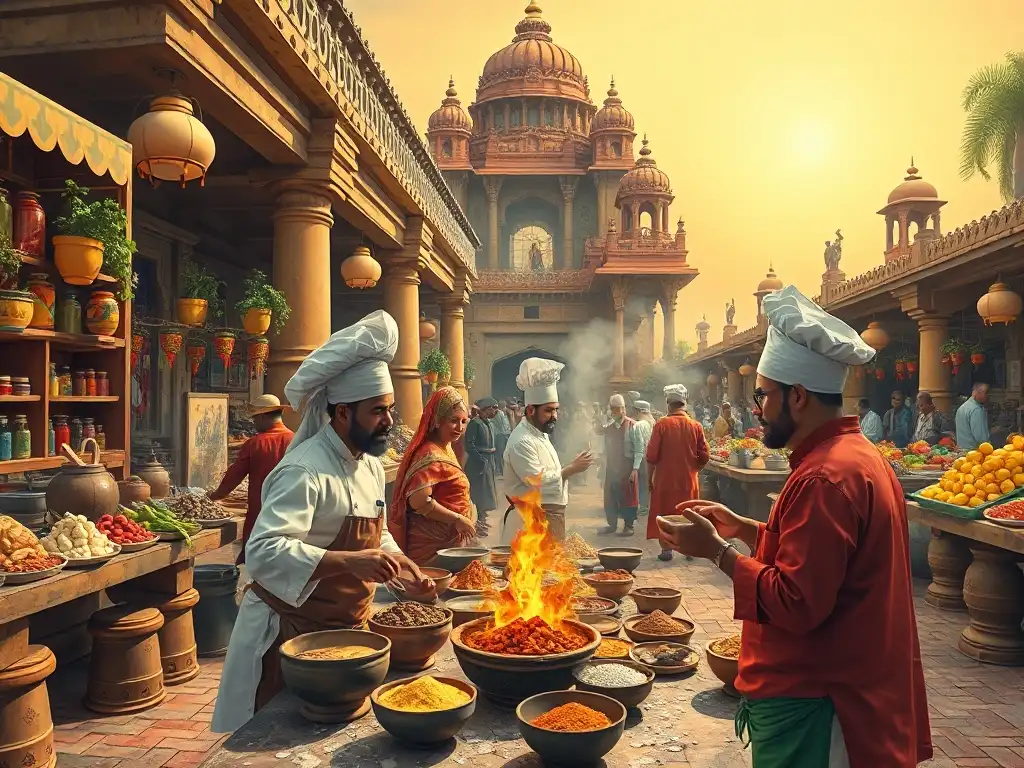
1. The Spice Route Tour: A Journey Through Flavor
Overview of the Tour
The Spice Route Tour is a captivating culinary journey that traces the historical pathways of spice trade in ancient India. This tour allows participants to experience the rich tapestry of flavors that defined Indian cuisine, influenced by centuries of trade and cultural exchange. Spanning regions such as Kerala, Punjab, and Goa, this journey not only highlights the spices integral to Indian cooking but also delves into the stories of ancient traders and their impact on local cuisines.
Participants will explore spice plantations, witness the intricate processes of spice production, and understand the historical significance of various spices like cardamom, black pepper, and turmeric. The immersive experience is designed not just to tantalize the taste buds but also to educate travelers about the cultural heritage intertwined with these flavors.
Key Highlights: Spice Markets and Traditional Cooking Classes
- Visit to Spice Markets: Experience the bustling atmosphere of local spice markets, where vendors showcase their vibrant spices. Engaging with local merchants offers insights into the historical importance of these spices.
- Traditional Cooking Classes: Hands-on cooking classes led by seasoned chefs allow participants to learn traditional recipes that utilize the spices explored during the tour. This interactive experience fosters a deeper appreciation for the culinary arts.
- Culinary Demonstrations: Observe expert chefs prepare regional delicacies, showcasing unique techniques and secret family recipes that have been passed down through generations.
Recommended Providers: Spice Odyssey Tours
Spice Odyssey Tours is renowned for its expertly curated culinary experiences that connect travelers with the rich history of ancient Indian cuisine. Their knowledgeable guides provide in-depth insights into the spices' origins and their transformative roles in Indian culinary traditions. With a focus on sustainability and local engagement, Spice Odyssey ensures that participants enjoy an authentic and enriching experience.
2. Heritage Food Walk in Old Delhi
Exploring the Streets of Old Delhi
The Heritage Food Walk in Old Delhi is a sensory journey through the vibrant streets steeped in history. This tour invites participants to navigate narrow alleys that have been the heart of culinary traditions for centuries. The rich aroma of street food fills the air, creating an enticing atmosphere filled with stories of ancient culinary practices.
As participants stroll through the bustling bazaars, they will have the opportunity to engage with local vendors, learn about the origins of various dishes, and witness the age-old cooking techniques that have shaped the culinary landscape of Delhi.
Signature Dishes to Try: Parathas, Jalebis, and More
- Parathas: Savory stuffed flatbreads that are a staple of Old Delhi, often filled with potatoes, paneer, or vegetables and served with rich curries or pickles.
- Jalebis: A popular dessert, these spiral-shaped sweets are made from fermented flour and soaked in sugar syrup, offering a delightful contrast of crispy and syrupy textures.
- Chaat: A vibrant street food category offering a mix of flavors and textures, featuring ingredients like yogurt, tamarind chutney, and crisp fried dough.
Best Tour Operators: Delhi Food Walks
Delhi Food Walks is a reputable tour operator that specializes in providing authentic food experiences in the heart of Old Delhi. Their knowledgeable guides are passionate about sharing the stories behind each dish and its cultural significance. With a focus on hygiene and sustainability, Delhi Food Walks ensures that every guest enjoys a safe and memorable culinary adventure.
3. South Indian Culinary Experience: Temples and Tastes
South India is renowned for its rich culinary heritage, intertwining religion, culture, and food in a vibrant tapestry. This region boasts a variety of flavors and dishes that reflect its diverse communities and historical influences. Culinary tours in South India provide an immersive experience, allowing participants to explore the intersection of gastronomy and spirituality, particularly through temple cuisine, which is deeply rooted in tradition and ritual.
Discovering Temple Cuisine in Tamil Nadu
Temple cuisine in Tamil Nadu is a fascinating aspect of South Indian culinary traditions. The food offered in temples is often vegetarian, adhering to the principles of purity and devotion. Each dish prepared is not only a tribute to the deities but also a celebration of local ingredients and age-old recipes. Popular dishes include Puliyodarai (tamarind rice), Lemon rice, and Sundal, a savory snack made from legumes.
Culinary tours often include visits to famous temples such as the Meenakshi Temple in Madurai and the Brihadeeswarar Temple in Thanjavur, where participants can witness the preparation of prasad (offerings) and learn about the significance of various ingredients used in temple recipes. This unique aspect of temple cuisine provides insights into the cultural and spiritual dimensions of food in South India.
Unique Features: Cooking with Local Chefs
One of the most enriching aspects of culinary tours in South India is the opportunity to cook alongside local chefs. These chefs often come from families with generations of culinary expertise, imparting traditional techniques and secret recipes that have been passed down through the years.
Participants can engage in hands-on cooking sessions, where they learn to prepare iconic dishes like Dosa, Idli, and Sambar. This interactive experience allows tourists to not only understand the nuances of South Indian cooking but also to connect with the local culture and community. Additionally, many tours incorporate visits to local markets, where participants can select fresh ingredients and learn about local herbs and spices that define South Indian cuisine.
Recommended Experiences: Flavors of South India Tours
For those keen on exploring the rich culinary landscape of South India, various tours offer unique experiences that highlight both the food and the culture. Recommended tours include:
- Flavors of Tamil Nadu Tour: This tour covers key cities like Chennai, Madurai, and Coimbatore, focusing on traditional cooking classes and temple visits.
- Kerala Culinary Cruise: A unique experience that combines cooking with a backwater cruise, offering fresh seafood and local delicacies.
- Andhra Pradesh Spice Discovery: Focused on the spicy and flavorful dishes of Andhra, this tour includes cooking instructions from local chefs and visits to spice plantations.
These tours provide a comprehensive experience of South Indian culinary traditions, combining food, culture, and history.
4. Culinary Tour of Rajasthan: A Royal Affair
Rajasthan, known for its majestic forts and palaces, also boasts a culinary heritage that is as rich and vibrant as its history. The royal kitchens of Rajasthan have influenced the region's cuisine, resulting in a unique blend of flavors, techniques, and ingredients that reflect the royal lifestyle. Culinary tours in Rajasthan offer a glimpse into this regal past while allowing participants to savor the authentic tastes of the region.
The Royal Cuisine of Rajasthan
Rajasthani cuisine is characterized by its bold flavors, aromatic spices, and the use of ingredients that can withstand the region's arid climate. Traditional royal dishes often incorporate rich ingredients such as ghee, cream, and nuts, showcasing the wealth and opulence of royal kitchens.
Some signature dishes include Mohan Maas, a rich meat curry, and Laal Maas, a fiery red chili curry. The use of lentils and grains is also prevalent, with dishes like Dal Baati Churma and Gatte Ki Sabzi reflecting the resourcefulness of the local people. Culinary tours often highlight these dishes, with opportunities to taste them in authentic settings, from lavish palace dining halls to rustic village homes.
Must-Try Dishes: Dal Baati Churma and Gatte Ki Sabzi
Two quintessential dishes that every culinary tour of Rajasthan should feature are Dal Baati Churma and Gatte Ki Sabzi.
- Dal Baati Churma: This dish consists of round wheat rolls (baati) served with a spicy lentil mix (dal) and a sweet crumbled dish (churma). It represents the perfect balance of flavors and textures, showcasing the richness of Rajasthani cuisine.
- Gatte Ki Sabzi: Made from gram flour (besan), this dish features dumplings cooked in a spicy yogurt-based gravy. It is a staple in Rajasthani households and is a must-try for anyone looking to experience the essence of local cooking.
Both dishes are a testament to the culinary ingenuity of Rajasthan, making them essential highlights on any culinary tour.
Tour Recommendations: Rajasthan Culinary Tours
For an unforgettable culinary experience in Rajasthan, consider the following tours:
- Royal Rajasthan Culinary Tour: This comprehensive tour combines palace visits, cooking classes, and traditional meals in various cities, including Jaipur, Jodhpur, and Udaipur.
- Rajasthan Village Food Experience: This tour focuses on rural cooking, offering hands-on experiences in local homes and markets, highlighting the simplicity and authenticity of Rajasthani cuisine.
- Spice Trail of Rajasthan: A unique journey exploring the use of spices in Rajasthani cooking, with visits to spice markets and cooking classes featuring traditional recipes.
These tours not only provide an opportunity to savor Rajasthani delicacies but also immerse participants in the region's rich history and cultural heritage.
Cultural Insights Gained Through Culinary Tours
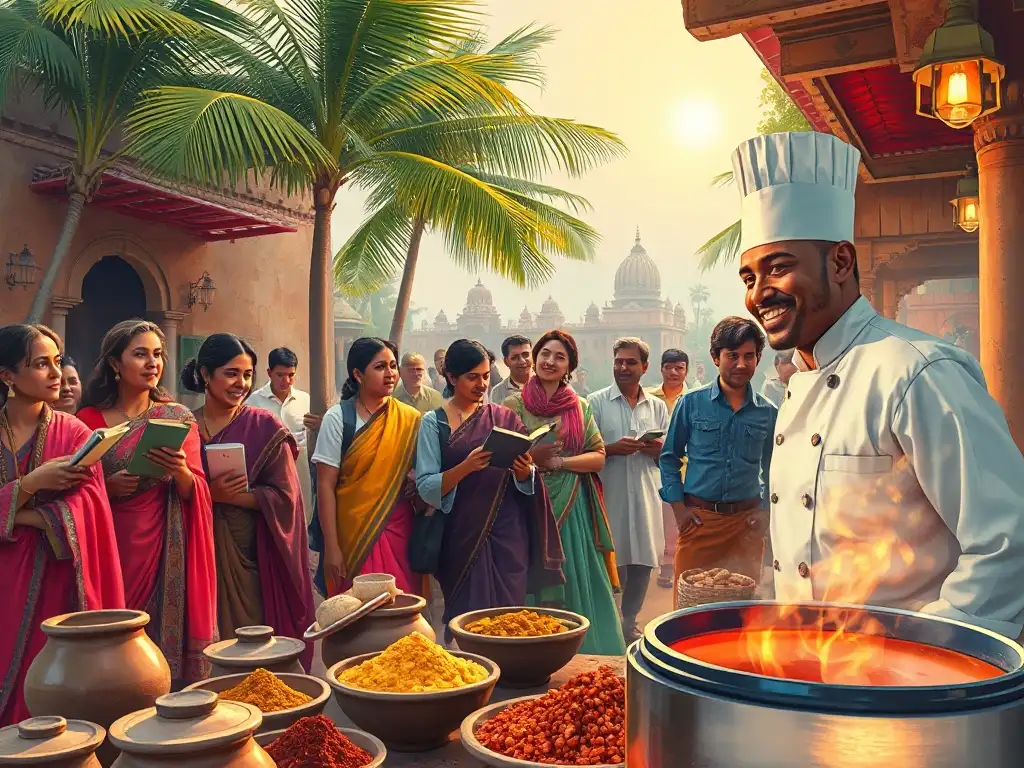
Culinary tours of ancient India offer a unique lens through which to explore the intricate tapestry of Indian culture and history. These tours not only delve into the flavors of regional cuisines but also reveal the longstanding traditions, practices, and values that shape culinary arts in various communities. By participating in these tours, travelers can gain profound insights into the significance of food in social and cultural contexts, enhancing their understanding of Indian heritage.
Understanding Regional Ingredients and Their Significance
The vast and diverse geography of India has resulted in an equally diverse range of regional ingredients that are integral to its culinary identity. Each region boasts its unique array of spices, grains, fruits, and vegetables, all of which play a crucial role in defining local dishes.
- Spices: The use of spices such as turmeric, cumin, and cardamom not only adds flavor but also reflects the medicinal and preservative traditions that have been passed down through generations. For instance, the incorporation of saffron in Kashmiri cuisine highlights the historical significance of this precious spice, which has been traded along ancient trade routes.
- Grains: Staples like rice and wheat vary in preparation and cultural importance across regions. In South India, rice is revered and often served with an array of curries, while in Punjab, wheat in the form of rotis or parathas is predominant. This regional specificity underscores the agricultural practices and climatic conditions that influence food production.
- Fruits and Vegetables: Local markets on culinary tours showcase seasonal produce that is often integrated into traditional recipes. For example, the use of kokum in coastal Maharashtra dishes illustrates how regional availability shapes culinary practices.
Understanding these ingredients allows travelers to appreciate not just the taste, but also the cultural narratives that surround each dish. By engaging with local chefs and families, participants can learn about the historical significance of these ingredients and their roles in rituals and everyday life.
The Role of Festivals in Shaping Culinary Traditions
Festivals in India are vibrant celebrations that often revolve around specific culinary traditions, making them an essential aspect of the country's cultural identity. Culinary tours provide opportunities to experience these festivals firsthand, highlighting the connection between food and communal celebrations.
- Diwali: The festival of lights is synonymous with sweets and snacks. Traditional preparations like ladoo, barfi, and chakli not only celebrate the festive spirit but also reflect regional variations in ingredients and cooking techniques. Participating in Diwali cooking sessions during a culinary tour offers an intimate understanding of these festive dishes.
- Holi: Known as the festival of colors, Holi is marked by feasting on a variety of foods, including gujiya and a plethora of savory snacks. The communal aspect of cooking and sharing food during Holi emphasizes the cultural practice of bonding through culinary experiences.
- Pongal: This harvest festival in Tamil Nadu involves cooking a special dish called Pongal, made from newly harvested rice and lentils. The rituals associated with this dish demonstrate how agricultural cycles influence culinary traditions, making it a focal point of celebration.
Through culinary tours, participants can witness how these festivals shape the culinary landscape of ancient India, providing insights into the rituals, beliefs, and communal ties that food fosters. Engaging directly with these traditions enriches the travel experience, offering a deeper appreciation for the cultural significance of Indian cuisine.
Culinary tours of ancient India serve as a gateway to understanding the rich cultural narratives embedded within its diverse culinary practices. By exploring regional ingredients and participating in festival celebrations, travelers can connect with the essence of India’s history and traditions, making their culinary journey both enlightening and memorable.
Tips for Choosing the Right Culinary Tour
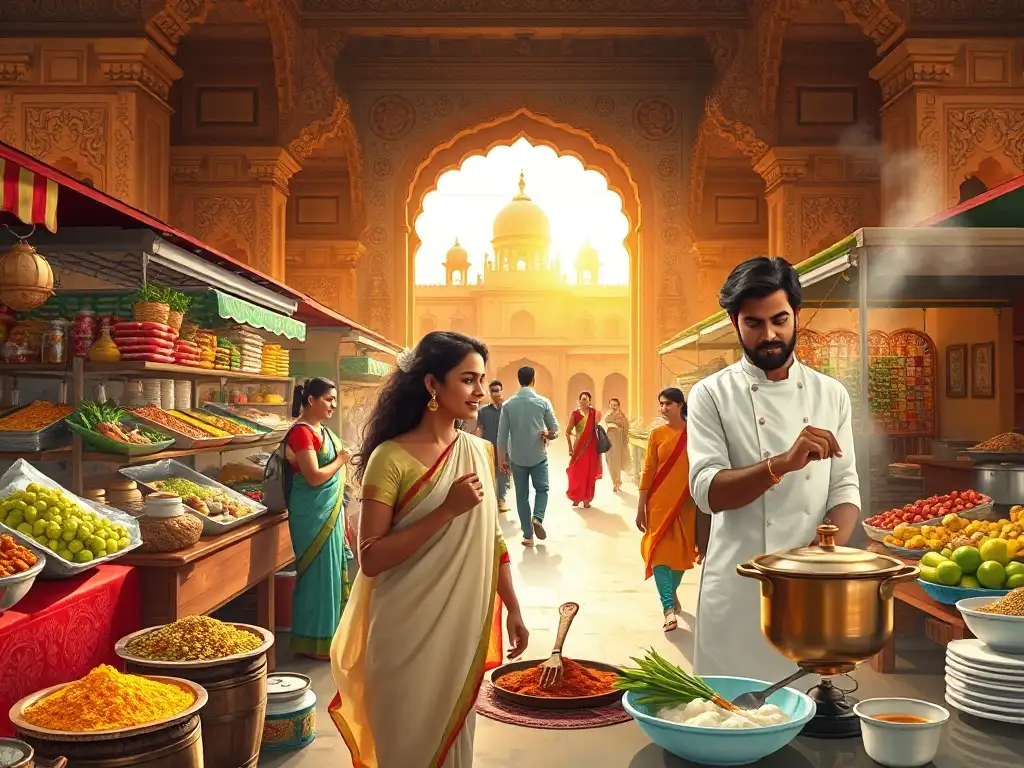
When planning a culinary tour of ancient India, it’s essential to make informed decisions to ensure a rich and fulfilling experience. Here are some key tips to guide you in choosing the right culinary tour that aligns with your interests and preferences.
Factors to Consider: Duration, Budget, and Interests
Choosing the perfect culinary tour requires careful consideration of several factors that can significantly impact your experience.
- Duration:
- Short Tours: If you have limited time, consider tours lasting a few days focused on specific regions, such as the flavors of Rajasthan or the spices of Kerala.
- Extended Tours: For a more immersive experience, opt for longer tours that cover multiple regions and delve deeper into the culinary traditions and local cultures.
- Budget:
- Luxury Tours: These often include high-end accommodations, gourmet meals, and exclusive experiences. Expect to invest more for personalized service and unique culinary events.
- Budget-Friendly Options: Look for tours that offer essential experiences at a lower price point. These can still provide a rich culinary experience through local eateries and markets.
- Interests:
- Culinary Focus: Determine whether you want to learn cooking techniques, explore street food, visit local markets, or enjoy fine dining experiences. Tailor your tour to focus on your culinary interests.
- Cultural Exploration: Some tours combine culinary experiences with cultural activities, such as visiting historical sites, participating in local festivals, or engaging with artisans.
By clearly defining your preferences in these areas, you can select a culinary tour that offers a memorable journey through the diverse flavors and traditions of ancient India.
How to Research and Read Reviews for Culinary Tours
Research is vital in finding the right culinary tour. Here are steps to effectively evaluate options and gather information:
- Online Research:
- Utilize reputable travel websites and forums to explore various culinary tour offerings. Look for detailed itineraries, inclusions, and pricing structures.
- Check social media platforms for photos and experiences shared by previous participants. This can provide insight into what to expect.
- Reading Reviews:
- Focus on platforms like TripAdvisor, Google Reviews, and specialized culinary tourism blogs to read firsthand accounts of past travelers. Pay attention to recurring themes in the reviews, such as food quality, tour organization, and guide knowledge.
- Look for reviews that highlight specific experiences, like cooking classes, market visits, or interactions with chefs, as these can help you gauge the depth of the culinary experience offered.
- Asking Questions:
- Don’t hesitate to reach out to tour operators with specific inquiries. Ask about their culinary philosophy, the chefs involved, and the authenticity of the experiences. This can help clarify if the tour aligns with your expectations.
- Comparing Options:
- Create a comparison table to evaluate different tours based on key criteria such as price, duration, destinations, and activities included. This visual aid can simplify the decision-making process.
By conducting thorough research and analyzing reviews, you can confidently select a culinary tour that resonates with your culinary aspirations, providing a deep dive into the tastes and traditions of ancient India.
The Impact of Culinary Tours on Local Communities
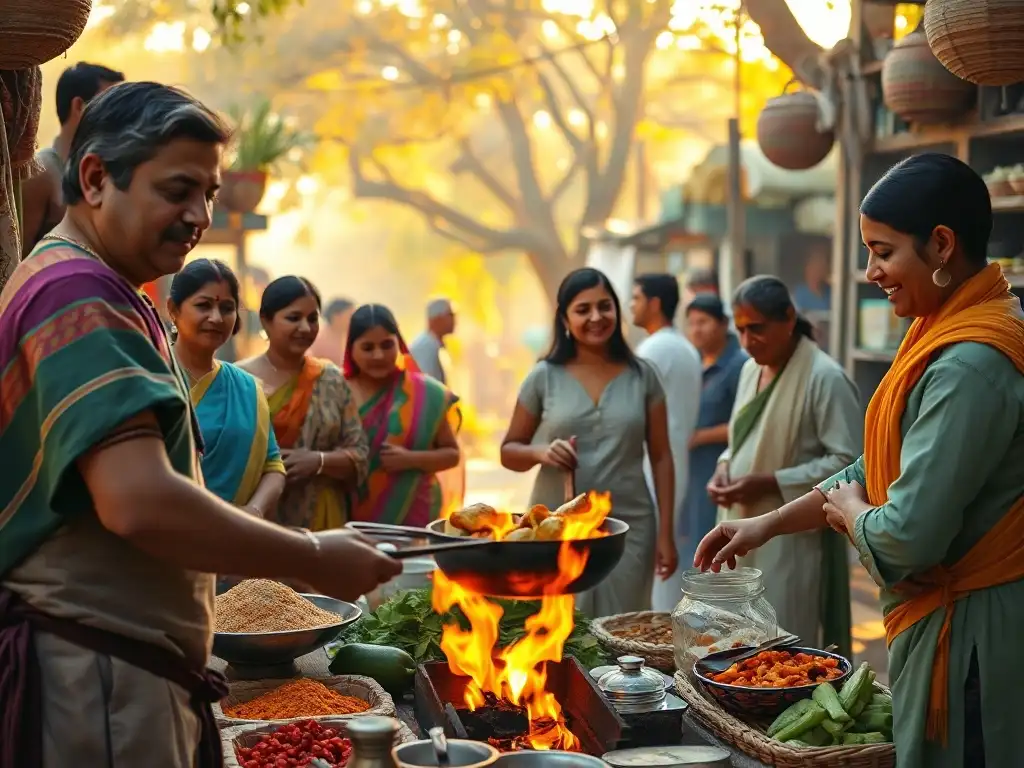
Culinary tours of ancient India have a profound impact on local communities, fostering economic growth, cultural awareness, and environmental sustainability. These tours not only offer travelers a unique glimpse into the rich culinary traditions of ancient Indian civilizations but also serve as a vital source of income and development for local populations.
Supporting Local Economies Through Culinary Tourism
Culinary tourism, particularly in the context of ancient India, plays a crucial role in supporting local economies. This phenomenon can be observed through the following key points:
- Job Creation: Culinary tours create numerous job opportunities in various sectors, including hospitality, food production, and arts and crafts. Local chefs, artisans, and farmers benefit directly from increased demand for their goods and services.
- Promotion of Local Ingredients: Tours often emphasize the use of indigenous ingredients, thereby encouraging local farmers to engage in sustainable agricultural practices. This not only supports their livelihoods but also preserves traditional farming methods that have been passed down through generations.
- Cultural Exchange: These tours facilitate cultural exchange, allowing tourists to interact with local communities. Such interactions enhance understanding and appreciation of ancient culinary techniques and traditions, fostering a sense of pride among local residents.
- Revenue Generation: Culinary tours can significantly boost local economies by generating revenue for small businesses, such as family-run restaurants, spice shops, and markets. This influx of income helps improve infrastructure and services within the community.
- Investment in Heritage: As culinary tourism grows, there is often increased investment in preserving local heritage sites and traditional practices. This preservation is crucial for maintaining the cultural identity of ancient Indian civilizations.
Sustainable Practices in Culinary Tours of Ancient India
Sustainability is a vital component of culinary tours of ancient India, where practices are increasingly focused on minimizing environmental impact while promoting cultural heritage. Key sustainable practices include:
- Farm-to-Table Initiatives: Many culinary tours prioritize farm-to-table dining experiences, reducing the carbon footprint associated with food transportation. This approach not only supports local farmers but also ensures that tourists enjoy the freshest ingredients available.
- Waste Reduction Practices: Tour operators are increasingly adopting waste reduction strategies, such as composting food scraps and using biodegradable materials for packaging. This commitment to reducing waste helps protect the environment and promotes responsible tourism.
- Cultural Preservation: Sustainable culinary tours often emphasize the importance of preserving ancient recipes and cooking methods. By engaging local chefs and communities, these tours help maintain culinary traditions that might otherwise be forgotten.
- Community Involvement: Sustainable culinary tourism encourages active participation from local communities. This involvement ensures that the benefits of tourism are shared equitably and that local voices are heard in the planning and execution of culinary experiences.
- Educational Opportunities: Many tours incorporate educational components, teaching participants about the history and significance of ancient culinary practices. This emphasis on learning fosters a deeper appreciation for the cultural heritage of India and promotes responsible tourism practices among participants.
Culinary tours of ancient India not only provide an enriching experience for travelers but also play an essential role in the economic and cultural sustainability of local communities. Through responsible tourism practices, these tours contribute positively to preserving the rich tapestry of India’s culinary heritage.
Conclusion: Embrace the Flavors of Ancient India
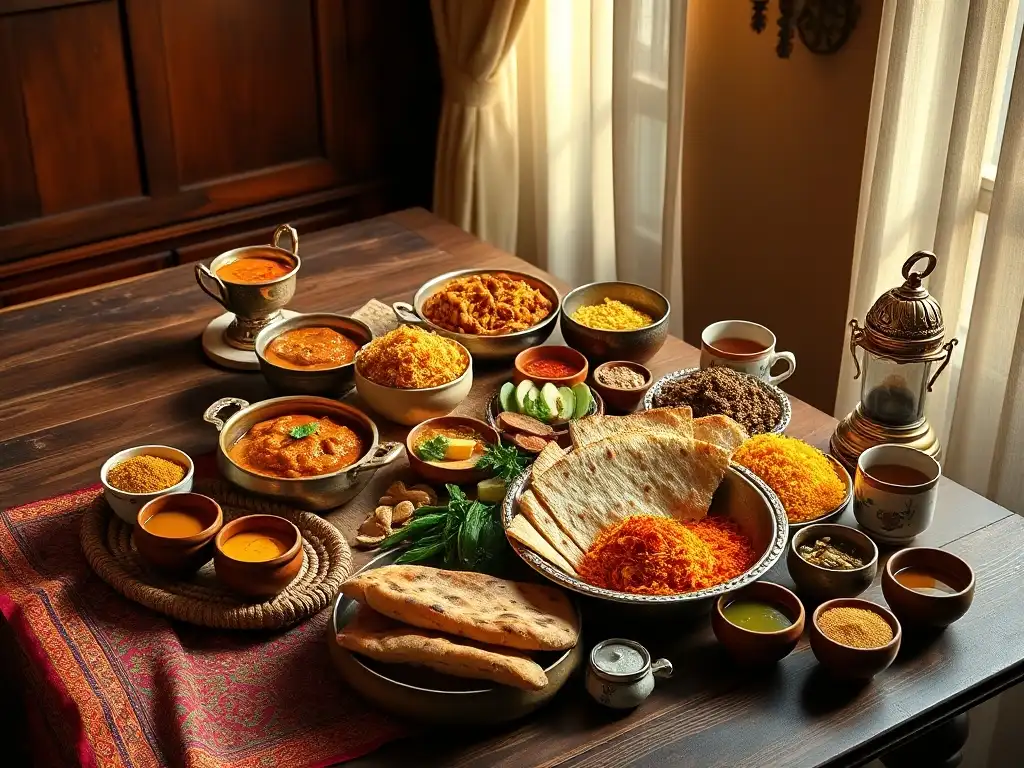
Final Thoughts on the Importance of Culinary Tours
Culinary tours of ancient India offer a unique lens through which travelers can explore the rich tapestry of Indian culture and history. These tours not only provide an opportunity to savor the diverse flavors and ingredients that have shaped Indian cuisine over millennia but also serve as a gateway to understanding the social, economic, and cultural dynamics of ancient civilizations.
The role of food in ancient Indian society cannot be understated; it was intricately tied to religious practices, trade routes, and social gatherings. By participating in these culinary experiences, one can uncover stories that date back to the Indus Valley Civilization, where the first evidence of agricultural practices and cooking techniques emerged. For instance, the use of certain spices can be traced back to these early societies, laying the foundation for the complex flavors that characterize modern Indian cuisine.
Moreover, culinary tours often include visits to historical sites, archaeological digs, and traditional kitchens, allowing participants to witness the evolution of cooking methods and the significance of various dishes within their historical contexts. This immersive approach not only tantalizes the taste buds but also enriches the mind and spirit, fostering a deeper connection to India's illustrious past.
Encouragement to Explore and Connect with Indian Culture
As you ponder the idea of embarking on a culinary tour of ancient India, consider the myriad ways such an experience can enhance your understanding of this vibrant culture. Engaging with local chefs, farmers, and artisans provides invaluable insights into the time-honored traditions and techniques that have been passed down through generations.
Here are a few reasons to encourage you to dive into this culinary adventure:
- Taste Authenticity: Experience traditional recipes that have been preserved over centuries, offering a true taste of India’s culinary heritage.
- Learn from Experts: Interact with knowledgeable guides and chefs who can share the historical significance of each dish and its ingredients.
- Cultural Immersion: Participate in local festivals or rituals that celebrate food, providing a holistic view of how cuisine and culture intertwine.
- Sustainable Practices: Discover the significance of farm-to-table concepts that ancient civilizations practiced, many of which are gaining renewed interest in today’s culinary world.
In conclusion, culinary tours of ancient India are not just about food; they are a profound journey into the heart of one of the world's oldest civilizations. By embracing these flavors, you can connect more deeply with India’s rich cultural heritage, fostering appreciation and understanding that transcends the dining table. So, pack your bags and prepare your palate for an unforgettable exploration of ancient Indian traditions!
Frequently Asked Questions
What are culinary tours of ancient India?
Culinary tours of ancient India are immersive experiences that explore the rich cultural heritage and traditional cuisines of ancient Indian civilizations, providing insight into their food practices and culinary techniques.
How do culinary tours connect with ancient Indian traditions?
These tours connect with ancient Indian traditions by highlighting historical recipes, utilizing local ingredients, and incorporating cooking methods that have been passed down through generations, allowing participants to experience history through food.
What regions are typically included in these culinary tours?
Culinary tours often include regions like the Indus Valley, Mughal territories, and areas influenced by the Gupta Empire, each offering unique culinary styles and historical significance to the Indian culinary landscape.
Are these tours suitable for all types of travelers?
Yes, culinary tours of ancient India are designed to be inclusive and can cater to food lovers, history buffs, and even those with dietary restrictions, ensuring a rich experience for everyone interested in Indian culture.
What can participants expect to learn on these tours?
Participants can expect to learn about the historical context of various dishes, the significance of ingredients, and traditional cooking techniques that shaped ancient Indian cuisine, offering a deeper understanding of the culinary heritage of the region.
Final Reflection: Embracing Heritage Through Culinary Journeys
Culinary tours of ancient India serve as a bridge between the past and present, allowing us to explore the rich tapestry of traditions that shape contemporary Indian culture. In a world increasingly driven by fast-paced lifestyles and globalization, these tours remind us of the importance of preserving cultural heritage and the stories that come with each dish. They invite us to savor not just the flavors, but the history and significance behind them, urging us to reconnect with our roots.
Culinary experiences have a profound impact on our understanding of cultural identity and community. Through these tours, we witness firsthand how food serves as a medium for storytelling, connection, and celebration. As we partake in these gastronomic adventures, we are reminded of the words of renowned chef and author Madhur Jaffrey: Food is the essence of a culture, and it tells the story of a people.
This sentiment rings true as we delve into the culinary practices that have been passed down through generations, enriching our appreciation for the diversity and depth of Indian traditions.
As you reflect on the insights gained from exploring culinary tours of ancient India, consider how you can incorporate these lessons into your own life. Whether it's experimenting with traditional recipes, supporting local artisans, or simply sharing a meal with loved ones, each action contributes to the preservation of culture. Embrace the opportunity to not only taste but also understand the stories behind the food you enjoy. Let this journey inspire you to celebrate and honor the rich heritage that connects us all, one delicious bite at a time.
Embark on Your Culinary Adventure!
Thank you for taking the time to explore the delicious depths of Indian culinary traditions with us. By immersing yourself in the flavors, stories, and history of Indian cuisine, you’ve taken the first step towards a richer cultural experience. Now it's time to elevate your journey further and savor these traditions firsthand!
Here are some exciting actions you can take:
- Book a culinary tour to experience Indian cooking techniques and cultural stories directly from local chefs.
- Join an online cooking class with an Indian chef to unleash your inner culinary artist and recreate authentic dishes right in your kitchen.
- Share your experiences on social media or in our comments section to inspire others to connect with Indian culture through cuisine.
What unique Indian dish are you most excited to try cooking for yourself or experiencing on a culinary tour?