
Spice Trails: Journey Through India’s Most Delicious Culinary Tours

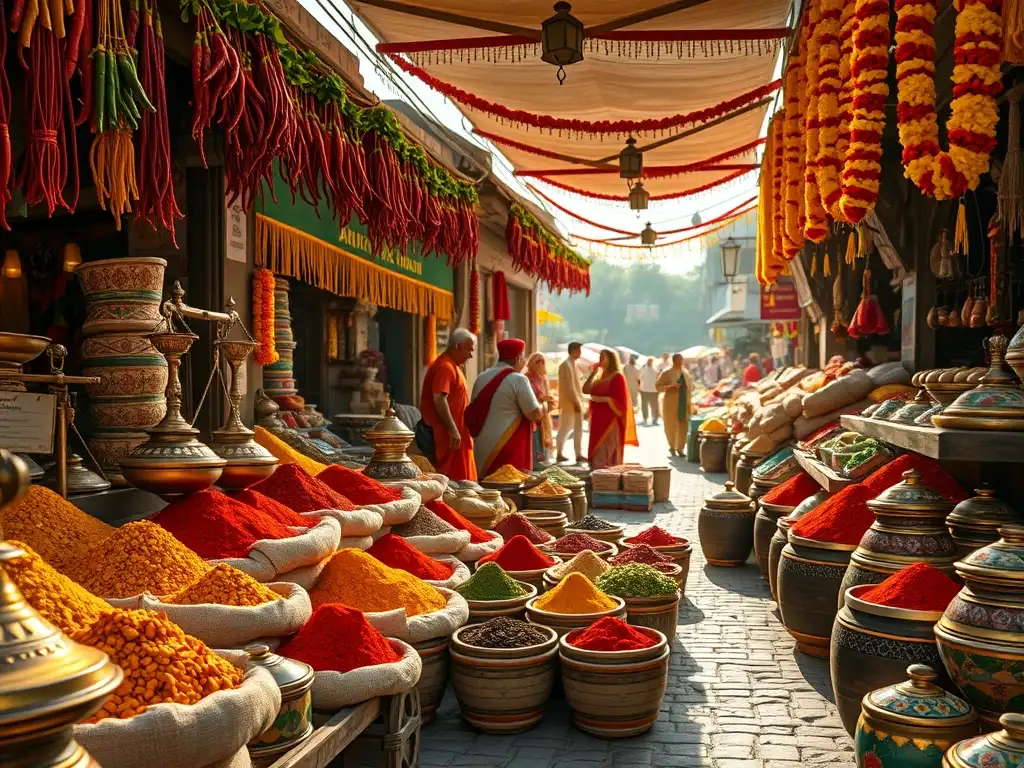
Welcome to Ancient India History, where we embark on a captivating exploration of the rich tapestry woven by ancient Indian civilizations. In our featured article, "Spice Trails: Journey Through India’s Most Delicious Culinary Tours," we invite you to dive into the fascinating world of Ancient Indian culinary traditions. Discover how the flavors, techniques, and ingredients of the past have shaped the vibrant food culture of today.
As you traverse through the aromatic trails of history, prepare to uncover the stories and secrets that make Indian cuisine a delicious journey worth savoring. Join us as we stir your curiosity and inspire your palate!
Introduction to Ancient Indian Culinary Traditions
India's culinary landscape is as diverse and rich as its history, reflecting the myriad cultures, traditions, and regional variations that have evolved over millennia. From the ancient kitchens of the Indus Valley civilization to the royal banquets of the Gupta Empire, ancient Indian culinary traditions have played a pivotal role in shaping not only the country's gastronomic identity but also its social and cultural fabric. The intricate use of spices, herbs, and cooking techniques tells a story of trade, migration, and innovation that has influenced cuisines around the world.
As we embark on a journey through India's most delicious culinary tours, it is essential to understand the historical context that has shaped these traditions. Culinary tours in India not only showcase the exquisite flavors and dishes but also provide a glimpse into the ancient practices that have been preserved and celebrated over generations. In this article, we will explore how these tours connect us to India's rich past while allowing us to savor the present.
Historical Significance of Culinary Tours in India
Culinary tours in India are more than just opportunities to taste delicious food; they are a window into the historical significance of ancient Indian culinary traditions. The roots of Indian cuisine can be traced back to several key periods in history:
- Indus Valley Civilization (c. 3300–1300 BCE)
- Evidence suggests a sophisticated agricultural system that included the cultivation of wheat, barley, and various spices.
- Archaeological findings reveal the use of clay pots and other cooking implements that hint at early culinary practices.
- Vedic Period (c. 1500–500 BCE)
- This era introduced ritualistic cooking and the importance of food in religious ceremonies.
- Texts such as the Atharva Veda highlight diverse ingredients and cooking methods that laid the foundation for later culinary traditions.
- Maurya and Gupta Empires (c. 322 BCE–550 CE)
- The establishment of trade routes facilitated the exchange of spices and culinary techniques across regions.
- Royal kitchens became centers of innovation, with chefs experimenting and refining dishes that would define Indian cuisine.
- Medieval Period and Mughal Influence (c. 1526–1857 CE)
- This period saw the introduction of Persian and Central Asian influences, enriching the existing culinary landscape.
- Signature dishes such as biryani and kebabs emerged, showcasing the fusion of flavors and cooking styles.
Through culinary tours, visitors can experience these historical influences firsthand, exploring the vibrant markets, cooking classes, and traditional meals that reflect the legacy of ancient Indian culinary traditions. Each dish tells a story of the past, connecting the present to a rich tapestry of flavors and cultures.
Top Culinary Tours Reflecting Ancient Indian Culinary Traditions
Exploring the culinary landscape of India offers a tantalizing glimpse into its ancient traditions, where flavors and techniques have been passed down through generations. Each region boasts its unique dishes, deeply rooted in history and culture. Here are some exceptional culinary tours that highlight ancient Indian culinary traditions, allowing travelers to savor the rich heritage of Indian cuisine.
1. Rajasthan Culinary Tour: A Taste of Royal Heritage
Rajasthan, known for its majestic forts and palaces, also presents a rich culinary heritage. The Rajasthan Culinary Tour immerses travelers in royal feasts that date back centuries. Tour participants can experience:
- Traditional Dishes: Enjoy dishes like Dal Baati Churma, a staple in Rajasthani cuisine, and Laal Maas, a fiery meat dish that showcases the region's love for spices.
- Cooking Demonstrations: Witness chefs prepare ancient recipes using traditional methods, such as cooking in a clay oven (chulha).
- Royal Dining Experiences: Dine in palatial settings where you can relish the same dishes once enjoyed by kings and queens.
The tour provides insights into the cultural significance of food in Rajasthani society, highlighting how ancient culinary practices are still celebrated today.
2. Kerala Spice Route Tour: Exploring Flavors of the South
The Kerala Spice Route Tour is a journey through the lush landscapes of Kerala, famous for its spices and diverse culinary traditions. This tour emphasizes the region’s historical spice trade, which influenced its cuisine. Key highlights include:
- Spice Gardens: Visit local spice plantations where you can learn about cardamom, pepper, and cinnamon cultivation, integral to ancient Indian cooking.
- Culinary Workshops: Participate in workshops focused on traditional Kerala dishes like Sadhya, a feast served on banana leaves, which reflects the communal aspect of dining.
- Cultural Performances: Enjoy Kathakali performances that narrate stories of ancient Indian epics, enhancing your understanding of the cultural context behind the cuisine.
This tour not only tantalizes the taste buds but also educates travelers about the historical significance of spices in shaping global trade routes.
3. Punjab Culinary Expedition: The Land of Bountiful Flavors
Punjab, often referred to as the breadbasket of India, offers a culinary expedition that is vibrant and hearty. The Punjab Culinary Expedition allows participants to dive into the rich flavors that define this region. Highlights include:
- Traditional Meals: Savor iconic dishes such as Butter Chicken and Amritsari Kulcha, which are prepared using time-honored recipes.
- Farm-to-Table Experiences: Visit local farms to learn about agricultural practices that have sustained Punjabi cuisine for centuries.
- Community Dining: Engage in a langar (community meal) at a gurdwara, experiencing the essence of hospitality and shared meals in Punjabi culture.
This expedition showcases how ancient culinary traditions continue to thrive in modern times through communal and familial practices.
4. Bengal Culinary Journey: Savoring the Sweet and Savory
The Bengal Culinary Journey unfolds the multifaceted flavors of Bengali cuisine, known for its delicate balance of sweet and savory. This journey invites participants to explore:
- Signature Dishes: Enjoy the famous Fish Curry (Macher Jhol) and a variety of sweets like Rosogolla and Sandesh, which are deeply embedded in Bengali culture.
- Cooking Classes: Learn to prepare traditional Bengali dishes using ancient techniques and locally sourced ingredients.
- Cultural Insights: Discover the role of festivals and rituals in shaping Bengali culinary practices, which often center around seasonal ingredients.
This culinary journey reveals the rich tapestry of flavors and traditions that define Bengal's ancient culinary heritage.
Unique Culinary Experiences Along the Spice Trails
Beyond traditional culinary tours, there are unique experiences that provide deeper insights into ancient Indian culinary traditions. These activities allow participants to engage hands-on with the rich heritage of Indian cuisine.
Cooking Classes Inspired by Ancient Recipes
Participating in cooking classes inspired by ancient recipes offers an intimate look at the techniques and ingredients that have shaped Indian cuisine. These classes often focus on:
- Heritage Recipes: Learn to cook dishes that date back to ancient texts, such as Ayurveda, which emphasize health and wellness through food.
- Local Ingredients: Use ingredients sourced from local markets, highlighting the importance of seasonal and regional produce in ancient cooking practices.
- Culinary Techniques: Master ancient cooking techniques like slow cooking and the use of traditional utensils, ensuring that the essence of the original flavors is preserved.
These classes not only teach culinary skills but also foster a deeper appreciation for the history behind the dishes.
Market Tours: Discovering Ancient Spices and Ingredients
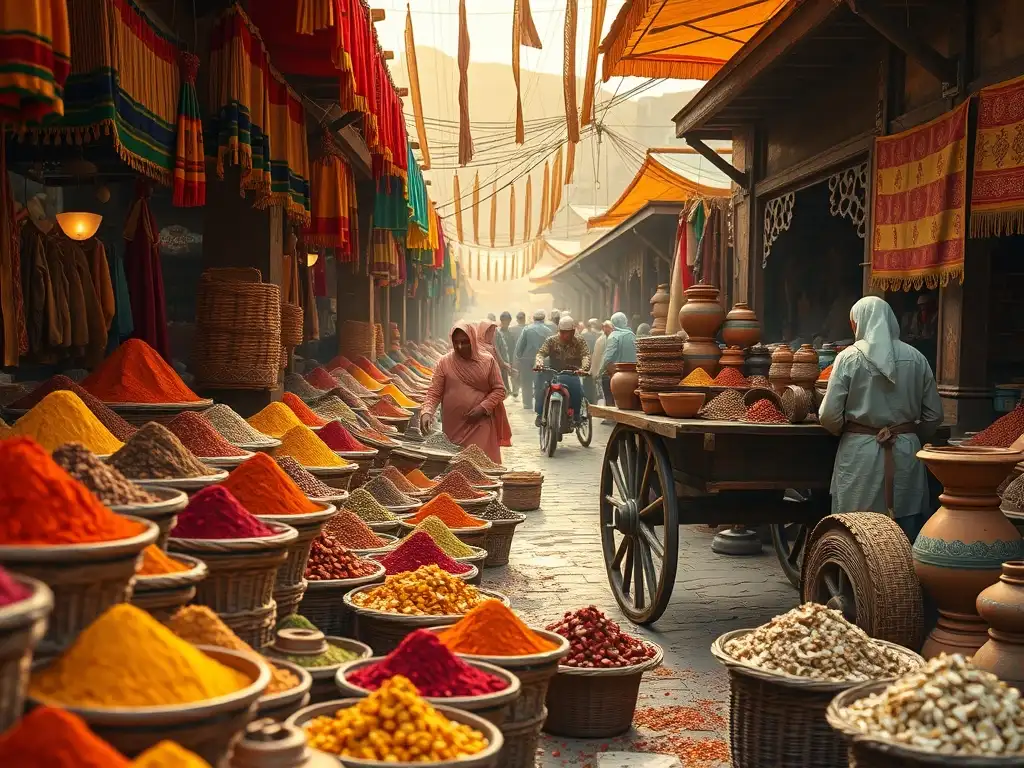
Market tours provide an immersive experience into the vibrant world of spices and ingredients that have been integral to ancient Indian culinary traditions. Participants can expect:
- Guided Tours: Explore bustling local markets where spices are sold by the pound, learning about their origins and uses in cooking.
- Tasting Sessions: Sample various spices, herbs, and local delicacies, gaining firsthand experience of their flavors and aromas.
- Cultural Context: Understand the historical significance of spices like turmeric and cumin, which were not only used for flavor but also for medicinal purposes in ancient times.
These market tours enhance the overall culinary journey, connecting participants to the ancient roots of Indian cooking and the vibrant culture surrounding it.
Cultural Significance of Ancient Indian Culinary Traditions
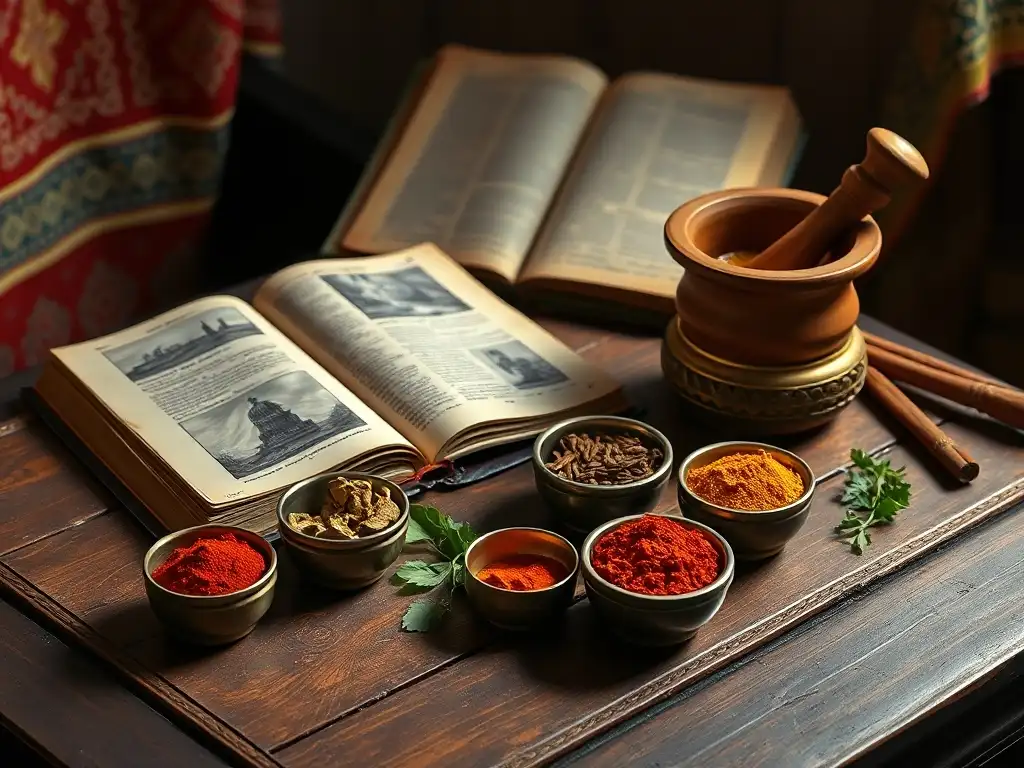
Ancient Indian culinary traditions are steeped in rich cultural significance, reflecting the diverse history and societal influences of the subcontinent. Food in ancient India was more than sustenance; it was a means of expressing identity, spirituality, and community. The origins of these culinary practices can be traced back to the Indus Valley Civilization, where archaeological findings suggest a sophisticated understanding of agricultural practices and food storage.
Spiritual and Religious Connections
Food has played a pivotal role in various religious practices throughout ancient India. For instance, the concept of ahimsa (non-violence) in Hinduism influenced vegetarianism, leading to the development of a diverse range of plant-based dishes. Festivals often featured specific culinary delights that held symbolic meanings, such as puran poli during Ganesh Chaturthi, representing the abundance of life.
Regional Diversity and Trade Influence
The geographical diversity of India contributed to an array of culinary practices, where local ingredients and climate shaped the food prepared in different regions. Ancient trade routes, such as the Silk Road, facilitated cultural exchange, introducing spices and cooking techniques from other civilizations. This blend of influences led to unique dishes, such as biryani, which showcases the fusion of Indian and Persian culinary elements.
Preservation of Knowledge
Culinary traditions were often passed down through generations orally or documented in texts like the Manasollasa and Pakashastra, which detail cooking methods, ingredients, and the health benefits associated with various foods. These texts not only served as cookbooks but also as a means to preserve the cultural heritage and knowledge surrounding ancient Indian cuisine.
Conclusion: Embracing Ancient Indian Culinary Traditions Through Tours
Embarking on culinary tours that highlight ancient Indian culinary traditions offers travelers a unique opportunity to connect with the rich heritage of Indian culture. These tours not only explore the historical context of various dishes but also allow participants to engage with local communities and learn the traditional methods of preparation. From hands-on cooking classes in rural villages to guided tastings in bustling markets, these experiences bring to life the flavors and stories behind each dish.
The revival of interest in ancient culinary practices encourages a deeper appreciation for the role food plays in cultural identity. By participating in such tours, visitors can contribute to the preservation of these traditions, ensuring that the knowledge and skills of ancient Indian cuisine are celebrated and passed on to future generations.
Call to Action
Ready to embark on your own culinary adventure through the flavors of ancient India? Explore the various culinary tours available to immerse yourself in the rich tapestry of Indian cuisine. Whether you're a seasoned foodie or a curious traveler, these experiences will not only tantalize your taste buds but also connect you to the vibrant history of ancient Indian culinary traditions. Don't miss the chance to savor and share the delectable dishes that have stood the test of time!
- Introduction to Ancient Indian Culinary Traditions
- Historical Significance of Culinary Tours in India
- Top Culinary Tours Reflecting Ancient Indian Culinary Traditions
- Unique Culinary Experiences Along the Spice Trails
- Cultural Significance of Ancient Indian Culinary Traditions
- Conclusion: Embracing Ancient Indian Culinary Traditions Through Tours
- Call to Action
Frequently Asked Questions
What are ancient Indian culinary traditions?
Ancient Indian culinary traditions encompass a variety of cooking methods, ingredients, and regional flavors that have evolved over centuries, influenced by cultural interactions, trade, and local agriculture.
How did spices influence ancient Indian cuisine?
Spices, such as turmeric, cumin, and cardamom, played a crucial role in ancient Indian cuisine, not only for flavor and preservation but also for their medicinal properties.
What are some key ingredients in ancient Indian cooking?
Common key ingredients include rice, lentils, vegetables, and a variety of spices. These ingredients reflect the diverse agricultural practices and regional availability across ancient India.
How did trade routes affect culinary practices in ancient India?
Trade routes, including the Silk Road, facilitated the exchange of not only goods but also culinary techniques and ingredients, leading to a rich and diverse culinary heritage in ancient Indian civilizations.
What role did religion play in ancient Indian culinary traditions?
Religion significantly influenced ancient Indian culinary traditions, with specific dietary practices dictated by Hinduism, Jainism, and Buddhism, promoting vegetarianism and the use of pure ingredients for spiritual well-being.
Final Reflection: Embracing the Richness of Ancient Indian Culinary Traditions
The exploration of ancient Indian culinary traditions reveals not only the depth of flavors but also the profound cultural heritage that shapes our modern dining experiences. Today, as we navigate a globalized world, the significance of these age-old practices becomes even more pronounced. They remind us that food is not merely sustenance; it is a narrative woven through time, connecting generations and communities. The vibrant spice trails of India serve as a testament to this legacy, inviting us to savor the past while celebrating the present.
The influence of these culinary traditions extends far beyond the kitchen; they resonate within our social fabric and cultural identity. As we partake in the diverse flavors and techniques passed down through centuries, we foster a deeper appreciation for the stories behind each dish. The act of sharing a meal steeped in tradition becomes a bridge that connects us to our ancestors and to each other. Food is not just what we eat; it is a reflection of who we are.
This sentiment underscores the importance of understanding and preserving these culinary arts, as they play a vital role in shaping our collective identity.
As you reflect on the rich tapestry of flavors and stories that ancient Indian culinary traditions offer, consider how you can incorporate these lessons into your own life. Whether it’s experimenting with spices in your cooking, seeking out local culinary experiences, or simply sharing a meal with loved ones, each action can deepen your connection to this vibrant heritage. Let the spice trails inspire you to embark on your own journey of discovery, embracing the flavors of the past while creating new memories for the future.
Embark on Your Culinary Adventure Today!
Thank you for taking the time to explore the rich flavors and vibrant traditions of India's culinary tours. By diving into this gastronomic journey, you've gained insight into the unique experiences that await you in every spice-laden bite. Now, it's time to take the plunge and amplify your culinary enthusiasm!
Here are a few ways to get started on your own culinary adventure:
- Book your next culinary tour to experience authentic Indian cuisine firsthand and uncover the stories behind each dish.
- Join an online cooking class to practice making traditional Indian recipes in your own kitchen, expanding your skills and flavor palette.
- Share your favorite culinary experiences with friends or on social media to inspire others and build a community of food lovers!
What dish are you most excited to learn how to cook or taste on your culinary journey through India? Your adventure awaits, filled with incredible flavors and unforgettable memories!