
A Taste of History: Culinary Tours Linking Ancient India with Modern Flavors

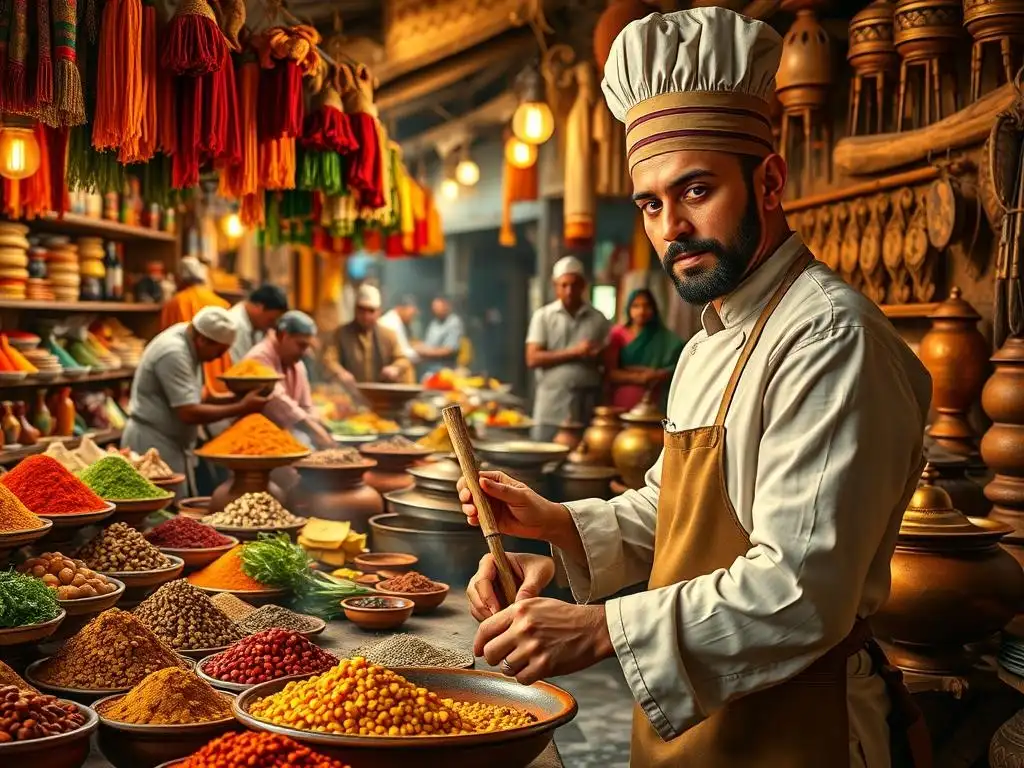
Welcome to Ancient India History, where we embark on a fascinating journey through time to uncover the rich and diverse legacy of ancient Indian civilizations. In our featured article, "A Taste of History: Culinary Tours Linking Ancient India with Modern Flavors," we delve into the ancient Indian culinary traditions that have shaped not only the palate but also the cultural fabric of the subcontinent.
Prepare to be intrigued as we explore how these time-honored practices influence contemporary cuisine and invite you to savor the flavors of history. Join us as we uncover the delectable links between the past and present, igniting your curiosity to discover more about this culinary odyssey!
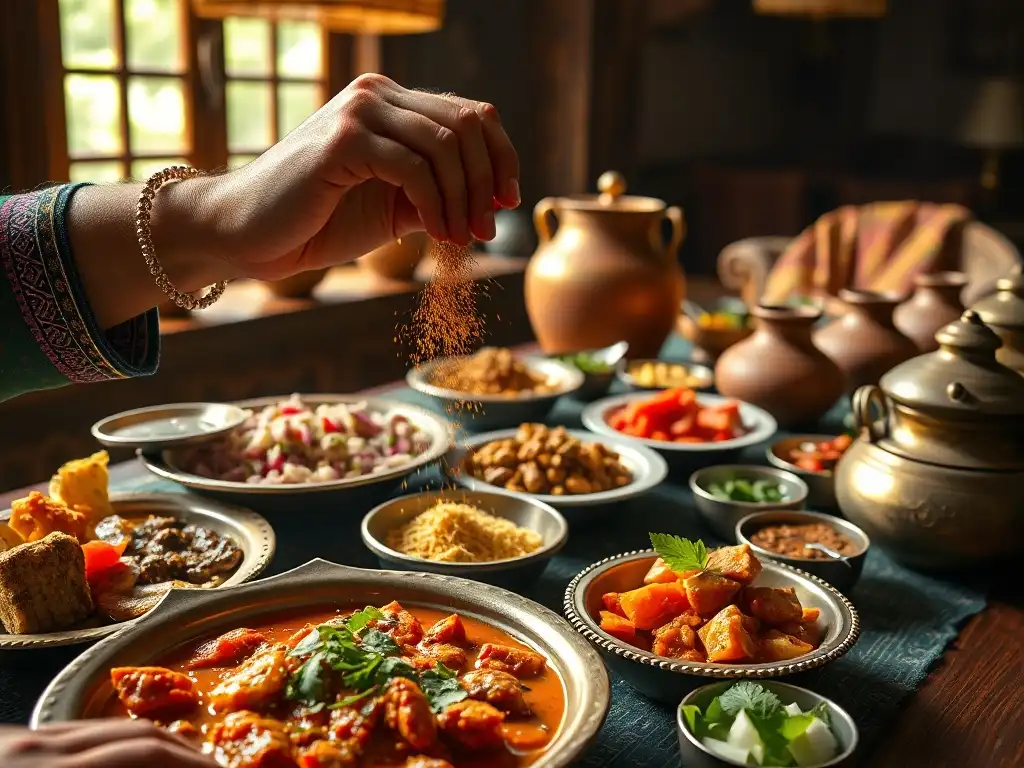
Exploring the culinary landscape of India is akin to embarking on a journey through time, where each flavor and ingredient tells a story of ancient traditions and cultural exchanges. The rich tapestry of ancient Indian culinary traditions has shaped not only the food we enjoy today but also the very essence of India's diverse cultural heritage.
From the sophisticated kitchens of the Indus Valley Civilization to the vibrant spice markets of the Gupta Empire, the evolution of Indian cuisine reflects a mosaic of influences that continue to resonate in modern culinary practices. This article delves into the fascinating world of culinary tours that connect the historical roots of Indian gastronomy with contemporary flavors, allowing food enthusiasts to experience firsthand the legacy of ancient culinary arts.
Introduction to Ancient Indian Culinary Traditions
The culinary traditions of ancient India are deeply intertwined with its history, culture, and geography. They reflect the agricultural practices, trade routes, and social customs of the time. Ancient texts, such as the Manasollasa and Sushruta Samhita, provide insights into the sophisticated cooking techniques and diverse ingredients used by our ancestors.
- Key Features of Ancient Indian Cuisine:
- Diverse Ingredients: The use of spices, grains, and herbs that were locally sourced and traded.
- Culinary Techniques: Methods such as steaming, frying, and fermenting, which have evolved but remain integral to modern Indian cooking.
- Cultural Significance: Food was often linked to religious practices, festivals, and communal gatherings, highlighting its role in social cohesion.
Moreover, the influence of various civilizations, including the Aryans, Persians, and Mughals, has introduced new flavors and techniques, enriching the culinary landscape. Culinary tours today often aim to revive these ancient practices, offering travelers a unique opportunity to taste dishes that have stood the test of time, such as biryani, dal, and various pickles.
As we dive deeper into this article, we will explore specific culinary tours that celebrate these ancient traditions while showcasing modern interpretations that delight the palate and honor history.
Exploring Ancient Indian Culinary Traditions
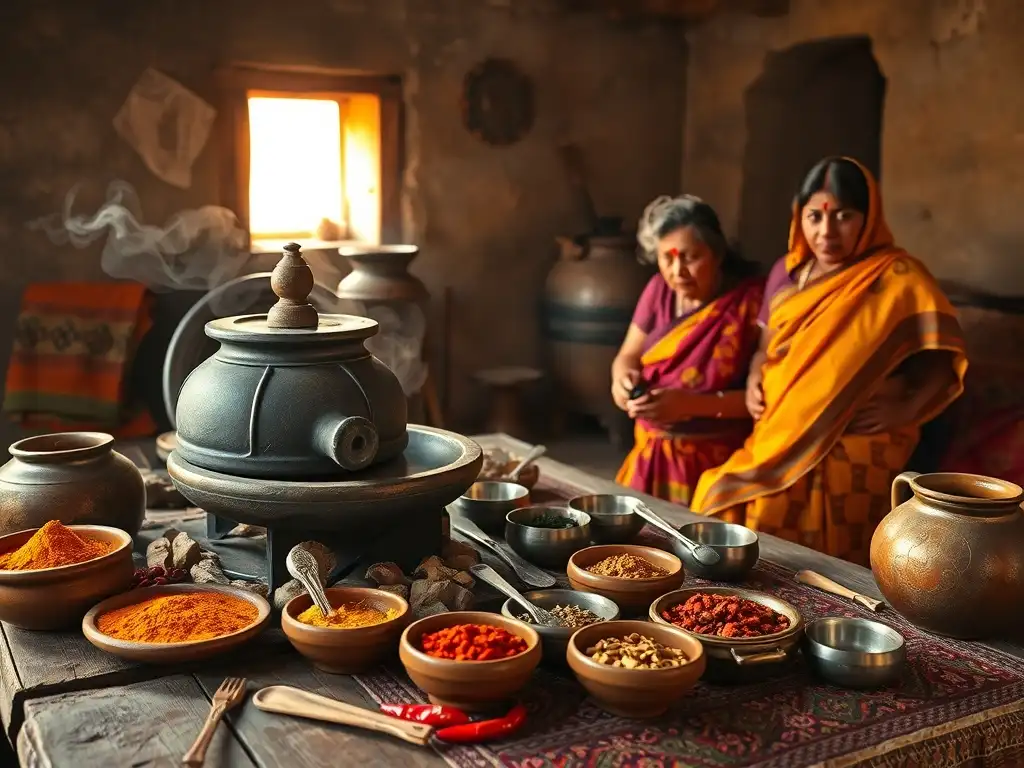
The culinary landscape of India is a vibrant tapestry woven from centuries of history, culture, and tradition. Ancient Indian culinary traditions play a pivotal role in shaping the modern Indian palate, influencing not only regional flavors but also cooking techniques and food rituals across the globe. Exploring these ancient practices offers a fascinating glimpse into how the past continues to inform contemporary gastronomy.
The Influence of the Indus Valley Civilization on Modern Cuisine
The Indus Valley Civilization, one of the world's earliest urban cultures (circa 2500–1900 BCE), laid the groundwork for many culinary practices that are still prevalent today. Archaeological findings suggest that the people of the Indus Valley had a sophisticated understanding of agriculture, food storage, and cooking techniques.
- Agricultural Advancements: The cultivation of wheat, barley, pulses, and cotton marked significant agricultural developments. These staples are still prevalent in modern Indian diets.
- Food Preparation Techniques: Evidence of ovens and cooking pots indicates that baking and boiling were common methods, which have evolved into today’s diverse cooking styles.
- Dietary Practices: The consumption of a vegetarian diet is thought to have roots in this civilization, influenced by early religious and cultural beliefs surrounding food.
The legacy of the Indus Valley is evident in the continued use of grains, legumes, and vegetables in contemporary Indian cuisine, reflecting an enduring connection between ancient practices and modern culinary habits.
The Impact of Vedic Culture on Indian Culinary Practices
The Vedic period (circa 1500–500 BCE) introduced not only spiritual philosophies but also significant developments in food culture. The Vedas, ancient texts that form the foundation of Hindu philosophy, contain detailed descriptions of rituals surrounding food.
- Sacred Offerings: Food was often prepared as offerings to deities, emphasizing the spiritual significance of meals. This tradition continues in practices like prasad, where food is blessed and shared among devotees.
- Diversity of Ingredients: The Vedic texts reference a variety of ingredients, including milk, honey, grains, and herbs, which were integral to both everyday meals and ritualistic offerings. Many of these ingredients remain staples in Indian cooking.
- Culinary Techniques: The concept of ayurveda, which emerged during this period, highlighted the medicinal properties of food, influencing cooking methods and dietary guidelines that prioritize balance and health.
The Vedic influence is still prominent in modern Indian cuisine, where food is not only viewed as sustenance but also as a means of achieving spiritual and physical well-being.
The Gupta Empire: A Golden Age of Culinary Innovation
The Gupta Empire (circa 320–550 CE) is often referred to as a golden age of cultural and scientific advancement, including significant innovations in culinary practices. This period saw the flourishing of trade, which facilitated the exchange of ingredients and cooking techniques across regions.
- Regional Flavors: Increased trade led to the introduction of new spices and flavors from other regions, enriching the Indian palate. Spices such as black pepper, cardamom, and cinnamon became essential components of Indian cuisine.
- Culinary Texts: The period also witnessed the emergence of culinary texts, which documented recipes and cooking styles. These texts served as foundational sources for future generations, preserving traditional recipes that are still in practice today.
- Feasting Culture: The Gupta era was known for its elaborate feasts and banquets, highlighting the importance of food in social and cultural gatherings. This tradition of celebrating food continues to thrive in modern Indian society, where communal dining plays a vital role in festivals and family gatherings.
The culinary innovations of the Gupta Empire not only advanced cooking techniques but also solidified the social importance of food, making it a cornerstone of Indian culture that resonates to this day.
Top Culinary Tours in India: A Journey Through Time
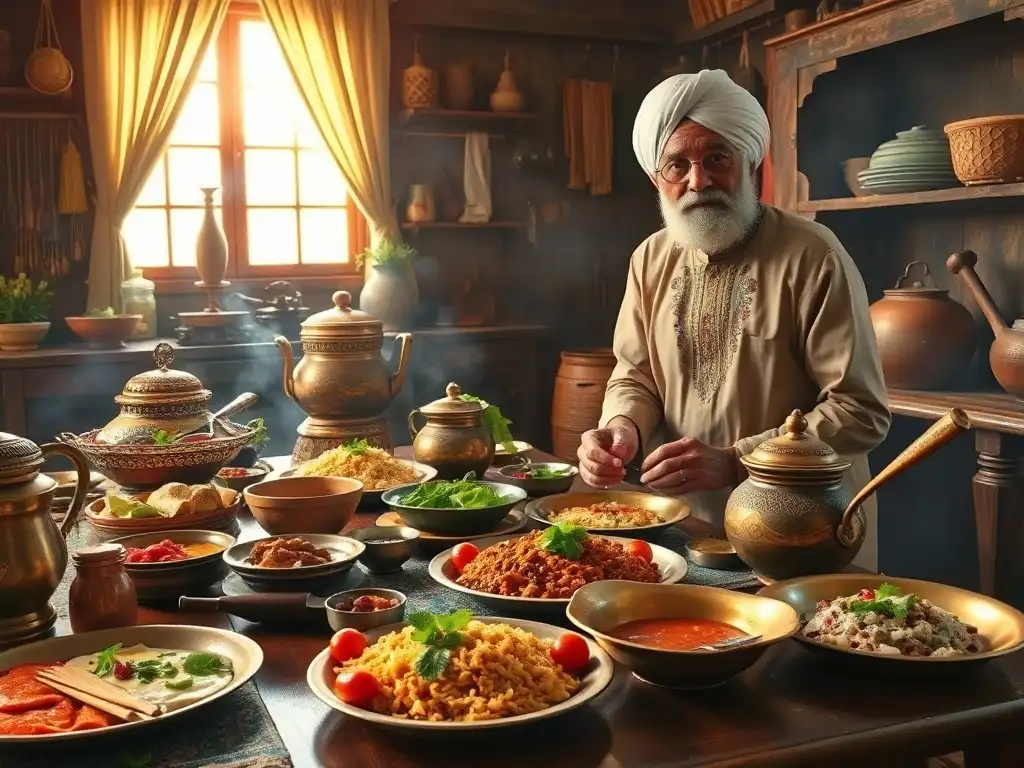
1. The Spice Route Culinary Tour
The Spice Route Culinary Tour is an immersive experience that takes participants through the heart of India's rich spice heritage. This tour often begins in Kerala, known as the "Land of Spices," where travelers can explore lush spice plantations. Here, they can witness the cultivation of cardamom, cinnamon, and pepper, which have been essential in ancient Indian culinary traditions.
Highlights of the Tour:
- Plantation Visits: Engage with local farmers and learn about sustainable farming practices that preserve the authenticity of spices.
- Cooking Classes: Participate in hands-on cooking classes where traditional recipes are taught, showcasing how spices influence flavor profiles in Indian cuisine.
- Tasting Sessions: Indulge in tasting menus that highlight the historic use of spices in dishes like Chettinad Chicken and Kerala Fish Curry.
This tour not only highlights the significance of spices in ancient Indian culinary traditions but also connects them with contemporary gastronomy, making it a must-experience for food enthusiasts.
2. The Heritage Food Trail of Delhi
The Heritage Food Trail of Delhi offers a unique glimpse into the culinary landscape shaped by centuries of cultural exchanges. This tour focuses on street food and traditional recipes that have stood the test of time, reflecting the diverse influences on ancient Indian culinary traditions.
Notable Experiences:
- Street Food Sampling: Experience iconic dishes such as Chaat, Parathas, and Biryani while learning about their origins and historical significance.
- Historical Context: Visits to significant landmarks, including the Red Fort and Jama Masjid, provide context on how historical events influenced local flavors.
- Culinary Workshops: Engage in workshops that teach the art of making traditional sweets like Jalebi and Gulab Jamun, revealing ancient techniques still in practice today.
This culinary journey emphasizes how Delhi's food scene serves as a living museum of ancient Indian culinary traditions, enriched by the city's vibrant history.
3. The Coastal Cuisine Expedition in Goa
The Coastal Cuisine Expedition in Goa is a delightful exploration of the region's unique culinary heritage, deeply rooted in its ancient maritime trade routes. Goan cuisine is a beautiful amalgamation of local ingredients and influences from Portuguese, Arab, and Indian cultures, making it a fascinating study of ancient Indian culinary traditions.
Expedition Features:
- Fishing Villages Tour: Visit traditional fishing villages to understand the age-old fishing techniques and their impact on local cuisine.
- Cooking with Locals: Learn to prepare signature Goan dishes such as Fish Vindaloo and Prawn Curry using age-old recipes that reflect the coastal lifestyle.
- Spice Market Visits: Explore local spice markets where you can see how ancient trade routes brought a variety of spices to the region.
This expedition provides a rich tapestry of flavors, showcasing how ancient Indian culinary traditions continue to thrive in modern Goan cuisine. Through the exploration of coastal flavors, participants gain insight into the significance of the sea in shaping the culinary landscape of India.
4. The Royal Rajasthani Culinary Journey
The Royal Rajasthani Culinary Journey is an exquisite exploration of the vibrant and opulent flavors that define Rajasthan's rich culinary heritage. This region, known for its majestic palaces and colorful traditions, offers a unique blend of royal recipes and local spices, providing a culinary experience that transports you back in time.
Rajasthan's cuisine is characterized by its use of locally sourced ingredients, aromatic spices, and traditional cooking methods. Dishes such as Dal Baati Churma, a combination of lentil curry, baked wheat balls, and sweet crushed wheat, exemplify the hearty and robust nature of Rajasthani food. The influence of royal kitchens is evident in dishes like Laal Maas, a fiery mutton curry that showcases the region's penchant for bold flavors and rich textures.
During a culinary tour of Rajasthan, participants can engage in hands-on cooking classes in heritage haveli kitchens, where they learn to prepare traditional dishes under the guidance of local chefs. The experience often includes visits to bustling local markets, where the vibrant colors and fragrant spices create an immersive atmosphere. Here, tourists can sample street food delights such as Pyaaz Kachori and Ghevar, a sweet delicacy, while gaining insights into the cultural significance of each dish.
An integral part of the Royal Rajasthani Culinary Journey is enjoying meals in royal settings, such as palaces or forts that have been converted into heritage hotels. Dining in these majestic surroundings allows guests to savor the flavors of Rajasthan while appreciating the grandeur of ancient architecture.
To enhance the experience, many tours also include wine pairings with traditional dishes, featuring local wines and spirits that complement the unique flavors of Rajasthani cuisine. This fusion of culinary and cultural experiences provides an authentic taste of Rajasthan, making it a desirable destination for food lovers and history enthusiasts alike.
The Royal Rajasthani Culinary Journey is not just about food; it’s a celebration of history, culture, and the enduring legacy of ancient Indian culinary traditions, offering a taste of the past that resonates with modern flavors and practices.
The Role of Ancient Indian Culinary Traditions in Modern Gastronomy
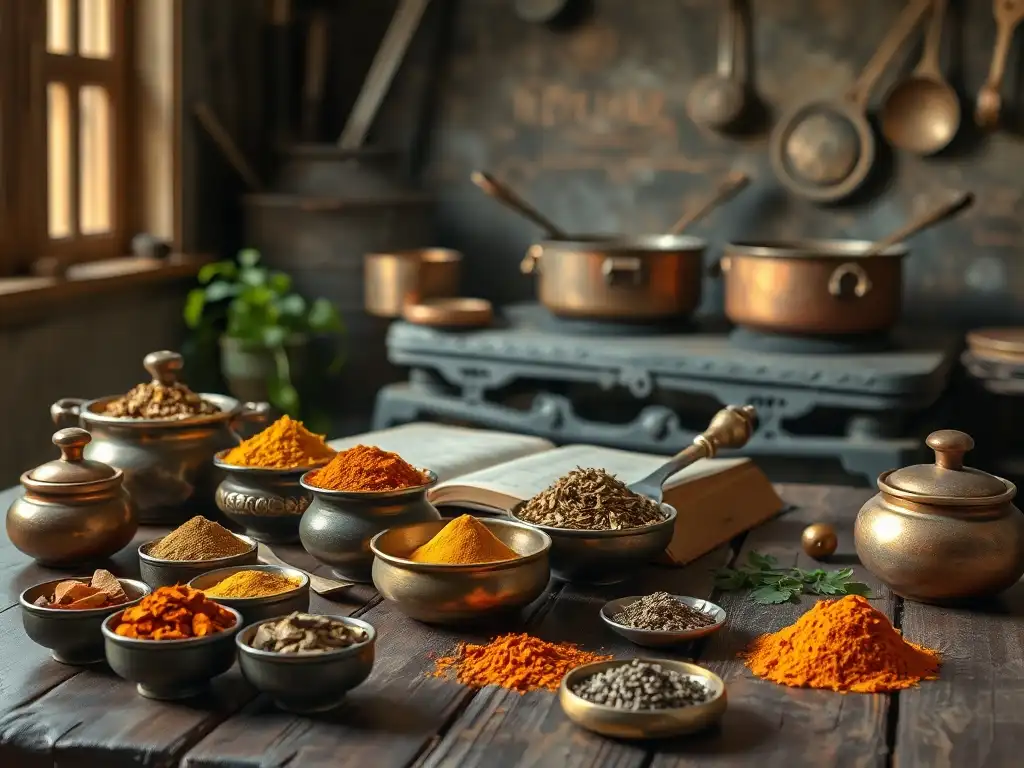
Ancient Indian culinary traditions have significantly influenced contemporary gastronomy, weaving a rich tapestry of flavors, techniques, and ingredients that continue to be celebrated today. The evolution of cuisine in India is not merely a reflection of local tastes but also an amalgamation of diverse cultural influences, each contributing to the culinary identity of the nation. From the intricate cooking methods of the Indus Valley Civilization to the sophisticated flavors of the Gupta Empire, ancient practices set the groundwork for modern culinary innovations.
Fusion of Ancient Techniques with Modern Flavors
The fusion of ancient techniques with modern flavors is evident in several contemporary culinary practices across India. Chefs today are increasingly revisiting the age-old methods of cooking, such as:
- Tandoori Cooking: This traditional clay oven method, originating from ancient times, is now adapted to create various dishes, from marinated meats to innovative vegetarian options. The smoky flavor achieved through this method has become a hallmark of modern Indian cuisine.
- Preservation Techniques: Ancient methods such as pickling and fermenting, which were essential for food preservation in earlier times, are now being embraced by modern chefs. For example, the use of fermented rice in the preparation of idlis and dosas not only enhances flavor but also promotes health benefits.
- Spice Blending: The art of masala blending, which dates back centuries, is now celebrated in gourmet cooking. Chefs are experimenting with traditional spice mixes, creating unique flavor profiles that pay homage to ancient recipes while catering to contemporary palates.
- Sustainable Practices: Ancient Indian culinary traditions often emphasized seasonal and local ingredients. Modern chefs are adopting these principles, focusing on farm-to-table practices that highlight the richness of Indian agriculture. This return to sustainability not only preserves the environment but also enhances the authenticity of the dishes.
The revival of these techniques is not merely a trend but a recognition of the importance of heritage in culinary practices. As chefs blend ancient traditions with modern influences, they invite diners to experience the depth of Indian culture through taste.
The Growing Popularity of Culinary Tourism in India
Culinary tourism in India is experiencing a remarkable surge, driven by the global interest in authentic experiences. Travelers are increasingly seeking to explore ancient Indian culinary traditions as part of their journey. This growing popularity can be attributed to several factors:
- Culinary Workshops: Many tour operators now offer hands-on cooking classes where participants learn traditional recipes passed down through generations. These workshops often include visits to local markets, allowing tourists to engage directly with the ingredients and culture.
- Food Trails: Organized food trails highlight regional specialties, connecting travelers with local chefs and home cooks who share their knowledge of ancient culinary practices. This immersive experience fosters a deeper understanding of the cultural significance behind each dish.
- Heritage Cuisine Restaurants: The rise of restaurants focusing on authentic ancient Indian culinary traditions has captivated both locals and tourists. These establishments prioritize traditional cooking methods and ingredients, offering a genuine taste of India’s culinary history.
- Festivals and Events: Culinary festivals celebrating ancient cuisines have gained popularity, showcasing the diversity of Indian food. Events often feature cooking demonstrations, tastings, and discussions on the historical significance of various dishes, attracting food enthusiasts from around the world.
As culinary tourism continues to thrive, it serves as a bridge between ancient traditions and modern gastronomy, allowing visitors to not only savor the flavors of India but also appreciate the rich history that shaped them. This trend underscores the enduring legacy of ancient Indian culinary practices, ensuring their relevance in today's culinary landscape.
Conclusion: Savoring the Past Through Culinary Tours
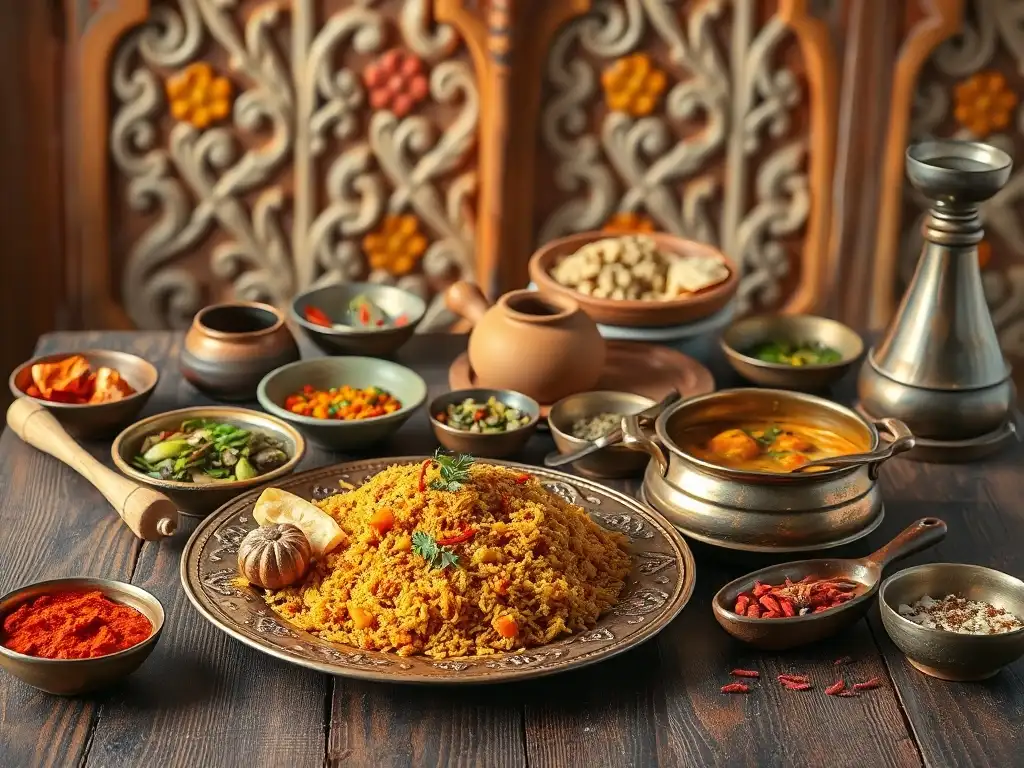
The culinary landscape of ancient India is a treasure trove of flavors, techniques, and traditions that have evolved over millennia. Engaging in culinary tours that explore the rich tapestry of ancient Indian culinary traditions offers a unique opportunity to not only taste the dishes that were once consumed by our ancestors but also to understand the cultural significance behind them. By connecting with local chefs, historians, and artisans, participants can gain insights into the cooking methods and ingredients that defined ancient Indian meals.
These tours often include visits to historical sites, where participants can appreciate the architectural marvels that housed royal feasts and vibrant markets. From exploring the remnants of the Indus Valley Civilization to the grand kitchens of the Mughal Empire, each stop on the culinary journey reveals how geography, trade, and innovation have shaped Indian cuisine. Moreover, these experiences foster a deeper appreciation for sustainable practices and local ingredients, echoing the ancient philosophies of living in harmony with nature.
As we savor the flavors of the past, we not only indulge our palates but also honor the rich heritage of ancient Indian culinary arts. This connection to history provides a profound sense of identity and continuity, reminding us that food is not merely sustenance, but a vital aspect of cultural expression and community bonding.
Call to Action: Plan Your Culinary Adventure
Are you ready to embark on a journey that tantalizes your taste buds while enriching your understanding of ancient Indian culinary traditions? Here’s how you can get started:
- Research Culinary Tours: Look for reputable culinary tours that specialize in ancient Indian cuisine. Consider those that offer hands-on cooking classes, historical site visits, and tastings of regional specialties.
- Choose Your Destination: Different regions of India have unique culinary traditions. Whether it’s the spicy curries of the South or the aromatic biryanis of the North, select a destination that excites your palate.
- Engage with Local Experts: Opt for tours that provide access to local chefs, historians, and artisans. Their knowledge will enhance your experience and provide context to the dishes you’ll be tasting.
- Immerse Yourself: Participate fully in the experiences offered—try your hand at cooking traditional dishes, learn about local ingredients, and appreciate the stories behind each flavor.
- Share Your Journey: Document your culinary adventure through photos and notes. Share your experiences with friends and family, and inspire others to explore the rich culinary heritage of ancient India.
Embark on this culinary adventure today and taste the history that has shaped one of the world's most diverse cuisines! 🍽️
Frequently Asked Questions
What are Ancient Indian culinary traditions?
Ancient Indian culinary traditions refer to the diverse cooking practices, ingredients, and techniques that evolved in India, influenced by its rich cultural heritage and historical interactions.
How did the Indus Valley Civilization contribute to Indian cuisine?
The Indus Valley Civilization introduced advanced agricultural practices, which led to the cultivation of grains and spices that are foundational to modern Indian cooking.
What role did the Gupta Empire play in shaping culinary practices?
The Gupta Empire was known for its cultural and scientific advancements, including the documentation of culinary recipes, which helped preserve and spread diverse cooking styles across India.
How can I experience ancient culinary traditions today?
You can experience ancient culinary traditions by participating in culinary tours that explore traditional recipes, cooking methods, and historical sites related to India's rich culinary heritage.
Why are spices significant in ancient Indian cooking?
Spices are significant in ancient Indian cooking not only for flavor but also for their preservative and medicinal properties, reflecting the deep understanding of food and health in ancient times.
Final Reflection: Connecting Past and Present through Culinary Traditions
The exploration of Ancient Indian culinary traditions reveals not only the rich tapestry of flavors that have shaped modern cuisine but also the enduring relevance of these practices in today's world. As we navigate a globalized food landscape, the importance of understanding our culinary heritage becomes increasingly clear. The flavors, techniques, and stories from ancient India are not just relics of the past; they are vibrant threads that weave through our contemporary dining experiences, reminding us of the cultural significance behind every dish we savor.
The impact of these culinary traditions extends far beyond the kitchen, influencing our social interactions and cultural identity. By engaging with these ancient practices, we foster a deeper appreciation for the diverse influences that have shaped our palates. As we partake in culinary tours that celebrate these traditions, we not only honor our ancestors but also cultivate a sense of community and belonging. Food is our common ground, a universal experience.
– James Beard. This sentiment underscores the idea that through food, we can connect with one another, transcending barriers and celebrating our shared humanity.
As you reflect on the journey through ancient Indian culinary traditions, I invite you to consider how these lessons can enrich your own life. Embrace the flavors of history in your cooking, seek out local culinary experiences, and share these stories with others. Let the wisdom of the past inspire your present choices, and in doing so, contribute to a future where our culinary heritage continues to thrive. Remember, every meal is an opportunity to connect with history, culture, and each other—so savor it.
Savor the Journey: Experience Culinary History Today!
Thank you for diving into the rich tapestry of India’s culinary heritage with us. By exploring the flavors that link ancient traditions to modern delights, you’ve gained a unique perspective on the evolution of cuisine and culture. Now, let’s take your newfound knowledge to the next level!
Here are some exciting ways to immerse yourself in this culinary adventure:
- Join a local culinary tour that explores traditional dishes and provides insight into their historical significance. It’s a delicious way to connect with both the past and present!
- Share your favorite recipes or experiences with ancient Indian dishes in the comments below, and spark a conversation with fellow food enthusiasts.
- Organize a themed dinner where you recreate ancient Indian recipes, inviting friends to experience history through taste—don’t forget to capture the moments with pictures!
What dish from ancient India are you most excited to try or learn to make?