
The Art of Storytelling: Enhancing the Value of Indian Handicrafts Through Branding

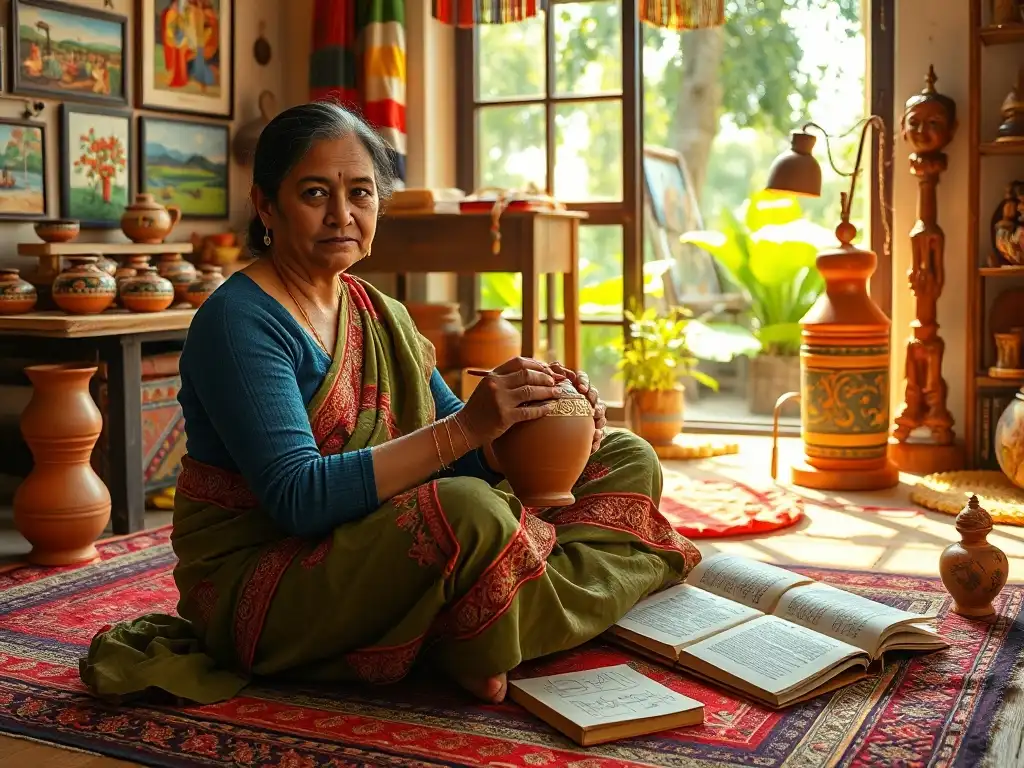
Welcome to Ancient India History, where we embark on a captivating journey through the rich tapestry of India's past. Here, we delve into the fascinating world of Indian handicrafts storytelling techniques, uncovering how these age-old traditions enhance the value of artisanal creations through innovative branding. As you navigate through our content, prepare to be inspired by the intricate artistry and cultural significance that each handicraft embodies.
Join us in exploring how the stories behind these masterpieces not only preserve heritage but also pave the way for modern business success. Curious about how storytelling influences the marketplace? Read on to discover the art of weaving narratives that elevate craftsmanship to new heights!
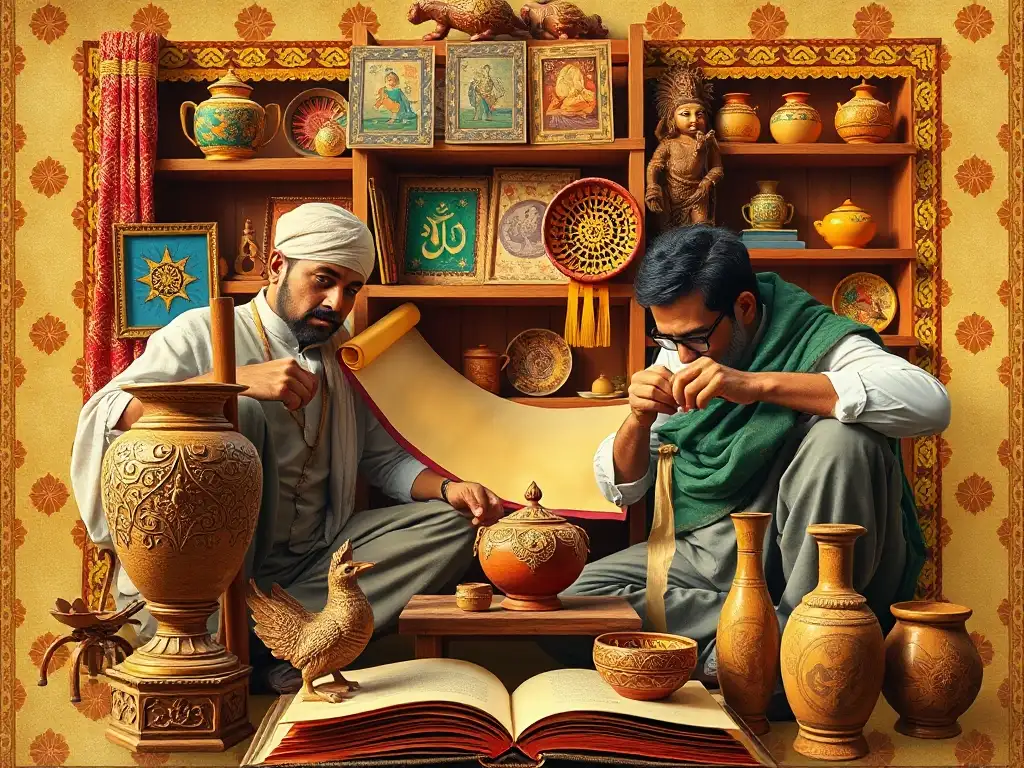
In the vibrant tapestry of Indian culture, the art of storytelling has played an essential role in weaving narratives that connect generations. This ancient practice not only preserves history but also enriches the value of various cultural artifacts, particularly Indian handicrafts. As the world increasingly turns its attention towards sustainable and artisanal products, Indian handicrafts storytelling techniques emerge as a vital strategy for branding.
By harnessing the power of storytelling, artisans and marketers can transform ordinary handicrafts into extraordinary narratives, enhancing their appeal and market value. This article delves into the synergy between storytelling and branding in the context of Indian handicrafts, exploring how these techniques can elevate traditional crafts and promote their cultural significance.
Introduction to Indian Handicrafts Storytelling Techniques
The intricate craftsmanship of Indian handicrafts is often accompanied by rich stories that reflect the cultural heritage of the artisans. These narratives serve not only as a means of communication but also as a powerful vehicle for branding. By integrating storytelling into marketing strategies, artisans can provide consumers with a deeper understanding of the origins, significance, and craftsmanship behind their products. This approach fosters a connection between the consumer and the product, leading to a more meaningful purchase experience.
Understanding the Power of Storytelling in Branding
What is Storytelling in Branding?
Storytelling in branding refers to the practice of using narratives to create an emotional connection between a brand and its audience. This technique goes beyond mere descriptions of products or services; it involves crafting compelling stories that resonate with consumers on a personal level. In the context of Indian handicrafts, storytelling can highlight the artisan's journey, the cultural significance of the craft, and the unique features of each piece.
Some key elements of storytelling in branding include:
- Authenticity: Genuine stories enhance trust and credibility.
- Emotional Engagement: Stories that evoke emotions can significantly influence purchasing decisions.
- Cultural Relevance: Connecting the story to cultural traditions can deepen consumer appreciation.
The Role of Indian Handicrafts in Cultural Storytelling
Indian handicrafts are not just products; they are carriers of history, culture, and identity. Each craft has a tale to tell—whether it’s the intricate patterns of a Madhubani painting, the age-old techniques of pottery, or the vibrant hues of handwoven textiles. These stories contribute to the larger narrative of Indian culture, showcasing the diversity and richness of its artisanal heritage.
By leveraging these narratives, artisans can:
- Highlight Craftsmanship: Showcase the skills and techniques involved in creating each piece.
- Preserve Cultural Heritage: Maintain and promote traditional practices through storytelling.
- Create Unique Selling Propositions: Differentiate their products in a competitive market.
Through effective storytelling, Indian handicrafts can transcend their physical form, becoming symbols of cultural pride and artistic expression. This approach not only enhances their value but also ensures that these traditions are celebrated and preserved for future generations.
Techniques for Effective Storytelling in Indian Handicrafts
The art of storytelling plays a pivotal role in enhancing the value of Indian handicrafts. When done effectively, it can elevate the perception of these crafts, transforming them into cherished cultural artifacts rather than mere products. Here are several key techniques that artisans and marketers can employ to craft compelling narratives around Indian handicrafts:
- Cultural Context: Embed the handicraft within the rich tapestry of Indian culture and history. This involves explaining the origins of the craft, the region it comes from, and its significance in local traditions. For instance, the intricate designs of Madhubani paintings can be linked to ancient folklore, making them resonate more deeply with potential buyers.
- Artisan Stories: Share the personal stories of the artisans behind the handicrafts. Highlight their journeys, skills, and the challenges they face. This not only humanizes the product but also creates an emotional connection between the buyer and the artisan, fostering a sense of authenticity and appreciation.
- Interactive Experiences: Utilize interactive storytelling techniques, such as workshops or virtual reality experiences, where customers can engage with the artisans and the crafting process. This immersive approach allows consumers to appreciate the craftsmanship and the effort involved, enhancing their overall experience.
Identifying the Unique Selling Proposition (USP) of Handicrafts
To effectively market Indian handicrafts, it is essential to identify and communicate their Unique Selling Proposition (USP). The USP should encapsulate what makes a particular craft distinct and valuable. Here are some factors to consider:
- Traditional Techniques: Emphasize the age-old techniques used in creating the handicrafts, which may have been passed down through generations. This highlights the authenticity and cultural significance of the products.
- Sustainability: Many Indian handicrafts are made using eco-friendly materials and processes. Promoting this aspect appeals to environmentally-conscious consumers who value sustainable practices.
- Customization: Offer customization options that allow customers to personalize their purchases. This can create a deeper bond between the buyer and the product, as it becomes a unique representation of their taste and preferences.
Crafting Compelling Narratives Around Artisans
Crafting narratives that focus on artisans can significantly enhance the storytelling aspect of Indian handicrafts. Here are some effective strategies:
- Biographical Sketches: Create biographical sketches of artisans, detailing their backgrounds, inspirations, and the skills they have honed over time. This personal touch can make the handicrafts more relatable and desirable.
- Artisan Collaborations: Highlight collaborations between artisans and designers or brands. These partnerships can create unique products that blend traditional techniques with contemporary styles, appealing to a broader audience.
- Community Impact: Showcase how supporting artisans contributes to their communities. Narratives about how handicraft sales help fund education or health initiatives can resonate deeply with socially-conscious consumers.
Implementing Storytelling Strategies in Marketing Indian Handicrafts
Implementing storytelling strategies in marketing can significantly boost the visibility and desirability of Indian handicrafts. Here are some actionable strategies:
Creating Engaging Content for Online Platforms
In the digital age, creating engaging content for online platforms is crucial for reaching a wider audience. Consider the following approaches:
- Social Media Campaigns: Utilize platforms like Instagram and Facebook to share visually appealing content that tells the story of the handicrafts. Use images, videos, and live sessions to showcase the artisans and their work.
- Blogs and Articles: Write informative and engaging blog posts that delve into the history of specific handicrafts, the artisans behind them, and their cultural significance. This not only educates potential buyers but also boosts SEO, driving more traffic to your website.
- Customer Testimonials: Encourage customers to share their stories and experiences with the handicrafts. User-generated content can serve as powerful endorsements, showcasing real-life connections to the products.
Building a Brand Identity Through Storytelling
Building a strong brand identity through storytelling involves consistently conveying the brand's values and mission related to Indian handicrafts. Here are key steps to achieve this:
- Brand Narrative: Develop a cohesive brand narrative that reflects the essence of the handicrafts you are promoting. This narrative should encompass the values of craftsmanship, heritage, and sustainability, resonating with your target audience.
- Visual Branding: Incorporate storytelling into your visual branding, using colors, fonts, and imagery that reflect the cultural roots of the handicrafts. Consistent visual elements can strengthen brand recognition and appeal.
- Authenticity and Transparency: Maintain authenticity and transparency in your storytelling. Share not just the successes but also the challenges faced by artisans and the industry. This honesty can foster trust and loyalty among consumers.
By employing these storytelling techniques, Indian handicrafts can be transformed from simple products into meaningful cultural treasures, ultimately enhancing their value in the marketplace.
Leveraging Indian Handicrafts Storytelling for Revenue Generation
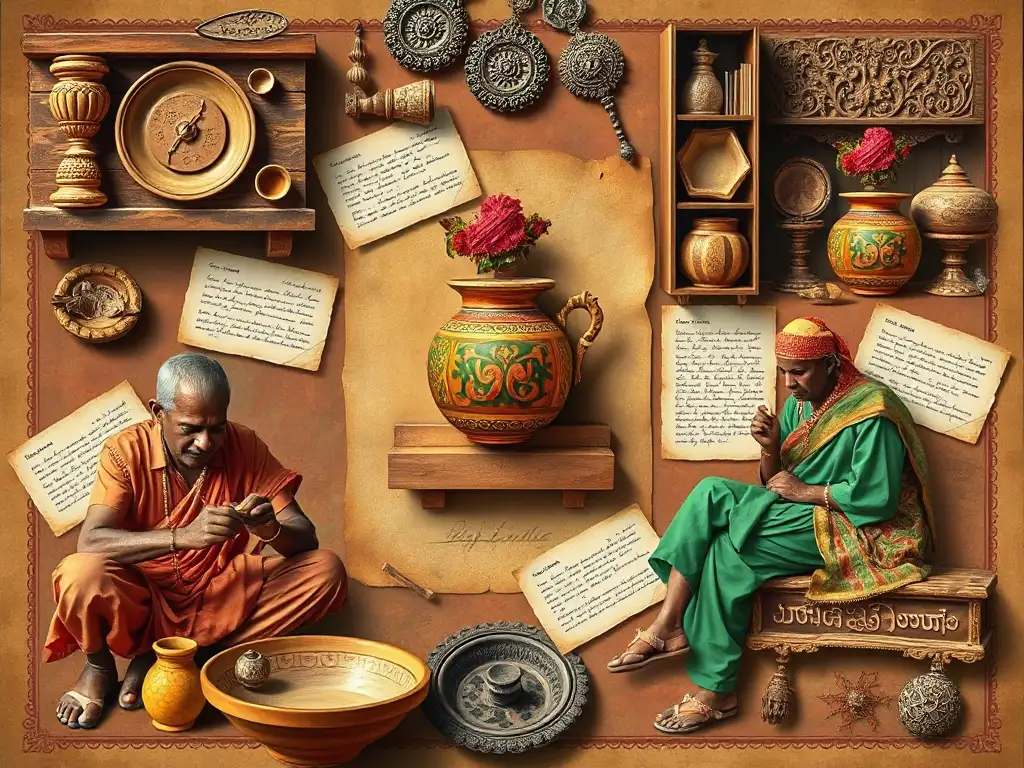
The art of storytelling presents a unique opportunity for artisans and businesses to enhance the perceived value of Indian handicrafts. By weaving compelling narratives around the origins, cultural significance, and craftsmanship of their products, artisans can establish a deeper connection with consumers. This connection not only fosters brand loyalty but also encourages higher price points, as customers are often willing to pay more for items with a rich story.
Storytelling can be employed in various ways to generate revenue. For instance, integrating narratives into product descriptions, packaging, and marketing campaigns can captivate potential buyers. Moreover, sharing stories through social media and digital platforms helps in reaching a broader audience, effectively showcasing the uniqueness of each craft. This approach not only elevates the artisan's brand but also educates consumers about the heritage behind their purchases, leading to informed buying decisions.
Monetizing through E-commerce Platforms
E-commerce platforms serve as vital channels for artisans to reach global markets. By leveraging storytelling techniques, artisans can create immersive online shopping experiences that resonate with customers. For example:
- Rich Product Descriptions: Artisans can include detailed narratives that explain the craftsmanship, cultural background, and personal stories behind each piece.
- Visual Storytelling: High-quality images and videos showcasing the creation process can enhance customer engagement, allowing them to visualize the artisan's journey.
- Customer Testimonials: Sharing feedback from previous buyers can add authenticity and credibility to the storytelling approach, further encouraging new customers to make a purchase.
Platforms like Etsy, Amazon Handmade, and dedicated artisan websites allow sellers to combine storytelling with effective marketing strategies, such as social media promotions and email newsletters, ultimately increasing their sales potential.
Collaborating with Influencers and Bloggers
Partnering with influencers and bloggers can significantly amplify the reach of storytelling techniques in marketing Indian handicrafts. Influencers with a genuine interest in culture and craftsmanship can narrate the stories behind the products to their followers, creating a bridge between artisans and potential customers.
- Influencer Campaigns: Collaborating with influencers for product launches or campaigns can generate buzz and elevate brand visibility. Their storytelling can bring the artisan's narrative to life, making it more relatable and engaging.
- Guest Blogging: Inviting bloggers to write about the artisan's story or the significance of specific handicrafts can attract diverse audiences. This approach not only highlights the products but also positions the artisans as experts in their craft.
Through these collaborations, artisans can tap into established audiences, gaining exposure that may have been challenging to achieve independently.
Challenges and Solutions in Implementing Storytelling
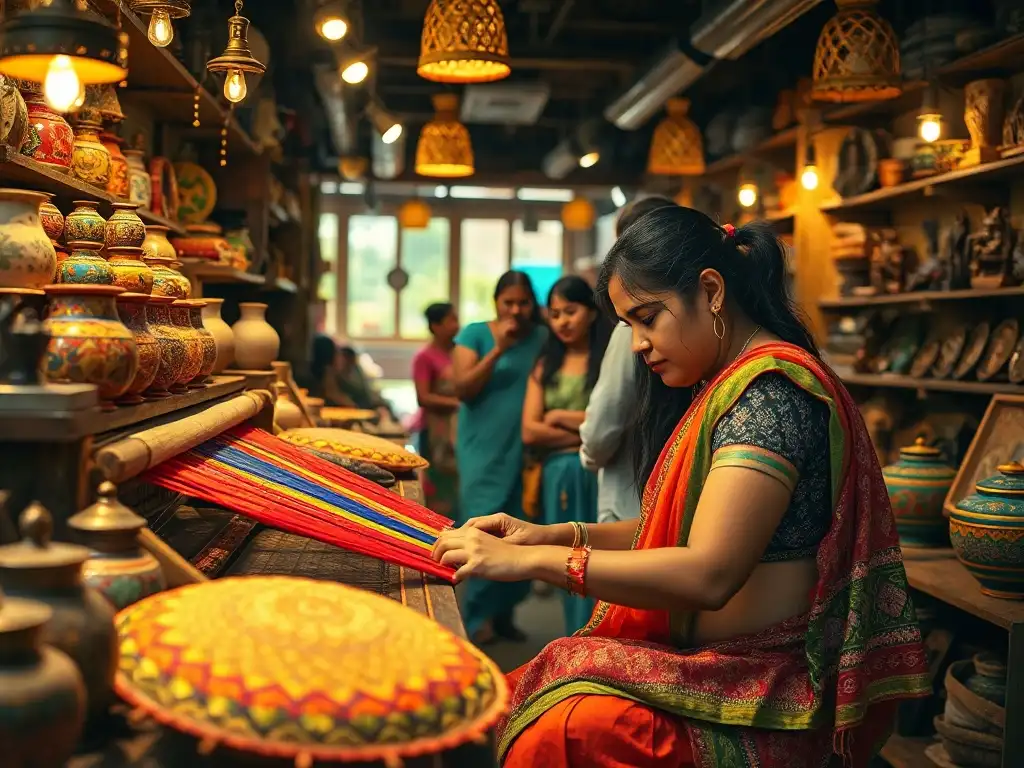
While storytelling offers numerous benefits, it also presents challenges that artisans must navigate to effectively enhance their brand through this technique.
Common Pitfalls in Storytelling for Indian Handicrafts
One of the most common pitfalls is failing to create a consistent narrative across all platforms. Inconsistent storytelling can confuse customers and dilute the brand's message. Additionally, overcomplicating the narrative or using jargon can alienate potential buyers who may not connect with the story.
Furthermore, artisans may struggle with effectively conveying their narratives in a way that resonates with a diverse audience. This can lead to missed opportunities for engagement and sales. To overcome these pitfalls, artisans should focus on clarity, authenticity, and relatability in their storytelling.
Adapting to Changing Market Trends
The market for handicrafts is continuously evolving, influenced by trends in consumer preferences, sustainability, and cultural shifts. As such, artisans must remain agile and adapt their storytelling to align with these changes.
- Sustainability Narratives: With increasing consumer awareness of sustainability, integrating stories that highlight eco-friendly practices or the use of sustainable materials can attract environmentally-conscious buyers.
- Cultural Relevance: As global trends shift, maintaining cultural relevance in storytelling becomes crucial. Artisans should be mindful of contemporary narratives while honoring tradition, ensuring that their stories resonate with both local and global audiences.
By staying informed about market trends and consumer preferences, artisans can refine their storytelling techniques, ensuring they remain competitive and relevant in the ever-changing market landscape.
Conclusion: The Future of Indian Handicrafts Through Storytelling
The future of Indian handicrafts is inextricably linked to the art of storytelling. As artisans continue to create exquisite pieces that reflect the rich cultural heritage of India, the incorporation of storytelling techniques can significantly enhance the perceived value of these products. By weaving narratives around the origin, craftsmanship, and cultural significance of handicrafts, artisans can connect more deeply with consumers, fostering an emotional bond that transcends mere transactional relationships.
In a global market increasingly driven by authenticity and unique experiences, storytelling offers a competitive edge. It allows artisans to differentiate their products, transforming them from ordinary items into cherished stories that consumers want to own. This shift not only elevates the handicrafts themselves but also elevates the artisans and their communities, creating a sustainable cycle of appreciation and support.
Moreover, as digital platforms proliferate, the potential for storytelling becomes even more expansive. Social media, websites, and online marketplaces offer artisans the opportunity to share their narratives with a global audience, reaching customers who are eager to learn about the stories behind their purchases. By investing in storytelling, the Indian handicraft sector can anticipate a vibrant future where tradition meets innovation, ensuring that these cultural treasures continue to thrive for generations to come.
Additional Resources for Storytelling Techniques
For those looking to delve deeper into storytelling techniques that can enhance the value of Indian handicrafts, the following resources provide valuable insights:
- Books
- The Storytelling Animal: How Stories Make Us Human by Jonathan Gottschall: This book explores the science of storytelling and its impact on human behavior.
- Made to Stick: Why Some Ideas Survive and Others Die by Chip Heath and Dan Heath: A guide on how to craft messages that are memorable and impactful.
- Online Courses
- Coursera: Offers courses on storytelling in business, which can be tailored to the context of handicrafts.
- Skillshare: Features various workshops on creative storytelling techniques, ideal for artisans looking to enhance their narratives.
- Workshops and Seminars
- Local craft organizations often host workshops focused on branding and storytelling for artisans. Attending these can provide hands-on experience and networking opportunities with other craftsmen.
- Webinars and Podcasts
- Platforms like TED Talks and various podcast series often feature discussions on the importance of storytelling in marketing and branding, providing inspiration and practical advice.
- Case Studies
- Exploring case studies of successful artisans and brands that have effectively utilized storytelling can provide practical examples and insights into best practices.
By utilizing these resources, artisans and brands can refine their storytelling techniques, ensuring that the rich narratives of Indian handicrafts reach and resonate with a broader audience.
- Introduction to Indian Handicrafts Storytelling Techniques
- Understanding the Power of Storytelling in Branding
- Techniques for Effective Storytelling in Indian Handicrafts
- Implementing Storytelling Strategies in Marketing Indian Handicrafts
- Leveraging Indian Handicrafts Storytelling for Revenue Generation
- Monetizing through E-commerce Platforms
- Collaborating with Influencers and Bloggers
- Challenges and Solutions in Implementing Storytelling
- Conclusion: The Future of Indian Handicrafts Through Storytelling
- Additional Resources for Storytelling Techniques
- What is the significance of storytelling techniques in Indian handicrafts?
- How do branding strategies affect Indian handicrafts?
- What role does the Indus Valley civilization play in the history of Indian handicrafts?
- Can storytelling improve the marketability of handicrafts?
- What are some examples of traditional Indian handicrafts that utilize storytelling?
Frequently Asked Questions
What is the significance of storytelling techniques in Indian handicrafts?
Storytelling techniques are vital as they enhance the emotional appeal of handicrafts, allowing artisans to convey the rich cultural heritage and history behind their creations.
How do branding strategies affect Indian handicrafts?
Effective branding strategies help in positioning Indian handicrafts as unique products in the market, thereby increasing their value and visibility among consumers.
What role does the Indus Valley civilization play in the history of Indian handicrafts?
The Indus Valley civilization is significant for its early examples of craftsmanship, which laid the foundation for the diverse techniques and styles seen in later Indian handicrafts.
Can storytelling improve the marketability of handicrafts?
Yes, integrating storytelling into marketing can greatly improve the marketability of handicrafts by creating a connection between the product and the consumer's emotional experience.
What are some examples of traditional Indian handicrafts that utilize storytelling?
Examples include Pattachitra paintings, which depict mythological tales, and Kalamkari textiles, where the narratives woven into the fabric enhance the artistic value and consumer interest.
Final Reflection: The Power of Storytelling in Elevating Indian Handicrafts
The art of storytelling is not just a technique; it is a vital bridge connecting the rich heritage of Indian handicrafts to contemporary audiences. In today's fast-paced world, where authenticity and cultural significance often get overshadowed by mass production, storytelling emerges as a powerful tool to revive interest and appreciation for these exquisite crafts. By weaving narratives around the artisans, their techniques, and the cultural significance of their creations, we can foster a deeper connection between consumers and the handicrafts they choose to support. This connection is not merely transactional; it is transformational.
Cultural narratives have always played a crucial role in shaping our identities and perceptions. The techniques of storytelling allow us to honor the artisans and their craft, ensuring that their legacies are not lost to time. As we engage with these stories, we find ourselves part of a larger tapestry that celebrates diversity and creativity. Stories are the most powerful form of human communication,
said renowned author and storyteller, Robert McKee. This sentiment resonates deeply in the context of Indian handicrafts, where each piece carries a narrative that reflects the soul of its creator and the culture it represents.
As we reflect on the lessons gleaned from the intersection of storytelling and Indian handicrafts, I invite you to consider how you can incorporate these narratives into your own life. Think about the stories behind the items you own, the artisans who crafted them, and the cultural heritage they embody. By embracing these stories, you not only enrich your own experience but also contribute to the preservation and promotion of these invaluable traditions. Let us champion the art of storytelling, ensuring that the beauty of Indian handicrafts continues to inspire future generations.
Unveil the World of Storytelling in Handicrafts!
Thank you for exploring the fascinating intersection of storytelling and Indian handicrafts with us! Your interest not only highlights the inherent beauty of our cultural heritage but also emphasizes the vital role branding plays in preserving it. Now, it's time to put that knowledge into action!
Here are some steps you can take to enhance the appreciation and support for Indian handicrafts:
- Join a Local Workshop: Immerse yourself in the rich traditions by participating in a handicraft workshop. Experience firsthand the artistry and stories behind these unique creations.
- Share Your Journey: Connect with your friends and family by sharing this article and your experiences on social media. Help spread the word about the importance of storytelling in preserving our crafts!
- Support Local Artisans: Consider purchasing artisanal products directly from local craftsmen. Your support enables them to thrive and share their stories with the world.
What story will you tell about the handicrafts you encounter? We invite you to share your thoughts and experiences below!