
Inscriptions as Historical Documents: Validating Ancient Narratives

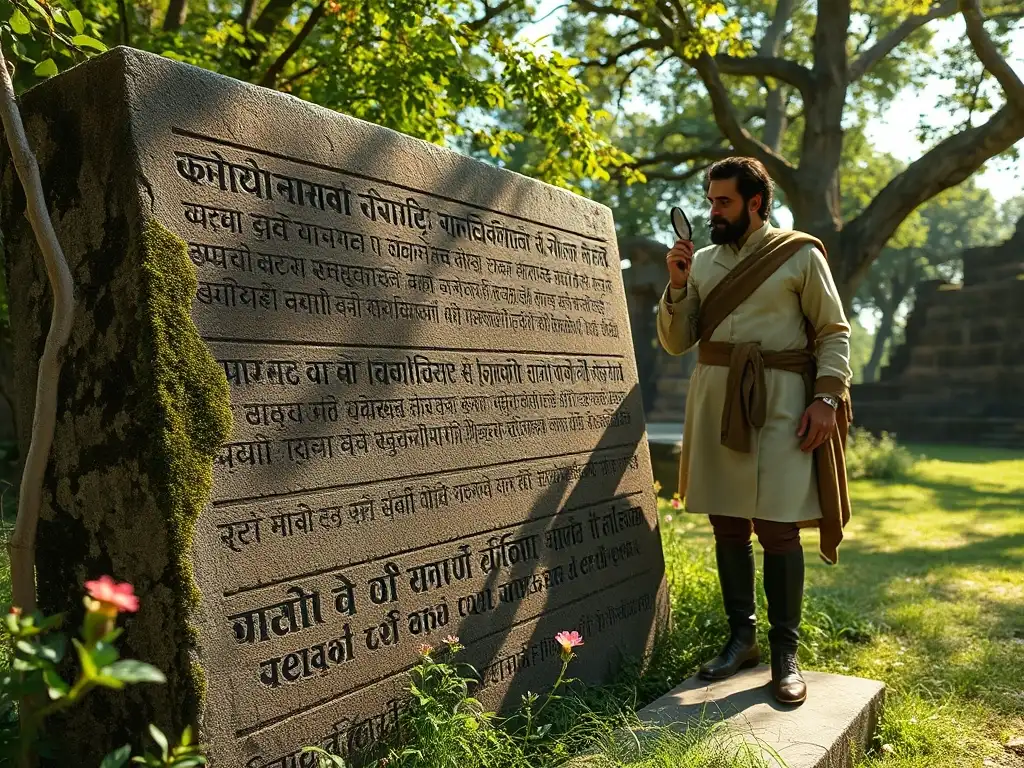
Welcome to Ancient India History, where we invite you to embark on a journey through the rich tapestry of ancient Indian civilizations. Delve into the fascinating realm of ancient Indian inscriptions history, as we explore how these remarkable artifacts serve as vital historical documents, validating narratives from the past. What secrets do these inscriptions hold, and how do they illuminate our understanding of the Indus Valley, the Mauryan Empire, and beyond? Join us as we unravel the stories etched in stone and discover the profound impact of these ancient voices on our modern world. Your exploration begins now!

Introduction to Ancient Indian Inscriptions History
The study of ancient Indian inscriptions is a fascinating journey through time that unveils the rich tapestry of India's past. These inscriptions serve as invaluable historical documents, offering insights into the social, political, and cultural dynamics of ancient Indian civilizations. From the majestic Rock Edicts of Ashoka to the intricate inscriptions found on temple walls, each artifact tells a unique story that contributes to our understanding of ancient narratives. This article delves into the significance of these inscriptions, exploring their types and the essential role they play in validating historical accounts.
Overview of Ancient Indian Inscriptions
Ancient Indian inscriptions date back thousands of years and encompass various scripts, languages, and materials. The earliest examples can be traced to the Indus Valley Civilization, where symbols on seals hint at early forms of writing. As time progressed, inscriptions evolved with the advent of scripts like Brahmi and Kharosthi, reflecting the linguistic diversity of the subcontinent. These inscriptions are not mere markings; they are vital records that provide context to events, reigns, and cultural practices of their time.
Importance of Inscriptions in Historical Research
Inscriptions are critical to historical research for several reasons:
- Authenticity: They offer primary evidence that helps historians authenticate events and figures mentioned in ancient texts.
- Cultural Insights: Inscriptions reveal social norms, religious practices, and the economic conditions of ancient societies.
- Political Records: They document the achievements and policies of rulers, shedding light on governance and administration.
- Linguistic Evolution: The study of inscriptions contributes to understanding the development of languages and scripts over time.
By analyzing these inscriptions, historians can piece together a coherent narrative of ancient Indian history, validating and enriching the stories passed down through generations.
Types of Ancient Inscriptions in India
India's ancient inscriptions can be categorized into several types, each with its own historical significance and context.
Rock Edicts and Their Historical Significance
Rock Edicts, particularly those of Emperor Ashoka, stand as monumental testaments to the spread of Buddhism and moral governance in ancient India. Carved into stone across various locations, these edicts communicate the emperor's messages on ethics, justice, and social welfare. They illuminate not only Ashoka's reign but also the geographical extent of his influence, marking a pivotal moment in Indian history.
Inscriptions on Monuments and Temples
Inscriptions found on temples and monuments are rich in detail, often narrating the stories of the deities worshipped, the patrons who commissioned the constructions, and the historical context of the period. These inscriptions serve as a link between spirituality and history, showcasing the architectural prowess of ancient civilizations and their dedication to religious practices.
Copper Plate Inscriptions: A Window into the Past
Copper plate inscriptions, often issued by kings as grants or decrees, provide a glimpse into the administrative workings of ancient states. These inscriptions typically contain information about land grants, taxation, and the rights of various communities. They are crucial for understanding the socio-economic structures of ancient India and illustrate the relationships between rulers and their subjects.
By exploring these types of inscriptions, we can better appreciate the complexity and depth of ancient Indian history, enhancing our understanding of its civilizations and their contributions to the world.
Deciphering Ancient Scripts
Deciphering ancient scripts is a crucial aspect of understanding the historical narratives of civilizations. In ancient India, inscriptions serve as vital records that provide insights into the socio-political, economic, and cultural landscape of the time. As scholars and epigraphists analyze these inscriptions, they unlock the stories of the past, revealing the intricacies of ancient societies and their interactions. The study of these scripts often involves linguistic analysis, contextual interpretation, and understanding the technological means of inscription-making. Such endeavors not only contribute to the field of history but also enhance our understanding of human civilization as a whole.
The Role of Epigraphy in Understanding Ancient Indian History
Epigraphy, the study of inscriptions, plays a fundamental role in reconstructing ancient Indian history. It offers a tangible connection to the past, allowing historians to validate narratives that have been passed down through oral traditions and written texts. Through the meticulous analysis of inscriptions, epigraphists can date events, identify rulers and dynasties, and trace the socio-economic conditions of ancient societies.
For instance, the Ashokan edicts provide crucial evidence of the Mauryan Empire's governance and the propagation of Buddhism, illustrating how inscriptions can serve as primary historical documents. Furthermore, epigraphy helps in understanding linguistic evolution by analyzing the scripts and languages used in various periods, thus enriching our comprehension of cultural and intellectual developments.
Key Ancient Scripts Used in Indian Inscriptions
Several ancient scripts have been pivotal in the documentation of Indian history through inscriptions. Key scripts include:
- Brahmi: One of the oldest scripts used in India, Brahmi is believed to have originated in the 3rd century BCE. It served as the basis for many other scripts and was widely used in inscriptions across various regions.
- Kharosthi: This script was primarily used in the northwestern regions of India and is often associated with the Gandhara civilization. Kharosthi inscriptions provide insights into the early Buddhist culture.
- Tamil-Brahmi: Used in the Tamil-speaking regions, this script shows the early development of the Tamil language and culture, with inscriptions dating back to the 3rd century BCE.
- Nagari: Emerging around the 7th century CE, this script became fundamental for writing Sanskrit and is a precursor to many modern Indic scripts.
These scripts not only convey information but also reflect the linguistic diversity and cultural exchanges that characterized ancient India.
Historical Context of Inscriptions
The historical context of inscriptions is essential for understanding their significance and impact. Inscriptions often emerged out of specific socio-political circumstances, reflecting the values and priorities of the time. By examining the context in which inscriptions were created, historians can gain insights into the motivations behind their content and the audience they were intended to reach. This understanding aids in reconstructing the broader historical narrative, encompassing aspects such as trade, warfare, religion, and governance.
How Inscriptions Reflect Societal Norms and Values
Inscriptions serve as mirrors of the societal norms and values of ancient Indian civilizations. They reveal a wide array of themes, including religious beliefs, social hierarchies, and cultural practices. For instance, the dedication of temples and the commissioning of public works often found in inscriptions highlight the importance of religion and piety in society. Similarly, inscriptions that mention guilds and trade associations illustrate the economic structures and community interactions prevalent at the time. Through these texts, we can discern the ethical and moral frameworks that guided ancient Indian societies, providing a clearer picture of their collective identity and values.
Inscriptions as Tools for Political Authority and Governance
Inscriptions were often utilized as instruments of political authority and governance in ancient India. Rulers commissioned inscriptions to proclaim their achievements, assert their legitimacy, and communicate their policies to the populace. These documents frequently served as public declarations of laws, edicts, and royal decrees, reinforcing the ruler's power and the state's authority.
For example, the edicts of Ashoka not only propagated the principles of Dharma but also established a framework for governance that emphasized moral conduct. By analyzing such inscriptions, historians can trace the evolution of political thought and governance practices throughout ancient Indian history, showcasing how power dynamics were communicated and maintained through written records.
Validating Historical Narratives through Inscriptions
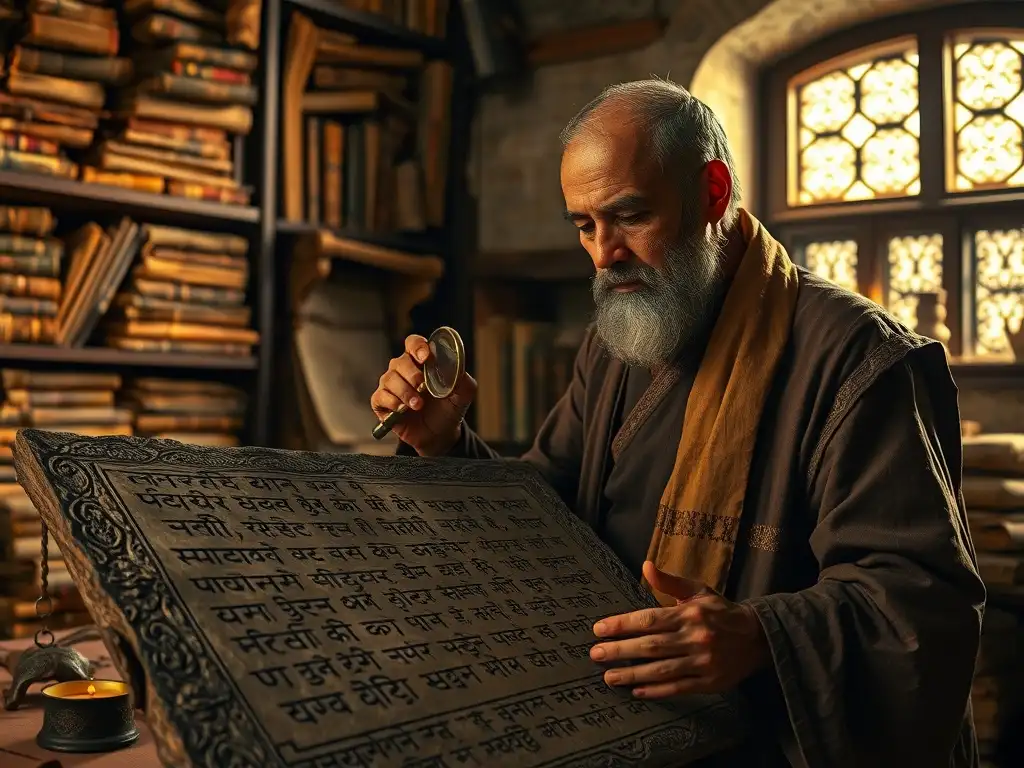
Inscriptions serve as critical artifacts that validate ancient narratives, providing tangible evidence of historical events, cultural practices, and administrative systems in ancient Indian civilizations. These engravings, often found on stone, metal, and clay, offer insights that written texts alone cannot. They help to corroborate or challenge historical accounts documented in literary sources, revealing a more nuanced understanding of societal dynamics.
For instance, inscriptions often chronicle the achievements of rulers, religious dedications, and public works, providing a chronological framework that allows historians to align events with broader historical timelines. The meticulous attention to detail in these inscriptions, such as dates, names of figures, and geographical references, enhances their reliability as historical documents. By analyzing these texts, scholars can reconstruct historical narratives, understand power dynamics, and explore the cultural and religious milieu of ancient India.
Furthermore, the study of inscriptions contributes to our knowledge of ancient languages and scripts, which helps to contextualize historical narratives within the broader framework of linguistic evolution. This interplay between language, culture, and history underscores the importance of inscriptions as primary sources in the field of ancient Indian history.
Case Studies of Significant Inscriptions
Several inscriptions have played pivotal roles in reshaping our understanding of ancient Indian history.
- The Edicts of Ashoka: These are perhaps the most famous inscriptions from ancient India, emanating from the Mauryan Emperor Ashoka in the 3rd century BCE. Found throughout the Indian subcontinent, these edicts promote Buddhist values and moral governance, offering insights into Ashoka's reign and the spread of Buddhism.
- The Allahabad Pillar Inscription: This inscription, dating back to the 3rd century CE, provides crucial information about the reign of Samudragupta, a prominent ruler of the Gupta Empire. It highlights his military conquests and administrative policies, serving as a testament to the empire's power and cultural achievements.
- The Nasik Cave Inscriptions: Dating from the 1st century CE, these inscriptions are significant for understanding early Indian Buddhism and the patronage of the faith by local rulers. They reflect the socio-religious landscape of the time and the interconnections between various regions.
These case studies illustrate the diverse nature of ancient Indian inscriptions and their role in validating historical narratives, highlighting the interplay between politics, culture, and religion.
Challenges in Interpreting Ancient Indian Inscriptions
Despite their significance, interpreting ancient Indian inscriptions poses several challenges. These challenges stem from various factors, including the condition of the inscriptions, the evolution of language, and the context in which they were created.
Issues of Preservation and Damage
The preservation of inscriptions is a major concern for historians and archaeologists alike. Many inscriptions have suffered from natural degradation due to weathering, erosion, and human activity. Factors such as pollution, vandalism, and neglect can lead to the loss of critical information, making it difficult to accurately interpret the text.
For example, the inscriptions found in remote archaeological sites may be less accessible, resulting in limited studies and documentation. Additionally, inscriptions that are carved into softer materials are especially susceptible to damage. The deterioration of these historical artifacts can lead to incomplete readings and misinterpretations, complicating efforts to validate historical narratives.
Efforts to preserve these inscriptions are ongoing, with initiatives aimed at conservation and restoration. However, the challenge remains to balance preservation with accessibility for scholarly work.
Linguistic and Contextual Challenges in Deciphering
Deciphering ancient Indian inscriptions also involves linguistic and contextual challenges. The variety of scripts used across different regions and time periods complicates the understanding of the inscriptions. For instance, Brahmi and Kharosthi were commonly used in ancient texts, and variations in regional scripts can lead to confusion in interpretation.
Moreover, the contextual relevance of inscriptions can be difficult to ascertain. Inscriptions may reference local customs, deities, or events that are not well-documented elsewhere, leading to gaps in comprehension. Historical context, including political, religious, and cultural influences at the time of inscription, is essential for accurate interpretation but often remains elusive.
To address these challenges, interdisciplinary approaches are vital. Collaboration among historians, linguists, archaeologists, and conservators can enhance the understanding and interpretation of ancient inscriptions, ultimately leading to a more comprehensive view of ancient Indian history.
Conclusion: The Legacy of Ancient Indian Inscriptions
The legacy of ancient Indian inscriptions is profound, shaping our understanding of the subcontinent's history, culture, and social dynamics. These inscriptions serve as vital historical documents, providing direct evidence of the political, economic, and religious life of ancient civilizations. From the edicts of Ashoka, which promote moral governance and ethical conduct, to the inscriptions detailing trade routes and local governance, they encapsulate a wealth of information that goes beyond mere dates and events.
Inscriptions also highlight the linguistic diversity of ancient India, showcasing various scripts and languages that evolved over time. This linguistic richness is not only a testament to the complexity of communication in ancient societies but also offers insight into the cultural exchanges that occurred across different regions. As scholars continue to decode these inscriptions, they unravel narratives that challenge previous historical interpretations and enrich our understanding of ancient Indian identity.
Moreover, the preservation and interpretation of inscriptions underscore their importance in the study of ancient Indian history. Institutions dedicated to epigraphy and archaeology play a crucial role in safeguarding these artifacts, ensuring that future generations can access and learn from them. The legacy of ancient Indian inscriptions is thus not just a reflection of the past; it is a living narrative that continues to inform and inspire contemporary scholarship.
The Continuing Impact of Inscriptions on Modern Understanding of Ancient Civilizations
The study of ancient Indian inscriptions significantly impacts modern historical understanding. By providing firsthand accounts of ancient practices, beliefs, and governance, these inscriptions offer a unique window into the lives of people who lived centuries ago. They are instrumental in reconstructing historical timelines, and through their detailed accounts, historians can piece together the socio-political landscape of ancient India.
Inscriptions also serve as critical resources for understanding the religious and philosophical thoughts of the time. For instance, the edicts of Ashoka not only document his policies but also reflect the Buddhist principles that influenced his reign. This connection between inscriptions and religious thought highlights the role of spirituality in shaping societal norms and governance in ancient India.
Furthermore, the analysis of these inscriptions contributes to broader discussions about cultural identity and heritage. By examining the languages and scripts used, researchers can trace the evolution of cultural practices and interactions between different groups. This ongoing dialogue between past and present fosters a deeper appreciation of the complexities of ancient Indian civilizations, allowing modern society to draw lessons from history.
Future Directions in the Study of Ancient Indian Inscriptions History
Looking ahead, the study of ancient Indian inscriptions history is poised for exciting developments. Advances in technology, particularly in digital humanities, are transforming the way researchers approach epigraphy. High-resolution imaging, 3D modeling, and machine learning algorithms are enhancing the visibility and analysis of inscriptions, allowing for more accurate interpretations and broader accessibility to these ancient texts.
Moreover, interdisciplinary collaboration is becoming increasingly important in this field. By integrating insights from archaeology, linguistics, and anthropology, scholars can develop a more holistic understanding of the context in which these inscriptions were created. This multifaceted approach can lead to new discoveries and interpretations that enrich the historical narrative.
There is also a growing emphasis on the preservation and conservation of inscriptions. As environmental factors and human activity threaten these vital historical documents, initiatives focused on their protection are crucial. Efforts to document and digitize inscriptions ensure that they remain accessible for future research and education, safeguarding the rich tapestry of ancient Indian history.
The future of ancient Indian inscriptions history is promising, with the potential for groundbreaking discoveries that will continue to validate and expand our understanding of ancient narratives. Through ongoing research and innovative methodologies, the stories embedded in these inscriptions will keep informing and inspiring generations to come.
- Introduction to Ancient Indian Inscriptions History
- Types of Ancient Inscriptions in India
- Deciphering Ancient Scripts
- Historical Context of Inscriptions
- Validating Historical Narratives through Inscriptions
- Challenges in Interpreting Ancient Indian Inscriptions
- Conclusion: The Legacy of Ancient Indian Inscriptions
Frequently Asked Questions
What are ancient Indian inscriptions?
Ancient Indian inscriptions are written records found on materials like stone, metal, or clay, which provide insights into the history, culture, and administration of ancient Indian civilizations.
How do inscriptions validate ancient narratives?
Inscriptions serve as historical documents that help researchers confirm historical events, social structures, and cultural practices, thereby validating narratives from ancient texts and oral traditions.
What is the significance of the Indus Valley inscriptions?
The Indus Valley inscriptions are crucial for understanding the early writing systems and administrative practices of one of the world's oldest civilizations, shedding light on their trade networks and social organization.
How did the Gupta Empire utilize inscriptions?
The Gupta Empire used inscriptions to document royal edicts, religious decrees, and cultural achievements, which played a key role in promoting literacy and administrative efficiency during that period.
What are some key themes found in ancient Indian inscriptions?
Key themes include religion, politics, economics, and social customs, reflecting the diverse cultural landscape of ancient India and contributing significantly to our understanding of its historical development.
Final Reflection: The Enduring Legacy of Ancient Indian Inscriptions
The exploration of ancient Indian inscriptions as vital historical documents reveals their profound relevance in today's world. These inscriptions not only serve as windows into the past but also challenge us to reconsider our understanding of history itself.
In an age where narratives can be easily manipulated, the authenticity and richness of these ancient texts remind us of the importance of grounding our knowledge in verified sources. The stories etched in stone resonate with the idea that history is not merely a collection of dates and events, but a tapestry woven from the voices of those who came before us.
The impact of ancient inscriptions extends far beyond academic circles; they continue to shape our cultural and social landscape. These inscriptions are not just relics; they are living testimonies that connect us to our heritage. They inspire a sense of identity and belonging, fostering a deeper appreciation for the diverse narratives that comprise our history. As historian Romila Thapar eloquently stated, History is not just about the past; it is about the present and the future.
This perspective encourages us to engage with our history actively, recognizing that the lessons of the past can guide our actions and decisions today.
As we reflect on the significance of ancient Indian inscriptions, let us embrace the challenge of becoming stewards of our history. I invite you to delve into the stories behind these inscriptions, to seek out the lessons they impart, and to share this knowledge with others. By doing so, we not only honor the voices of our ancestors but also empower ourselves to shape a more informed and inclusive future. Remember, every inscription holds a narrative waiting to be uncovered—what will you discover?
Unveil the Stories of the Past!
Thank you for delving into the fascinating world of inscriptions as vital historical documents! Your interest helps illuminate the rich narratives of ancient civilizations. As you reflect on what you've learned, it’s time to take action and deepen your understanding.
Here are some engaging ways to continue your journey:
- Explore your local museum: Visit a nearby museum that showcases ancient artifacts and inscriptions. Take a moment to appreciate how these items narrate the stories of our ancestors.
- Join a history discussion group: Connect with fellow history enthusiasts to share insights about the inscriptions that have captured your attention.
- Create a personal blog: Document your discoveries and reflections on historical inscriptions. You might surprise yourself with the connections you uncover!
What inscription or message from the past resonates with you the most, and how might it transform your understanding of history? Let’s discuss it in the comments!