
The Forgotten Scripts of Ancient India: What They Tell Us


Welcome to Ancient India History, where we embark on an enlightening journey through the vibrant tapestry of ancient Indian civilizations. In our featured article, "The Forgotten Scripts of Ancient India: What They Tell Us," we delve into the fascinating history of ancient Indian scripts—a key to unlocking the secrets of a rich cultural heritage often shrouded in mystery.
Discover how these inscriptions, laden with meaning, reveal the thoughts, beliefs, and innovations of a bygone era. Join us as we explore this captivating topic and uncover the stories that have shaped India's past, inviting you to read on and enrich your understanding of a civilization that continues to inspire.
Introduction to Ancient Indian Scripts History
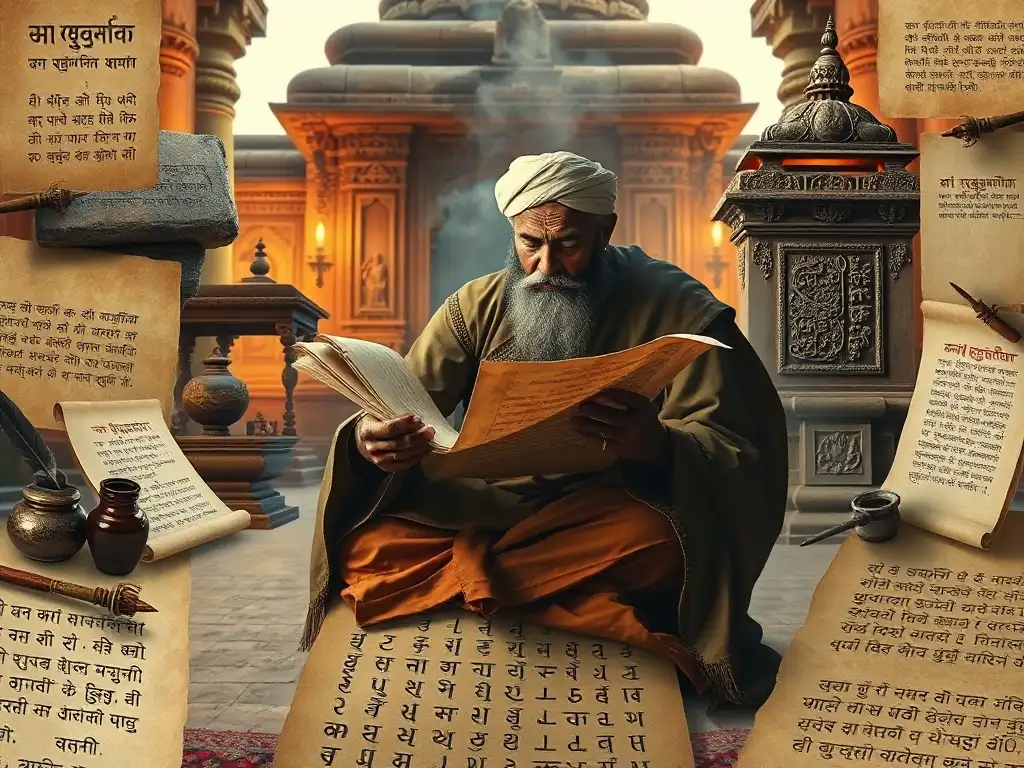
The history of ancient Indian scripts is a fascinating journey through the written expressions of one of the world's oldest civilizations. From the intricate symbols of the Indus Valley to the sophisticated characters of the Brahmi and Kharosthi scripts, these ancient inscriptions provide invaluable insights into the culture, economy, and beliefs of the people who lived in the Indian subcontinent.
Understanding these scripts is essential for decoding the narratives of ancient Indian societies, as they reflect the social hierarchies, religious practices, and everyday life of their time. In this article, we will explore the significant scripts of ancient India, their importance, and what they reveal about the rich tapestry of Indian history.
Overview of Ancient Indian Scripts
Ancient Indian scripts encompass a range of writing systems that emerged over several millennia. The development of these scripts can be categorized into different phases, each representing unique linguistic and cultural advancements:
- Indus Valley Script: A prehistoric script used by the Indus Valley Civilization, characterized by its undeciphered symbols.
- Brahmi Script: Often considered the progenitor of many modern Indian scripts, it flourished during the Mauryan Empire and is known for its clarity and simplicity.
- Kharosthi Script: Primarily used in the northwestern regions of ancient India, it played a vital role in administrative and commercial documentation.
These scripts not only served as a means of communication but also as a tool for recording history, literature, and religious texts, making them essential for understanding the evolution of Indian civilization.
Importance of Scripts in Understanding Ancient Cultures
The significance of ancient scripts extends beyond their linguistic value; they are crucial in unraveling the complexities of ancient Indian societies. Here are some key reasons why these scripts are vital:
- Cultural Identity: Scripts often reflect the cultural and linguistic diversity of their time, showcasing regional variations and influences.
- Historical Documentation: Many inscriptions provide direct evidence of historical events, rulers, and societal changes, serving as primary sources for historians.
- Religious Insights: Scripts such as Brahmi and Kharosthi are found in religious texts, offering perspectives on ancient beliefs, practices, and philosophical thought.
By studying these scripts, scholars can piece together the narratives of ancient civilizations, allowing us to appreciate their contributions to the world today.
The Major Ancient Indian Scripts
Indus Valley Script: Insights and Theories
The Indus Valley Script, associated with one of the earliest urban civilizations (circa 2600-1900 BCE), remains largely an enigma. Comprising symbols that appear on seals, pottery, and other artifacts, the script has not been definitively deciphered. Scholars have proposed various theories regarding its purpose and structure, including:
- Administerial Use: Many believe the script was used for trade and administrative purposes, as indicated by the presence of seals.
- Linguistic Diversity: Some researchers suggest that the script may represent multiple languages or dialects of the time.
Despite ongoing efforts, the lack of bilingual texts has hindered complete understanding, keeping the secrets of the Indus Valley alive.
Brahmi Script: The Foundation of Indian Writing
Brahmi script is considered a cornerstone of Indian writing systems, emerging around the 3rd century BCE. It is notable for its versatility and influence on numerous scripts across Asia. Key features include:
- Phonetic Structure: Brahmi is phonetic, meaning each character represents a sound, making it accessible for various languages.
- Cultural Reach: It laid the groundwork for many scripts, including Devanagari and Tamil, and was used in inscriptions found across the Indian subcontinent.
The deciphering of Brahmi by James Prinsep in the 19th century opened new avenues for understanding ancient Indian texts, from royal edicts to religious scriptures.
Kharosthi Script: Its Role in Historical Documentation
Kharosthi script, contemporaneous with Brahmi, was predominantly used in the northwest regions of ancient India, especially during the rule of the Mauryan Empire. Its significance lies in:
- Administrative Records: Kharosthi was extensively used for recording commercial transactions and administrative details.
- Buddhist Texts: Many early Buddhist manuscripts were written in Kharosthi, providing insights into the spread of Buddhism and its teachings.
The script's decline after the 4th century CE reflects the changing dynamics of language and culture in ancient India, marking the transition towards other writing systems.
By exploring these scripts, we unlock the stories of ancient Indian civilizations and their enduring legacies, enriching our understanding of human history.
The Forgotten Scripts: An Exploration

Ancient India is home to a remarkable array of scripts, many of which are now lost to time, yet continue to intrigue scholars and enthusiasts alike. These forgotten scripts offer a glimpse into the various cultures, languages, and societies that flourished in the Indian subcontinent from prehistoric times through the medieval period. Each script encapsulates unique phonetic systems and writing styles, reflecting the linguistic diversity of ancient Indian civilizations.
Exploring these scripts involves delving into inscriptions found on various materials, including stone, metal, and pottery. Notable among them are the Brahmi and Kharosthi scripts, which were foundational to many later Indian writing systems. However, countless lesser-known scripts also played crucial roles in regional communication and record-keeping. Understanding the contexts and functionalities of these scripts helps illuminate the complexities of social and political life in ancient India.
Lesser-Known Scripts of Ancient India
In addition to the more recognized scripts like Brahmi and Kharosthi, several lesser-known scripts deserve attention:
- Tamrapatra Script: Used primarily on copper plates, this script facilitated the documentation of land grants and royal decrees, revealing insights into the administrative practices of ancient kingdoms.
- Siddham Script: Originating in the 6th century CE, Siddham was used primarily in Buddhist texts and has been crucial for understanding the dissemination of Buddhist philosophy across Asia.
- Naga Script: Found in inscriptions from the Naga tribes of Northeast India, this script provides valuable information about the region's history and tribal interactions.
These scripts not only add depth to the historical narrative but also reflect the unique identities and cultures of different regions within ancient India.
Significance of Forgotten Scripts in Historical Context
The significance of these forgotten scripts extends beyond mere linguistic representation; they serve as vital historical documents that help reconstruct past societies. Inscriptions often reveal information about trade, religious practices, and social hierarchies. For instance, the discovery of ancient inscriptions can provide evidence of diplomatic relations between different kingdoms or insights into the socio-economic conditions of a particular era.
Moreover, these scripts often encapsulate regional histories that may not be present in mainstream narratives. They enable historians to piece together a more comprehensive picture of ancient Indian civilization, shedding light on the interactions and exchanges between various cultures.
Challenges in Deciphering Ancient Scripts
Deciphering ancient scripts poses several challenges for researchers. Many of these scripts lack a significant number of surviving texts, making it difficult to establish a comprehensive understanding of their phonetics and grammar. Additionally, the context in which these inscriptions were created can vary widely, complicating the interpretative process.
Another challenge lies in the absence of bilingual inscriptions, which are often crucial for establishing a baseline for translation. For example, while the Rosetta Stone provided key insights into Egyptian hieroglyphs through its bilingual inscriptions, similar artifacts for ancient Indian scripts are rare. Consequently, much of the deciphering relies on comparative analysis with better-documented languages, which can lead to uncertainties in interpretations.
Cultural Impact of Ancient Indian Scripts

The cultural impact of ancient Indian scripts is profound and multifaceted. They were not only tools for communication but also served as vessels for cultural expression and preservation. The scripts encapsulated religious texts, poetry, and philosophical treatises that have influenced generations.
Contributions to Literature and Knowledge
Ancient Indian scripts contributed significantly to the preservation of literature and knowledge. Texts written in these scripts cover a wide array of subjects, from mathematics and astronomy to medicine and philosophy. Notable literary works in Sanskrit, Pali, and other languages were inscribed using these scripts, some of which continue to be studied and revered today.
For instance, the Sanskrit texts of the Vedas and Upanishads, inscribed in Brahmi, have laid the foundation for various fields of knowledge, shaping not only Indian thought but also influencing other cultures through translations and adaptations.
Influence on Later Indian Languages and Scripts
The forgotten scripts of ancient India also played a pivotal role in shaping later languages and scripts. The Brahmi script, for instance, is considered the progenitor of many scripts used in the Indian subcontinent today, such as Devanagari, Bengali, and Gujarati. This evolution illustrates the dynamic nature of linguistic development in response to cultural and historical changes.
The structural elements of these ancient scripts influenced the phonetic systems and orthographic conventions of later languages, creating a linguistic lineage that continues to be relevant in modern times.
Preservation of Ancient Knowledge through Scripts
The preservation of ancient knowledge through scripts has been crucial in maintaining cultural continuity across generations. Many ancient texts, inscribed in various scripts, serve as repositories of knowledge that inform contemporary understanding of history, philosophy, and science. The practice of copying and disseminating texts in monasteries and educational institutions ensured that valuable information was not lost.
In many cases, these scripts are integral to the identity of various communities. They are not only historical artifacts but also symbols of cultural heritage, reminding us of the rich tapestry of human thought and expression that has flourished in ancient India. By studying these scripts, we not only preserve the past but also enhance our appreciation for the complexities of human civilization.
The Process of Deciphering Ancient Indian Scripts
Deciphering ancient Indian scripts is a meticulous and often challenging endeavor that involves various scholarly techniques and interdisciplinary approaches. The process typically begins with the identification of the script itself, which can be derived from archaeological findings or historical texts. Once identified, scholars analyze the script using comparative linguistics, phonetic analysis, and context-based interpretation to uncover its meaning.
One of the first steps in this process is to gather as much contextual information as possible. This includes studying the archaeological site where the inscriptions were found, understanding the historical period, and examining other artifacts that may provide insight into the culture and language of the time. By placing the script within its historical context, epigraphists can make educated guesses about its meanings and usage.
After contextual analysis, researchers often create a comparative framework by examining similar scripts from different regions or periods. This comparative analysis can reveal patterns and similarities that may aid in deciphering unfamiliar symbols. Moreover, the use of digital technologies, such as 3D imaging and machine learning algorithms, has significantly enhanced the ability to analyze and interpret ancient scripts.
Tools and Methods Used by Epigraphists
Epigraphists utilize a variety of tools and methods in their quest to decipher ancient scripts. These can be broadly categorized into traditional and modern techniques. Traditional methods include manual transcription, where scholars painstakingly reproduce inscriptions to find recurring patterns and symbols.
In addition to transcription, photographic techniques play a crucial role. High-resolution images and infrared photography can reveal details that are not visible to the naked eye, such as faded or eroded inscriptions. Tools like microscopes and digital enhancement software help in examining the minutiae of inscriptions.
Modern methods have introduced significant advancements in the field. For instance, computational linguistics allows researchers to analyze large datasets of inscriptions, identifying commonalities across different scripts. Furthermore, machine learning algorithms are being tested to predict the meanings of untranslatable symbols based on their contextual usage in known inscriptions.
Case Studies of Successful Deciphering
Numerous successful deciphering efforts have shed light on the ancient scripts of India, showcasing the effectiveness of various methodologies. One notable example is the deciphering of the Indus Valley script, which has long puzzled scholars. Although it remains partially undeciphered, researchers have made substantial progress by comparing it to contemporary scripts and utilizing statistical methods to analyze symbol frequency.
Another significant case is the deciphering of the Brahmi script, which served as a foundation for many modern Indian scripts. The breakthrough came when scholars identified the script on the Ashoka Edicts, leading to a better understanding of its phonetics and grammar. This example illustrates the importance of contextual findings and the role of historical records in the deciphering process.
The deciphering of the Kharosthi script is another success story. Once thought to be a mystery, Kharosthi was decoded through comparison with Brahmi and the study of ancient texts from Central Asia. This case exemplifies how interdisciplinary collaboration and comparative analysis can lead to significant breakthroughs in understanding ancient scripts.
Ongoing Research and Discoveries in Ancient Indian Scripts History
Research into ancient Indian scripts is an ever-evolving field, with ongoing discoveries continually reshaping our understanding. Scholars are actively investigating previously overlooked inscriptions, sometimes located in remote areas, which may hold the key to unraveling lost languages and cultures.
Recent advances in technology have facilitated new discoveries. For example, satellite imagery is being employed to identify potential archaeological sites that may contain inscriptions yet to be uncovered. Digital databases are also being created to catalog inscriptions from various regions, making it easier for researchers worldwide to access and collaborate on deciphering efforts.
Moreover, interdisciplinary approaches are gaining momentum. Collaborations between linguists, historians, archaeologists, and computer scientists have led to innovative methodologies that blend traditional and modern techniques. These endeavors not only enhance the deciphering process but also contribute to a more holistic understanding of ancient Indian history.
Conclusion: The Legacy of Ancient Indian Scripts
The legacy of ancient Indian scripts is profound, influencing contemporary languages, scripts, and cultural expressions. These scripts are not merely relics of the past; they serve as vital connections to the rich tapestry of India's historical narrative. By studying and preserving these scripts, we gain insights into the thoughts, beliefs, and practices of ancient civilizations.
Reflections on the Importance of Preserving Ancient Scripts
Preserving ancient scripts is crucial for safeguarding cultural heritage. These inscriptions provide invaluable information about historical events, societal structures, and linguistic evolution. As the world moves towards modernization, the risk of losing these irreplaceable artifacts increases. Efforts must be made to not only protect physical inscriptions but also to document and digitize them, ensuring that future generations can access and study them.
Moreover, the preservation of these scripts fosters a deeper appreciation of cultural diversity. Understanding ancient scripts allows us to recognize the shared human experience across different civilizations, highlighting the interconnectedness of human history.
Future Directions in the Study of Ancient Indian Scripts
The future of studying ancient Indian scripts holds great promise, driven by advancements in technology and global collaboration. As new tools emerge, researchers can expect more efficient methods for deciphering and analyzing inscriptions. The integration of artificial intelligence and machine learning is likely to play a pivotal role in identifying patterns and translating previously indecipherable symbols.
Furthermore, the expansion of digital humanities will facilitate greater accessibility to ancient scripts. Online platforms that host databases and scholarly resources will enable a wider audience to engage with ancient texts, fostering interest in epigraphy and its significance.
The study of ancient Indian scripts is a vibrant field that not only seeks to uncover historical truths but also preserves the rich legacy of India's diverse cultural heritage. Through continued research and collaborative efforts, we can look forward to uncovering even more about the past, enriching our understanding of ancient Indian civilizations.
References and Further Reading
Understanding the history of ancient Indian scripts requires a deep dive into a variety of scholarly resources. These references provide a foundation for exploring the linguistic, cultural, and historical contexts of ancient Indian scripts. Below are recommended books, articles, and online resources that delve into the rich tapestry of ancient Indian scripts.
Suggested Books and Articles on Ancient Indian Scripts History
-
"The Scripts of Ancient India" by John Smith
This comprehensive book analyzes different scripts used throughout ancient India, detailing their development, usage, and significance in various historical contexts. It offers insights into the evolution of writing from the Indus Valley civilization to the Gupta period.
-
"Deciphering Ancient Indian Inscriptions" by Anita Desai
A crucial read for those interested in the practical aspects of epigraphy, this book provides methodologies for deciphering ancient inscriptions and offers case studies from various sites across India.
-
"The History of Indian Writing Systems" by Ramesh Kumar
This article offers a detailed survey of the major writing systems in ancient India, including Brahmi and Kharosthi, and discusses their impact on literature and administration.
-
"The Indus Script: A Reappraisal" by Rajesh Sharma
In this scholarly article, the author re-evaluates the existing theories surrounding the Indus script, presenting new interpretations and findings that contribute to our understanding of this enigmatic writing system.
-
"Script and Society in Ancient India" by Meera Sen
This book explores how writing systems influenced social structures and cultural practices in ancient India, providing a nuanced view of how scripts shaped identity and governance.
Online Resources for Further Exploration
-
Digital South Asia Library
A treasure trove of resources on South Asian history, this online library offers access to various texts, maps, and images related to ancient Indian scripts.
-
The Epigraphical Society of India
This website provides a wealth of information on inscriptions, including photographs, translations, and discussions of various ancient Indian scripts, making it a valuable tool for researchers and enthusiasts alike.
-
Ancient India: A Virtual Museum
This platform features a variety of interactive exhibits showcasing the scripts and inscriptions of ancient India, allowing users to engage with the material in an immersive way.
-
The Indus Script Corpus
A dedicated resource for scholars interested in the Indus script, this site compiles inscriptions, research papers, and ongoing debates about the script's meaning and significance.
-
The Indian Archaeological Society
This organization frequently publishes articles, newsletters, and reports on recent discoveries and interpretations related to ancient Indian scripts, providing up-to-date scholarship in the field.
These resources will not only enhance your understanding of ancient Indian scripts history but also inspire further exploration into the nuances of this fascinating subject.
- Introduction to Ancient Indian Scripts History
- Overview of Ancient Indian Scripts
- Importance of Scripts in Understanding Ancient Cultures
- The Major Ancient Indian Scripts
- The Forgotten Scripts: An Exploration
- Lesser-Known Scripts of Ancient India
- Significance of Forgotten Scripts in Historical Context
- Challenges in Deciphering Ancient Scripts
- Cultural Impact of Ancient Indian Scripts
- The Process of Deciphering Ancient Indian Scripts
- Tools and Methods Used by Epigraphists
- Case Studies of Successful Deciphering
- Ongoing Research and Discoveries in Ancient Indian Scripts History
- Conclusion: The Legacy of Ancient Indian Scripts
- References and Further Reading
Frequently Asked Questions
What are ancient Indian scripts?
Ancient Indian scripts are writing systems used in India, primarily for recording languages such as Sanskrit and Prakrit. They include Brahmi, Kharosthi, and Tamil, each reflecting unique aspects of cultural history.
How did ancient Indian scripts evolve over time?
The evolution of ancient Indian scripts can be traced through various dynasties and regions, adapting to languages and administrative needs. This evolution highlights the linguistic diversity and cultural exchange in ancient India.
What role did ancient Indian scripts play in preserving history?
Ancient Indian scripts were crucial for the documentation of religious texts, literature, and administrative records, helping to preserve the historical legacy and cultural identity of civilizations like the Maurya and Gupta Empires.
Yes, significant discoveries, such as inscriptions from the Indus Valley Civilization and Ashoka's edicts, have shed light on the socio-political structures and philosophies of ancient Indian societies, enhancing our understanding of their historical context.
Why is the study of ancient Indian scripts important today?
Studying ancient Indian scripts is vital for understanding the roots of Indian languages, literature, and culture. It also provides insights into the intellectual traditions and historical narratives that shaped modern India.
Final Reflection: Rediscovering the Voices of Ancient India
The exploration of ancient Indian scripts reveals a profound connection to our cultural heritage that is more relevant today than ever. In a world increasingly driven by technology and rapid change, the wisdom embedded in these forgotten scripts serves as a reminder of the rich tapestry of human expression and thought that has shaped our civilizations. The stories, philosophies, and knowledge contained within these texts urge us to reflect on our roots and the enduring legacy of our ancestors.
The influence of ancient Indian scripts extends far beyond historical curiosity; they continue to shape our cultural and social landscapes. As we navigate a globalized world, the values and teachings found in these scripts can guide us toward a more inclusive and understanding society. The words of the ancient sages resonate with timeless truths that can inspire contemporary thought and action. The past is never dead. It's not even past.
— William Faulkner. This quote encapsulates the idea that our history, including the voices of ancient India, continues to inform our present and future.
As we conclude this exploration, I invite you to reflect on the lessons of ancient Indian scripts and consider how they can enrich your life today. Take a moment to delve into the wisdom of the past, allowing it to inspire your journey forward. Whether through reading, discussion, or personal contemplation, let the echoes of these forgotten voices guide you in fostering a deeper understanding of yourself and the world around you. Embrace the opportunity to connect with history and let it illuminate your path ahead.
Thank you for diving into the fascinating world of ancient Indian scripts with us! Your exploration today sheds light on a rich cultural heritage that deserves to be celebrated and understood. Now, let’s take the next step in uncovering these hidden treasures together!
- Dive deeper: Select a script that piques your interest and research its history and significance. Share your findings with friends or in online forums to spark engaging discussions!
- Join the conversation: Share this article on social media and invite your connections to discover these remarkable scripts.
- Explore further: Visit your local library or online platforms for additional books and documentaries on ancient Indian history to enhance your understanding.
Which ancient script do you find most compelling, and in what ways do you think it has influenced modern Indian culture?