
The Impact of Religion on Crop Cultivation and Harvesting in Ancient India

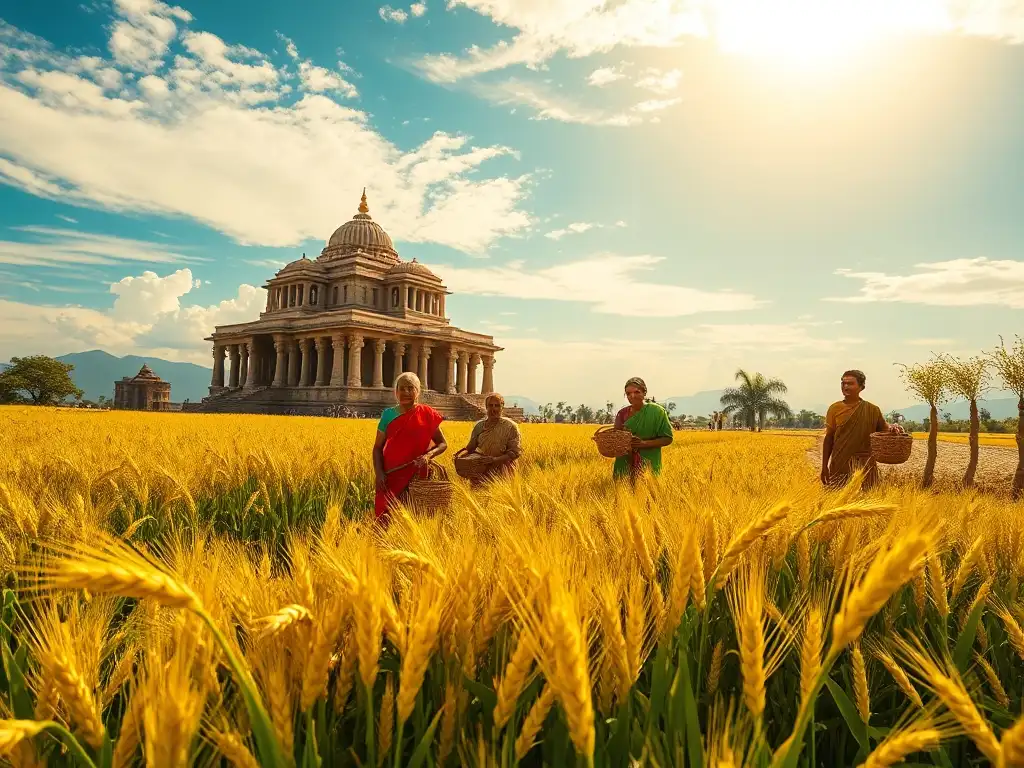
Welcome to Ancient India History, where we embark on an exhilarating journey through the intricate tapestry of ancient Indian civilizations. Here, we delve into the profound connections between religion and agriculture, uncovering how spiritual beliefs shaped the very foundation of crop cultivation and harvesting practices. As we explore the impact of religion on agricultural methods, prepare to be captivated by stories that reveal the harmony of faith and sustenance.
Join us as we unravel the mysteries of the past and discover the legacies that continue to influence our world today. Dive deeper into this rich narrative and let your curiosity guide you!
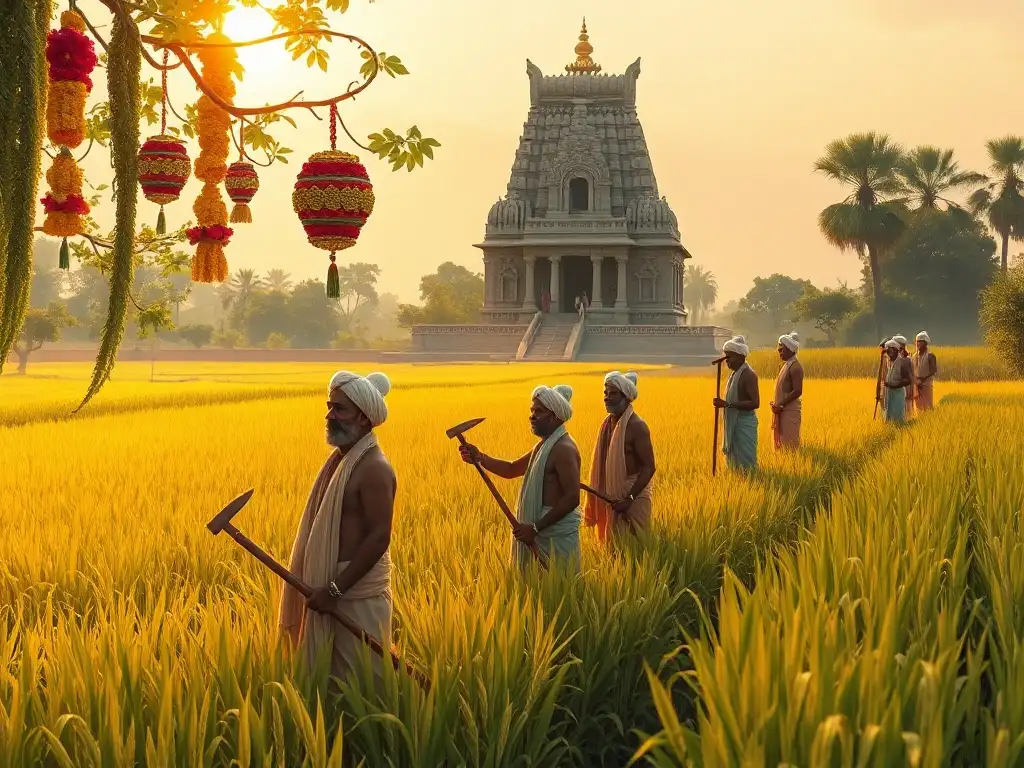
Introduction to Religion and Agriculture in Ancient India
The intertwined relationship between religion and agriculture in ancient India played a pivotal role in shaping the agricultural landscape and societal norms of the time. In a region where agrarian practices formed the backbone of civilization, the influence of religious beliefs on crop cultivation and harvesting was profound. This article delves into how various religious traditions and rituals influenced agricultural practices, crop selection, and the timing of harvests in ancient India. By examining the spiritual dimensions of agriculture, we can better understand the complexities of ancient Indian societies and their reverence for the land.
Overview of Ancient Indian Civilizations and Their Agricultural Practices
Ancient India is marked by a plethora of civilizations, each contributing uniquely to agricultural development. The Indus Valley Civilization (c. 3300–1300 BCE) is known for its sophisticated urban planning and advanced irrigation systems, which facilitated agriculture in a predominantly arid landscape. The Vedic period (c. 1500–500 BCE) further advanced agricultural techniques, with the introduction of plowing and crop rotation.
Key crops such as rice, wheat, barley, and millets were cultivated, often dictated by regional climatic conditions and soil types. The sociocultural context of these civilizations, deeply influenced by religious beliefs, dictated not only the methods of cultivation but also the types of crops that were deemed sacred or significant.
Importance of Religion in Daily Life and Agriculture
Religion in ancient India was omnipresent, influencing every aspect of life, including agricultural practices. The agrarian calendar was often aligned with religious festivals and rituals, which served as a means of honoring deities associated with fertility and harvest. This connection not only fostered a sense of community and shared purpose among farmers but also instilled a deep respect for nature and its cycles.
Farmers engaged in various rituals to seek blessings for successful crops, ensuring a harmonious relationship with the divine. The intertwining of spirituality and agriculture highlights how essential faith was to the viability of farming in ancient societies, leading to sustainable practices that respected the land.
The Role of Religion in Agricultural Practices
Religious Beliefs Influencing Crop Selection
Religious beliefs significantly influenced which crops were selected for cultivation. Certain crops were associated with specific deities or considered sacred, leading to their preferential treatment in agricultural practices. For example, rice was often linked to the goddess Lakshmi, symbolizing wealth and prosperity, making it a staple in many households.
Additionally, some crops were believed to possess particular spiritual properties or were used in rituals. This not only affected the types of crops grown but also reinforced the cultural significance of agriculture in society.
Rituals and Offerings for Fertility and Bountiful Harvests
Rituals played a critical role in ensuring agricultural fertility and successful harvests. Farmers often performed pujas (prayer rituals) and made offerings to deities, seeking divine intervention for bountiful crops. These rituals varied across regions and communities but commonly involved the use of rice, fruits, and flowers, symbolizing abundance.
The act of offering was both a plea for assistance and a form of gratitude for the blessings granted. Such practices fostered a deep-rooted belief in the interconnectedness of spiritual well-being and agricultural success.
Seasonal Festivals and Their Connection to Agricultural Cycles
Seasonal festivals in ancient India were intricately tied to agricultural cycles, marking crucial points in the farming calendar, such as sowing and harvest time. Makar Sankranti, for instance, celebrated the winter solstice and marked the beginning of the harvest season, while Pongal was a festival dedicated to the sun god, celebrating the rice harvest.
These festivals served not only as a means of expressing gratitude for the harvest but also reinforced communal bonds and cultural identity. The rituals associated with these celebrations often included traditional songs, dances, and feasts, showcasing the importance of agriculture in daily life and cultural heritage.
By exploring the profound influence of religion on agriculture in ancient India, we uncover a rich tapestry of beliefs and practices that shaped the way societies interacted with their environment. This exploration not only highlights the significance of agriculture in sustaining ancient civilizations but also emphasizes the spiritual dimensions that remain relevant to contemporary discussions on sustainability and agricultural practices.
Religious Texts and Their Influence on Agriculture
Religious texts in ancient India played a crucial role in shaping agricultural practices and beliefs. These texts not only provided guidelines on farming techniques but also established a spiritual framework within which agriculture was conducted. The intertwining of religion with agricultural practices can be seen as essential for the sustenance of communities, making religion an integral part of the agrarian lifestyle.
Vedic Texts and Agricultural Instructions
The Vedas, particularly the Rigveda, contain numerous hymns and verses that emphasize the importance of agriculture in sustaining life and society. These texts outline various agricultural practices, including the timing of sowing and harvesting, irrigation techniques, and the significance of seasonal changes. For instance, specific rituals were prescribed to ensure a bountiful harvest, which reflected the belief that divine favor was necessary for successful agriculture. The Vedic texts also introduced the concept of “Yajna,” a ritual offering to the gods that often included agricultural produce, reinforcing the connection between farming and spirituality.
The Role of Epics in Shaping Agricultural Norms
Ancient Indian epics like the Mahabharata and Ramayana also contributed significantly to agricultural norms. These narratives often depicted agrarian life and the struggles associated with farming, illustrating the virtues of hard work and dedication to the land. They conveyed moral lessons that emphasized the importance of respecting nature and the deities associated with agriculture. The tales of gods and heroes involved in farming activities served to inspire communities to adhere to agricultural customs and practices that honored both the earth and the divine.
Agrarian Deities in Hinduism and Their Significance
Hinduism recognizes various deities associated with agriculture, such as Goddess Annapurna, who symbolizes abundance and nourishment. The worship of these agrarian deities often involved rituals and festivals that corresponded with planting and harvesting seasons. Such practices were believed to ensure fertility of the soil and a prosperous yield. Additionally, these deities were invoked for protection against natural calamities, reinforcing the belief that divine intervention was essential in agricultural success. The reverence of agrarian deities thus established a spiritual relationship between farmers and their land, influencing their cultivation practices.
Agricultural Techniques Influenced by Religious Practices
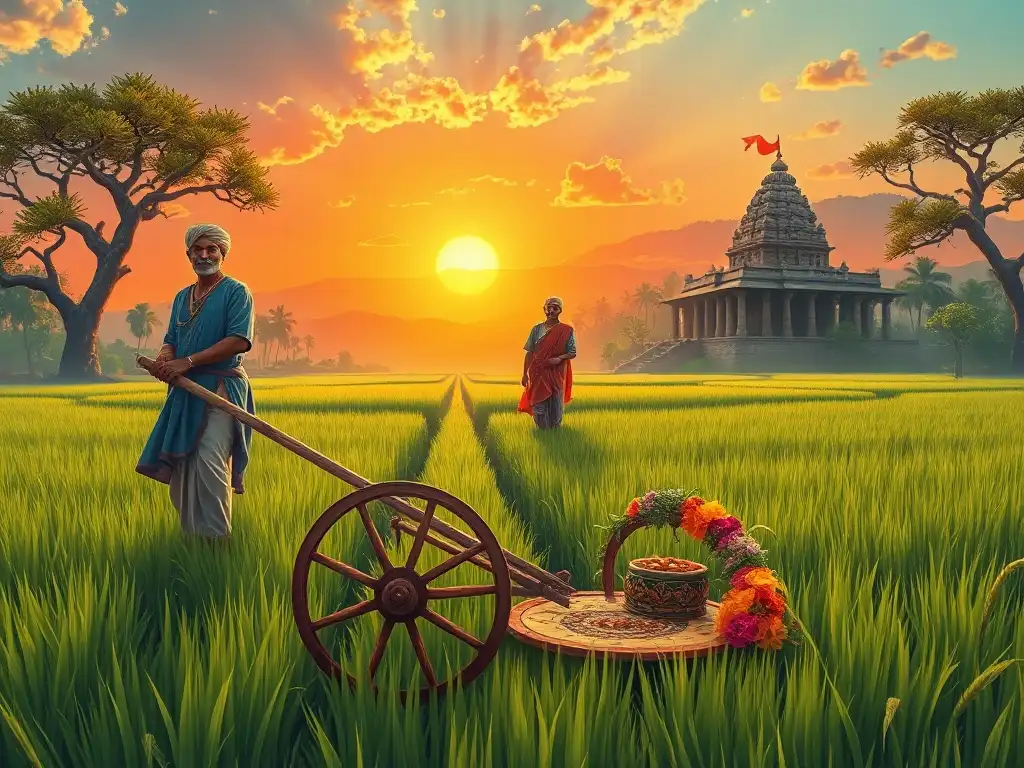
The religious beliefs of ancient Indian societies significantly impacted agricultural techniques, promoting sustainable farming practices that respected both the land and its spiritual significance. These techniques often incorporated rituals and spiritual beliefs into daily agricultural routines, making farming not just a means of survival but a sacred duty.
Crop Rotation and Its Spiritual Significance
Crop rotation was practiced in ancient India as a means to maintain soil fertility and health. This technique was often linked to religious beliefs about the cyclical nature of life and the seasons. Farmers rotated crops in accordance with lunar phases and agricultural festivals, viewing these cycles as a reflection of divine order. The practice of alternating different crops not only ensured better yields but also respected the natural balance, demonstrating an understanding of ecological principles influenced by religious ideologies.
Sustainable Farming Methods Rooted in Religious Beliefs
Sustainable farming methods were deeply embedded in the agricultural practices of ancient India. Many farmers adhered to principles that emphasized minimal disruption to the land and its natural resources. Practices such as mulching, composting, and maintaining biodiversity were often justified through religious teachings that advocated for stewardship of the earth. This connection between sustainability and spirituality fostered a sense of responsibility towards the land, ensuring that agricultural practices were not only productive but also environmentally sound.
The Use of Organic Fertilizers and Natural Methods
The use of organic fertilizers and natural farming methods was prevalent in ancient India, driven largely by religious teachings that promoted harmony with nature. Cow dung, for example, was revered not only for its agricultural benefits but also for its spiritual significance, being associated with purity and fertility. The use of natural methods to enhance soil fertility reflected a deep respect for the environment, aligning agricultural practices with the principles of dharma (righteousness) and the interconnectedness of all living beings. Thus, organic farming was not merely a practical choice but a religiously endorsed approach to agriculture.
The Interconnection of Religion and Harvesting Methods
Religion played a pivotal role in shaping agricultural practices in ancient India, intertwining spiritual beliefs with the practicalities of farming. The agrarian lifestyle was deeply embedded in religious traditions, where every aspect of crop cultivation and harvesting was influenced by spiritual observances, rituals, and festivals. Farmers often sought divine blessings for bountiful harvests and protection against pests and natural disasters, reflecting a profound connection between the sacred and the secular in their daily lives.
The cyclical nature of agricultural seasons aligned with religious calendars, prompting specific rituals at critical farming phases. For instance, sowing and harvesting seasons were marked by ceremonies that invoked deities associated with fertility and prosperity. This interplay between religion and agriculture not only fostered a sense of community but also provided farmers with a framework to understand and cope with the uncertainties of agricultural life.
Traditional Harvesting Rituals and Their Cultural Importance
Traditional harvesting rituals in ancient India were vibrant and elaborate, often involving a series of ceremonies designed to honor agricultural deities. These rituals typically commenced with the Rabi and Kharif harvests, where farmers performed rites to express gratitude for the harvest and to seek blessings for future crops. Activities included pujas (prayer rituals), offerings of first fruits to deities, and communal feasts that celebrated the end of a successful harvest season.
The cultural importance of these rituals extended beyond mere agricultural efficiency; they reinforced social bonds within communities and preserved cultural heritage. The participation of various community members in these rituals fostered a sense of belonging and shared identity, as well as a collective commitment to maintaining the agricultural practices that sustained their livelihoods.
Community Gatherings and Their Role in Harvesting
Community gatherings during harvest time were not only social events but also crucial for the efficiency of agricultural labor. These gatherings facilitated the sharing of labor among farmers, enabling them to complete harvesting tasks more swiftly and effectively. Such cooperative efforts were often organized around religious festivals, where the communal aspect of harvesting was infused with spiritual significance.
These gatherings often included singing, dancing, and traditional games, creating a festive atmosphere that made the labor of harvesting more enjoyable. Furthermore, they provided an opportunity for the exchange of agricultural knowledge, where experienced farmers shared techniques and insights with newer generations, thus ensuring the continuity and improvement of agricultural practices.
The Impact of Religion on Labor Organization in Agriculture
Religion significantly influenced labor organization in ancient Indian agriculture, determining not only when tasks were performed but also how labor was allocated among various members of the community. The belief systems prevalent in ancient India dictated that certain tasks should be conducted on auspicious days, aligning labor with religious calendars and lunar cycles.
This religious framework also structured social hierarchies within agricultural communities, as certain groups or castes were assigned specific agricultural roles based on their perceived spiritual purity and societal obligations. For instance, those involved in ritualistic practices often held higher status, which in turn influenced labor dynamics and responsibilities in farming activities.
Case Studies: Specific Examples of Religion and Agriculture in Ancient India
The Role of Temples in Agricultural Development
Temples in ancient India were more than just places of worship; they served as centers for agricultural development and innovation. Many temples owned vast tracts of land, which were cultivated using advanced agricultural techniques. The wealth generated from these lands supported temple activities and community welfare.
Moreover, temples often acted as institutions of learning, where farmers could gain knowledge about irrigation, crop rotation, and other agricultural practices. Rituals performed at these temples were believed to enhance fertility, ensuring that the crops thrived, thereby directly linking religious practices to agricultural productivity.
Influence of Buddhism on Agricultural Practices
Buddhism introduced a range of agrarian practices that emphasized sustainability and ethical farming. Buddhist teachings promoted the idea of ahimsa (non-violence), which significantly impacted how farmers approached pest control and land management. This perspective encouraged the use of organic farming techniques and crop diversity, minimizing harm to the environment and fostering a more sustainable agricultural system.
Buddhism also inspired communal agriculture through monastic farms, where monks engaged in farming not just for sustenance but to support the local community. These practices contributed to agricultural innovation and provided models for cooperative farming that resonated throughout ancient Indian societies.
Impact of Jainism on Sustainable Agriculture
Jainism's principles of non-violence and respect for all living beings profoundly influenced agricultural practices in ancient India. Jains advocated for sustainable farming methods, which included crop rotation and the avoidance of overexploitation of land. This philosophy led to the development of farming techniques that preserved soil health and biodiversity.
Furthermore, Jains often practiced seasonal farming, allowing land to rest and rejuvenate. Their commitment to environmental stewardship not only ensured the sustainability of agricultural practices but also promoted a greater awareness of the interconnectedness of life, aligning closely with their religious beliefs.
Conclusion

The intricate relationship between religion and agriculture in ancient India is a profound aspect of the region's cultural tapestry. The rituals, beliefs, and practices surrounding crop cultivation and harvesting were not merely agricultural activities but were deeply intertwined with the spiritual and religious fabric of society. The reverence for deities, the observance of seasonal festivals, and the performance of specific rituals played crucial roles in ensuring bountiful harvests and the well-being of the community.
Religious texts, including the Vedas and various Puranas, not only provided guidance on agricultural practices but also emphasized the moral implications of farming, such as the importance of stewardship of the land. The cyclical nature of planting and harvesting was celebrated through festivals that reinforced community bonds and cultural identity, showcasing the unity between agricultural cycles and religious observances.
Summary of Key Points on Religion and Agriculture in Ancient India
- Divine Connection: Agriculture in ancient India was often seen as a divine gift, with farmers seeking blessings from various deities associated with fertility and harvest. Rituals were performed to invoke these blessings, ensuring that the agricultural activities aligned with spiritual beliefs.
- Seasonal Festivals: Festivals such as Makar Sankranti, Pongal, and Nabanna revolved around the agricultural calendar, marking key points in the planting and harvesting cycles. These celebrations not only honored the deities but also brought communities together, reinforcing social ties and shared cultural practices.
- Ritual Practices: Specific rituals, including the sowing of seeds and the first harvest, were often accompanied by prayers and offerings. These practices highlighted the farmers' dependence on divine favor for successful crops and reflected a deep respect for nature.
- Crops and Deities: Different crops were associated with different deities. For example, rice was often dedicated to the Goddess Lakshmi, symbolizing prosperity, while certain grains were linked to agricultural deities. This connection influenced not only what crops were grown but also how they were cultivated and celebrated.
The Lasting Legacy of Religious Influence on Modern Agriculture in India
The religious influence on agriculture in ancient India has left a lasting legacy that continues to shape modern agricultural practices and cultural traditions. Many contemporary agricultural festivals still echo the rituals of ancient times, showcasing the enduring connection between spirituality and farming.
- Cultural Festivals: Modern agricultural festivals often retain the same significance as those of ancient India, celebrating the harvest and invoking blessings for future crops. These events foster community spirit and continue to play a crucial role in rural life across the country.
- Sustainable Practices: The ancient reverence for nature and the land has influenced modern sustainable agricultural practices, where organic farming and environmental stewardship are increasingly valued. Farmers often draw on traditional knowledge that emphasizes harmony with nature, reflecting a spiritual commitment to the earth.
- Community Cohesion: The communal aspect of agricultural activities, such as cooperative farming and shared harvest celebrations, is a direct descendant of ancient practices. This fosters a sense of belonging and solidarity among farmers, rooted in shared beliefs and cultural heritage.
The interplay between religion and agriculture in ancient India not only shaped the agricultural landscape of the time but also laid the groundwork for cultural practices that resonate in India today. Understanding this relationship provides valuable insights into the rich history of agriculture and its continued evolution within the framework of Indian society.
- Introduction to Religion and Agriculture in Ancient India
- The Role of Religion in Agricultural Practices
- Religious Texts and Their Influence on Agriculture
- Agricultural Techniques Influenced by Religious Practices
- The Interconnection of Religion and Harvesting Methods
- Case Studies: Specific Examples of Religion and Agriculture in Ancient India
- Conclusion
- Summary of Key Points on Religion and Agriculture in Ancient India
- The Lasting Legacy of Religious Influence on Modern Agriculture in India
- What role did religion play in agriculture in ancient India?
- How did religious festivals relate to agricultural cycles?
- Were there specific deities associated with agriculture in ancient India?
- Did ancient Indian texts mention agriculture and religion?
- How did the Gupta Empire contribute to agriculture and religion?
Frequently Asked Questions
What role did religion play in agriculture in ancient India?
Religion significantly influenced crop cultivation and harvesting practices. Farmers often followed rituals and ceremonies to ensure bountiful harvests, believing that divine favor affected their yield.
How did religious festivals relate to agricultural cycles?
Many religious festivals were timed with agricultural cycles, celebrating planting and harvesting seasons. These festivals reinforced the connection between spiritual practices and the agrarian lifestyle of ancient communities.
Were there specific deities associated with agriculture in ancient India?
Yes, several deities were worshipped as protectors of agriculture, such as Goddess Annapurna, who symbolizes prosperity and food security. Farmers prayed for blessings related to their crops.
Did ancient Indian texts mention agriculture and religion?
Ancient texts like the Vedas and Puranas contained references to agricultural practices intertwined with religious beliefs, outlining rituals and the importance of sacred geography in farming.
How did the Gupta Empire contribute to agriculture and religion?
During the Gupta Empire, advancements in agriculture were paralleled by a flourishing of religious thought. This era saw the promotion of agrarian deities and the establishment of temples that supported agricultural communities.
Final Reflection: The Interwoven Legacy of Religion and Agriculture in Ancient India
The relationship between religion and agriculture in ancient India remains profoundly relevant today, as it highlights the intricate ways in which belief systems shape our interactions with the land. In a world increasingly disconnected from its agricultural roots, understanding how spirituality influenced farming practices offers valuable insights into sustainability and community. The legacy of ancient rituals and agricultural techniques is not just a relic of the past; it serves as a reminder of the deep connections that bind us to our environment and the responsibilities we hold as stewards of the earth.
Cultivating crops in ancient India was not merely a matter of survival; it was a sacred act intertwined with religious beliefs and cultural identity. The rituals performed during planting and harvesting seasons fostered a sense of community and reverence for nature, highlighting the importance of harmony between humans and the environment. As Mahatma Gandhi once said, To forget how to dig the earth and to tend the soil is to forget ourselves.
This quote resonates deeply in our contemporary context, where the lessons of ancient practices can guide us toward a more sustainable future.
As you reflect on the insights shared in this article, consider how the principles of respect and reverence for nature can be integrated into your own life. Embrace the opportunity to reconnect with the land, whether through gardening, supporting local agriculture, or simply appreciating the natural world around you. Let the wisdom of ancient India inspire you to cultivate not only crops but also a deeper understanding of your place within the ecosystem, fostering a future where spirituality and sustainability coexist harmoniously.
Cultivate Your Understanding: Explore the Intersection of Faith and Farming!
Thank you for diving into the rich history of crop cultivation and religion in ancient India! You’ve uncovered the fascinating ways spirituality influenced agricultural practices and shaped civilizations. Now, it’s time to take your interest further and engage with this incredible topic.
Here’s how you can deepen your exploration:
- Join a local gardening group or community to share insights on how ancient agricultural techniques can inspire modern practices.
- Visit a museum or cultural site that focuses on historical farming methods—experience the past firsthand!
- Engage in discussions with friends or family about the role of spirituality in agriculture—what new perspectives can you uncover?
What insights do you think modern farmers could gain from the agricultural practices and beliefs that shaped ancient societies?