
The Influence of Ancient Indian Irrigation on Modern Agricultural Practices


Welcome to Ancient India History, where we embark on a captivating journey through time, unraveling the rich tapestry of ancient Indian civilizations. Our exploration begins with a fascinating look at ancient Indian irrigation techniques, which not only transformed the agricultural landscape of their era but continue to influence modern practices today. What secrets did these ingenious systems hold, and how did they shape the very foundation of a thriving economy? Dive in to discover the remarkable innovations that have left an indelible mark on our agricultural heritage. Your adventure into the past starts here!
Introduction to Ancient Indian Irrigation Techniques
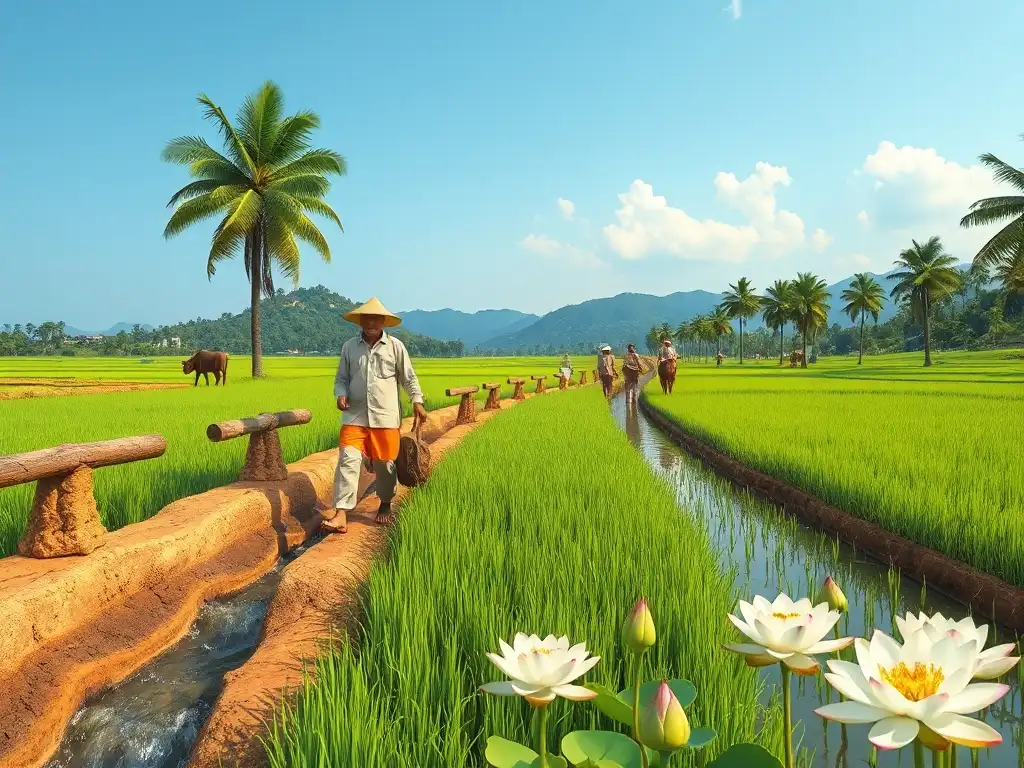
The legacy of ancient Indian irrigation techniques is a testament to the ingenuity and resourcefulness of past civilizations in managing water resources. These early systems not only played a crucial role in sustaining agricultural practices but also laid the foundation for contemporary farming methods. As we delve into the rich tapestry of ancient Indian irrigation, we uncover how these innovations have shaped modern agricultural practices, especially in water-scarce regions. Understanding these ancient methods provides valuable insights into sustainable practices that can be adapted for present-day challenges in agriculture.
Overview of Ancient Indian Irrigation Systems
Ancient India was home to a variety of irrigation systems designed to harness the region's diverse water sources. From the intricate canals of the Indus Valley Civilization to the sophisticated tank systems developed in South India, these methods showcased a deep understanding of hydrology and environmental adaptation. Here are some notable systems:
- Canal Irrigation: Early civilizations, particularly in the Indus Valley, constructed extensive canal networks that diverted river water to fields.
- Tank Systems: In regions like Tamil Nadu, large water tanks were built to collect rainwater, which was then distributed to agricultural lands.
- Wells and Stepwells: These structures not only provided water for irrigation but also served as community resources during droughts.
These systems were crucial in maximizing agricultural productivity and ensuring food security for growing populations.
Importance of Water Management in Ancient India
Water management was not merely a technical challenge; it was integral to the socio-economic fabric of ancient Indian society. Effective irrigation techniques influenced agricultural yields, which in turn impacted trade, population dynamics, and the overall health of communities. The strategic management of water resources fostered:
- Sustainable Agriculture: Techniques such as crop rotation and selective irrigation ensured that land remained fertile and productive over time.
- Economic Prosperity: Surplus production led to trade opportunities, connecting ancient Indian cities with distant markets.
- Cultural Significance: Many irrigation practices were embedded in local traditions and rituals, highlighting the spiritual connection between communities and their water sources.
Historical Context of Ancient Indian Irrigation
Understanding the historical context of ancient Indian irrigation techniques allows us to appreciate their evolution and significance in shaping agricultural practices.
Evolution of Irrigation Techniques in Ancient India
The evolution of irrigation techniques in ancient India can be traced through several key phases:
- Prehistoric Period: Early hunter-gatherers began to settle and cultivate land, leading to primitive irrigation methods such as basin irrigation.
- Indus Valley Civilization (c. 3300–1300 BCE): Marked by sophisticated planning, this period saw the establishment of extensive canal systems that demonstrated advanced engineering skills.
- Post-Vedic Age: Innovations such as stepwells and tanks emerged, reflecting a deeper understanding of monsoon patterns and water conservation.
- Medieval Period: The introduction of new techniques and materials, alongside the influence of various dynasties, transformed irrigation practices into more organized systems.
Key Civilizations and Their Contributions to Irrigation
Several ancient Indian civilizations made significant contributions to the development of irrigation systems, each leaving a unique mark on agricultural practices:
- Indus Valley Civilization: Known for its urban planning and extensive irrigation canals, it exemplified early engineering prowess.
- Mauryan Empire: Under rulers like Ashoka, irrigation works were expanded, including the construction of dams and canals for agriculture.
- Chola Dynasty: The Cholas developed an intricate system of tanks and canals, which facilitated rice cultivation and boosted trade.
These civilizations not only advanced irrigation techniques but also demonstrated the importance of water management in fostering economic growth and societal stability. As we explore these historical insights, we can draw parallels to modern agricultural practices, highlighting the enduring legacy of ancient Indian irrigation.
Types of Ancient Indian Irrigation Techniques
Ancient Indian irrigation techniques were diverse and sophisticated, developed to meet the varying climatic and geographical conditions across the subcontinent. These methods not only facilitated agricultural productivity but also showcased the ingenuity and adaptability of ancient Indian civilizations. The primary techniques can be categorized into surface irrigation systems, subsurface irrigation methods, and rainwater harvesting practices.
Surface Irrigation Systems
Surface irrigation was the most prevalent technique employed in ancient India, relying on gravity to distribute water across fields. This method involved the construction of canals, ditches, and embankments to channel water from rivers and lakes directly onto the fields.
- Canal Systems: Major river systems like the Indus, Ganges, and Brahmaputra were harnessed through extensive canal networks. These canals were meticulously designed to ensure even distribution and minimize water loss.
- Flood Irrigation: In regions with flat terrain, farmers utilized flood irrigation, where fields were inundated with water, allowing it to seep into the soil. This method was particularly effective in the fertile plains of northern India, supporting the growth of staple crops.
- Basin Irrigation: This technique involved creating small, leveled basins to trap rainfall and runoff. It was especially beneficial in regions with erratic rainfall patterns, allowing farmers to maximize water retention.
Subsurface Irrigation Methods
Subsurface irrigation, although less common, was practiced in certain regions to optimize water use and improve crop yields. This method involved the use of underground channels or pipes to deliver water directly to the root zones of plants.
- Wells and Tubewells: Ancient Indians dug wells to access groundwater, which was then used for irrigation. These wells were often lined with stones or bricks to prevent collapse and contamination.
- Infiltration Systems: These systems utilized porous materials to facilitate water movement into the soil. By maintaining moisture levels below the surface, crops could access water even during dry spells, enhancing resilience against drought.
Rainwater Harvesting Practices
Rainwater harvesting was an essential component of ancient Indian irrigation strategies, particularly in arid and semi-arid regions. This technique involved the collection and storage of rainwater for agricultural use.
- Check Dams: Small check dams were constructed across streams and gullies to slow down water flow, allowing it to percolate into the ground. This practice replenished groundwater levels and provided a reliable water source for irrigation.
- Stepwells: These intricate structures were designed to capture and store rainwater, often featuring steps leading down to the water level. Stepwells not only served as a water source but also acted as community gathering spots.
The Role of Ancient Indian Irrigation in Agriculture
Ancient Indian irrigation techniques played a crucial role in shaping agricultural practices and ensuring food security. By harnessing water efficiently, these systems contributed to the development of a thriving agrarian economy.
Impact on Crop Production and Variety
The effective use of irrigation allowed ancient Indian farmers to cultivate a diverse range of crops. With reliable water supply, they could grow not only staple grains like rice and wheat but also pulses, oilseeds, and various fruits and vegetables. This diversity in production supported a balanced diet and contributed to the overall prosperity of ancient communities.
- Increased Yields: The application of irrigation techniques led to significantly higher crop yields compared to rainfed agriculture. This surplus enabled trade and the growth of urban centers.
- Crop Rotation: Farmers utilized irrigation to practice crop rotation, enhancing soil fertility and reducing fallow periods. This sustainable practice ensured continuous agricultural output and improved resilience against pests and diseases.
Case Studies of Successful Agricultural Regions
Several regions in ancient India exemplify the success of irrigation techniques in enhancing agricultural productivity.
- Indus Valley Civilization: The sophisticated drainage and canal systems of the Indus Valley Civilization (c. 3300–1300 BCE) allowed for the cultivation of wheat, barley, and cotton, contributing to the civilization's prosperity.
- Karnataka's Tank Irrigation: In southern India, the intricate network of tanks and reservoirs established by ancient rulers provided water for agriculture in the arid regions of Karnataka, fostering the growth of crops like millet and pulses.
- Ganges Plains: The fertile Ganges plains benefited from extensive canal systems that supported the cultivation of rice and sugarcane, which became staples of the local economy.
These case studies highlight the enduring legacy of ancient Indian irrigation techniques, which not only transformed agricultural practices in their time but also laid the foundation for modern agricultural systems.
Lessons from Ancient Indian Irrigation for Modern Practices
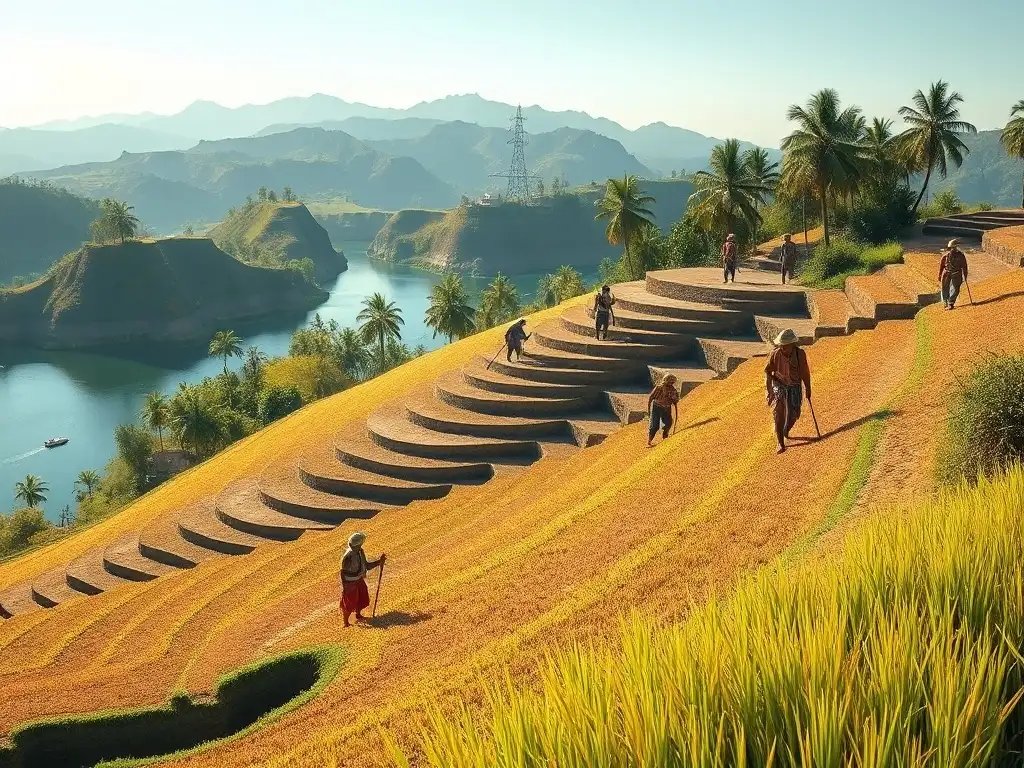
Ancient Indian irrigation techniques provide invaluable lessons for today’s agricultural practices. The sophisticated systems that emerged from the ingenuity of ancient civilizations have influenced contemporary water management and farming methods. One of the most significant takeaways is the emphasis on sustainable practices. Ancient societies, like those in the Indus Valley, utilized a variety of irrigation methods that ensured efficient water use, such as rainwater harvesting and the construction of reservoirs. These strategies are especially relevant today, as modern agriculture grapples with the challenges of water scarcity and climate change.
Additionally, ancient practices underscore the importance of community involvement in irrigation management. Many irrigation systems were maintained collectively, fostering a sense of shared responsibility among farmers. This communal approach can be mirrored in modern initiatives, where local stakeholders collaborate to enhance water use efficiency and sustainability.
Sustainable Water Management Techniques
Sustainable water management techniques from ancient India remain pertinent as we face increasing water scarcity. One prominent example is the stepwell, which was designed to capture and store rainwater. These structures not only provided a reliable water source during dry periods but also contributed to groundwater recharge. Implementing similar designs in modern contexts can help communities manage water resources more effectively.
Moreover, the practice of crop rotation observed in ancient India played a crucial role in maintaining soil health and ensuring optimal water usage. By rotating crops, ancient farmers could minimize water consumption and prevent soil depletion. Today, integrating crop rotation with modern agricultural practices can enhance sustainability and productivity.
Innovations Derived from Ancient Practices
Ancient Indian irrigation techniques have inspired various innovations in modern agriculture. One significant innovation is the use of percolation tanks—large, shallow reservoirs designed to capture runoff water. These tanks were instrumental in recharging groundwater and can be adapted today to combat water scarcity in arid regions.
Additionally, the concept of flood irrigation, which was prevalent in ancient times, has evolved into modern techniques like surface irrigation. While flood irrigation can lead to water wastage if not managed carefully, modern adaptations incorporate better management practices to enhance efficiency and minimize losses.
Challenges Faced in Ancient Indian Irrigation
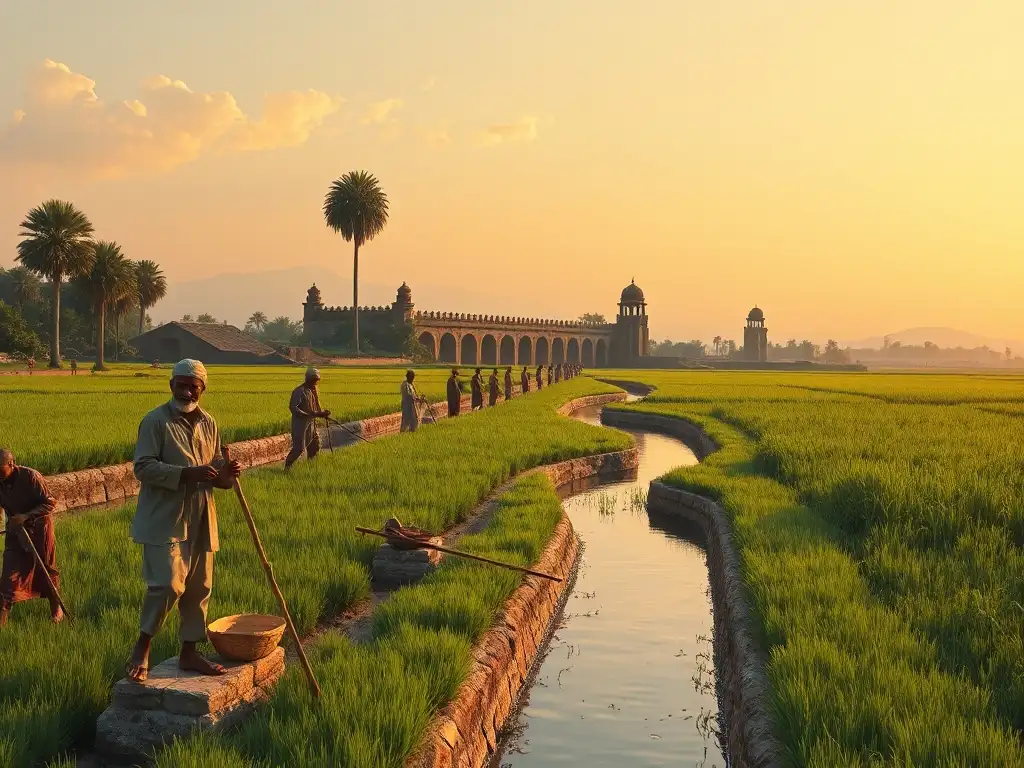
Despite the advanced irrigation systems in ancient India, several challenges hindered their effectiveness. Understanding these challenges can provide insight into contemporary issues faced in agricultural irrigation.
Environmental and Climate Factors
Environmental and climate factors significantly impacted ancient Indian irrigation systems. Variability in rainfall patterns, as well as seasonal floods and droughts, posed substantial challenges. For instance, the reliance on monsoon rains made agriculture vulnerable to climatic shifts. During periods of inadequate rainfall, crop yields suffered, leading to food shortages.
These climatic challenges necessitated the development of adaptive strategies, such as building check dams and creating irrigation canals to divert and store water. Recognizing the importance of climate resilience is crucial for modern agricultural practices, particularly in the wake of climate change.
Socio-Political Influences on Irrigation Systems
The socio-political landscape also played a crucial role in shaping ancient Indian irrigation systems. The management of water resources was often tied to the ruling authorities, who would impose taxes on water usage or allocate resources based on political agendas. This control could lead to unequal distribution and conflict among communities.
Moreover, the caste system influenced access to irrigation resources, with certain groups having preferential treatment over others. Understanding these socio-political dynamics can help modern societies develop more equitable water management policies that prioritize community needs and prevent conflicts over water resources.
The study of ancient Indian irrigation techniques reveals essential lessons and innovations for modern agricultural practices while also highlighting the challenges that must be navigated to ensure sustainable development in today's context.
Comparative Analysis: Ancient vs. Modern Irrigation Techniques
The evolution of irrigation techniques from ancient India to modern agricultural practices provides a fascinating lens through which to understand the development of agriculture over time. Ancient Indian irrigation techniques were not only innovative for their time, but they also laid the groundwork for many practices that are still relevant today. A comparative analysis reveals both similarities and differences in the methods employed, as well as the potential advantages of integrating these ancient techniques into contemporary farming.
Similarities and Differences in Methods
While ancient Indian irrigation systems, such as the sophisticated canals of the Indus Valley Civilization and the step wells of Gujarat, were primarily designed to harness local water sources, modern techniques often involve more complex technologies and mechanization.
- Similarities:
- Both ancient and modern systems emphasize the importance of water conservation and management.
- Techniques such as crop rotation and soil management remain critical in both eras for maintaining agricultural productivity.
- The use of natural features, like rivers and slopes, to facilitate irrigation is a common principle.
- Differences:
- Ancient systems relied heavily on gravity-fed irrigation and manual labor, whereas modern systems utilize pumps, drip irrigation, and automated technologies.
- The scale of operation has vastly increased, with modern agriculture often operating on a much larger scale than ancient practices.
- Modern irrigation techniques incorporate extensive data analysis and technological innovations, such as precision agriculture, which were non-existent in ancient times.
Advantages of Integrating Ancient Techniques in Modern Agriculture
Integrating ancient Indian irrigation techniques into modern agricultural practices can yield several benefits:
- Sustainability: Ancient methods were designed to be sustainable, often using local materials and renewable resources. This can inspire modern practices that prioritize environmental health.
- Cost-effectiveness: Many ancient techniques require less investment in technology and infrastructure. Utilizing methods like contour farming or rainwater harvesting can reduce costs for farmers.
- Resilience to Climate Change: Ancient systems often demonstrate resilience to climatic variations, as they were developed in response to local environmental conditions. Incorporating these practices could enhance modern agricultural systems' adaptability to climate change.
- Cultural Relevance: Reviving ancient techniques can strengthen cultural identity and community ties, which is particularly valuable in rural areas.
Conclusion: The Legacy of Ancient Indian Irrigation Techniques
The legacy of ancient Indian irrigation techniques continues to resonate in contemporary agricultural practices. Their influence can be seen in various aspects of modern farming, from water management to community engagement.
Continuing Influence on Contemporary Agricultural Policies
Modern agricultural policies increasingly recognize the importance of traditional knowledge and practices. Governments and organizations are beginning to integrate ancient irrigation techniques into policy frameworks to enhance food security and promote sustainable development. Initiatives that focus on rainwater harvesting, watershed management, and community-based irrigation reflect the enduring impact of these ancient systems.
Future Prospects for Agricultural Practices Inspired by Ancient Systems
Looking ahead, the prospects for agriculture inspired by ancient Indian irrigation techniques are promising. As the world faces growing challenges such as water scarcity and climate change, revisiting and adapting these time-tested methods could provide valuable solutions. Research and innovation can merge ancient wisdom with modern technology, creating hybrid systems that optimize resource use while respecting traditional practices. This approach not only preserves cultural heritage but also fosters sustainable agricultural practices for future generations.
- Introduction to Ancient Indian Irrigation Techniques
- Historical Context of Ancient Indian Irrigation
- Types of Ancient Indian Irrigation Techniques
- The Role of Ancient Indian Irrigation in Agriculture
- Lessons from Ancient Indian Irrigation for Modern Practices
- Sustainable Water Management Techniques
- Innovations Derived from Ancient Practices
- Challenges Faced in Ancient Indian Irrigation
- Comparative Analysis: Ancient vs. Modern Irrigation Techniques
- Conclusion: The Legacy of Ancient Indian Irrigation Techniques
- What are some ancient Indian irrigation techniques?
- How did these techniques impact agricultural practices in ancient India?
- In what ways do modern practices draw from ancient Indian irrigation?
- How did the Indus Valley Civilization utilize irrigation?
- What role did the Gupta Empire play in the development of irrigation?
Frequently Asked Questions
What are some ancient Indian irrigation techniques?
Ancient Indian civilizations developed advanced irrigation techniques such as stepwells, canals, and tank systems to efficiently manage water resources for agriculture.
How did these techniques impact agricultural practices in ancient India?
These irrigation systems significantly boosted crop yields and allowed for sustainable farming by ensuring a reliable water supply, which was crucial for the success of agricultural societies.
In what ways do modern practices draw from ancient Indian irrigation?
Modern agricultural practices have adapted ancient techniques by incorporating water conservation methods and gravity-fed systems, emphasizing the importance of sustainable water management.
How did the Indus Valley Civilization utilize irrigation?
The Indus Valley Civilization utilized complex drainage systems and canal networks to support their agriculture, showcasing their engineering skills and understanding of water management.
What role did the Gupta Empire play in the development of irrigation?
During the Gupta Empire, there was a significant advancement in irrigation with the construction of large reservoirs and canal systems, leading to improved agricultural prosperity and trade.
Final Reflection: The Timeless Legacy of Ancient Indian Irrigation Techniques
The exploration of ancient Indian irrigation techniques reveals a profound connection between historical practices and modern agricultural sustainability. As we face the challenges of climate change and food security today, the wisdom embedded in these age-old methods offers invaluable insights. The ingenuity of our ancestors in managing water resources is not just a relic of the past; it is a beacon guiding us toward a more sustainable future.
The influence of ancient Indian irrigation on contemporary agricultural practices is a testament to the resilience and adaptability of human innovation. These techniques, which harmonized with the natural environment, continue to inspire modern farmers and agricultural scientists alike. As we witness a resurgence in interest towards sustainable farming, it is crucial to remember that "the past is not dead; it is not even past." > William Faulkner. This quote encapsulates the idea that our historical practices can inform and enhance our current approaches, creating a bridge between tradition and innovation.
As we reflect on the lessons learned from ancient Indian irrigation, I invite you to consider how these principles can be applied in your own life or community. Embrace the challenge of sustainability by exploring local practices, advocating for water conservation, and supporting agricultural methods that honor our planet's resources. Let us not only remember the past but actively engage with it to cultivate a future where agriculture thrives in harmony with nature.
Revitalize Your Farming Techniques Today!
Thank you for taking the time to explore the fascinating ways ancient Indian irrigation has shaped modern agriculture! You've uncovered valuable insights into sustainable practices that can truly transform your approach to farming. Now, it’s time to put that knowledge into action!
Here are a few practical steps you can take right now to integrate ancient wisdom into your agricultural routines:
- Implement rainwater harvesting techniques: Learn about traditional methods and adapt them to create sustainable water management systems on your farm.
- Discover crop rotation strategies used by ancient civilizations to enhance soil health and boost productivity.
- Share your discoveries with local farming communities or online forums; engage in discussions to inspire others to explore the benefits of these time-tested practices.
How will you incorporate these powerful irrigation techniques into your farming practices to enhance sustainability and productivity? We’d love to hear your thoughts!