
The Integration of Spiritual and Academic Learning in Ancient India

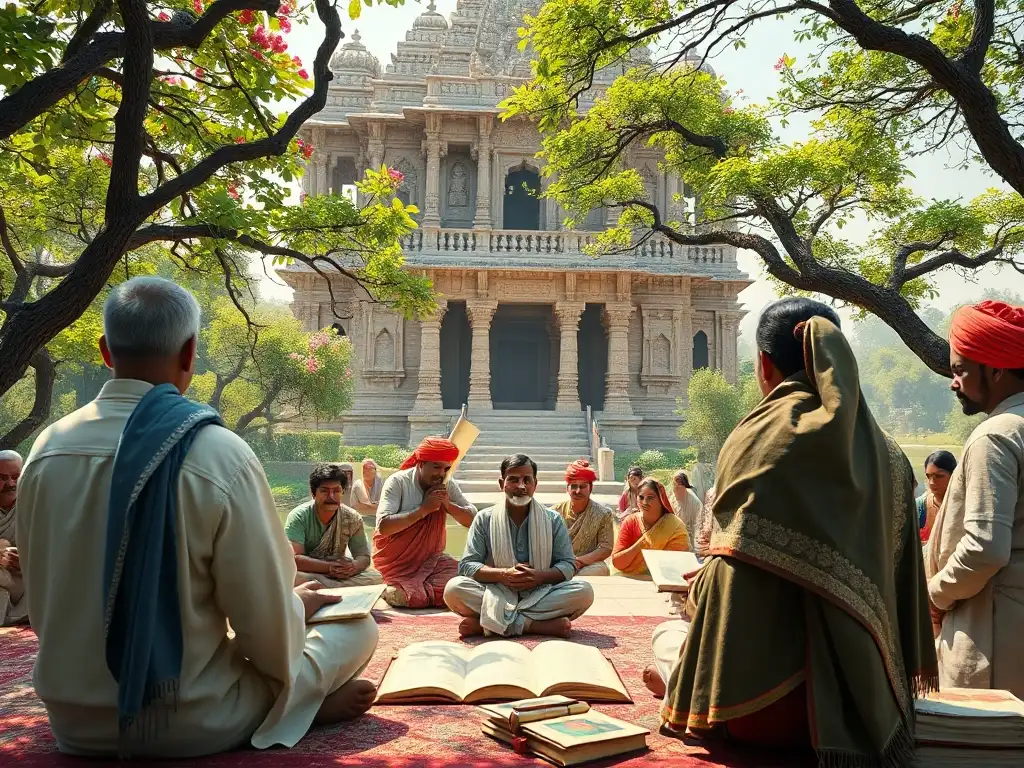
Welcome to Ancient India History, where we embark on an enlightening journey through the rich tapestry of one of the world's oldest civilizations. In our featured article, “The Integration of Spiritual and Academic Learning in Ancient India,” we delve into the profound ways ancient Indian societies harmonized spiritual pursuits with academic inquiry. Discover how this unique blend shaped not only their educational systems but also their culture and innovations. Prepare to be intrigued as you explore the depths of knowledge, wisdom, and enlightenment that flourished in ancient India—your adventure into the past begins here!
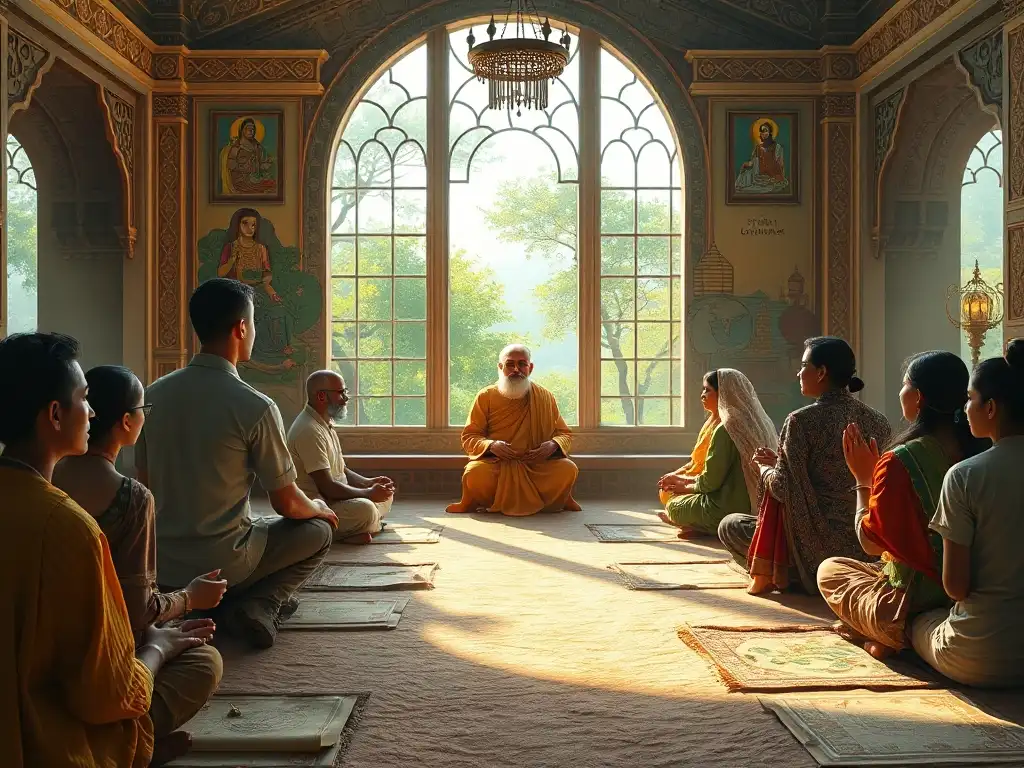
The ancient Indian educational system is renowned for its unique approach to learning, emphasizing the harmonious coexistence of spiritual and academic pursuits. This integration not only shaped the intellectual landscape of the time but also laid the groundwork for a holistic understanding of knowledge that transcended mere memorization and rote learning.
From the Vedic period through the flourishing of universities such as Nalanda and Takshashila, the concept of learning in ancient India encompassed both the quest for spiritual enlightenment and the acquisition of worldly knowledge. This article explores the intricate relationship between spiritual and academic learning in ancient India, highlighting how these elements were interwoven to create a rich tapestry of education that influenced generations.
Understanding Spiritual and Academic Learning in Ancient India
Definition of Spiritual Learning in Ancient Indian Context
Spiritual learning in ancient India was primarily rooted in the pursuit of self-realization and understanding of the cosmos. It involved studying sacred texts, engaging in meditation, and practicing various rituals that aimed to connect the individual with the divine. This form of learning was not merely theoretical; it demanded personal experience and introspection, fostering a deep sense of morality and ethics. Spiritual gurus played a pivotal role in guiding students through this journey, emphasizing the importance of inner peace and enlightenment.
Definition of Academic Learning in Ancient Indian Context
In contrast, academic learning in ancient India focused on the systematic study of various disciplines, including mathematics, astronomy, medicine, and philosophy. This form of education was often conducted in established centers of learning, where scholars shared knowledge through lectures, debates, and discussions. Academic learning was characterized by a structured curriculum that encouraged critical thinking and intellectual discourse. Texts like the Arthashastra and Siddhanta Shiromani exemplify the wealth of knowledge that was systematically compiled and taught.
The Interrelationship between Spiritual and Academic Learning
The interrelationship between spiritual and academic learning in ancient India was profound. While spiritual learning sought to transcend the material world, academic learning provided the tools to understand and navigate it. Scholars believed that true knowledge could only be attained by balancing both realms. For instance, many ancient texts were composed not only to impart academic knowledge but also to convey deeper spiritual insights. This duality enriched the educational experience, allowing students to develop a comprehensive worldview that combined ethics, philosophy, and practical knowledge.
Historical Background of Educational Systems in Ancient India
Overview of Education in Ancient Indian Civilizations
The educational systems in ancient Indian civilizations were diverse and evolved over millennia. Early education was informal, often taking place within families or communities, where oral traditions were passed down. As societies became more complex, formal institutions emerged, leading to the establishment of renowned universities. Education was highly valued, with a strong emphasis on the importance of both spiritual and academic growth.
Key Ancient Indian Universities and Their Contributions
Among the most notable institutions of learning in ancient India was Nalanda University, which flourished from the 5th to the 12th centuries CE. It attracted scholars from various parts of the world, fostering an environment of intellectual exchange and innovation. The curriculum at Nalanda included subjects such as philosophy, logic, grammar, and medicine, all taught in conjunction with spiritual studies. Takshashila, another prominent university, also contributed significantly to the integration of spiritual and academic learning, influencing the educational paradigms that followed.
The integration of spiritual and academic learning in ancient India created a unique educational framework that not only nurtured intellectual growth but also fostered moral and ethical development. This holistic approach continues to inspire modern educational philosophies, emphasizing the importance of balancing knowledge with wisdom.
Philosophical Foundations of Spiritual and Academic Learning
The philosophical underpinnings of spiritual and academic learning in ancient India are deeply rooted in the interplay between knowledge, spirituality, and morality. Central to this integration is the concept of dharma, which emphasizes the moral and ethical duties of individuals in their quest for knowledge. This pursuit was not merely for personal gain; it was seen as a communal responsibility to elevate society as a whole. The ancient texts, including the Vedas and Upanishads, advocate for the pursuit of both spiritual wisdom and academic knowledge, suggesting that true understanding comes from harmonizing the two.
The idea of Brahman—the ultimate reality or cosmic spirit—is crucial in shaping how knowledge was perceived. Scholars believed that through learning, individuals could approach a deeper understanding of Brahman, thereby achieving enlightenment. The synthesis of spiritual and academic learning was not only a personal journey but also a means to attain moksha (liberation) through wisdom, ethics, and self-realization.
Influences of Hinduism on Education
Hinduism has significantly influenced the educational landscape of ancient India, where spiritual learning was intertwined with academic pursuits. The Gurukul system, a traditional form of education, emphasized close teacher-student relationships, allowing for a holistic approach to learning. Students would reside with their guru, engaging in rigorous study of sacred texts, philosophy, mathematics, astronomy, and arts, all while being guided in spiritual practices such as meditation and rituals.
The Vedas, particularly the Upanishads, served as foundational texts that shaped the curriculum by linking various subjects to broader spiritual concepts. Subjects like Yoga and Vedanta were not merely academic disciplines; they were pathways to spiritual enlightenment, reflecting the belief that knowledge should lead to self-realization and ethical living.
Buddhist Contributions to Learning
Buddhism, emerging around the 6th century BCE, introduced a transformative perspective on learning and knowledge acquisition. With a strong emphasis on mindfulness and meditative practices, Buddhist education sought to cultivate not only intellectual understanding but also emotional and spiritual growth. The establishment of monasteries as centers of learning, such as the famed Nalanda University, highlighted the integration of spiritual and academic pursuits.
Buddhist teachings encouraged the study of logic, ethics, and metaphysics, creating a curriculum that emphasized critical thinking and personal experience in the pursuit of truth. The Tripitaka, a collection of sacred texts, provided a foundation for various academic subjects while encouraging students to engage deeply with their own spiritual journeys.
Jain Perspectives on Knowledge and Spirituality
Jainism contributions to ancient Indian education emphasized the importance of ahimsa (non-violence) and truth in the pursuit of knowledge. Jains viewed knowledge as a means to achieve liberation from the cycle of birth and rebirth, and thus, education was seen as a sacred endeavor. The Jain philosophy encouraged a curriculum that included subjects such as logic, grammar, and philosophy, all grounded in ethical living.
Jain scholars, such as Hemachandra, made significant contributions to linguistics and mathematics, reflecting the belief that academic learning must align with spiritual values. The Jains also established educational institutions that fostered a holistic approach to learning, promoting both intellectual and spiritual development.
Curriculum of Ancient Indian Universities
The curriculum of ancient Indian universities was characterized by a comprehensive approach that integrated spiritual teachings with academic disciplines. Students were encouraged to explore various fields of knowledge, with an understanding that each subject contributed to their overall spiritual and intellectual growth.
Subjects Taught and Their Spiritual Significance
Ancient Indian universities offered a diverse array of subjects, including:
- Philosophy: Explored concepts of existence, ethics, and the nature of reality, fostering deep contemplation on spiritual matters.
- Mathematics and Astronomy: Provided practical tools essential for understanding the cosmic order, reflecting the interconnectedness of the universe.
- Medicine (Ayurveda): Emphasized holistic health, intertwining physical well-being with mental and spiritual health.
- Literature and Arts: Encouraged creative expression as a means of exploring the human experience and connecting with the divine.
Each of these subjects was taught not just for academic achievement but also for their capacity to enhance one’s spiritual journey, reinforcing the belief that knowledge must lead to wisdom and compassion.
Methodologies of Teaching and Learning
The methodologies employed in ancient Indian universities were diverse, combining oral traditions with experiential learning. The Gurukul system facilitated personalized instruction, allowing students to engage directly with their gurus. This method emphasized dialogue, debate, and critical thinking, fostering an environment where inquiry was encouraged.
Additionally, group discussions and meditative practices were integral to the learning process. Students would often meditate on the teachings, seeking a deeper understanding and personal connection to the material. The use of storytelling and mythology also played a crucial role, as narratives were employed to convey complex philosophical concepts in a relatable manner.
In essence, the integration of spiritual and academic learning in ancient India was a multifaceted approach that sought to cultivate well-rounded individuals. This holistic education model not only enriched the intellectual landscape but also nurtured the spiritual essence of learners, laying the groundwork for future generations.
Practices of Integration in Ancient Indian Education
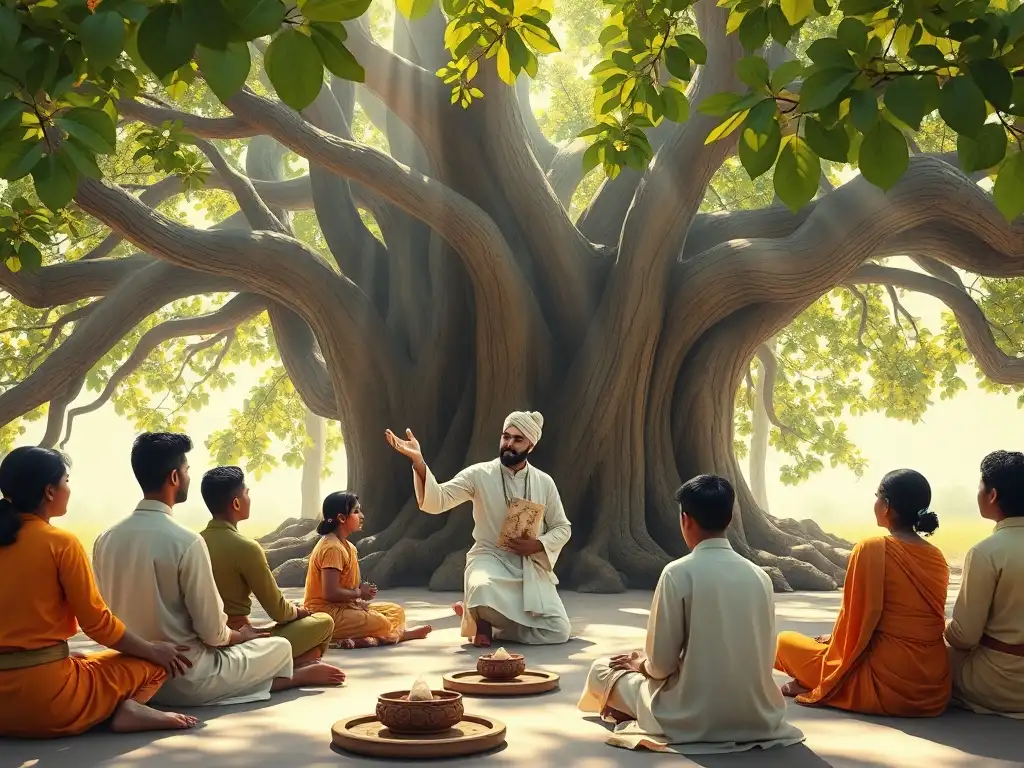
Ancient Indian education was characterized by a harmonious blend of spiritual and academic pursuits. This integration was not merely a pedagogical approach but a holistic philosophy that sought to cultivate the mind, body, and spirit of students. The educational institutions, particularly the renowned universities like Nalanda and Takshashila, emphasized that knowledge was not an isolated endeavor; rather, it was intertwined with the moral and spiritual dimensions of life. This synergy fostered an environment where students were encouraged to seek wisdom not just through academic study but also through introspection and ethical living.
The curriculum in ancient Indian universities often included subjects such as philosophy, mathematics, astronomy, and medicine, all taught alongside spiritual teachings. This dual focus aimed to produce not only learned individuals but also wise and ethical leaders. Students were trained to think critically and reflectively, allowing them to engage deeply with both scholarly texts and spiritual doctrines. This integration was further facilitated through various practices that enhanced learning and personal growth.
Meditation and Its Role in Learning
Meditation played a pivotal role in the educational practices of ancient India, serving as a tool for both concentration and self-realization. Students were often taught to meditate as a means of calming the mind and enhancing cognitive functions. This practice allowed learners to focus deeply on their studies, leading to improved retention and understanding of complex subjects.
Moreover, meditation was not only about personal tranquility but also about connecting with a larger spiritual framework. It encouraged students to reflect on their place in the universe and their responsibilities towards society. The benefits of meditation were recognized by scholars such as Patanjali, who integrated these practices into the study of yoga and philosophy, emphasizing the importance of mental discipline in achieving academic success.
Rituals and Their Impact on Academic Pursuits
Rituals in ancient Indian education served as significant markers of progress and commitment to learning. These rituals often included ceremonies that honored deities, ancestors, and the pursuit of knowledge itself. Students typically engaged in rituals before beginning their studies, which invoked blessings and guided their academic journeys.
The impact of these rituals was profound; they created a sacred atmosphere conducive to learning. By participating in these practices, students cultivated a sense of reverence for knowledge and a commitment to ethical scholarship. The integration of rituals into academic life reinforced the idea that learning was a spiritual pursuit, grounding students in a tradition that valued both intellectual and moral development.
The Role of Gurus in Spiritual and Academic Development
Gurus, or teachers, occupied a central role in the educational landscape of ancient India. They were not just instructors but also spiritual guides who shaped the character and intellect of their disciples. The guru-disciple relationship was fundamental to the learning process, emphasizing respect, devotion, and personal connection.
Gurus imparted knowledge through a holistic approach, intertwining academic teachings with spiritual insights. This mentorship fostered an environment where students could explore profound philosophical questions while receiving guidance on ethical living. The teachings of prominent gurus shaped the intellectual traditions of ancient India and established a legacy of integrated learning that influenced generations.
Case Studies of Prominent Scholars
Contributions of Aryabhata
Aryabhata, one of the most celebrated scholars of ancient India, made groundbreaking contributions to mathematics and astronomy. His work, Aryabhatiya, synthesized both scientific inquiry and philosophical thought, demonstrating the interconnectedness of academic and spiritual learning. Aryabhata introduced concepts such as the place-value system and the approximation of pi, which were revolutionary for his time.
His approach to learning emphasized the importance of observation and reasoning, aligning with the spiritual quest for truth. Aryabhata's legacy continues to influence contemporary mathematics and astronomy, illustrating the enduring impact of integrated learning on academic disciplines.
Impact of Panini on Language and Grammar
Panini, an ancient Indian grammarian, is renowned for his work on Sanskrit grammar through his text Ashtadhyayi. His analytical approach to language laid the foundation for linguistic studies and established a rigorous framework for grammar that remains relevant today. Panini's work exemplified the fusion of academic precision with philosophical inquiry, as he explored the nuances of language not only as a means of communication but also as a vehicle for expressing deeper truths.
His contributions emphasized that language is both an intellectual tool and a spiritual expression, reflecting the broader principles of integrated learning that characterized ancient Indian education.
The Legacy of Nagarjuna in Philosophy
Nagarjuna, a prominent philosopher and a key figure in the development of Mahayana Buddhism, significantly influenced the philosophical landscape of ancient India. His concept of sunyata (emptiness) challenged conventional notions of reality and knowledge, prompting deep reflection on the nature of existence.
Nagarjuna's teachings emphasized the importance of critical thinking and dialectical reasoning, integrating academic inquiry with spiritual understanding. His legacy is a testament to the profound interplay between philosophy and spirituality in ancient Indian education, illustrating how scholars navigated complex ideas while remaining anchored in ethical and spiritual principles.
The Relevance of Ancient Indian Educational Practices Today
The educational practices of ancient India, particularly those that integrated spiritual and academic learning, hold significant relevance even in contemporary educational paradigms. Ancient Indian universities, such as Nalanda and Takshashila, exemplified a system where knowledge was not merely academic but also deeply intertwined with spiritual and ethical development. This holistic approach cultivated well-rounded individuals who were not only scholars but also morally and spiritually grounded.
In modern times, the emphasis on standardized testing and compartmentalized subjects often overlooks the importance of developing the whole person. The ancient Indian model advocates for a more comprehensive educational framework that combines intellectual rigor with spiritual growth, thereby fostering critical thinking, creativity, and a sense of purpose. As educators and policymakers seek to reform education systems worldwide, the principles derived from ancient Indian practices can provide valuable insights into creating a more balanced and enriching learning environment.
Lessons from Spiritual and Academic Learning in Modern Education
The integration of spiritual and academic learning in ancient India offers several lessons that can be applied to modern education. First, it emphasizes the value of interdisciplinary studies where subjects are not taught in isolation but are interconnected. For instance, understanding mathematics within the context of philosophy or science alongside ethics can lead to deeper comprehension and application of knowledge.
Moreover, ancient Indian education promoted self-reflection and mindfulness, encouraging students to engage in practices like meditation and contemplation. These practices can enhance focus, emotional intelligence, and resilience in today's students, preparing them for the complexities of modern life.
Additionally, the role of teachers, or gurus, in ancient India was not just to impart knowledge but to mentor and guide students on their spiritual and academic journeys. This mentorship model can be crucial today, as personalized education is becoming more recognized as a driver of student success.
The Importance of Holistic Learning Approaches
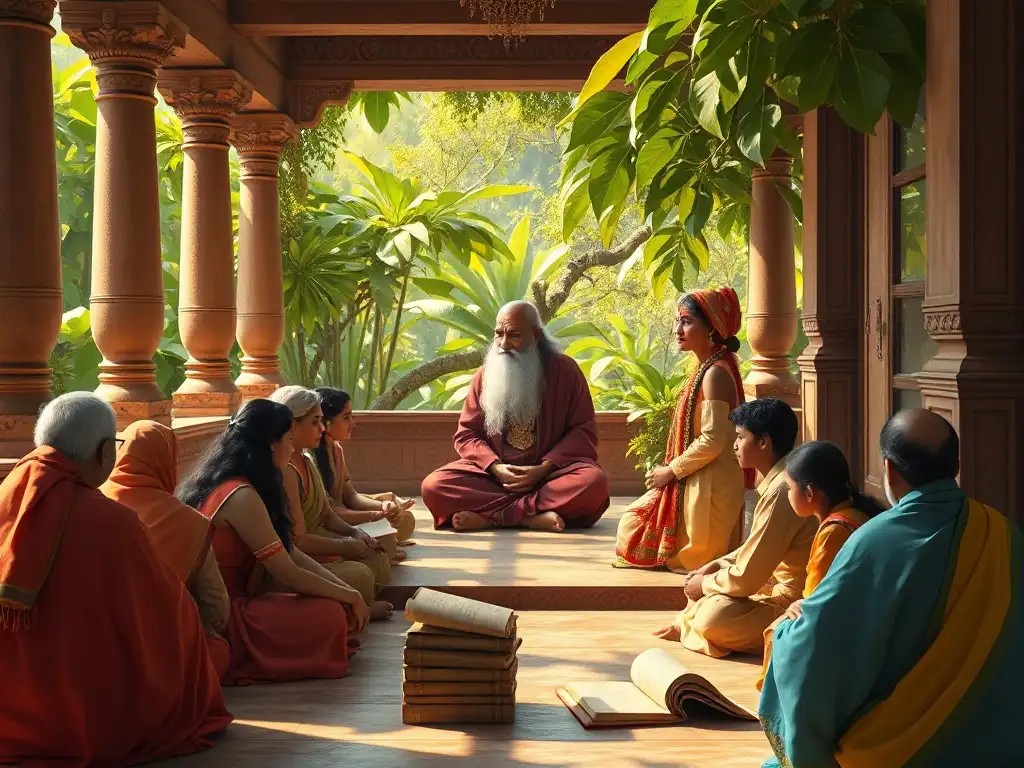
Holistic learning approaches, as practiced in ancient India, prioritize the development of the mind, body, and spirit. This comprehensive model recognizes that learning is not solely an intellectual endeavor; it encompasses emotional and spiritual dimensions as well.
Incorporating holistic practices into education can foster well-being, increase motivation, and enhance learning outcomes. For example, incorporating yoga and meditation into the curriculum can help students manage stress and improve concentration. Furthermore, teaching values such as compassion, integrity, and respect can create a more positive and inclusive school culture.
Research supports the effectiveness of holistic education, showing that students who engage in these practices demonstrate improved academic performance, better social skills, and greater life satisfaction. The ancient Indian educational framework, with its emphasis on the interconnectedness of knowledge and personal growth, provides a compelling model for contemporary educational systems looking to nurture well-rounded individuals.
Conclusion
The integration of spiritual and academic learning in ancient India offers profound insights into the educational systems of today. By understanding and applying the principles of holistic education, modern educators can enhance the learning experience and prepare students not only for academic success but also for meaningful and fulfilled lives.
Summary of Key Points on Spiritual and Academic Learning in Ancient India
- Holistic Education: Ancient Indian universities provided an education that encompassed both spiritual and academic growth, fostering well-rounded individuals.
- Interdisciplinary Studies: Knowledge was not compartmentalized; subjects were interconnected, enhancing overall understanding.
- Mentorship: The role of teachers was paramount, focusing on guiding students in both intellectual and spiritual realms.
- Mindfulness Practices: The inclusion of meditation and self-reflection contributed to emotional and intellectual development.
Final Thoughts on the Legacy of Ancient Indian Education Systems
The legacy of ancient Indian education systems is a treasure trove of wisdom that continues to inspire modern educational practices. As we navigate the challenges of contemporary education, revisiting the integration of spiritual and academic learning can lead to more enriched, compassionate, and effective educational experiences. Embracing this legacy not only honors the past but also paves the way for a more holistic approach to education that nurtures the mind, body, and spirit.
- Understanding Spiritual and Academic Learning in Ancient India
- Historical Background of Educational Systems in Ancient India
- Philosophical Foundations of Spiritual and Academic Learning
- Curriculum of Ancient Indian Universities
- Practices of Integration in Ancient Indian Education
- Case Studies of Prominent Scholars
- The Relevance of Ancient Indian Educational Practices Today
- Lessons from Spiritual and Academic Learning in Modern Education
- The Importance of Holistic Learning Approaches
- Conclusion
- Summary of Key Points on Spiritual and Academic Learning in Ancient India
- Final Thoughts on the Legacy of Ancient Indian Education Systems
- What were the primary forms of spiritual learning in ancient India?
- How did academic learning develop in ancient Indian civilizations?
- What was the relationship between spiritual and academic learning in ancient India?
- How did ancient Indian contributions influence modern education systems?
- What role did gurus play in the learning process in ancient India?
Frequently Asked Questions
What were the primary forms of spiritual learning in ancient India?
Ancient India emphasized spiritual learning through texts such as the Vedas and Upanishads, which provided insights into philosophy, meditation, and the nature of the self.
How did academic learning develop in ancient Indian civilizations?
Academic learning flourished in institutions like Nalanda and Takshashila, where subjects such as mathematics, astronomy, and medicine were extensively taught.
What was the relationship between spiritual and academic learning in ancient India?
In ancient India, spiritual and academic learning were interconnected, as many scholars viewed knowledge as a means to achieve spiritual enlightenment.
How did ancient Indian contributions influence modern education systems?
The curricula developed in ancient Indian centers of learning laid the groundwork for subjects like philosophy, logic, and science, influencing modern academic frameworks.
What role did gurus play in the learning process in ancient India?
Gurus were essential in the learning process, guiding students through both spiritual and academic teachings, ensuring a holistic approach to education.
Final Reflection: The Harmonious Blend of Spiritual and Academic Learning in Ancient India
The integration of spiritual and academic learning in ancient India remains profoundly relevant today, as it highlights the necessity of a holistic approach to education. In a world increasingly driven by specialization and compartmentalization, the ancient Indian model serves as a powerful reminder that knowledge is not merely a collection of facts but a pathway to deeper understanding and personal growth. This timeless wisdom encourages us to seek balance in our own educational journeys, blending intellectual pursuits with spiritual awareness.
Cultural and social landscapes continue to be shaped by the principles established in ancient India, where education was viewed as a means to cultivate both the mind and the spirit. The legacy of this integrated approach can be seen in contemporary discussions about the importance of emotional intelligence, mindfulness, and ethical reasoning in education.
As Mahatma Gandhi once said, "> The true measure of any society can be found in how it treats its most vulnerable members." This quote encapsulates the essence of ancient Indian learning, where the ultimate goal was not just to acquire knowledge but to use it for the betterment of society.
As we reflect on the lessons from ancient India, let us embrace the call to cultivate both our intellectual and spiritual selves. Consider how you can integrate these dimensions into your own life, whether through mindfulness practices, ethical decision-making, or a commitment to lifelong learning. The journey toward a more balanced existence begins with each of us, and by honoring the wisdom of the past, we can forge a brighter future that honors both the mind and the spirit.
Embrace the Wisdom of the Past!
Thank you for exploring the profound relationship between spiritual and academic learning in ancient India. Your interest not only enriches your knowledge but also connects you with a legacy that continues to inspire us today. Now, it’s time to take this exploration further!
Here are some actionable steps you can take right now:
- Dive deeper into the philosophical texts of ancient India—choose one and reflect on how its teachings can be applied to modern academic pursuits.
- Join a local or online discussion group focused on integrating spirituality into education to share insights and learn from others.
- Share this article with friends or on social media to spark conversations about the importance of merging spiritual wisdom with academic knowledge.
What aspects of ancient Indian learning do you believe are most relevant to today’s educational practices? Let's start a conversation!