
Innovations in Teaching Methods Used in Ancient Indian Universities

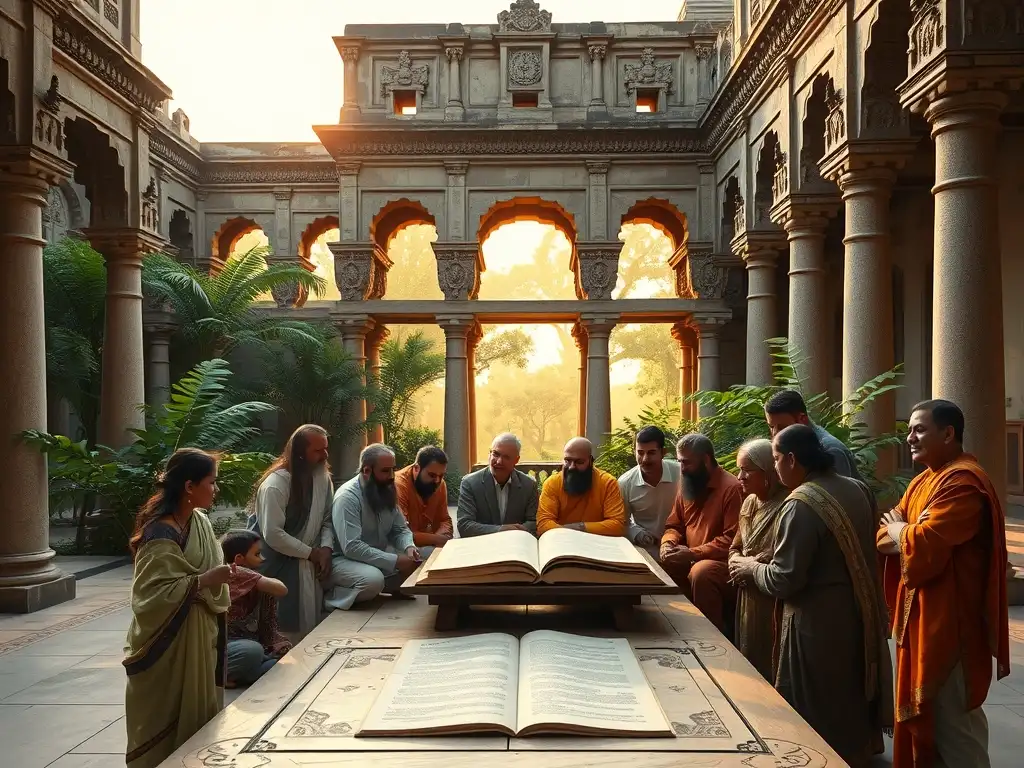
Welcome to Ancient India History, where we embark on a captivating journey through the rich tapestry of ancient Indian civilizations. Here, you will uncover the profound impact of ancient Indian university teaching methods that shaped the minds of scholars and thinkers long before modern education systems took root. Discover the innovative practices that not only laid the groundwork for academic excellence but also fostered an environment of inquiry and discourse.
As you delve deeper into the article, prepare to be intrigued by the legacy of knowledge that continues to influence educational philosophies today. Let’s explore the wisdom of the past and its relevance to our present!
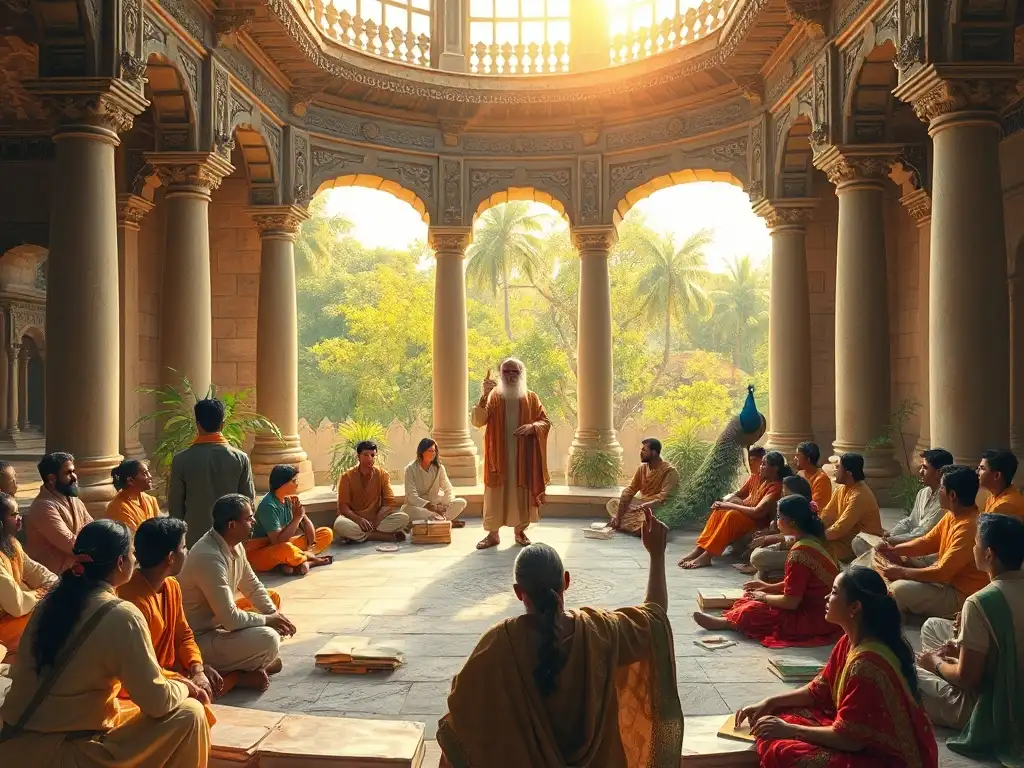
The educational landscape of ancient India is a fascinating tapestry woven with rich traditions, innovative practices, and profound philosophical insights. Among the most notable features of this landscape were the universities, such as Nalanda and Takshashila, which served as centers of learning and scholarship from the 5th century BCE to the 12th century CE. These institutions not only imparted knowledge but also cultivated a unique approach to teaching that has influenced educational practices for centuries.
The teaching methods used in ancient Indian universities were characterized by a blend of oral traditions, interactive learning, and critical thinking, which contributed significantly to the holistic development of students. This article explores the innovations in teaching methods employed in ancient Indian universities, shedding light on their historical context and enduring relevance.
Introduction to Ancient Indian University Teaching Methods
Overview of Ancient Indian Universities
Ancient Indian universities were remarkable institutions that attracted students from various regions, including neighboring countries. Notable universities like Nalanda, established in the 5th century CE, offered a diverse curriculum encompassing subjects such as philosophy, medicine, mathematics, astronomy, and linguistics. These universities were not merely places of academic pursuit; they were vibrant communities that fostered intellectual exchange and cultural dialogue.
- Key Features of Ancient Indian Universities:
- Diverse Curriculum: Courses included a wide range of subjects promoting interdisciplinary learning.
- Residential System: Students lived on campus, allowing for a collaborative learning environment.
- Expert Faculty: Renowned scholars and philosophers served as educators, guiding students through complex subjects.
Importance of Teaching Methods in Education
The teaching methods employed in ancient Indian universities played a crucial role in shaping the educational experience. Unlike the rote learning prevalent in many contemporary educational systems, ancient Indian teaching methods emphasized understanding, discussion, and critical analysis. This focus on interactive learning nurtured students’ ability to think independently and engage with diverse viewpoints.
- Benefits of Innovative Teaching Methods:
- Encouraged Critical Thinking: Students were trained to question assumptions and analyze information critically.
- Fostered Collaboration: Group discussions and debates were integral to the learning process.
- Developed Communication Skills: Oral presentations and dialogues were common, enhancing students' articulation and persuasion abilities.
Historical Context of Teaching Methods in Ancient Indian Universities
Evolution of Educational Practices
The evolution of teaching methods in ancient Indian universities can be traced back to the Vedic period, where education was primarily oral, relying on the transmission of knowledge through discussions and debates among scholars. As educational practices evolved, universities began to adopt more structured approaches, incorporating written texts and formal syllabi.
- Key Phases of Evolution:
- Vedic Period: Oral transmission of knowledge through recitation and memorization.
- Buddhist Influence: Introduction of systematic teaching methodologies, including lectures and group discussions.
- Gupta Period: The establishment of formal curricula and diverse subjects reflecting societal needs.
Influence of Philosophical Traditions on Teaching
Philosophical traditions such as Buddhism, Jainism, and Hinduism significantly influenced teaching methods in ancient Indian universities. These philosophies promoted values like inquiry, debate, and ethical reasoning, which were integral to the educational process. Educators encouraged students to engage with philosophical texts critically and apply their insights to real-world contexts.
- Philosophical Contributions:
- Buddhism: Emphasized experiential learning and the importance of understanding personal experiences.
- Jainism: Advocated for non-violence and ethical considerations in knowledge dissemination.
- Hinduism: Encouraged a holistic approach to education, integrating moral and spiritual dimensions.
Ancient Indian universities exemplified innovative teaching methods that prioritized critical thinking and collaborative learning. The historical context of these methods, influenced by philosophical traditions and evolving educational practices, laid the groundwork for a rich intellectual heritage that continues to inspire modern educational systems.
Prominent Ancient Indian Universities and Their Teaching Methods
Ancient Indian universities were renowned for their innovative teaching methods, which significantly contributed to the intellectual legacy of the region. Two of the most prominent institutions, Nalanda University and Takshashila (Taxila), exemplified a rich tapestry of educational practices that fostered critical thinking, debate, and practical application of knowledge. These universities attracted students from various countries, making them melting pots of ideas and cultures. Their teaching methodologies were characterized by a blend of theoretical instruction and practical engagement, laying the groundwork for future educational systems.
Nalanda University: A Hub of Knowledge
Nalanda University, established in the 5th century CE, is often regarded as one of the first residential universities in the world. It was a center for Buddhist studies but also offered a wide range of subjects, including philosophy, astronomy, mathematics, and medicine. The teaching methods at Nalanda were innovative in several ways:
- Lecture-based Learning: Professors would deliver lectures, often drawing on classical texts and their own experiences. This method allowed for structured learning where students could absorb large amounts of information in a relatively short time.
- Debate and Discussion: Nalanda emphasized critical discourse, where students were encouraged to challenge ideas and engage in debates. This approach not only enhanced understanding but also nurtured public speaking and analytical skills.
- Mentorship: Senior students often mentored juniors, creating a collaborative learning environment. This peer-to-peer interaction facilitated deeper understanding and fostered a sense of community.
- Use of Manuscripts and Texts: Students had access to a vast library of manuscripts, which they could study, copy, and analyze. This practice ensured that knowledge was preserved and disseminated effectively.
Nalanda's teaching methods were highly influential, shaping the educational landscape of ancient India and beyond.
Takshashila (Taxila): The Birthplace of Diverse Learning
Takshashila, or Taxila, is considered one of the earliest universities in the world, with roots tracing back to the 6th century BCE. It was a hub for scholars from various fields, including medicine, philosophy, and military strategy. The teaching methods at Takshashila were notable for their diversity and inclusivity:
- Specialization in Various Disciplines: Students at Takshashila could choose from a range of subjects tailored to their interests, promoting specialized learning. This flexibility allowed learners to pursue their passions and develop expertise in specific areas.
- Practical Application of Knowledge: Emphasizing hands-on experiences, Takshashila encouraged students to engage in real-world applications of their studies, particularly in fields like medicine and agriculture. This practical orientation ensured that knowledge was not merely theoretical but applicable in daily life.
- Multilingual Education: Instruction was often conducted in multiple languages, reflecting the diverse backgrounds of students. This inclusivity enhanced communication skills and cultural awareness among learners.
- Field Studies and Site Visits: Students engaged in fieldwork, which involved visits to relevant sites related to their studies. This experiential learning approach reinforced theoretical knowledge through practical exposure.
Overall, Takshashila's teaching methods were pivotal in shaping a holistic educational experience that integrated various dimensions of learning.
Key Innovations in Teaching Methods
The educational systems of ancient Indian universities were characterized by several key innovations that set them apart from contemporary practices. These innovations contributed to a rich learning environment that fostered intellectual growth and creativity.
Use of Interactive Learning Techniques
Interactive learning techniques were central to the educational philosophy of ancient Indian universities. These methods enhanced student engagement and ensured active participation in the learning process. Specific techniques included:
- Socratic Method: Educators employed a question-and-answer format, encouraging students to explore concepts critically. This method promoted deep thinking and self-reflection.
- Group Discussions: Regular group discussions allowed students to share perspectives, challenge each other's viewpoints, and collaboratively arrive at conclusions. This approach fostered a sense of community and teamwork.
- Role-Playing and Simulations: Students often engaged in role-playing exercises, particularly in subjects like political science and philosophy, enabling them to understand complex concepts through experiential learning.
These interactive techniques not only improved knowledge retention but also developed essential skills such as teamwork, critical thinking, and effective communication.
Integration of Practical Learning
The integration of practical learning into the curriculum was another hallmark of ancient Indian universities. This approach ensured that students could apply theoretical knowledge in real-world scenarios, thereby enhancing their educational experience. Key aspects included:
- Laboratory Work and Experiments: In fields like medicine and science, students conducted experiments and laboratory work, bridging the gap between theory and practice. This hands-on experience was invaluable for mastering complex subjects.
- Apprenticeships and Internships: Students were often placed in apprenticeships with skilled professionals, allowing them to gain practical experience and insights into their chosen fields. This model of learning by doing was instrumental in skill development.
- Field Research: Encouraging field research allowed students to investigate real-world problems and apply their learning to address them. This method fostered critical thinking and problem-solving skills.
By integrating practical learning into their curricula, ancient Indian universities ensured that students were well-equipped to enter various professions and contribute meaningfully to society.
The Role of Gurus and Mentors in Ancient Indian Education

In ancient Indian education, the role of gurus and mentors was paramount. These knowledgeable individuals were not merely instructors; they embodied the essence of wisdom and learning, guiding their students through personal experience and wisdom. The relationship between a guru and a disciple (shishya) was deeply rooted in respect, trust, and a shared pursuit of knowledge. This dynamic fostered an environment conducive to learning, where students were encouraged to engage deeply with the material, ask questions, and pursue intellectual curiosity.
The guru's role extended beyond the classroom. They served as moral and ethical guides, instilling values and principles that shaped the character of their students. The education system was holistic, focusing not only on academic learning but also on the development of the individual's character and societal role. This approach ensured that knowledge was not merely theoretical but was also applicable to daily life, promoting personal growth and societal contribution.
Guru-Shishya Tradition: A Unique Teaching Method
The Guru-Shishya tradition is a distinctive pedagogical model that characterized ancient Indian educational practices. In this system, the guru imparted knowledge through direct instruction, often in an informal setting, such as the guru's home or an open space in nature. This one-on-one interaction allowed for personalized attention and tailor-made teaching methods, adapting to the unique learning pace and style of each student.
The curriculum was not rigid; it encompassed a wide range of subjects, including philosophy, mathematics, astronomy, and the arts. Practical learning was emphasized, where students often engaged in discussions, debates, and hands-on activities. This interactive format fostered critical thinking and deeper understanding, as students were encouraged to apply their knowledge in real-world contexts.
Moreover, the spiritual dimension of education was significant, with many teachings integrating philosophical and ethical discussions that encouraged students to contemplate their place in the universe and their responsibilities toward society.
Impact of Personal Mentorship on Learning Outcomes
The personal mentorship provided by gurus had a profound impact on learning outcomes for students in ancient Indian universities. The close relationship fostered a safe space for exploration and intellectual risk-taking, allowing students to challenge existing paradigms and develop independent thought. This mentorship model led to remarkable outcomes, including:
- Enhanced Understanding: Students were able to grasp complex concepts more easily through personalized explanations and discussions.
- Development of Critical Thinking: The encouragement to question and debate ideas helped hone analytical skills, making students adept thinkers.
- Emotional and Social Growth: The mentor-student bond contributed to emotional intelligence, as students learned to navigate interpersonal relationships and societal roles.
- Lifelong Learning: The values instilled by mentors often led students to become lifelong learners, perpetuating the cycle of knowledge and wisdom in society.
Comparative Analysis of Teaching Methods
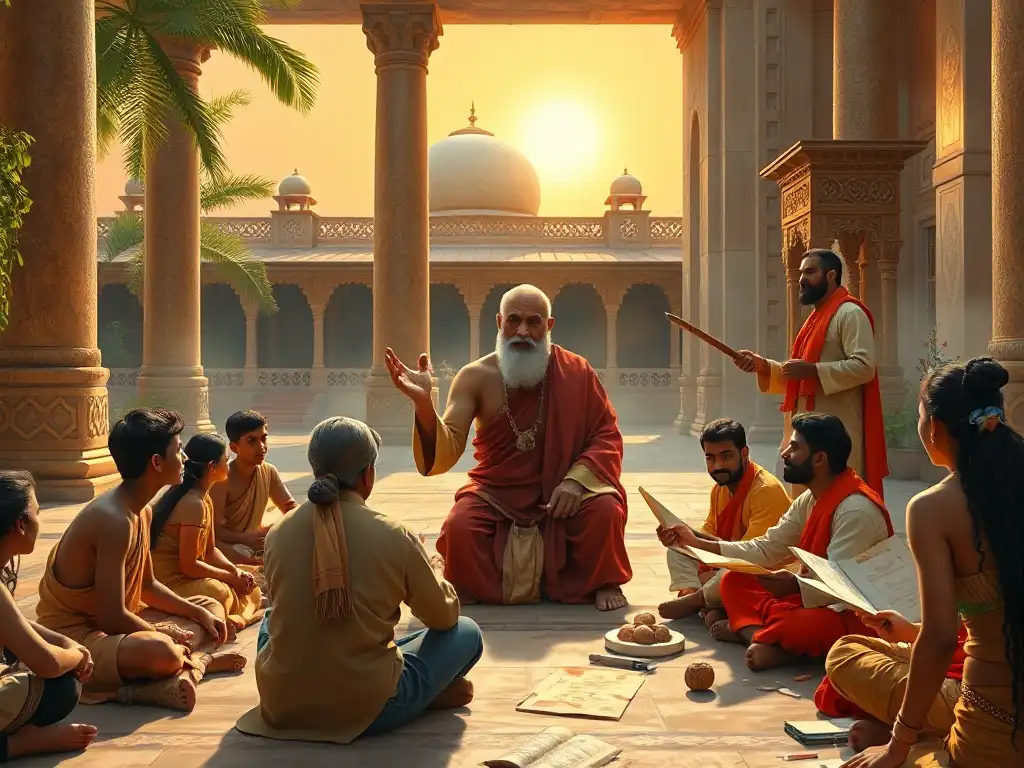
In analyzing the teaching methods used in ancient Indian universities, it is essential to understand how these approaches differ from contemporary educational practices. The ancient methods were deeply rooted in personal interaction, respect for knowledge, and the holistic development of the student.
Teaching Methods in Ancient Indian Universities vs. Contemporary Practices
Ancient Indian universities, such as Nalanda and Takshashila, employed a teaching methodology characterized by:
- Interactive Learning: Unlike the often lecture-based contemporary practices, ancient methods emphasized dialogue and discussion between students and mentors.
- Personalized Instruction: The individualized attention provided by gurus contrasts with the often standardized approaches used in modern classrooms, which can overlook the unique needs of each student.
- Integration of Ethics: Ancient education systems integrated moral and ethical teachings, a focus that is sometimes absent in modern curricula dominated by standardized testing and performance metrics.
This comparison reveals a significant shift in educational philosophy, where ancient methods fostered a holistic and interactive learning environment, while contemporary practices may prioritize efficiency and uniformity.
Lessons Learned from Ancient Innovations for Modern Education
Ancient Indian university teaching methods offer valuable lessons for today's educational landscape. By examining these historical practices, modern educators can glean insights that may enhance current teaching methodologies:
- Emphasizing Relationships: Establishing strong mentor-student relationships can improve engagement and retention of knowledge.
- Fostering Critical Thinking: Encouraging students to question and debate can stimulate deeper learning and intellectual growth.
- Holistic Education: Integrating moral and ethical discussions into the curriculum can cultivate well-rounded individuals who contribute positively to society.
- Personalized Learning: Adopting more personalized teaching approaches can address diverse learning styles and needs, leading to improved outcomes for all students.
By revisiting these ancient practices, contemporary education systems can strive to create environments that not only impart knowledge but also nurture the next generation of thinkers and leaders.
Conclusion
The teaching methods employed in ancient Indian universities, such as Nalanda and Takshashila, reveal a sophisticated and innovative approach to education that has significantly influenced pedagogical practices across the world. These methods prioritized critical thinking, dialogue, and experiential learning, fostering an environment where students were encouraged to engage actively with their subjects.
The emphasis on a holistic education that encompassed not just academic knowledge but also moral and philosophical development laid the groundwork for a system of learning that valued intellectual inquiry and personal growth. As we reflect on these historical educational practices, it becomes clear that they continue to resonate with contemporary educational philosophies and can inspire modern teaching methods.
The Legacy of Ancient Indian University Teaching Methods
The legacy of ancient Indian university teaching methods persists in various facets of modern education. The use of discussion-based learning, mentorship, and a curriculum that integrates multiple disciplines can be traced back to these ancient institutions. For instance, the Socratic method, which emphasizes dialogue and questioning, finds parallels in the ancient Indian approach where debate and discourse were fundamental.
Moreover, the focus on student-centered learning, where the teacher acts more as a facilitator than a mere source of information, has become increasingly relevant in today’s educational landscape. The integration of ethics, philosophy, and practical skills in ancient curricula also serves as a model for holistic education that many modern educators strive to achieve.
Relevance of Ancient Educational Innovations Today
In a rapidly changing world, the educational innovations of ancient Indian universities hold significant relevance. The challenges faced in current educational systems, such as rote memorization and a lack of critical thinking, echo the limitations that ancient scholars sought to overcome. By revisiting the active learning strategies and interdisciplinary approaches of the past, educators today can cultivate environments that foster innovation, creativity, and critical engagement among students.
Additionally, the respect for diverse perspectives and inclusion of varied subjects in learning reflect values that are crucial in today’s multicultural classrooms. As we explore new pedagogies, ancient Indian university methods can inform and inspire educational reforms aimed at developing well-rounded individuals prepared to face contemporary challenges.
References
Key Texts and Historical Sources on Ancient Indian Universities
- Buddhist Literature: Texts such as the "Dīgha Nikāya" and "Majjhima Nikāya" provide insights into the pedagogical practices of Buddhist universities.
- Historical Accounts: Writings by travelers like Xuanzang (Hiuen Tsang), who documented his experiences at Nalanda, serve as primary sources detailing the curriculum and teaching methods.
- Classical Texts: Works like "Nyāyabhāṣya" by Gautama and "Brahmasūtra" by Badarayana highlight the philosophical underpinnings that shaped educational discourse in ancient India.
Further Reading on Teaching Methods in Ancient India
- "Ancient Indian Education: Brahmanical and Buddhist": by G. C. Pande - This book explores the different educational systems prevalent in ancient India and their methodologies.
- "Nalanda: The Ancient Centre of Learning": by Shailendra Kumar - A comprehensive study on Nalanda, its teaching practices, and its impact on education.
- "The Art of Learning in Ancient India" by Kumudeshwar Sharma - This text discusses various learning strategies employed in ancient Indian schools and universities.
- "Education in Ancient India" by R. C. Gupta - An overview of the educational landscape, including teaching methods and institutional frameworks.
- Introduction to Ancient Indian University Teaching Methods
- Historical Context of Teaching Methods in Ancient Indian Universities
- Prominent Ancient Indian Universities and Their Teaching Methods
- Key Innovations in Teaching Methods
- The Role of Gurus and Mentors in Ancient Indian Education
- Guru-Shishya Tradition: A Unique Teaching Method
- Impact of Personal Mentorship on Learning Outcomes
- Comparative Analysis of Teaching Methods
- Conclusion
- References
- What were the main ancient Indian universities known for?
- How did teaching methods in ancient Indian universities differ from modern approaches?
- What role did gurus play in ancient Indian university teaching?
- Were there any specific subjects that ancient Indian universities specialized in?
- How have ancient Indian university teaching methods influenced modern education?
Frequently Asked Questions
What were the main ancient Indian universities known for?
Ancient Indian universities, such as Nalanda and Takshashila, were renowned for their comprehensive teaching methods and diverse curriculum, focusing on fields like mathematics, astronomy, and philosophy.
How did teaching methods in ancient Indian universities differ from modern approaches?
Ancient Indian universities emphasized oral transmission of knowledge, group discussions, and practical applications, contrasting with today’s more structured and standardized educational frameworks.
What role did gurus play in ancient Indian university teaching?
Gurus were central to the educational process, serving as both mentors and authorities. They facilitated interactive learning and encouraged critical thinking among students.
Were there any specific subjects that ancient Indian universities specialized in?
Yes, ancient Indian universities specialized in a variety of subjects, including logic, medicine, grammar, and the arts, reflecting the holistic nature of education in ancient India.
How have ancient Indian university teaching methods influenced modern education?
The emphasis on debate, discussion, and practical knowledge in ancient Indian universities has influenced modern educational practices, particularly in fields that value critical thinking and collaborative learning.
Final Reflection: The Enduring Legacy of Ancient Indian University Teaching Methods
The teaching methods employed in ancient Indian universities are not just relics of the past; they are foundational pillars of education that resonate with contemporary pedagogical practices. As we navigate the complexities of modern education, the principles of inquiry-based learning, holistic development, and collaborative knowledge-sharing that originated in institutions like Nalanda and Takshashila remain profoundly relevant. These ancient practices remind us that education is a dynamic process, one that thrives on the exchange of ideas and the nurturing of critical thinking skills.
The influence of these ancient teaching methods extends far beyond their historical context; they continue to shape our cultural and social landscapes today. The emphasis on student-centered learning and experiential education found in ancient Indian universities has inspired modern educators to rethink their approaches. As we reflect on this legacy, we can appreciate the wisdom of the past that encourages us to foster environments where learners are active participants in their educational journeys. Education is the most powerful weapon which you can use to change the world.
– Nelson Mandela. This sentiment echoes the ethos of ancient Indian universities, where education was seen as a transformative force.
As we look to the future, let us embrace the lessons from ancient Indian university teaching methods and integrate them into our own lives and educational practices. I invite you to reflect on how you can apply these timeless principles in your learning or teaching endeavors. Whether you are a student, educator, or lifelong learner, consider how fostering curiosity, collaboration, and critical thinking can enhance your educational experience. By honoring the wisdom of the past, we can create a more enriching and impactful future for ourselves and generations to come.
Unveil the Wisdom of Ancient Education!
Thank you for diving into the fascinating world of ancient Indian universities! We hope you gained valuable insights into the innovative teaching methods that have shaped education throughout history. Now, let’s take these lessons and apply them in today’s context.
Here are some actionable steps you can take right now:
- Embrace Collaborative Learning: Start a study group or discussion session with friends to share insights on educational methods from various cultures!
- Explore Ancient Texts: Visit your local library or find digital resources to read original writings from historical scholars and discover how their ideas can inspire modern teaching.
- Share Your Findings: Engage with your network on social media; post a thoughtful reflection on how ancient methods could transform contemporary education.
What innovative teaching practice from ancient times do you believe could be most beneficial if reintroduced in today's classrooms? Let’s spark a conversation!