
The Interplay of Art and Architecture in Ancient Indian Temples

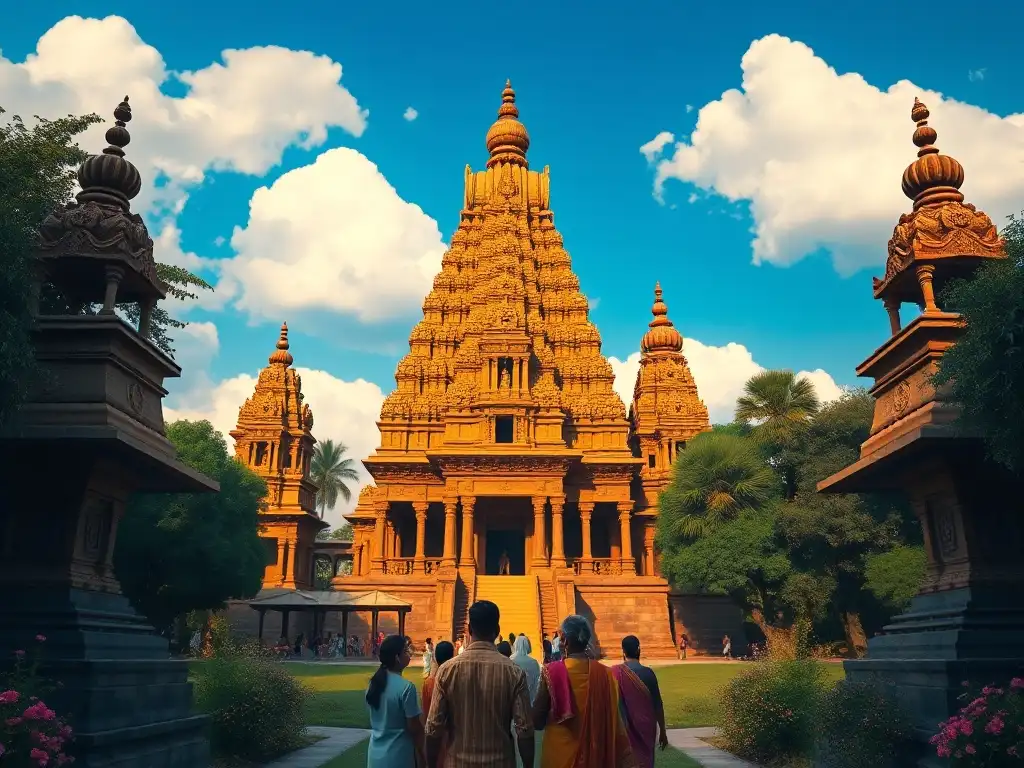
Welcome to Ancient India History, where we embark on an extraordinary journey through time to uncover the rich tapestry of civilizations that shaped the Indian subcontinent. Dive into our featured article, "The Interplay of Art and Architecture in Ancient Indian Temples," and discover how the intricate designs and profound philosophies of ancient Indian temple architecture reflect the artistry and spiritual depth of a culture that has captivated minds for centuries. As you explore, prepare to be enchanted by the stories that lie within these magnificent structures, and let your curiosity guide you deeper into the wonders of our past.
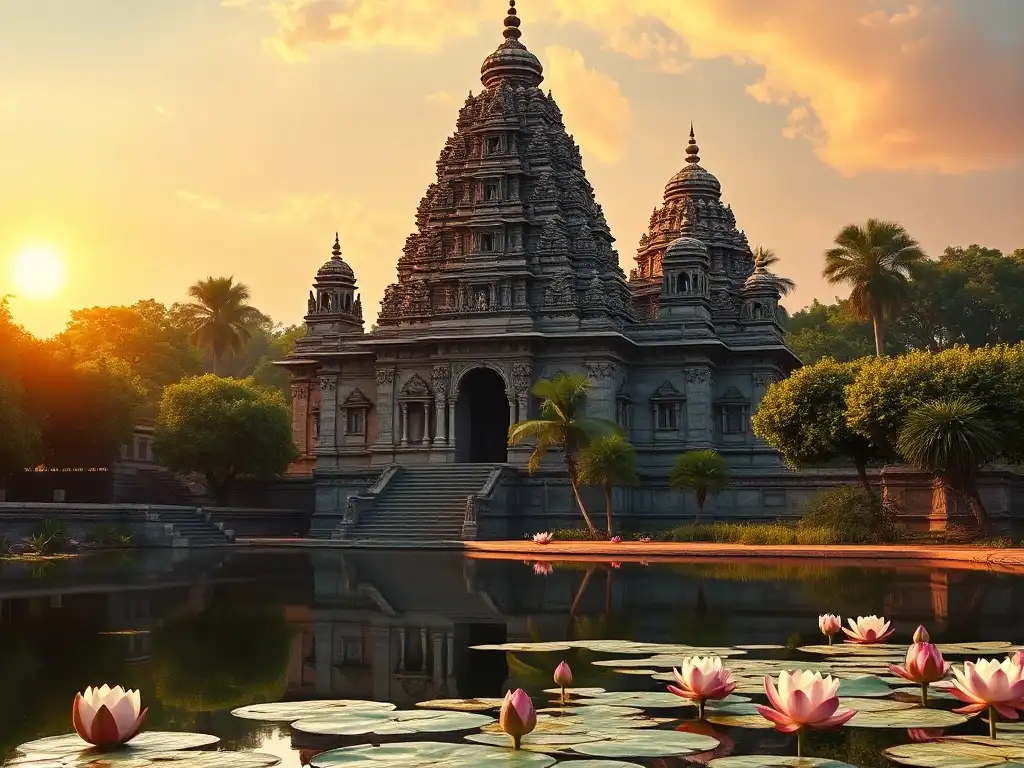
Introduction to Ancient Indian Temple Architecture
The exploration of Ancient Indian temple architecture unveils a captivating narrative that intertwines religion, culture, and artistry. Temples in ancient India served not only as places of worship but also as reflections of the socio-political landscape, technological advancements, and philosophical ideologies of their time. This article delves into the profound relationship between art and architecture in the construction of Indian temples, highlighting how these structures were designed to embody spiritual ideals while showcasing the rich artistic heritage of various civilizations.
Overview of Ancient Indian Temples
Ancient Indian temples are renowned for their intricate designs and monumental scale, often characterized by towering spires, ornate carvings, and elaborate sculptures. These temples varied widely in style and structure, influenced by regional traditions and historical contexts. Key examples include:
- Hindu Temples: Such as the Brihadeeswarar Temple in Thanjavur, showcasing Dravidian architecture.
- Buddhist Stupas: Like the Great Stupa at Sanchi, emphasizing simplicity and meditation.
- Jain Temples: Notable for their exquisite marble work, as seen in the Dilwara Temples of Rajasthan.
These structures serve as a testament to the artistic prowess and technological capabilities of ancient Indian artisans and architects, embodying a complex blend of aesthetics and spirituality.
Importance of Art and Architecture in Ancient India
Art and architecture in ancient India were not merely functional; they were deeply interwoven with the cultural and spiritual ethos of the time. Temples acted as centers of community life, where art flourished through:
- Religious Iconography: Sculptures and reliefs depicting deities, mythological events, and moral tales that conveyed spiritual teachings.
- Architectural Innovation: The use of advanced techniques, such as the corbel arch and intricate stone carving, which demonstrated the ingenuity of ancient builders.
The interplay between art and architecture in temples not only enhanced their beauty but also served as a medium for storytelling and expression of devotion, making them crucial to understanding ancient Indian culture.
Historical Context of Ancient Indian Temple Architecture
The historical context surrounding ancient Indian temple architecture reveals a fascinating evolution influenced by various political, cultural, and religious changes over millennia.
The Evolution of Temple Design in Ancient India
The design of ancient Indian temples evolved significantly from the early rock-cut caves of the Mauryan period to the grand stone temples of the Gupta era. Key stages in this evolution include:
- Rock-Cut Temples: The earliest examples, such as those at Ajanta and Ellora, which were hewn from solid rock and decorated with frescoes.
- Structural Temples: The introduction of free-standing stone temples during the Gupta period, exemplified by the Dashavatara Temple at Deogarh.
This evolution reflects a transition from utilitarian structures to intricate, monumental edifices that showcased the sophistication of ancient Indian civilization.
Major Influences on Architectural Styles
Several influences shaped the architectural styles of ancient Indian temples, including:
- Geographical Diversity: Different regions developed unique styles based on local materials and climatic conditions, leading to the emergence of distinct architectural schools, such as Nagara (North India) and Dravidian (South India).
- Cultural Interactions: The amalgamation of ideas from neighboring regions, such as Persia and Central Asia, contributed to a rich tapestry of architectural elements.
Understanding these influences provides insight into the diverse expressions of ancient Indian temple architecture and its enduring legacy in the world of art and architecture.
Key Features of Ancient Indian Temple Architecture
Ancient Indian temple architecture is characterized by a unique blend of artistry, spirituality, and functionality. The foundational principles of this architecture can be observed through several key features:
- Vimana and Shikhara: The towering structure above the sanctum sanctorum, known as the vimana in South India and shikhara in North India, symbolizes the connection between the earthly realm and the divine. These structures often feature intricate carvings and are designed to elevate the temple’s spiritual significance.
- Mandapa: This is a pillared hall that serves as an entrance to the sanctum. The mandapa reflects the architectural style of the temple and is often adorned with elaborate sculptures and motifs that narrate mythological stories.
- Garbhagriha: The innermost chamber of a temple where the main deity resides, the garbhagriha is crucial for the temple's spiritual purpose. Its orientation and design are meticulously planned to enhance the aura of sanctity.
- Use of Stone: Stone was the primary material used in ancient Indian temples, allowing for detailed carvings and durability. The choice of stone often varied by region, with granite prevalent in the South and sandstone in the North.
- Water Tanks and Gardens: Many temples were built with associated water tanks and gardens, reflecting the importance of nature in religious practices. These elements not only served practical purposes but also created a serene environment for worshippers.
Sculptural Elements in Temple Design
Sculptural elements play a pivotal role in ancient Indian temple architecture, serving not just as decorative features but as important components of the temple's religious narrative.
- Religious Iconography: Temples are often adorned with intricate sculptures of deities, celestial beings, and mythological figures, which serve as visual representations of religious stories. Each sculpture is meticulously crafted to portray specific attributes and narratives of the deities.
- Narrative Reliefs: Many temples feature continuous friezes that depict stories from sacred texts like the Ramayana and Mahabharata. These reliefs not only enhance the aesthetic appeal but also serve an educational purpose, imparting religious teachings to devotees.
- Symbolic Motifs: Various motifs, such as lotuses, elephants, and peacocks, are commonly found in temple sculptures. Each motif carries specific meanings, often representing purity, strength, and beauty, reinforcing the temple's spiritual message.
Symbolism in Architectural Features
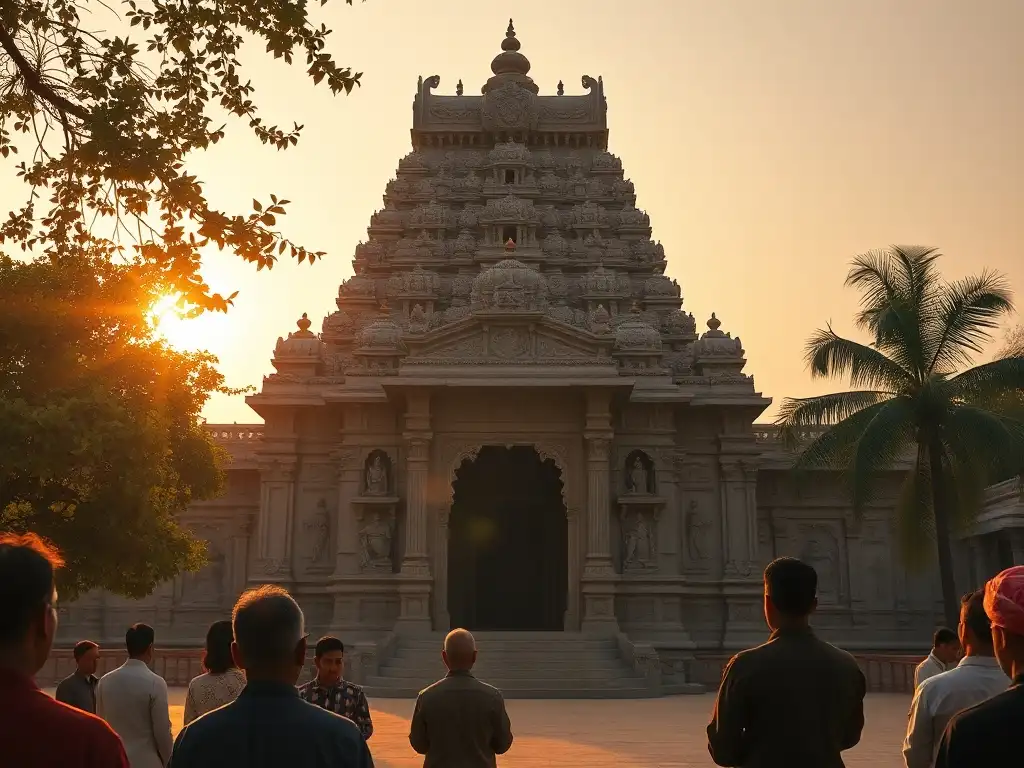
The symbolism embedded in the architectural features of ancient Indian temples enhances their spiritual significance and conveys deeper philosophical meanings.
- Direction and Orientation: Temples are often aligned with cardinal directions, with the sanctum typically facing the east to catch the first rays of the sun, symbolizing enlightenment and the arrival of divine light.
- Sacred Geometry: The layout and design of temples are grounded in sacred geometry, reflecting cosmic proportions and harmony. The square (shquare) and circle are common shapes used, symbolizing the earth and the universe, respectively.
- Use of Colors and Materials: The choice of colors and materials in temple construction often carries symbolic meanings. For instance, white marble signifies purity, while vibrant colors are used to evoke emotions and spiritual fervor among devotees.
Types of Temples: Nagara, Dravidian, and Vesara Styles
Ancient Indian temple architecture is diverse, with notable styles emerging in different regions, each with its own distinct characteristics.
- Nagara Style: Predominantly found in northern India, the Nagara style is characterized by its beehive-shaped shikhara and intricate decorative sculptures. Temples in this style often have a square base and a sanctum that is noticeably elevated.
- Dravidian Style: This style is prevalent in southern India and is known for its towering gopurams (gateway towers) and extensive use of ornate carvings. The Dravidian temples often feature a rectangular plan and are surrounded by a high wall, creating a walled enclosure.
- Vesara Style: A hybrid of the Nagara and Dravidian styles, Vesara architecture is found primarily in the Deccan region. These temples exhibit a mix of straight and curved lines in their shikharas and often incorporate elements from both styles, showcasing a unique architectural synthesis.
The Role of Art in Ancient Indian Temples
Art played a quintessential role in ancient Indian temples, serving as a medium for spiritual expression and cultural identity.
- Iconography and Religious Significance: The visual representation of deities through iconography provides a focal point for worship and devotion. Each icon is imbued with meanings that reflect the beliefs and values of the society, allowing devotees to connect with the divine on a personal level.
- Frescoes and Murals: A Visual Narrative: Frescoes and murals adorned the walls of many temples, depicting scenes from epic tales and religious scriptures. These artworks not only beautified the temple space but also served as a narrative tool to educate the visitors on spiritual teachings and moral lessons.
- The Significance of Carvings and Relief Work: The intricate carvings and relief work found on temple walls and pillars are not merely ornamental but serve as a narrative device, conveying stories of deities, celestial beings, and the cosmic order. They reflect the artistic excellence of the craftsmen and their deep understanding of religious symbolism, enriching the overall temple experience for worshippers.
Architectural Innovations in Ancient Indian Temples
Ancient Indian temples are remarkable not only for their spiritual significance but also for their architectural innovations that have influenced generations of builders and architects. The ingenuity of ancient Indian craftsmen is evident in the diverse styles and structural techniques employed across various regions and epochs.
One of the most notable innovations is the use of shikhara (spire) in North Indian temples and vimana in South Indian temples, which served not only as decorative features but also as a means of drawing the eye heavenward, symbolizing the connection between the divine and the earthly realm. The intricate carvings on these structures often depict deities, celestial beings, and mythological narratives, showcasing the artisans' skill and creativity.
Additionally, the introduction of the mandapa, a pillared hall used for various religious activities, exemplifies functional design that enhances the temple’s usability. The incorporation of sikhara and mandapa into temple architecture demonstrates a sophisticated understanding of space and aesthetics, paving the way for future architectural advancements in the region.
Construction Techniques and Materials Used
The construction of ancient Indian temples involved a deep understanding of local materials and traditional techniques. Master builders employed stone, brick, and wood, each chosen based on regional availability and desired aesthetic outcomes.
- Stone Carving: Temples, particularly in South India, were primarily built from granite, which allowed for detailed carvings that have stood the test of time. The precision of stone masonry is evident in the intricate sculptures and reliefs adorning temple walls.
- Brick Construction: In the eastern regions, notably in Bengal, brick was the primary material, often used in combination with terracotta decorations that added color and texture to the structures.
- Woodwork: In the temples of the Western Ghats, skilled artisans used wood to create elaborate ceilings and intricately carved doors, reflecting the region’s abundant forest resources.
The techniques employed in temple construction were not only practical but also imbued with spiritual significance, emphasizing the belief that the quality of craftsmanship would resonate with the divine.
The Role of Geometry and Proportions in Temple Design
Geometry played a pivotal role in the design of ancient Indian temples, with architects adhering to principles of symmetry and proportion to create harmonious structures. The use of precise measurements ensured that each element of the temple, from the base to the spire, was in perfect alignment, contributing to the overall aesthetic appeal.
The concept of Vaastu Shastra, an ancient Indian science of architecture, guided builders in the placement and orientation of temples. This practice emphasized the importance of cardinal directions and the spatial arrangement of various components to enhance the flow of positive energy.
Moreover, the mandala, a geometric design representing the cosmos, often served as a blueprint for temple layouts. This sacred geometry not only facilitated the physical construction but also symbolized the connection between the temple and the universe, reinforcing the spiritual experience of devotees.
Case Studies of Iconic Ancient Indian Temples
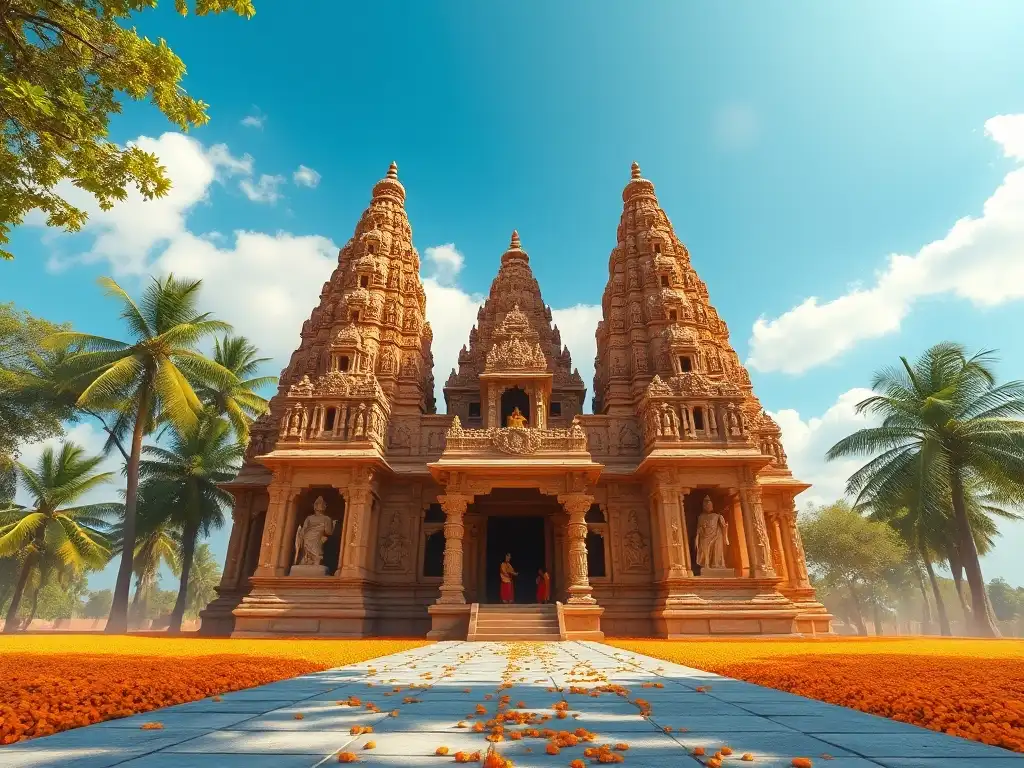
The Brihadeeswarar Temple: A Marvel of Dravidian Architecture
The Brihadeeswarar Temple, located in Thanjavur, Tamil Nadu, is a stunning example of Dravidian architecture, completed in the 11th century under the reign of Rajaraja Chola I. This UNESCO World Heritage site showcases the grandeur of ancient Indian temple architecture with its towering shikhara and expansive courtyard.
The temple is renowned for its massive granite blocks, some weighing over 80 tons, used in its construction. The intricate carvings and sculptures depict various deities, illustrating the artistic prowess of the Chola artisans. A notable feature is the Nandi (sacred bull) statue, which is one of the largest in India, positioned to face the main sanctum.
The engineering marvel of the temple is further highlighted by its perfect proportions and alignment with astronomical phenomena, reflecting the advanced understanding of architecture and astronomy possessed by the ancient builders.
The Sun Temple at Konark: Symbolism and Artistry
The Sun Temple at Konark, Odisha, is a 13th-century architectural masterpiece dedicated to the Sun God, Surya. Designed in the shape of a colossal chariot, it features intricately carved wheels and horses, symbolizing the solar cycle and the passage of time.
The temple’s detailed sculptures narrate various aspects of life, including dance, music, and daily activities, showcasing the artistic excellence of the artisans. The use of khondalite stone not only provided durability but also allowed for intricate carvings that enhance the temple's aesthetic appeal.
Significantly, the temple was designed to align with the sun's rays, with the first light of dawn illuminating the main idol, demonstrating the deep connection between architecture, nature, and spirituality.
The Khajuraho Temples: Fusion of Art and Architecture
The Khajuraho Temples, a UNESCO World Heritage Site in Madhya Pradesh, are famous for their stunning sculptures and intricate erotic carvings. Built during the Chandela dynasty between 950 and 1050 CE, these temples reflect a unique fusion of art and architecture, showcasing the cultural richness of ancient India.
The temples are divided into Western, Eastern, and Southern groups, each exhibiting distinct architectural styles and thematic representations. The Lakshmana Temple, for instance, is celebrated for its exquisite carvings of divine beings and celestial nymphs, while the Kandariya Mahadeva Temple boasts a towering shikhara that symbolizes Mount Meru, the cosmic axis in Hindu mythology.
The intricate detailing and the narrative quality of the sculptures serve as a testament to the artistry of the time, encapsulating a wide range of human experiences and emotions, from the divine to the sensual, within the sacred space of the temple.
The Legacy of Ancient Indian Temple Architecture
The legacy of ancient Indian temple architecture is a testament to the sophisticated craftsmanship and spiritual depth of the civilizations that created these monumental structures. Originating as early as the 3rd century BCE, temple architecture in India evolved through various dynasties, each contributing unique styles and innovations. The intricate designs and symbolic motifs found in these temples not only reflect religious beliefs but also serve as a canvas showcasing the artistic prowess of their time.
Temples like the Brihadeeswarar Temple in Thanjavur and the Kandariya Mahadeva Temple in Khajuraho exemplify the elaborate carvings and architectural techniques that have influenced generations of architects. The use of granite, sandstone, and other durable materials demonstrates the ingenuity of ancient builders, allowing these structures to withstand the test of time. The rich iconography, with depictions of deities, celestial beings, and intricate narratives, further emphasizes the cultural and artistic significance of these temples.
Moreover, ancient Indian temple architecture established guidelines that would influence not only religious structures but also domestic architecture across the subcontinent. The principles of symmetry, proportion, and harmony found in these temples resonate in various forms of Indian architecture, making their legacy an integral part of the broader narrative of India's architectural history.
Influence on Later Architectural Movements
The influence of ancient Indian temple architecture on later architectural movements is profound and far-reaching. As various dynasties rose and fell, the architectural styles of ancient temples laid the groundwork for regional variations seen in subsequent centuries. The Dravidian and Nagara styles, prominent in southern and northern India respectively, drew heavily from earlier temple designs, integrating local materials and climatic considerations into their structures.
In the medieval period, the architectural techniques and aesthetic principles of ancient temples were adopted and adapted by various cultures, including the Indo-Islamic architecture that emerged in the Delhi Sultanate and Mughal Empire. Elements such as intricate jali work, large domes, and expansive courtyards can be traced back to the spatial and decorative strategies found in ancient temples. This cross-pollination of ideas led to a unique architectural vocabulary that merged indigenous styles with foreign influences.
Furthermore, the revival of interest in traditional Indian architecture in the 19th and 20th centuries saw architects and scholars looking back to ancient temple designs for inspiration. Movements such as the Indo-Saracenic style showcased the integration of ancient motifs into modern buildings, highlighting the ongoing relevance of ancient Indian temple architecture in shaping contemporary architectural practices.
Preservation of Ancient Indian Temple Art and Architecture
The preservation of ancient Indian temple art and architecture is crucial for maintaining the cultural heritage and historical narrative of India. Numerous temples, such as the Sun Temple at Konark and the temples of Hampi, have been designated as UNESCO World Heritage Sites, emphasizing their global significance. Preservation efforts involve a combination of archaeological research, restoration techniques, and community engagement to safeguard these structures from natural decay and urban encroachment.
Many organizations and government bodies work tirelessly to document and restore ancient temples, ensuring that their historical context and artistic details are maintained. Techniques such as careful cleaning, structural reinforcement, and the use of traditional materials help in sustaining the authenticity of the original designs. Furthermore, awareness programs aim to educate local communities about the importance of these sites, fostering a sense of pride and responsibility towards their preservation.
Despite these efforts, challenges such as pollution, climate change, and tourism-related wear and tear pose significant threats to the integrity of ancient temples. Ongoing dialogue among historians, conservationists, and the public is essential to develop sustainable practices that protect these invaluable cultural assets for future generations.
Conclusion: The Lasting Impact of Art and Architecture in Ancient Indian Temples
The lasting impact of art and architecture in ancient Indian temples is evident in their continued relevance in contemporary society. These structures are not only places of worship but also serve as cultural landmarks that embody the rich traditions and artistic heritage of India. The intricate carvings, sculptures, and architectural ingenuity reflect the philosophical and cosmological beliefs of their time, creating a timeless dialogue between the past and present.
Reflection on Cultural Heritage and Identity
Ancient Indian temples play a vital role in shaping cultural heritage and identity. They are repositories of history, encapsulating the spiritual, artistic, and social narratives of the communities they serve. For many, these temples are more than mere structures; they are symbols of cultural continuity and resilience. Festivals, rituals, and community gatherings centered around these temples reinforce collective identity and foster a sense of belonging.
The art and architecture of these temples also inspire modern artists and architects, who draw from their rich symbolism and intricate designs. This ongoing relationship between the past and the present highlights the dynamic nature of cultural heritage, as it evolves while remaining rooted in historical traditions.
Future Directions in the Study of Ancient Indian Temple Architecture
The future of studying ancient Indian temple architecture lies in interdisciplinary approaches that integrate archaeology, art history, engineering, and cultural studies. Continued research into the construction techniques, iconography, and socio-political contexts of these temples will yield deeper insights into their significance.
Advancements in technology, such as 3D modeling and digital documentation, offer new avenues for analyzing and preserving ancient temple structures. Collaborative projects that involve local communities, scholars, and international experts can enhance understanding and appreciation of these architectural marvels.
Furthermore, exploring the global connections and influences of ancient Indian temple architecture can provide valuable perspectives on how these structures have shaped and been shaped by historical interactions across cultures. As interest in ancient Indian temple architecture grows, it will undoubtedly continue to inspire future generations in preserving and celebrating this rich artistic legacy.
- Introduction to Ancient Indian Temple Architecture
- Historical Context of Ancient Indian Temple Architecture
- Key Features of Ancient Indian Temple Architecture
- Sculptural Elements in Temple Design
- Symbolism in Architectural Features
- Types of Temples: Nagara, Dravidian, and Vesara Styles
- The Role of Art in Ancient Indian Temples
- Architectural Innovations in Ancient Indian Temples
- Case Studies of Iconic Ancient Indian Temples
- The Legacy of Ancient Indian Temple Architecture
- Conclusion: The Lasting Impact of Art and Architecture in Ancient Indian Temples
- What is the significance of ancient Indian temple architecture?
- How did the Indus Valley Civilization influence temple architecture?
- What are some key features of Gupta Empire temple architecture?
- How does regional diversity affect temple architecture in ancient India?
- What role did religion play in shaping ancient Indian temples?
Frequently Asked Questions
What is the significance of ancient Indian temple architecture?
Ancient Indian temple architecture serves as a reflection of the rich cultural heritage and religious beliefs of the time, showcasing intricate designs and spiritual symbolism.
How did the Indus Valley Civilization influence temple architecture?
The Indus Valley Civilization laid the groundwork for urban planning and architectural techniques, influencing later temple designs with their advanced engineering and artistic styles.
What are some key features of Gupta Empire temple architecture?
During the Gupta Empire, temple architecture is characterized by elaborate carvings, towering shikharas (spires), and a focus on symbolism, reflecting the era's artistic and spiritual advancements.
How does regional diversity affect temple architecture in ancient India?
Regional diversity led to varied architectural styles, materials, and construction techniques, resulting in distinct forms of temple architecture that reflect local traditions and cultural influences.
What role did religion play in shaping ancient Indian temples?
Religion was central to the design and construction of temples, as they were built to honor deities, serve as pilgrimage sites, and facilitate ritual practices, deeply influencing their architectural forms.
Final Reflection: The Enduring Legacy of Ancient Indian Temple Architecture
The intricate relationship between art and architecture in ancient Indian temples is not just a relic of the past; it is a vibrant testament to the cultural and spiritual ethos that continues to resonate today. As we explore the grandeur of these architectural marvels, we uncover layers of meaning that speak to the values, beliefs, and artistic expressions of a civilization that thrived thousands of years ago. The beauty and complexity of ancient Indian temple architecture serve as a reminder of the profound connection between humanity and the divine, urging us to appreciate the artistry that transcends time.
The influence of ancient Indian temple architecture is palpable in contemporary society, where it inspires modern design and cultural expressions. The intricate carvings, harmonious proportions, and symbolic motifs found in these temples have not only shaped architectural practices but have also fostered a deep appreciation for craftsmanship and spirituality in our lives. As the renowned architect Charles Correa once said, Architecture is not just about building; it's about creating a sense of place, a sense of belonging.
This sentiment echoes the essence of ancient temples, which were designed to be more than mere structures; they were meant to evoke a sense of community and connection to the divine.
As we conclude our exploration of this rich topic, I invite you to reflect on the lessons embedded within the artistry of ancient Indian temple architecture. Consider how these principles of beauty, harmony, and spirituality can be woven into your own life and surroundings. Let the legacy of these temples inspire you to seek balance and meaning in your own creations, whether in art, architecture, or daily living. Embrace the call to honor the past while forging a path toward a future that celebrates the interplay of creativity and spirituality in all its forms.
Unveil the Beauty of Ancient Artistry!
Thank you for diving into the fascinating world of ancient Indian temples with us! We hope you now appreciate the intricate relationship between art and architecture that defines these magnificent structures. Now, it’s time to take action and immerse yourself further into this rich heritage.
- Visit a local museum or gallery that showcases Indian art to experience the beauty firsthand.
- Join an online community dedicated to Indian history and share what you've learned with others who share your enthusiasm.
- Explore architectural tours that focus on historical sites in your area, or plan a future trip to India to witness these temples in person.
As you reflect on the remarkable artistry of ancient temples, what aspect of their design or craftsmanship inspires you the most? We invite you to share your thoughts in the comments below!