
The Importance of Agriculture in Indus Valley Architectural Development

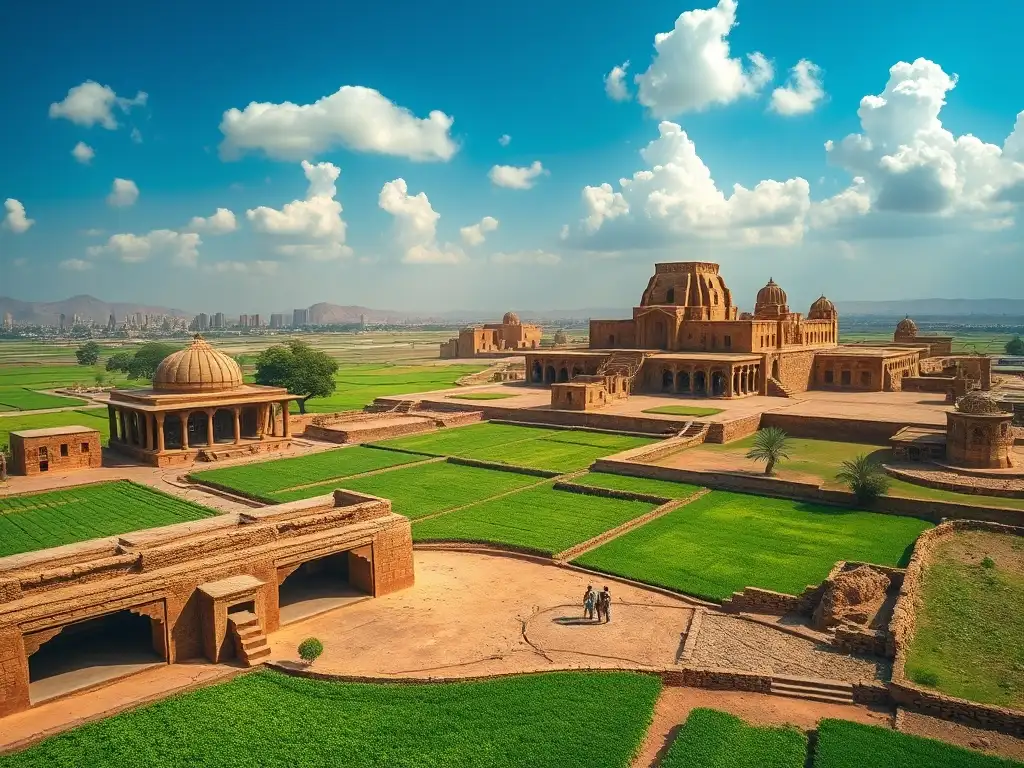
Welcome to Ancient India History, where we embark on a journey through the rich tapestry of ancient Indian civilizations. Our exploration begins with a fascinating look at Indus Valley agriculture and architecture, a cornerstone of one of the world’s earliest urban societies. Delve into how innovative farming techniques not only sustained a thriving population but also laid the groundwork for remarkable architectural achievements.
What secrets lie within the ruins of this ancient civilization? Join us as we uncover the intricate connections between agriculture and the architectural marvels of the Indus Valley, inviting you to discover the profound impact of this era on the cultural heritage of India.
Introduction to the Indus Valley Civilization
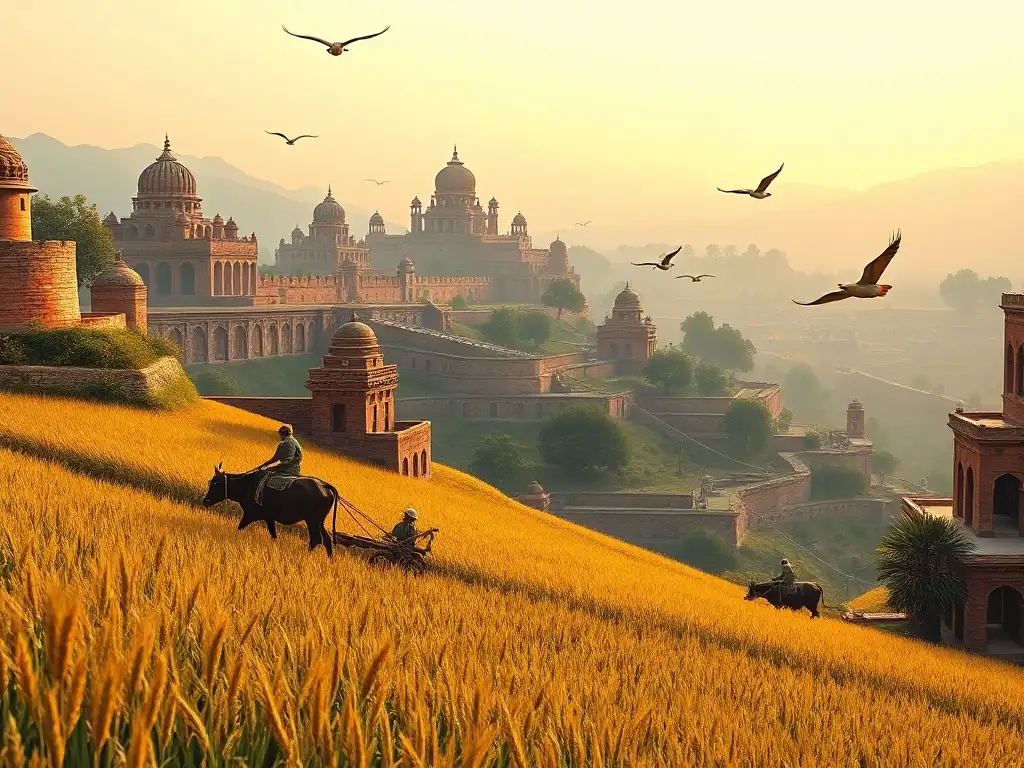
The Indus Valley Civilization (IVC), one of the world's earliest urban cultures, flourished around 3300 to 1300 BCE in what is now modern-day Pakistan and northwest India. Renowned for its advanced city planning, sophisticated drainage systems, and impressive architectural feats, the IVC stands as a testament to the ingenuity of ancient societies.
A critical factor contributing to the civilization's remarkable achievements was its agriculture, which provided the necessary resources to support urban life and architectural development. Understanding the interplay between Indus Valley agriculture and architecture offers insight into how these two elements shaped one another and laid the groundwork for a prosperous civilization.
Overview of the Indus Valley Civilization
The IVC was characterized by its well-planned cities, such as Harappa and Mohenjo-Daro, which featured grid-like layouts and complex public buildings. The civilization thrived due to its strategic location along fertile river valleys, enabling the cultivation of crops such as wheat, barley, and cotton. This agricultural abundance not only sustained its population but also facilitated trade with neighboring regions, further enhancing the economic stability of the society.
Significance of Agriculture in Ancient Societies
Agriculture has always been a cornerstone of human civilization. In ancient societies, it served not only as a means of sustenance but also as a catalyst for social organization, economic development, and technological innovation. The ability to produce surplus food allowed populations to grow, leading to the establishment of permanent settlements and the development of complex social structures. In the context of the Indus Valley, agriculture was paramount in transforming a nomadic lifestyle into a thriving urban civilization, fostering advancements in architecture and infrastructure.
The Role of Agriculture in Indus Valley Development
The relationship between agriculture and urban development in the Indus Valley was symbiotic. The agricultural practices established by the inhabitants directly influenced the design and layout of their cities, as well as the materials used in construction.
How Agriculture Supported Urban Planning
The fertile land enabled the IVC to sustain large populations, which in turn necessitated the development of intricate urban planning. Cities were constructed with an emphasis on functionality, evidenced by their organized streets and public spaces. The presence of granaries and storage facilities indicates that surplus agricultural production was carefully managed, allowing for organized distribution and trade. This foresight in urban planning not only facilitated daily life but also paved the way for monumental architecture, including public baths and citadels, which reflected the civilization's social and religious values.
Crops Cultivated in the Indus Valley and Their Impact
The agricultural landscape of the Indus Valley was diverse, with crops such as:
- Wheat: A staple food that supported the diet of the population.
- Barley: Used for food and brewing, contributing to social gatherings.
- Cotton: Grown for textile production, showcasing the civilization's sophistication in fabric-making.
These crops played a significant role in shaping the economy and culture of the IVC. The surplus production allowed for trade with other cultures, which not only enriched the civilization but also influenced its architectural styles. As trade flourished, so did the need for more complex structures, leading to innovative architectural solutions that are still studied today.
The agricultural practices of the Indus Valley Civilization were not merely a means of subsistence; they were integral to the architectural development and urban planning that defined this remarkable civilization. Understanding this relationship enhances our appreciation of the IVC's historical significance and its enduring legacy in ancient Indian history.
Interconnection of Agriculture and Architecture
The relationship between agriculture and architecture in the Indus Valley Civilization is profound and multifaceted. The agricultural practices of the time not only sustained the population but also significantly influenced the design and construction of urban settlements. As agriculture flourished, it necessitated the development of advanced architectural features that catered to the needs of farming communities. The careful planning of cities like Mohenjo-Daro and Harappa reflects an understanding of agricultural cycles, seasonal changes, and the need for infrastructure to support both farming and urban living.
The spatial organization of these cities reveals that agricultural activities were deeply integrated into the urban environment. Fields were often located near water sources, and residential areas were strategically placed to facilitate easy access to agricultural lands. This interconnection highlights how essential agriculture was in shaping the architectural landscape of the Indus Valley, leading to innovations that served both agricultural and urban development.
Agricultural Practices Influencing Architectural Design
Agricultural practices in the Indus Valley directly influenced architectural design in several key ways. Firstly, the need for irrigation led to the creation of sophisticated water management systems, which included canals and reservoirs. These structures required careful engineering and design, reflecting an understanding of hydraulics that was advanced for its time. For example, the city layout often incorporated drainage systems that channeled excess water away from fields and settlements, showcasing a blend of agricultural needs with urban planning.
Secondly, the storage of surplus crops necessitated the design of granaries and other storage facilities, which were built with durable materials to withstand the test of time. The architecture of these storage facilities was often integrated into residential areas, allowing for efficient access and management of agricultural products. The architectural styles adapted to these functional requirements, leading to the development of robust structures that were both practical and resilient.
Examples of Agricultural Structures in Indus Valley Architecture
The architectural remains of the Indus Valley Civilization provide several examples of structures specifically designed for agricultural purposes. One notable example is the granaries found in various sites, which were often built on elevated platforms to prevent water damage and pest infestations. These granaries were strategically located near the fields to facilitate the quick transfer of harvested grains.
Another significant structure is the extensive drainage systems that were integral to managing the agricultural landscape. These systems included covered drains and soak pits that helped manage excess rainwater and irrigation runoff, ensuring that agricultural fields remained productive and preventing flooding within urban areas. The design of these drainage systems not only reflects an understanding of agricultural needs but also exemplifies the advanced urban planning of Indus Valley cities.
Innovations in Agriculture and Their Architectural Implications
The Indus Valley Civilization was marked by several agricultural innovations that had direct implications for architecture. These innovations not only enhanced agricultural productivity but also necessitated the adaptation of architectural designs to accommodate new farming techniques and practices. The ability to cultivate a variety of crops, including wheat, barley, and pulses, led to an increased need for storage and processing facilities, which in turn influenced the overall urban architecture.
Irrigation Systems and Water Management Techniques
Irrigation was crucial for the success of agriculture in the Indus Valley, given the region's varying rainfall patterns. The development of intricate irrigation systems is a testament to the civilization's engineering prowess. Canals and wells were meticulously constructed to channel water from rivers to agricultural fields, allowing for year-round cultivation.
The architectural implications of these irrigation systems were significant. For instance, the layout of cities often included channels and reservoirs that not only served agricultural needs but also contributed to the overall urban design. The integration of these systems into city planning highlights the advanced understanding of hydrology and the importance of water management in sustaining agricultural activities.
Storage Facilities for Agricultural Products
The need for effective storage facilities became increasingly important with the rise of surplus production in the Indus Valley. Architectural innovations in storage included the construction of large granaries, which were designed to hold significant quantities of grain. These structures often featured thick walls made of mud bricks, providing insulation against heat and moisture, which are critical for preserving agricultural products.
Additionally, the placement of these storage facilities within the city was strategically planned to ensure easy access for farmers and traders. This architectural foresight not only facilitated the efficient management of agricultural goods but also played a vital role in the economic stability of the civilization. The design and location of these storage facilities reflect an understanding of agricultural cycles, market needs, and urban planning, underscoring the deep connection between agriculture and architecture in the Indus Valley Civilization.
Case Studies of Key Indus Valley Sites
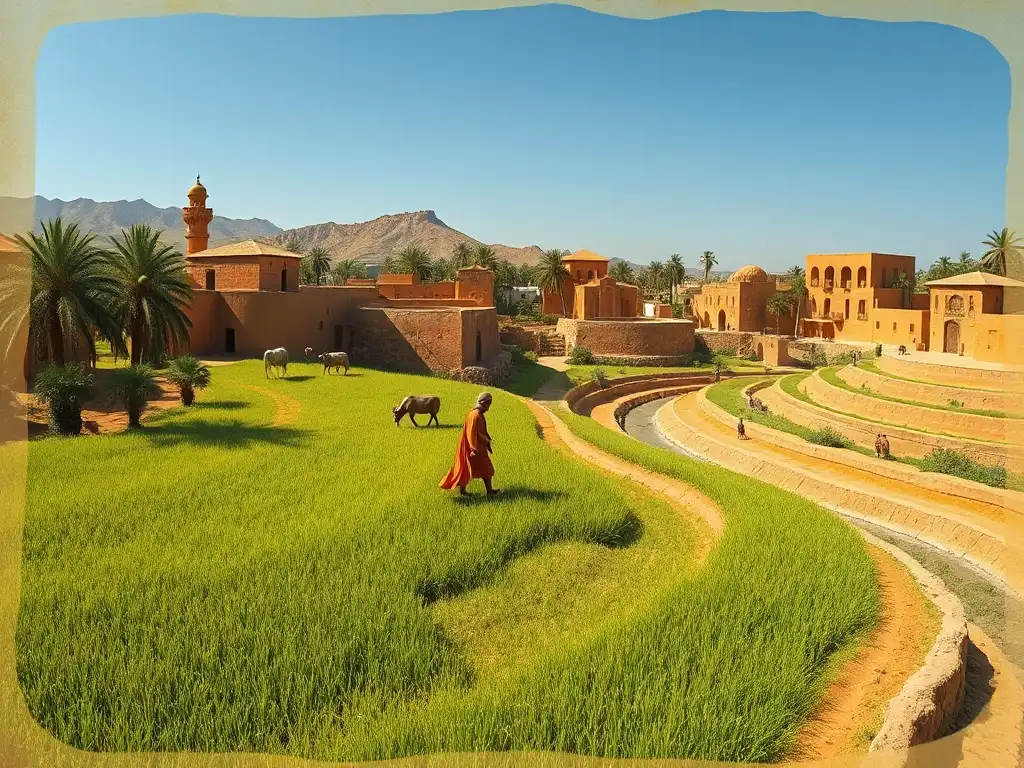
The Indus Valley Civilization, known for its advanced urban planning and architectural marvels, was significantly influenced by agriculture. Key sites like Mohenjo-Daro and Harappa exhibit the relationship between agricultural practices and architectural development, showcasing how the abundance of crops and the need for efficient storage and distribution shaped their urban landscapes.
Mohenjo-Daro: Agriculture and Urban Layout
Mohenjo-Daro, one of the most prominent cities of the Indus Valley Civilization, demonstrates a remarkable integration of agriculture with urban design. The city's layout suggests that agricultural practices were central to its development.
- Grid Pattern: The meticulously planned grid pattern of the streets facilitated not only transportation but also efficient movement of goods, including agricultural produce.
- Granaries: Large granaries, strategically located near the center of the city, indicate the importance of surplus crop storage. These structures were essential for managing food supplies, trade, and sustenance during dry seasons.
- Water Management: The sophisticated drainage system and water reservoirs at Mohenjo-Daro point to the need for irrigation, reflecting the agricultural priorities of the community. This infrastructure was vital for supporting both agriculture and urban living.
The site’s architectural features not only catered to the immediate needs of its inhabitants but also showcased the interdependence of agriculture and urban planning.
Harappa: Architectural Features Reflecting Agricultural Needs
Harappa, another major city of the Indus Valley, provides insight into how architecture was influenced by agricultural demands.
- Storage Facilities: The presence of extensive storage facilities, such as large warehouses, indicates that the city was a hub for agricultural trade. These structures were built to accommodate the surplus produce from surrounding areas.
- Residential Design: Houses in Harappa were often designed with access to storage rooms and courtyards, suggesting that households were involved in agricultural activities. The layout facilitated the processing and storage of grains.
- Public Spaces: The design of public spaces and marketplaces in Harappa reflects a community organized around agricultural surplus. These areas likely served as centers for trade and social interaction, driven by the agricultural economy.
Overall, Harappa’s architectural features are a testament to the civilization's reliance on agriculture for economic sustenance and community organization.
The Socio-Economic Impact of Agriculture on Architecture
The architectural developments in the Indus Valley were not merely a reflection of aesthetic values; they were deeply intertwined with the socio-economic realities shaped by agriculture. The surplus generated from farming practices directly influenced urbanization, trade, and social hierarchies.
Trade and Economic Growth Driven by Agricultural Surplus
Agricultural productivity in the Indus Valley led to significant economic growth, catalyzing the development of trade networks.
- Surplus Production: With the ability to cultivate various crops, including wheat and barley, the Indus Valley communities could produce surplus, which became a critical economic asset.
- Trade Routes: This surplus enabled the establishment of extensive trade routes, both within and beyond the region, facilitating the exchange of goods, including agricultural products. The architectural features of cities like Mohenjo-Daro and Harappa served as nodes in these trade networks, with markets and warehouses designed to support commerce.
- Economic Specialization: As agriculture flourished, it allowed for the emergence of specialized roles within society. Craftspeople and traders could focus on their trades, leading to a more complex socio-economic structure that influenced architectural styles and urban planning.
The economic implications of agricultural surplus were thus integral to the architectural advancements of the Indus Valley.
Influence of Agriculture on Social Structure and Urbanization
The relationship between agriculture and architecture also extended to the social structure of Indus Valley civilizations.
- Hierarchy and Organization: The need for organized agricultural production and distribution likely contributed to the development of social hierarchies. Leaders emerged to oversee agricultural activities and manage resources, impacting the layout of urban centers.
- Community Planning: The design of cities was influenced by the need for communal agricultural activities, such as irrigation and harvesting. Public buildings and communal spaces were often situated to facilitate these tasks, reinforcing social bonds among residents.
- Urban Growth: As agricultural practices improved and productivity increased, urban centers expanded. The architectural design of these growing cities reflected the community's agricultural roots, with features that supported both population growth and agricultural management.
Agriculture was not just a means of sustenance in the Indus Valley; it shaped the very fabric of social organization and architectural development, creating a legacy that continues to be studied today.
Conclusion
The intricate relationship between agriculture and architecture in the Indus Valley Civilization is a testament to the ingenuity and adaptability of its people. The development of advanced agricultural techniques not only supported a burgeoning population but also facilitated the growth of sophisticated urban centers.
These centers, characterized by their remarkable urban planning and architectural innovations, reflect a society that prioritized both functionality and aesthetics. Understanding this relationship enriches our appreciation of how the Indus Valley Civilization laid the groundwork for later Indian societies, demonstrating that agriculture was not merely a means of sustenance but a foundational element that influenced architectural evolution.
Summary of the Relationship Between Indus Valley Agriculture and Architecture
The interplay between agriculture and architecture in the Indus Valley is evident in several key areas:
- Urban Planning: The strategic layout of cities like Mohenjo-Daro and Harappa showcases the influence of agricultural practices. Well-planned streets, drainage systems, and storage facilities for surplus grain indicate that urban design was closely tied to agricultural productivity.
- Materials and Techniques: The availability of local resources, such as clay for bricks and timber for construction, was directly influenced by agricultural landscapes. This led to the development of building techniques that were sustainable and reflected the environmental conditions of the region.
- Economic Stability: A robust agricultural base provided the economic stability necessary for architectural advancements. The surplus produced allowed for specialized crafts and trades, which in turn contributed to more elaborate structures and public buildings, such as granaries and baths.
By examining these elements, it becomes clear that the agricultural practices of the Indus Valley Civilization were intricately woven into their architectural achievements, creating a legacy that resonates through time.
The Lasting Legacy of Indus Valley Agricultural Practices in Architecture
The agricultural practices of the Indus Valley Civilization have left an indelible mark on architectural development not only in ancient India but also in the broader context of urban planning and design throughout history. Key aspects of this legacy include:
- Sustainable Practices: The techniques developed for irrigation and crop cultivation laid the groundwork for sustainable agricultural practices that are still relevant today. This emphasis on sustainability has influenced modern architectural designs that prioritize environmental harmony.
- Urban Design Principles: The concept of integrating agricultural space with urban living, as seen in the layout of Indus Valley cities, has informed contemporary urban planning. The recognition of the need for green spaces and agricultural zones within urban settings can be traced back to these ancient practices.
- Architectural Innovations: The advancements in building materials and techniques, such as fired brick construction and sophisticated drainage systems, set a precedent for future architectural endeavors in the Indian subcontinent and beyond. These innovations continue to inspire modern architects who seek to blend functionality with ecological considerations.
The agricultural practices of the Indus Valley Civilization not only supported their society's immediate needs but also shaped a rich architectural heritage that influences modern design philosophies. The synergy between agriculture and architecture in this ancient civilization serves as a valuable lesson on the importance of sustainability and thoughtful urban planning.
- Introduction to the Indus Valley Civilization
- The Role of Agriculture in Indus Valley Development
- Interconnection of Agriculture and Architecture
- Innovations in Agriculture and Their Architectural Implications
- Case Studies of Key Indus Valley Sites
- The Socio-Economic Impact of Agriculture on Architecture
- Conclusion
- What role did agriculture play in the development of Indus Valley architecture?
- How did the geography of the Indus Valley influence its agricultural practices?
- What are some key features of Indus Valley architecture influenced by agricultural needs?
- How did the Indus Valley civilization demonstrate innovation in agriculture and architecture?
- What lasting impacts did Indus Valley agriculture and architecture have on subsequent civilizations?
Frequently Asked Questions
What role did agriculture play in the development of Indus Valley architecture?
Agriculture was fundamental, as it provided the economic stability necessary for the construction of sophisticated urban centers and monumental structures.
How did the geography of the Indus Valley influence its agricultural practices?
The fertile alluvial plains and the presence of rivers allowed for irrigation and the cultivation of various crops, which supported the growth of settlements and influenced architectural design.
What are some key features of Indus Valley architecture influenced by agricultural needs?
Granaries, drainage systems, and storage facilities were essential architectural elements that reflected the importance of agriculture in supporting urban life.
How did the Indus Valley civilization demonstrate innovation in agriculture and architecture?
The civilization showcased advanced techniques in farming, such as crop rotation and irrigation, which were mirrored in the design of their urban landscapes and buildings.
What lasting impacts did Indus Valley agriculture and architecture have on subsequent civilizations?
The innovations in agriculture and urban planning set foundational principles for later cultures in the region, influencing their economic practices and architectural styles.
Final Reflection: The Interwoven Legacy of Indus Valley Agriculture and Architecture
The significance of agriculture in the architectural development of the Indus Valley civilization cannot be overstated; it is a testament to how sustainable practices and innovative design shaped one of the world's earliest urban societies. Today, as we grapple with modern agricultural challenges and urbanization, the lessons from the Indus Valley serve as a powerful reminder of the intricate relationship between our food systems and the built environment.
The influence of Indus Valley agriculture on its architecture is a profound example of how cultural practices can shape societal structures. The ingenuity of their irrigation systems and crop management not only supported a thriving population but also laid the groundwork for sophisticated urban planning. As we reflect on this, we can draw inspiration from the words of historian David Wengrow: The past is not a foreign country; it is a mirror reflecting our present choices.
This observation highlights the ongoing relevance of ancient practices in addressing contemporary issues, reminding us that the solutions to today's challenges may lie in the wisdom of our ancestors.
As you ponder the relationship between agriculture and architecture in the Indus Valley, consider how these lessons can be applied in your own life. How can you cultivate a deeper understanding of the systems that sustain you? Whether through supporting local agriculture, advocating for sustainable practices, or simply being mindful of the spaces you inhabit, each action contributes to a legacy of resilience and innovation. Embrace the opportunity to reflect on your role in this continuum, and let the story of the Indus Valley inspire you to build a more harmonious relationship with the world around you.
Cultivate Your Curiosity – Dive Deeper into Indus Valley Agriculture!
Thank you for exploring the vital role of agriculture in the architectural development of the Indus Valley! By uncovering how farming practices shaped urban design and sustainability, you've taken an important step in understanding ancient civilizations.
Now, let’s transform your newfound knowledge into action:
- Explore archaeological sites related to agriculture in the Indus Valley using online resources or local exhibits – discover the remnants of this innovative society!
- Join or initiate a discussion group focused on ancient agricultural practices, fostering connections with fellow history enthusiasts eager to share insights and experiences.
- Share this article with friends or on social media to spark dialogue about the significance of agricultural practices in shaping human history.
What aspect of Indus Valley agriculture fascinates you the most, and how do you believe it influences our contemporary understanding of sustainable practices?