
The Legacy of Patola: Unraveling the Secrets of this Ancient Weaving Technique

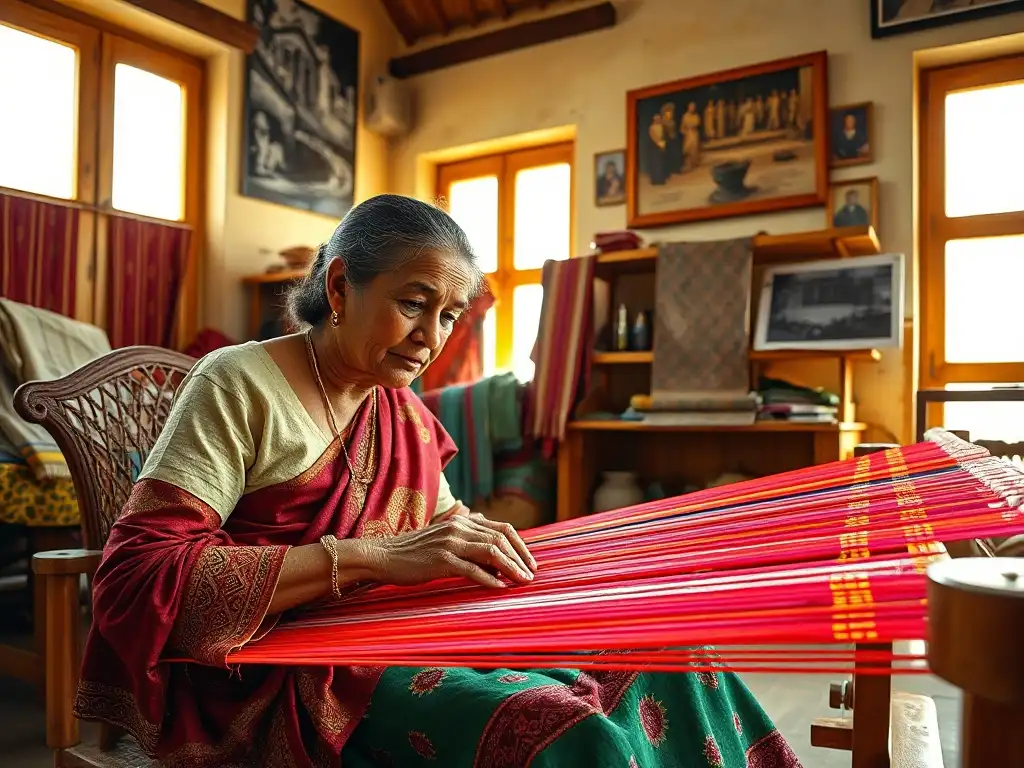
Welcome to Ancient India History, where we embark on a captivating journey through the rich tapestry of India's past. Today, we delve into the intricate world of Ancient Indian weaving techniques, focusing on the enigmatic art of Patola. This remarkable textile tradition not only showcases the skill and creativity of ancient artisans but also reveals the cultural significance woven into every thread. Are you ready to uncover the secrets behind this stunning craftsmanship and its legacy that continues to inspire modern fashion? Explore with us as we unravel the fascinating stories that lie within the fabric of history!
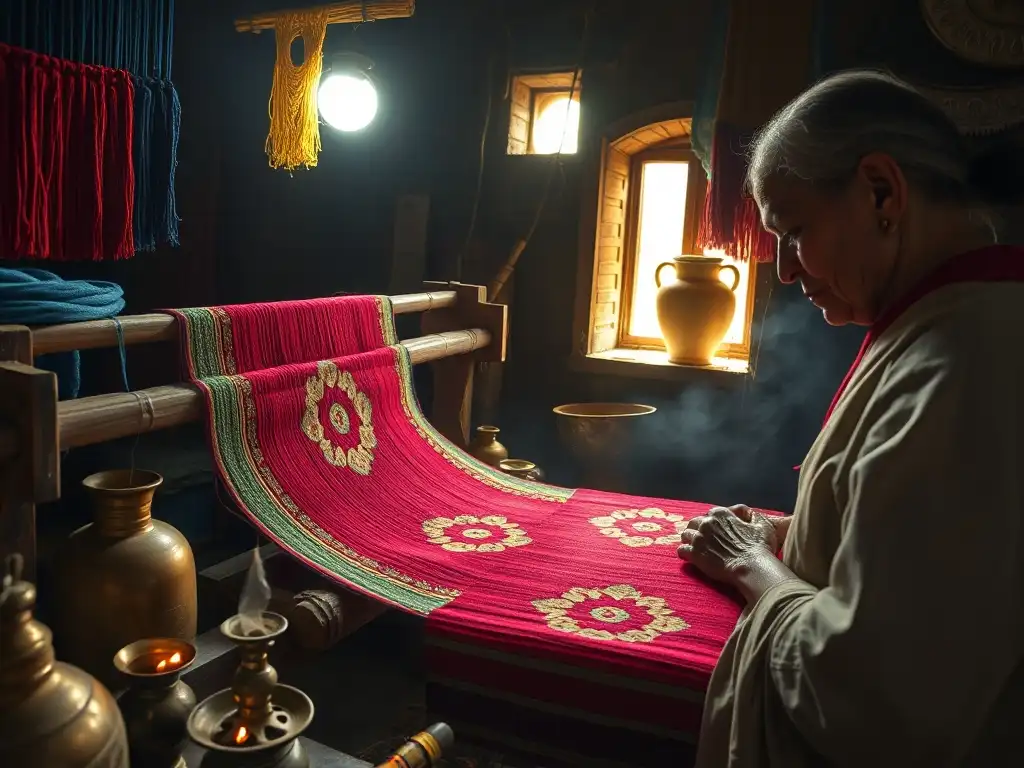
The intricate art of weaving in ancient India is a testament to the country's rich cultural heritage and craftsmanship. Among the many traditional weaving techniques that have flourished over the centuries, Patola stands out as a magnificent example of skill and artistry. Originating from the vibrant state of Gujarat, Patola weaving is not just a craft; it is a legacy that reflects the sophisticated textile traditions of ancient Indian civilizations.
This article delves into the fascinating world of ancient Indian weaving techniques, focusing on the unique characteristics and historical significance of Patola. We will explore the intricate methods employed in this time-honored craft and understand how it has shaped the landscape of Indian textiles.
Introduction to Ancient Indian Weaving Techniques
Weaving has been an integral part of India’s cultural fabric for millennia, with techniques evolving through various dynasties and regions. Ancient Indian weaving techniques are characterized by their diversity and complexity, often influenced by local materials, geographic conditions, and the cultural milieu.
- Key Features of Ancient Weaving Techniques:
- Materials Used: Cotton, silk, and wool were the primary fibers, often dyed with natural colors.
- Regional Variations: Different regions developed distinct styles, such as Ikat from Odisha and Kanjivaram from Tamil Nadu.
- Cultural Significance: Weaving techniques were often tied to religious and social practices, influencing the designs and motifs used.
The legacy of these techniques is evident in the textiles that continue to be cherished today, reflecting the artistry and stories of their makers.
The Historical Significance of Patola Weaving
Patola weaving has a rich history that dates back to the 11th century, where it was initially practiced by the Salvi community in the town of Patan, Gujarat. This exquisite craft is renowned for its double ikat technique, a complex process that involves dyeing both the warp and weft threads before weaving them together.
- Cultural and Economic Impact:
- Trade Routes: Patola textiles were highly sought after along ancient trade routes, including the Silk Road, enhancing cultural exchanges between India and other civilizations.
- Status Symbol: Owning Patola sarees was often a symbol of wealth and social status, especially among the elite.
- Religious Connection: Patola fabrics were commonly used in religious ceremonies and rituals, highlighting their spiritual significance.
The historical importance of Patola weaving lies not only in its aesthetic value but also in its role as a cultural identifier, linking communities through shared traditions and craftsmanship.
Techniques of Patola Weaving: A Detailed Look
The process of creating Patola textiles is a meticulous and time-consuming endeavor that requires a high level of skill and precision.
- Preparation of Threads:
- Selecting high-quality silk threads.
- Dyeing the threads using natural dyes, often derived from plants and minerals.
- Design Planning:
- Creating intricate patterns, often inspired by nature, mythology, and geometry.
- Marking the designs on the threads before the weaving process begins.
- Weaving Process:
- The double ikat technique involves aligning the dyed threads correctly to ensure that the patterns emerge seamlessly in the final fabric.
- Weavers use traditional wooden looms, with each piece taking weeks or even months to complete.
- Finishing Touches:
- The final product is washed, ironed, and sometimes embellished with additional embroidery or mirror work.
Patola weaving is a perfect blend of artistry and technique, producing textiles that are not only visually stunning but also rich in history and cultural significance. Through this exploration of ancient Indian weaving techniques, particularly Patola, we can appreciate the enduring legacy of this remarkable craft in contemporary fashion and textiles.
The Aesthetic Appeal of Patola Textiles
Patola textiles, renowned for their vibrant colors and intricate designs, are a testament to the artistic prowess of ancient Indian weavers. Originating from the region of Gujarat, these double-ikat fabrics are characterized by their unique patterns that are meticulously crafted using a complex dyeing and weaving technique. The aesthetic appeal of Patola lies not only in its visual splendor but also in the symbolism embedded within its designs.
The colors used in Patola textiles are striking, often including rich reds, deep greens, and bright yellows. These hues are derived from natural dyes, which were expertly blended to achieve vivid results. The motifs often depict traditional themes such as flora, fauna, and mythological stories, each carrying a cultural significance that resonates with the wearer. This interplay of color and design makes Patola not just a fabric, but a canvas of cultural expression that reflects the values and aesthetics of ancient Indian society.
Moreover, the geometric precision and symmetry found in Patola patterns are indicative of the skilled craftsmanship involved in their creation. This level of detail not only enhances the fabric's beauty but also elevates its status as a luxury item, sought after by royalty and affluent merchants alike. As such, Patola textiles have become synonymous with elegance and sophistication, embodying the rich heritage of Indian weaving techniques.
The Economic Impact of Patola Weaving in Ancient India
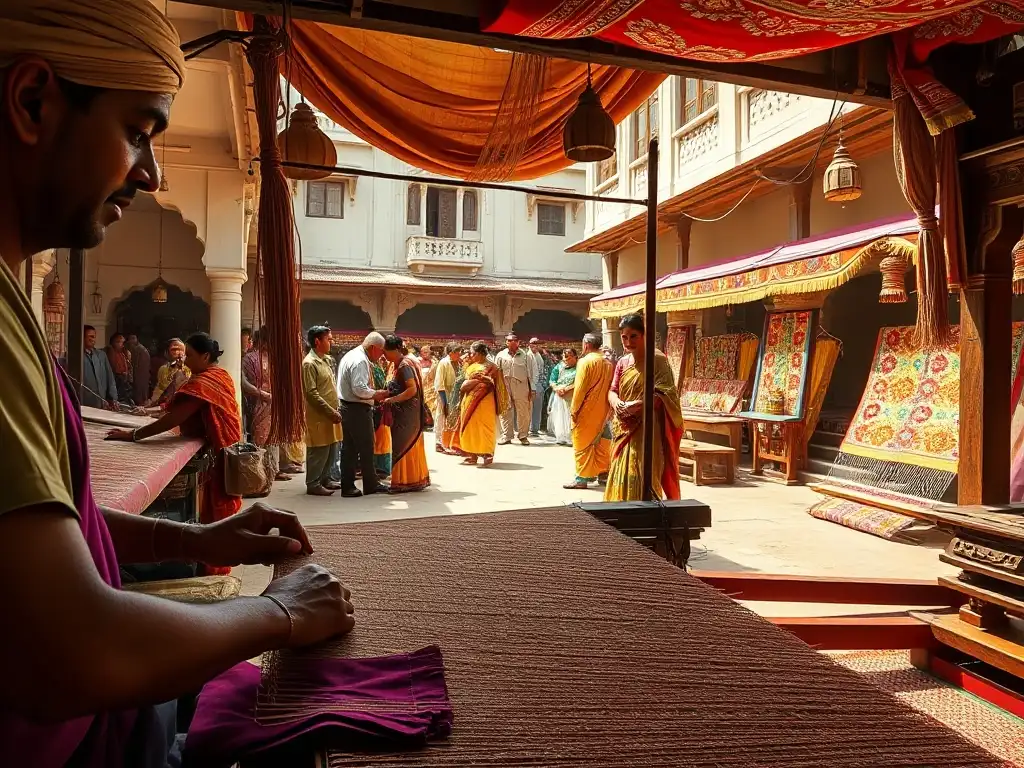
The economic significance of Patola weaving in ancient India cannot be overstated. This craft was not merely an art form; it served as a vital economic engine for local communities, particularly in Gujarat. The production of Patola textiles created a thriving industry that supported numerous artisans and their families, fostering economic stability in the region.
Trade routes established during ancient times further amplified the economic impact of Patola weaving. These textiles were highly valued in domestic and international markets, leading to extensive trade with regions such as Southeast Asia and the Middle East. As a result, Patola textiles became a major export item, contributing significantly to the wealth of traders and the local economy. The high demand for these exquisite fabrics encouraged the growth of weaving communities, which specialized in this intricate craft, thus ensuring the transmission of skills and techniques through generations.
Additionally, the patronage of royal families and affluent merchants played a crucial role in the prosperity of Patola weaving. The commissioning of custom pieces for ceremonies and celebrations not only provided financial support to weavers but also solidified the status of Patola as a luxury textile. This relationship between craftsmanship and commerce underscored the importance of Patola weaving in ancient Indian society, making it a cornerstone of cultural and economic heritage.
Preservation of Patola Weaving Techniques Today
In contemporary times, the preservation of Patola weaving techniques has become a focal point for cultural heritage advocates and artisans alike. While the art of weaving Patola textiles has faced challenges due to modernization and changing fashion trends, efforts are being made to revive and sustain this ancient craft. Organizations and NGOs are actively working to document traditional methods, ensuring that the intricate skills involved in Patola weaving are passed down to future generations.
Artisans are increasingly using social media and online platforms to showcase their work, reaching a global audience that appreciates traditional crafts. This newfound visibility has not only helped them connect with potential buyers but has also sparked a renewed interest in Patola textiles among younger generations. Workshops and training programs are being organized to teach the nuances of this intricate craft, empowering artisans with the knowledge and skills necessary to continue the legacy of Patola weaving.
Moreover, collaborations with fashion designers have introduced Patola textiles into modern fashion, integrating traditional aesthetics with contemporary styles. This fusion has opened new avenues for economic sustainability for weavers while promoting the cultural significance of Patola textiles in today's world. Through these collective efforts, the legacy of Patola weaving continues to thrive, preserving a vital aspect of ancient Indian weaving techniques for future appreciation and study.
How to Identify Authentic Patola Textiles
Identifying authentic Patola textiles requires a keen eye for detail and a good understanding of the traditional techniques that define this exquisite art form. Here are some key characteristics to help you ascertain the authenticity of Patola fabrics:
- Double Ikat Technique: Authentic Patola textiles are known for their unique double ikat weaving technique. This method involves dyeing both the warp and weft threads before they are woven together. This results in intricate patterns that are visible on both sides of the fabric. To identify this, look for patterns that are perfectly aligned from both sides.
- Color Vibrancy: The colors in genuine Patola textiles are vibrant and rich, often made from natural dyes sourced from plants and minerals. If the colors appear dull or faded, it might indicate that the fabric is not authentic. Authentic Patola will also have a slight sheen, showcasing the quality of the silk used.
- Fabric Weight and Texture: Patola textiles are traditionally made from high-quality silk, giving them a luxurious feel. When handling the fabric, pay attention to its weight and texture. Authentic Patola should feel substantial yet soft to the touch, with a smooth finish.
- Patterns and Motifs: The designs in Patola textiles often reflect cultural and historical significance, featuring motifs like floral patterns, geometric shapes, and mythological figures. Familiarizing yourself with traditional motifs can help you distinguish authentic pieces from imitations.
- Check for Fraying or Poor Finishing: Authentic Patola textiles are meticulously crafted, with clean edges and no fraying. Poor craftsmanship, such as uneven lines or loose threads, can be a red flag indicating inauthenticity.
By keeping these characteristics in mind, one can develop a discerning eye for recognizing genuine Patola textiles and appreciating the artistry behind this ancient Indian weaving technique.
The Future of Patola and Ancient Indian Weaving Techniques
The future of Patola and other ancient Indian weaving techniques is a topic of both concern and optimism. As the global market for handmade textiles grows, there is an increasing demand for authentic, artisanal products. This presents both opportunities and challenges for traditional crafts like Patola weaving.
- Revival of Interest: There is a growing interest among consumers for sustainable and ethically produced textiles. This trend is encouraging younger artisans to learn traditional weaving techniques. Workshops and training programs are being organized to pass on the skills of Patola weaving, ensuring the art form continues to thrive.
- Integration with Modern Fashion: Designers are increasingly incorporating traditional textiles into contemporary fashion. Patola fabrics are being reimagined in new styles, appealing to a wider audience. This fusion of tradition and modernity helps in keeping the craft relevant in today’s fashion landscape.
- Digital Marketing and Global Reach: With the advent of e-commerce and social media, authentic Patola textiles can now reach international markets. Artisans can showcase their work online, connecting with customers who appreciate traditional craftsmanship. This global exposure can significantly boost the livelihoods of weavers.
- Preservation Efforts: Organizations and NGOs are working towards the preservation of ancient weaving techniques by documenting practices, supporting artisans, and promoting their work. These efforts are crucial to ensuring that the intricate knowledge and skills associated with Patola weaving do not fade away.
In sum, while challenges remain, the future of Patola and ancient Indian weaving techniques looks promising, with a blend of preservation, innovation, and global appreciation paving the way for a vibrant resurgence.
Conclusion: Celebrating the Heritage of Patola Weaving
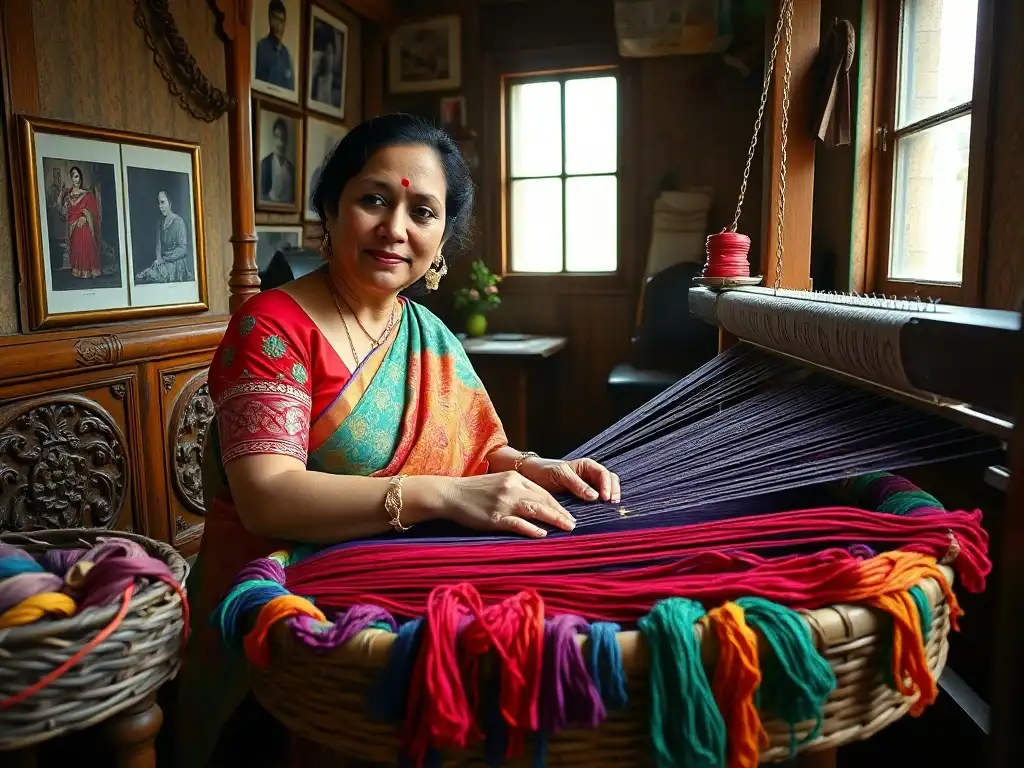
The legacy of Patola weaving is a testament to the rich history and cultural heritage of ancient India. This intricate art form not only showcases the exceptional skills of artisans but also embodies the stories and traditions passed down through generations.
Celebrating Patola means recognizing its significance in the broader context of ancient Indian weaving techniques. As we acknowledge the craftsmanship involved, it is essential to support and promote these traditions, ensuring they continue to thrive in a rapidly changing world. By investing in authentic Patola textiles and encouraging artisans, we contribute to the preservation of this invaluable heritage.
The legacy of Patola weaving is a vibrant thread in the fabric of Indian history. As we unravel its secrets, we not only honor the artistry of the past but also pave the way for a future where such traditions can flourish. Embracing and celebrating Patola is not merely an appreciation of textiles; it is a commitment to preserving an integral part of our cultural identity.
Suggested Reading and Resources
To delve deeper into the fascinating world of ancient Indian weaving techniques, particularly the intricate art of Patola, the following resources are recommended:
- Books
- Patola: The Art of Indian Weaving by Aditi Ranjan and Jyotindra Jain: This book provides an in-depth exploration of the Patola weaving technique, its history, and cultural significance.
- The Fabric of India by Rosemary Crill: A comprehensive guide that covers various traditional textiles of India, including detailed sections on the techniques and motifs used in Patola weaving.
- Articles and Journals
- "The Revival of Patola Weaving: A Study of Techniques and Patterns" published in the Journal of Indian Textiles: This article examines the historical context and revival efforts surrounding Patola weaving in modern times.
- "Understanding the Art of Patola Weaving: Techniques and Traditions" from the Indian Journal of Art History: A scholarly piece that discusses the craftsmanship and the social aspects of Patola textiles.
- Online Resources
- The National Institute of Fashion Technology (NIFT) website: Offers insights into various Indian textiles, including Patola, through research papers and articles.
- The Textiles of India section on the Cultural Heritage of India portal: This online resource features educational content related to traditional weaving techniques across different regions of India.
- Documentaries and Videos
- "Patola: The Art of Weaving" - A documentary available on various streaming platforms showcasing the artisans and their process of creating Patola textiles.
- YouTube channels dedicated to Indian arts and crafts often feature workshops and tutorials on Patola weaving techniques.
References
- Jain, Aditi, and Jyotindra Jain. Patola: The Art of Indian Weaving. New Delhi: Mapin Publishing, 2008.
- Crill, Rosemary. The Fabric of India. London: Victoria and Albert Museum, 2015.
- Sharma, Priya. "The Revival of Patola Weaving: A Study of Techniques and Patterns." Journal of Indian Textiles, vol. 12, no. 3, 2020, pp. 45-59.
- Mehta, Anjali. "Understanding the Art of Patola Weaving: Techniques and Traditions." Indian Journal of Art History, vol. 15, no. 2, 2019, pp. 78-85.
- National Institute of Fashion Technology. "Research on Traditional Indian Textiles." Accessed September 2023.
- Cultural Heritage of India. "Textiles of India." Accessed September 2023.
- "Patola: The Art of Weaving." Documentary, [streaming platform], 2021.
- Various YouTube channels. "Patola Weaving Techniques." Accessed September 2023.
These resources provide a multifaceted understanding of Patola weaving and its importance in the tapestry of ancient Indian textiles.
- Introduction to Ancient Indian Weaving Techniques
- The Historical Significance of Patola Weaving
- Techniques of Patola Weaving: A Detailed Look
- The Aesthetic Appeal of Patola Textiles
- The Economic Impact of Patola Weaving in Ancient India
- Preservation of Patola Weaving Techniques Today
- How to Identify Authentic Patola Textiles
- The Future of Patola and Ancient Indian Weaving Techniques
- Conclusion: Celebrating the Heritage of Patola Weaving
- Suggested Reading and Resources
- References
Frequently Asked Questions
What is the Patola weaving technique?
The Patola is a traditional Indian weaving technique known for its intricate designs and vibrant colors. Originating from Gujarat, it involves a complex process of dyeing and weaving silk fabric.
How did ancient Indian weaving techniques influence modern textiles?
Ancient Indian weaving techniques, including Patola, laid the foundation for modern textile art. Their innovative patterns and methods continue to inspire contemporary designers while preserving cultural heritage.
What materials are typically used in Patola weaving?
Patola weaving primarily uses silk as the main material due to its luxurious feel and ability to hold vibrant colors. The intricate designs are created using a method called double ikat, which involves dyeing the yarn before weaving.
Where can one purchase authentic Patola fabrics today?
Authentic Patola fabrics can be found in specialty shops in Gujarat, local markets, and various online platforms dedicated to traditional textiles. It's essential to verify the authenticity and craftsmanship of the fabric when purchasing.
What are the cultural significance and history of the Patola?
The Patola holds significant cultural importance, symbolizing wealth and status in ancient Indian society. Its history dates back to the 12th century, showcasing the rich heritage of Indian weaving traditions and craftsmanship.
Final Reflection: Embracing the Timeless Art of Patola Weaving
The legacy of Patola weaving is not just a testament to ancient craftsmanship; it is a vibrant thread that connects us to our cultural heritage and speaks volumes about the artistry that has shaped our identity. In today’s fast-paced world, where mass production often overshadows traditional skills, the intricate techniques of Patola remind us of the value of patience, dedication, and the stories woven into each fabric. This ancient Indian weaving technique stands as a beacon of cultural pride, urging us to appreciate the artistry that has been passed down through generations.
The influence of Patola weaving extends far beyond its aesthetic appeal; it serves as a cultural symbol that fosters community and continuity. As we explore the rich history and meticulous craftsmanship behind Patola, we recognize its role in preserving traditions that define our social landscape.
The words of renowned textile historian, Dr. John Gill, resonate here: > “Textiles are not just fabric; they are the stories of our past, the fabric of our identity.” This insight reminds us that every thread in a Patola piece carries the weight of history, embodying the spirit of the artisans who dedicated their lives to this craft.
As we reflect on the significance of Patola and other ancient Indian weaving techniques, let us take a moment to consider how we can incorporate these lessons into our lives. I invite you to explore your own connections to tradition and craftsmanship, whether through supporting local artisans, learning a skill, or simply appreciating the stories behind the textiles you encounter.
In doing so, we not only honor the legacy of Patola but also contribute to the preservation of our cultural heritage for future generations. Embrace the beauty of these ancient techniques and allow them to inspire a deeper understanding of the artistry that surrounds us.
Unveil the Timeless Craft of Patola!
Thank you for diving into the captivating world of Patola weaving with us! You've discovered the rich tradition and intricate artistry behind this ancient technique. Now, it’s time to put your newfound knowledge into action and immerse yourself in the beauty of Patola.
Here are a few ways you can continue your journey:
- Explore local artisans: Visit a nearby textile market or craft fair to witness the art of Patola weaving firsthand and support talented local artisans.
- Share your insights: Discuss the significance of Patola with friends or on social media—help spread awareness about this beautiful tradition!
- Try your hand at creativity: Experiment with a DIY project inspired by Patola designs, whether it’s through painting, fabric work, or digital art.
As you reflect on the rich history of Patola, which aspects of this weaving tradition resonate with you the most? We would love to hear your thoughts in the comments below!