
Why Every Wardrobe Needs a Touch of Authentic Indian Silk

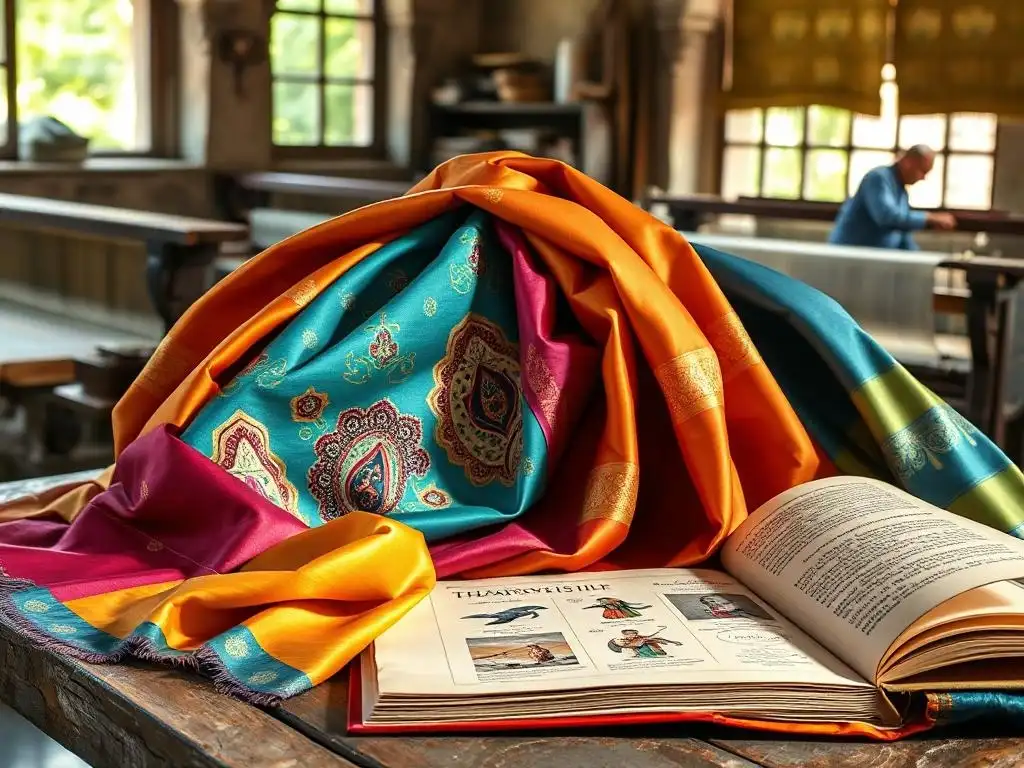
Welcome to Ancient India History, where we embark on a captivating journey through time, exploring the rich tapestry of cultures, innovations, and legacies that shaped one of the world's oldest civilizations. In our latest article, we delve into the intriguing history of authentic Indian silk, revealing not just its exquisite beauty but also its profound significance in the realm of fashion and textiles. What secrets lie within the threads of this luxurious fabric, and why does every wardrobe crave a touch of its splendor?
Join us as we unravel the fascinating story behind Indian silk and its enduring impact on style and artistry. Your adventure into the past awaits!
- Introduction to Authentic Indian Silk History
- The Rich History of Authentic Indian Silk
- Types of Authentic Indian Silk Fabrics
- Buying Guide for Authentic Indian Silk
- The Role of Authentic Indian Silk in Fashion Today
- Caring for Your Authentic Indian Silk Garments
- Where to Buy Authentic Indian Silk
- Conclusion: The Timeless Appeal of Authentic Indian Silk
-
Frequently Asked Questions
- What is the significance of Authentic Indian silk history in ancient India?
- How did the Indus Valley civilization contribute to silk production?
- What are the key features of silk from the Gupta Empire?
- How has Indian silk influenced global fashion?
- What makes Authentic Indian silk different from other silk types?
- Final Reflection: Embracing Authentic Indian Silk for a Timeless Wardrobe
- Elevate Your Style with Authentic Indian Silk!
Introduction to Authentic Indian Silk History
Silk has held a prominent place in the tapestry of Indian culture for millennia, serving not only as a luxurious material but also as a symbol of artistry, tradition, and heritage. The history of authentic Indian silk is a fascinating narrative that intertwines with the evolution of ancient Indian civilizations, from the intricate weaves of the Indus Valley to the opulent fabrics of the Gupta Empire.
This article delves into the significance of silk in ancient Indian culture and the various production techniques that have been refined over centuries. Understanding this rich history not only enriches our appreciation for Indian textiles but also guides contemporary consumers in making informed choices when adding authentic Indian silk to their wardrobes.
The Significance of Silk in Ancient Indian Culture
Silk was more than just a fabric in ancient India; it was a representation of status, wealth, and spirituality. The use of silk dates back to the Indus Valley Civilization (approximately 3300–1300 BCE), where evidence suggests that silk was already being woven into garments and ceremonial attire.
- Cultural Symbolism: In various ancient texts and epics, silk is often depicted as a material reserved for the elite and nobility. It was commonly used in religious ceremonies, weddings, and royal functions, signifying purity and divine connection.
- Trade and Economy: The demand for silk contributed significantly to India's trade networks. The Silk Road, a series of trade routes connecting the East and West, saw Indian silk being exported as far as Europe and the Middle East, establishing India as a key player in the global textile market.
- Artistic Expression: The artistry involved in silk weaving showcases the incredible craftsmanship of ancient artisans. Each piece often tells a story, reflecting the cultural narratives and regional traditions that influenced the designs.
Overview of Indian Silk Production Techniques
The production of silk in India is a meticulous process that has evolved over thousands of years. Each region of India has developed distinct techniques that contribute to the diversity and richness of its silk fabrics.
- Sericulture: The journey of silk begins with sericulture, the cultivation of silkworms. The primary species used in India is the Bombyx mori, which feeds on mulberry leaves.
- Weaving Techniques:
- Banarasi Silk: Originating from Varanasi, this technique is known for intricate designs and gold or silver brocade.
- Kanchipuram Silk: Hailing from Tamil Nadu, this style is famous for its vibrant colors and durability, often characterized by contrasting borders.
- Mysore Silk: Renowned for its soft texture and rich quality, Mysore silk weaving employs traditional methods that have been passed down through generations.
- Dyeing and Finishing: Traditional dyeing methods, using natural dyes from plants and minerals, add to the uniqueness of Indian silk. This environmentally friendly approach not only preserves the fabric’s integrity but also enhances its aesthetic appeal.
The rich history of authentic Indian silk is a testament to the country's legacy of craftsmanship and cultural significance. As we explore these facets, we gain not just insight into a fabric but also an understanding of the heritage that shapes it.
The Rich History of Authentic Indian Silk
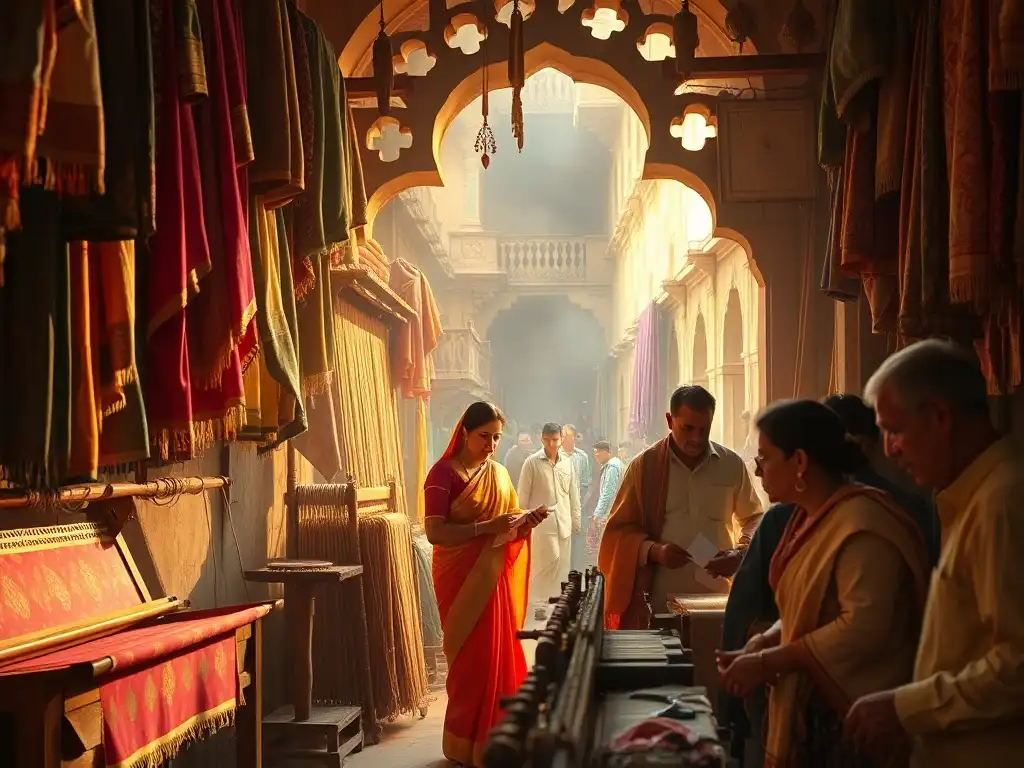
The Roots of Silk Weaving in Ancient India
Silk weaving in India boasts a heritage that dates back over 5,000 years, originating from the ancient Indus Valley Civilization. Archaeological findings from sites like Mohenjo-Daro and Harappa have revealed evidence of silk production, showcasing that ancient Indians were among the first to cultivate silkworms and weave silk threads.
The process began with the rearing of the Bombyx mori silkworm, which feeds predominantly on mulberry leaves. The art of sericulture, or silk farming, was not just a craft but a significant economic activity. Techniques and styles were passed down through generations, evolving into distinct forms that reflected regional traditions. This early mastery laid the groundwork for silk to become an integral part of Indian culture, adorning royalty and commoners alike.
Key Historical Milestones in Indian Silk Production
The historical narrative of Indian silk is punctuated by several key milestones:
- Mauryan Empire (322–185 BCE): Under the Mauryan dynasty, silk became a symbol of luxury. The Silk Road, which connected India to the West, facilitated trade and introduced various silk products to foreign markets.
- Gupta Period (c. 240–550 CE): This era is often referred to as the Golden Age of India. The Gupta Empire saw a considerable advancement in textile production, and silk became a prominent export. During this time, references to silk appear in ancient texts, highlighting its cultural significance.
- Medieval Period (c. 800–1700 CE): The arrival of various dynasties, including the Mughals, further enriched the silk industry. The Mughals were renowned for their elaborate silk garments and intricate designs, leading to innovation in weaving techniques and dyeing methods.
- Colonial Era (c. 1757–1947 CE): The British colonial rule significantly impacted the silk industry, introducing mechanization while also undermining traditional methods. Nevertheless, this period saw the rise of new markets for Indian silk in Europe.
- Post-Independence (1947 Onwards): After gaining independence, India focused on reviving and promoting its traditional silk weaving practices. The government established various initiatives to support artisans, leading to a resurgence of authentic Indian silk production.
These milestones illustrate how silk weaving has not only been a craft but also a reflection of the socio-economic and cultural fabric of Indian society through the ages.
Major Regions Known for Authentic Indian Silk
India is home to several regions renowned for their unique silk production, each with its own distinct styles and techniques:
- Varanasi (Banaras): Famous for its luxurious Banarasi silk sarees, this city is known for intricate brocade work that often incorporates gold threads. The craftsmanship here has been revered for centuries.
- Kanchipuram: Located in Tamil Nadu, Kanchipuram is celebrated for its vibrant silk sarees, characterized by their rich colors and heavy zari work. The weaving techniques used here have been preserved for generations.
- Mysore: Known for its exquisite Mysore silk sarees, this region is recognized for its soft texture and lustrous finish. Mysore silk is often adorned with fine gold borders and intricate designs.
- Bhagalpur: This region in Bihar is known for its Tussar silk, which is produced from wild silkworms. The fabric has a unique texture and is often dyed using natural colors, making it a favorite for eco-conscious consumers.
- Assam: Assam is renowned for its Muga and Eri silks, which are unique to the region. Muga silk is known for its natural golden hue, while Eri silk is appreciated for its warmth and is often used in traditional Assamese garments.
These regions not only contribute to the diversity of Indian silk but also highlight the cultural significance and artisanal skills embedded in the fabric of Indian history. The rich legacy of authentic Indian silk continues to thrive, making it a vital aspect of the nation’s heritage and a must-have in every wardrobe.
Types of Authentic Indian Silk Fabrics
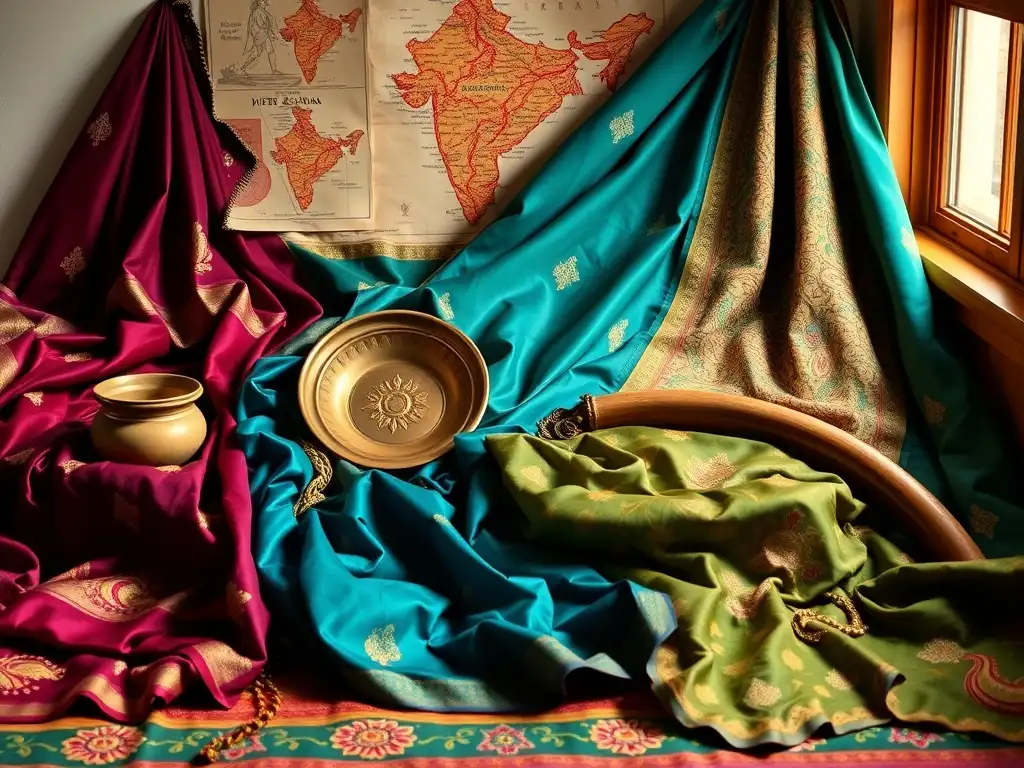
Indian silk fabrics are renowned for their exquisite craftsmanship, rich colors, and intricate patterns. Each type of silk carries its own unique history and cultural significance, showcasing the regional diversity of India's textile heritage. Here, we explore three prominent types of authentic Indian silk: Banarasi, Kanjivaram, and Tussar, each embodying the essence of Indian artistry.
Banarasi Silk: A Testament to Royalty
Banarasi silk, originating from the city of Varanasi (Banaras), is synonymous with opulence and grandeur. This fabric is often adorned with intricate motifs inspired by Mughal art, including floral patterns, paisleys, and sometimes even gold or silver zari work.
- Historical Significance:
- Banarasi silk has been woven for over 500 years and is deeply connected to royal patronage.
- The fabric was favored by Indian royalty, especially during weddings and religious ceremonies, making it a symbol of status and elegance.
- Characteristics:
- Texture: Luxurious and soft, with a shimmering finish.
- Designs: Traditional designs often include intricate brocade and elaborate patterns, which can take several months to craft.
- Usage:
- Primarily used for sarees, lehengas, and dupattas, Banarasi silk remains a preferred choice for brides seeking to embody tradition and grace on their special day.
Wearing a Banarasi silk saree is like draping a piece of history, rich in culture and artistry.
Kanjivaram Silk: The Art of South Indian Weaving
Kanjivaram silk, hailing from Kanchipuram in Tamil Nadu, is known for its vibrant colors and durability. This silk is celebrated for its heavy texture and striking designs, often incorporating traditional motifs that reflect South Indian heritage.
- Historical Significance:
- Kanjivaram silk weaving dates back to the Chola dynasty, with techniques passed down through generations of artisans.
- It was traditionally woven for temple rituals and royal attire, symbolizing prosperity and auspiciousness.
- Characteristics:
- Weight: Heavier compared to other silks, providing a distinctive drape.
- Contrast Borders: Often features bold, contrasting borders and intricate motifs, including peacocks and temple designs.
- Usage:
- Ideal for festive occasions and weddings, Kanjivaram silk sarees are a staple in South Indian wardrobes, embodying a blend of tradition and modernity.
Tussar Silk: The Wild Beauty of Indian Textiles
Tussar silk, also known as wild silk, is produced from the cocoons of silk moths that feed on the leaves of wild trees. This fabric has a unique, rustic appearance, celebrated for its natural golden hue and earthy texture.
- Historical Significance:
- Tussar silk has been woven for centuries, with historical references found in ancient texts and artifacts.
- It plays a significant role in regional crafts, especially in areas like Jharkhand and Bihar, where local artisans have mastered its weaving techniques.
- Characteristics:
- Texture: Coarser than other silks, offering a more organic feel.
- Color: Typically in shades of gold, beige, and brown, reflecting its natural dyeing process.
- Usage:
- Often used for sarees, stoles, and garments that emphasize a more casual, yet elegant look. Tussar silk is perfect for day-to-day wear as well as special occasions, appealing to those who appreciate its unique charm.
The variety of authentic Indian silk fabrics, such as Banarasi, Kanjivaram, and Tussar, each tell a story of their own, enriched by centuries of tradition and artistry. Incorporating these silks into your wardrobe not only enhances your fashion but also connects you to the rich tapestry of Indian history and culture.
Muga Silk: The Golden Thread of Assam
Muga silk holds a prestigious place in the tapestry of Indian textiles, renowned as the "Golden Thread of Assam." This exclusive silk is produced by the silkworm species Antheraea assamensis, which thrives in the lush forests of Assam. Muga silk is unique not only for its lustrous golden hue but also for its durability and natural sheen, making it a prized fabric in India and beyond.
Unique Characteristics
Muga silk is distinguished by its rich golden color that deepens over time, enhancing its beauty with each wear. Unlike other silks, Muga is known for its natural resilience; it can withstand wear and tear while maintaining its elegance. The fabric has a crisp texture that drapes beautifully, making it ideal for various garments, including sarees, dupattas, and traditional attire. The silk is also resistant to fading, which is a significant advantage for long-term use.
Cultural Significance
In Assamese culture, Muga silk is more than just a fabric; it embodies tradition and heritage. It is often associated with various cultural ceremonies and rituals, symbolizing prosperity and auspiciousness. The production of Muga silk involves traditional weaving techniques passed down through generations, with artisans dedicating their lives to preserving this intricate craft. Muga silk garments are often worn during festivals and special occasions, reflecting the wearer's connection to their roots.
Sustainable Production
The cultivation of Muga silk is intrinsically linked to sustainable practices. The silkworms are reared on specific plants, such as the som and sualu trees, which are abundant in Assam's ecosystem. This method not only supports local biodiversity but also ensures that the production of Muga silk has a minimal environmental impact. Moreover, the cultivation process is predominantly organic, as it does not require harmful chemicals, making it an eco-friendly choice for conscious consumers.
Care and Maintenance
To preserve the beauty and longevity of Muga silk, proper care is essential. It is advisable to hand wash Muga silk garments in cold water using mild detergent. Avoid exposing the fabric to direct sunlight for prolonged periods to prevent color fading. Storing Muga silk in a cool, dry place, away from moisture and dust, will help maintain its luster. With the right care, Muga silk can last for many years, allowing you to enjoy its elegance and luxury.
Muga silk stands out as a remarkable fabric that not only offers aesthetic appeal but also carries the rich heritage of Assam. Its unique characteristics, cultural significance, sustainable production, and ease of maintenance make it a worthy addition to any wardrobe, ensuring that you carry a piece of ancient Indian craftsmanship with you wherever you go.
Buying Guide for Authentic Indian Silk
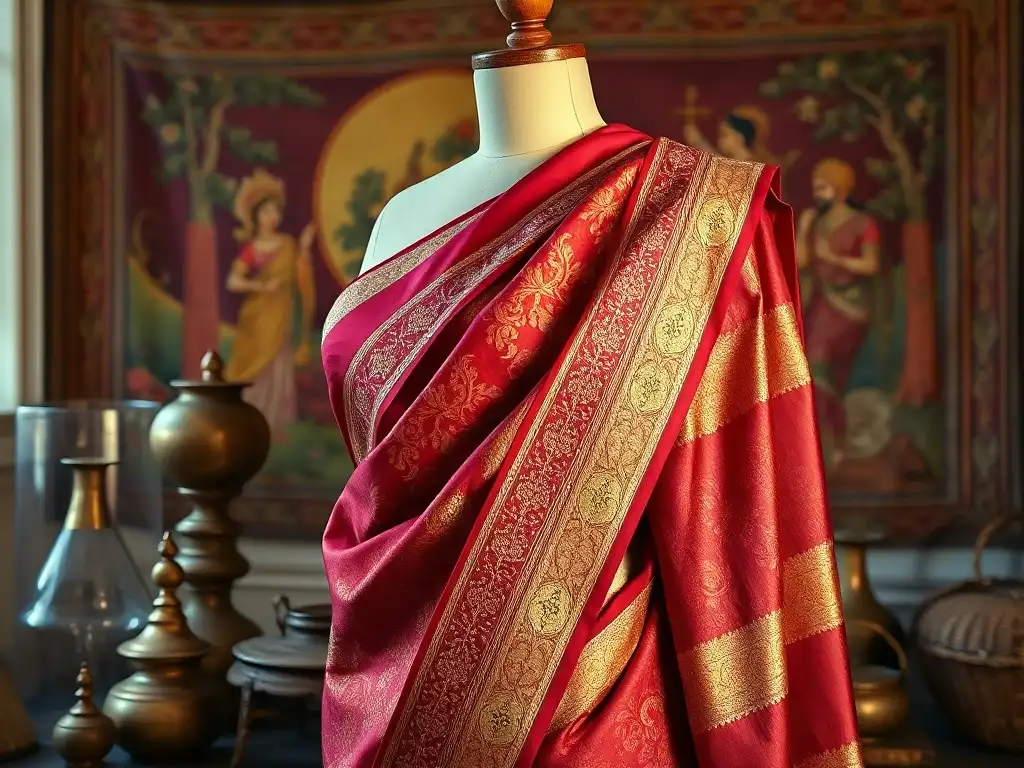
When venturing into the world of silk, especially Authentic Indian Silk, it's important to equip yourself with knowledge to make informed choices. This guide will take you through essential aspects to consider while buying Indian silk, ensuring that you appreciate not just the beauty but also the rich history and craftsmanship behind it.
How to Identify Genuine Indian Silk
Identifying genuine Indian silk can be a meticulous process, but there are several key indicators to help you distinguish authentic silk from its synthetic counterparts.
- Burn Test:
- Take a small thread of the fabric and burn it. Authentic silk will smell like burnt hair and leave a fine ash, while synthetic fibers will melt and smell like plastic.
- Feel and Texture:
- Real silk is smooth and has a natural sheen. When you run your fingers across it, it should feel soft and luxurious, without any roughness.
- Water Test:
- Place a drop of water on the fabric. If it beads up and rolls off, it is likely synthetic. Genuine silk will absorb the water.
- Weight:
- Authentic Indian silk tends to be heavier than synthetic options. Hold the fabric in your hands; true silk feels substantial.
- Luster:
- Look for a natural sheen that changes with the angle of light. This characteristic is a hallmark of genuine silk.
Essential Features to Look for in Authentic Indian Silk
When selecting Authentic Indian Silk, there are several features that can enhance your purchase experience and ensure you are getting the best quality:
- Weave Type:
- Check for the type of weave; traditional Indian silks like Banarasi, Kanjivaram, or Chanderi have unique weaving patterns that reflect their heritage.
- Color and Dye:
- Authentic Indian silk often uses natural dyes derived from plants, which result in rich, vibrant colors. Look for variations in shades that indicate a hand-dyed fabric.
- Patterns and Embroidery:
- Look for intricate hand-embroidery and patterns that are unique to Indian silk. The craftsmanship often tells a story of the region it originates from.
- Finish and Edges:
- The edges of authentic silk should be neatly finished. Frayed or uneven edges may indicate poor quality or synthetic fabric.
- Label and Certification:
- Always check for labels that may indicate authenticity. Some regions offer certifications for their silk products, assuring buyers of their authenticity.
Understanding the Pricing of Authentic Indian Silk Fabrics
The pricing of Authentic Indian Silk can vary widely based on several factors. Understanding these elements can help you gauge whether you are getting a fair deal:
| Factor | Description |
|---|---|
| Type of Silk | Different types (e.g., Tussar, Muga, Mulberry) come with different price points based on rarity. |
| Weaving Technique | Handwoven fabrics are generally more expensive than machine-made due to labor intensity. |
| Design Complexity | Intricate designs and embroidery can significantly increase the cost of the fabric. |
| Source and Origin | Silks from renowned regions (like Varanasi or Kanchipuram) often command higher prices. |
| Market Demand | Seasonal trends and market demand can influence prices, especially during festivals or weddings. |
When evaluating the price, consider the craftsmanship and the story behind the fabric. Authentic Indian silk is not just a textile; it is a testament to centuries of tradition and artistry.
With this guide, you're now equipped with the knowledge necessary to navigate the world of Authentic Indian Silk confidently. Happy shopping!
The Role of Authentic Indian Silk in Fashion Today
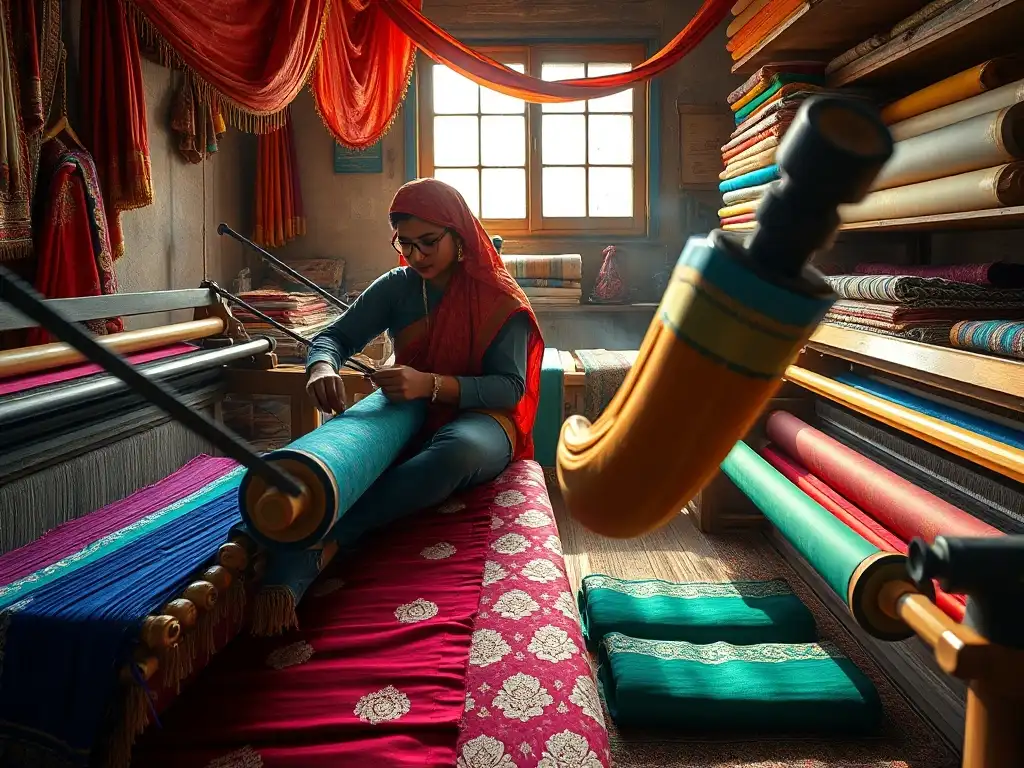
Authentic Indian silk holds a prominent place in contemporary fashion, bridging the gap between traditional craftsmanship and modern design. With a rich history that dates back thousands of years, Indian silk has not only been a symbol of luxury but also a versatile textile that adapts beautifully to current trends.
Indian silk is known for its lustrous finish, vibrant colors, and intricate patterns, making it a favored choice for both haute couture and casual wear. As sustainability becomes a growing concern in the fashion industry, authentic Indian silk stands out as a natural fiber that is biodegradable and often produced using traditional methods that support local artisans. This aspect not only highlights the ecological benefits but also adds a layer of storytelling to every piece made from this exquisite fabric.
Modern Trends Incorporating Traditional Indian Silk
In recent years, designers have been increasingly incorporating authentic Indian silk into their collections, blending traditional techniques with contemporary aesthetics. This resurgence can be seen in several key trends:
- Fusion Wear:
- Combining Indian silk with Western silhouettes, such as pairing a silk kurta with denim jeans, has become a popular style. This fusion allows for the celebration of cultural heritage while embracing modern fashion sensibilities.
- Sustainable Fashion:
- The demand for sustainable textiles has paved the way for authentic Indian silk to gain more recognition. Brands that focus on ethical practices are showcasing silk products that honor traditional craftsmanship while minimizing environmental impact.
- Statement Pieces:
- Designers are creating standout garments such as silk capes, oversized jackets, and structured dresses. These pieces often feature bold colors and intricate embroidery, making them perfect for special occasions.
- Accessories:
- Beyond clothing, authentic Indian silk is also making its mark in accessories. Silk scarves, ties, and handbags are being used to add a touch of elegance and cultural flair to any outfit.
Styling Tips: How to Wear Authentic Indian Silk
Wearing authentic Indian silk can elevate your wardrobe and showcase your appreciation for rich textile traditions. Here are some styling tips to help you incorporate silk into your outfits effortlessly:
- Layering:
- Pair a silk blouse with a tailored blazer for a polished look. The sheen of the silk will add a touch of sophistication to your ensemble.
- Mix and Match:
- Don’t hesitate to mix silk with other fabrics. For instance, combining a silk skirt with a cotton tee can create a balanced yet stylish outfit.
- Accessorizing:
- Use silk scarves to accessorize your outfits. They can be tied around the neck, used as a headband, or even as a handbag accessory to add a splash of color.
- Footwear:
- Pair silk garments with both traditional and contemporary footwear. For a traditional touch, opt for juttis, while modern high heels can elevate a silk dress for eveningwear.
- Occasion:
- Consider the occasion when wearing silk. Lighter, more colorful silks can be perfect for daytime events, while deeper hues and richer textures are ideal for evening functions.
The Versatility of Indian Silk in Contemporary Wardrobes
The versatility of authentic Indian silk is truly remarkable, allowing it to be styled in a variety of ways to suit different occasions and personal styles. Here are some aspects that highlight its adaptability:
- Seasonal Wear:
- Indian silk can be worn year-round. Lightweight silk fabrics are perfect for summer, while heavier weaves can keep you warm during colder months.
- Cultural Celebrations:
- Authentic Indian silk is often the fabric of choice for festive occasions and weddings, where traditional attire is celebrated. Its rich history adds to the significance of such events.
- Everyday Elegance:
- Incorporating silk into everyday wear does not have to be daunting. Simple silk tops or dresses can be effortlessly styled for casual outings, providing a touch of elegance without being overly formal.
- Timeless Investment:
- Investing in quality silk pieces is wise, as they can be timeless additions to any wardrobe. With the right care, authentic Indian silk can last a lifetime, maintaining its beauty and charm.
The role of authentic Indian silk in fashion today is not just about aesthetics; it embodies a rich history and cultural significance that continues to inspire modern trends and styling. Whether used in high fashion or everyday attire, its versatility makes it an essential component of any contemporary wardrobe.
Caring for Your Authentic Indian Silk Garments
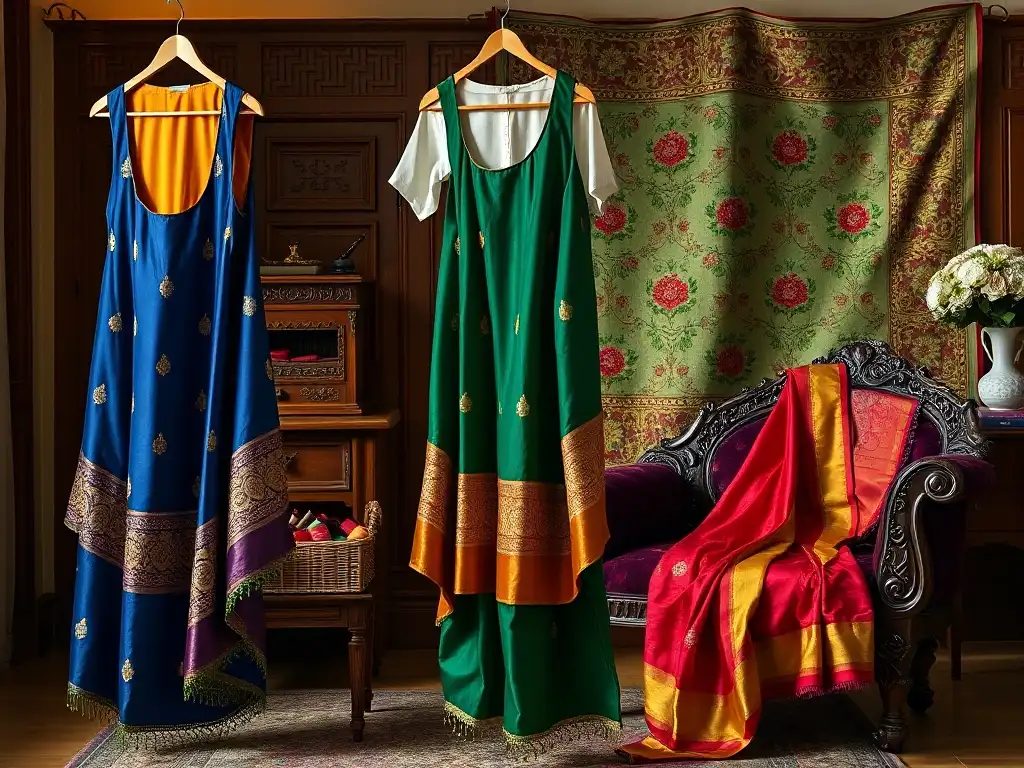
Caring for authentic Indian silk garments is essential to preserve their beauty, texture, and longevity. Silk, known for its luxurious feel and intricate weaving, requires specific attention to maintain its quality. Here, we delve into effective strategies to ensure your silk remains vibrant and intact for years to come.
Best Practices for Maintaining Silk Quality
- Gentle Washing: Always opt for hand washing when cleaning silk. Use cold water and a mild detergent specifically designed for silk. Avoid wringing or twisting the fabric to prevent damaging its fibers. Instead, gently soak and swish the garment in the water.
- Drying Techniques: After washing, lay the silk flat on a clean, dry towel. Roll the towel to absorb excess water, then unroll and hang the garment to air dry away from direct sunlight. This prevents fading and helps maintain the texture.
- Ironing with Care: If your silk garments need ironing, use a low-temperature setting on your iron. Place a thin cloth between the iron and the silk to avoid direct heat contact. This will help prevent shiny marks and burns on the delicate fabric.
- Storage Solutions: Store silk garments in a cool, dry place. Use breathable cotton bags or wrap them in acid-free tissue paper to protect them from dust and light. Avoid hanging silk garments on metal hangers, as this can cause stretching and distortion.
- Regular Maintenance: Inspect your silk garments regularly for any signs of wear, such as fraying or discoloration. Address small damages immediately to prevent escalation.
Recommended Products for Silk Care
To ensure the longevity of your authentic Indian silk garments, consider incorporating the following products into your care routine:
| Product Type | Recommendations | Purpose |
|---|---|---|
| Mild Detergent | Eucalan, The Laundress Silk Wash | Gentle cleaning without harsh chemicals. |
| Silk-Safe Stain Remover | Zout, OxiClean MaxForce | Targeted stain removal for delicate fabrics. |
| Fabric Freshener | The Laundress Fabric Fresh Classic | Refreshes silk without washing. |
| Silk Conditioning Spray | Silk Reflections | Maintains softness and sheen. |
| Storage Bags | 100% Cotton Garment Bags | Protects against dust and moths. |
By adhering to these best practices and using recommended products, you can keep your authentic Indian silk garments looking as exquisite as the day you acquired them. This level of care not only enhances the lifespan of your silk but also ensures that you can continue to enjoy its beauty and elegance for many years.
Where to Buy Authentic Indian Silk
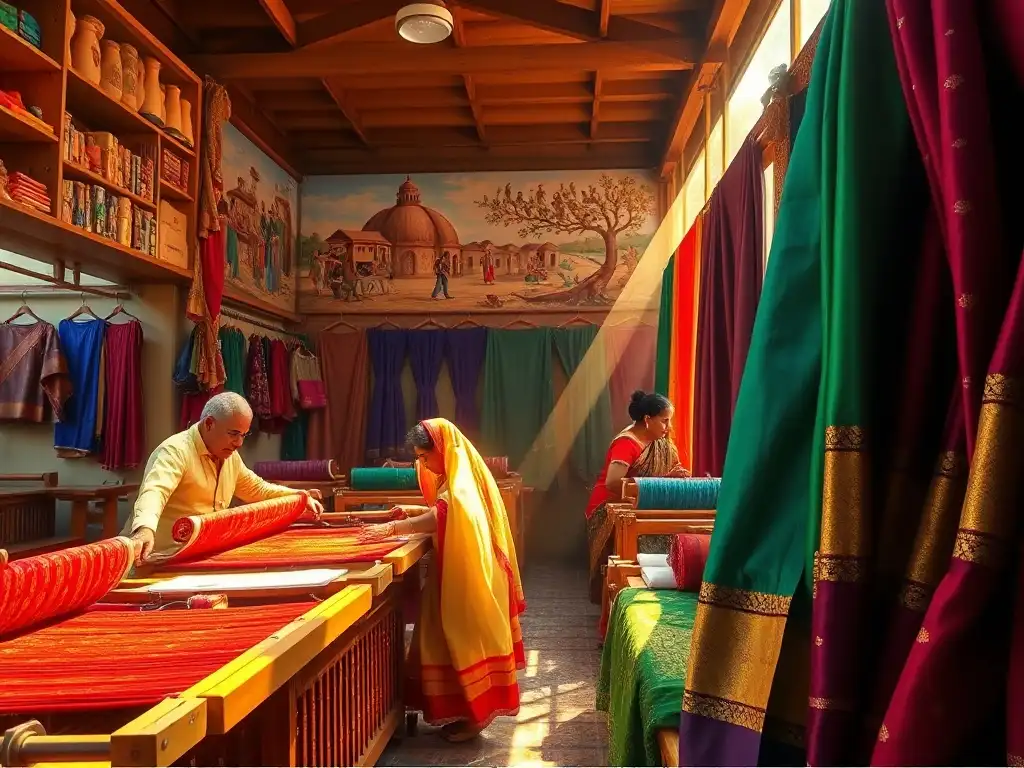
Finding authentic Indian silk requires a keen eye and an understanding of the sources that uphold traditional craftsmanship. Here are some of the best places to buy genuine silk that reflects the rich heritage and artistry of ancient India.
Top Online Retailers for Authentic Indian Silk
The rise of e-commerce has made it easier than ever to find authentic Indian silk from the comfort of your home. Here are some of the top online retailers known for their quality offerings:
- Fabindia
- Specialty: A wide range of handwoven silk products, including sarees, dupattas, and garments.
- Notable Feature: Promotes craftsmanship from various Indian artisans.
- Jaypore
- Specialty: Curated collections of traditional Indian textiles, focusing on unique designs and patterns.
- Notable Feature: Offers stories behind each piece, connecting consumers with artisans.
- Saree.com
- Specialty: Offers a variety of silk sarees from different regions, including Kanchipuram and Banarasi.
- Notable Feature: A platform dedicated entirely to sarees, ensuring a wide selection.
- Taneira
- Specialty: Premium silk sarees and ethnic wear, emphasizing heritage weaves.
- Notable Feature: Collaborates with artisans, ensuring authentic craftsmanship.
- Amazon India
- Specialty: A broad range of silk products from various sellers, including both traditional and contemporary styles.
- Notable Feature: Customer reviews and ratings help gauge product authenticity.
Craft Fairs and Local Markets: Finding Authentic Silk
For a truly immersive experience, visiting craft fairs and local markets can lead you to authentic Indian silk. Here are some notable venues:
-
Dilli Haat, Delhi
A vibrant marketplace featuring crafts from across India, including exquisite silk products. Here, you can interact directly with artisans and learn about the weaving process.
-
Chor Bazaar, Mumbai
Known as the "Thief’s Market," this area is a treasure trove for antique and traditional textiles. Bargaining is common, so be prepared to negotiate for the best price on authentic silk.
-
Shantiniketan, West Bengal
Famous for its cultural heritage and the Visva-Bharati University, the local markets here offer a range of silk products, especially the renowned Baluchari sarees.
-
Kanchipuram, Tamil Nadu
Known as the Silk Capital of India, Kanchipuram is home to numerous weavers producing some of the finest silk sarees. Visiting local weaving houses can provide insights into the traditional methods.
Recommended Brands for Authentic Indian Silk
When it comes to investing in authentic Indian silk, certain brands stand out for their commitment to quality and tradition:
- Nalli Silks
- Established: 1928
- Specialty: Renowned for Kanchipuram silk sarees, Nalli is a household name in India.
- Quality Assurance: Each saree comes with a purity certificate, assuring authenticity.
- Kanjivaram
- Specialty: Focuses exclusively on Kanchipuram silk sarees, blending traditional techniques with modern designs.
- Notable Feature: Collaborates with local weavers, ensuring fair trade practices.
- Bhushavali
- Specialty: Offers a mix of contemporary and traditional silk wear, including sarees and ethnic outfits.
- Notable Feature: Their pieces often feature intricate embroidery, showcasing the artistry of Indian textiles.
- The Silk Route
- Specialty: A luxury brand that curates a collection of silk garments, focusing on sustainability and ethical sourcing.
- Notable Feature: Their pieces often tell a story, reflecting the rich cultural heritage of India.
- Raw Mango
- Specialty: Known for its modern interpretations of traditional textiles, Raw Mango offers unique silk sarees and garments.
- Notable Feature: Emphasizes the use of natural dyes and handloom techniques, supporting local artisans.
By exploring these avenues, you can ensure that your wardrobe is enriched with authentic Indian silk, embodying the exquisite craftsmanship and cultural richness of ancient Indian traditions.
Conclusion: The Timeless Appeal of Authentic Indian Silk
Authentic Indian silk is not merely a fabric; it embodies centuries of tradition, craftsmanship, and cultural significance. From the luxurious textures of Banarasi silk to the delicate weaves of Kanchipuram, each piece tells a story that transcends time. The allure of Indian silk lies in its vibrant colors, intricate patterns, and remarkable durability, making it a staple in both traditional and contemporary fashion.
The history of silk production in India dates back to the Indus Valley Civilization, where evidence of silk weaving has been found in archaeological sites. Over the centuries, various dynasties, including the Mauryas and Guptas, played a pivotal role in advancing silk craftsmanship, establishing trade routes that expanded its reach globally. This rich heritage not only enhances the value of authentic Indian silk but also ensures its place as a timeless addition to any wardrobe.
Why Investing in Authentic Indian Silk is Worth It
Investing in authentic Indian silk is a decision that offers both aesthetic and practical benefits. Here are several compelling reasons to consider:
- Quality and Durability: Authentic Indian silk is known for its high quality and long-lasting nature. Unlike synthetic alternatives, genuine silk maintains its shape and color, allowing garments to stand the test of time.
- Versatility: Silk can be worn for various occasions, from casual gatherings to formal events. Its ability to drape elegantly enhances any outfit, allowing for both traditional and modern styling options.
- Cultural Value: By choosing authentic Indian silk, you are not just purchasing a piece of clothing; you are supporting a rich cultural heritage and the artisans who dedicate their lives to this craft. Each piece is often handcrafted, reflecting the unique skills passed down through generations.
- Health Benefits: Silk is hypoallergenic and breathable, making it a comfortable choice for all seasons. It helps regulate body temperature and is gentle on the skin, reducing irritation.
- Investment Potential: High-quality silk garments can appreciate in value over time, especially those that feature intricate designs or are produced by renowned artisans.
Final Thoughts on Incorporating Indian Silk into Your Wardrobe
Incorporating authentic Indian silk into your wardrobe is not just about fashion; it’s about celebrating a legacy of artistry and tradition. Here are some practical tips for doing so:
- Choose Timeless Designs: Opt for classic styles that won’t go out of fashion. Pieces like silk sarees, dupattas, and scarves can be versatile additions.
- Mix and Match: Pair silk items with other fabrics to create unique looks. A silk blouse can elevate a pair of jeans, while a silk scarf can add flair to a simple dress.
- Care and Maintenance: To preserve the integrity of your silk garments, follow proper care instructions. Hand wash in cold water and avoid direct sunlight to maintain color vibrancy.
- Invest in Unique Pieces: Look for limited-edition items or those with unique weaves and patterns. These pieces not only stand out but also serve as conversation starters.
Authentic Indian silk is a worthy investment that enhances both your wardrobe and appreciation for a rich cultural heritage. By choosing silk, you embrace the timeless appeal of craftsmanship and tradition, making it a staple for generations to come.
Frequently Asked Questions
What is the significance of Authentic Indian silk history in ancient India?
Authentic Indian silk history dates back to ancient civilizations, where silk production was highly valued. It played a crucial role in trade, economy, and cultural exchanges.
How did the Indus Valley civilization contribute to silk production?
The Indus Valley civilization is known for its advanced textile techniques, which laid the foundation for silk weaving. The use of natural dyes and intricate patterns showcases their artistry.
What are the key features of silk from the Gupta Empire?
Silk from the Gupta Empire is renowned for its fine quality and vibrant colors. It was often used in royal garments and ceremonies, symbolizing wealth and status.
How has Indian silk influenced global fashion?
Indian silk has had a profound impact on global fashion, with its unique textures and patterns inspiring designers worldwide. Its luxurious appeal makes it a staple in high-end clothing.
What makes Authentic Indian silk different from other silk types?
Authentic Indian silk is distinguished by its traditional weaving techniques, rich cultural heritage, and the use of local materials. Each piece often tells a story of its origin and craftsmanship.
Final Reflection: Embracing Authentic Indian Silk for a Timeless Wardrobe
The allure of authentic Indian silk transcends mere fashion; it embodies a rich tapestry of history, culture, and craftsmanship that remains profoundly relevant today. As we navigate a world increasingly driven by fast fashion, the importance of investing in timeless pieces like authentic Indian silk becomes ever more significant. This luxurious fabric not only enhances our wardrobes but also connects us to centuries of tradition and artistry that deserve recognition and appreciation.
The influence of authentic Indian silk extends far beyond individual garments; it resonates deeply within the cultural and social fabric of our lives. From weddings to festivals, this exquisite textile serves as a symbol of celebration and heritage, reminding us of the stories woven into each thread. As Mahatma Gandhi once said, "> The true measure of a nation’s greatness is in its ability to retain compassion in times of crisis." This sentiment rings true as we embrace the craftsmanship and ethical practices behind authentic Indian silk, fostering a sense of community and responsibility in our choices.
As you reflect on your own wardrobe, consider the impact of incorporating authentic Indian silk into your life. Each piece you choose can serve as a conversation starter, a celebration of culture, and a commitment to sustainable fashion. I invite you to explore the beauty and history of this remarkable fabric, allowing it to inspire not only your style but also your values. Together, let us honor the legacy of authentic Indian silk and make choices that resonate with our identity and the world around us.
Elevate Your Style with Authentic Indian Silk!
Thank you for diving into the enchanting world of Indian silk with us! By exploring its rich history and undeniable charm, you’ve taken the first step toward enhancing your wardrobe with a unique touch. Now, let’s transform that inspiration into action!
Here’s how you can embrace the beauty of authentic Indian silk:
- Start your journey today by investing in a piece of quality Indian silk clothing—such as a vibrant saree or an elegant kurta—that resonates with your personal style.
- Explore local markets or reputable online boutiques that specialize in Indian silk, and share your discoveries with friends to spread the joy of this exquisite fabric.
- Consider hosting a gathering focused on Indian silk, where you and your loved ones can exchange ideas on styling and caring for these timeless pieces.
Now that you’re excited about Indian silk, which piece are you most eager to add to your wardrobe? We’d love to hear your thoughts!