
The Role of Religious Pilgrimages in Fostering Cultural Exchanges in Ancient India

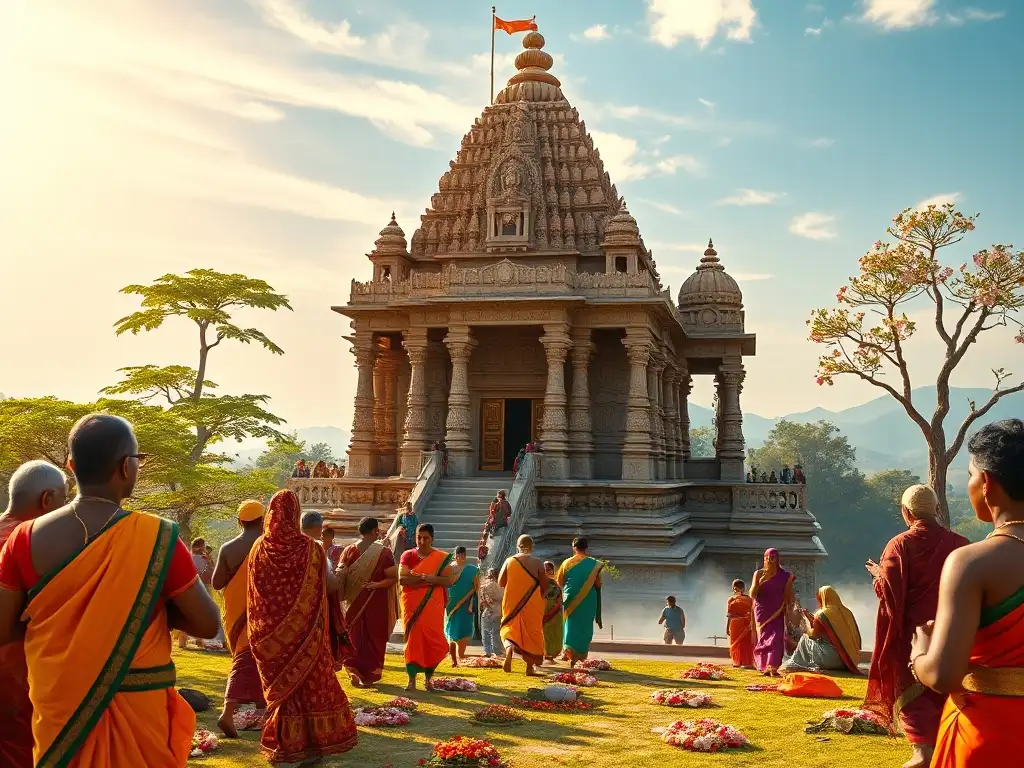
Welcome to Ancient India History, where we journey through the rich tapestry of ancient civilizations that shaped the Indian subcontinent. In our latest exploration, we delve into "Religious Pilgrimages in Ancient India," uncovering how these sacred journeys not only nurtured spiritual growth but also fostered vibrant cultural exchanges across diverse communities. Prepare to be captivated as we reveal the profound impact of these pilgrimages on trade, art, and social interaction. Join us in uncovering the stories that connect the past to the present, and ignite your curiosity about the fascinating world of ancient India!
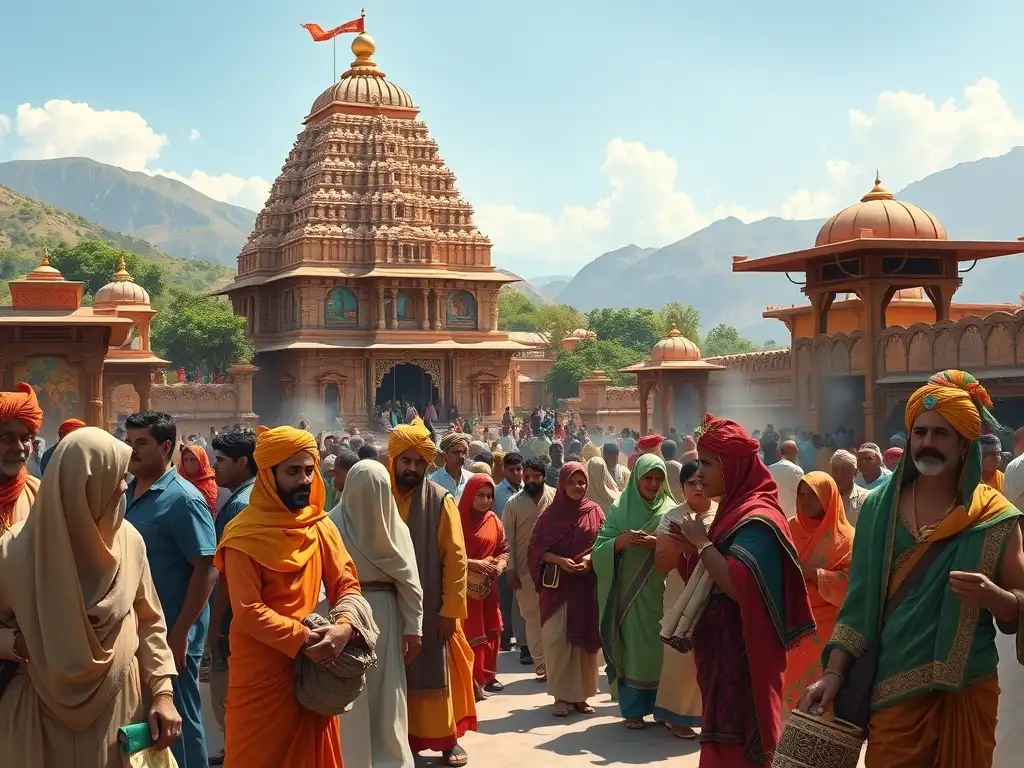
Introduction to Religious Pilgrimages in Ancient India
Religious pilgrimages have played a pivotal role in shaping the cultural and social landscape of ancient India. These journeys were not merely acts of devotion; they served as vital conduits for cultural exchange, bringing together diverse communities, beliefs, and practices. From the sacred banks of the Ganges to the revered sites of Buddhist heritage, religious pilgrimages in ancient India fostered interactions that transcended geographical and cultural boundaries. This article explores the significance of these pilgrimages, their historical context, and the major pilgrimage sites that became melting pots of ideas and traditions.
Definition of Religious Pilgrimages
In the context of ancient India, religious pilgrimages can be defined as journeys undertaken by individuals or groups to sacred sites for the purpose of spiritual fulfillment, worship, or penance. These pilgrimages often involved rituals, prayers, and communal gatherings, reflecting the deep-seated spiritual and philosophical beliefs of the time.
Historical Context of Pilgrimages in Ancient India
The roots of religious pilgrimages in ancient India can be traced back to the Vedic period (approximately 1500–500 BCE), where sacred rivers and mountains were revered as manifestations of divine presence. Over centuries, the emergence of various religious traditions, including Hinduism, Buddhism, and Jainism, contributed to the proliferation of pilgrimage practices. Key texts such as the Puranas and the Mahabharata provided guidelines on significant pilgrimage sites, establishing a network of spiritual geography that shaped the ancient Indian worldview.
Importance of Pilgrimages in Ancient Indian Society
Pilgrimages were instrumental in promoting cultural exchanges within ancient Indian society. They served several key functions:
- Cultural Integration: Pilgrimage sites attracted individuals from diverse backgrounds, fostering a sense of unity and shared identity among different communities.
- Trade and Economy: Major pilgrimage centers also became bustling hubs of trade and commerce, facilitating economic interactions and exchanges of goods, ideas, and technologies.
- Knowledge Exchange: The convergence of pilgrims and travelers created platforms for the dissemination of philosophical, artistic, and scientific knowledge, enriching the cultural tapestry of ancient India.
Major Religious Pilgrimage Sites in Ancient India
Ancient India was home to numerous significant pilgrimage sites, each with its own unique historical and cultural significance. Below are some of the most notable ones:
Varanasi: The Spiritual Heart of India
Varanasi, known as Kashi, is regarded as one of the oldest continuously inhabited cities in the world and a major pilgrimage destination for Hindus. Its sacred ghats along the Ganges River are believed to facilitate spiritual liberation (moksha), attracting millions of pilgrims seeking purification and enlightenment. The city's rich tapestry of temples, rituals, and festivals exemplifies the vibrant religious life that flourished here.
Hardwar: Confluence of Rivers and Beliefs
Hardwar, located at the foothills of the Himalayas, is another important pilgrimage site. It is famed for the Kumbh Mela, a massive religious gathering that occurs every twelve years, where millions of devotees gather to bathe in the sacred Ganges. The convergence of rivers at this site symbolizes the blending of various religious traditions and beliefs, making it a melting pot of cultures and practices.
Bodh Gaya: The Birthplace of Buddhism
Bodh Gaya holds immense significance as the location where Siddhartha Gautama attained enlightenment and became the Buddha. This UNESCO World Heritage Site features the Mahabodhi Temple and the Bodhi Tree, attracting Buddhist pilgrims from around the world. The site not only serves as a spiritual center but also as a hub for cultural exchanges among diverse Buddhist communities.
Ayodhya: The Ramayana's Sacred Landscape
Ayodhya, revered as the birthplace of Lord Rama, is a key pilgrimage site for Hindus. The narrative of the Ramayana, with its themes of duty, righteousness, and devotion, has shaped the pilgrimage experience in Ayodhya. The city has historically been a focal point for cultural interactions, drawing pilgrims from various regions and contributing to the rich tapestry of Indian mythology and culture.
The exploration of religious pilgrimages in ancient India reveals their profound impact on cultural exchanges and societal development. These journeys not only fulfilled spiritual aspirations but also facilitated the confluence of diverse traditions, ideologies, and communities, leaving an indelible mark on the history of ancient India.
Cultural Exchanges Facilitated by Religious Pilgrimages
Religious pilgrimages in ancient India played a crucial role in fostering cultural exchanges among diverse communities. These journeys, undertaken by millions, connected not only different parts of India but also bridged gaps with neighboring civilizations. Pilgrimage routes often became melting pots of culture, where travelers shared ideas, traditions, and knowledge, leading to the enrichment of local customs and practices.
The significance of these exchanges can be seen in the way pilgrimage sites attracted not just devotees but also traders, scholars, and artists. As pilgrims traveled to sacred destinations such as Varanasi, Mathura, and Bodh Gaya, they brought along their local customs and beliefs, which intermingled with those of the local populace. This cross-pollination resulted in a vibrant tapestry of cultural interactions, influencing various aspects of daily life, including language, cuisine, and social practices.
Interaction with Neighboring Civilizations
The interaction between ancient Indian pilgrims and neighboring civilizations was profound and multifaceted. Pilgrimages often led to encounters with cultures from regions such as Central Asia, Persia, and Southeast Asia. The Silk Road, a prominent trade route, also served as a path for spiritual journeys, where merchants and pilgrims exchanged not only goods but also religious ideologies and cultural norms.
For instance, the spread of Buddhism played a vital role in establishing connections with regions like Tibet and China. Monastic sites such as Nalanda and Takshashila became hubs of learning, where scholars from various backgrounds gathered to share philosophical and theological concepts. These interactions not only enhanced the understanding of religious doctrines but also paved the way for the exchange of artistic expressions and scientific knowledge.
Sharing of Religious Practices and Beliefs
Religious pilgrimages were instrumental in the dissemination of various beliefs and practices. As pilgrims journeyed to sacred sites, they carried their own traditions, which often blended with those of the destinations they visited. This sharing resulted in the evolution of hybrid practices, where local and visiting customs influenced each other.
For example, the worship of deities at pilgrimage sites often incorporated rituals from different regions. The integration of various forms of worship, such as local folk traditions with established religious practices, showcased the adaptability of ancient Indian spirituality. This phenomenon not only enriched the religious landscape but also encouraged communal harmony and understanding among diverse groups.
The Impact of Pilgrimages on Art and Architecture
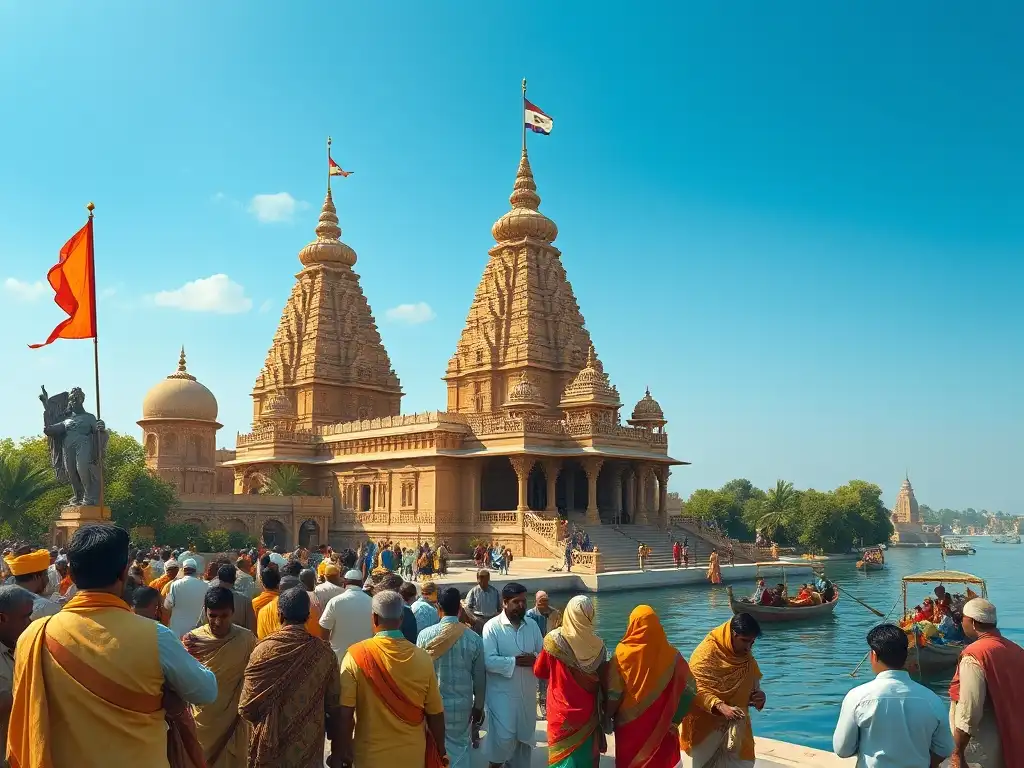
The influence of religious pilgrimages extended significantly into the realms of art and architecture. As pilgrims flocked to sacred sites, the need for infrastructure to accommodate them led to the development of impressive architectural works. Temples, stupas, and monasteries were constructed along pilgrimage routes, reflecting the artistic styles and cultural influences of the time.
Architectural Styles Inspired by Pilgrimage Sites
The architectural styles of ancient India were greatly shaped by religious pilgrimages. Influences from various regions resulted in unique designs that showcased a blend of local and foreign elements. For instance, the rock-cut caves of Ajanta and Ellora, which served as important Buddhist pilgrimage sites, exhibit intricate carvings and sculptures that tell stories of the Buddha's life and teachings.
Furthermore, the introduction of distinct architectural features, such as the stupa, which originated as a burial mound, evolved into a significant symbol of Buddhist architecture. The design of these stupas varied widely, demonstrating the influence of regional styles and the adaptations made by local artisans to meet the needs of pilgrims.
Artistic Expressions Depicting Pilgrimage Themes
Artistic expressions inspired by religious pilgrimages can be observed in various forms, including sculpture, painting, and literature. Temples often featured elaborate frescoes and reliefs depicting scenes from sacred texts, illustrating the journeys of deities and saints. These artistic representations served not only as decorative elements but also as educational tools for pilgrims and visitors, conveying moral and spiritual teachings.
In addition, literature produced during these times frequently reflected the themes of pilgrimage. Epic poems and texts celebrated the virtues of devotion and the transformative power of undertaking a sacred journey, inspiring countless individuals to embark on their own pilgrimages.
Influence on Local Crafts and Industries
The influx of pilgrims to sacred sites stimulated local economies, leading to the flourishing of crafts and industries. Artisans and craftsmen capitalized on the demand for religious artifacts, souvenirs, and offerings, resulting in the growth of various local industries. The production of items such as idols, textiles, and jewelry became intertwined with the pilgrimage experience, as these goods were often sought after by devotees.
Moreover, the exchange of ideas and techniques among artisans from different regions led to innovations in craftsmanship. The interactions between local and visiting craftsmen enriched the artistic landscape, fostering the development of new styles and techniques that reflected the diverse influences of the many cultures converging at pilgrimage sites. This dynamic not only enhanced the economic viability of these regions but also contributed to the overall cultural richness of ancient India.
Religious pilgrimages in ancient India served as a powerful catalyst for social cohesion, uniting individuals from diverse backgrounds under shared spiritual pursuits. These journeys often transcended local boundaries, gathering people from various castes, communities, and regions. As they traveled to sacred sites, pilgrims engaged in collective rituals, fostering a sense of belonging and communal identity. This shared experience was crucial in breaking down social barriers, allowing individuals to connect with one another beyond their immediate social circles.
Moreover, the act of pilgrimage often involved collective worship and participation in festivals that celebrated shared religious beliefs. These gatherings were not just spiritual events; they provided opportunities for dialogue, exchange of ideas, and collaboration among different cultural groups. This interplay of shared devotion and communal activities helped to strengthen social bonds and create a more integrated society.
Community Building through Pilgrimage Participation
Participation in pilgrimages facilitated community building in various ways. Local communities often mobilized to support pilgrims, providing hospitality, food, and guidance along their journeys. This not only enhanced the pilgrims' experience but also allowed locals to showcase their cultural heritage and hospitality. For instance, towns along the Ganges River developed unique identities tied to the pilgrimage activities that occurred there, creating a symbiotic relationship between pilgrims and residents.
Additionally, various sects and religious organizations capitalized on these gatherings to promote their teachings and recruit followers, further establishing a network of interconnected communities. As people returned home from their pilgrimages, they brought back new ideas, practices, and narratives, enriching their own communities in the process. This exchange enhanced the cultural and spiritual tapestry of ancient India, making pilgrimages a vital element in the fabric of society.
Role of Pilgrimages in Bridging Cultural Divides
Pilgrimages played a significant role in bridging cultural divides in ancient India. They served as avenues for interaction among different ethnic groups, languages, and customs, fostering mutual understanding and respect. For example, the Kumbh Mela, one of the largest religious gatherings in the world, attracted millions from various backgrounds, including Hindus, Buddhists, and Jains. This convergence of diverse cultures at sacred sites allowed for the sharing of practices, beliefs, and even artistic expressions.
Furthermore, the presence of religious scholars and leaders from diverse traditions during these pilgrimages facilitated dialogues that transcended doctrinal differences. Pilgrims often exchanged stories, philosophical ideas, and theological insights, enriching their understanding of each other's faiths. This contributed to a culture of tolerance and openness, essential for maintaining harmony in a multi-religious society.
Pilgrimage Narratives: Stories of Unity in Diversity
The narratives surrounding religious pilgrimages in ancient India are filled with tales that highlight unity in diversity. Stories of legendary figures like Adi Shankaracharya, who traveled across India to promote Advaita Vedanta, showcase how pilgrimages were instrumental in disseminating philosophical ideas and fostering a sense of common purpose among followers of different sects.
Additionally, the rich tapestry of folklore associated with various pilgrimage sites often emphasized themes of cooperation and coexistence. Such narratives, passed down through generations, celebrated the collective experience of pilgrimage as a means of overcoming differences and building bridges among various cultures. They served not only to inspire pilgrims but also to reinforce the notion that shared spiritual journeys can lead to greater social harmony.
Conclusion: The Lasting Legacy of Religious Pilgrimages
Reflection on Cultural Exchanges in Ancient India
The legacy of religious pilgrimages in ancient India is evident in the profound cultural exchanges that took place throughout the centuries. These journeys were not merely individual quests for spiritual enlightenment; they were pivotal in shaping the cultural landscape of the subcontinent. Through the sharing of religious practices, art, and philosophies, pilgrimages helped to cultivate a rich, diverse culture that celebrated both uniqueness and commonality among its people.
The interactions facilitated by pilgrimages contributed to the development of a cohesive cultural identity in the region, influencing art, literature, and social practices. The architectural marvels built around pilgrimage sites, such as temples and monasteries, are enduring symbols of this cultural synthesis, representing a confluence of regional styles and traditions.
Continuing Influence of Ancient Pilgrimages on Modern Practices
The influence of ancient religious pilgrimages continues to resonate in modern India. Many contemporary practices and rituals are rooted in the traditions established during ancient pilgrimage routes. Festivals and religious gatherings still attract millions of pilgrims, fostering a sense of community and cultural exchange reminiscent of their historical counterparts.
Moreover, modern-day pilgrimages often reflect the same spirit of unity and cultural interaction that characterized ancient practices. They serve as platforms where people from varied backgrounds come together, reinforcing the idea that pilgrimage is not just about individual spirituality but also about collective cultural identity and cohesion.
Final Thoughts on the Significance of Pilgrimages in Cultural History
Religious pilgrimages in ancient India played an invaluable role in fostering cultural exchanges that shaped the social and spiritual dynamics of the time. They bridged cultural divides, promoted community building, and created narratives that celebrated unity in diversity. The enduring legacy of these pilgrimages is evident in both historical records and contemporary practices, highlighting their significance not only in the spiritual realm but also in the broader cultural history of India. As modern society continues to navigate diversity, the lessons learned from these ancient traditions remain relevant, reminding us of the power of shared journeys in fostering understanding and harmony.
- Introduction to Religious Pilgrimages in Ancient India
- Major Religious Pilgrimage Sites in Ancient India
- Cultural Exchanges Facilitated by Religious Pilgrimages
- The Impact of Pilgrimages on Art and Architecture
- Pilgrimage as a Catalyst for Social Cohesion
- Conclusion: The Lasting Legacy of Religious Pilgrimages
- What were the main religious pilgrimages in ancient India?
- How did religious pilgrimages contribute to cultural exchanges?
- What role did trade play in religious pilgrimages?
- Were there any specific texts or scriptures that mention religious pilgrimages?
- How did the Gupta Empire influence religious pilgrimages?
Frequently Asked Questions
What were the main religious pilgrimages in ancient India?
Ancient India featured several significant religious pilgrimages, including the journeys to Varanasi, Kashi, and Bodh Gaya, which were vital for both spiritual growth and cultural exchanges.
How did religious pilgrimages contribute to cultural exchanges?
Religious pilgrimages served as meeting points for diverse groups, enabling the exchange of ideas, art, and traditions, thus fostering a rich tapestry of cultural interactions.
What role did trade play in religious pilgrimages?
Trade routes often coincided with pilgrimage paths, facilitating not just spiritual journeys but also the movement of goods and services, which enhanced economic and cultural ties among different regions.
Were there any specific texts or scriptures that mention religious pilgrimages?
Yes, texts like the Mahabharata and Purāṇas detail various pilgrimage sites and the significance of these journeys, highlighting their importance in spiritual and cultural contexts.
How did the Gupta Empire influence religious pilgrimages?
The Gupta Empire saw a flourishing of religious pilgrimages, promoting Buddhism and Hinduism through the establishment of temples and monasteries, which became key destinations for pilgrims seeking spiritual enlightenment.
Final Reflection: The Enduring Legacy of Religious Pilgrimages in Ancient India
Religious pilgrimages in ancient India were not just spiritual journeys; they were pivotal in shaping cultural exchanges that resonate even today. These sacred travels fostered connections among diverse communities, facilitating the sharing of ideas, traditions, and beliefs that enriched the social fabric of the time. The significance of these pilgrimages is evident in how they laid the groundwork for intercultural dialogue and understanding, which remains crucial in our increasingly globalized world.
Cultural exchanges initiated by these pilgrimages have left an indelible mark on the social landscape of India. The interactions among pilgrims from various regions and backgrounds fostered a sense of unity amidst diversity, showcasing the power of shared experiences. As Mahatma Gandhi once said, The best way to find yourself is to lose yourself in the service of others.
This sentiment echoes the essence of religious pilgrimages, where the act of journeying together transcended individual identities, creating a collective cultural narrative that continues to influence contemporary society.
As we reflect on the lessons from the past, let us embrace the spirit of these ancient pilgrimages in our own lives. Consider how you can engage with different cultures and communities, fostering understanding and respect in your daily interactions. Whether through travel, dialogue, or simply being open to new perspectives, each of us has the power to contribute to a more connected and harmonious world. Let the legacy of religious pilgrimages inspire you to embark on your own journey of cultural exchange and personal growth.
Embark on Your Own Cultural Journey!
Thank you for diving into the fascinating world of religious pilgrimages in ancient India! You’ve uncovered how these journeys not only shaped spiritual beliefs but also fostered incredible cultural exchanges. Now, it’s time to take inspired action that celebrates and continues this rich tradition.
Here’s how you can keep the spirit of exploration alive:
- Plan your own pilgrimage: Whether it's a local shrine or a historical site, embark on a personal journey to connect with your cultural roots.
- Share your experiences: Write about your pilgrimage stories or insights on social media to inspire others to explore.
- Engage with your community: Organize or join a discussion group focused on the history and significance of pilgrimages—spark conversations and learn from others!
What cultural connection will you explore next on your journey?