
The Indian Ocean Connection: Trade Routes That Linked Ancient India and Southeast Asia

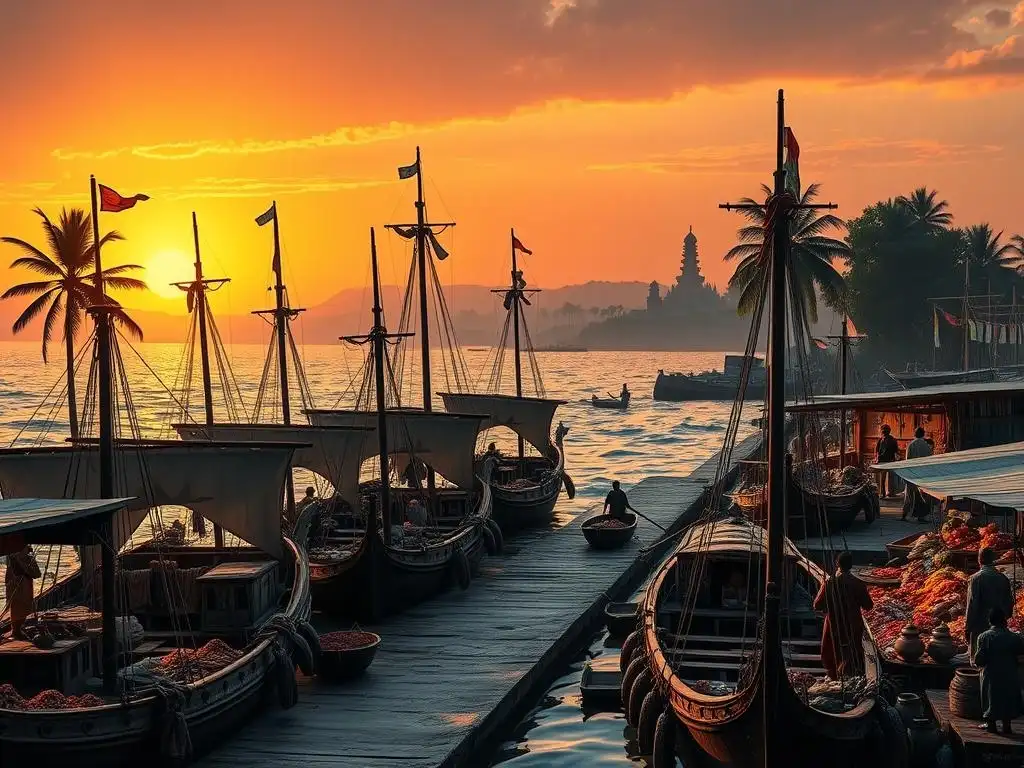
Welcome to Ancient India History, where we invite you to dive deep into the tapestry of one of the world's oldest civilizations. In today’s exploration, we unravel the fascinating trade routes of Ancient India, focusing on the intricate connections forged across the Indian Ocean that linked this vibrant land to Southeast Asia. Discover how these pathways not only facilitated commerce but also fostered rich cultural exchanges that shaped societies and influenced generations.
Join us on this journey as we uncover the stories behind the trade routes that transformed ancient livelihoods and left a lasting legacy on the world stage. Are you ready to embark on this enlightening adventure?
Introduction to Ancient India Trade Routes
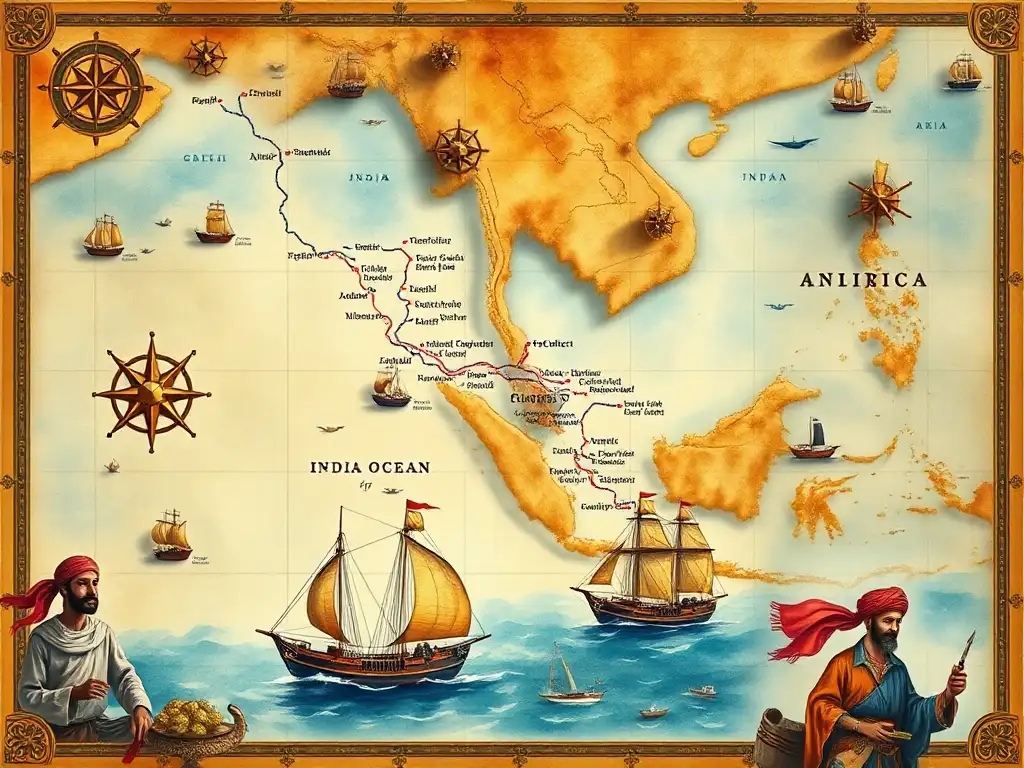
The trade routes that connected ancient India to Southeast Asia played a pivotal role in shaping the economic, cultural, and social landscapes of the region. These maritime pathways facilitated not only the exchange of goods but also the sharing of ideas, religions, and cultural practices, which significantly influenced the development of civilizations across Southeast Asia.
Understanding these ancient India trade routes unveils the depth of interactions that existed between these regions, highlighting how ancient Indian merchants and sailors contributed to the vibrant tapestry of Southeast Asian culture and economy. As we explore this intricate network of trade, we will uncover the various commodities exchanged, the historical contexts that shaped these routes, and the lasting impacts on both Indian and Southeast Asian societies.
Overview of Ancient Indian Trade
Trade in ancient India was characterized by its extensive networks and diverse commodities. Key items traded included spices, textiles, precious stones, and metals, which were highly sought after in markets beyond Indian shores. Indian merchants engaged in both overland and maritime trade, using routes that spanned the vast Indian subcontinent and extended to distant lands.
- Major commodities:
- Spices (e.g., black pepper, cardamom)
- Textiles (e.g., silk, cotton)
- Gems and metals (e.g., gold, silver)
The bustling ports along the western and eastern coasts of India, such as Lothal, Sopara, and Arikamedu, served as vital hubs for trade with regions such as the Arabian Peninsula, East Africa, and Southeast Asia. The sophistication of ancient Indian trade practices is evident in the establishment of standardized weights and measures, as well as the use of coins, which facilitated commerce.
Importance of Trade Routes in Cultural Exchange
The trade routes of ancient India were not merely conduits for goods; they were also avenues for cultural exchange. The interaction among traders, travelers, and local populations led to the diffusion of ideas, religions, and technologies.
- Cultural influences included:
- Religion: The spread of Buddhism and Hinduism into Southeast Asia.
- Art and architecture: The introduction of Indian artistic styles and architectural techniques.
- Language and literature: The exchange of linguistic elements and literary traditions.
These interactions fostered a rich cultural milieu that allowed for the emergence of unique identities in Southeast Asia while simultaneously enriching Indian culture.
Historical Context of Trade in the Indian Ocean
The Indian Ocean trade network was one of the most significant maritime trade systems in the ancient world, connecting various civilizations through a complex web of trade routes. The historical context of this trade is essential to understand how ancient India became a central player in these exchanges.
Ancient India’s Role in Maritime Trade
Ancient India was at the forefront of maritime trade, leveraging its geographical position and advanced shipbuilding techniques to engage with distant markets. Indian sailors were known for their navigational skills, using the monsoon winds to facilitate swift maritime journeys. This led to the establishment of trade routes that connected India with Southeast Asia, the Middle East, and beyond.
- Key maritime trade routes:
- The Arabian Sea route connecting to the Persian Gulf and East Africa.
- The Bay of Bengal route extending to Southeast Asia, including present-day Indonesia and Malaysia.
Through these routes, Indian merchants not only exported goods but also imported products such as exotic woods, ivory, and even knowledge, thus enriching their own culture and economy.
Trade Networks Connecting India and Southeast Asia
The trade networks that linked India and Southeast Asia were characterized by a series of key ports and trading hubs. Important ports such as Ceylon (present-day Sri Lanka), Sumatra, and Java became focal points for the exchange of goods and ideas.
- Key trading partners:
- Indonesia: Spice trade, particularly in nutmeg and cloves.
- Thailand and Vietnam: Trade in textiles and metalwork.
These networks facilitated a steady flow of goods, while also enabling cultural exchanges that shaped the societies involved. The establishment of trading empires, such as the Srivijaya Empire in Sumatra, further exemplified the significance of these routes in regional trade dynamics.
Key Historical Periods Influencing Trade
Several historical periods significantly influenced the patterns and dynamics of trade in the Indian Ocean. From the Maurya and Gupta Empires to the rise of regional powers in Southeast Asia, these epochs played a critical role in shaping the trade landscape.
- Maurya Empire (322-185 BCE): Enhanced trade relations and infrastructure.
- Gupta Empire (c. 240-550 CE): Flourishing trade and cultural exchanges.
- Post-Gupta Period (c. 600-1200 CE): Expansion of trade networks through maritime routes in Southeast Asia.
Understanding these periods provides insight into how ancient India solidified its position as a trade powerhouse and how these interactions fostered mutual growth and cultural synergy between India and Southeast Asia.
Major Trade Routes of Ancient India
Ancient India was intricately connected to the wider world through a well-established network of trade routes, particularly those that traversed the Indian Ocean. These routes facilitated the exchange of goods, ideas, and cultures between India and Southeast Asia, making it a hub of commerce and cultural interaction. The major trade routes can be broadly classified into two categories: overland routes and maritime routes.
- Overland Routes: The Silk Road, which extended from the eastern Mediterranean to Central Asia and beyond, played a crucial role in connecting India with regions across Asia. However, while the Silk Road facilitated trade in luxury goods, the Indian Ocean trade routes became increasingly significant due to their ability to accommodate larger volumes of goods and the growing maritime technology of the time.
- Maritime Routes: The Indian Ocean trade network included several key sea routes that linked Indian ports such as Bharuch, Calicut, and Cochin with ports in Southeast Asia, including those in present-day Indonesia, Malaysia, and Vietnam. These maritime routes allowed for the transport of bulk commodities like spices, textiles, and metals, which were highly sought after in international markets.
The interaction between these trade routes fostered not only economic exchanges but also cultural and technological exchanges, contributing to the rich tapestry of ancient Indian civilization and its influence on Southeast Asia.
Silk Road versus Indian Ocean Trade Routes
The Silk Road and the Indian Ocean trade routes represent two distinct yet interrelated avenues of commerce in ancient times.
- Silk Road: Primarily a network of overland routes, the Silk Road was renowned for the trade of luxury goods, such as silk, spices, and precious stones. Caravans traversed harsh terrains, connecting civilizations including the Romans, Persians, and Chinese. While it facilitated the exchange of ideas and culture, its reliance on land travel made it susceptible to disruptions.
- Indian Ocean Trade Routes: In contrast, the Indian Ocean trade routes utilized maritime pathways that enabled the transportation of more diverse and bulk goods. This network flourished due to advances in navigation, shipbuilding, and the use of monsoon winds, which allowed traders to travel efficiently between ports. The Indian Ocean routes were instrumental in linking the Indian subcontinent with Southeast Asia, Africa, and beyond, promoting not only trade but also cultural exchanges that shaped the region’s history.
Ultimately, both trade routes contributed significantly to the globalization of ancient economies, yet the Indian Ocean routes became increasingly vital due to their capacity for sustaining a larger volume of trade and their resilience against geographical challenges.
Key Ports and Cities Along Ancient Trade Routes
Several key ports and cities emerged as bustling centers of trade along the ancient Indian trade routes, serving as vital nodes for the exchange of goods and cultural interactions.
- Bharuch (Brokhar) and Surat: Located on the western coast of India, these ports were among the earliest trade hubs, facilitating maritime commerce with the Arabian Peninsula and Southeast Asia. Their strategic locations made them essential for the trade of textiles, spices, and other commodities.
- Calicut (Kozhikode): Known as the "City of Spices," Calicut became a prominent port in the 14th century, attracting traders from various regions including Arabia and China. It played a significant role in the spice trade, particularly in black pepper, which was highly valued in international markets.
- Cochin (Kochi): Another crucial port in southwestern India, Cochin served as a gateway to the spice-rich Malabar Coast. Its sheltered harbor facilitated the docking of large vessels, making it a crucial center for the exchange of goods, especially spices and textiles.
- Bengal Ports (e.g., Chittagong): The ports in Bengal also played an important role in trade with Southeast Asia, exporting textiles and spices while importing luxury goods and metals.
These ports not only served as commercial centers but also as melting pots of cultures, where ideas, religions, and technologies were exchanged, influencing the development of societies in both India and Southeast Asia.
Goods Traded Between Ancient India and Southeast Asia
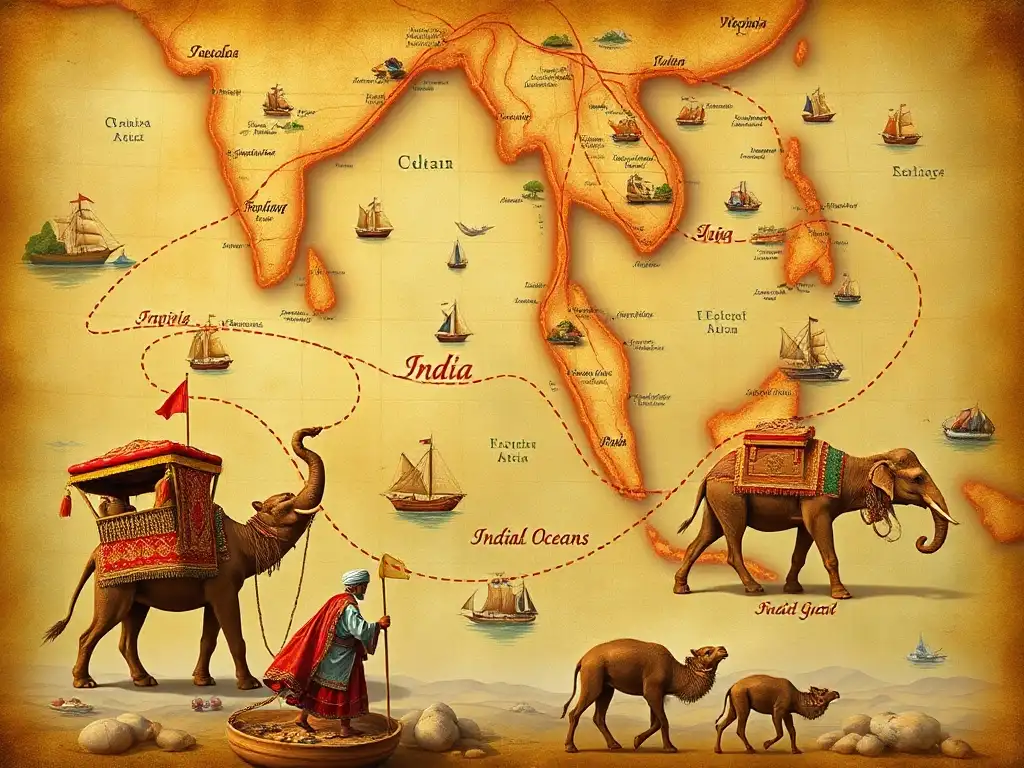
The trade between ancient India and Southeast Asia was characterized by a rich exchange of goods that significantly impacted both regions' economies and cultures. The following categories highlight some of the most important commodities traded during this period.
Spices and Their Significance in Trade
Spices were among the most sought-after commodities in ancient trade, and India was the epicenter of spice production.
- Key Spices: Black pepper, cardamom, cloves, and nutmeg were highly prized in the markets of Southeast Asia and beyond. The demand for these spices was driven by their culinary uses, medicinal properties, and preservation qualities.
- Cultural Impact: The spice trade not only enriched the Indian economy but also facilitated cultural exchanges. For instance, the spread of culinary practices and the introduction of spices into local cuisines profoundly influenced the food culture in Southeast Asia.
- Economic Importance: The lucrative nature of the spice trade led to the establishment of trade routes and the rise of powerful merchant communities, which played pivotal roles in the socio-economic landscape of both regions.
Textiles and Their Cultural Impact
Textiles were another significant commodity in the ancient trade between India and Southeast Asia, renowned for their quality and craftsmanship.
- Diverse Fabrics: Indian textiles, including cotton, silk, and wool, were widely appreciated for their vibrant colors and intricate designs. The trade in textiles introduced various styles and techniques to Southeast Asia, influencing local artisans.
- Cultural Exchange: The popularity of Indian textiles led to the integration of Indian motifs and styles into Southeast Asian clothing and decoration, creating a shared aesthetic that transcended regional boundaries.
- Trade Networks: The textile trade contributed to the establishment of long-distance trade networks, fostering relationships between Indian and Southeast Asian merchants and enhancing cultural ties.
Precious Metals and Gemstones
The trade of precious metals and gemstones was a defining feature of ancient Indian commerce, with significant exchanges occurring with Southeast Asia.
- Gold and Silver: Ancient India was rich in gold and silver, which were highly sought after in trade. These metals were not only used for currency and jewelry but also played a crucial role in the socio-political dynamics of the region.
- Gemstones: India was known for its high-quality gemstones, including diamonds, rubies, and emeralds. The demand for these gemstones in Southeast Asia was substantial, leading to a flourishing trade that linked India to various empires and kingdoms.
- Impact on Societies: The influx of precious metals and gemstones influenced the wealth and power of local rulers in Southeast Asia, contributing to the development of trade-based economies and the rise of sophisticated societies.
The goods traded between ancient India and Southeast Asia were not just commodities; they were vital elements that shaped cultural identities, economic systems, and the very fabric of social interactions across these regions.
Cultural Exchanges Facilitated by Trade
The trade routes connecting Ancient India and Southeast Asia were not merely pathways for goods; they functioned as vibrant conduits for cultural exchange. As merchants traversed the Indian Ocean and Southeast Asian seas, they brought with them not only commodities but also ideas, beliefs, and artistic expressions that significantly influenced the cultures they encountered. These interactions fostered a rich tapestry of cultural exchanges that shaped the identities of various Southeast Asian civilizations.
Spread of Religion: Buddhism and Hinduism
One of the most profound impacts of these trade routes was the dissemination of religious beliefs, particularly Buddhism and Hinduism. Merchants and travelers carried Buddhist texts, sculptures, and iconography along these routes, leading to the establishment of Buddhist communities in regions such as present-day Indonesia, Thailand, and Cambodia. The spread of Buddhism is epitomized by the construction of stupas and monasteries, which became centers of learning and devotion.
Similarly, Hinduism took root in Southeast Asia, influencing local customs, rituals, and political structures. The Indian epics, such as the Ramayana and Mahabharata, were not only translated into local languages but also adapted to reflect indigenous cultures, leading to a unique blend of Indian and local traditions.
Influence on Art and Architecture
The cultural exchanges facilitated by trade significantly impacted art and architecture in Southeast Asia. Indian motifs and artistic techniques were integrated into local styles, leading to the emergence of distinct architectural forms. For instance, the intricate carvings and temple designs seen in Angkor Wat in Cambodia and Borobudur in Indonesia clearly reflect Indian influences, showcasing deities, mythological narratives, and symbolic motifs that originated from Indian traditions.
These artistic exchanges went beyond mere aesthetics; they represented the merging of spiritual and cultural values, as local artisans adopted and adapted techniques from Indian craftsmen. The result was a unique architectural legacy that honored both indigenous practices and Indian traditions, evident in the grand structures that still stand today.
Language and Literature Exchange
The Indian Ocean trade routes also facilitated the exchange of languages and literature, enriching the linguistic landscape of Southeast Asia. Sanskrit, the ancient language of India, became an important literary and scholarly language in many Southeast Asian kingdoms. Regional languages absorbed numerous Sanskrit terms, particularly in the realms of governance, religion, and culture.
Literature flourished as well, with local authors drawing inspiration from Indian narratives and storytelling techniques. This cross-cultural exchange resulted in the creation of epic poems and historical chronicles, which were often written in local languages but reflected the themes and styles of Indian literature, thereby enriching the literary heritage of Southeast Asia.
The Impact of Ancient India Trade Routes on Southeast Asia
The trade routes connecting Ancient India and Southeast Asia had lasting impacts that reshaped the political, economic, and cultural landscapes of the region. As commerce flourished, so did the interactions among diverse cultures, leading to significant transformations that would endure for centuries.
Economic Effects on Southeast Asian Kingdoms
The booming trade facilitated by these routes contributed to the economic prosperity of several Southeast Asian kingdoms, such as Srivijaya and Majapahit. Their strategic locations along the trade routes allowed them to control the flow of goods, including spices, textiles, and precious metals, making them vital players in regional and international trade.
The influx of wealth from trade enabled these kingdoms to develop infrastructure, such as ports and roads, and to establish markets that attracted merchants from distant lands. This economic prowess also allowed for investment in cultural projects, including temples and educational institutions, further enhancing their influence.
Political Alliances Formed Through Trade
Trade routes fostered not only economic ties but also political alliances among various kingdoms. The need for protection and mutual benefit led to collaborations between Southeast Asian rulers and Indian merchants or dynasties. These alliances were often solidified through intermarriage and the establishment of treaties, contributing to a network of political relationships that transcended regional boundaries.
The influence of Indian political thought, particularly concepts of kingship and governance, permeated Southeast Asian states, resulting in the adoption of similar administrative practices and political structures that mirrored those of Indian empires.
Long-term Cultural Influences
The cultural influences stemming from the ancient trade routes have had enduring effects on Southeast Asian societies. The integration of Indian religions, artistic styles, and literary traditions laid the foundation for a shared cultural heritage that continues to be celebrated today.
Festivals, rituals, and classical dances in Southeast Asia often reflect Indian influences, showcasing the blend of traditions that emerged from this rich history. Moreover, the enduring presence of Hindu and Buddhist temples in the region serves as a testament to the deep-rooted connections formed centuries ago, highlighting the lasting legacy of ancient India's trade routes on Southeast Asia's cultural landscape.
Challenges and Changes in Ancient Trade Routes
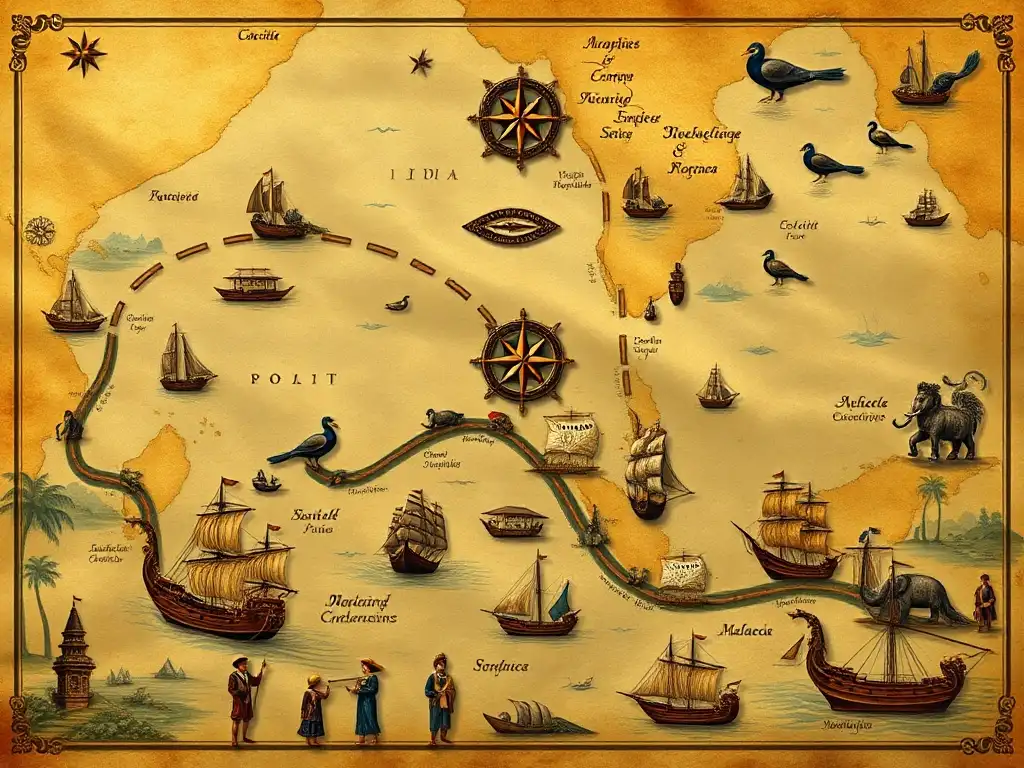
The ancient trade routes that connected India with Southeast Asia were not static; they were subject to a myriad of challenges and changes over the centuries. These routes facilitated not only commerce but also the exchange of cultures, ideas, and religions. However, various factors influenced the dynamics of these trade routes, leading to their evolution and, in some cases, their decline. Understanding these challenges provides insight into the resilience and adaptability of trade networks in ancient times.
Natural Disasters and Their Effects on Trade
Natural disasters such as earthquakes, tsunamis, and monsoons had profound impacts on the ancient trade routes. The Indian Ocean, known for its unpredictable weather patterns, posed a significant risk to maritime trade. For instance, the catastrophic tsunami that struck the Indian coast in the 2004 modern era reminds us of how nature can disrupt established trade patterns. Similarly, ancient records indicate that severe monsoons could delay or damage shipping, leading to economic losses and interruptions in the flow of goods.
The destruction caused by such disasters often resulted in the abandonment of certain ports and trade centers. For example, the port city of Arikamedu, which was a significant trading hub in ancient India, faced decline due to natural calamities that hindered maritime activities. Consequently, traders had to adapt by seeking alternative routes or developing new trading partnerships, demonstrating the resilience of the trade networks despite these challenges.
Political Turmoil and Trade Disruptions
Political instability and conflict also played a critical role in the challenges faced by ancient trade routes. The rise and fall of empires, coupled with regional conflicts, often disrupted trade. For example, during the Maurya and Gupta empires, trade flourished; however, shifts in power dynamics frequently led to instability.
In Southeast Asia, local kingdoms sometimes clashed over control of trade routes, which could halt commerce and create uncertainty. The Khmer Empire, for instance, engaged in territorial disputes that affected trade with India. Furthermore, invasions or internal strife in Indian states could lead to decreased security for traders, prompting them to avoid certain regions altogether.
The need for protection along these routes led to the establishment of trading alliances and agreements. However, these were often temporary solutions to ongoing political issues, which meant that trade routes were continually reshaped by the prevailing political landscape.
The Decline of Trade Routes and Its Consequences
As time progressed, several factors contributed to the decline of ancient trade routes between India and Southeast Asia. The emergence of new trade routes, particularly during the rise of European colonial powers in the 15th century, shifted the focus away from traditional paths. Innovations in navigation and shipbuilding allowed European traders to establish alternative routes to Asia, resulting in decreased reliance on established Indian routes.
The decline of these trade routes had significant consequences. Economies that had thrived on trade began to suffer, leading to a loss of wealth and cultural exchange. Cities that were once bustling centers of commerce became less significant, and the rich cultural interactions that characterized the ancient trade networks diminished.
In addition, the decline allowed for the rise of colonial powers, which imposed their own trade systems and often disregarded the historical connections and trade practices that had existed for centuries between India and Southeast Asia.
Conclusion: Legacy of Ancient India Trade Routes
The ancient trade routes that linked India with Southeast Asia are not merely historical pathways; they represent a rich legacy that has shaped the cultural and economic landscape of the region. The challenges and changes these routes experienced over time highlight the dynamic nature of trade and its ability to adapt to various circumstances.
Lasting Impact on Modern Trade in the Indian Ocean
The legacy of these ancient trade routes is evident in modern trade practices in the Indian Ocean. Current maritime trade routes continue to follow similar pathways established centuries ago, demonstrating the enduring influence of ancient trading practices. Modern nations in the region still benefit from this interconnectedness, with ports and trade hubs continuing to thrive.
Additionally, the exchange of goods and ideas that characterized ancient trade persists today, as countries engage in economic partnerships and cultural exchanges. The foundation laid by ancient traders has facilitated the growth of contemporary trade networks, reinforcing the importance of the Indian Ocean as a crucial maritime corridor.
Reflection on Cultural Heritage and Historical Connections
The cultural heritage stemming from ancient trade routes is profound. The interaction between Indian and Southeast Asian civilizations has left an indelible mark on art, religion, language, and social practices. Buddhism, for instance, spread from India to Southeast Asia via these trade routes, influencing myriad cultures along the way.
Reflecting on these historical connections encourages a deeper understanding of the shared heritage among nations in the Indian Ocean region. It underscores the importance of preserving this cultural legacy while fostering modern connections that celebrate the rich history of trade and interaction that shaped ancient India and Southeast Asia.
References and Further Reading
The ancient trade routes that linked India with Southeast Asia have been a focal point of study for historians and archaeologists alike. The rich tapestry of interactions facilitated not only the exchange of goods but also ideas, culture, and technologies. To gain a deeper understanding of these connections, the following resources provide valuable insights into the ancient Indian trade routes and their impact on Southeast Asia.
Suggested Books and Articles on Ancient Indian Trade Routes
-
"The Ancient Indian World" by Michael Witzel
This book offers a comprehensive overview of ancient Indian civilization, including the trade routes that connected India with neighboring regions. Witzel's work elucidates the socio-economic structures that supported these trade networks.
-
"Trade and Traders in the Early Indian Ocean World" by R. J. Barendse
Barendse's research delves into the dynamics of trade across the Indian Ocean, focusing on the role of Indian merchants and their interactions with Southeast Asian cultures during antiquity.
-
"India and Southeast Asia: A Cultural History" by N. S. Venkatesh
This book explores the cultural exchanges that occurred through trade, highlighting how Indian art, religion, and customs influenced Southeast Asia.
-
"The Spice Route: A History" by John Keay
Keay's narrative encompasses the historical significance of the spice trade and its routes, including the connections between ancient India and Southeast Asia, providing a broader context for understanding these trade dynamics.
-
"From the Ocean to the Sky: Indian Ocean Trade" by R. A. McHugh
An insightful analysis of maritime trade routes, this article discusses the significance of the Indian Ocean in connecting various civilizations, particularly focusing on ancient Indian trade practices.
Online Resources for Continued Exploration
-
British Museum: Ancient Indian Trade
The British Museum offers extensive online resources, including articles and virtual exhibits that explore the historical significance of trade in ancient India.
-
Digital South Asia Library
This online platform provides access to a wealth of documents, maps, and scholarly articles related to South Asian history, including trade routes and their implications.
-
Indian Ocean Studies: An Online Resource
A collaborative project that compiles research, articles, and multimedia resources focused on the Indian Ocean trade networks, emphasizing the links between ancient India and Southeast Asia.
-
National Geographic: Trade Routes of the Ancient World
National Geographic features articles and educational materials that cover significant trade routes, including those that connected ancient India to Southeast Asia, highlighting their historical importance.
-
The Asia Society: Cultural Exchanges in Southeast Asia
This resource explores the impact of cultural interactions between India and Southeast Asia, providing a broader understanding of how trade influenced societal developments in these regions.
- Introduction to Ancient India Trade Routes
- Historical Context of Trade in the Indian Ocean
- Major Trade Routes of Ancient India
- Goods Traded Between Ancient India and Southeast Asia
- Cultural Exchanges Facilitated by Trade
- The Impact of Ancient India Trade Routes on Southeast Asia
- Challenges and Changes in Ancient Trade Routes
- Conclusion: Legacy of Ancient India Trade Routes
- References and Further Reading
- What were the main trade routes connecting Ancient India to Southeast Asia?
- How did Ancient India's trade routes influence its economy?
- What impact did trade routes have on cultural exchange?
- Which civilizations were involved in the trade routes with Ancient India?
- How did the Indian Ocean trade routes change over time?
Frequently Asked Questions
What were the main trade routes connecting Ancient India to Southeast Asia?
The main trade routes included the maritime paths across the Indian Ocean and the overland routes through the Himalayas, facilitating the exchange of goods and culture.
How did Ancient India's trade routes influence its economy?
The trade routes significantly boosted the economy by promoting the exchange of spices, textiles, and precious metals, which were in high demand in both India and Southeast Asia.
What impact did trade routes have on cultural exchange?
The trade routes served as conduits for not only goods but also ideas, leading to the spread of religions, art, and technology between Ancient India and Southeast Asia.
Which civilizations were involved in the trade routes with Ancient India?
Civilizations such as the Khmer Empire, Srivijaya, and various Malay kingdoms participated actively in the trade routes, establishing vibrant commercial networks.
How did the Indian Ocean trade routes change over time?
Over time, the Indian Ocean trade routes evolved due to political changes, the rise of new powers, and advancements in navigation technology, reshaping the dynamics of trade in the region.
Final Reflection: The Enduring Legacy of Ancient India Trade Routes
The intricate web of trade routes that connected Ancient India and Southeast Asia is not merely a relic of the past; it is a testament to the profound impact of cultural exchange and economic interdependence. Today, as globalization continues to shape our world, the lessons learned from these ancient connections remind us of the importance of collaboration and understanding across borders. The trade routes of yesteryears were not just pathways for goods; they were conduits for ideas, cultures, and innovations that have shaped civilizations.
The influence of these ancient trade routes is still palpable in our modern cultural and social landscape. From the spread of religions like Buddhism and Hinduism to the exchange of spices, textiles, and art forms, the legacy of these connections continues to enrich our lives. As we navigate a world that often feels divided, we can draw inspiration from the words of Mahatma Gandhi: Our ability to reach unity in diversity will be the beauty and the test of our civilization.
This quote encapsulates the essence of what these trade routes represented—a celebration of diversity and a shared journey toward mutual understanding.
As we reflect on the significance of Ancient India trade routes, let us consider how we can apply these lessons in our own lives. How can we foster connections with those who are different from us? In a time when barriers seem to rise, we have the opportunity to build bridges through dialogue, empathy, and collaboration.
I invite you to explore the rich tapestry of cultures around you and engage in meaningful exchanges that honor our shared humanity. By doing so, we can contribute to a future that echoes the spirit of unity and cooperation that these ancient trade routes once embodied.
Embark on Your Journey Through Ancient Trade!
Thank you for diving into the fascinating world of ancient trade routes that connected India and Southeast Asia. You’ve uncovered the powerful stories of cultural exchange and economic influence that shaped our history. Now, let’s keep that curiosity alive with a few exciting actions you can take today!
- Explore local museums or online exhibits that delve deeper into the history of trade between India and Southeast Asia to enhance your understanding.
- Join discussions in forums or social media groups focused on ancient history to share your insights and learn from others who share your passion.
- Share this article with friends or fellow history enthusiasts – you never know who might be inspired to explore these connections further!
What aspect of the ancient trade routes intrigues you the most, and how do you think they have influenced our modern world?