
Gupta Era Innovations in Textile Science: Mathematics Meets Craftsmanship

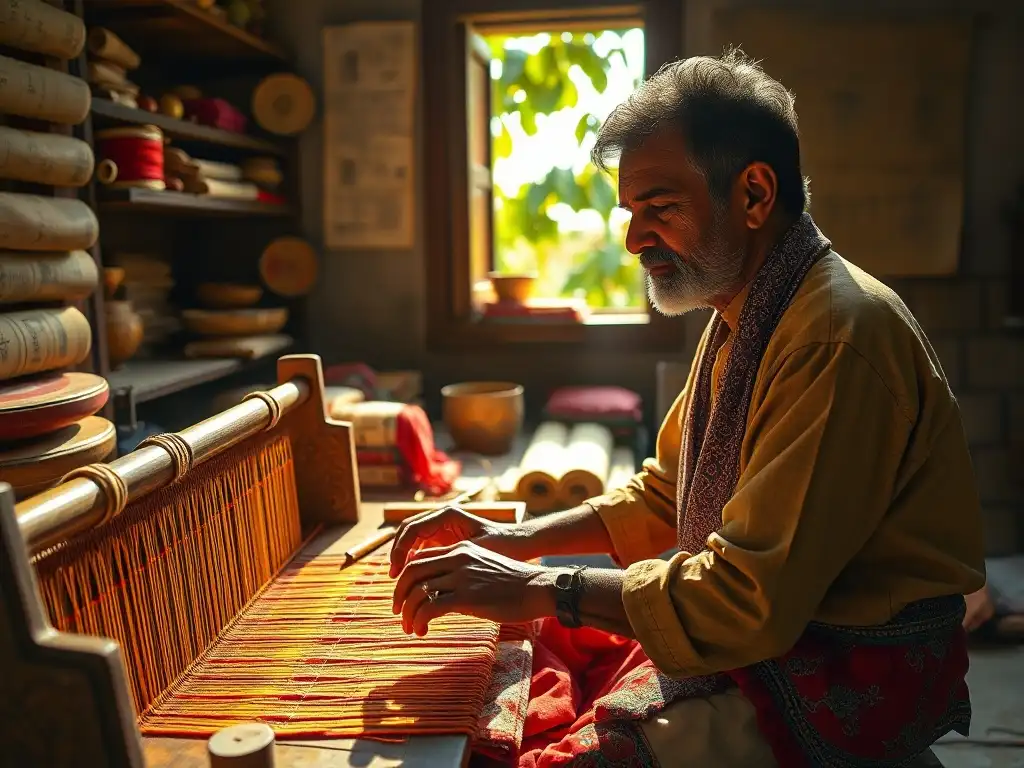
Welcome to Ancient India History, where we embark on a fascinating journey through the vibrant tapestry of India's past. Dive into the captivating world of the Gupta Era, a golden age marked by remarkable textile innovations that seamlessly blend mathematics with craftsmanship. Discover how ancient artisans transformed fibers into intricate masterpieces, setting the stage for a legacy that continues to inspire. Prepare to be enthralled as we unravel the secrets of this era's brilliance—your exploration begins here!
- Introduction to Gupta Era Textile Innovations
- Historical Context of Textile Innovations in the Gupta Era
- Mathematical Principles in Textile Production
- Craftsmanship and Techniques in Gupta Era Textiles
- Notable Innovations in Gupta Era Textiles
- The Interplay of Mathematics and Craftsmanship
- Legacy of Gupta Era Textile Innovations
- Conclusion: The Lasting Significance of Gupta Era Textile Innovations
-
Frequently Asked Questions
- What are the key innovations in textile science during the Gupta Era?
- How did mathematics influence textile craftsmanship in ancient India?
- What materials were commonly used in Gupta Era textiles?
- How did the textile innovations impact trade during the Gupta period?
- What are some examples of artistic techniques used in Gupta textiles?
- Final Reflection: The Enduring Legacy of Gupta Era Textile Innovations
- Unveil the Textile Treasures of the Gupta Era!
Introduction to Gupta Era Textile Innovations
The Gupta Era, often referred to as the Golden Age of India, was a remarkable period that witnessed profound advancements across various fields, including science, mathematics, and the arts. One of the lesser-known yet fascinating aspects of this era is its significant impact on textile innovations. This article delves into how the Gupta Empire not only revolutionized textile craftsmanship but also integrated mathematical principles into the production and design of textiles. By exploring the intricate relationship between mathematics and craftsmanship during this time, we can uncover the remarkable innovations that emerged and their lasting influence on the textile industry.
Overview of the Gupta Empire's Influence on Textile Science
The Gupta Empire, which flourished from approximately 320 to 550 CE, is renowned for its advancements in various domains, including literature, art, and science. The empire's influence on textile science is particularly noteworthy, as it established a foundation for techniques and practices that would shape the industry for centuries to come.
During this period, textiles were not merely functional items; they became symbols of status, culture, and creativity. The Gupta artisans employed advanced techniques, such as:
- Dyeing: Use of natural dyes derived from plants, minerals, and insects, resulting in vibrant colors that were both aesthetically pleasing and durable.
- Weaving: Development of intricate weaving patterns that enhanced the texture and appeal of fabrics.
- Embellishment: Techniques like embroidery and block printing that showcased artistic talent and attention to detail.
The combination of these techniques, alongside the burgeoning trade networks, allowed Gupta textiles to gain fame beyond India's borders, influencing neighboring regions and contributing to cultural exchanges.
Importance of Mathematics in Craftsmanship
Mathematics played a pivotal role in the craftsmanship of textiles during the Gupta Era. Artisans utilized mathematical principles to enhance their skills in various ways:
- Geometry in Design: The use of geometric shapes and patterns was prevalent in textile design. Artisans applied concepts of symmetry and proportion to create visually appealing fabrics.
- Measurement Techniques: Accurate measurements were crucial for cutting and sewing fabrics. The artisans employed mathematical calculations to ensure precision in their work, resulting in well-fitted garments and consistent patterns.
- Pattern Repetition: Understanding sequences and repetitions in designs allowed for the creation of complex patterns, showcasing the artisans' skill and creativity.
These mathematical applications not only improved the quality of textiles but also laid the groundwork for future innovations in textile science, making the Gupta Era a landmark period in the history of craftsmanship.
Historical Context of Textile Innovations in the Gupta Era
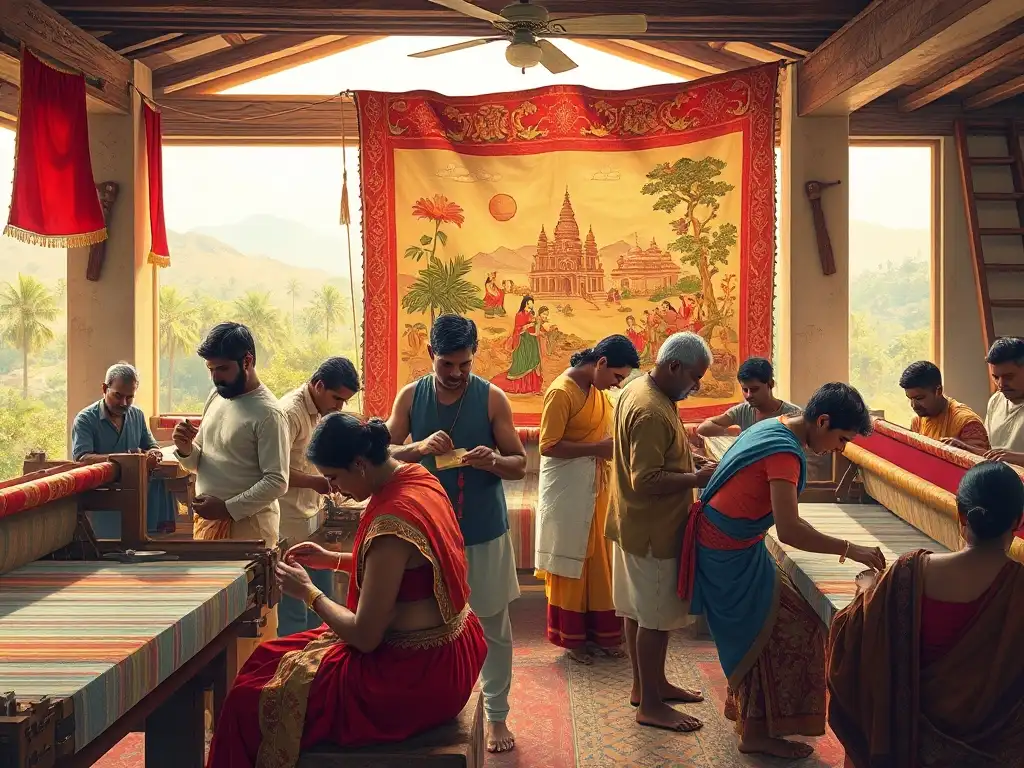
The Gupta Empire, often referred to as the Golden Age of India, flourished from approximately 320 to 550 CE. This period was marked by significant advancements in various fields, including science, mathematics, and the arts. Textile production and innovations played a pivotal role in the economic and cultural landscape of ancient India, particularly during the Gupta Era. The empire's strategic location along trade routes facilitated the exchange of goods, ideas, and techniques, allowing textile artisans to thrive.
As we delve into the historical context of textile innovations, it is essential to recognize the interplay between craftsmanship and mathematical principles that characterized this period. The Gupta artisans employed sophisticated techniques that enhanced the quality and intricacy of textiles, reflecting not only their artistic prowess but also their understanding of geometry and symmetry. This fusion of mathematics and craftsmanship laid the groundwork for advancements in textile science that would influence generations to come.
The Evolution of Textiles in Ancient India
The tradition of textile production in India dates back to the Indus Valley Civilization (circa 3300–1300 BCE), where evidence of cotton weaving has been discovered. However, it was during the Gupta Era that textile innovations truly began to flourish. Several key developments marked this evolution:
- Dyeing Techniques: The Gupta period saw the introduction of advanced dyeing techniques, including the use of natural dyes derived from plants, minerals, and insects. These dyes not only provided vibrant colors but also improved the longevity of textiles.
- Weaving Techniques: Innovations in weaving methods, such as the use of the pit loom, allowed for greater complexity in patterns and designs. This era witnessed the emergence of intricate brocades and silk fabrics, which were highly prized in both domestic and international markets.
- Trade and Cultural Exchange: The expansion of trade networks during the Gupta Empire facilitated the exchange of textile techniques and materials with other cultures. This cross-cultural interaction enriched the diversity of textile art, incorporating elements from regions such as Persia and Central Asia.
The culmination of these factors contributed to a significant transformation in the textile industry, marking the Gupta Era as a pivotal moment in the history of Indian textiles.
Key Characteristics of Gupta Era Textiles
The textiles produced during the Gupta Era were distinguished by several key characteristics that showcased the ingenuity and skill of the artisans:
- Material Diversity:
- Cotton: Renowned for its softness and breathability, cotton became the staple fabric of the era.
- Silk: The introduction of silk weaving techniques led to the creation of luxurious textiles, often embellished with gold and silver threads.
- Intricate Patterns:
- Textiles from this period were known for their elaborate designs, including geometric patterns, floral motifs, and mythological scenes. Artisans utilized both resist dyeing and embroidery to create stunning visual effects.
- Mathematical Precision:
- The application of mathematical concepts in textile production was evident in the symmetry and proportion of designs. Artisans employed calculations to ensure that patterns aligned perfectly, demonstrating a deep understanding of geometry.
- Cultural Significance:
- Textiles were not merely functional; they held cultural and religious significance. Many garments were adorned with symbols and motifs representing deities, making them an integral part of rituals and ceremonies.
- Global Influence:
- Gupta textiles gained international acclaim, with exports reaching as far as Rome and Southeast Asia. The high demand for these textiles fueled innovations in production techniques and design.
The Gupta Era textile innovations represent a remarkable convergence of art, science, and culture. The meticulous craftsmanship and mathematical insights of the time not only enriched the textile industry but also laid the foundation for future advancements in textile science, making a lasting impact on the heritage of ancient Indian civilizations.
Mathematical Principles in Textile Production
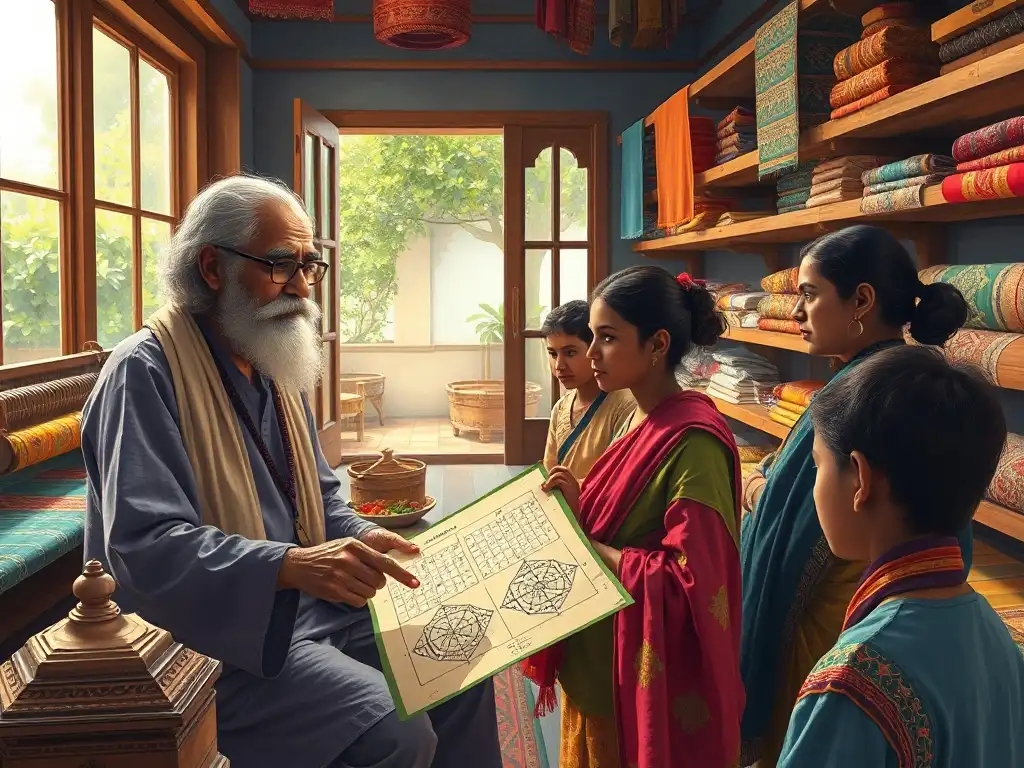
The Gupta Era textile innovations were characterized by a profound integration of mathematics and craftsmanship, particularly in the realm of textile production. This relationship between math and textiles not only enhanced efficiency but also led to the creation of intricate designs and patterns that are still admired today. Understanding the mathematical principles at play during this period reveals the sophistication of ancient Indian civilizations in the field of textile science.
Geometry in Fabric Design and Weaving Techniques
Geometry played a pivotal role in the design and production of textiles during the Gupta Era. Weavers utilized geometric shapes and principles to create elaborate patterns, ensuring symmetry and aesthetic appeal in their fabrics. The use of geometric design can be observed in various forms, such as:
- Symmetry and Balance: Textiles often featured symmetrical patterns, which were crucial for both aesthetic and functional purposes. By applying geometric principles, artisans ensured that the designs were visually appealing and maintained balance throughout the fabric.
- Use of Shapes: Common geometric shapes, such as triangles, squares, and circles, were foundational in creating complex motifs. These shapes were often repeated in various arrangements, allowing for the development of unique patterns that distinguished different textile types.
- Patterns and Grids: Weavers employed grid systems to map out designs before commencing the weaving process. This method not only facilitated precise execution but also allowed artisans to experiment with various configurations, enhancing creativity in textile production.
Furthermore, the use of geometry extended to the loom setup. Artisans carefully adjusted the warp and weft threads, ensuring that the angle and tension were optimized for producing high-quality fabrics. This meticulous attention to mathematical detail underscores the sophistication of Gupta textile innovations.
The Role of Algorithms in Textile Manufacturing
Algorithms, in the context of Gupta Era textile innovations, refer to systematic methods that artisans used to streamline the production process. These algorithms were not formalized in the way we understand them today, but they represented a series of sequential steps that guided weavers in their craft. Key aspects include:
- Weaving Sequences: Artisans developed specific sequences for weaving different patterns, effectively creating 'recipes' for textiles. By following these sequences, they could replicate designs with precision, ensuring consistency across production batches.
- Color Coordination: The choice of colors played a significant role in textile design. Artisans employed algorithms to determine which colors would complement each other based on their placement within the pattern. This mathematical approach to color theory enhanced the visual impact of the fabrics.
- Resource Allocation: Efficient use of resources like yarn and dye was crucial for minimizing waste. Weavers utilized algorithms to calculate the optimal amount of materials needed based on the dimensions and complexity of the design. This practice not only increased productivity but also contributed to sustainable practices in textile production.
The integration of these algorithms in the textile manufacturing process during the Gupta Era exemplifies the innovative spirit of ancient Indian civilizations. Their understanding of mathematical concepts allowed for advancements in craftsmanship, resulting in textiles that were not only functional but also works of art, reflecting the rich cultural heritage of the time.
Craftsmanship and Techniques in Gupta Era Textiles
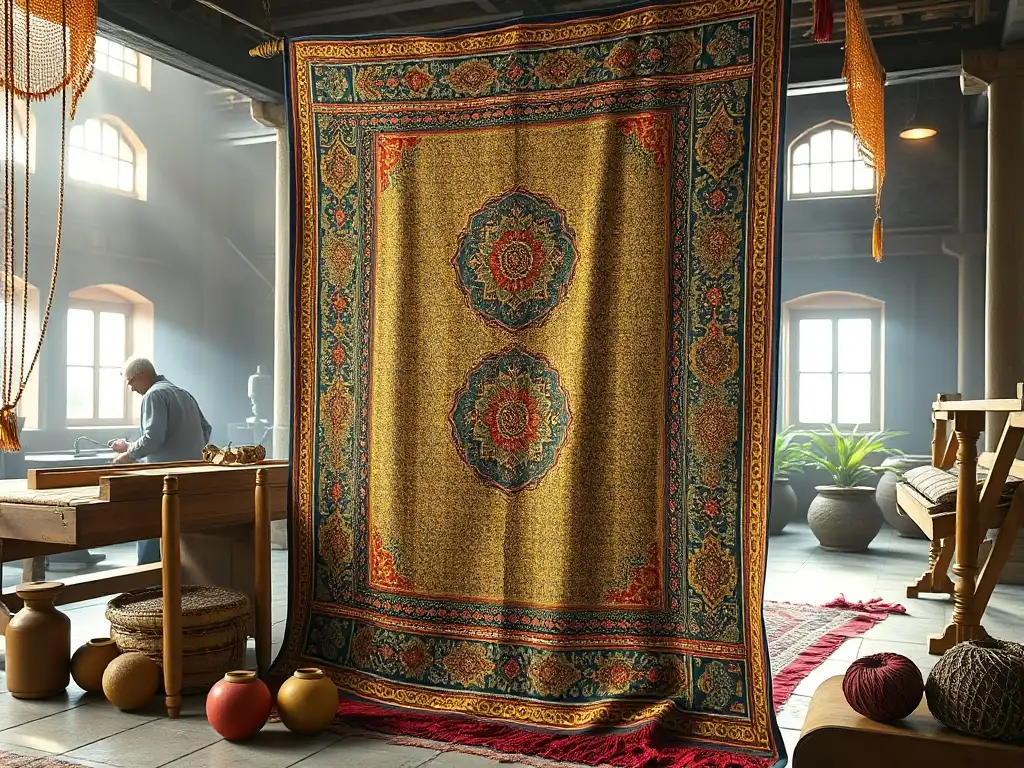
The Gupta Era, often regarded as a golden age in Indian history, witnessed remarkable advancements in various fields, including textile science. The craftsmanship and techniques employed during this period were not merely artistic expressions but also integrated mathematical principles that enhanced the efficiency and quality of textile production.
Traditional Weaving Techniques of the Gupta Period
During the Gupta Period, weaving was an intricate art that involved a variety of techniques. Notably, the use of looms was essential to create the fine fabrics that characterized this era. The craftsmanship included:
- Loom Types:
- Horizontal Looms: Predominantly used for producing wider fabrics, allowing for complex patterns.
- Vertical Looms: Employed for narrower textiles, which were often used for specific garments.
- Patterns and Motifs: Weavers utilized geometric patterns and floral motifs, which were not random but often derived from mathematical principles. For instance, the Fibonacci sequence can be observed in some traditional designs, adding a harmonious balance to the textiles.
- Skill Level: Weaving was a specialized profession, with artisans passing down their skills through generations. The complexity of patterns required extensive training and a deep understanding of both the material and the techniques.
In the Gupta period, fabrics such as silk, cotton, and wool were prevalent. The combination of local resources and advanced techniques resulted in textiles that were not only durable but also aesthetically pleasing. The introduction of advanced weaving techniques allowed for the creation of intricate designs that showcased the cultural richness of the time.
Dyeing and Printing Methods: A Mathematical Approach
The dyeing and printing methods used in Gupta textiles were revolutionary and often underpinned by mathematical concepts. These techniques were vital in enhancing the visual appeal and colorfastness of fabrics.
- Natural Dyes: Artisans extracted dyes from local plants, minerals, and insects, creating a vibrant palette. The knowledge of color theory, which has mathematical foundations, allowed dyers to blend colors effectively, resulting in a wide range of hues.
- Mathematical Patterns in Printing:
- Block Printing: This method involved the careful planning of patterns, where artisans used mathematical grids to ensure symmetry and alignment, leading to visually striking designs.
- Repeating Patterns: The use of sequences and symmetry in prints can be traced back to mathematical reasoning. These patterns not only demonstrated artistic skill but also highlighted the understanding of spatial relationships.
- Color Proportions: The Gupta dyers often used ratios to mix different dyes, achieving desired shades and intensities. This meticulous approach reflects an inherent understanding of proportions, akin to the mathematical practices of the time.
The innovations in dyeing and printing during the Gupta Era were a testament to the synergy between mathematics and craftsmanship. The seamless integration of these elements led to the production of textiles that were not only functional but also served as a canvas for artistic expression. The Gupta Era textile innovations continue to inspire modern practices, showcasing the enduring legacy of this remarkable period in Indian history.
Notable Innovations in Gupta Era Textiles
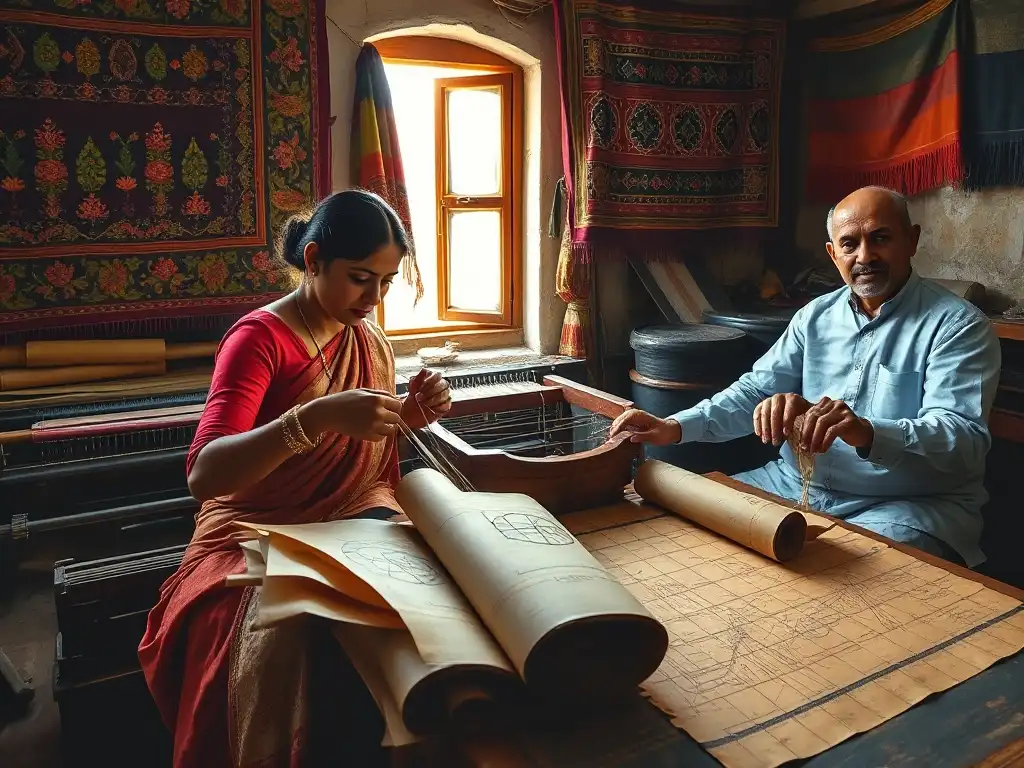
The Gupta Era, spanning from approximately 320 to 550 CE, is renowned for its significant advancements across various fields, including textile science. During this period, Indian craftsmen and mathematicians worked together to elevate textile production, resulting in innovations that would influence both local and global markets. This section explores the remarkable innovations in textiles that emerged during the Gupta Empire, focusing particularly on the introduction of new fibers and materials, as well as advancements in loom technology.
Introduction of New Fibers and Materials
The Gupta period saw a notable expansion in the variety of fibers and materials used in textile production. Traditionally, cotton and silk were the primary textiles; however, innovations during this era led to the exploration of additional fibers that enhanced the quality and diversity of textiles available in the market.
- Cotton Advancements: The cultivation and processing of cotton improved significantly. Techniques for spinning and dyeing cotton became more sophisticated, allowing for vibrant colors and intricate patterns. The introduction of various dyeing methods, such as resist dyeing and block printing, made it possible to produce elaborate designs that appealed to various social classes.
- Silk Production: While silk was already a prized material, the Gupta Era saw the refinement of sericulture. Indian silk was known for its quality, and the techniques for weaving silk into complex patterns were enhanced, resulting in luxurious textiles that were highly sought after.
- New Plant Fibers: The exploration of fibers from indigenous plants such as jute and hemp also gained traction. These materials offered durability and were often used for more practical textiles, catering to the everyday needs of the population.
- Innovative Blends: One of the remarkable innovations was the blending of different fibers to create composite textiles. This approach not only enhanced the aesthetic appeal of garments but also improved their functionality. For instance, combining cotton with silk produced fabrics that were both light and luxurious.
The diverse range of materials used during the Gupta Era played a crucial role in the advancement of textile science, paving the way for future innovations in the region.
Advancements in Loom Technology
The technological advancements in loom design during the Gupta Era significantly impacted textile production. These innovations allowed for increased efficiency and complexity in weaving, which directly influenced the quality and intricacy of the textiles produced.
- Development of the Frame Loom: The introduction of the frame loom marked a pivotal moment in textile production. This type of loom allowed weavers to create larger pieces of fabric with greater precision. The enhanced stability of the frame loom enabled artisans to produce intricate patterns and designs that were previously unattainable.
- Mechanization and Efficiency: While the concept of mechanization was still in its infancy, the development of foot-operated looms allowed weavers to work more rapidly and with less physical strain. This innovation led to a significant increase in productivity, enabling artisans to meet the growing demand for textiles.
- Complex Weaving Techniques: The Gupta period also witnessed the introduction of advanced weaving techniques such as tapestry weaving and brocade. These methods involved intricate patterns that showcased not just craftsmanship but also mathematical precision. The ability to calculate thread counts and design complex patterns reflected a deep understanding of both art and mathematics.
- Integration of Mathematics: Mathematics played a crucial role in the advancements of loom technology. Weavers began employing geometric principles to optimize their designs and improve the efficiency of the weaving process. This integration of mathematical concepts into textile production underscored the innovative spirit of the Gupta Era.
The innovations in textile science during the Gupta Era, particularly in the realms of new fibers and loom technology, laid the foundation for the rich textile heritage of India. These advancements not only transformed local markets but also positioned Indian textiles as a significant contributor to global trade, highlighting the era's enduring legacy in the field of craftsmanship and science.
The Interplay of Mathematics and Craftsmanship
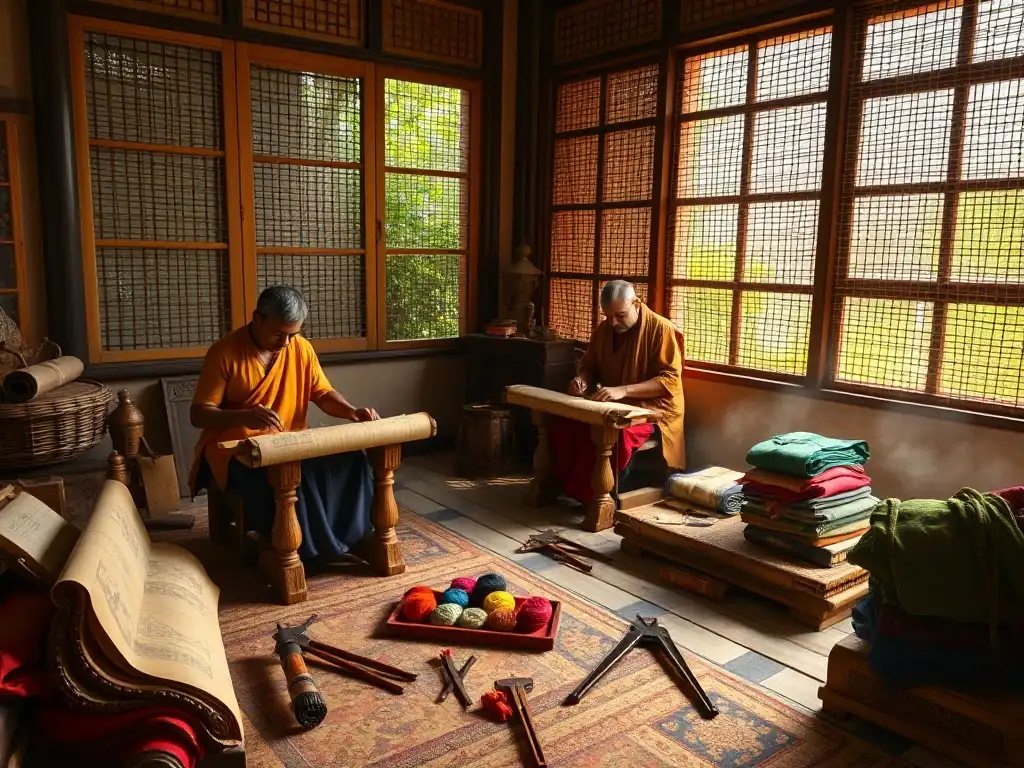
The Gupta Era textile innovations represent a fascinating convergence of mathematics and craftsmanship, reflecting the era's profound understanding of geometry and proportions. Artisans of the time utilized mathematical principles not merely as abstract concepts but as practical tools that enhanced their craftsmanship in textiles. This interplay is evident in various aspects of textile production, from the weaving techniques to the intricate patterns and designs that characterize the fabrics of this period.
Case Studies of Mathematical Applications in Textile Arts
One of the most prominent examples of mathematical applications in textile arts during the Gupta period can be seen in the designing of patterns. Artisans frequently employed geometric shapes, such as squares, triangles, and circles, to create aesthetically pleasing and harmonious patterns. These designs often followed formulas that allowed for consistent repetition and symmetry, which were crucial for creating textiles that were both beautiful and structurally sound.
- Geometric Weaving Techniques: Techniques such as twill weaving and satin weaving exemplified the use of mathematical concepts. Artisans calculated the angles and thread counts required to achieve the desired texture and appearance of the fabric. For instance, the twill weave creates a diagonal pattern that emerges from the precise arrangement of threads; this necessitates an understanding of angles and spatial relations.
- Proportionality in Dyeing: The use of mathematics also extended to the dyeing process. Artisans developed systematic methods for mixing dyes, ensuring that proportions were maintained to achieve consistent color shades. This involved measuring out specific quantities of dye and water, reflecting an early understanding of ratios and proportions.
- Pattern Repetition: Case studies from archaeological findings reveal that patterns were often designed using modular arithmetic, allowing artisans to repeat motifs seamlessly across large lengths of fabric. This method not only demonstrated mathematical proficiency but also resulted in textiles that were visually striking and cohesive.
The Impact of Mathematics on Quality and Design
The application of mathematics in textile innovations during the Gupta Era had a significant impact on both the quality and design of textiles. This influence can be distilled into several key areas:
- Enhanced Precision: The incorporation of mathematical principles allowed for a higher degree of precision in textile production. Weavers could produce fabrics with exact measurements, leading to garments that fit better and were more comfortable to wear.
- Improved Durability: By understanding the structural integrity of different weave patterns, artisans could create textiles that not only looked appealing but were also durable. The use of mathematical calculations ensured that the tension and arrangement of threads were optimal, reducing wear and tear over time.
- Innovative Designs: The Gupta period's textiles are known for their elaborate designs, which were made possible through the application of mathematics. The ability to calculate and visualize complex patterns enabled artisans to create stunning visual effects that were both innovative and reflective of the cultural richness of the era.
- Cultural Exchange: The mathematical innovations in textile craftsmanship also facilitated cultural exchange. As trade routes expanded, textiles featuring Gupta designs and techniques traveled far beyond their origins, influencing other cultures and their textile practices.
The Gupta Era textile innovations are a testament to the sophisticated interplay between mathematics and craftsmanship. This relationship not only advanced the quality and diversity of textiles produced during this period but also left a lasting legacy that can still be seen in modern textile practices. By exploring these innovations, we gain insight into the ingenuity of ancient Indian civilizations and their contributions to science and art.
Legacy of Gupta Era Textile Innovations
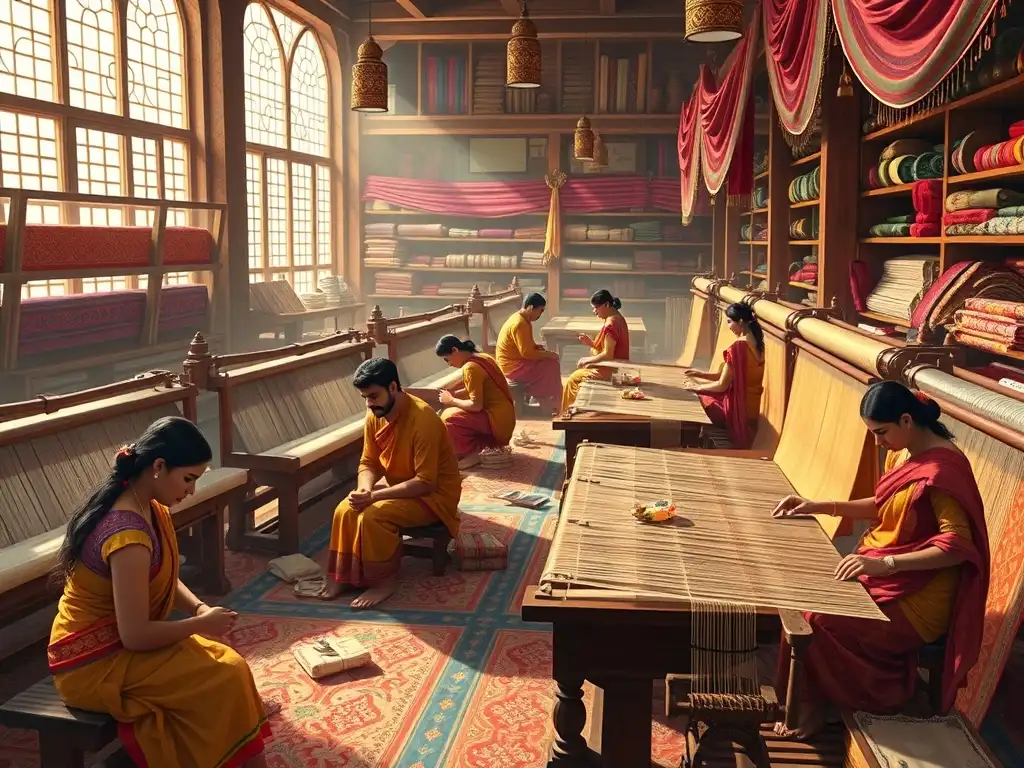
The Gupta Era, often referred to as a golden age of Indian history, made remarkable strides in various fields, including textile science. The innovations during this period not only advanced local textile practices but also laid the foundation for future developments in the Indian subcontinent.
Influence on Subsequent Indian Textile Practices
The techniques and materials developed during the Gupta Era significantly influenced subsequent Indian textile practices. For instance, the use of intricate dyeing methods and weaving techniques marked a transition from simpler forms of textile production to more sophisticated craftsmanship.
- Dyeing Techniques: The Gupta artisans perfected natural dyeing methods, employing local flora for vibrant colors. This knowledge was passed down through generations, enhancing the rich palette of textiles produced in India.
- Weaving Patterns: The introduction of elaborate weaving patterns, such as brocades and damasks, showcased the artisans' skills. These styles were later adopted and adapted in various regions, leading to the distinctive textile identities we see today.
- Cotton Production: The Gupta Empire is credited with advancing cotton production techniques. The ability to cultivate and process cotton efficiently set the stage for India to become a leading cotton textile producer in the centuries to come.
These technical advancements not only improved the quality of textiles but also influenced trade practices and the economy of ancient India. As a result, the legacy of Gupta textile innovations is still evident in modern Indian textiles, which continue to celebrate these historical techniques.
The Global Impact of Gupta Textile Techniques
The textile innovations of the Gupta Era transcended regional boundaries, influencing global textile practices. The high-quality fabrics and unique techniques developed in India found their way to international markets, particularly through trade routes that connected India to distant lands.
- Silk Road Connection: The Gupta period saw an increase in trade along the Silk Road, where Indian textiles, particularly those made from cotton and silk, were highly sought after. These textiles not only reached neighboring countries but also made their way to Europe and Africa, influencing global fashion trends.
- Cultural Exchange: The introduction of Indian textile techniques to other cultures led to a remarkable exchange of ideas and practices. For instance, the intricate embroidery styles became popular across various regions, leading to a fusion of artistic expressions.
- Economic Impact: The demand for Indian textiles boosted local economies, leading to the establishment of numerous textile production centers. This economic vitality contributed to the prosperity of the Gupta Empire and its ability to engage in cultural exchanges with other civilizations.
The Gupta Era textile innovations not only transformed local practices but also had a lasting impact on global textile traditions. The craftsmanship developed during this time continues to resonate, showcasing the ingenuity and artistry of ancient Indian civilizations.
Conclusion: The Lasting Significance of Gupta Era Textile Innovations
The Gupta Era, often referred to as a golden age in Indian history, marked a remarkable convergence of mathematics and craftsmanship, particularly in the textile industry. The innovations during this period not only elevated the status of textiles in India but also established a legacy that continues to influence modern textile science.
The techniques developed in this era, such as the use of geometric patterns and symmetry in textile designs, demonstrate a sophisticated understanding of mathematical principles. Artisans and mathematicians collaborated to refine weaving techniques, leading to the production of intricately designed fabrics that showcased both beauty and utility. The textiles produced during the Gupta Era, such as silk and cotton, were renowned for their quality and artistry, laying the foundation for India's reputation as a hub of textile excellence.
Furthermore, the innovations in dyeing techniques and the introduction of new materials enhanced the vibrancy and durability of textiles. The integration of natural dyes, derived from local flora, showcased an understanding of chemistry that was advanced for its time. This scientific approach not only improved the aesthetic value of the textiles but also contributed to their economic significance in trade with other civilizations.
Reflection on the Fusion of Mathematics and Craftsmanship in Ancient India
The Gupta Era represents a unique period where mathematics and craftsmanship were not viewed as separate entities but rather as complementary disciplines. Textile artisans applied mathematical concepts such as ratios, proportions, and geometry in their designs, reflecting an advanced understanding of spatial relationships and symmetry.
The use of patterns, such as the famous "pattas," demonstrates how artisans employed mathematical principles to create visually appealing and complex designs. Each piece of fabric was not just a product of skillful craftsmanship but also a manifestation of mathematical precision. This synergy between mathematics and craftsmanship was crucial in elevating the status of textiles in society and contributed to the cultural identity of the Gupta Empire.
Moreover, the importance of textiles in religious and social ceremonies further underscores their significance during this period. Textiles were not merely functional items; they held cultural and spiritual value, often intricately linked to the identity and traditions of various communities. The legacy of this fusion continues to resonate in contemporary textile practices, where art and science intersect.
Future Research Directions in Gupta Textile Science
The exploration of Gupta Era textile innovations opens numerous avenues for future research, particularly in understanding the scientific methods employed by ancient artisans. Scholars and researchers can delve into several key areas:
- Archaeological Studies: Investigating ancient textile remnants can provide insights into the materials and techniques used during the Gupta period. Analyzing the chemical composition of dyes and fibers can reveal trade networks and cultural exchanges.
- Mathematical Applications: Further studies can focus on the specific mathematical techniques employed in textile design. Understanding how ancient artisans applied geometry and symmetry can enhance modern design practices.
- Cultural Impact: Examining the socio-economic implications of textile innovations during the Gupta Era can shed light on the role of textiles in trade and daily life. This research can contribute to a broader understanding of ancient Indian civilization's economic structures.
- Interdisciplinary Approaches: Collaborations between historians, mathematicians, and textile scientists can foster a holistic understanding of the Gupta Era's contributions to textile science. This interdisciplinary approach can lead to new discoveries and applications in both historical studies and contemporary textile innovation.
The Gupta Era textile innovations represent a significant achievement that underscores the rich interplay between mathematics and craftsmanship in ancient India. As research continues to uncover the depths of this relationship, we can appreciate the lasting legacy of the Gupta Empire in the realms of science, art, and culture.
Frequently Asked Questions
What are the key innovations in textile science during the Gupta Era?
The Gupta Era saw significant advancements in textile production techniques, including the development of new weaving methods and the introduction of vibrant natural dyes.
How did mathematics influence textile craftsmanship in ancient India?
Mathematics played a crucial role in the design and pattern-making processes, enabling artisans to create intricate geometric patterns and optimize production efficiency.
What materials were commonly used in Gupta Era textiles?
Textiles from the Gupta Era primarily utilized cotton, silk, and wool, showcasing a variety of fabrics that catered to both everyday wear and luxurious garments.
How did the textile innovations impact trade during the Gupta period?
The textile innovations during this time enhanced the quality and variety of fabrics, making them highly sought after in both domestic and international trade markets.
What are some examples of artistic techniques used in Gupta textiles?
Artisans employed techniques such as block printing, embroidery, and tie-dyeing, which contributed to the aesthetic appeal and uniqueness of Gupta textiles.
Final Reflection: The Enduring Legacy of Gupta Era Textile Innovations
The Gupta Era textile innovations represent a remarkable fusion of mathematics and craftsmanship that continues to resonate in today's world. As we explore the intricate techniques and groundbreaking methodologies developed during this golden age, it becomes clear that these innovations laid the foundation for modern textile science. The legacy of this era is not merely a historical footnote; it is a testament to human ingenuity that still influences contemporary practices in design, production, and sustainability.
Culture and society have been profoundly shaped by the advancements in textile science that emerged during the Gupta period. The intricate patterns, dyes, and weaving techniques developed then are not just relics of the past; they are woven into the very fabric of our daily lives. As we embrace these innovations, we recognize their role in fostering creativity and craftsmanship across generations. Innovation distinguishes between a leader and a follower.
– Steve Jobs. This quote encapsulates the spirit of the Gupta Era, where innovation was not just a goal but a way of life that propelled society forward.
As we reflect on the Gupta Era's contributions to textile innovations, I invite you to consider how these lessons can be applied in your own life. Whether you are an artist, a scientist, or simply someone who appreciates the beauty of textiles, take a moment to explore the intersection of creativity and analytical thinking in your pursuits. Embrace the spirit of innovation and craftsmanship that defined this remarkable era, and let it inspire you to create, innovate, and contribute to the rich tapestry of our shared cultural heritage.
Unveil the Textile Treasures of the Gupta Era!
Thank you for delving into the fascinating world of Gupta Era innovations in textile science! By exploring how mathematics intertwined with craftsmanship, you've gained insight into the remarkable advancements of this period. Now, let’s take this knowledge a step further and embrace the creative spirit of ancient artisans.
Here are some actions you can take right now:
- Design a textile pattern inspired by the mathematical concepts you learned—experiment with geometry and symmetry!
- Visit local museums or online exhibits that showcase ancient textiles to appreciate the artistry and techniques of the Gupta craftsmen.
- Share this article with friends and initiate a discussion about the intersection of mathematics and art across various cultures—engage in a deeper conversation!
What innovative blend of mathematics and craftsmanship would you create if you had access to the techniques of the Gupta artisans? We would love to hear your ideas!