
How Ancient Indian Folklore Reflects Cultural Interactions with Neighbors

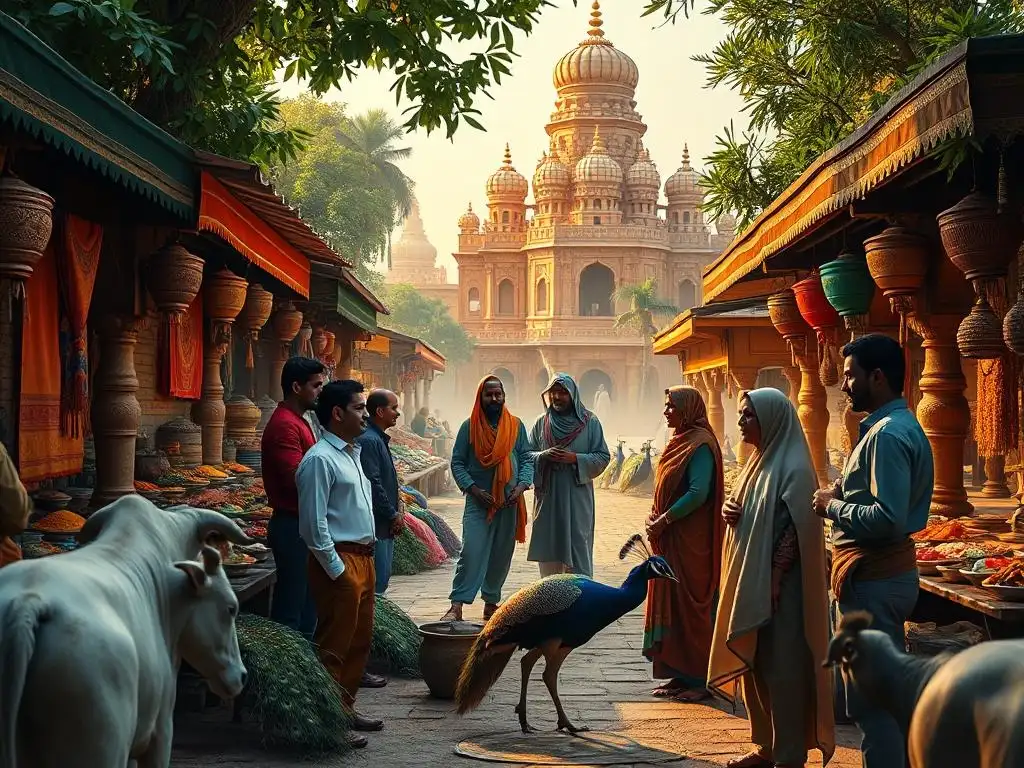
Welcome to Ancient India History, where we invite you to embark on a journey through time, uncovering the rich tapestry of cultures that shaped one of the world's oldest civilizations. In our featured article, " How Ancient Indian Folklore Reflects Cultural Interactions with Neighbors," we delve into the fascinating world of ancient Indian folklore cultural interactions.
Discover how stories, myths, and traditions intertwined with those of neighboring societies, revealing not just shared narratives but the profound exchanges that enriched India's cultural landscape. Get ready to be captivated as you explore the intricate connections that define our past and continue to influence us today!
- Introduction to Ancient Indian Folklore and Cultural Interactions
- The Historical Context of Ancient Indian Folklore
- Themes in Ancient Indian Folklore Reflecting Cultural Interactions
- Case Studies of Cultural Interactions Through Folklore
- Symbols and Motifs in Folklore Indicating Cultural Interactions
- The Role of Oral Traditions in Preserving Cultural Interactions
- Conclusion: The Significance of Ancient Indian Folklore in Understanding Cultural Interactions
-
Frequently Asked Questions
- What is the significance of ancient Indian folklore in understanding cultural interactions?
- How did neighboring civilizations influence ancient Indian folklore?
- What are some examples of cultural interactions found in ancient Indian folklore?
- How did folklore shape the identity of ancient Indian societies?
- Why is studying ancient Indian folklore important today?
- Final Reflection: The Timeless Echoes of Ancient Indian Folklore in Cultural Interactions
- Unveil the Richness of Ancient Indian Folklore!
Introduction to Ancient Indian Folklore and Cultural Interactions
Ancient Indian folklore serves as a vibrant tapestry woven from the threads of diverse narratives, traditions, and beliefs that have evolved over millennia. This rich body of oral literature not only reflects the unique cultural identity of various Indian communities but also highlights the profound cultural interactions that occurred with neighboring civilizations.
From the ancient Indus Valley to the flourishing Gupta Empire, ancient Indian folklore is a testament to the cross-pollination of ideas, practices, and stories that shaped the subcontinent's cultural landscape. By examining these interactions, we gain valuable insights into how ancient Indian societies understood themselves in relation to others, as well as how they adapted and integrated external influences into their own cultural frameworks.
Definition of Ancient Indian Folklore
Ancient Indian folklore encompasses a wide range of narratives, including myths, legends, fables, and proverbs, that have been passed down through generations. These stories often feature elements such as:
- Deities and supernatural beings: Central characters that embody moral lessons or cultural values.
- Everyday life and customs: Reflections of the social structure, traditions, and practices of the time.
- Moral and ethical teachings: Lessons that guide behavior and decision-making within the community.
Folklore is not merely entertainment; it serves as a crucial medium for transmitting knowledge, preserving history, and fostering a sense of identity among its tellers and listeners. In the context of ancient India, folklore provides a glimpse into the complexities of societal norms and the interplay of different cultures that coexisted and interacted.
Importance of Cultural Interactions in Ancient India
Cultural interactions played a pivotal role in shaping ancient Indian societies, influencing not only folklore but also art, religion, and social practices. The significance of these interactions can be understood through several key aspects:
- Exchange of Ideas: Ancient Indian folklore often incorporates elements from neighboring cultures, reflecting a rich exchange of mythology, values, and storytelling techniques. This blending of traditions fosters a deeper understanding of shared human experiences.
- Adaptation and Syncretism: As various civilizations interacted through trade, migration, and conquest, ancient Indian societies adapted foreign ideas and practices, creating a unique syncretic culture. Folklore serves as a medium through which these adaptations are expressed, showcasing how ancient Indians negotiated their identities amidst external influences.
- Preservation of Heritage: The stories and legends that evolved from these cultural interactions helped preserve diverse heritages, ensuring that the narratives of both local and neighboring communities were remembered and celebrated.
- Social Cohesion: Folklore often acted as a unifying force, bringing together individuals from different backgrounds through shared stories and values. This social cohesion was vital for maintaining harmony in a culturally diverse society.
By exploring how ancient Indian folklore reflects cultural interactions with neighboring civilizations, we can appreciate the depth and dynamism of India’s historical narrative, revealing a landscape rich in shared experiences and mutual influences.
The Historical Context of Ancient Indian Folklore
Overview of Ancient Indian Civilizations
Ancient India was home to a multitude of civilizations, each contributing uniquely to the rich tapestry of its folklore. The Indus Valley Civilization, one of the earliest urban cultures around 2500 BCE, thrived with advanced city planning and trade networks. Their societal organization laid the groundwork for future cultural developments.
Following this, the Vedic Period (approximately 1500-500 BCE) introduced significant philosophical and religious texts, such as the Vedas. This era saw the emergence of various cultural practices, rituals, and oral traditions that would later influence the folklore of the region. The Mahajanapadas (600-300 BCE) further diversified the cultural landscape with their regional kingdoms, fostering unique local stories that reflected their societal values and interactions.
The Maurya and Gupta Empires (322 BCE - 550 CE) marked the zenith of ancient Indian civilization, where arts and literature flourished. Notable epics such as the Mahabharata and Ramayana, which are integral to the folklore, were composed during this time, encapsulating moral dilemmas, heroism, and the divine, thus enriching the cultural narrative of India.
Neighboring Civilizations and Their Influence on India
Ancient India was not an isolated entity; it was deeply influenced by neighboring civilizations through trade, conquest, and cultural exchanges. The interactions with civilizations such as the Persians, Greeks, and Central Asian tribes significantly impacted ancient Indian folklore.
- Persian Influence:
- The Achaemenid Empire (550-330 BCE) brought Persian cultural elements into India. Folklore began to reflect themes of dualism, which were prevalent in Zoroastrian beliefs. This influence can be observed in stories that depict the struggle between good and evil, a common motif in both Persian and Indian narratives.
- Greek Influence:
- The arrival of Alexander the Great in 326 BCE opened avenues for Greek cultural infusion. The synthesis of Greek and Indian mythology created narratives that combined heroic tales with philosophical inquiries, evident in the Buddhist Jataka tales, which incorporated elements of Greek storytelling techniques.
- Central Asian Tribes:
- The influx of Central Asian tribes, particularly during the Kushan Empire (1st-3rd century CE), introduced new narratives and artistic styles. The blending of cultures led to the creation of hybrid folklore, where tales of adventure and valor from the steppes merged with indigenous Indian themes, shaping the narratives of the time.
- Trade Routes:
- The Silk Road and other trade routes facilitated not just commerce but also the exchange of stories and folklore. Merchants, travelers, and scholars became conduits of cultural interaction, sharing fables and legends that would influence local storytelling traditions.
Ancient Indian folklore serves as a mirror reflecting the cultural interactions with neighboring civilizations. The syncretism of ideas, values, and narratives resulted in a diverse folklore that encapsulated the essence of ancient India's rich cultural landscape. Understanding these interactions is crucial to appreciating the depth of ancient Indian folklore and its enduring legacy.
Themes in Ancient Indian Folklore Reflecting Cultural Interactions
Ancient Indian folklore is rich with mythological narratives that often reflect cultural interactions with neighboring civilizations. One of the most significant aspects of these narratives is the shared pantheon of deities that transcends geographical and cultural boundaries. For instance, the concept of Vishnu as the preserver, found in Indian mythology, has parallels in other cultures where similar deities with preservation attributes exist.
Key Examples of Shared Deities
- Vishnu and Ahura Mazda: Both are seen as protectors of order and righteousness, embodying the values of their respective cultures.
- Shiva and the Zoroastrian deity: The duality of creation and destruction in both these figures reflects a common understanding of cosmic balance.
These shared mythological elements signify not only religious syncretism but also the deep-rooted interactions between ancient Indian civilization and its neighbors, such as Persia and the Hellenistic world.
Folklore Tales that Showcase Trade and Exchange
The folklore of ancient India is also interwoven with tales that highlight the significance of trade and exchange, showcasing economic interactions with neighboring regions. These narratives often serve as allegories for the complexities of trade relations, reflecting both the benefits and challenges faced by traders.
Notable Trade Tales
- The Tale of the Merchant and the Genius: This story, found in various forms across cultures, illustrates the perils of trade and the necessity of wit and wisdom in navigating foreign markets.
- Folktales about Silk Routes: Many Indian folktales celebrate the voyages of merchants who traveled the Silk Road, emphasizing the exchange of goods, ideas, and cultures.
These tales not only depict the material exchanges but also serve as a testament to the cultural dialogues that emerged from these interactions, influencing everything from culinary practices to artistic expressions.
Influence of Neighboring Cultures on Indian Folklore Themes
The themes present in ancient Indian folklore were significantly shaped by the cultural exchanges with neighboring civilizations. This influence is particularly evident in the motifs, storytelling techniques, and moral lessons embedded within these narratives.
Cultural Influences
- Persian Influence: The incorporation of fantastical elements and elaborate storytelling styles in Indian folklore can be traced back to Persian narratives, particularly during the Mauryan and Gupta periods.
- Hellenistic Elements: The fables attributed to Aesop resonate within Indian folklore, showcasing shared moral lessons and character archetypes that emphasize virtues like honesty and wisdom.
As a result, ancient Indian folklore serves as a vibrant tapestry of cultural interactions, where the themes reflect not only local traditions but also the rich amalgamation of influences from neighboring cultures, enriching the collective narrative of the region.
Through these multifaceted interactions, ancient Indian folklore stands as a testament to the dynamic cultural exchanges that shaped its evolution over centuries, emphasizing the importance of understanding these connections in the broader context of ancient history.
Case Studies of Cultural Interactions Through Folklore
The Impact of Persian Influence on Indian Folklore
The interaction between ancient India and Persia is a profound example of how cultural exchanges can shape folklore. This influence can be traced back to the Achaemenid Empire, which extended into parts of the northwestern region of the Indian subcontinent. One of the significant contributions of Persian culture to Indian folklore is the introduction of narrative forms and storytelling techniques.
Persian literature, particularly the Shahnameh (Book of Kings), introduced themes of heroism, morality, and the complexity of human emotions, which found resonance in Indian folklore. Characters from Persian tales such as Rustam inspired similar heroic figures in Indian stories. This cross-cultural exchange created a rich tapestry of narratives that blended Persian and Indian elements.
Moreover, the Persian practice of incorporating poetic forms and motifs into storytelling significantly influenced Indian poets and storytellers. The use of metaphors, allegories, and intricate narrative structures became prevalent in Indian folklore, enriching its content and style.
- Key Contributions:
- Introduction of new narrative forms.
- Inspiration for heroic figures.
- Enhanced poetic techniques in storytelling.
The Exchange Between Ancient India and Greco-Roman Cultures
The cultural interactions between ancient India and Greco-Roman civilizations resulted in a fascinating amalgamation of myths and folklore. Following the conquests of Alexander the Great, there was a notable exchange of ideas, art, and literature between these regions.
One of the most striking impacts of this interaction is seen in the portrayal of deities and mythical figures. Indian folklore began to incorporate Greco-Roman themes, as seen in the representation of gods and goddesses. For example, the depiction of Vishnu and Krishna started incorporating aspects of Hellenistic art, emphasizing physical beauty and divine attributes.
Additionally, the concept of Fable—short stories conveying moral lessons—was enriched by the influence of Aesop's Fables, which were transmitted through trade routes. This led to the emergence of Indian fables that mirrored the structure and moral undertones of their Greco-Roman counterparts.
- Key Contributions:
- Integration of Greco-Roman themes in Indian deities.
- Adoption and adaptation of moral fables.
- Influence on artistic representations in folklore.
The Role of Southeast Asian Cultures in Shaping Indian Folklore
Southeast Asian cultures have played a crucial role in the evolution of ancient Indian folklore, particularly through maritime trade routes that facilitated the exchange of ideas and cultural practices. The spread of Hinduism and Buddhism to Southeast Asia resulted in a reciprocal influence on folklore traditions.
The Ramayana and Mahabharata, epic tales originating from India, were adapted and reinterpreted in various Southeast Asian cultures, with local customs and beliefs woven into the narratives. For instance, the Ramayana is not only a prominent epic in India but also has significant adaptations in countries like Indonesia and Thailand, where local heroes and settings are introduced.
Moreover, the incorporation of local myths and oral traditions into Indian folklore demonstrates a rich dialogue between these cultures. The blending of local beliefs with Indian narratives resulted in unique folklore forms, such as shadow puppetry, which narrates Indian epics infused with local themes.
- Key Contributions:
- Adaptation of Indian epics in Southeast Asia.
- Blending local myths with Indian folklore.
- Development of unique artistic expressions, like shadow puppetry.
Through these case studies, it becomes evident that ancient Indian folklore serves as a mirror reflecting the rich cultural interactions with neighboring civilizations. These interactions not only enhanced the narrative depth of folklore but also illustrated the dynamic exchanges that shaped the cultural landscape of ancient India.
Symbols and Motifs in Folklore Indicating Cultural Interactions
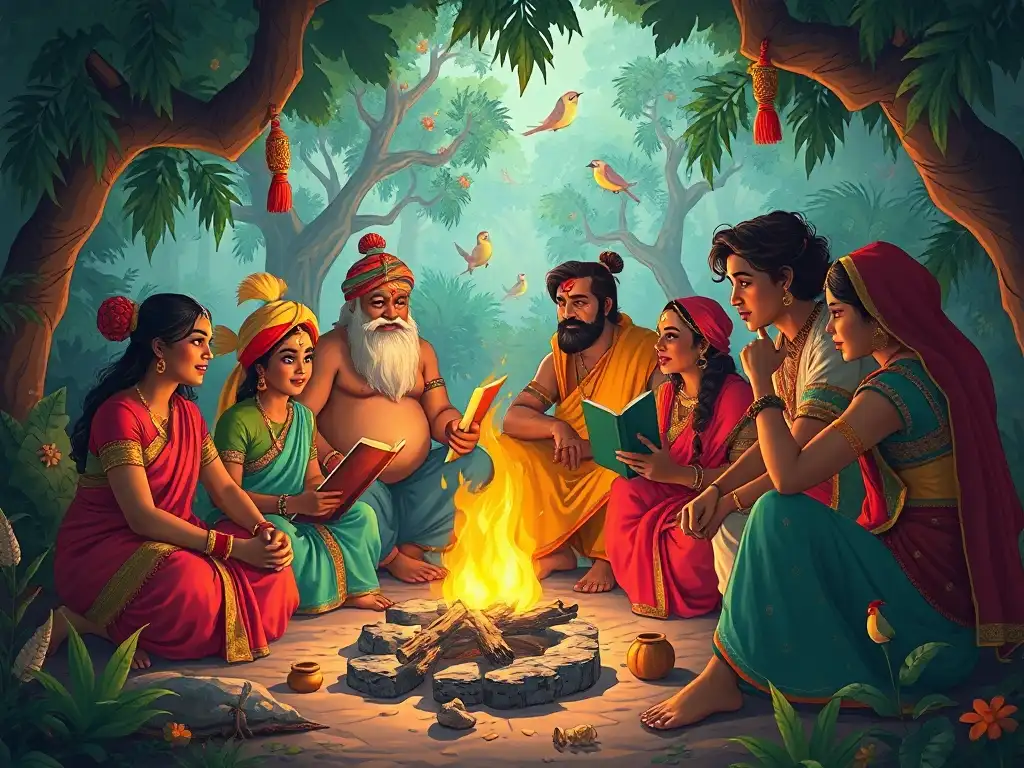
The study of ancient Indian folklore reveals a wealth of symbols and motifs that serve as indicators of cultural interactions with neighboring civilizations. These symbols often encapsulate shared values, beliefs, and practices, demonstrating how ancient Indian societies engaged with their surroundings.
Many motifs found within ancient Indian folklore are not unique but resonate across various cultures in the region. For instance, the motif of the tree is prevalent in both Indian and Persian narratives. In Indian folklore, the Bodhi tree, under which Siddhartha attained enlightenment, symbolizes wisdom and the interconnectedness of life. Conversely, in Persian culture, the Cypress tree represents eternal life and is often depicted in poetry and folklore. This shared symbolism suggests a deeper cultural exchange, where both civilizations drew inspiration from one another's reverence for nature.
Another significant symbol is the mythical creature, which appears in various forms across cultures. The Naga, a serpent deity in Indian tradition, finds parallels in Southeast Asian folklore, where similar serpent-like beings are revered. This similarity indicates not only a shared mythological framework but also the potential for cross-cultural storytelling that evolved through trade and migration.
| Symbolic Motif | Indian Interpretation | Neighboring Interpretation |
|---|---|---|
| Tree | Wisdom, interconnectedness (Bodhi tree) | Eternal life (Cypress tree) |
| Mythical Creature | Naga (serpent deity) | Similar serpent beings in Southeast Asia |
| River | Life source, purification (Ganges) | Sacred and life-giving (Nile in Egypt) |
The Adaptation of Folklore Elements from Neighboring Civilizations
The adaptation of folklore elements from neighboring civilizations is a testament to the dynamic nature of ancient Indian culture. As trade routes flourished and communities interacted, stories and motifs were exchanged, leading to a rich tapestry of folklore that reflects these interactions.
One clear example is found in the Panchatantra, a collection of fables that showcases animal characters imparting moral lessons. The origins of these stories can be traced back to ancient Indian sources, yet they also exhibit influences from Persian and Arabic folklore. The character of the clever fox, common in both Indian and European fables, illustrates how traits and narratives were shared and adapted across cultures.
The Ramayana also illustrates this phenomenon. While primarily an Indian epic, it has been embraced and adapted in various forms throughout Southeast Asia, including in Indonesia and Thailand. Each adaptation carries unique cultural elements, reflecting local beliefs and practices while maintaining the core narrative structure.
- Key Adaptations:
- Panchatantra: Reflects moral lessons through animal characters, with roots in Persian and Arabic storytelling.
- Ramayana: Adapted in various Southeast Asian cultures, integrating local customs and beliefs.
The interchange of folklore between ancient Indian civilizations and their neighbors not only enriched Indian narratives but also created a shared cultural heritage that highlights the interconnectedness of human experience across geographical boundaries. Through these adaptations, ancient Indian folklore remains a vivid illustration of cultural interactions, revealing the complexities of identity, belief, and tradition throughout history.
The Role of Oral Traditions in Preserving Cultural Interactions
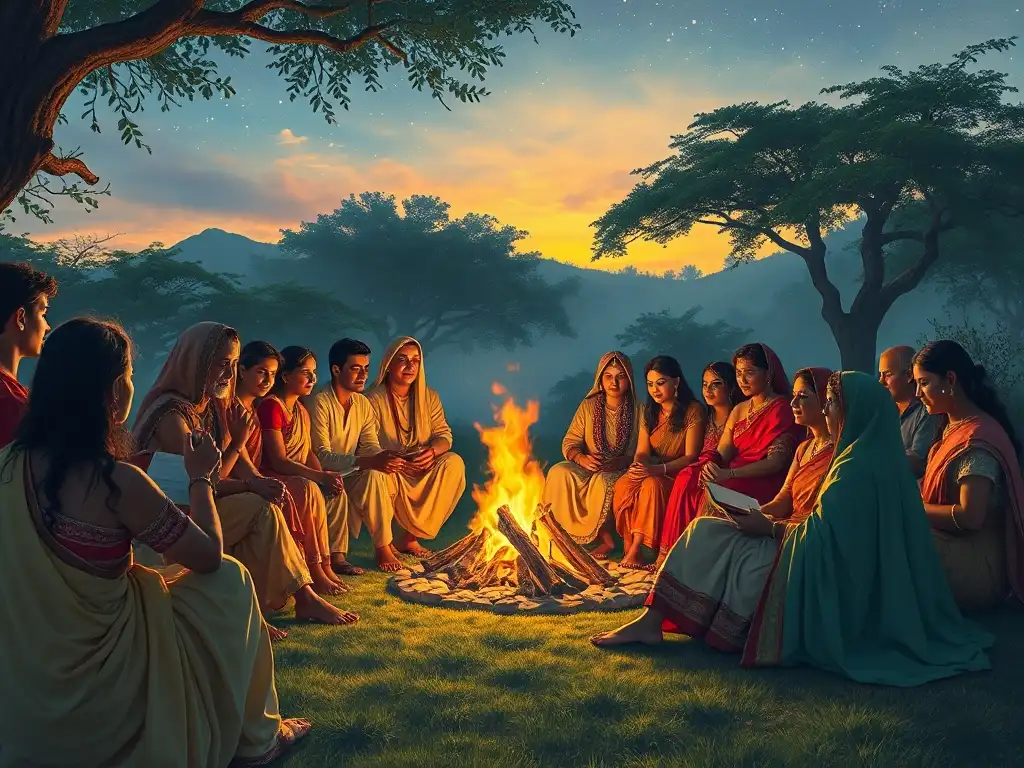
The oral traditions of ancient India serve as a crucial medium for preserving the cultural interactions among neighboring civilizations. These stories, passed down through generations, encapsulate the values, beliefs, and practices that were influenced by or shared with neighboring cultures. As a dynamic repository of knowledge, ancient Indian folklore reflects the rich tapestry of interactions between different ethnic groups, highlighting how their exchanges shaped and enriched each other's cultural identities.
Oral Storytelling as a Medium for Cultural Exchange
Oral storytelling played a pivotal role in the dissemination of cultural ideas and practices among ancient Indian communities. This method of communication allowed for the fluid exchange of narratives, enabling stories to adapt and evolve based on the experiences and influences of the storytellers. Notably, the Mahabharata and Ramayana are prime examples of epics that have absorbed various regional variations and influences, showcasing the interactions between different societal groups.
- Cultural Borrowing: Folklore often borrowed elements from neighboring cultures, such as myths, rituals, and moral lessons. For instance, the influence of Persian and Greek narratives can be seen in certain tales and characters that emerged in Indian folklore during and after the invasions.
- Regional Variations: As stories traveled across regions, they were localized, reflecting the specific cultural contexts, languages, and customs of different communities. This adaptability facilitated the integration of local beliefs, which in turn enriched the folklore itself.
- Ritualistic Significance: Many oral stories were intertwined with rituals and festivals, serving not only as entertainment but also as a means of reinforcing communal identity. For example, the celebration of Makar Sankranti incorporates various localized legends that highlight agricultural practices and seasonal changes, emphasizing the importance of community ties and shared experiences.
The Evolution of Folklore Through Generations
The evolution of ancient Indian folklore is a testament to the ongoing process of cultural exchange and adaptation. As communities encountered new ideas and influences, their folklore transformed, creating a vibrant and diverse tapestry of narratives.
- Cyclical Nature of Folklore: Folklore is inherently cyclical, with stories being retold and reinterpreted over time. This cycle allows for the integration of contemporary issues and themes, ensuring that the tales remain relevant to the society's evolving values and concerns.
- Influence of Historical Events: Major historical events, such as invasions, trade interactions, and migrations, have left indelible marks on folklore. For instance, the arrival of the Mughals introduced new themes, aesthetics, and philosophical ideas that blended with existing narratives, leading to the emergence of rich hybrid forms of storytelling.
- Preservation of Identity: As folklore evolved, it also played a vital role in the preservation of cultural identity amidst changing socio-political landscapes. Tales of heroism, wisdom, and moral dilemmas reflected the struggles and triumphs of communities, reinforcing their sense of belonging and continuity.
- Modern Interpretations: In contemporary times, ancient Indian folklore continues to inspire literature, cinema, and art, thereby extending its reach beyond oral traditions. Modern adaptations often reinterpret these tales to address current societal issues, showcasing the enduring relevance of folklore in cultural dialogues.
Through these avenues, ancient Indian folklore not only reflects cultural interactions with neighbors but also serves as a lens through which the complexities of identity, adaptation, and resilience can be examined. The rich narratives that have emerged from this interplay continue to resonate, reminding us of the shared human experience that transcends borders and time.
Conclusion: The Significance of Ancient Indian Folklore in Understanding Cultural Interactions
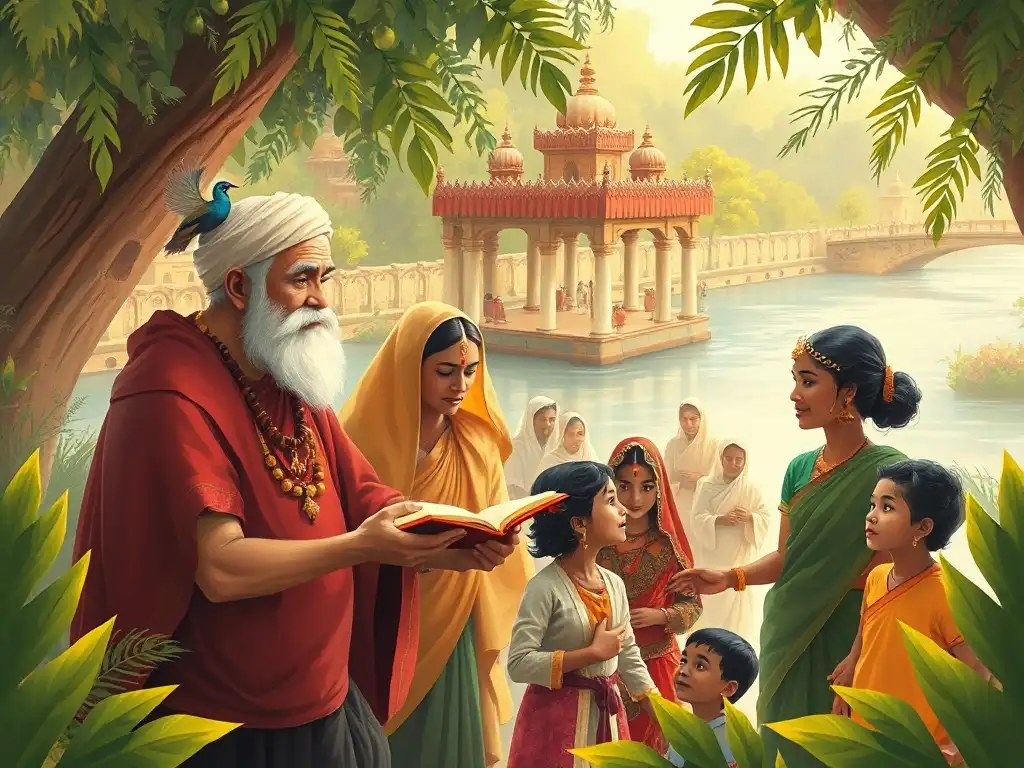
Summary of Key Points on Ancient Indian Folklore and Cultural Interactions
Ancient Indian folklore serves as a vital lens through which we can examine the cultural interactions that took place between ancient Indian civilizations and their neighboring societies. Here are some key points that highlight this significance:
- Cultural Exchange: Folklore narratives often reveal the blending of ideas, beliefs, and practices that occurred through trade, migration, and conquest. For instance, the stories of Pancha Tantra illustrate moral lessons that were influenced by other cultures while still retaining distinct Indian elements.
- Language and Dialects: The evolution of regional dialects in folklore reflects the linguistic interactions with neighboring cultures. Many folktales incorporate words and phrases from languages such as Persian, Arabic, and various tribal languages, showcasing the dynamic nature of communication among diverse groups.
- Religious Syncretism: The folklore of ancient India often contains themes and characters that were influenced by neighboring religious traditions, such as Buddhism and Jainism. This syncretism is evident in stories that merge Hindu deities with Buddhist motifs, demonstrating a rich tapestry of spiritual beliefs.
- Social Structures: Folklore often mirrors the social hierarchies and day-to-day lives of people in ancient India, influenced by neighboring cultures. Tales about kingship, justice, and morality provide insights into how ancient Indians perceived their relationships with adjacent civilizations.
- Culinary Traditions: Food plays a significant role in folklore, with various tales highlighting the culinary exchanges between cultures. Recipes and cooking techniques depicted in stories reflect the integration of ingredients and methods from neighboring regions.
By analyzing these aspects, we can better appreciate how ancient Indian folklore not only entertains but also serves as a historical record of cultural interactions that shaped the Indian subcontinent.
Final Thoughts on the Legacy of Ancient Indian Folklore
The legacy of ancient Indian folklore is a testament to the rich tapestry of cultural interactions that have taken place throughout history. It encapsulates the wisdom, humor, and moral values of ancient societies, while also highlighting the influences from neighboring civilizations.
- Preservation of History: Folklore acts as a repository of history, preserving narratives that might not be found in formal historical records. This oral tradition provides a unique glimpse into the lives and thoughts of people from different eras.
- Cultural Identity: As globalization accelerates in the modern world, ancient Indian folklore helps maintain a sense of cultural identity. By studying these tales, contemporary generations can connect with their heritage and understand the foundational influences that shaped their culture.
- Educational Tool: The richness of ancient Indian folklore can serve as an educational tool to teach values, ethics, and lessons in a manner that resonates with both children and adults. The stories often carry universal themes that transcend cultural boundaries, making them relevant even today.
The exploration of ancient Indian folklore not only enriches our understanding of past civilizations but also highlights the ongoing importance of cultural interactions in shaping societies. As we continue to delve into these narratives, we uncover not just stories of gods and heroes, but also the very essence of human connection across time and space.
Frequently Asked Questions
What is the significance of ancient Indian folklore in understanding cultural interactions?
Ancient Indian folklore serves as a valuable resource for studying how various cultures interacted, showcasing shared beliefs and customs that evolved through trade, conquest, and alliances.
How did neighboring civilizations influence ancient Indian folklore?
Neighboring civilizations contributed to ancient Indian folklore by introducing new narratives, motifs, and deities, creating a rich tapestry that reflects cultural exchanges over centuries.
What are some examples of cultural interactions found in ancient Indian folklore?
Examples include the integration of Persian tales, the influence of Buddhist stories, and the incorporation of local myths from regions like Southeast Asia, highlighting the diversity of interactions.
How did folklore shape the identity of ancient Indian societies?
Folklore played a critical role in shaping societal values, morals, and traditions, serving as a means of preserving cultural heritage and fostering a sense of community among diverse groups.
Why is studying ancient Indian folklore important today?
Studying ancient Indian folklore provides insights into historical narratives and the cultural legacy of India, helping us understand how past interactions continue to influence modern Indian society.
Final Reflection: The Timeless Echoes of Ancient Indian Folklore in Cultural Interactions
Ancient Indian folklore serves as a vibrant tapestry that weaves together the threads of cultural interactions with neighboring societies, illustrating how stories transcend borders and time. In today's globalized world, where cultural exchanges are more prevalent than ever, the lessons embedded in these ancient tales remind us of the importance of understanding and appreciating the diverse narratives that shape our identities. The richness of these folklore traditions not only enriches our cultural heritage but also fosters a sense of unity in our increasingly interconnected lives.
The influence of ancient Indian folklore on contemporary culture is profound and enduring. These stories continue to resonate, reflecting the shared values, beliefs, and experiences that bind communities together. As we navigate the complexities of modern society, it is essential to recognize how these narratives have shaped our understanding of cultural diversity and coexistence. Folklore is the heart of a culture, a living testament to the shared experiences of its people.
This sentiment underscores the vital role that folklore plays in bridging cultural divides and fostering empathy among different communities.
As we reflect on the insights gained from exploring ancient Indian folklore and its cultural interactions, I invite you to consider how these timeless stories can inspire you in your own life. Take a moment to engage with the folklore of your own culture or that of others, and allow these narratives to guide your understanding of the world around you. By embracing the lessons of the past, we can cultivate a more inclusive and harmonious future, celebrating the rich tapestry of human experience that connects us all.
Unveil the Richness of Ancient Indian Folklore!
Thank you for diving into the fascinating world of ancient Indian folklore with us! You’ve uncovered the layers of cultural interactions and how these stories shape our understanding of history. Now, it’s time to take the next step and deepen your engagement with these enchanting tales.
Here are some inspiring ways you can explore further:
- Discover and Read More: Explore additional folklore stories from various cultures and compare them to Indian tales. You might be surprised at the similarities and the unique nuances!
- Share Your Insights: Discuss your favorite folklore stories or insights within your community. Start a conversation that spreads knowledge and appreciation!
- Join a Community: Engage with online forums or local groups that focus on cultural history. You’ll connect with like-minded individuals eager to explore and share!
As you reflect on these next steps, we’d love to hear from you: Which folklore story has had the most significant impact on your understanding of cultural interactions, and why?