
The Role of Indian Women in Shaping Southeast Asian Societal Norms

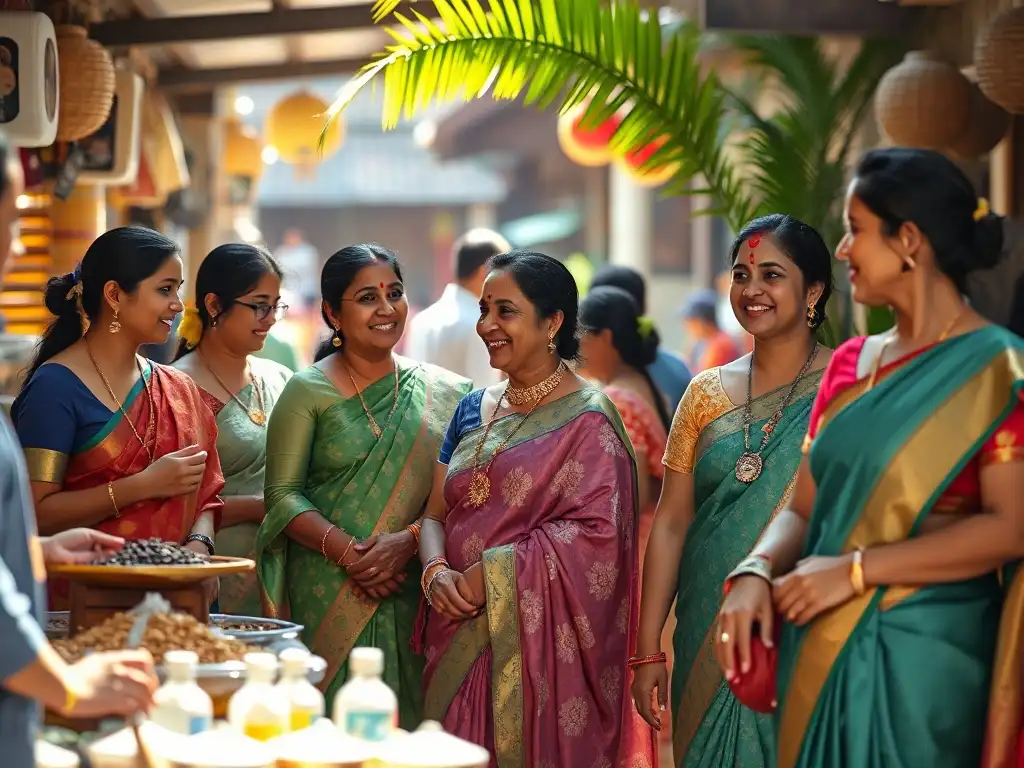
Welcome to Ancient India History, where we embark on a journey through the fascinating tapestry of ancient Indian civilizations and their profound impact on the world. As we dive into our featured article, "The Role of Indian Women in Shaping Southeast Asian Societal Norms," prepare to uncover the remarkable contributions and influence of Indian women in Southeast Asia—a story often overlooked yet rich with cultural significance.
Discover how these trailblazing figures not only shaped societal norms but also wove the threads of cultural exchange that connect India and Southeast Asia. Join us as we explore this captivating intersection of history and culture that awaits you!
Introduction to Indian Women in Southeast Asia
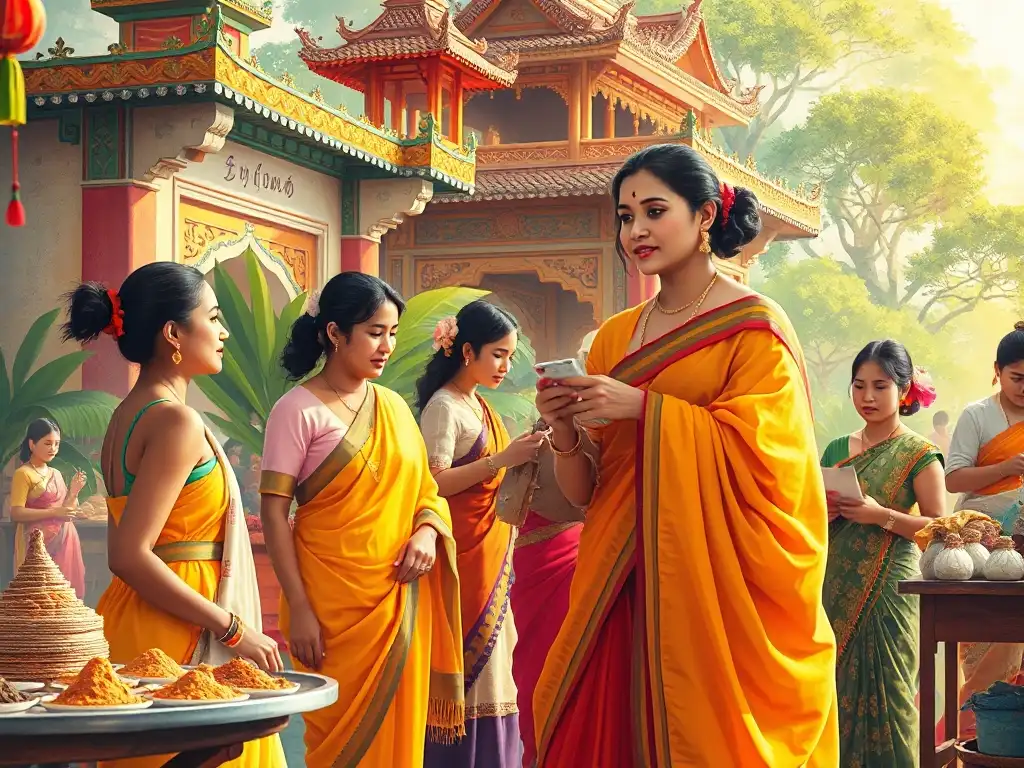
The influence of Indian women in Southeast Asia has been profound and multifaceted, shaping societal norms and cultural practices across the region for centuries. From the early days of migration to contemporary times, these women have played pivotal roles not only in their communities but also in the broader historical context of Southeast Asia. Their contributions have transcended boundaries, fostering a rich tapestry of cultural exchange that has left an indelible mark on societal structures, religious practices, and economic activities.
In examining the historical narrative, we uncover how Indian women have woven their identities into the fabric of Southeast Asian societies, influencing everything from family hierarchies to artistic expressions. This article aims to delve into the historical context of these influences, exploring the various dimensions in which Indian women have shaped societal norms and highlighting their enduring legacy in the region.
Importance of Indian Women's Influence
The significance of Indian women's influence in Southeast Asia cannot be overstated. Their roles were not merely confined to domestic spheres; they were instrumental in:
- Cultural Transmission: Indian women facilitated the spread of ideas, languages, and customs, enriching the cultural landscape of Southeast Asia.
- Religious Practices: They played key roles in the propagation of Hinduism and Buddhism, serving as custodians of religious traditions and practices.
- Economic Contributions: Engaging in trade and commerce, Indian women were central to the economic networks that connected India and Southeast Asia, influencing local economies.
This profound impact underscores the need to recognize and celebrate the contributions of Indian women as pivotal agents of change in the region's historical development.
Overview of Societal Norms in Southeast Asia
Southeast Asia is characterized by a complex interplay of diverse cultural and societal norms, often shaped by historical migrations and exchanges. The region is home to a multitude of ethnic groups, languages, and religions, resulting in a rich mosaic of cultural practices.
Key aspects of societal norms in Southeast Asia include:
- Patriarchal Structures: While many societies are predominantly patriarchal, there exist matriarchal elements in certain communities, influenced in part by Indian customs.
- Gender Roles: Traditional gender roles have evolved, with Indian women contributing to both domestic responsibilities and public life.
- Marital Practices: Indian customs surrounding marriage and family life have influenced local practices, leading to unique hybrid traditions.
Understanding these societal norms provides a backdrop against which the influence of Indian women can be further appreciated.
Historical Context of Indian Women in Southeast Asia
Early Migration and Cultural Exchange
The migration of Indian communities to Southeast Asia dates back to ancient times, with significant movements occurring during the reign of various Indian empires. Indian women accompanied traders and settlers, establishing roots in local cultures. This early migration facilitated:
- Cultural Blending: The merging of Indian and local customs led to the creation of new cultural identities.
- Language and Literature: Indian languages and literary traditions were introduced, influencing local dialects and storytelling traditions.
Such exchanges laid the groundwork for the enduring presence of Indian culture in the region.
Role of Indian Women in Trade and Commerce
Indian women were active participants in trade, helping to establish and maintain robust economic networks between India and Southeast Asia. Their roles included:
- Market Participation: Many Indian women engaged in local markets as traders, contributing to the economic vitality of their communities.
- Cultural Brokers: By acting as intermediaries, they facilitated cultural exchanges, introducing Southeastern societies to Indian goods, ideas, and practices.
These economic contributions not only enhanced their status within their communities but also reinforced the significance of Indian women in shaping the socio-economic landscape of Southeast Asia.
Contributions of Indian Women in Southeast Asian Societies
The contributions of Indian women in Southeast Asia have played a pivotal role in shaping the cultural and societal norms of the region. These women, through various means—be it trade, migration, or cultural exchange—have left an indelible mark on Southeast Asian societies. Their involvement can be seen in the realms of religion, arts, social structures, and more. As key figures in both familial and communal settings, Indian women often acted as cultural ambassadors, facilitating the exchange of ideas, traditions, and practices that enriched the local cultures of Southeast Asia.
From the spread of Hinduism and Buddhism to the introduction of Indian art forms, Indian women were essential in transmitting cultural values and practices. The influence of Indian women can be seen in many aspects of daily life, social customs, and even governance in various Southeast Asian countries. Their roles extended beyond mere participation; they often shaped the very fabric of society, influencing norms and values that continue to resonate today.
Influence on Religion and Spiritual Practices
Indian women significantly influenced the religious landscape of Southeast Asia, particularly through the dissemination of Hindu and Buddhist beliefs. As key figures in the early propagation of these religions, Indian women often served as priestesses, temple builders, and spiritual leaders. Their roles allowed them to shape spiritual practices and community rituals that blended Indian traditions with local beliefs, resulting in unique religious expressions.
For example, the introduction of Hindu deities and rituals into Southeast Asian societies often came through the mediation of Indian women. In many cases, they were instrumental in establishing temples and cults, serving as custodians of these practices. The presence of female deities, such as Durga and Kali, in Southeast Asian cultures can be traced back to Indian influences, which were embraced and adapted by local communities.
Additionally, Indian women contributed to the spiritual education of younger generations, ensuring the continuity of these significant cultural and religious practices. Their involvement in festivals and religious ceremonies fostered a sense of community and belonging, helping to solidify the role of these religions in the societal fabric of Southeast Asia.
Impact on Arts and Literature
The artistic contributions of Indian women in Southeast Asia have also left a lasting legacy. Through their participation in various art forms—such as dance, music, and literature—they helped shape the cultural landscape of the region. The classical dance forms of Southeast Asia, for instance, have strong roots in Indian traditions, which were brought over by women who migrated for trade or marriage.
In literature, Indian women contributed to the oral traditions and storytelling practices that captivated audiences across Southeast Asia. Their narratives often included themes of heroism, devotion, and moral lessons, reflecting the values and beliefs of both Indian and Southeast Asian cultures. This blending of narratives enriched the literary scenes in countries like Indonesia and Malaysia, where Indian epics were adapted into local languages and styles.
Moreover, the craftsmanship of Indian women, particularly in textiles and pottery, introduced intricate designs and techniques that influenced local artisans. This fusion of styles not only enhanced the aesthetic appeal of Southeast Asian art but also established a shared cultural heritage that continues to be celebrated today.
The social status and rights of Indian women in Southeast Asia present an interesting study of contrast and convergence with local norms. Indian women often arrived in Southeast Asia as traders, wives, or religious figures, and their status was influenced by their roles within these contexts. In many instances, they were granted higher social standing due to the cultural prestige associated with Indian heritage.
However, the rights and social status of Indian women varied significantly across different Southeast Asian societies. In some regions, they enjoyed relative autonomy and were active participants in trade and governance, while in others, they faced restrictions similar to local customs. Understanding these dynamics is essential to appreciate the broader impact of Indian women on Southeast Asian societies.
Comparison of Indian and Southeast Asian Women's Rights
When comparing the rights of Indian women in Southeast Asia to their local counterparts, distinct patterns emerge. While Indian women often had access to education and property rights, their Southeast Asian peers might have experienced varying degrees of freedom based on local customs and legal frameworks.
In many Southeast Asian societies, women played crucial roles in family and community decision-making, often enjoying more autonomy than their Indian counterparts. For instance, in matrilineal societies like the Minangkabau of Indonesia, women inherit property and hold significant social power, contrasting with the more patriarchal norms that often defined Indian society.
The interplay of these rights illustrates a rich tapestry of cultural exchange, where Indian women adapted to and influenced local customs, while also bringing aspects of their own traditions. This mutual influence has led to a unique blend of rights and statuses that reflect the complexities of cultural interactions in the region.
Case Studies: Prominent Indian Women in Southeast Asia
Several prominent Indian women have significantly impacted Southeast Asian societies, serving as exemplars of cultural exchange and influence. One notable figure is Dewi Kunti, an Indian princess who married into the Javanese royal family and played a crucial role in the spread of Hinduism in Java. Her influence extended to the establishment of temples and the promotion of Hindu rituals in the region.
Another significant case is Rani Chennamma, a queen from India who became a key political figure in Southeast Asia, demonstrating the leadership capabilities of Indian women. Her reign not only highlights the political agency of Indian women but also exemplifies how they could shape governance and societal norms in their adopted lands.
These case studies illustrate the diverse ways Indian women have navigated and influenced Southeast Asian societies, enriching the cultural landscape and contributing to the development of social norms. Their legacies continue to inspire and influence contemporary understandings of women's roles in society.
Challenges Faced by Indian Women in Southeast Asia
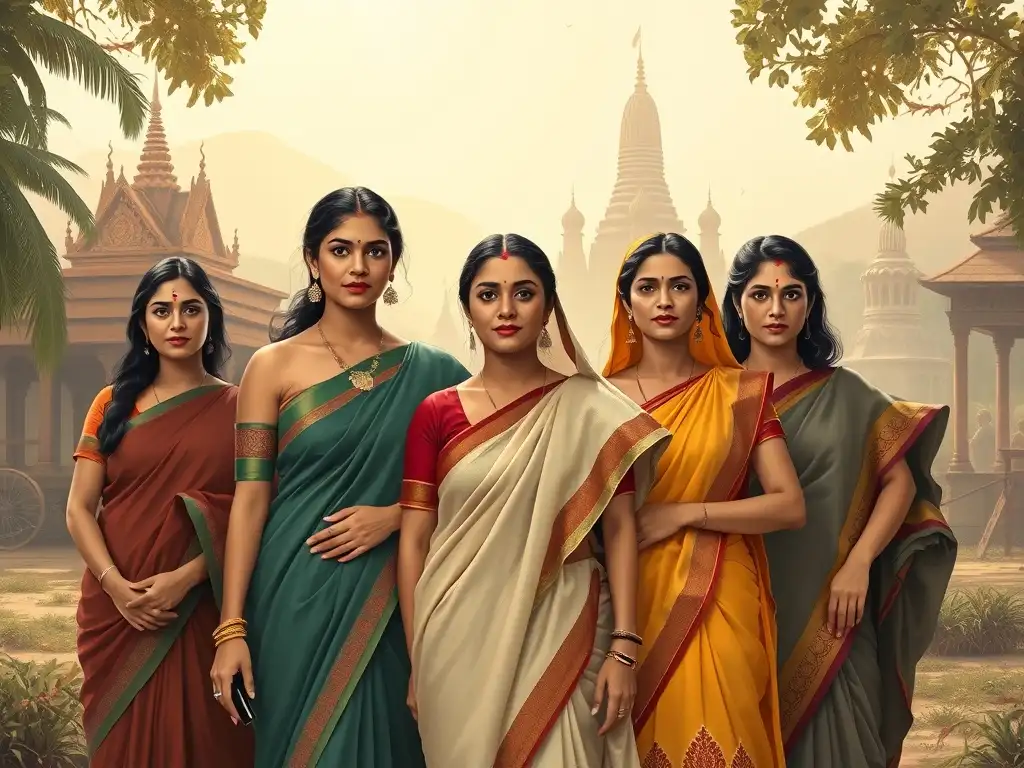
The historical journey of Indian women in Southeast Asia is marked by significant contributions to societal norms and cultural landscapes; however, it has not been without its challenges. These women encountered a myriad of obstacles that hindered their full participation and recognition in various sociocultural spheres. Understanding these challenges is crucial to appreciating their role in shaping the region's norms.
Socio-Political Barriers
Indian women in Southeast Asia have often faced socio-political barriers that restricted their agency and leadership opportunities. In many Southeast Asian societies, patriarchal structures dominated, limiting women's involvement in political discourse and decision-making. Women of Indian descent encountered additional layers of complexity, as they had to navigate their identities within the broader context of both Indian and local cultures.
For instance, during the colonial period, Indian women were often sidelined in political movements that aimed for independence or reform. Their contributions were frequently overshadowed by their male counterparts, leading to a lack of representation in leadership roles. Furthermore, legal and institutional frameworks often did not support women's rights, making it difficult for them to claim ownership or participate in economic activities fully.
Cultural Misconceptions and Stereotypes
Cultural misconceptions and stereotypes also played a significant role in shaping the experiences of Indian women in Southeast Asia. They were often viewed through a narrow lens, where their roles were primarily confined to domestic spheres. Such perceptions limited the recognition of their contributions to trade, education, and cultural exchanges.
These stereotypes were perpetuated by both colonial narratives and local interpretations, which often depicted Indian women as passive or submissive. This misrepresentation not only undermined their actual influence but also affected their self-perception and aspirations within their communities. As a result, many talented and capable women found it challenging to break free from these constraints and pursue leadership roles in their societies.
The Legacy of Indian Women in Shaping Southeast Asian Norms
Despite the challenges faced, the legacy of Indian women in Southeast Asia is profound and enduring. Their efforts have significantly contributed to the societal norms and cultural dynamics of the region, leaving an indelible mark that continues to resonate today.
Lasting Impact on Contemporary Society
The contributions of Indian women to various fields—such as education, healthcare, and the arts—have laid the foundation for contemporary societal norms in Southeast Asia. Their role in promoting literacy and education among their communities has empowered future generations and facilitated social mobility.
Moreover, Indian women's influence is evident in the culinary, artistic, and spiritual practices that have enriched Southeast Asian culture. The blending of Indian traditions with local customs has created a unique cultural tapestry that celebrates diversity and fosters inclusiveness. This cross-cultural exchange has resonated in contemporary society, where many aspects of daily life, from festivals to cuisine, reflect the significant contributions of Indian women.
Modern Indian Women’s Influence in Southeast Asia
Today, modern Indian women in Southeast Asia continue to play a crucial role in shaping societal norms and driving change. They are increasingly visible in leadership positions across various sectors, including politics, business, and social activism. These women harness their rich heritage while advocating for gender equality, education, and social justice, thereby challenging traditional stereotypes and paving the way for future generations.
Through organizations and initiatives that address women's rights and empowerment, modern Indian women are creating platforms for dialogue and change. Their resilience and commitment to fostering inclusive societies reflect the enduring spirit of their ancestors, ensuring that the legacy of Indian women in Southeast Asia remains vibrant and impactful.
Conclusion
The historical role of Indian women in shaping societal norms in Southeast Asia is a testament to their resilience and adaptability. From the early interactions during the maritime trade routes to the later cultural exchanges facilitated by migration and settlement, Indian women have significantly influenced various aspects of life in Southeast Asia. Their contributions span religion, art, literature, and social structures, which have woven into the very fabric of Southeast Asian societies. Understanding this historical context not only sheds light on the past but also informs current cultural dynamics and gender relations in the region.
Summary of Indian Women's Contributions
Indian women have played a pivotal role in Southeast Asia, particularly through their influence in the following areas:
- Cultural Exchange: Indian women acted as cultural mediators, introducing and blending Indian customs, languages, and practices with local traditions. This cultural amalgamation can be seen in various art forms, music, and dance prevalent in regions such as Bali and Malaysia.
- Religious Influence: The spread of Hinduism and Buddhism throughout Southeast Asia was significantly aided by Indian women. They participated in rituals and religious practices that helped establish and maintain these faiths in new territories, contributing to the spiritual landscape.
- Economic Impact: Women were active participants in trade and commerce, often running family businesses and engaging in local markets. Their economic roles not only supported their families but also enhanced trade relations between Indian and Southeast Asian merchants.
- Literature and Education: Indian women contributed to the literary traditions in Southeast Asia, influencing storytelling, poetry, and educational practices. Their roles as educators and storytellers ensured the transmission of knowledge and cultural values.
Reflection on the Future Role of Indian Women in Southeast Asia
As global dynamics shift and societies evolve, the future role of Indian women in Southeast Asia remains promising. In contemporary settings, Indian women continue to influence societal norms through education, entrepreneurship, and activism.
- Empowerment Initiatives: With increasing emphasis on gender equality, Indian women are likely to take on more leadership roles in various sectors, from politics to business, thereby shaping societal norms and policies.
- Cultural Preservation: As custodians of cultural heritage, Indian women can play a crucial role in preserving traditions while also adapting to modern influences, ensuring that the rich tapestry of cultural identities in Southeast Asia continues to thrive.
- Cross-Cultural Collaborations: The interconnectedness of societies today presents opportunities for Indian women to collaborate with local Southeast Asian women in areas such as community development, environmental sustainability, and social justice, thereby fostering a sense of solidarity and shared purpose.
References
Suggested Readings and Resources on Indian Women in Southeast Asia
- "Women and the Indian Diaspora: Transnational Perspectives": by K. R. Kaur - This book provides insights into the experiences and contributions of Indian women in various diaspora contexts, including Southeast Asia.
- "The Indian Influence on Southeast Asian Culture" by A. Mitra - This resource delves into the historical interactions between Indian and Southeast Asian cultures, highlighting the role of women.
- "Gender and the Indian Diaspora" by N. B. Singh - This work explores the intersection of gender, culture, and identity among Indian women in Southeast Asia.
- "Cultural Interactions and Influences in Southeast Asia" edited by R. S. Tan - A compilation of essays that discuss the various cultural exchanges that have shaped Southeast Asian societies, with a focus on the contributions of women.
- "Women in South Asian History" by S. D. Sharma - This resource examines the historical roles of women in South Asia, providing context for their influence in neighboring regions like Southeast Asia.
- Introduction to Indian Women in Southeast Asia
- Historical Context of Indian Women in Southeast Asia
- Contributions of Indian Women in Southeast Asian Societies
- Social Status and Rights of Indian Women in Southeast Asia
- Challenges Faced by Indian Women in Southeast Asia
- The Legacy of Indian Women in Shaping Southeast Asian Norms
- Conclusion
- References
- What role did Indian women play in Southeast Asia's history?
- How did Indian women contribute to trade in Southeast Asia?
- What were the primary cultural influences of Indian women in Southeast Asia?
- Did Indian women hold positions of power in Southeast Asian societies?
- How do modern perceptions of Indian women in Southeast Asia relate to historical contributions?
Frequently Asked Questions
What role did Indian women play in Southeast Asia's history?
Indian women significantly influenced the social and cultural norms of Southeast Asia through trade, migration, and intercultural exchanges, promoting cultural integration.
How did Indian women contribute to trade in Southeast Asia?
Indian women were often involved in commercial activities, serving as traders and merchants, which helped to establish economic ties between Indian and Southeast Asian civilizations.
What were the primary cultural influences of Indian women in Southeast Asia?
Indian women introduced various art forms, religious practices, and languages, enriching the local cultures and contributing to a unique cultural landscape in Southeast Asia.
Did Indian women hold positions of power in Southeast Asian societies?
Yes, Indian women often held influential roles in royal courts and religious institutions, impacting political decisions and the spread of Indian culture.
How do modern perceptions of Indian women in Southeast Asia relate to historical contributions?
Modern views often reflect the historical significance of Indian women in shaping cultural identities in Southeast Asia, highlighting their enduring legacy in the region's social fabric.
Final Reflection: The Enduring Legacy of Indian Women in Southeast Asia
The contributions of Indian women in shaping societal norms across Southeast Asia remain profoundly relevant today. As we navigate a world increasingly defined by cultural exchange and globalization, the historical impact of these women serves as a powerful reminder of the strength and resilience embedded in their narratives. Their roles as leaders, educators, and cultural ambassadors have not only influenced local traditions but have also paved the way for future generations, highlighting the importance of recognizing and honoring these legacies.
The influence of Indian women in Southeast Asia is not merely a chapter in history; it is a living testament to the power of cultural interconnectivity. Their stories resonate in contemporary discussions about gender equality, cultural identity, and social progress. As we reflect on their contributions, we are reminded of the words of Maya Angelou: I can be changed by what happens to me. But I refuse to be reduced by it.
This sentiment encapsulates the spirit of Indian women who, despite facing numerous challenges, have continually shaped and enriched the societal fabric of Southeast Asia.
As we look to the future, let us take a moment to reflect on the lessons learned from the remarkable journeys of these women. Consider how their resilience and determination can inspire you in your own life. Whether it’s advocating for equality, preserving cultural heritage, or fostering community connections, each of us has the potential to contribute to the ongoing narrative of empowerment. Embrace the legacy of Indian women in Southeast Asia, and let it guide you toward making a meaningful impact in your own community and beyond.
Celebrate and Honor the Legacy of Indian Women!
Thank you for taking the time to explore the remarkable impact of Indian women on Southeast Asian societal norms. Your interest helps shine a light on these influential figures and their enduring contributions. Now, it's time to take what you've learned and put it into action!
Here are a few inspiring steps you can take next:
- Dive Deeper: Research and read about notable women who played pivotal roles in shaping societal values in Southeast Asia. Consider visiting your local library or exploring online archives for valuable resources.
- Share the Story: Discuss the insights you've gained with friends and family. You might host a small gathering or a virtual discussion to celebrate their remarkable influence.
- Get Involved: Support organizations that empower women in both historical and contemporary contexts. Look for local initiatives that honor and promote women's contributions to society.
What new insights have you gained about the influence of Indian women, and how will they inspire you to contribute to their legacy today?