
The Cultural Renaissance During the Mauryan Dynasty: Chandragupta’s Legacy

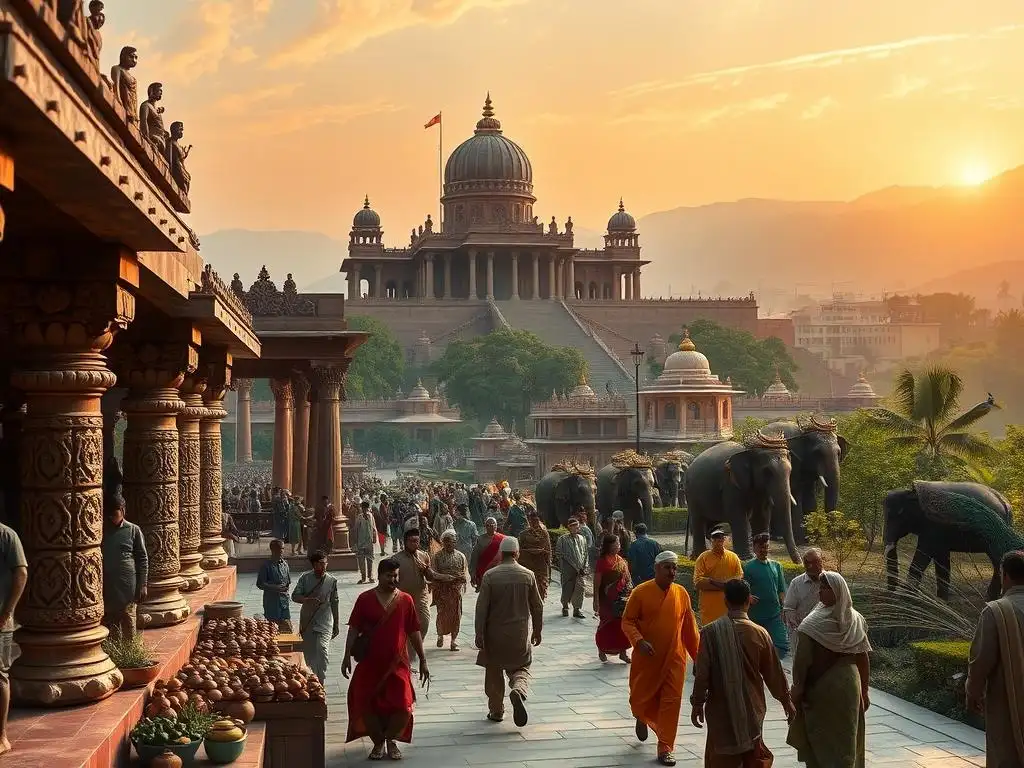
Welcome to Ancient India History, where we invite you to embark on a captivating journey through the rich tapestry of ancient Indian civilizations. As we delve into the remarkable cultural contributions of the Mauryan Dynasty, you'll uncover the profound impacts that figures like Chandragupta had on art, philosophy, and governance. What sparked this cultural renaissance, and how did it shape the future of India? Join us as we explore these intriguing questions and more, igniting your curiosity to learn about the legacy that continues to influence us today.
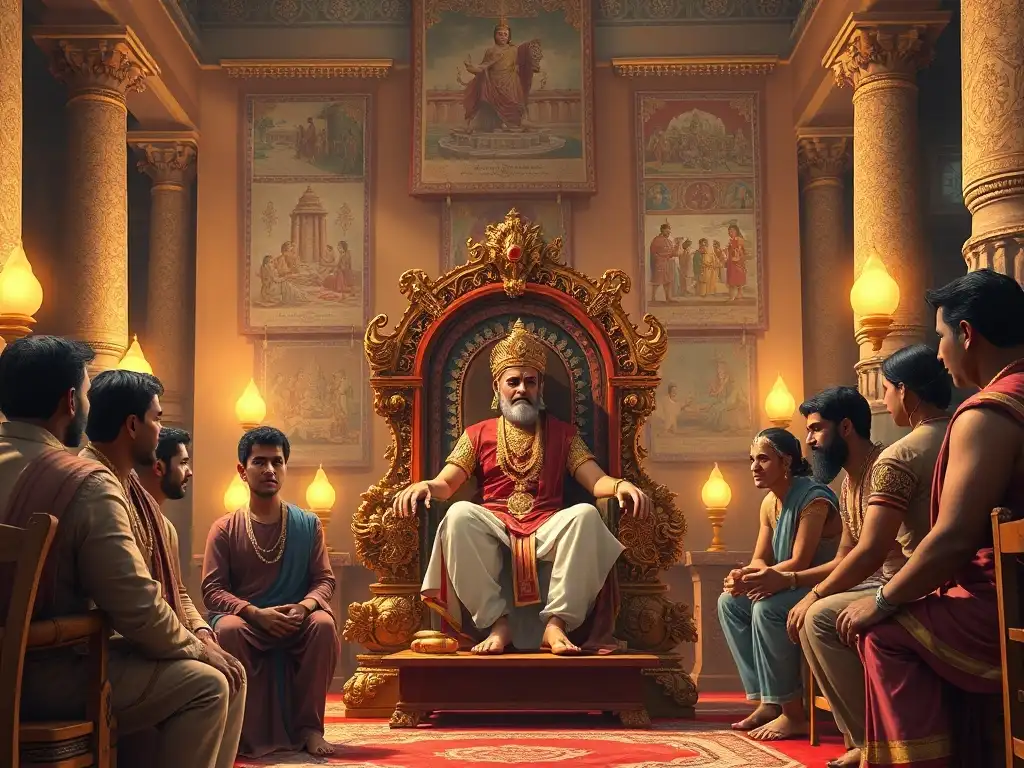
Introduction to the Mauryan Dynasty and Its Cultural Contributions
The Mauryan Dynasty, which reigned from 322 to 185 BCE, marked a pivotal era in ancient Indian history characterized by remarkable cultural contributions and advancements. Under the leadership of Chandragupta Maurya, the dynasty witnessed a flourishing of arts, architecture, and philosophy, laying the groundwork for a rich cultural legacy that would resonate through the ages.
This period is not only significant for its political unification of the Indian subcontinent but also for the profound influence it had on subsequent generations in terms of governance, societal structure, and cultural identity. As we delve into the cultural renaissance during the Mauryan Dynasty, we will explore how Chandragupta's vision and policies fostered an environment ripe for artistic and intellectual growth.
Overview of the Mauryan Dynasty
The Mauryan Dynasty is renowned for its extensive territorial expansion and administrative innovations. Founded by Chandragupta Maurya, it evolved from a small kingdom to an empire that encompassed a substantial portion of the Indian subcontinent. The dynasty's most notable achievements include:
- Unification of India: Chandragupta successfully united various regional kingdoms, creating a centralized state that promoted stability and governance.
- Innovative Administration: The Mauryan Empire introduced a bureaucratic system that ensured efficient tax collection, law enforcement, and public welfare.
- Cultural Integration: The empire facilitated interactions among diverse cultures, leading to a synthesis of ideas, traditions, and artistic expressions.
Significance of Chandragupta Maurya in Indian History
Chandragupta Maurya's significance in Indian history extends beyond his military conquests and political acumen. He is often regarded as the architect of the Mauryan Empire, whose policies and leadership laid the groundwork for an era of unprecedented cultural achievements. Key aspects of his legacy include:
- Establishment of a Powerful Empire: Chandragupta’s strategic alliances and military prowess allowed him to consolidate power and expand his realm.
- Promotion of Trade and Commerce: His reign witnessed enhanced trade routes, which not only bolstered the economy but also facilitated cultural exchanges with neighboring regions.
- Support for Arts and Learning: Chandragupta's patronage of scholars and artists significantly contributed to the development of literature, sculpture, and architecture during the Mauryan period.
The Foundations of Cultural Flourishing Under Chandragupta
The Political Stability and Its Impact on Culture
The political stability achieved during the Mauryan Dynasty under Chandragupta was instrumental in fostering a vibrant cultural environment. With a centralized administration and a strong military, the empire was able to maintain order and security. This stability encouraged:
- Artistic Endeavors: Artists and craftsmen were able to work without the fear of conflict, leading to the creation of exquisite sculptures and architectural marvels.
- Intellectual Growth: Scholars and philosophers flourished, engaging in discourse that enriched Indian thought, particularly in fields such as governance, ethics, and spirituality.
- Cultural Exchange: The empire's extensive trade networks facilitated the exchange of ideas and cultural practices with other civilizations, such as the Hellenistic world.
Economic Prosperity and Its Role in Cultural Development
Economic prosperity during Chandragupta’s reign provided the resources necessary for cultural development. The Mauryan economy thrived due to:
- Agricultural Advancements: Innovations in agriculture increased productivity, allowing for surplus production that supported urbanization and trade.
- Trade and Commerce: The establishment of trade routes and markets promoted economic exchanges, leading to the accumulation of wealth that could be invested in cultural projects.
- Patronage of the Arts: Wealthy merchants and the royal court invested in the arts, leading to the construction of monumental architecture, vibrant paintings, and intricate sculptures that depicted religious and philosophical themes.
The cultural contributions during the Mauryan Dynasty, particularly under Chandragupta Maurya, were a result of a unique interplay between political stability, economic prosperity, and a philosophical renaissance. This era not only shaped the trajectory of Indian civilization but also left an indelible mark on its cultural heritage.
Key Cultural Contributions of the Mauryan Dynasty
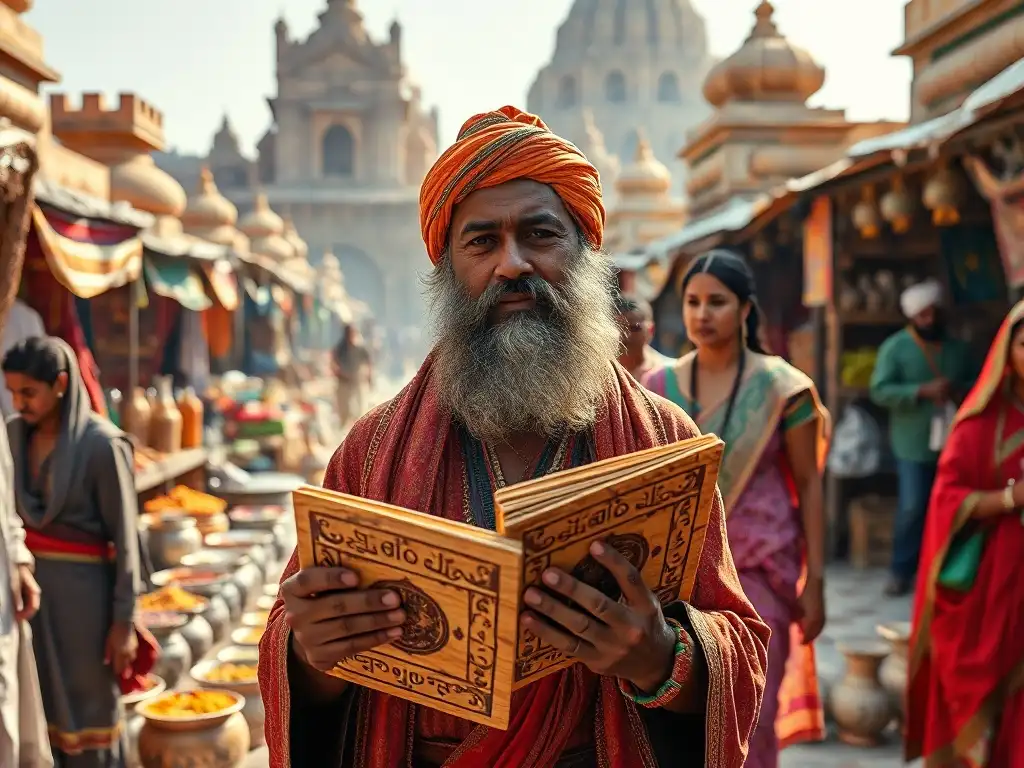
The Mauryan Dynasty, particularly during the reign of Chandragupta Maurya, marked a significant turning point in the cultural and intellectual landscape of ancient India. This era is characterized by a flourishing of arts, architecture, literature, and philosophy, laying a strong foundation for future civilizations. The contributions of the Mauryan Dynasty are not merely limited to political unification but extend deeply into various cultural realms that shaped Indian identity. From monumental architecture to the promotion of diverse philosophical thoughts, the cultural renaissance during this period was pivotal.
Architectural Innovations and Monumental Structures
The Mauryan Dynasty is renowned for its remarkable architectural innovations, with the construction of monumental structures that showcased both grandeur and functionality. One of the most significant contributions was the establishment of the Ashoka Pillars, which served as edicts promoting moral governance and social welfare. These pillars were intricately carved and often adorned with animal motifs, reflecting the artistic sensibilities of the time.
Another notable architectural achievement is the Great Stupa at Sanchi, a UNESCO World Heritage site. This stupa, built during the reign of Emperor Ashoka, represents an important Buddhist architectural style and signifies the spread of Buddhism across India. The Mauryan constructions were not only aesthetically pleasing but also served religious and civic purposes, thus mirroring the era's socio-political ethos.
In addition to religious structures, the Mauryans also contributed to urban planning, as seen in the well-organized layout of Pataliputra, their capital. The city featured fortified walls, drainage systems, and wide streets, showcasing advanced urban architecture and planning.
Advances in Literature and Philosophy
The Mauryan period witnessed significant advancements in literature and philosophy, influenced largely by the diverse cultural milieu of the empire. The Arthashastra, attributed to Kautilya (Chanakya), is a seminal text on statecraft, economics, and military strategy that provides insights into the political philosophy of the time. This treatise not only reflects the complexities of governance but also emphasizes the pragmatic approach to power and administration.
Philosophically, the Mauryan Dynasty was marked by the emergence of various schools of thought, including Buddhism and Jainism. The patronage of Emperor Ashoka towards Buddhism facilitated the proliferation of Buddhist texts and teachings, significantly impacting Indian philosophy and ethics. The promotion of religious tolerance and dialogue among different philosophical traditions characterized this era, contributing to a rich intellectual discourse.
Additionally, the period saw the creation of poetry and plays, which often drew from historical and mythical themes, reflecting the cultural narratives of the time. This flourishing of literature laid the groundwork for future literary traditions in India.
Religious Diversity and Syncretism
The Mauryan Dynasty is notable for its embrace of religious diversity and syncretism, fostering a climate of tolerance and coexistence among various faiths. Chandragupta Maurya initially adhered to Hinduism, but it was his grandson, Emperor Ashoka, who played a crucial role in promoting Buddhism as a state religion. Ashoka's edicts explicitly called for respect and tolerance towards all religions, encouraging a harmonious coexistence among different faiths, including Hinduism, Jainism, and Buddhism.
The Mauryan era also saw the synthesis of various religious practices and beliefs, leading to the development of a more inclusive cultural identity. This syncretism is evident in the art and architecture of the time, which often combined elements from different traditions, creating a unique style that resonated with the populace.
The emphasis on non-violence and compassion, particularly in Ashoka's Dhamma, further illustrates the religious and ethical underpinnings of the Mauryan Dynasty, influencing the cultural landscape of India and beyond, fostering a legacy of moral and ethical governance.
Chandragupta’s Policies and Their Cultural Influence
Chandragupta Maurya's policies significantly impacted the cultural milieu of the Mauryan Dynasty, establishing a foundation for a unified and culturally rich empire. His strategic decisions in governance, administration, and societal organization not only contributed to political stability but also enriched the cultural fabric of the time.
Administrative Reforms and Their Cultural Implications
The administrative reforms implemented by Chandragupta were pivotal in shaping the cultural identity of the Mauryan Empire. He established a centralized governance structure that facilitated efficient administration across the vast territories of the empire. This centralization allowed for the integration of diverse cultures and practices, promoting a shared identity among the subjects.
Chandragupta also instituted a system of local governance, appointing officials to oversee various regions. This decentralization fostered local cultural expressions while maintaining loyalty to the central authority. The establishment of a well-defined administrative framework enabled the flourishing of local arts, crafts, and traditions, contributing to a vibrant cultural landscape.
Additionally, the Mauryan state actively encouraged trade and commerce, leading to cultural exchanges with neighboring regions. This economic prosperity provided the means for artistic patronage and the development of various cultural forms, including music, dance, and handicrafts.
Promotion of Art and Education
Chandragupta's commitment to promoting art and education was instrumental in fostering a cultural renaissance during the Mauryan Dynasty. The state-sponsored artistic endeavors led to the creation of intricate sculptures, paintings, and other artistic forms that depicted both religious themes and daily life.
The establishment of educational institutions under the Mauryan rule played a crucial role in advancing knowledge and learning. Centers of learning attracted scholars, philosophers, and students, leading to the proliferation of various fields of study, including mathematics, astronomy, and philosophy. This emphasis on education not only enhanced individual knowledge but also contributed to the overall intellectual growth of society.
Furthermore, the patronage of the arts by the Mauryan rulers encouraged the development of unique styles and techniques, which later influenced subsequent Indian art and architecture. The cultural policies of Chandragupta Maurya thus laid the groundwork for a rich artistic legacy that continues to be celebrated today.
The Legacy of Chandragupta and the Mauryan Dynasty
Chandragupta Maurya, the founder of the Mauryan Dynasty, played a pivotal role in shaping the cultural landscape of ancient India. His ascension to power marked the beginning of a unified Indian empire that fostered significant advancements in art, architecture, governance, and philosophy. Under his reign, the Mauryan Dynasty established a robust administrative framework that not only ensured effective governance but also promoted trade and cultural exchange across the vast territories of the empire.
One of the most notable contributions during this period was the patronage of various art forms, including sculpture and architecture. The Mauryan period saw the construction of monumental stupas, such as the famous Great Stupa at Sanchi, which served as important religious and cultural sites. The use of intricate carvings and the development of the unique Mauryan style of art left a lasting impact on Indian aesthetics.
Moreover, Chandragupta's alliance with notable figures such as Chanakya (Kautilya) introduced a pragmatic approach to statecraft that emphasized the importance of diplomacy and economic stability. The resulting political and cultural renaissance laid the groundwork for his grandson, Ashoka, who would further amplify these contributions, especially in the realm of Buddhist culture and philosophy.
The Influence on Subsequent Dynasties
The influence of the Mauryan Dynasty extended far beyond its temporal reach, setting precedents that subsequent dynasties would aspire to emulate. The Gupta Empire, which followed, was significantly shaped by the cultural, political, and economic frameworks established during the Mauryan period. This is evident in the flourishing of arts and sciences during the Gupta era, which can be traced back to the infrastructure and cultural ethos fostered by Chandragupta and his successors.
Furthermore, the Mauryan emphasis on religious tolerance and the promotion of diverse belief systems created a culture of pluralism that was mirrored by later dynasties. The Mauryan Dynasty's endorsement of Buddhism, alongside other religions, facilitated a rich tapestry of cultural interactions that continued to thrive throughout Indian history. This blend of varied cultural practices and philosophies allowed for a more cohesive society that could adapt and innovate in the face of changing political landscapes.
Preservation and Continuation of Mauryan Cultural Contributions
The cultural contributions of the Mauryan Dynasty were not only significant during its zenith but were also preserved and continued by later civilizations. The establishment of educational institutions, such as the famed Nalanda University, can be traced back to the intellectual pursuits of the Mauryan period, which prioritized knowledge and scholarship. These institutions became centers of learning that attracted scholars from various regions, ensuring the transmission of Mauryan cultural heritage.
Art forms developed during the Mauryan era, particularly in sculpture and architecture, continued to evolve in subsequent periods. The techniques and styles pioneered during this time influenced the artistic expressions of later dynasties, including the Kushans and the Guptas. The enduring nature of Mauryan contributions is evident in the continued reverence for Buddhist art and teachings, which thrived long after the dynasty's decline.
Conclusion: The Enduring Impact of the Mauryan Dynasty's Cultural Renaissance
The cultural renaissance initiated by the Mauryan Dynasty under Chandragupta's leadership has left an indelible mark on the history of India. This era not only established a legacy of artistic and intellectual achievements but also fostered a sense of national identity that resonated throughout subsequent generations.
Reflection on Chandragupta’s Legacy in Modern India
Modern India continues to reflect the values and contributions of the Mauryan Dynasty. The principles of governance, social harmony, and religious tolerance espoused during Chandragupta’s reign are echoed in contemporary Indian society. His legacy is celebrated as a symbol of unity in diversity, illustrating the importance of collaboration among different cultural and religious groups.
The Importance of Understanding Mauryan Dynasty Cultural Contributions in Historical Context
Understanding the cultural contributions of the Mauryan Dynasty is crucial for grasping the broader historical narrative of India. This period laid the foundation for many aspects of Indian civilization, influencing social structures, governance models, and cultural practices that are still relevant today. By studying the Mauryan Dynasty, historians and scholars can appreciate the complexities of ancient Indian civilization and its enduring legacy in shaping modern India. Recognizing these contributions helps illuminate the continuity and evolution of cultural identity in the subcontinent, emphasizing the importance of ancient legacies in contemporary society.
- Introduction to the Mauryan Dynasty and Its Cultural Contributions
- Overview of the Mauryan Dynasty
- Significance of Chandragupta Maurya in Indian History
- The Foundations of Cultural Flourishing Under Chandragupta
- Key Cultural Contributions of the Mauryan Dynasty
- Chandragupta’s Policies and Their Cultural Influence
- The Legacy of Chandragupta and the Mauryan Dynasty
- Conclusion: The Enduring Impact of the Mauryan Dynasty's Cultural Renaissance
- What were the major cultural contributions of the Mauryan Dynasty?
- How did Chandragupta Maurya contribute to the cultural renaissance?
- What role did Ashoka play in promoting Buddhism during the Mauryan era?
- How did the Mauryan Dynasty influence literature?
- What architectural achievements are linked to the Mauryan Dynasty?
Frequently Asked Questions
What were the major cultural contributions of the Mauryan Dynasty?
The Mauryan Dynasty significantly influenced art, architecture, and literature, with Ashoka's edicts promoting Buddhism and moral values across the empire.
How did Chandragupta Maurya contribute to the cultural renaissance?
Chandragupta Maurya established a strong political foundation, which allowed for the flourishing of arts and trade, setting the stage for future cultural advancements.
What role did Ashoka play in promoting Buddhism during the Mauryan era?
Ashoka, known for his conversion to Buddhism, spread its teachings through edicts and monuments, fostering a culture of peace and tolerance.
How did the Mauryan Dynasty influence literature?
The Mauryan Dynasty saw the emergence of significant texts, including Sanskrit literature, which laid the groundwork for future Indian literature and philosophy.
What architectural achievements are linked to the Mauryan Dynasty?
The Mauryan Dynasty is renowned for its stupas, particularly the Sanchi Stupa, and rock-cut caves, highlighting advancements in engineering and artistic expression.
Final Reflection: Embracing the Legacy of the Mauryan Dynasty's Cultural Contributions
The cultural contributions of the Mauryan Dynasty resonate profoundly in today's world, reminding us of the enduring power of art, philosophy, and governance. As we navigate an era marked by rapid change and cultural exchange, the legacy of Chandragupta and his successors serves as a beacon, illuminating the path toward a more inclusive and enriched society. The achievements of this ancient civilization are not mere relics of the past; they are foundational elements that continue to shape our understanding of culture and identity.
The influence of the Mauryan Dynasty extends far beyond its historical timeline, weaving itself into the fabric of contemporary society. The artistic expressions, philosophical advancements, and administrative innovations of this era have laid the groundwork for many modern cultural practices. As we reflect on these contributions, we are reminded of the words of the philosopher Ashoka: Let us all be united; let us all speak in harmony; let our minds be in agreement.
This call for unity and collaboration is as relevant now as it was then, urging us to recognize the importance of cultural heritage in fostering social cohesion.
As we conclude this exploration of the Mauryan Dynasty's cultural contributions, I invite you to reflect on how these historical lessons can be applied in your own life. Consider how you can embrace the spirit of collaboration and creativity that characterized this remarkable period.
Whether through supporting local artists, engaging in cultural dialogue, or simply appreciating the diversity around you, each action contributes to a richer cultural tapestry. Let us honor the legacy of the Mauryan Dynasty by actively participating in the cultural renaissance of our time, ensuring that the values of unity and creativity continue to thrive for generations to come.
Unveil the Legacy: Embrace the Cultural Renaissance!
Thank you for diving into the rich tapestry of the Mauryan Dynasty and exploring Chandragupta's transformative legacy! Your interest in this remarkable period highlights the vibrant cultural evolution that shaped Ancient India. Now, it's time to take action and further your journey through this fascinating history.
Here are a few steps you can take to deepen your understanding and connection to this era:
- Explore a new perspective: Visit your local library or an online archive to read a book or watch a documentary about the Mauryan Dynasty. Discover how art, philosophy, and governance flourished during this time.
- Join the conversation: Share your thoughts and insights in the comments below! What aspects of Chandragupta’s legacy inspire you?
- Connect with others: Find a discussion group or online forum dedicated to Ancient Indian history to engage with fellow enthusiasts and expand your knowledge.
What impact do you think the cultural advancements during the Mauryan Dynasty have on our understanding of modern societies? Let’s discuss!