
The Intermingling of Indian and Southeast Asian Folklore: Myths and Legends

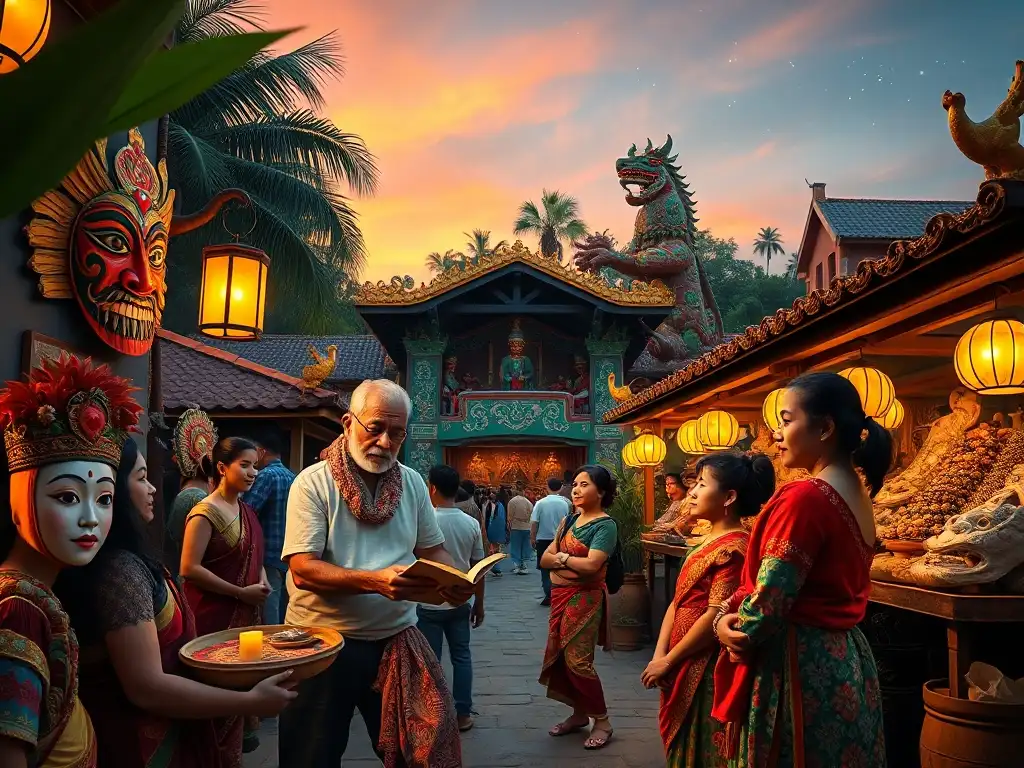
Welcome to Ancient India History, where we embark on a captivating journey through the rich tapestry of India's past and its profound cultural exchanges. In our featured article, "The Intermingling of Indian and Southeast Asian Folklore: Myths and Legends," we delve into the fascinating connections between Indian and Southeast Asian folklore, revealing how ancient stories and myths have transcended borders and influenced civilizations. Prepare to explore the echoes of legends that have shaped cultures and sparked imaginations across the region. Join us as we uncover the enchanting narratives that bind these two vibrant histories together!
Introduction to Indian Southeast Asian Folklore Connections
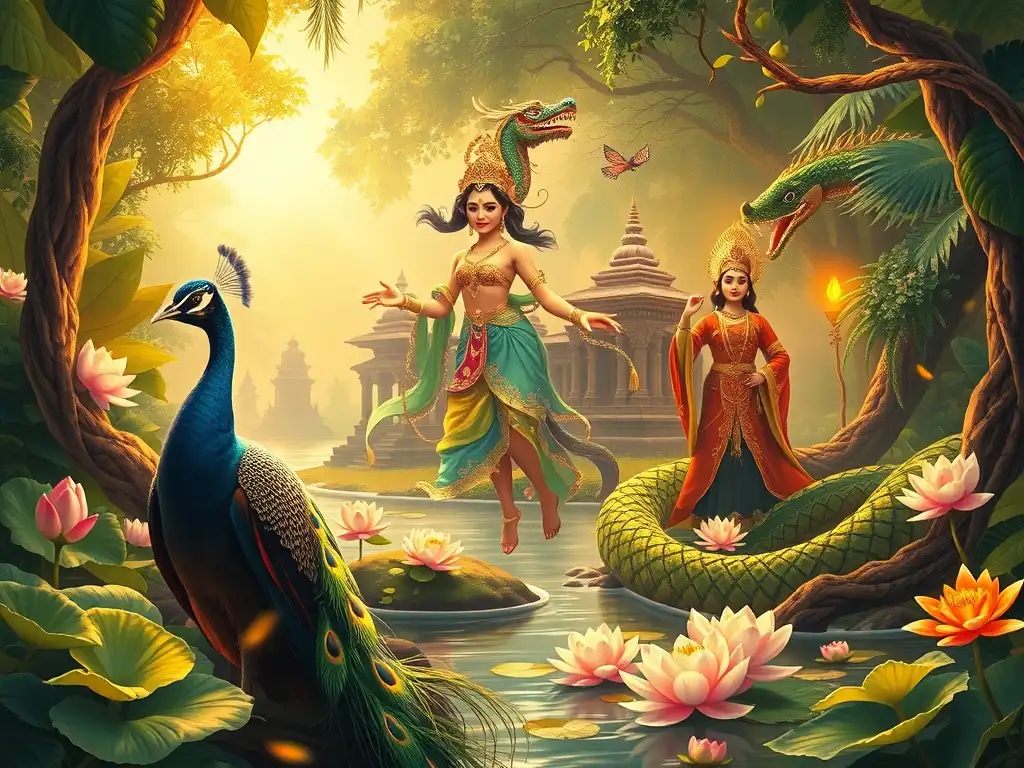
The intricate tapestry of Indian and Southeast Asian folklore reflects centuries of cultural interactions, exchanges, and mutual influences. As ancient civilizations flourished along the banks of the Indus River and across the lush landscapes of Southeast Asia, a rich dialogue emerged, weaving together diverse mythologies, legends, and narratives that continue to resonate today.
The connections between these regions are not merely historical curiosities; they provide profound insights into the shared values, beliefs, and practices of societies that, while distinct, sought meaning and understanding through storytelling. This article aims to delve into the Indian Southeast Asian folklore connections, illustrating how myths and legends serve as vessels of cultural heritage and continuity across generations.
Overview of Folklore as a Cultural Reflection
Folklore encompasses the traditional beliefs, customs, stories, songs, and practices of a community, reflecting its identity and worldview. In both Indian and Southeast Asian cultures, folklore serves as a repository of collective wisdom, encapsulating moral lessons, historical events, and the intricate relationships between humans and the natural world. The narratives often embody the struggles and triumphs of communities, portraying universal themes such as love, bravery, and the battle between good and evil.
- Key Elements of Folklore:
- Oral Traditions: Stories passed down through generations, often evolving with each retelling.
- Mythological Characters: Deities and heroes that symbolize cultural values and ideals.
- Rituals and Festivals: Celebrations that incorporate folklore, providing a communal space for cultural expression.
Importance of Myths and Legends in Cultural Exchange
Myths and legends play a crucial role in cultural exchange by facilitating understanding and appreciation between different societies. They not only reflect the uniqueness of a culture but also highlight shared themes and motifs that transcend geographical boundaries.
- Functions of Myths and Legends:
- Bridge Building: Connecting diverse cultures through common narratives.
- Cultural Preservation: Safeguarding traditions and values amidst globalization.
- Educational Tools: Imparting moral and ethical lessons to younger generations.
Historical Context of Indian and Southeast Asian Cultural Interactions
The historical backdrop of Indian and Southeast Asian interactions is rich and complex, characterized by trade, migration, and the spread of ideas. These interactions significantly influenced the folklore of both regions, leading to a blend of narratives that reflect their intertwined histories.
Early Trade Routes and Their Influence on Folklore
The establishment of trade routes, such as the famous Maritime Silk Road, facilitated not only the exchange of goods but also the transfer of cultural and spiritual ideas. As merchants and travelers journeyed between India and Southeast Asia, they brought with them stories, beliefs, and practices that enriched local folklore.
- Impact of Trade on Folklore:
- Cultural Exchange: Introduction of Indian epics, like the Ramayana and Mahabharata, into Southeast Asian narratives.
- Mythological Syncretism: Adaptation of Indian deities into local pantheons, creating hybrid figures that embody traits from both cultures.
Spread of Religion and Its Impact on Myths
The spread of religions such as Hinduism and Buddhism across Southeast Asia profoundly influenced local folklore and mythology. Temples, inscriptions, and art from this period serve as testaments to the integration of Indian religious concepts into the Southeast Asian context, leading to a rich narrative tradition.
- Religious Influence on Folklore:
- Hindu and Buddhist Texts: Their narratives became foundational stories in many Southeast Asian cultures.
- Local Deities and Spirits: Interactions with Indian religious practices led to the creation of unique mythological figures that blend indigenous beliefs with imported ideologies.
In exploring the intermingling of Indian and Southeast Asian folklore, we uncover a rich legacy of shared myths and legends that continue to shape cultural identities and foster connections between these two vibrant regions.
Common Themes in Indian and Southeast Asian Folklore
The folklore of both India and Southeast Asia is rich with shared themes that reflect the cultural exchanges between these regions. Among the most prominent themes are the deep connections to nature, the importance of heroism, the role of deities and supernatural beings, and the moral lessons woven into narratives.
Many stories emphasize the interplay between humans and the natural world, showcasing how nature is revered and often personified. Heroic tales are central to these cultures, portraying figures who embody virtues like bravery, loyalty, and righteousness. Additionally, the presence of deities and supernatural entities serves to explain natural phenomena and societal values, often guiding characters through their trials. These commonalities highlight a shared cultural heritage enriched by centuries of interaction and storytelling.
Nature and the Environment in Folkloric Narratives
In both Indian and Southeast Asian folklore, nature plays a pivotal role, often depicted as a living entity that influences human life and behavior. The narratives frequently feature forests, rivers, and mountains as sacred spaces where divine encounters occur.
For instance, the lush landscapes of Southeast Asia are often personified in tales, much like the sacred rivers and forests in Indian mythology. In Indian folklore, the Ganges River is revered as a goddess, while in Southeast Asian stories, rivers and mountains are often associated with local deities. This reverence for nature reflects a broader worldview where the environment is intertwined with the spiritual and moral fabric of society.
Through these narratives, folklore serves not only to entertain but also to impart ecological wisdom, urging communities to live harmoniously with their surroundings.
Heroic Tales and Their Significance
Heroic tales in both Indian and Southeast Asian folklore serve as a means to instill cultural values and ethical behavior. These stories often depict protagonists facing insurmountable odds, showcasing virtues such as courage, sacrifice, and justice.
In Indian epics like the Ramayana and Mahabharata, heroes like Rama and Arjuna exemplify the ideal warrior, embodying dharma (righteousness) and moral integrity. Similarly, Southeast Asian legends feature local heroes, such as the Javanese figure of Roro Jonggrang, who represents perseverance and cleverness in the face of adversity.
These tales are significant not only for their entertainment value but also for their role in shaping societal norms and expectations, fostering a sense of identity and continuity among communities.
The Role of Deities and Supernatural Beings
Deities and supernatural beings are integral to the folklore of both regions, often serving as symbols of moral authority and guardians of the natural world. In Indian mythology, gods like Vishnu and Shiva play critical roles in the cosmos, influencing the fate of humanity through their divine interventions.
Southeast Asian folklore similarly features a pantheon of gods and spirits, often linked to local customs and nature. For example, the Balinese believe in a variety of spirits that inhabit the land, and rituals are performed to honor these entities.
This shared emphasis on divine figures underscores the belief that human life is inextricably linked to the spiritual realm. As such, folklore acts as a conduit for expressing the complexities of faith, morality, and the human experience.
Comparative Analysis of Specific Myths and Legends
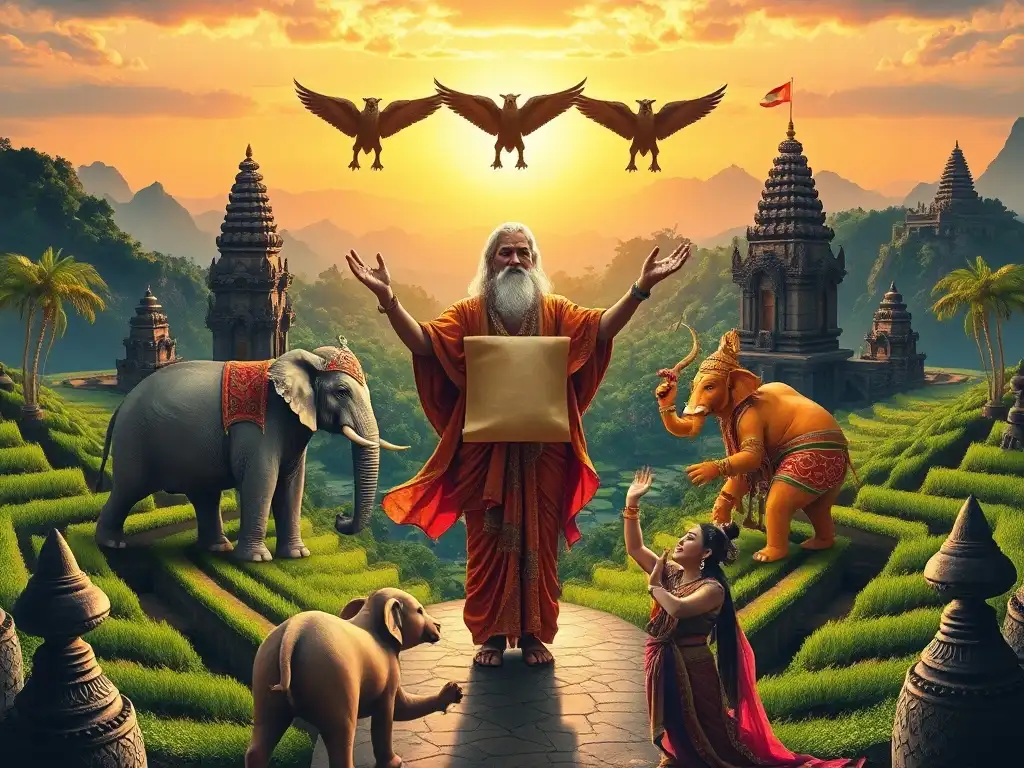
A deeper understanding of the connections between Indian and Southeast Asian folklore can be achieved through comparative analysis of specific myths and legends. By examining these stories, one can observe how they have been adapted and transformed across cultures, reflecting local beliefs and values while maintaining core themes.
The Ramayana's Influence on Southeast Asian Literature
The Ramayana is perhaps one of the most influential texts in Southeast Asian literature, with its themes of duty, love, and heroism resonating deeply within the region. Various adaptations exist, notably in Indonesia, Thailand, and Cambodia, each reflecting local traditions and cultural nuances.
In Indonesia, the Wayang Kulit (shadow puppetry) performances of the Ramayana depict the epic's central characters and their moral dilemmas, showcasing the narrative's adaptability. In Thailand, the Ramakien presents the same story but with unique characters and plot variations that align with Thai values and aesthetics.
This adaptability illustrates how the Ramayana has transcended its Indian origins, becoming a foundational narrative that shapes cultural identity and artistic expression throughout Southeast Asia.
The Mahabharata's Cultural Resonance
Similar to the Ramayana, the Mahabharata holds significant cultural importance in Southeast Asia, particularly in Indonesia and Malaysia, where it has been retold in various forms. The themes of conflict, ethics, and familial loyalty resonate with local audiences, allowing for a rich tapestry of interpretations.
In Indonesia, the Mahabharata is often performed through traditional dance and theater, emphasizing its dramatic elements and moral lessons. The characters, such as Krishna and Arjuna, are reimagined within local contexts, yet their core characteristics remain intact, illustrating the universal nature of these archetypes.
The enduring presence of the Mahabharata in Southeast Asian folklore highlights the deep connections between Indian and Southeast Asian cultures, showcasing how ancient stories can evolve while preserving their philosophical essence.
Folklore Characters: Parallels and Divergences
The folklore of India and Southeast Asia showcases a fascinating tapestry of characters that often bear striking resemblances yet diverge in significant ways. These parallels can be traced back to the early cultural exchanges facilitated by trade routes and the spread of religions like Hinduism and Buddhism. The characters that emerge from these narratives not only reflect local beliefs but also embody shared values and ideals.
In examining these folklore characters, we find that they serve as cultural vessels, carrying stories that resonate with both Indian and Southeast Asian audiences. This exchange is evident in various epic tales where characters are adapted to fit local contexts, resulting in both similarities and unique attributes. This section delves into the common figures that populate the mythologies of both regions, highlighting their significance and the nuances that arise from their portrayal.
Common Figures in Both Traditions
Several figures stand out in both Indian and Southeast Asian folklore, often embodying similar traits and archetypes. One notable example is the figure of Rama from the Indian epic Ramayana, who is revered as an ideal ruler and hero. His influence extends into Southeast Asia, where local adaptations portray him in various forms, such as in the Ramayana of Cambodia (Reamker) and the Hikayat Seri Rama in Malaysia. In these adaptations, while the core traits of valor and righteousness remain, local customs and moral lessons are woven into the narrative.
Another common figure is Ganesha, the elephant-headed deity, who symbolizes wisdom and the removal of obstacles. His worship transcends borders, with various Southeast Asian cultures, including those in Thailand and Indonesia, adopting Ganesha into their pantheon. Here, he often appears in local art and rituals, retaining his central attributes while also embodying regional characteristics, such as those reflecting local agricultural practices.
These figures exemplify how stories have been shared, adapted, and reinterpreted across cultures, contributing to a rich folklore that is both interconnected and distinct.
Mythical Creatures and Their Symbolism
Mythical creatures also play a pivotal role in the folklore of both India and Southeast Asia, often serving as symbols of cultural values, beliefs, and moral lessons. For instance, the Naga, a serpent-like deity found in Indian mythology, is revered for its protective qualities and is often associated with water. In Southeast Asia, particularly in countries like Thailand and Myanmar, Nagas are similarly depicted as guardians of water bodies and treasures, symbolizing fertility and prosperity.
Another significant creature is the Garuda, a bird-like figure that serves as a mount for Lord Vishnu in Indian mythology. This majestic creature symbolizes power and speed. In Southeast Asian cultures, Garuda is also a national symbol of Indonesia and appears in various folklore, often representing bravery and divine protection. The shared symbolism of these mythical creatures highlights not only their narrative importance but also their roles in reinforcing cultural identity across the region.
These creatures reflect the common themes of good versus evil, protection, and the natural elements, showcasing the intermingling of beliefs and the adaptation of stories to fit local contexts.
Rituals and Festivals: The Folklore Connection
The connection between Indian and Southeast Asian folklore extends beyond characters and creatures to the very rituals and festivals celebrated within these cultures. Many of these celebrations are rooted in ancient myths, illustrating the profound influence of Indian traditions on Southeast Asian cultural practices. Festivals serve as a medium for communities to engage with their heritage, express religious devotion, and reinforce social bonds.
Rituals often reflect the underlying myths of creation, heroism, and moral lessons, providing a lively backdrop for the stories that have permeated both regions. This section explores how these rituals and festivals embody the shared folklore, revealing the cultural exchanges that have shaped their evolution.
Celebrations Derived from Indian Myths
Numerous festivals in Southeast Asia can trace their origins back to Indian myths, showcasing the rich tapestry of cultural exchange. One prominent example is Diwali, the Festival of Lights, which celebrates the victory of light over darkness. While primarily an Indian festival, variations of Diwali can be found in countries like Nepal, where it is celebrated as Tihar, and in Bali, Indonesia, where it is recognized with local adaptations that incorporate Balinese traditions.
Another significant festival is Holi, the Festival of Colors, which marks the arrival of spring and the triumph of good over evil. In regions like Thailand, the festival has evolved into Songkran, known for its water fights and cleansing rituals, symbolizing renewal and purification. This transformation showcases how local practices have infused new life into Indian-origin festivals, adapting them to fit the cultural context of Southeast Asia.
These celebrations highlight the enduring influence of Indian mythology, providing a platform for shared values and collective memory while also allowing for regional expressions of identity.
Southeast Asian Festivals Inspired by Indian Culture
Southeast Asia is replete with festivals inspired by Indian culture that reflect the deep-rooted connections between the two regions. Thaipusam, a festival celebrated predominantly by the Tamil community in Malaysia and Singapore, honors Lord Murugan and involves elaborate rituals of devotion, sacrifice, and penance. This festival's origins can be traced back to Indian practices, yet it has developed its unique characteristics within the local context.
Similarly, the Bali Arts Festival in Indonesia draws inspiration from various Indian cultural elements, showcasing traditional dance, music, and art forms that echo Indian narratives and themes. The festival is a celebration of Bali's rich cultural heritage, and its performances often incorporate stories from the Ramayana and Mahabharata, illustrating the lasting impact of Indian epics on Balinese culture.
These festivals serve not only as a celebration of shared history but also as a reminder of the vibrant cultural exchange that has shaped the folklore of both India and Southeast Asia, fostering a deeper understanding of their interconnected identities.
The Role of Oral Tradition in Preserving Folklore
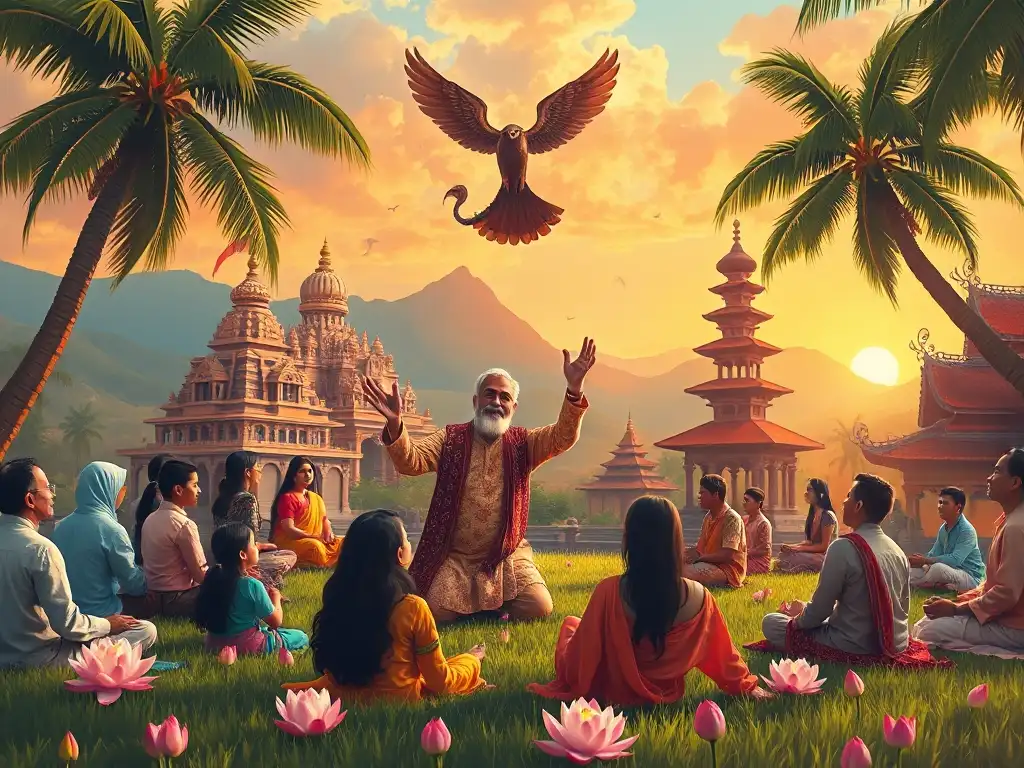
Oral tradition serves as a cornerstone in the preservation of folklore within both Indian and Southeast Asian cultures. This age-old practice enables the transmission of myths, legends, and cultural narratives through generations without the constraints of written language. Storytellers, often revered as custodians of cultural heritage, employ various techniques such as rhythm, rhyme, and repetition to make the tales memorable and engaging.
In India, oral epics such as the Mahabharata and Ramayana showcase a rich tapestry of moral lessons and heroic exploits, while in Southeast Asia, similar oral traditions can be found in the forms of wayang kulit (shadow puppetry) in Indonesia or the hikayat (narrative poems) in Malaysia. These storytelling practices not only preserve ancient traditions but also adapt them to reflect contemporary societal values and challenges, illustrating the dynamic nature of folklore.
Storytelling Practices in India and Southeast Asia
The storytelling practices within Indian and Southeast Asian cultures exhibit both similarities and unique characteristics. In India, storytelling often takes place in communal settings, where performers engage the audience through dramatic expressions, music, and dance. This interactive approach fosters a sense of community and shared experience, enhancing the impact of the narrative.
Conversely, in Southeast Asia, storytelling may also incorporate elements of ritual and spirituality, particularly in regions where animism coexists with other religions. For instance, the Balinese Kecak dance not only narrates mythological events but also serves a spiritual function, drawing audiences into a collective cultural experience. Despite the differences in delivery, the core purpose remains the same: to pass down wisdom, entertain, and solidify cultural identity.
The Impact of Oral Traditions on Cultural Identity
Oral traditions are pivotal in shaping and reinforcing cultural identity in both Indian and Southeast Asian societies. Through stories, communities articulate their values, beliefs, and historical experiences, creating a sense of belonging among members. These narratives often embody the collective memory of a people, linking past generations to the present.
In India, the retelling of folktales can evoke regional pride and highlight local customs, whereas in Southeast Asia, similar narratives may promote national identity amidst diverse ethnic backgrounds. Furthermore, the shared motifs and themes found in these folktales—such as heroism, morality, and the relationship between humans and nature—underscore commonalities that transcend geographic boundaries, fostering a broader understanding of cultural interconnectedness.
Modern Implications of Indian Southeast Asian Folklore Connections
The connections between Indian and Southeast Asian folklore have significant implications in the modern context, particularly in influencing contemporary art forms and cultural practices. As globalization continues to reshape cultural landscapes, these age-old narratives are finding new expressions in various media, from literature to the performing arts.
Influences on Contemporary Literature and Arts
Contemporary literature and arts in both regions are increasingly drawing inspiration from traditional folklore. Writers and artists are revisiting ancient tales, reinterpreting them to resonate with modern audiences while retaining their cultural essence. This revival often leads to the fusion of traditional motifs with contemporary themes, allowing for innovative storytelling that appeals to diverse demographics.
For instance, Indian authors like Vikram Seth and Arundhati Roy incorporate elements of mythology and folklore into their narratives, while Southeast Asian filmmakers explore folklore in cinematic storytelling, often blending historical contexts with modern social issues. This cross-pollination of ideas enhances cultural dialogue and fosters a deeper appreciation of shared heritage.
The Role of Folklore in Cultural Tourism
Folklore plays a crucial role in the burgeoning field of cultural tourism in both India and Southeast Asia. Tourists are increasingly drawn to experiences that offer authentic insights into local cultures, and folklore serves as a vibrant entry point to understanding the rich traditions of these regions.
In India, cultural festivals, folk performances, and storytelling sessions attract visitors eager to engage with the living heritage of the land. Similarly, Southeast Asian destinations promote folklore through traditional dances, puppet shows, and rituals, providing tourists with immersive experiences that highlight the historical connections between the regions. This not only contributes to the preservation of these traditions but also fosters economic growth within local communities, showcasing the enduring relevance of folklore in the modern world.
Conclusion: The Enduring Legacy of Indian and Southeast Asian Folklore
The rich tapestry of Indian and Southeast Asian folklore exemplifies a profound cultural exchange that has persisted for centuries. This intermingling of myths and legends has not only shaped the identity of these regions but has also fostered a sense of shared cultural heritage. From the tales of ancient kings and divine beings to the moral lessons imparted through folklore, these narratives have transcended geographical boundaries, influencing art, literature, and religious practices across both regions.
The enduring legacy of this folklore is evident in the continued reverence for these stories in contemporary society. Festivals, performances, and rituals often draw upon these traditional narratives, serving as a bridge between past and present. The influence of Indian tales such as the Ramayana and Mahabharata can be seen in the epic narratives of Southeast Asia, where local adaptations enrich these ancient stories with regional flavors. This dynamic exchange highlights the adaptability and resilience of folklore as it evolves while retaining core themes that resonate across cultures.
The relationship between Indian and Southeast Asian folklore is not merely historical; it continues to evolve today. As scholars and cultural practitioners engage with these stories, there is a growing recognition of their significance in understanding the cultural identities of these regions. New interpretations and studies are emerging, revealing deeper insights into how myths and legends serve as a reflection of societal values and aspirations.
Summary of Key Interconnections
The key interconnections between Indian and Southeast Asian folklore can be categorized into several thematic elements:
- Mythological Figures: Renowned figures such as the Hindu deities Vishnu and Shiva appear in various forms across Southeast Asian cultures, often integrated into local legends and worship practices.
- Epic Narratives: The influence of the Ramayana and Mahabharata is particularly notable, with adaptations found in countries like Indonesia (the Wayang Kulit shadow puppetry) and Thailand (Ramakien).
- Moral Lessons: Both traditions share a rich repository of fables and tales that impart moral lessons, reflecting shared values such as justice, bravery, and devotion.
- Ritual Practices: Folklore often informs religious rituals, with stories guiding ceremonies and festivals that celebrate cultural heritage and community bonds.
These interconnections illustrate a complex web of cultural exchange that has shaped the beliefs and practices of societies in both India and Southeast Asia, fostering a sense of unity amid diversity.
Future Directions for Folklore Studies and Cultural Exchange
As we look to the future, several directions for folklore studies and cultural exchange emerge, promising exciting developments in understanding the Indian and Southeast Asian connections:
- Interdisciplinary Research: Collaborations between historians, anthropologists, and linguists can yield deeper insights into how folklore evolves in response to cultural changes and globalization.
- Digital Humanities: Utilizing technology to archive, share, and analyze folklore can enhance accessibility and promote cross-cultural dialogue, allowing for a broader audience engagement.
- Local Narratives: Focusing on local adaptations and lesser-known tales can enrich the understanding of regional identities and highlight the unique ways in which folklore evolves.
- Cultural Festivals: Promoting cultural festivals that celebrate both Indian and Southeast Asian traditions can foster community engagement and encourage the preservation of these rich narratives.
Through continued exploration and appreciation of the intermingling of Indian and Southeast Asian folklore, future studies can contribute significantly to the understanding of cultural dynamics in a globalized world, revealing the timeless relevance of these ancient stories.
- Introduction to Indian Southeast Asian Folklore Connections
- Historical Context of Indian and Southeast Asian Cultural Interactions
- Common Themes in Indian and Southeast Asian Folklore
- Comparative Analysis of Specific Myths and Legends
- Folklore Characters: Parallels and Divergences
- Rituals and Festivals: The Folklore Connection
- The Role of Oral Tradition in Preserving Folklore
- Modern Implications of Indian Southeast Asian Folklore Connections
- Conclusion: The Enduring Legacy of Indian and Southeast Asian Folklore
- What is the significance of Indian Southeast Asian folklore connections?
- How did Indian mythology influence Southeast Asian culture?
- What are some common themes found in both Indian and Southeast Asian folklore?
- Can you name specific legends that showcase this intermingling?
- How do modern interpretations of these folklore connections manifest today?
Frequently Asked Questions
What is the significance of Indian Southeast Asian folklore connections?
The Indian Southeast Asian folklore connections highlight the cultural exchange and interactions between ancient Indian civilizations and Southeast Asia, enriching both regions' myths and legends.
How did Indian mythology influence Southeast Asian culture?
Indian mythology introduced key deities, epic tales, and narrative styles that shaped Southeast Asian folklore, evident in the adaptations of texts like the Ramayana and Mahabharata across various cultures.
What are some common themes found in both Indian and Southeast Asian folklore?
Both traditions often explore themes of heroism, cosmic battles, and the struggle between good and evil, reflecting shared human experiences and cultural values across regions.
Can you name specific legends that showcase this intermingling?
Legends such as the Ramayana and Mahabharata not only exist in Indian culture but have also been adapted in Indonesia, Thailand, and Cambodia, showcasing shared storytelling traditions.
How do modern interpretations of these folklore connections manifest today?
Today, these connections are celebrated through festivals, art, and dance forms, which blend traditional narratives from both Indian and Southeast Asian cultures, highlighting their rich heritage.
Final Reflection: The Rich Tapestry of Indian and Southeast Asian Folklore
The intermingling of Indian and Southeast Asian folklore is not just a historical curiosity; it is a vibrant testament to the shared human experience that transcends borders. Today, as globalization brings cultures closer together, understanding these connections allows us to appreciate the depth of our shared narratives and the wisdom they impart. The myths and legends that have traveled across seas and mountains remind us that stories have the power to unite us, fostering empathy and understanding in an increasingly fragmented world.
Cultural narratives shape our identities and influence our perceptions of the world. The intertwining of Indian and Southeast Asian folklore has enriched both regions, creating a diverse tapestry of beliefs and traditions that continue to resonate today. As we explore these connections, we uncover the threads that bind us, revealing how stories of gods, heroes, and moral lessons have evolved yet remained relevant across generations. Folklore is the mirror of the society; it reflects the values, beliefs, and struggles of the people.
This ongoing influence encourages us to embrace our shared heritage while celebrating the unique aspects of our individual cultures.
As you reflect on the themes discussed in this article, consider how the stories from your own culture resonate with those from others. Take a moment to explore the folklore that has shaped your identity and connect it with the rich narratives of Indian and Southeast Asian traditions. By doing so, you not only honor your roots but also contribute to a broader understanding of our collective human experience. Let these stories inspire you to foster connections, celebrate diversity, and carry forward the timeless wisdom embedded in our shared folklore.
Unveil the Mysteries of Folklore: Engage, Explore, Elevate!
Thank you for journeying through the enchanting world of Indian and Southeast Asian folklore! We hope you’ve discovered the rich tapestry of myths and legends that connect these vibrant cultures. Now, let’s take this inspiration further and incorporate these stories into our own lives.
Here’s how you can dive deeper into the magic of folklore:
- Join a local storytelling group to share and listen to myths from diverse backgrounds.
- Write your own legend inspired by the tales you've encountered and share it with friends or family.
- Expand your knowledge by reading books that explore the similarities and differences within these fascinating traditions.
How have these stories shaped your cultural understanding or personal experiences? We invite you to share your thoughts below!