
The Evolution of Agricultural Practices from the Indus Valley to the Maurya Empire

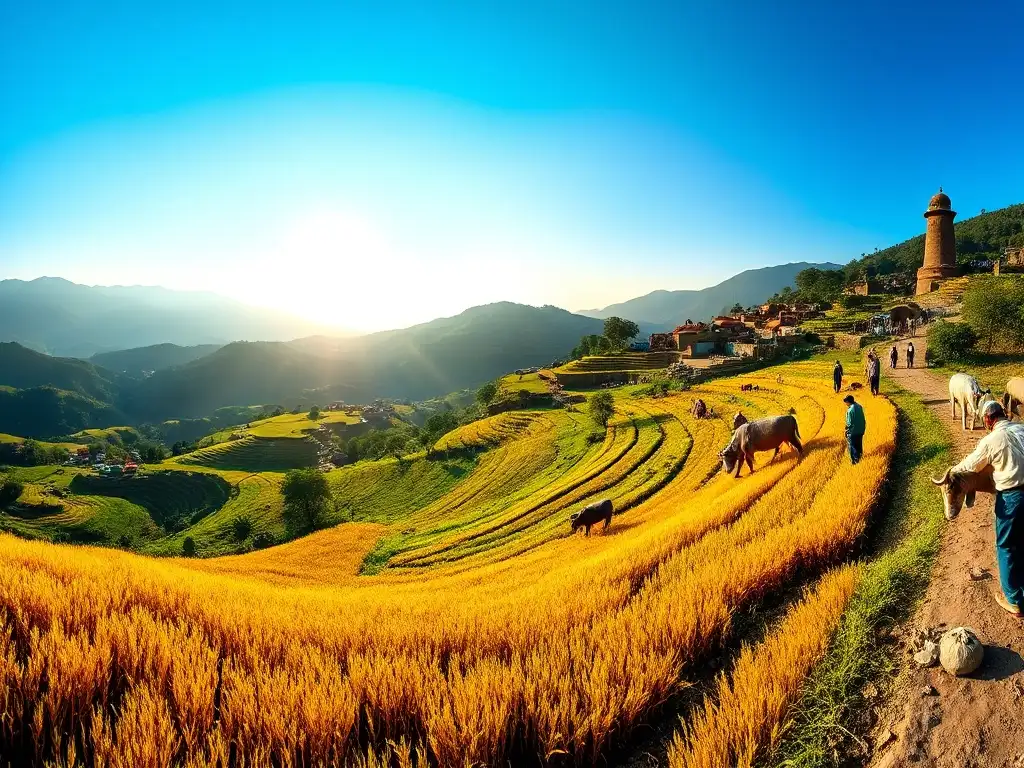
Welcome to Ancient India History, where we embark on a fascinating journey through the rich tapestry of civilizations that shaped the Indian subcontinent. In this exploration, we delve into ancient Indian agricultural practices, uncovering the innovations and techniques that not only sustained communities but also laid the groundwork for future empires. Have you ever wondered how the agricultural wisdom of the Indus Valley influenced the prosperity of the Maurya Empire? Join us as we unravel the evolution of these practices and their profound impact on society and economy. Your journey into the past begins here!
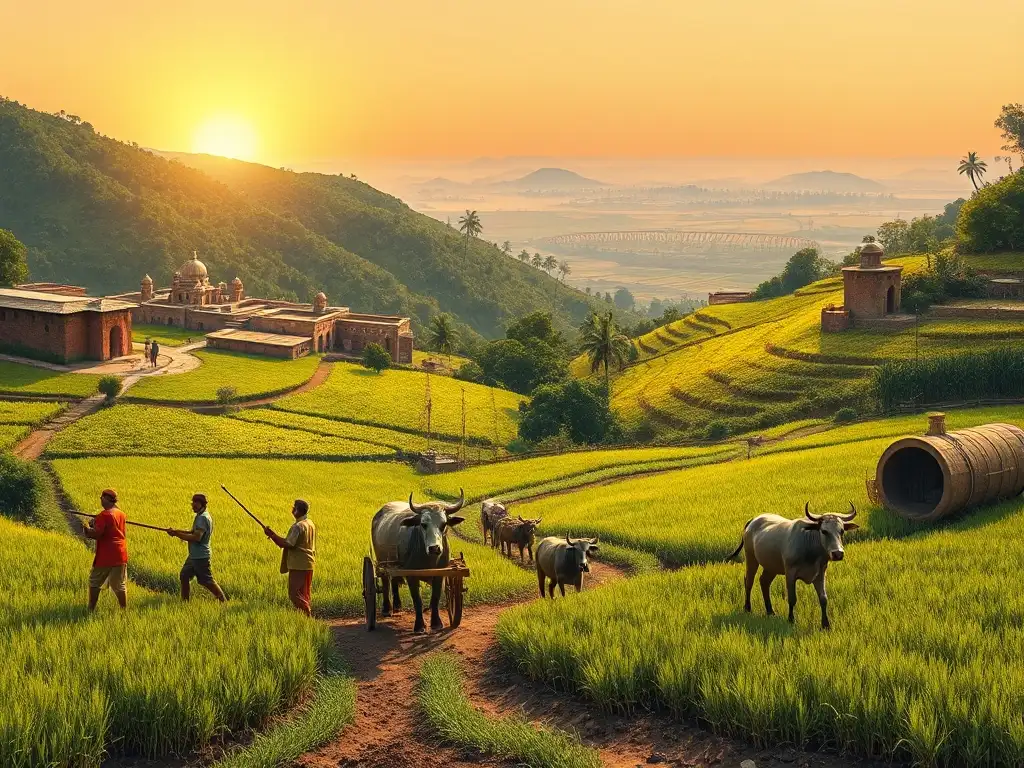
Introduction to Ancient Indian Agricultural Practices
The history of ancient Indian agricultural practices is a fascinating narrative that reflects the ingenuity, adaptability, and resilience of early civilizations in the Indian subcontinent. From the sophisticated urban centers of the Indus Valley Civilization to the vast agrarian landscapes of the Maurya Empire, agriculture played a pivotal role in shaping the economic and social structures of these societies.
This article delves into the evolution of agricultural techniques, examining how ancient Indian agricultural practices not only supported food production but also fostered trade, culture, and technological advancements. By exploring the rich tapestry of crop cultivation and harvesting techniques throughout this period, we gain invaluable insights into the foundations of agriculture that continue to influence modern practices.
Overview of Agriculture in Ancient India
Agriculture in ancient India constituted the backbone of the economy, providing sustenance and resources for burgeoning populations. The transition from nomadic lifestyles to settled farming communities marked a significant turning point, with evidence suggesting that agriculture began as early as 7000 BCE in the region. Key characteristics of ancient Indian agriculture included:
- Diverse farming systems
- Crop rotation practices
- Use of natural fertilizers
- Development of irrigation techniques
These practices laid the groundwork for a thriving agrarian society that substantially contributed to the cultural and economic fabric of ancient Indian life.
Importance of Crop Cultivation in Early Civilizations
Crop cultivation was not merely an economic activity; it was intertwined with the very identity and survival of early Indian civilizations. The ability to produce surplus food allowed societies to:
- Support Population Growth: Increased food production contributed to larger, more stable communities.
- Facilitate Trade: Surplus crops enabled trade networks to flourish, connecting various regions and cultures.
- Encourage Specialization: With food security established, individuals could pursue various professions, leading to advancements in art, science, and governance.
Thus, the importance of agricultural practices in ancient India extends beyond mere sustenance, influencing numerous aspects of life and society.
Agricultural Practices in the Indus Valley Civilization
Overview of the Indus Valley Civilization
The Indus Valley Civilization, spanning from approximately 3300 BCE to 1300 BCE, is renowned for its advanced urban planning and sophisticated social systems. Located in present-day Pakistan and northwest India, this civilization thrived in fertile river valleys, which facilitated remarkable agricultural productivity. The strategic utilization of the Indus and Ghaggar-Hakra rivers played a crucial role in shaping the agricultural landscape.
Key Agricultural Techniques in the Indus Valley
Farmers of the Indus Valley employed several innovative agricultural techniques that highlighted their understanding of the environment. Key practices included:
- Plowing: The use of wooden plows, which improved land tilling efficiency.
- Crop Rotation: To maintain soil fertility, farmers practiced crop rotation with legumes and cereals.
- Seed Selection: Evidence suggests the selection of high-yield seed varieties to optimize production.
These techniques illustrate the sophisticated approach of ancient Indian agricultural practices, showcasing a blend of tradition and innovation.
Major Crops Cultivated in the Indus Valley
The agricultural economy of the Indus Valley Civilization was characterized by a diverse range of crops. Some of the major crops cultivated included:
| Crop | Significance |
|---|---|
| Wheat | Staple food; primary grain |
| Barley | Used for food and brewing |
| Pulses | Important for soil enrichment |
| Cotton | Early evidence of textile production |
The variety of crops not only supported local diets but also contributed to trade with neighboring regions, enhancing cultural exchanges.
Irrigation Systems and Their Role in Crop Production
Irrigation was a cornerstone of agricultural success in the Indus Valley, allowing farmers to harness water resources efficiently. The civilization developed sophisticated irrigation systems, including:
- Canals: Man-made channels diverted river water to fields.
- Wells: Deep wells tapped into underground water sources for irrigation.
These systems ensured a stable water supply, enabling the cultivation of crops even during dry seasons, thereby solidifying the role of agriculture in sustaining the Indus Valley Civilization.
Transition to the Post-Indus Period
The transition to the post-Indus period marked a significant transformation in agricultural practices, reflecting changes in societal structures and environmental conditions. Following the decline of the Indus Valley Civilization around 1900 BCE, the subsequent cultures began to adapt to new challenges. Agriculture remained a cornerstone of these communities, but shifts in techniques and crop choices indicate a response to both climatic changes and the needs of a growing population.
As the urban centers of the Indus Valley diminished, the focus shifted from large-scale irrigation systems to smaller, localized farming methods. Farmers began to explore diverse agricultural practices that were more sustainable and adaptable to varying environmental conditions. This period also saw the gradual reoccupation of fertile lands, leading to a renewed emphasis on agriculture that would lay the groundwork for future advancements.
Changes in Agricultural Practices Post-Indus Valley
In the post-Indus Valley era, the agricultural landscape underwent notable changes. The reliance on extensive irrigation systems diminished as communities turned to rain-fed farming in regions where water availability was more consistent. This necessitated a broader understanding of seasonal patterns and crop cycles, leading to the development of more resilient farming techniques.
Additionally, the integration of crop rotation began to emerge, allowing farmers to maintain soil fertility and reduce pest infestations. The cultivation of pulses and oilseeds became more common, reflecting a diversification of diets and agricultural outputs. This period also saw an increase in cattle domestication, which played a crucial role in plowing fields and providing manure for fertilization.
Influence of Climate and Geography on Agriculture
The geographical and climatic conditions during the post-Indus period significantly influenced agricultural practices. The changing monsoon patterns, along with the geographical diversity of the Indian subcontinent, meant that different regions had to adapt their farming methods accordingly.
For instance, in the arid western regions, farmers developed techniques to conserve moisture, such as mulching and the use of drought-resistant crop varieties. Conversely, in the fertile plains of the Ganges, the abundance of water facilitated the growth of rice and wheat, leading to the establishment of more complex agricultural systems. The diversity in soil types across regions also encouraged the cultivation of various crops, reflecting a sophisticated understanding of local ecosystems.
Agricultural Developments during the Vedic Period
The Vedic period, spanning from approximately 1500 BCE to 500 BCE, was characterized by significant agricultural developments that shaped the socio-economic fabric of ancient India. This era witnessed the transition from subsistence farming to more organized agricultural practices, marking a pivotal moment in the evolution of ancient Indian agricultural practices.
Introduction of New Crops and Techniques
During the Vedic period, several new crops and agricultural techniques were introduced, enhancing productivity and dietary diversity. The expansion of trade networks facilitated the exchange of knowledge and agricultural products, leading to the introduction of crops like barley, millet, and various legumes.
Moreover, advancements in plowing techniques were noted, with the use of iron plows becoming increasingly common. This innovation not only improved tillage but also allowed farmers to cultivate harder soils, thereby expanding arable land. The adoption of organic fertilizers, such as cow dung, further enriched the soil, promoting healthier crop yields.
The Role of Agriculture in Vedic Society
Agriculture held a central role in Vedic society, underpinning the economy and influencing social structures. The agrarian lifestyle fostered community cooperation, as farming was often a communal activity involving collective labor during planting and harvest seasons.
Land ownership became a critical aspect of social status, with wealth increasingly measured by landholdings and agricultural output. This led to the establishment of various agrarian classes within society, contributing to the stratification that characterized later Indian civilizations. Rituals and religious practices during this period also emphasized the importance of agriculture, with many ceremonies dedicated to the fertility of the land and successful harvests.
Innovations in Harvesting Techniques
The Vedic period also saw significant innovations in harvesting techniques. The introduction of sickles and other specialized tools enhanced efficiency during harvest seasons, allowing farmers to gather crops more quickly and effectively.
Moreover, the practice of threshing—separating grain from chaff—was refined, with community gatherings often centered around this labor-intensive process. The timing of harvests became increasingly synchronized with lunar calendars, reflecting a sophisticated understanding of agriculture and its dependence on natural cycles. Such innovations not only improved productivity but also laid the foundation for more advanced agricultural practices in subsequent periods.
The Rise of the Maurya Empire and Its Agricultural Policies
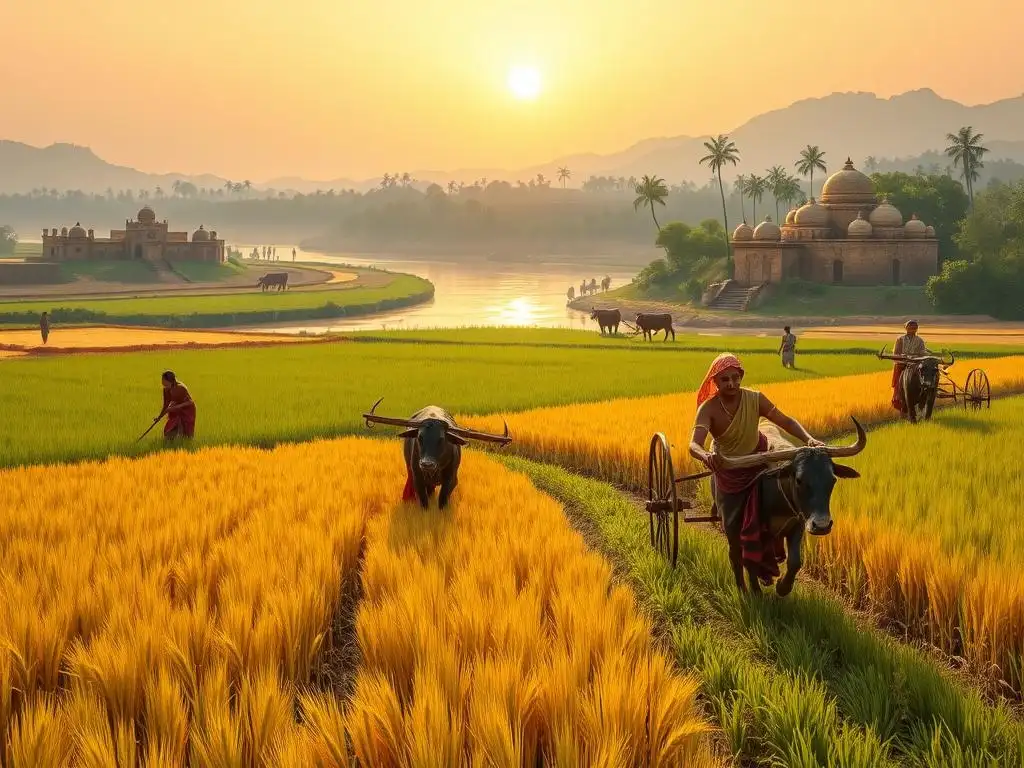
Overview of the Maurya Empire
The Maurya Empire, which flourished from approximately 322 BCE to 185 BCE, is one of the largest and most influential empires in ancient Indian history. Founded by Chandragupta Maurya, it reached its zenith under the reign of Ashoka the Great. The empire's vast territory encompassed diverse geographical regions, including fertile plains, arid deserts, and mountainous areas. This diversity significantly influenced agricultural practices.
The Mauryan administration implemented a centralized governance structure that allowed for the effective management of resources, including agricultural lands. The empire's economy was predominantly agrarian, relying heavily on the productivity of its lands to support its population and military. The Mauryas recognized that enhancing agricultural output was crucial for sustaining their empire and, subsequently, enacted several policies to promote agricultural development.
State Intervention in Agricultural Practices
The Mauryan Empire marked a significant shift in the role of state intervention in agriculture compared to earlier periods, such as during the Indus Valley Civilization. The government took an active role in agricultural management by implementing policies that aimed to optimize production and ensure food security.
Several measures were introduced, including:
- Taxation Reforms: The Mauryan rulers instituted a system of taxation that was directly linked to agricultural output. Farmers were required to pay a portion of their harvest as tax, which was often set at around 25% but could vary depending on the region and local conditions.
- Infrastructure Development: The state invested in building irrigation systems, roads, and granaries to facilitate agricultural activities and improve storage facilities for surplus produce. This infrastructure not only increased agricultural efficiency but also stimulated trade.
- Agricultural Extension Services: The Mauryan government employed officials known as "Rajukas" who were responsible for overseeing agricultural practices, providing farmers with guidance on crop cultivation, and ensuring compliance with state regulations.
Agricultural Techniques Promoted by the Mauryan Administration
The Mauryan Empire introduced several innovative agricultural techniques designed to enhance productivity. Some of the notable practices included:
- Crop Rotation: The Mauryan administration promoted the practice of crop rotation to maintain soil fertility and prevent depletion of nutrients. This technique allowed farmers to diversify their crops and avoid reliance on a single staple.
- Use of Fertilizers: The incorporation of organic fertilizers, such as animal manure and compost, was encouraged to enrich the soil, enhancing crop yields.
- Irrigation Practices: The development of sophisticated irrigation systems, including canals and reservoirs, facilitated the cultivation of crops in regions that were previously arid. This significantly expanded the agricultural land available for cultivation.
Comparative Analysis of Agricultural Practices
Similarities between Indus Valley and Mauryan Agricultural Techniques
Though separated by centuries, the agricultural practices of the Indus Valley Civilization and the Maurya Empire exhibited notable similarities, reflecting a continuity in agricultural traditions. Key similarities included:
- Crop Variety: Both civilizations cultivated a diverse range of crops, including wheat, barley, rice, and legumes. This diversity was crucial for dietary needs and economic stability.
- Irrigation Techniques: The Indus Valley had already established advanced irrigation systems, which the Maurya Empire further developed. Both civilizations relied on water management to support agriculture, indicating an understanding of the importance of irrigation in farming.
- Community-Based Farming: Agricultural practices in both societies emphasized communal efforts. Villagers often worked together in fields, sharing responsibilities for planting and harvesting, fostering a sense of community and cooperation.
Differences in Crop Cultivation and Harvesting Methods
Despite the similarities, significant differences in agricultural practices emerged between the two civilizations, reflecting advancements and environmental adaptations:
- Technological Advancements: The Maurya Empire benefitted from technological innovations that the Indus Valley lacked. For instance, the use of iron plows became prevalent during the Mauryan period, allowing for deeper tillage and more efficient soil preparation.
- State Control vs. Autonomy: In the Indus Valley, agricultural practices were likely more decentralized, with local communities managing their own farming methods. In contrast, the Mauryan Empire exercised greater state control over agricultural policies, promoting standardized techniques to boost productivity across the empire.
- Crop Specialization: The Mauryan Empire saw a rise in specialized crop cultivation, driven by market demands and state policies. While the Indus Valley cultivated a variety of crops for subsistence, the Mauryas began to focus on cash crops that could be traded, reflecting a shift towards a more market-oriented agricultural economy.
Overall, the evolution of agricultural practices from the Indus Valley to the Maurya Empire illustrates a fascinating transition shaped by geography, governance, and technological advancements in ancient India.
Conclusion: The Legacy of Ancient Indian Agricultural Practices
The agricultural practices developed during ancient Indian civilizations, particularly from the Indus Valley to the Maurya Empire, laid the foundational stones for India's agrarian economy. The innovations in crop cultivation, irrigation, and farming techniques not only supported the growing populations of these civilizations but also contributed to the overall economic stability that allowed for cultural and intellectual advancements. This legacy continues to resonate in modern agricultural practices, showcasing a blend of traditional knowledge and contemporary methods.
The emphasis on sustainable practices and crop diversity established during ancient times can be seen in current agricultural initiatives aimed at promoting ecological balance. The understanding of seasonal cycles, soil fertility, and crop rotation, which were integral to ancient agricultural techniques, informs today's sustainable farming practices. Thus, the legacy of ancient Indian agricultural practices serves as a guiding framework for modern agriculture, promoting both productivity and environmental stewardship.
The Impact on Future Agricultural Developments in India
The agricultural innovations from ancient Indian civilizations have profoundly influenced future agricultural developments in the region. Techniques such as the use of plows, irrigation systems, and crop rotation were not only pivotal in enhancing yield but also formed a basis for advanced agricultural practices that emerged over subsequent centuries.
As trade routes expanded, crops cultivated during this era, including rice, wheat, and pulses, became staples in various regions, influencing dietary habits and agricultural practices across India. The knowledge of indigenous crops and their cultivation methods was passed down through generations, ensuring the continuity of agricultural expertise.
Moreover, ancient agricultural practices have paved the way for modern agricultural research and development. By studying historical practices, researchers can glean insights into resilient farming techniques that can withstand climatic challenges, thereby shaping the future of agriculture in India.
Reflection on the Importance of Understanding Ancient Agricultural Techniques
Understanding ancient agricultural techniques is crucial for several reasons. Firstly, it provides insight into the socio-economic structures of ancient civilizations, revealing how agriculture was the backbone of their economies. By examining these practices, we gain a deeper appreciation of the ingenuity and adaptability of early farmers, who made significant advancements using the limited resources available to them.
Secondly, these techniques offer valuable lessons for modern agriculture, especially in the context of sustainability. The principles of soil management, crop diversity, and ecological balance practiced in ancient times can inform contemporary approaches to mitigate environmental degradation and enhance food security.
Finally, recognizing the historical significance of agricultural practices fosters a sense of cultural identity and continuity. It emphasizes the importance of preserving traditional knowledge and practices that can contribute to contemporary agricultural challenges.
References and Further Reading on Ancient Indian Agricultural Practices
For those interested in delving deeper into the agricultural practices of ancient India, a variety of resources are available that explore both historical context and practical applications.
Suggested Books and Articles
- "Agriculture in Ancient India" by R. S. Sharma – This book provides a comprehensive overview of agricultural practices from the Vedic period through the Maurya Empire.
- "The Indus Valley Civilization: A Historical Overview": by S. P. Gupta – This work highlights the agricultural innovations of the Indus Valley and their cultural significance.
- "The Economic History of India" by Romila Thapar – A deep dive into the economic practices, including agriculture, during ancient India.
- "Farming in Ancient India" by M. A. Dhaky – This article discusses various farming techniques and their evolution through different periods in Indian history.
Online Resources for In-Depth Study
- Digital South Asia Library – Offers a wealth of resources and digitized texts related to ancient Indian agriculture and economy.
- Ancient History Encyclopedia – Features articles and resources on the agricultural practices of ancient civilizations, including India.
- The Indian Council of Agricultural Research (ICAR) – Provides research papers and publications that discuss the historical context and evolution of Indian agriculture.
- Online databases like JSTOR or Google Scholar – Useful for accessing scholarly articles and papers on specific topics related to ancient agricultural practices in India.
By exploring these resources, readers can gain a more nuanced understanding of ancient Indian agricultural practices and their lasting impact on the region's agricultural landscape.
- Introduction to Ancient Indian Agricultural Practices
- Agricultural Practices in the Indus Valley Civilization
- Transition to the Post-Indus Period
- Agricultural Developments during the Vedic Period
- The Rise of the Maurya Empire and Its Agricultural Policies
- Comparative Analysis of Agricultural Practices
- Conclusion: The Legacy of Ancient Indian Agricultural Practices
- References and Further Reading on Ancient Indian Agricultural Practices
- What were the main agricultural practices in the Indus Valley Civilization?
- How did agricultural practices evolve during the Maurya Empire?
- What role did trade play in ancient Indian agriculture?
- Which crops were primarily grown in ancient India?
- How did religion influence agricultural practices in ancient India?
Frequently Asked Questions
What were the main agricultural practices in the Indus Valley Civilization?
The Indus Valley Civilization utilized advanced irrigation techniques and practiced crop rotation, enabling them to cultivate crops like wheat, barley, and cotton efficiently.
How did agricultural practices evolve during the Maurya Empire?
During the Maurya Empire, agricultural practices became more sophisticated with the introduction of plows, improved irrigation systems, and fertilization techniques, significantly boosting productivity.
What role did trade play in ancient Indian agriculture?
Trade facilitated the exchange of agricultural products, tools, and techniques, allowing regions to specialize in certain crops and enhancing the overall agricultural economy of ancient India.
Which crops were primarily grown in ancient India?
Ancient Indian farmers predominantly grew cereals such as rice and wheat, along with pulses, spices, and cotton, contributing to a diverse agricultural landscape.
How did religion influence agricultural practices in ancient India?
Religious beliefs often guided ancient Indian agricultural practices, with rituals linked to seasonal cycles and deities associated with fertility and harvest, fostering a connection between spirituality and farming.
Final Reflection: The Timeless Legacy of Ancient Indian Agricultural Practices
The evolution of agricultural practices from the Indus Valley to the Maurya Empire underscores the profound impact of innovation on society's sustainability and growth. Today, as we face challenges like climate change and food security, understanding these ancient practices offers invaluable insights into resilience and adaptability. The ingenuity of our ancestors in cultivating the land not only shaped their civilizations but also laid the groundwork for modern agricultural techniques.
The influence of ancient Indian agricultural practices resonates deeply within our cultural and social landscape, reminding us of the interconnectedness of humanity and nature. These practices were not merely methods of farming; they were a way of life that fostered community, sustainability, and respect for the environment. As we reflect on this legacy, we can appreciate the words of Mahatma Gandhi: To forget how to dig the earth and to tend the soil is to forget ourselves.
This sentiment encapsulates the essence of our relationship with agriculture, urging us to reconnect with the land that sustains us.
As we look to the future, let us embrace the lessons learned from our ancient agricultural heritage. I invite you to reflect on how these practices can inspire modern approaches to farming and sustainability. Consider how you can incorporate the wisdom of the past into your own life, whether through supporting local agriculture, practicing sustainable gardening, or advocating for policies that honor our agricultural roots. By doing so, we not only honor the legacy of those who came before us but also pave the way for a more sustainable and harmonious future.
Unlock the Secrets of Ancient Agriculture!
Thank you for diving into the fascinating world of agricultural practices from the Indus Valley to the Maurya Empire! You've uncovered the roots of farming that shaped civilizations and sustained communities. Now, it's time to take these insights and turn them into action!
Here’s how you can continue your journey into the richness of ancient agricultural innovations:
- Explore local farming techniques inspired by ancient practices—visit a community garden or attend a workshop on sustainable agriculture.
- Share your newfound knowledge with friends or on social media to spark a conversation about the importance of agriculture in our modern world.
- Join a local history group or a book club focused on ancient civilizations to discuss these historical agricultural evolutions.
What ancient agricultural practice do you think could revolutionize modern farming today? Let’s discuss!