
Fertility of the Land: Soil Management Techniques in Ancient Indian Agriculture

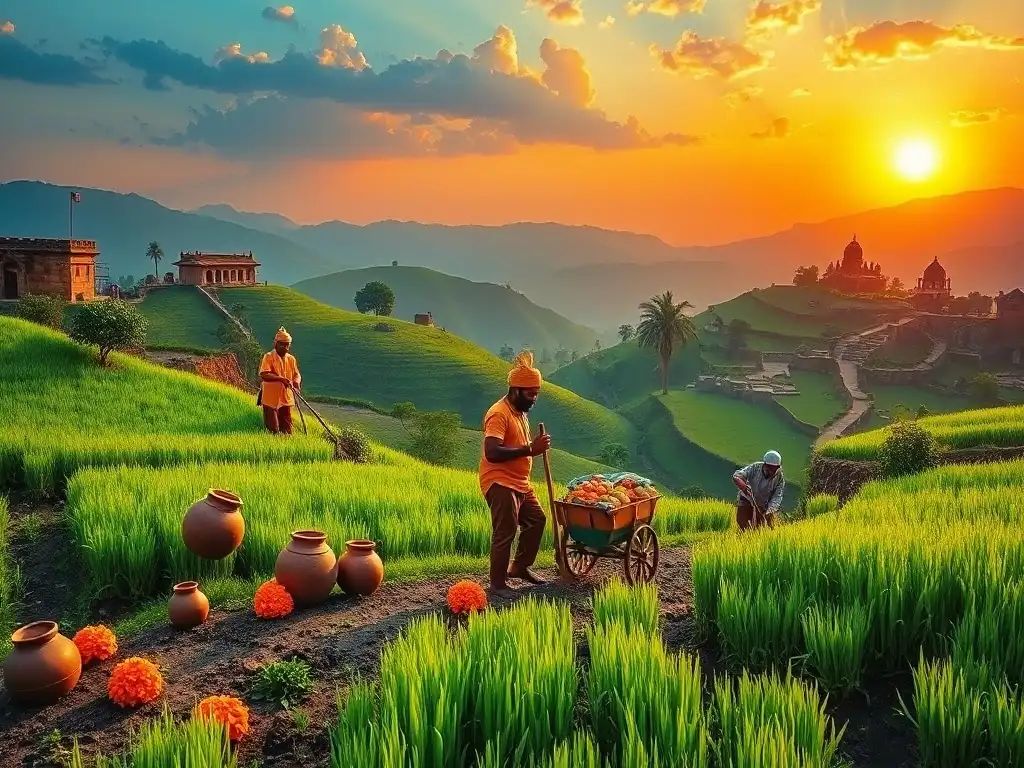
Welcome to Ancient India History, where we embark on a captivating journey through the lush landscapes and innovative minds of ancient Indian civilizations. In this exploration, we’ll delve into the fascinating world of Ancient Indian agriculture techniques, uncovering the wisdom behind their soil management practices that sustained thriving communities. Discover how these age-old methods not only shaped the economy but also laid the groundwork for future agricultural advancements. Join us as we dig deeper into the rich tapestry of ancient India's agricultural heritage and uncover the secrets of the land's fertility!
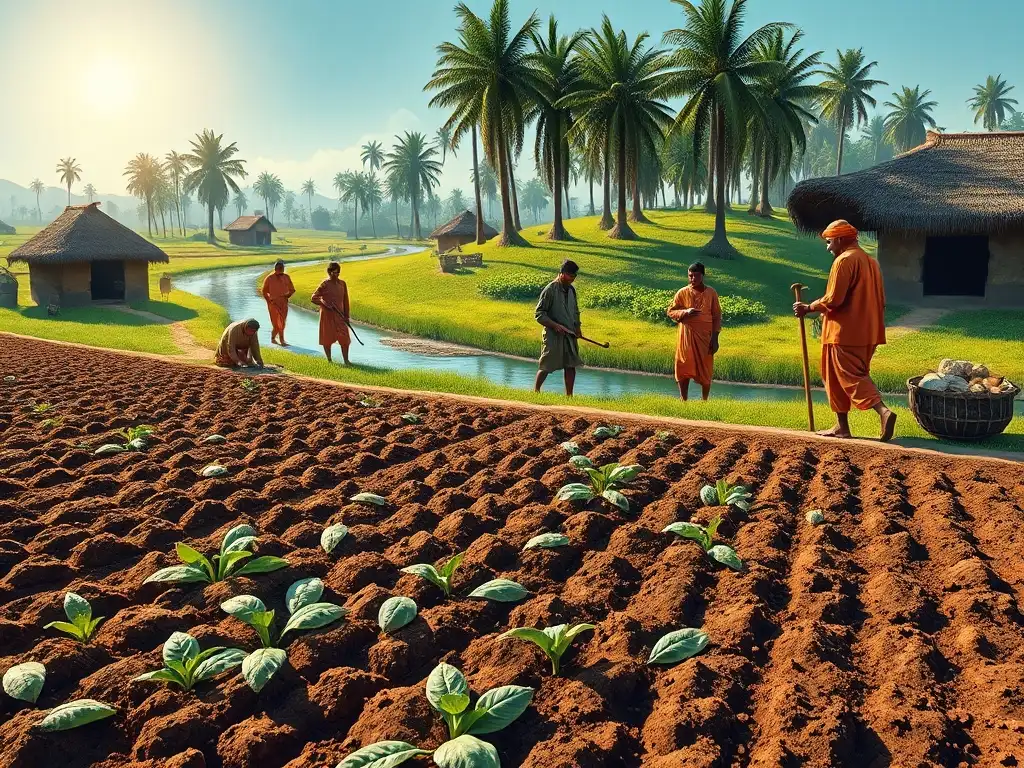
Introduction to Ancient Indian Agriculture Techniques
The agricultural practices of ancient India represent a remarkable blend of tradition, innovation, and sustainability, which significantly contributed to the prosperity of its civilizations. Ancient Indian agriculture techniques were not merely about cultivating crops; they encompassed a deep understanding of the land, climate, and the intricate balance of ecosystems. The fertility of the land was paramount, as it directly influenced crop yields and, consequently, the sustenance of populations. This article delves into the various soil management techniques employed in ancient Indian agriculture, exploring their significance and the historical context that shaped these practices.
Overview of Ancient Indian Agriculture
Agriculture in ancient India can be traced back thousands of years, with the Indus Valley Civilization being one of the earliest examples of organized farming. The fertile plains of the Indus River provided an ideal environment for cultivating crops such as wheat, barley, and pulses. Over time, the techniques evolved, influenced by geographical diversity and climatic variations across the subcontinent.
Key aspects of ancient Indian agriculture included:
- Crop Rotation: Farmers practiced rotating different crops to maintain soil fertility and reduce pest infestations.
- Organic Fertilization: The use of animal dung and compost enriched the soil, promoting healthier crop growth.
- Irrigation Techniques: Ancient Indians developed sophisticated irrigation systems, ensuring efficient water management crucial for crop success.
Importance of Soil Fertility in Crop Production
Soil fertility is the cornerstone of successful agriculture, directly affecting the productivity and quality of crops. In ancient India, understanding the characteristics of soil and its nutrient content was vital. The ancients recognized that fertile soil could enhance crop resilience against diseases and environmental stressors, leading to higher yields.
The significance of soil fertility included:
- Sustainability: Maintaining soil health ensured the long-term viability of agricultural practices.
- Economic Prosperity: Fertile lands facilitated surplus production, allowing for trade and the growth of urban centers.
- Cultural Significance: Agricultural abundance played a crucial role in the development of ancient Indian societies, influencing their rituals, festivals, and social structures.
Historical Context of Soil Management in Ancient India
The historical backdrop of soil management techniques in ancient India reveals a sophisticated approach to agriculture that was informed by both empirical knowledge and philosophical principles. Various civilizations contributed to the evolution of these practices, reflecting their adaptability to local conditions and challenges.
Agricultural Practices in the Indus Valley Civilization
The Indus Valley Civilization (c. 3300–1300 BCE) is often hailed as one of the earliest urban cultures, characterized by its advanced agricultural methods. The inhabitants cultivated a range of crops, including wheat, barley, peas, and cotton. Key features of their agricultural practices included:
- Terracing: Utilization of the landscape to create level areas for farming, which reduced soil erosion and enhanced water retention.
- Planned Irrigation Systems: Canals and reservoirs were constructed to harness river waters, showcasing an understanding of hydraulic engineering.
These practices not only supported their economy but also contributed to the development of one of the earliest examples of urban planning.
Contributions of Vedic Texts to Agricultural Knowledge
The Vedic period (c. 1500–500 BCE) marked a significant advancement in agricultural knowledge, as reflected in ancient texts like the Rigveda and the Arthashastra. These texts provided insights into various aspects of agriculture, including:
- Soil Types: Identification of different soil types and their suitability for specific crops.
- Crop Cultivation Techniques: Recommendations for sowing times, irrigation methods, and pest control strategies.
The emphasis on knowledge and education in agriculture during this period laid the groundwork for future advancements, highlighting the interplay between agriculture and the broader socio-economic fabric of ancient India.
Ancient Indian agriculture techniques were not only innovative but also deeply intertwined with the cultural and economic dynamics of their time. Understanding these techniques offers valuable insights into the sustainable practices that can inspire modern agricultural methods.
Key Soil Management Techniques in Ancient Indian Agriculture
Ancient Indian agriculture was marked by a profound understanding of soil management techniques that directly contributed to the fertility of the land. The farmers of this era employed various strategies to enhance soil health and ensure sustainable agricultural practices. These techniques were not only innovative but also well-adapted to the diverse climatic and geographical conditions across ancient India. Some of the key soil management practices included crop rotation, the use of organic manures, mulching, cover cropping, and advanced irrigation systems. Together, these practices laid the foundation for productive agricultural systems and influenced crop yields significantly.
Crop Rotation and Its Benefits
Crop rotation was a foundational technique in ancient Indian agriculture that involved alternating the crops grown in a particular field over different seasons. This practice is vital for several reasons:
- Nutrient Management: Different crops have varied nutrient requirements and contributions. For instance, legumes such as lentils and chickpeas are known to fix nitrogen in the soil, enhancing its fertility when rotated with cereal crops like wheat and rice.
- Pest and Disease Control: Rotating crops helps disrupt the life cycles of pests and diseases that thrive on specific plants. This natural method of pest control reduced the dependency on chemical pesticides and ultimately contributed to healthier crops.
- Soil Structure Improvement: Diverse root systems from different plants can improve soil structure and aeration, promoting better water infiltration and reducing soil erosion.
By practicing crop rotation, ancient Indian farmers could maintain soil fertility over extended periods, ensuring continuous agricultural productivity.
Use of Organic Manures in Soil Enrichment
The application of organic manures was a prevalent practice in ancient Indian agriculture, emphasizing sustainability and ecological balance. Farmers utilized various organic materials such as animal dung, crop residues, and compost to enrich the soil. The benefits of this practice included:
- Enhanced Soil Fertility: Organic manures are rich in essential nutrients, including nitrogen, phosphorus, and potassium. Their incorporation into the soil increased nutrient availability for crops.
- Improved Soil Structure: The addition of organic matter helps in the formation of soil aggregates, enhancing the soil's physical properties. This leads to better drainage and aeration, which are crucial for root development.
- Microbial Activity Stimulation: Organic manures foster a thriving ecosystem of beneficial microorganisms in the soil, which play a crucial role in nutrient cycling and disease suppression.
The use of organic manures thus played a critical role in sustaining soil health and maximizing agricultural output in ancient India.
Traditional Practices of Mulching and Cover Cropping
Mulching and cover cropping were essential techniques employed by ancient Indian farmers to protect and enhance soil health.
- Mulching: This involved covering the soil surface with organic materials such as straw, leaves, or grass. Mulching served multiple purposes, including:
- Moisture Retention: It helped retain soil moisture by reducing evaporation, ensuring crops had adequate water supply during dry spells.
- Weed Suppression: A layer of mulch obstructed sunlight, thus inhibiting weed growth and reducing competition for nutrients.
- Soil Temperature Regulation: Mulch acted as an insulator, moderating soil temperatures and creating a more favorable environment for root development.
- Cover Cropping: Farmers planted specific crops, known as cover crops, during off-seasons. These crops, such as clover or mustard, provided various benefits:
- Soil Erosion Prevention: Cover crops helped hold soil in place, preventing erosion during heavy rains.
- Nutrient Cycling: When incorporated back into the soil, cover crops contributed organic matter and nutrients, further enhancing fertility.
These traditional practices reflected the ancient Indian understanding of ecological balance and sustainability in agriculture.
Irrigation Techniques and Soil Health
Irrigation played a pivotal role in ancient Indian agriculture, significantly influencing soil health and agricultural productivity. The development of various irrigation systems showcased the ingenuity and adaptability of ancient Indian farmers in managing water resources effectively.
Ancient Indian Irrigation Systems
Ancient India was home to sophisticated irrigation systems that facilitated efficient water management for agriculture. Some notable irrigation techniques included:
- Stepwells and Tanks: These structures were designed to collect and store rainwater, providing a reliable water source during dry periods. Farmers could draw water from these sources to irrigate their fields, ensuring crop survival and health.
- Canal Systems: In regions like the Indus Valley, extensive canal networks were constructed to divert river water for agricultural use. This method allowed for the systematic watering of large tracts of land, enhancing crop yields.
- Rainwater Harvesting: Many ancient communities practiced rainwater harvesting, capturing and storing rainwater for agricultural irrigation. This method was particularly important in arid regions, where water scarcity was a significant challenge.
These irrigation systems not only ensured adequate water supply but also played a crucial role in maintaining soil moisture levels, essential for healthy crop growth.
Impact of Irrigation on Soil Fertility and Crop Yield
The introduction of irrigation techniques had a transformative impact on soil fertility and crop yields in ancient India.
- Increased Crop Production: With reliable water supply, farmers could cultivate more diverse crops and increase the frequency of planting cycles throughout the year. This led to higher overall agricultural productivity.
- Soil Moisture Conservation: Irrigation helped maintain optimal soil moisture levels, crucial for nutrient uptake by plants. Consistent moisture availability also reduced the risk of drought stress, allowing crops to thrive.
- Nutrient Leaching Prevention: Proper irrigation practices mitigated nutrient leaching, preserving essential minerals within the soil. This preservation of nutrients further enhanced soil fertility, ensuring sustained agricultural output.
The integration of irrigation techniques into ancient agricultural practices exemplified the advanced understanding of soil and water management, vital for the prosperity of ancient Indian civilizations.
The Role of Natural Fertilizers in Ancient Agriculture

Natural fertilizers played a crucial role in enhancing soil fertility and supporting sustainable agricultural practices in ancient India. Farmers relied on organic materials derived from plant and animal sources to promote healthy crop growth. The use of natural fertilizers not only enriched the soil with essential nutrients but also improved its structure, water retention, and microbial activity, which were vital for robust agricultural productivity.
The application of natural fertilizers allowed ancient Indian civilizations to maintain the fertility of their land over extended periods. Unlike synthetic fertilizers, which can lead to soil degradation and environmental harm, natural fertilizers contributed to the ecological balance, fostering a more sustainable agricultural system. This approach was particularly important in the context of ancient agrarian societies, where the reliance on the land was paramount for survival and prosperity.
Types of Natural Fertilizers Used
Ancient Indian farmers utilized a variety of natural fertilizers, each contributing unique benefits to soil health. Some of the most common types included:
- Cow Dung: Widely regarded as one of the most effective natural fertilizers, cow dung was rich in nitrogen, phosphorus, and potassium. It was often composted to enhance its nutrient profile before application.
- Compost: Farmers created compost from decomposed organic matter, including plant residues, kitchen waste, and animal manure. This process not only recycled nutrients but also improved soil structure.
- Green Manures: Certain crops, such as lentils and legumes, were grown specifically to be plowed back into the soil. These green manures added organic matter and fixed nitrogen, enriching the soil naturally.
- Ashes: Wood ashes were used as a natural fertilizer due to their high potassium content, which is essential for flowering and fruiting plants.
- Bone Meal: Ground animal bones provided a rich source of phosphorus, promoting root development and overall plant vigor.
These various natural fertilizers were essential for maintaining soil fertility and were often used in conjunction with one another to maximize their benefits.
Methods of Application and Their Effectiveness
The application of natural fertilizers in ancient Indian agriculture was governed by traditional practices that maximized their effectiveness. Farmers employed several methods, including:
- Broadcasting: This method involved spreading the fertilizer evenly across the field before planting. It was effective for fertilizers like cow dung and compost, ensuring that nutrients were accessible to seedlings.
- Incorporation into Soil: Farmers often mixed natural fertilizers directly into the soil to enhance nutrient absorption. This method was particularly effective for green manures, which, when turned into the soil, decomposed and released nutrients gradually.
- Side-Dressing: Applying fertilizers in rows alongside growing crops allowed for targeted nutrient delivery, enhancing plant growth during critical stages of development.
- Mulching: Using organic materials as mulch not only provided nutrients as they decomposed but also helped retain soil moisture and suppress weeds.
These methods were not only effective in improving soil fertility but also contributed to the sustainable management of agricultural resources, ensuring that ancient Indian farmers could cultivate their lands effectively year after year.
Indigenous Knowledge and Soil Conservation

Indigenous knowledge surrounding soil conservation played a pivotal role in ancient Indian agriculture. Farmers developed techniques that prioritized the maintenance of soil health and fertility, ensuring productive harvests over generations. This knowledge was often passed down through generations, embodying a deep understanding of local ecosystems and agricultural practices.
Farmers recognized the importance of conserving soil resources, which led to the implementation of various strategies aimed at preventing degradation and maintaining fertility. These techniques were not only practical but also reflected a holistic approach to agriculture that harmonized human activities with nature.
Techniques for Preventing Soil Erosion
To combat soil erosion, ancient Indian agriculturalists employed several effective techniques:
- Terracing: In hilly regions, farmers created terraces to slow down water runoff and reduce soil erosion. This method allowed for the cultivation of crops on sloped land while conserving soil.
- Cover Cropping: Planting cover crops during fallow periods helped protect the soil from erosion and enhanced its fertility by adding organic matter when plowed under.
- Contour Farming: This technique involved plowing along the contours of the land, which reduced water runoff and soil loss, particularly on sloped terrains.
- Windbreaks: Planting trees or shrubs as windbreaks helped reduce wind erosion and protect soil health, creating a more stable microclimate for crops.
These techniques not only preserved the soil but also ensured the sustainability of agricultural practices, allowing ancient civilizations to thrive.
The Importance of Biodiversity in Ancient Farming Practices
Biodiversity was a cornerstone of ancient Indian agriculture, greatly influencing soil management and fertility. Diverse cropping systems allowed for a variety of plants to coexist, contributing to soil health and reducing pest and disease pressure. The importance of biodiversity in ancient farming practices can be understood through several key aspects:
- Crop Rotation: Farmers practiced crop rotation to prevent soil depletion and manage pests. By alternating different types of crops, they ensured a balanced nutrient uptake and reduced the risk of disease.
- Polyculture: Growing multiple crops in the same area enhanced biodiversity and soil fertility. This practice allowed for complementary relationships between plants, improving resilience against environmental stresses.
- Conservation of Indigenous Varieties: Ancient farmers preserved indigenous seed varieties, which were well-suited to local conditions. This conservation of genetic diversity resulted in crops that were more resilient to climate variations and diseases.
Overall, the integration of biodiversity into agricultural practices not only enhanced soil management but also supported the ecological balance essential for sustainable farming in ancient India.
Case Studies: Successful Ancient Agricultural Techniques

Ancient Indian agriculture techniques were highly sophisticated, reflecting a deep understanding of the land and its needs. Various regions developed unique practices that contributed to the fertility of the soil and the success of their crops. One notable case study is the Indus Valley Civilization, which thrived around 2500 BCE. This civilization is renowned for its advanced irrigation systems, including canals and reservoirs, which were crucial for managing water supply and enhancing soil fertility.
Another significant example comes from the southern regions of India, where farmers practiced crop rotation and intercropping. By alternating different crops and planting complementary species, they effectively maintained soil nutrients and minimized pest outbreaks. For instance, the combination of pulses and cereals allowed for nitrogen fixation, which enriched the soil naturally.
Moreover, the use of organic fertilizers, such as compost and green manure, was prevalent across various regions. The Mughal Empire (1526-1857) further refined these practices, promoting the use of animal dung and other biodegradable waste, which significantly improved soil structure and fertility.
Analysis of Regions with Remarkable Soil Management
In ancient India, different regions showcased remarkable soil management techniques that were adapted to local conditions. In the Gangetic Plains, farmers utilized the fertile alluvial soil and developed techniques like plowing with iron-tipped plows. This not only improved soil aeration but also facilitated the incorporation of organic matter into the soil, enhancing fertility.
In the Deccan Plateau, terracing was a common practice. By creating flat areas on sloped land, farmers could reduce soil erosion and retain moisture. These terraces allowed for more efficient water management and supported a variety of crops, contributing to a diverse agricultural output.
Furthermore, the northwestern regions, which included parts of modern-day Pakistan, employed a unique technique known as Zai planting, where farmers dug small pits to enhance water retention in arid conditions. This method allowed for the successful cultivation of crops even during periods of low rainfall.
Lessons Learned from Ancient Practices for Modern Agriculture
The ancient agricultural techniques of India offer several valuable lessons for contemporary farming practices. Firstly, the emphasis on diversified cropping systems can be beneficial in today’s agricultural landscape, where monoculture is prevalent. By adopting intercropping and crop rotation, modern farmers can enhance soil health, reduce dependency on chemical fertilizers, and increase resilience against pests and diseases.
Secondly, the sustainable use of organic fertilizers highlights the importance of returning nutrients to the soil. Modern agriculture can benefit from integrating organic waste management practices, which not only improve soil fertility but also promote environmental sustainability.
Lastly, the ancient techniques of water management, such as rainwater harvesting and the use of small-scale irrigation systems, can play a crucial role in addressing the challenges posed by climate change and water scarcity. Implementing these age-old practices can lead to more sustainable water use in agriculture today.
Conclusion: Legacy of Ancient Indian Agriculture Techniques
The legacy of ancient Indian agriculture techniques is profound, influencing not only regional practices but also contributing to the global narrative on sustainable farming. The innovations in soil management, irrigation, and crop cultivation have laid the groundwork for agricultural practices that continue to evolve.
Lasting Impact on Modern Farming Practices
Modern agriculture has inherited many principles from ancient Indian techniques. The shift towards sustainable practices, such as organic farming and permaculture, reflects a growing recognition of the value of maintaining soil health and biodiversity. Many contemporary farmers are now revisiting these ancient wisdoms, recognizing their efficacy in promoting sustainable food systems.
Continued Relevance of Soil Management in Sustainable Agriculture
Today, the relevance of soil management techniques from ancient India cannot be overstated. As the world faces challenges such as soil degradation, climate change, and food insecurity, the lessons learned from ancient practices provide a roadmap for sustainable agriculture. Emphasizing organic matter, biodiversity, and efficient water management are essential strategies that echo the wisdom of ancient farmers and can help secure a more sustainable future for agriculture.
By integrating these traditional techniques into modern practices, we can foster a healthier ecosystem and ensure the longevity of agricultural productivity for generations to come.
References
Key Texts and Scholarly Articles on Ancient Indian Agriculture Techniques
The study of ancient Indian agriculture techniques is enriched by various scholarly works and texts that provide insights into the practices, innovations, and philosophies of the time. Some notable references include:
- "The Archaeology of Ancient Indian Agriculture" by R. S. Sharma - This work delves into archaeological findings that reveal the agricultural practices of ancient India, particularly in the Indus Valley Civilization.
- "Agricultural History of India" by R. K. Sharma - This comprehensive book outlines the evolution of farming techniques in India, emphasizing the advancements made during various historical periods.
- "The Role of Agriculture in Ancient Indian Economy" - An article published in the Indian Journal of Historical Studies, this piece discusses how agricultural practices shaped the economy and societal structures in ancient India.
- "Soil Management Practices in Ancient India" - A scholarly article found in the Journal of Asian Studies, it explores the specific techniques used by ancient civilizations to maintain soil fertility and manage agricultural productivity.
- "Ancient Indian Agriculture: Techniques and Technologies": by M. N. Desai - This book covers various agricultural techniques, including irrigation, crop rotation, and the use of organic fertilizers prevalent in ancient times.
These texts serve as foundational literature for understanding the complexity and sophistication of ancient Indian agriculture techniques, offering both theoretical and empirical insights.
Additional Resources for Further Reading on Soil Management
For those interested in exploring soil management techniques in ancient Indian agriculture further, the following resources provide valuable information:
- Online Databases and Journals:
- Agricultural History (available through university libraries) - This journal often features articles related to traditional agricultural practices and innovations in various cultures, including ancient India.
- The Indian Journal of Agricultural Sciences - A reputable source for research articles that may touch upon historical agricultural practices alongside contemporary studies.
- Historical Texts and Manuscripts:
- "Krishi Parashara" - An ancient Sanskrit text attributed to Sage Parashara, which discusses various agricultural techniques, including soil management and crop rotation.
- "Kautilya's Arthashastra" - Although primarily a treatise on statecraft, this ancient text contains references to agricultural policies and practices that can shed light on soil management techniques.
- Documentaries and Educational Videos:
- Various educational platforms offer documentaries on ancient Indian civilizations that include segments on agricultural practices. Search for titles related to the Indus Valley Civilization or the Mauryan Empire for insights into their agricultural methods.
These resources provide a comprehensive foundation for anyone looking to deepen their understanding of soil management techniques in ancient Indian agriculture, illustrating the rich agricultural heritage that has influenced modern practices.
- Introduction to Ancient Indian Agriculture Techniques
- Historical Context of Soil Management in Ancient India
- Key Soil Management Techniques in Ancient Indian Agriculture
- Irrigation Techniques and Soil Health
- The Role of Natural Fertilizers in Ancient Agriculture
- Types of Natural Fertilizers Used
- Methods of Application and Their Effectiveness
- Indigenous Knowledge and Soil Conservation
- Techniques for Preventing Soil Erosion
- The Importance of Biodiversity in Ancient Farming Practices
- Case Studies: Successful Ancient Agricultural Techniques
- Conclusion: Legacy of Ancient Indian Agriculture Techniques
- References
Frequently Asked Questions
What were the primary agriculture techniques used in ancient India?
Ancient Indian civilizations utilized various agriculture techniques such as crop rotation, irrigation systems, and fertilization methods to enhance soil fertility and productivity.
How did ancient Indians manage soil fertility?
They employed soil management techniques like composting, adding organic matter, and practicing fallowing to replenish nutrients and maintain the fertility of the land.
What role did the Indus Valley Civilization play in agriculture?
The Indus Valley Civilization was pivotal in developing advanced agricultural practices, including irrigation from rivers and the cultivation of staple crops like wheat and barley.
How did the Gupta Empire influence agriculture?
During the Gupta Empire, there was significant advancement in agriculture, including the introduction of new crops, improved tools, and enhanced irrigation techniques, leading to increased agricultural output.
What was the impact of climate on ancient Indian agriculture?
The climate greatly influenced farming practices, with monsoon patterns dictating planting schedules and the use of rainwater harvesting to ensure sustainable agriculture during dry periods.
Final Reflection: The Timeless Wisdom of Ancient Indian Agriculture Techniques
The significance of ancient Indian agriculture techniques resonates profoundly in today's world, as we grapple with the challenges of sustainable farming and environmental degradation. The practices developed by our ancestors were not merely methods of cultivation; they were holistic approaches that emphasized harmony with nature. As we face the pressing issues of climate change and soil depletion, the wisdom embedded in these ancient techniques serves as a beacon of hope and a guide for modern agricultural practices.
Cultivating a deeper understanding of these ancient techniques reveals their lasting impact on our cultural and social landscapes. From the intricate systems of crop rotation to the use of organic fertilizers, these methods have shaped not only agricultural productivity but also community relationships and ecological balance. As Mahatma Gandhi once said, "> The soil is the foundation of our existence; it is our duty to protect it." This sentiment underscores the importance of preserving and learning from the agricultural heritage that has sustained civilizations for millennia.
As we reflect on the lessons of ancient Indian agriculture, I invite you to consider how these practices can inspire your own approach to sustainability and environmental stewardship. Let us honor the legacy of our ancestors by integrating their time-tested techniques into our modern lives, fostering a deeper connection with the land and a commitment to nurturing it for future generations. Your journey towards sustainable living can begin today, as you explore the rich tapestry of knowledge that ancient agriculture offers, and apply it to create a more resilient and harmonious relationship with our planet.
Cultivate Your Knowledge and Take Action!
Thank you for exploring the fascinating world of ancient Indian agriculture with us! You've gained invaluable insights into how soil management techniques shaped the fertility of the land. Now, it's time to take that knowledge and transform it into real-world action!
Here are a few ways you can get involved and expand your understanding:
- Start a home garden using sustainable practices inspired by ancient techniques. Experiment with crop rotation and natural composting to enhance your garden's productivity!
- Join a local community garden to learn from others and share your knowledge about traditional soil management methods. Collaborating with fellow gardeners can deepen your understanding and foster a sense of community.
- Share this article with friends or on social media to inspire others about the importance of soil health in both historical and modern contexts.
What aspect of ancient soil management resonates with you the most, and how do you see its relevance in addressing today’s agricultural challenges?