
The Influence of Persian Architecture on Indian Temples and Mosques

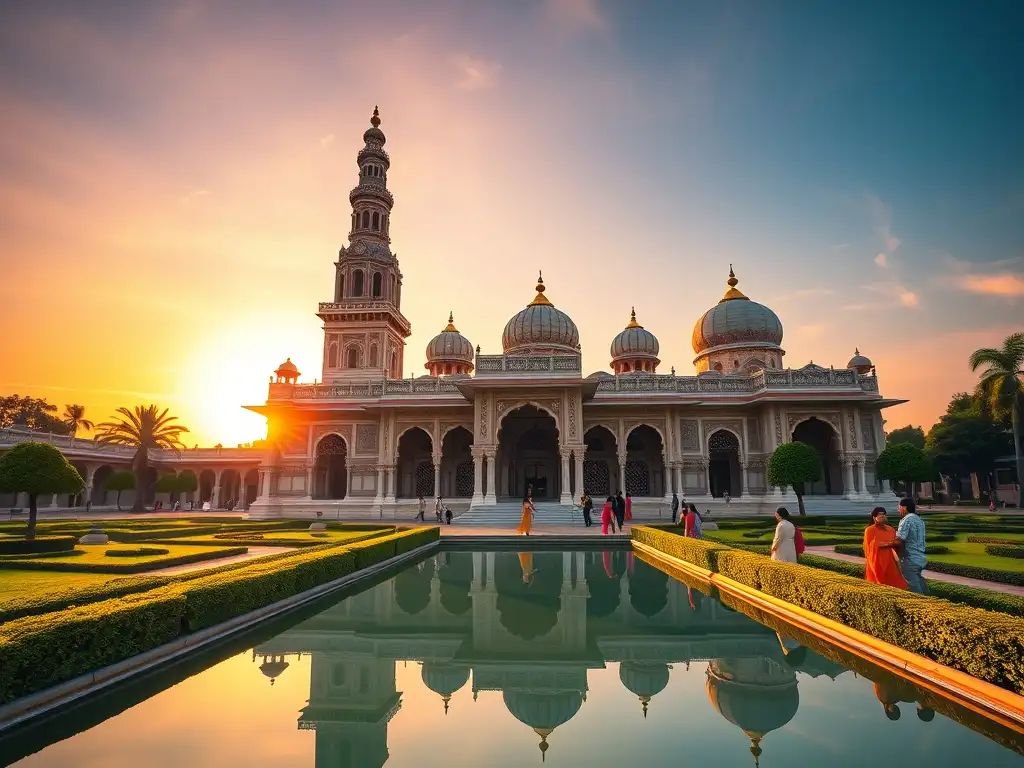
Welcome to Ancient India History, where we embark on a captivating journey through time to uncover the rich tapestry of India’s past. In this edition, we delve into the intriguing Influence of Persian Architecture on Indian Temples and Mosques, a fascinating exploration of how two great civilizations intertwined their artistic legacies. Discover the stunning intricacies and shared aesthetics that have shaped sacred spaces across the subcontinent.
What secrets lie within the architectural marvels that bridge cultures and eras? Join us as we illuminate the enduring connections between ancient India and Persia, inviting you to dive deeper into the stories that define our heritage.
Introduction to Persian Architecture
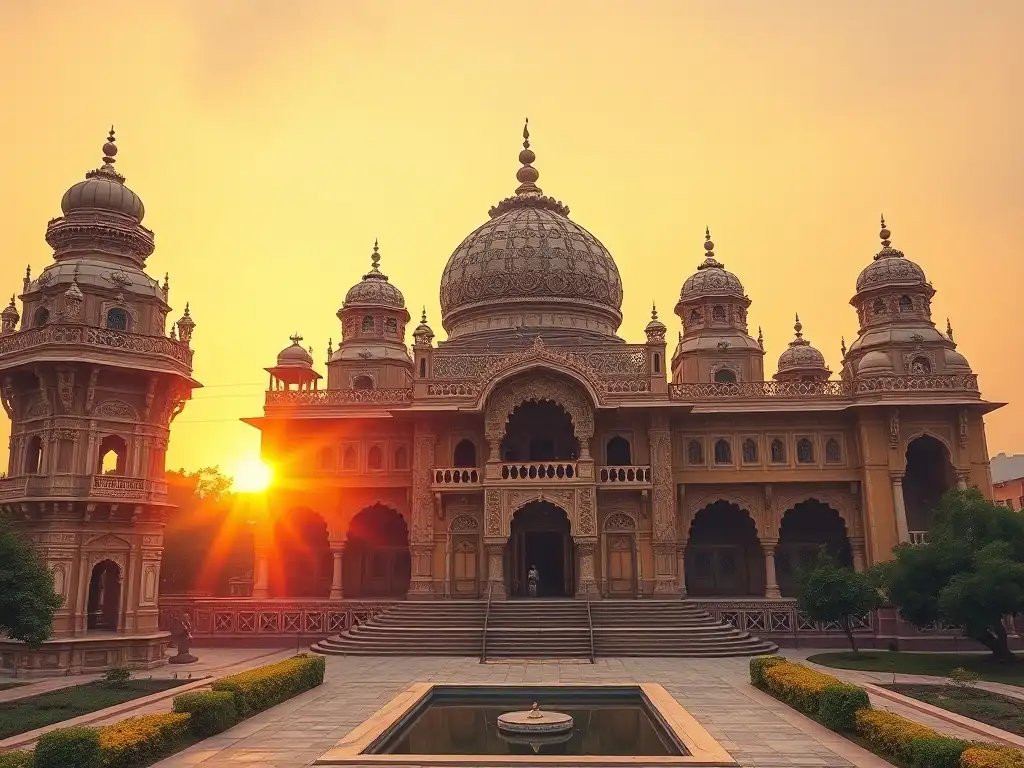
Persian architecture is a fascinating blend of artistry, engineering, and cultural expression that has left an indelible mark on various regions, particularly India. As ancient civilizations interacted through trade, conquest, and diplomacy, architectural styles began to merge, leading to unique structures that reflect a combination of cultural influences.
This article delves into the significant impact of Persian architecture on Indian temples and mosques, highlighting how these interactions shaped the architectural landscape of the subcontinent. By exploring key features, historical contexts, and the timeline of these exchanges, we aim to uncover the intricate tapestry of influences that define Indian architecture today.
Overview of Persian Architectural Style
Persian architecture is renowned for its grandeur and sophistication, characterized by several distinctive elements:
- Symmetry and Geometry: Persian designs often emphasize geometric patterns and symmetrical layouts, creating a sense of harmony and balance.
- Domes and Arches: The use of large domes and intricate arches are hallmarks of Persian buildings, providing both aesthetic appeal and structural integrity.
- Intricate Tile Work: Vibrant tile mosaics adorned with floral and geometric motifs are commonly found in Persian structures, enhancing their visual allure.
- Gardens and Water Features: Many Persian buildings are complemented by lush gardens and water elements, reflecting the cultural significance of nature in Persian design.
Key Features of Persian Architecture
The unique characteristics of Persian architecture can be summarized as follows:
| Feature | Description |
|---|---|
| Iwan | A vaulted space opening on one side to a courtyard, often seen in mosques. |
| Courtyard Layout | Central courtyards serve as gathering spaces, promoting community interaction. |
| Muqarnas | A decorative technique involving intricate stalactite-like designs. |
| Calligraphy | Use of Persian script in decorative inscriptions, adding a literary dimension. |
These features not only define Persian architecture but also serve as a foundation for the architectural innovations that emerged in Indian temples and mosques.
Historical Context of Persian Architecture
The roots of Persian architecture can be traced back to ancient Persia, where the Achaemenid Empire laid the groundwork for monumental architecture. With the rise of subsequent dynasties, such as the Sassanids, Persian architecture evolved, incorporating elements from various cultures while maintaining its unique identity. The advent of Islamic architecture after the Arab conquests further transformed the landscape, as Persian builders adopted and adapted Islamic principles, leading to the creation of iconic structures like the Great Mosque of Isfahan.
The Historical Interactions Between Persia and India
Timeline of Persian Influence in India
The interactions between Persia and India span several centuries, with key events marking the exchange of architectural ideas:
- 6th Century BCE: Achaemenid influence on the Indus Valley region.
- 7th Century CE: Arab conquests introduce Islamic architectural elements.
- 12th Century CE: The establishment of the Delhi Sultanate, bringing Persian styles to Indian architecture.
- 16th Century CE: The Mughal Empire emerges, synthesizing Persian and Indian architectural styles.
This timeline illustrates the ongoing dialogue between the two civilizations, resulting in a rich architectural heritage.
Cultural Exchanges Between Persian and Indian Civilizations
Cultural exchanges between Persia and India were not limited to architecture; they encompassed language, literature, and art. The Persian language became a significant cultural conduit, influencing Indian languages and fostering a shared literary tradition. These exchanges facilitated the movement of ideas, enriching both cultures and leading to the emergence of hybrid architectural forms.
The Role of Trade Routes in Architectural Exchange
Trade routes played a crucial role in the dissemination of architectural knowledge between Persia and India. The Silk Road, along with maritime routes, acted as conduits for cultural and commercial exchanges. As merchants and travelers moved between these regions, they carried with them not only goods but also architectural ideas and techniques, contributing to the development of a unique architectural style that blended Persian elegance with Indian traditions.
Through this exploration of Persian architecture's influence on Indian temples and mosques, we gain a deeper understanding of how these ancient civilizations interacted and shaped each other's cultural landscapes.
Persian Architectural Elements in Indian Temples
The influence of Persian architecture on Indian temples is a fascinating aspect of architectural evolution in the subcontinent. As Persian rulers established their presence in India, particularly during the Delhi Sultanate and Mughal Empire periods, they brought with them distinct architectural styles that began to blend with local traditions. This fusion resulted in unique temple designs that incorporated Persian elements, showcasing a rich tapestry of cultural interaction.
Key elements of Persian architecture that found their way into Indian temples include the use of arches, domes, and intricate ornamentation. The synthesis of these styles led to the creation of expansive temple complexes that not only served religious purposes but also acted as centers of art and community life.
Use of Arches and Domes in Indian Temples
The introduction of arches and domes into Indian temple architecture marked a significant departure from traditional Hindu architectural forms. Persian influence led to the incorporation of these structural elements, which not only enhanced the aesthetic appeal but also improved functionality.
- Arches: The adoption of pointed arches, a hallmark of Persian architecture, allowed for greater height and spaciousness in temple interiors. This was particularly evident in temples constructed during and after the Mughal period.
- Domes: The use of domes facilitated a sense of grandeur and openness. Temples such as the famous Brihadeeswarar Temple in Thanjavur, while primarily Dravidian in style, also exhibit dome-like features influenced by Persian techniques.
This blending of architectural styles underscores the adaptability of Indian temple architecture, which embraced foreign influences while maintaining its unique identity.
Ornamentation and Decorative Motifs in Hindu Temples
Ornamentation in Hindu temples became increasingly elaborate with the infusion of Persian decorative motifs. Persian art is renowned for its intricate designs and vibrant colors, which were integrated into temple aesthetics.
- Floral Patterns: Persian floral motifs, often depicted in tile work, became prominent in temple decoration. These designs not only added beauty but symbolized the connection between heaven and earth.
- Geometric Designs: The use of geometric patterns, characteristic of Persian art, can be seen in the stone carvings and frescoes of several Indian temples, creating a visual harmony that appeals to the eye.
The fusion of these decorative elements enriched the artistic heritage of Indian temples, creating spaces that were not only religious sanctuaries but also masterpieces of art.
Case Studies of Specific Temples Influenced by Persian Architecture
Several temples serve as prime examples of Persian architectural influence, showcasing the blend of styles that emerged during periods of interaction between cultures.
- The Jagannath Temple, Puri: This temple, while primarily reflecting Kalinga architecture, features elements like the ornate carvings and elaborate gateways that show Persian influence, particularly in the design of the Lion's Gate.
- The Khajuraho Temples: These temples are renowned for their intricate sculptures and carvings. Some motifs and structural elements, such as the use of arches and elaborate friezes, reflect Persian artistic traditions.
- The Sun Temple, Konark: The temple's design, which includes a massive chariot and intricate carvings, shows a synthesis of indigenous styles with Persian decorative and structural influences, particularly in the ornamental detailing and layout.
Persian Architectural Features in Indian Mosques
The advent of Islam in India brought a wave of new architectural styles, heavily influenced by Persian design. This led to the construction of mosques that featured distinct Persian elements, contributing to the architectural diversity of the region.
Introduction of Islamic Architectural Styles in India
The introduction of Islamic architectural styles was a transformative moment in Indian history. Persian architects and artisans played a pivotal role in shaping the architectural landscape, bringing with them techniques and forms that were previously unseen in India.
- Mughal Influence: The Mughal Empire, in particular, was instrumental in popularizing Persian architectural styles. Buildings such as the Red Fort and Humayun's Tomb are prime examples of how Persian architecture was blended with local traditions to create stunning structures.
Key Persian Elements Found in Indian Mosques
Several key elements of Persian architecture have been incorporated into Indian mosque design:
- Minarets: Tall, slender minarets, a characteristic feature of Persian mosques, became prominent in Indian Islamic architecture, serving both functional and aesthetic purposes.
- Courtyards: The use of expansive courtyards, often surrounded by arcade-like structures, is a common feature in mosques influenced by Persian design, providing spaces for congregation and reflection.
Notable Mosques with Persian Influence
Several mosques in India highlight the rich Persian influence on Islamic architecture:
- Jama Masjid, Delhi: This mosque is one of the largest in India and showcases Persian architectural elements such as grand arches, domes, and intricate calligraphy, embodying the fusion of styles.
- Tomb of Itimad-ud-Daulah, Agra: Often referred to as the "Baby Taj," this mausoleum integrates Persian garden design principles and intricate inlay work, reflecting the aesthetics of Persian architecture.
- Shah Jahan Mosque, Thatta: Renowned for its stunning tile work and elaborate arches, this mosque exemplifies the Persian influence through its decorative patterns and overall design ethos.
The blending of Persian architectural features with Indian traditions not only enriched the architectural landscape but also stands as a testament to the cultural interactions that shaped the history of the subcontinent.
Comparative Analysis of Indian Temples and Mosques
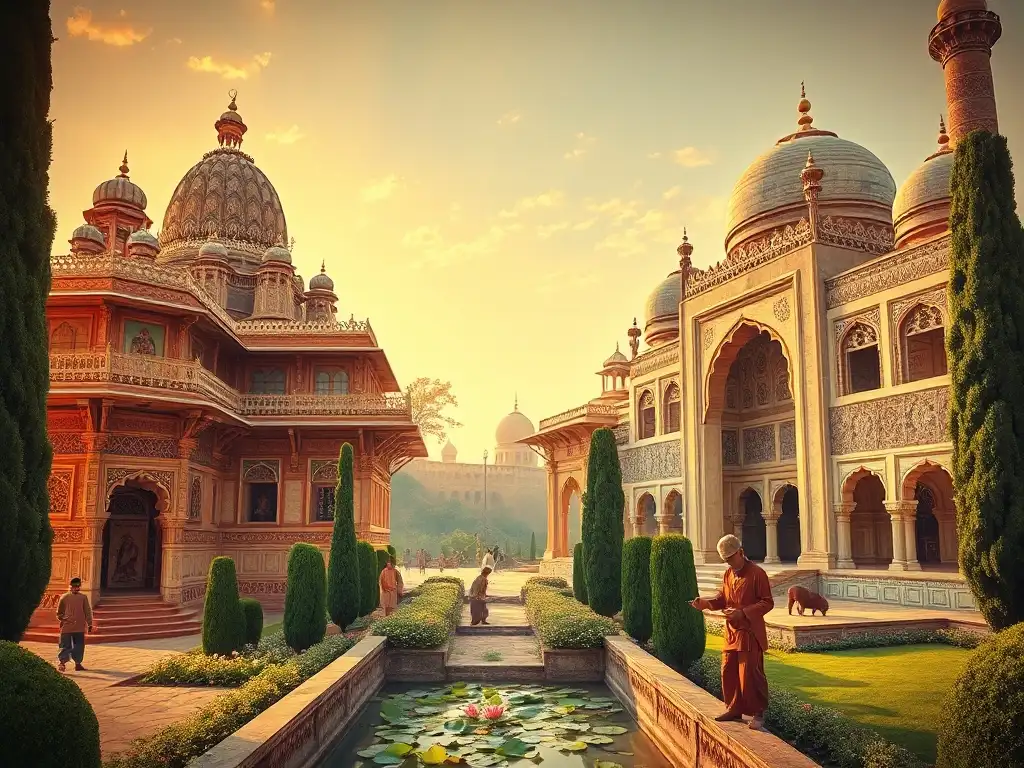
The architectural landscape of ancient India is a testament to its rich cultural interactions, particularly with Persian influences. This comparative analysis of Indian temples and mosques highlights the nuanced ways in which Persian architecture has shaped the aesthetics, functionality, and cultural symbolism of these religious structures. Both types of buildings serve as sacred spaces but reflect different religious ideologies and historical contexts.
Similarities in Architectural Techniques
In examining the techniques used in both Indian temples and mosques, several similarities emerge. Both architectural styles employ intricate stone carving and meticulous craftsmanship, showcasing the high level of artistry prevalent in ancient Indian culture. The use of domes, arches, and decorative motifs can be traced back to Persian influences, which introduced new structural possibilities to Indian architects.
- Arches and Domes: Persian architecture is renowned for its use of arches and domes, which became prominent in the design of Indian mosques. Temples, while traditionally featuring flat roofs, began to incorporate dome-like structures, particularly in regions influenced by Persian styles.
- Ornamental Detailing: Both temples and mosques exhibit elaborate decorative elements. The intricate floral patterns and calligraphy seen in mosques find their parallel in the ornate sculptures and carvings that adorn temples, reflecting a shared appreciation for beauty and detail.
- Courtyards: The inclusion of spacious courtyards is common in both architectural styles, allowing for congregation and social gatherings. This feature emphasizes an understanding of community space, whether for worship or social interaction.
Differences in Design Philosophy and Purpose
While there are notable similarities, the design philosophies and purposes between Indian temples and mosques diverge significantly.
- Spiritual Orientation: Temples are primarily designed for the worship of deities and are often richly adorned with sculptures depicting mythological narratives. In contrast, mosques are constructed to facilitate communal prayers and emphasize a more austere aesthetic, aligning with Islamic principles of simplicity and humility.
- Functionality: The layout of mosques typically includes a prayer hall, minaret, and a space for ablutions, designed to accommodate a large number of worshippers. Conversely, temples often incorporate multiple sanctums and elaborate entrances, reflecting a more individualistic approach to worship.
- Cultural Context: Temples often serve as cultural hubs, hosting festivals and rituals that reinforce Hindu traditions, whereas mosques focus on the community's spiritual needs, aligning with Islamic communal practices.
The Synthesis of Persian and Indigenous Styles
The interaction between Persian and indigenous Indian architectural styles resulted in a unique synthesis, particularly evident in the Mughal period. This fusion can be seen in both temple and mosque designs, where local elements were seamlessly integrated with Persian influences.
- Mughal Architecture: The Mughal Empire epitomized this blend, as seen in iconic structures like the Taj Mahal, which combines Persian garden layouts with Indian motifs. The use of red sandstone and white marble reflects local materials while embracing Persian-inspired symmetry and grandeur.
- Regional Variations: In various regions, such as Rajasthan and Gujarat, temples began to exhibit Persian features like intricately carved arches, while mosques adopted local decorative styles, creating a hybrid form that resonated with both traditions.
Impact of Persian Architecture on Indian Identity
The influence of Persian architecture extends beyond mere aesthetics; it has played a crucial role in shaping Indian identity, particularly during the medieval period when cultural exchanges were at their peak.
Influence on Regional Variations of Architecture
Persian architecture has significantly impacted regional architectural styles across India. Different regions have absorbed Persian elements and adapted them to local contexts, leading to a rich diversity in architectural expressions.
- North India: The Indo-Islamic architectural style in North India exhibits a pronounced Persian influence, particularly in the use of large domes and intricate stone inlay work seen in structures like the Red Fort and Humayun's Tomb.
- South India: Although traditionally distinct, the impact of Persian architecture is visible in the later temples of Tamil Nadu, where some structural elements like domes and gopurams show a blend of styles, reflecting the cultural exchanges of the era.
Persian Architecture's Role in Shaping Indian Aesthetics
Persian architecture has profoundly influenced Indian aesthetics, contributing to the development of a unique visual language that blends functionality with beauty.
- Artistic Expression: The intricate tile work, calligraphy, and geometric patterns characteristic of Persian architecture have been adopted and adapted in Indian contexts, enriching the artistic expression found in both temples and mosques.
- Cultural Syncretism: The merging of Persian and Indian styles signifies a broader cultural syncretism, reflecting the pluralistic nature of Indian society and its ability to embrace and innovate upon foreign influences.
Legacy of Persian Influence in Modern Indian Architecture
The legacy of Persian architecture continues to resonate in contemporary Indian architecture, where its principles are evident in various structures across the country.
- Contemporary Designs: Modern architects often draw inspiration from the symmetry, proportion, and ornamental detail of Persian architecture, infusing these elements into new buildings, public spaces, and even residential designs.
- Cultural Heritage: The preservation and restoration of historical sites influenced by Persian architecture remain a priority in India, ensuring that these cultural treasures continue to inform and inspire future generations.
The influence of Persian architecture on Indian temples and mosques is a compelling narrative of cultural exchange and adaptation, leaving an indelible mark on the architectural identity of India.
Conclusion
The intricate tapestry of Persian architecture has left an indelible mark on the architectural landscape of India, particularly in the design and construction of temples and mosques. This influence, which can be traced back to various historical interactions between the two cultures, showcases the dynamic nature of architectural evolution and cultural exchange. Persian architectural elements, such as intricate tile work, grand archways, and expansive domes, have been seamlessly integrated into Indian structures, resulting in unique architectural hybrids that reflect the shared heritage and mutual respect between these civilizations.
Summary of Persian Architecture's Influence on Indian Temples and Mosques
Persian architecture has significantly influenced Indian temples and mosques, particularly during the medieval period when Persian artisans and craftsmen were invited to India. This influence is evident in several key features:
- Domes and Arches: The introduction of large, bulbous domes and majestic arches in Indian mosques can be attributed to Persian designs, enhancing both aesthetic appeal and structural integrity.
- Intricate Ornamentation: Persian tile work and calligraphy found their way into Indian architecture, embellishing the surfaces of temples and mosques with vibrant colors and intricate patterns, thereby elevating their artistic value.
- Gardens and Courtyards: The Persian concept of gardens, symbolizing paradise, influenced the layout of many Indian buildings, such as the Mughal gardens surrounding tombs and palaces, which often included water features and geometric designs.
- Use of Iwan: The iwan, a vaulted space open on one side, became a prominent feature in Indian mosques, showcasing the blend of Persian and local architectural styles.
These elements not only enhanced the beauty of Indian sacred spaces but also demonstrated the cultural synthesis that occurred through centuries of interaction.
Reflection on the Importance of Cultural Interactions
Cultural interactions between Persia and India have played a crucial role in shaping the architectural landscape of both regions. This exchange was not merely a transfer of styles and techniques but also an amalgamation of philosophies, aesthetics, and social values. The incorporation of Persian elements into Indian architecture exemplifies how cultural exchange can lead to innovative expressions of identity and tradition.
Such interactions fostered a spirit of collaboration and creativity, allowing artisans from both cultures to learn from each other and push the boundaries of their craft. The resulting structures are a testament to the importance of cultural dialogues, which continue to resonate in contemporary architectural practices. By understanding these historical connections, we can appreciate the depth and richness of cultural heritage that transcends geographical boundaries.
Future Research Directions on Persian and Indian Architectural Studies
The study of Persian architecture in Indian temples and mosques presents numerous avenues for future research. Scholars and enthusiasts alike can explore several areas of interest:
- Comparative Analysis: A more in-depth comparative analysis of specific architectural features across various regions in India and Persia can shed light on the nuances of influence and adaptation.
- Regional Variations: Investigating how the influence of Persian architecture manifested differently in various parts of India, such as in the Deccan, Gujarat, and North India, could provide insights into local adaptations and innovations.
- Material and Construction Techniques: A focus on the materials and construction techniques used by artisans can reveal the practical aspects of architectural synthesis and the challenges faced during the integration of styles.
- Cultural Symbolism: Exploring the symbolic meanings behind the architectural elements adopted from Persian styles in Indian contexts can deepen our understanding of their significance to local communities.
By pursuing these research directions, scholars can further enrich the discourse surrounding Persian architecture's impact on Indian structures, contributing to a broader understanding of historical interactions and their lasting legacies.
- Introduction to Persian Architecture
- The Historical Interactions Between Persia and India
- Persian Architectural Elements in Indian Temples
- Persian Architectural Features in Indian Mosques
- Comparative Analysis of Indian Temples and Mosques
- Impact of Persian Architecture on Indian Identity
- Conclusion
- What is the significance of Persian architecture in Indian temples?
- How did Persian architecture arrive in India?
- What are some key features of Persian architecture found in Indian mosques?
- Can you give examples of Indian temples influenced by Persian architecture?
- How did the influence of Persian architecture shape Indian cultural identity?
Frequently Asked Questions
What is the significance of Persian architecture in Indian temples?
Persian architecture has had a profound influence on Indian temples, introducing elements such as ornate carvings and intricate domes, which enhanced the aesthetic appeal of these structures.
How did Persian architecture arrive in India?
The arrival of Persian architecture in India can be traced back to the Mughal Empire, where Persian artisans and architects blended Islamic and Indian styles, leading to a unique architectural identity.
What are some key features of Persian architecture found in Indian mosques?
Key features of Persian architecture in Indian mosques include high arches, courtyards, and decorative tile work, which reflect the grandeur and spiritual significance of these structures.
Can you give examples of Indian temples influenced by Persian architecture?
Notable examples include the Jama Masjid in Delhi and the Shah Jahan Mosque, which exhibit Persian motifs and design principles that highlight the cultural fusion of the era.
How did the influence of Persian architecture shape Indian cultural identity?
The integration of Persian architecture into Indian temples and mosques contributed to a rich cultural tapestry, symbolizing the synthesis of diverse traditions and enhancing India's architectural heritage.
Final Reflection: The Enduring Legacy of Persian Architecture in Indian Temples
The intricate interplay between Persian architecture and Indian temples and mosques is a testament to the rich tapestry of cultural exchange that continues to shape our built environment today. As we navigate an increasingly globalized world, the architectural influences that blend distinct traditions remind us of our shared history and the beauty that arises from collaboration. The elegance of Persian design, with its intricate tile work and grand arches, has left an indelible mark on Indian religious structures, creating spaces that resonate with both spirituality and artistry.
The influence of Persian architecture extends beyond mere aesthetics; it reflects a deeper cultural dialogue that has enriched the social landscape of India. The fusion of styles has fostered a sense of unity amidst diversity, allowing communities to appreciate the beauty of different traditions. As noted by renowned architect Charles Correa, Architecture is a reflection of the culture it serves.
This sentiment underscores the importance of recognizing how architectural forms can encapsulate the values, beliefs, and histories of the societies they inhabit.
As we reflect on the lessons of this architectural journey, let us embrace the idea that our environments are shaped not only by our own traditions but also by the influences we welcome from others. I invite you to explore your surroundings with fresh eyes, seeking out the stories and connections that lie within the architecture around you. By appreciating the rich heritage of Persian architecture in Indian temples and mosques, we can foster a greater understanding of our shared human experience and inspire future generations to celebrate the beauty of cultural exchange.
Unveil the Timeless Fusion of Cultures!
Thank you for exploring the fascinating influence of Persian architecture on Indian temples and mosques! Your journey through this rich history allows us to appreciate the intricate connections between our cultures. Now, let’s transform this knowledge into action!
Here are some practical ways to engage further with this incredible architectural heritage:
- Dive Deeper: Visit a local museum or historical site that showcases Persian-influenced architecture. Consider taking a guided tour to learn more about the unique features and stories behind these magnificent structures.
- Share Your Insights: Discuss this topic with friends or family who share an interest in architecture and history. Spark a conversation that inspires others to explore these cultural connections!
- Join the Community: Participate in online forums or social media groups focused on architecture or history. Share pictures and stories of the Persian and Indian architectural marvels you’ve encountered.
What aspect of Persian architecture intrigues you the most, and how do you see it shaping modern designs in India today?