
The Historical Context of Jainism During the Maurya and Gupta Empires


Welcome to Ancient India History, where we embark on a fascinating journey through time to unravel the rich tapestry of India's ancient civilizations. In this exploration, we delve into the profound impact of Jainism in Maurya Gupta history, a faith that not only shaped spiritual practices but also influenced art, culture, and societal norms. What were the pivotal moments that allowed Jainism to flourish during these remarkable empires? Join us as we uncover the intricate connections between religion and history, sparking your curiosity and inviting you to discover the legacies that continue to resonate today.
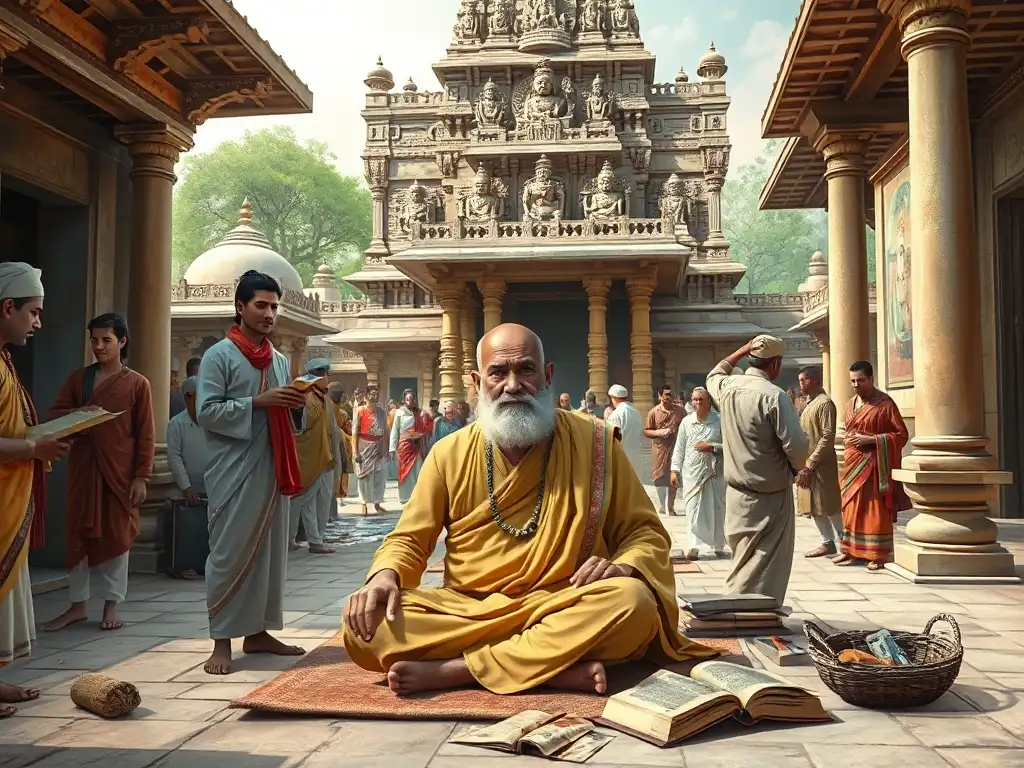
Introduction to Jainism in Ancient India
Jainism, one of the oldest religions in India, has played a significant role in shaping the cultural and spiritual landscape of ancient Indian civilizations. Rooted in the teachings of Mahavira, the 24th Tirthankara, Jainism emphasizes non-violence, truth, and asceticism as fundamental principles.
Its influence extended throughout various periods of Indian history, particularly during the Maurya and Gupta Empires, when the religion flourished and contributed to the broader tapestry of ancient Indian thought. This article aims to explore the historical context of Jainism during these pivotal empires, highlighting its principles, key figures, and the dynamics that facilitated its growth and spread.
Overview of Jainism and its Core Principles
Jainism is characterized by its commitment to ahimsa (non-violence), satya (truthfulness), and aparigraha (non-attachment). These principles not only govern the spiritual lives of Jains but also influence their interactions with the world around them. The core beliefs of Jainism can be summarized as follows:
- Non-violence (Ahimsa): A fundamental tenet that extends to all living beings, emphasizing compassion and respect for life.
- Truth (Satya): The pursuit of truth is paramount, and Jains are encouraged to speak truthfully and avoid falsehood.
- Asceticism: The practice of self-discipline and renunciation of worldly pleasures to achieve spiritual liberation.
These principles resonate throughout Jain texts and rituals, guiding adherents in their quest for spiritual enlightenment.
Importance of Jainism in Ancient Indian Religions
Jainism holds a unique position within the landscape of ancient Indian religions, contributing significantly to philosophical discourse and ethical practices. Its emphasis on non-violence influenced not only its followers but also other religious traditions, including Buddhism and Hinduism. The interplay of these religions during ancient times fostered an environment of rich dialogue and exchange of ideas, leading to a deeper understanding of moral and ethical living. Jainism’s contributions to art, architecture, and literature further underscore its importance in the cultural fabric of ancient India.
The Maurya Empire: A Crucial Period for Jainism
Historical Background of the Maurya Empire
The Maurya Empire (circa 322-185 BCE) marked a significant era in Indian history, characterized by extensive political unification and administrative sophistication. Founded by Chandragupta Maurya, the empire expanded under the rule of his grandson, Ashoka, who is particularly noted for his promotion of Buddhism. However, Jainism also experienced a period of growth during this time, as it found patronage among various sections of society, including merchants and rulers.
Key Figures in Jainism During the Maurya Period
The Maurya period saw several prominent figures in Jainism who played crucial roles in its development. Notable among them is Bhadrabahu, a revered Jain ascetic and scholar, who is credited with consolidating Jain teachings and practices during this era. His influence is evident in the Tattvartha Sutra, a foundational text that articulates Jain philosophy and ethics. Additionally, Jain laypersons like Srenika, the king of Magadha, provided significant support to the Jain community, facilitating the religion's growth.
Jainism’s Growth and Spread During the Maurya Empire
During the Maurya Empire, Jainism witnessed considerable expansion. The religion's appeal was bolstered by the Mauryan state's support, which provided a conducive environment for its practices and teachings. Jain communities flourished, establishing temples, monasteries, and educational institutions that promoted Jain philosophy. The interaction between Jain and Buddhist monastic traditions further enriched the spiritual landscape of the empire, allowing for a cross-pollination of ideas and beliefs.
The historical context of Jainism during the Maurya and Gupta Empires illustrates its integral role in shaping ancient Indian religious thought. Through the exploration of its principles, key figures, and the dynamics of its growth, we gain a deeper understanding of Jainism's enduring legacy in the rich tapestry of Indian history.
The Gupta Empire: Jainism’s Flourishing Era
Overview of the Gupta Empire and its Significance
The Gupta Empire, which flourished from approximately 320 to 550 CE, is often referred to as the "Golden Age" of India. This period was marked by significant advancements in science, mathematics, literature, and the arts, alongside a remarkable political stability that allowed for cultural and religious developments. The Guptas established a vast empire that encompassed much of northern and central India, promoting trade and cultural exchanges. This environment fostered a revival and flourishing of various religious traditions, including Jainism, which thrived under Gupta patronage.
The Gupta rulers, particularly Chandragupta I and his descendants, played a crucial role in creating a conducive atmosphere for Jainism. Their political acumen and economic prosperity allowed for greater support of religious practices and institutions, resulting in a resurgence of Jain philosophy and its teachings during this period. As a result, Jainism became increasingly integrated into the socio-cultural fabric of Indian society, drawing followers from diverse backgrounds.
Jainism's Recognition and Patronage Under the Guptas
During the Gupta Empire, Jainism received notable recognition and patronage from various rulers. While the Mauryan Empire, especially under Ashoka, had initially established a framework for religious tolerance and support for Jain communities, the Gupta period saw a more pronounced endorsement of Jainism by the empire's elite. Kings such as Samudragupta and Chandragupta II are documented to have supported Jain monks and scholars, facilitating the construction of temples and promoting the establishment of monastic orders.
This royal patronage not only elevated the status of Jainism but also encouraged the development of infrastructure, such as roads and trade routes, which were crucial for the dissemination of Jain teachings. Jain merchants flourished during this time, contributing to the economic prosperity of the empire and further intertwining Jainism with the broader Indian cultural milieu.
Jain Literature and Philosophy During the Gupta Period
The Gupta era was a prolific period for Jain literature and philosophy. Several important texts were composed during this time, contributing to the philosophical underpinnings of Jainism. The Tattvartha Sutra, attributed to Umaswati, is one of the most significant philosophical works that emerged during this period, providing a systematic exposition of Jain doctrines. This text bridged the gap between various sects of Jainism, offering a unified perspective on core beliefs.
In addition to philosophical texts, the period also witnessed the production of numerous commentaries and scriptures that elucidated Jain teachings. The artistic expressions of Jainism, including intricate temple architecture and sculpture, thrived as well, reflecting the complex philosophical ideas and the emphasis on non-violence and asceticism. The flourishing of art and literature during this time not only preserved Jain philosophy but also promoted its teachings in society at large.
Comparative Analysis: Jainism in Maurya vs. Gupta Empires

Similarities in the Development of Jainism
Both the Maurya and Gupta Empires played pivotal roles in the development of Jainism, showcasing remarkable similarities in their approaches to the religion. Under both empires, Jainism benefited from royal patronage, which facilitated the construction of temples and the establishment of monastic communities. The promotion of trade during these periods also allowed Jain merchants to thrive, thus expanding the religion's influence across broader geographic areas.
Furthermore, both empires emphasized the importance of non-violence, a core tenet of Jainism. This philosophical alignment with state policies encouraged the growth of Jain communities and practices. In both the Mauryan and Gupta contexts, Jainism emerged as a significant religious force, fostering a sense of identity among its followers.
Differences in Patronage and Practices
While Jainism experienced patronage from both empires, the nature and extent of this support differed significantly. During the Mauryan Empire, particularly under Emperor Ashoka, Jainism was part of a broader religious landscape that included Buddhism and Hinduism. Ashoka’s edicts promoted tolerance and respect for all religions, which included Jainism, but did not focus exclusively on it.
In contrast, the Gupta Empire exhibited a more targeted and enthusiastic patronage of Jainism. Gupta rulers actively endorsed Jain traditions, leading to a more pronounced integration of Jain practices within the cultural and political life of the empire. This era also saw the establishment of distinct Jain temples and the flourishing of Jain art, which were less prominent during the Mauryan period.
Impact on the Evolution of Jainism
The differing contexts of the Maurya and Gupta Empires significantly impacted the evolution of Jainism. Under the Mauryan Empire, Jainism laid the groundwork for its principles and practices, gaining a foothold in Indian religious life. However, it was during the Gupta period that Jainism truly flourished, benefiting from economic prosperity and a supportive political environment.
The Gupta era's emphasis on literature and philosophy led to the development of a more structured and codified Jain thought, with texts that would shape Jain practices for centuries to come. As a result, Jainism emerged not only as a religious tradition but also as a vital cultural force within Indian society, influencing various aspects of life, including ethics, governance, and art. This evolution marked a significant transition, positioning Jainism as a key player in the broader narrative of ancient Indian religions.
Conclusion: The Lasting Influence of Jainism in Maurya and Gupta History
Jainism played a pivotal role in shaping the cultural, philosophical, and ethical landscapes of ancient India during the Maurya and Gupta Empires. Its principles of non-violence (ahimsa), truth (satya), and asceticism resonated deeply with the societal values of the time, influencing not only religious practices but also the political and social frameworks.
The Mauryan Emperor Ashoka, in particular, is noted for his patronage of Jainism alongside Buddhism, promoting ideals of compassion and tolerance that are still revered today. The enduring impact of Jainism during this period can be seen in various aspects of Indian society, including art, literature, and governance.
The Gupta Empire, often referred to as the Golden Age of India, further solidified Jainism's place in history. The flourishing of trade and cultural exchanges during this era allowed Jain teachings to spread and integrate into the broader Indian philosophical discourse. The emergence of significant Jain literary works and temple architecture during the Gupta period underscores the religion's continued relevance and influence. Thus, the legacy of Jainism in Maurya and Gupta history is not merely a relic of the past but a living tradition that continues to inspire and shape contemporary Indian culture.
Reflection on Jainism’s Role in Shaping Ancient Indian Culture
Jainism's core tenets have significantly shaped the moral and ethical frameworks within ancient Indian culture. The emphasis on non-violence fostered a sense of respect for all living beings, which permeated various aspects of life, including agriculture and trade practices. This principle of ahimsa became a cornerstone of ethical conduct, influencing the vegetarian lifestyle that remains prevalent in many Indian communities today.
Moreover, Jain philosophy contributed to the development of philosophical inquiry and debate in ancient India. The dialectical methods employed by Jain thinkers encouraged a culture of critical thinking and intellectual exploration. This philosophical richness is evident in the extensive commentaries on Jain texts produced during the Maurya and Gupta periods, which engaged with and challenged prevailing ideas from other schools of thought, including Buddhism and Hinduism.
In terms of art and architecture, Jainism left an indelible mark on the cultural landscape of ancient India. The intricate carvings of Jain temples and the depiction of Tirthankaras (spiritual teachers) reflect the artistic prowess of the era, while also serving as a medium for conveying Jain teachings. Thus, Jainism not only influenced individual lives but also contributed to the broader cultural tapestry of ancient Indian civilization.
The Legacy of Jainism in Subsequent Indian History
The legacy of Jainism extends far beyond the Maurya and Gupta empires, continuing to influence Indian society in numerous ways. The principles of Jainism laid the groundwork for various social reform movements in later periods, advocating for non-violence and ethical living. These teachings found resonance during times of social upheaval, inspiring leaders and thinkers who sought to address issues of inequality and injustice.
In the medieval period, Jain communities played a crucial role in the economic and cultural life of India, particularly in trade and commerce. The wealth accumulated by Jain merchants allowed for the patronage of art, education, and the construction of magnificent temples that stand as testaments to their faith. This financial power ensured that Jainism remained a vital part of Indian culture, influencing regional practices and fostering a sense of community among followers.
Furthermore, the intellectual contributions of Jain scholars continued to be significant in the development of Indian philosophy, particularly in areas of logic and epistemology. The works of Jain philosophers influenced later schools of thought, ensuring that Jainism remained a relevant and respected tradition within the Indian philosophical landscape. Overall, the legacy of Jainism is characterized by its resilience and adaptability, enabling it to thrive through centuries of change.
Further Reading and Resources on Jainism in Maurya Gupta History
Recommended Texts and Scholarly Articles
- "Jainism: A Guide for the Perplexed": by Sherry Fohr - This book provides an accessible introduction to the principles and history of Jainism, with specific references to its development during the Maurya and Gupta periods.
- "The Jains" by Paul Dundas - A comprehensive overview of Jain history, philosophy, and culture, featuring discussions on the influence of Jainism in ancient Indian society.
- "Jainism and Indian Civilization" edited by N. M. S. S. S. N. Sharma - This collection of essays explores various aspects of Jainism's impact on Indian civilization, including its historical context during the Maurya and Gupta empires.
- "Jainism in India: A Historical Perspective": by Dr. Harshad S. Kothari - This scholarly article delves into the historical developments of Jainism, analyzing its significance during key periods.
Online Resources and Documentaries
- Jainpedia: An online resource dedicated to Jain history, philosophy, and culture, providing access to a wealth of information, including texts, images, and multimedia.
- Documentary: "The Jain Heritage": - This documentary explores the historical journey of Jainism, highlighting its contributions and influence throughout Indian history, particularly during the Maurya and Gupta empires.
- YouTube Channel: "Ancient Indian Religions": - Offers a series of lectures and discussions on Jainism, featuring expert insights into its principles and historical context.
- Institute of Jainology: A rich resource for research, publications, and educational materials related to Jainism, with a focus on its historical and cultural contributions.
These resources will provide readers with a deeper understanding of Jainism's role in Maurya Gupta history and its lasting influence on Indian civilization.
- Introduction to Jainism in Ancient India
- The Maurya Empire: A Crucial Period for Jainism
- The Gupta Empire: Jainism’s Flourishing Era
- Comparative Analysis: Jainism in Maurya vs. Gupta Empires
- Conclusion: The Lasting Influence of Jainism in Maurya and Gupta History
- Further Reading and Resources on Jainism in Maurya Gupta History
Frequently Asked Questions
What role did Jainism play during the Maurya Empire?
Jainism thrived during the Maurya Empire, particularly under Emperor Chandragupta Maurya and his grandson Ashoka, who promoted religious tolerance and supported Jain monastic communities.
How did the Gupta Empire influence Jainism?
The Gupta Empire saw a revival of Jainism, with patronage from rulers who favored Jain teachings, leading to a flourishing of art and literature related to Jain themes.
What were the key contributions of Jainism to Indian culture?
Jainism contributed significantly to Indian philosophy, art, and literature, emphasizing non-violence (ahimsa) and truth (satya), which influenced other religious traditions as well.
How did Jainism interact with other religions during these empires?
Jainism coexisted and interacted with Hinduism and Buddhism, often sharing philosophical concepts while maintaining its unique doctrines and practices.
What are some notable Jain figures from the Maurya and Gupta periods?
Key figures include Bhadrabahu, a prominent Jain monk during the Maurya period, and Vardhamana Mahavira, who is often associated with the strengthening of Jain teachings during this era.
Final Reflection: The Enduring Legacy of Jainism in Maurya and Gupta History
The historical significance of Jainism during the Maurya and Gupta Empires is not merely a relic of the past; it continues to resonate in today's society. As we explore the intricate tapestry of Jainism's influence on culture, philosophy, and ethics, we uncover a profound understanding of how these ancient teachings shape contemporary values. The principles of non-violence, truth, and asceticism that were championed during these empires remain crucial in our quest for harmony in a world often fraught with conflict.
The impact of Jainism transcends its historical context, weaving itself into the very fabric of Indian culture and beyond. Its teachings have inspired countless individuals and movements, fostering a deep respect for life and the interconnectedness of all beings. As Mahatma Gandhi once said, "> The greatness of a nation and its moral progress can be judged by the way its animals are treated." This sentiment echoes the core tenets of Jainism, reminding us that the ethical considerations rooted in this ancient faith are more relevant than ever in our modern discourse on compassion and sustainability.
As we reflect on the lessons drawn from Jainism's rich history, let us carry forward its timeless wisdom into our daily lives. I invite you to ponder how the values of non-violence and respect for all living beings can influence your actions and decisions. In a world that often prioritizes competition and aggression, embracing the principles of Jainism can empower us to create a more compassionate and just society. Together, let us honor the legacy of Jainism by integrating its teachings into our personal and communal lives, fostering a future where peace and understanding prevail.
Unveil the Timeless Teachings of Jainism!
Thank you for taking the time to explore the rich historical context of Jainism during the Maurya and Gupta Empires! We hope you found valuable insights that deepen your understanding of this incredible faith. Now, let’s take the next step together to engage with these teachings and share this knowledge with others.
Here are a few impactful actions you can take right now:
- Dive deeper into Jain philosophy by reading classic Jain texts or exploring modern interpretations to grasp their relevance in contemporary society.
- Share your newfound knowledge with friends or family; initiate a discussion about how Jain principles can inspire sustainable living and compassion in our world today.
- Join an online forum or community dedicated to Jain studies to connect with like-minded individuals and exchange insights about Jainism's significance throughout history.
What aspect of Jainism inspires you the most to adopt its teachings in your daily life?