
Marketplaces of Ancient India: A Deep Dive into Economic Hubs


Welcome to Ancient India History, where we invite you to embark on a fascinating journey through time, exploring the vibrant tapestry of ancient Indian civilizations. In this edition, we delve into the intriguing history of ancient Indian marketplaces, uncovering the bustling economic hubs that served as the backbone of trade and culture from the Indus Valley to the Gupta Empire.
What secrets do these marketplaces hold, and how did they shape the socio-economic landscape of their time? Join us as we unravel the stories behind these historical trade centers, igniting your curiosity to discover more about the rich legacy of ancient India.
- Introduction to Ancient Indian Marketplaces History
- The Evolution of Marketplaces in Ancient India
- Types of Ancient Indian Marketplaces
- Key Features of Ancient Indian Marketplaces
- Prominent Marketplaces in Different Eras
- Cultural and Social Aspects of Ancient Indian Marketplaces
- Challenges Faced by Ancient Indian Marketplaces
- Legacy of Ancient Indian Marketplaces
- Conclusion
-
Frequently Asked Questions
- What were the main characteristics of ancient Indian marketplaces?
- How did ancient Indian marketplaces contribute to the economy?
- What role did geography play in the location of ancient Indian marketplaces?
- How did ancient Indian marketplaces reflect cultural diversity?
- What was the impact of the Gupta Empire on ancient Indian marketplaces?
- Final Reflection: The Enduring Legacy of Ancient Indian Marketplaces
- Uncover Your Connection to Ancient Indian Marketplaces!
Introduction to Ancient Indian Marketplaces History
Exploring the rich tapestry of ancient Indian history reveals a fascinating landscape of economic practices, particularly through the lens of marketplaces. These bustling hubs of trade were not merely places for buying and selling goods; they were vibrant centers of social interaction, cultural exchange, and innovation.
The history of ancient Indian marketplaces is intertwined with the rise and fall of civilizations, showcasing the evolution of economic systems from the Indus Valley Civilization to the flourishing Gupta Empire. This article delves into the significance of these economic hubs, highlighting their role in shaping the social and cultural fabric of ancient India.
Overview of Economic Hubs in Ancient India
Ancient Indian marketplaces can be categorized into various types, each serving distinct functions and catering to different communities. Among the most notable hubs were:
- Urban Marketplaces: Found in major cities like Pataliputra and Taxila, these markets featured a wide array of goods, from spices and textiles to jewelry and pottery.
- Rural Markets: Smaller in scale, these local markets served the agricultural communities, allowing farmers to trade surplus produce for essential goods and services.
- Trade Routes and Caravansaries: Along significant trade routes, marketplaces emerged as vital stops for merchants. These hubs facilitated not just commerce, but also the exchange of ideas and cultural practices.
The geographical diversity of ancient India contributed to the unique characteristics of its marketplaces, with each region reflecting its local resources and cultural influences. For instance, the coastal cities thrived on maritime trade, connecting India to distant lands, while inland markets focused on agricultural products and handicrafts.
Importance of Marketplaces in Ancient Indian Society
The significance of marketplaces in ancient Indian society extends beyond economics; they played a crucial role in the social and cultural dynamics of the time. Marketplaces served as:
- Cultural Melting Pots: They were venues for cultural exchange, where people from various backgrounds interacted, shared stories, and celebrated festivals together.
- Centers for Innovation: Many business practices and trade techniques emerged in these environments, leading to advancements in economic theories and practices.
- Social Structures: Marketplaces often reflected the social hierarchy and organization of communities, with certain groups specializing in specific trades or crafts.
In essence, ancient Indian marketplaces were integral to the development of economic practices and systems, fostering not only trade but also community cohesion and cultural richness. The legacy of these vibrant hubs continues to influence modern economic practices in India today.
The Evolution of Marketplaces in Ancient India
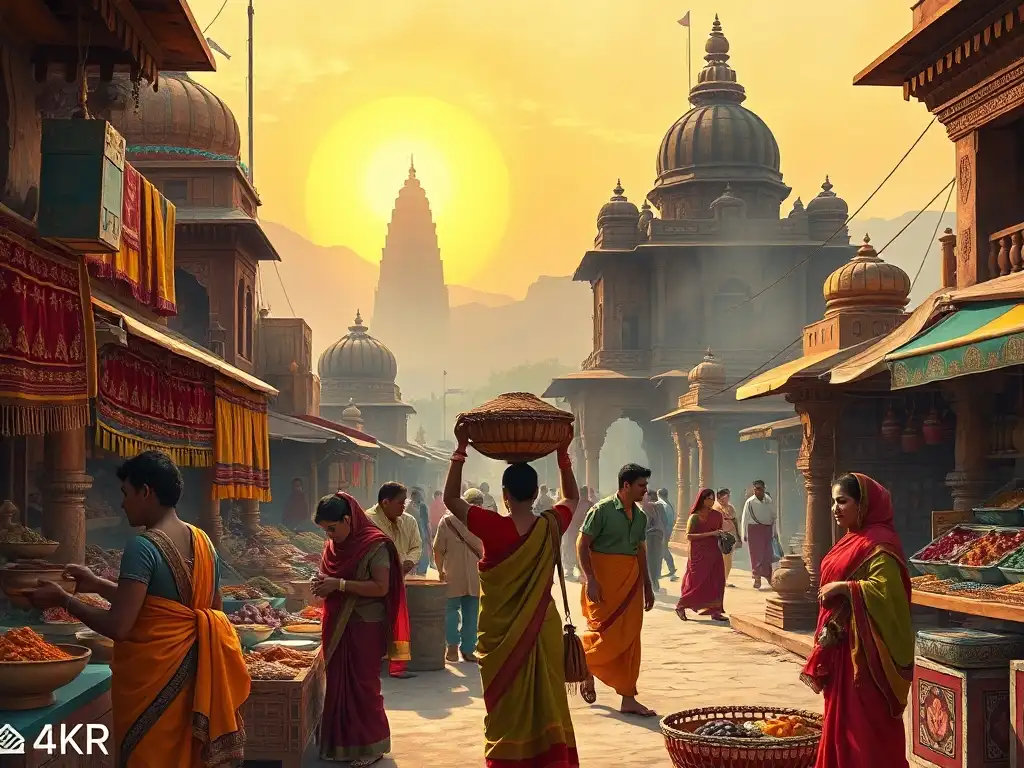
The evolution of marketplaces in ancient India reflects the dynamic economic practices and the intricate web of trade that characterized various civilizations. These marketplaces served not only as centers for the exchange of goods but also as cultural hubs that facilitated social interactions, the spread of ideas, and the development of urban centers.
Prehistoric Trade and Early Marketplaces
The roots of ancient Indian marketplaces can be traced back to prehistoric times when early humans engaged in barter systems. Archaeological evidence indicates that:
- Barter Systems: The exchange of goods and services without the use of currency was a common practice. For instance, communities would trade surplus crops for tools or other necessities.
- Trade Routes: The establishment of trade routes, both overland and maritime, began to take shape, connecting various regions and allowing for the exchange of goods like spices, textiles, and metals.
As societies evolved, the need for more organized trading systems became evident. Early marketplaces emerged in specific locations, often near water sources or crossroads, where traders could gather.
The Indus Valley Civilization: A Blueprint for Trade
The Indus Valley Civilization (c. 3300–1300 BCE) is renowned for its advanced urban planning and economic systems. Key features of its marketplaces include:
- Standardized Weights and Measures: The use of standardized weights, evidenced by stone weights found in archaeological sites, facilitated fair trade practices. This uniformity was crucial for maintaining trust among traders.
- Urban Centers: Major cities like Harappa and Mohenjo-Daro featured designated areas for market activities, with well-organized street layouts that accommodated both vendors and customers.
- Diverse Goods: Markets offered a wide variety of products, including pottery, jewelry, textiles, and agricultural produce, showcasing the region's industries.
The sophistication of the Indus Valley marketplaces set a precedent for future economic practices in India, influencing trade dynamics for centuries.
Marketplaces during the Vedic Period
The Vedic period (c. 1500–500 BCE) marked a significant transformation in the structure and function of marketplaces in ancient India. Key developments during this era included:
- Emergence of Currency: The introduction of metal coins, particularly silver and gold, revolutionized trade, allowing for more efficient transactions. This innovation led to the decline of barter systems and a more complex economy.
- Guilds and Trade Associations: The formation of guilds, known as srenis, played a crucial role in regulating trade practices, setting standards, and protecting the interests of merchants. These guilds also facilitated apprenticeships, ensuring the transmission of skills and knowledge.
- Cultural Exchange: Marketplaces became melting pots of cultures, where traders from different regions and backgrounds converged. This interaction not only boosted economic activity but also fostered cultural diversity and the spread of ideas.
Through the evolution of marketplaces, ancient India developed a rich tapestry of economic practices that laid the groundwork for future trade systems, ultimately contributing to its historical legacy as a center of commerce and culture.
Types of Ancient Indian Marketplaces
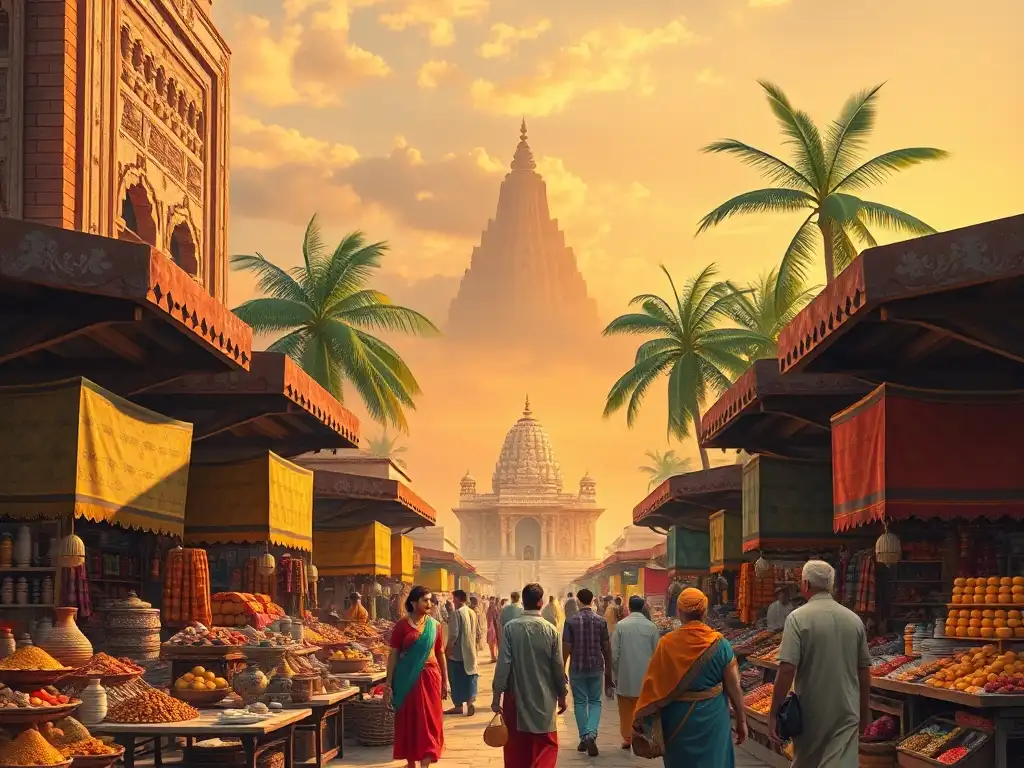
The marketplaces of ancient India were diverse and multifaceted, reflecting the various economic practices and cultural exchanges of the time. These marketplaces can broadly be categorized into three main types: urban marketplaces, rural marketplaces, and specialty markets. Each type served a unique role in the economic fabric of ancient Indian society, fostering trade, commerce, and social interactions.
Urban Marketplaces: Centers of Commerce
Urban marketplaces in ancient India were bustling hubs of activity, often located in major cities like Pataliputra, Mathura, and Ujjain. These marketplaces played a crucial role in facilitating trade among various regions and even with foreign traders.
- Structure and Layout: Urban marketplaces typically featured organized stalls and shops where merchants displayed their goods. The layout was often designed with specific zones dedicated to different types of products, such as textiles, spices, metalworks, and more.
- Economic Impact: These marketplaces contributed significantly to the local and regional economies. They enabled the exchange of not only goods but also ideas and cultures, with merchants from diverse backgrounds interacting and trading. For example, the city of Pataliputra was known for its vibrant marketplace that attracted traders from as far as the Mediterranean and Southeast Asia.
- Regulatory Framework: The urban marketplaces were often governed by local authorities who established rules to ensure fair trade practices. Merchants were required to pay taxes or fees to operate in these marketplaces, which contributed to the maintenance of public infrastructure.
Rural Marketplaces: Village Economies
Rural marketplaces catered to the needs of the agrarian society that constituted a large part of ancient India. These markets were often held on specific days of the week and served as vital economic centers for local communities.
- Functionality: Rural marketplaces facilitated the exchange of agricultural produce, livestock, and handicrafts. Farmers and artisans would gather to sell their goods and purchase essential supplies, creating a self-sustaining economy within the village.
- Social Interaction: These markets also served a social function, acting as gathering places where villagers could engage in discussions, share news, and participate in cultural activities. The weekly market day was often a lively event, filled with music, festivities, and community bonding.
- Examples: Notable rural marketplaces included those in regions like the Deccan Plateau, where farmers would bring their harvests to trade. The practice of bartering was common, allowing villagers to exchange goods without the need for currency.
Specialty Markets: Goods and Services
Specialty markets in ancient India were dedicated to specific types of goods and services, highlighting the diverse craftsmanship and localized economies of the time.
- Types of Specialty Markets: These included markets for textiles, spices, jewelry, and even medicinal herbs. Each specialty market catered to specific consumer needs, often attracting expert craftsmen and traders who were skilled in their respective fields.
- Cultural Significance: Specialty markets not only facilitated economic transactions but also played a role in cultural exchange. For instance, the spice markets in coastal cities were instrumental in connecting India with global trade routes, allowing Indian spices to reach distant lands, which in turn enriched the local culture.
- Trade Networks: The existence of specialty markets fostered extensive trade networks, both within India and with foreign traders. The Silk Road and maritime trade routes saw Indian goods being exchanged for silk, precious metals, and other commodities, demonstrating the intricate web of ancient economic practices.
The marketplaces of ancient India were vital to the economic landscape, each type serving specific functions and contributing to the rich tapestry of ancient Indian civilization. Understanding the ancient Indian marketplaces history provides insights into the economic systems that shaped societal interactions and cultural exchanges during that era.
Key Features of Ancient Indian Marketplaces
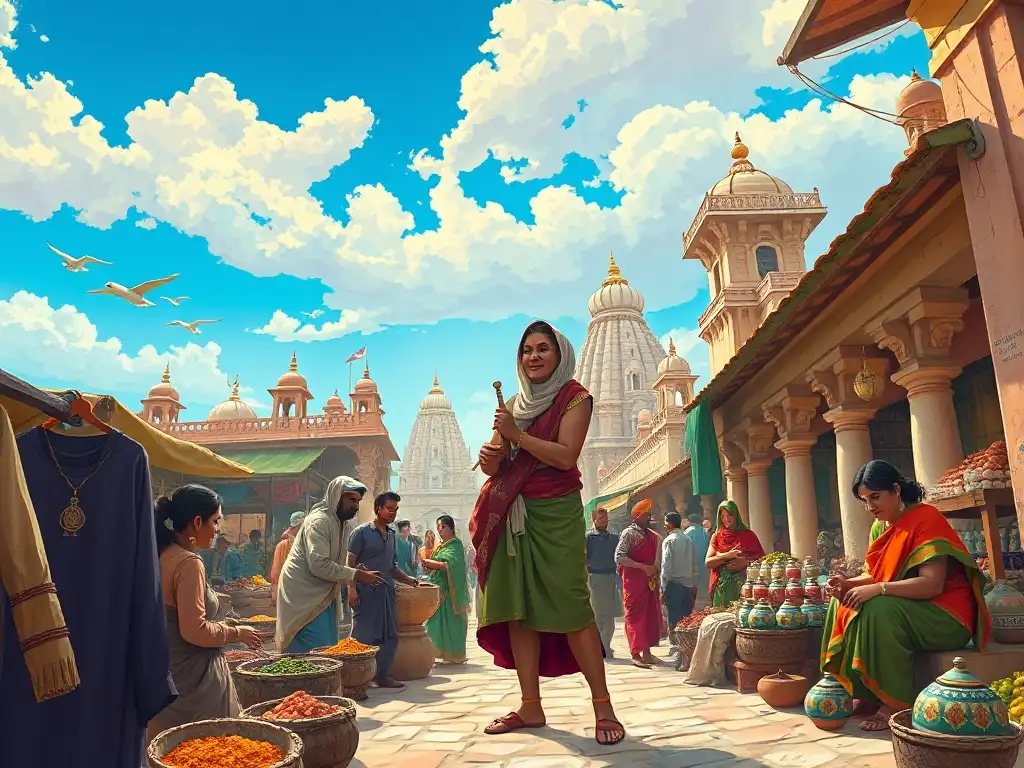
Ancient Indian marketplaces served as crucial economic and social hubs that facilitated trade and cultural exchange. These marketplaces were characterized by several key features, reflecting the diversity and richness of trade practices in ancient India. They were not just places for buying and selling goods; they also played a significant role in the community life, societal structures, and economic systems of the time.
Location and Infrastructure of Marketplaces
The location of ancient Indian marketplaces was strategically chosen to optimize trade and accessibility. Commonly situated near rivers, roads, and urban centers, these marketplaces were essential for connecting various regions. Key locations included:
- Urban Centers: Cities like Pataliputra, Taxila, and Varanasi hosted bustling marketplaces due to their population density and political significance.
- Trade Routes: Marketplaces were often located along important trade routes, facilitating the movement of goods over long distances. The Grand Trunk Road is a prime example, linking various regions and enabling trade between North and South India.
The infrastructure of these marketplaces was well-developed, featuring:
- Stalls and Shops: Merchants set up stalls or shops to display their goods, often organized by type (e.g., textiles, spices, jewelry).
- Open Spaces: Many marketplaces had large open areas for public gatherings, fairs, and cultural events, enhancing their role in social life.
- Water Supply and Sanitation: Some advanced marketplaces included wells and drainage systems, showcasing the importance of hygiene in trade practices.
Goods Traded in Ancient Indian Marketplaces
The diversity of goods traded in ancient Indian marketplaces reflects the vast economic landscape of the time. Key categories of goods included:
- Textiles: India was renowned for its textiles, such as silk from Varanasi and cotton from Gujarat. These textiles were often dyed and embroidered, making them highly sought after both domestically and internationally.
- Spices: Spices like pepper, cardamom, and turmeric were major trade commodities. The Spice Route played a crucial role in connecting India with the global market.
- Metals and Crafts: Artisans produced a variety of metal goods, jewelry, and pottery, which were traded extensively. The craftsmanship of ancient Indian artisans is still celebrated today.
- Agricultural Products: Staple crops like rice, wheat, and pulses were common in trade, often transported to urban areas to meet the demand.
| Goods Category | Notable Regions | Trade Influence |
|---|---|---|
| Textiles | Varanasi, Gujarat | High demand in trade routes |
| Spices | Kerala, Tamil Nadu | Key export commodities |
| Metals and Crafts | Southern India | Cultural significance |
| Agricultural Products | Punjab, Bengal | Essential for urban supply |
Currency and Barter Systems in Ancient India
In ancient India, trade was facilitated by a combination of currency and barter systems, reflecting the evolving economic practices of the time.
- Barter System: Initially, goods were exchanged directly through barter, where traders would negotiate the value of items based on mutual need. This system required a double coincidence of wants, making trade somewhat limited.
- Currency Development: Over time, the use of currency emerged, with various forms being utilized:
- Cowrie Shells: These were among the earliest forms of currency in India, widely accepted due to their availability and ease of transport.
- Metal Coins: The introduction of metal coins, such as the punch-marked coins during the Mahajanapada period, revolutionized trade. These coins were standardized in weight and stamped with symbols, enhancing their value and trust among traders.
The use of currency significantly improved trade efficiency, allowing for more complex transactions and the expansion of marketplaces.
The ancient Indian marketplaces history showcases a rich tapestry of economic practices where location, infrastructure, diverse goods, and evolving currency systems played pivotal roles in shaping the trade landscape of ancient civilizations.
Prominent Marketplaces in Different Eras
The history of ancient Indian marketplaces reveals a vibrant tapestry of economic activity that varied across different eras. These marketplaces served not only as centers of commerce but also as social and cultural hubs, facilitating the exchange of goods, ideas, and traditions. Below, we explore the prominent marketplaces during significant periods of ancient Indian history.
Marketplaces of the Mauryan Empire
The Mauryan Empire (circa 322–185 BCE) was one of the largest and most influential empires in ancient India. Its marketplaces were characterized by their organization and scale, reflecting the sophisticated economic systems of the time.
Key Features of Mauryan Marketplaces:
- Location and Accessibility: Most marketplaces were strategically located along trade routes, making them accessible for merchants and consumers alike.
- Diverse Goods: These markets offered a variety of goods, from textiles and spices to metals and agricultural products. The presence of guilds also ensured quality and standardization of products.
- Standardized Weights and Measures: The Mauryan administration implemented standardized weights and measures, which facilitated fair trade practices and helped maintain economic order.
Notable Marketplaces:
- Pataliputra: The capital city, known for its bustling bazaars, was a central hub for trade, connecting different regions of the empire.
- Ujjain: A significant trade center, particularly for the exchange of spices and textiles, Ujjain was a vital link in the trade routes between the east and west.
Trade Centers during the Gupta Empire
The Gupta Empire (circa 320–550 CE) is often referred to as the "Golden Age" of India, marked by significant advancements in art, science, and trade. The marketplaces during this era showcased the economic prosperity and cultural richness of the period.
Characteristics of Gupta Marketplaces:
- Urbanization: The growth of urban centers led to the establishment of larger and more organized marketplaces.
- Cultural Exchange: These marketplaces became melting pots of different cultures, facilitating not only the exchange of goods but also ideas and innovations.
- Emergence of Coinage: The Gupta period saw the introduction of gold coins, which enhanced trade efficiency and encouraged commerce.
Prominent Trade Centers:
- Taxila: A renowned center of trade and learning, Taxila attracted merchants from various regions, including Central Asia and the Middle East.
- Nalanda: While primarily known as an educational hub, Nalanda also had thriving markets that catered to students and travelers, offering a range of goods from books to food.
Notable Marketplaces in South India
South India, with its rich cultural heritage and strategic coastal location, had vibrant marketplaces that played a crucial role in the region's economy.
Features of South Indian Marketplaces:
- Maritime Trade: The coastal cities engaged in extensive maritime trade with foreign lands, including Southeast Asia, facilitating the exchange of spices, textiles, and other goods.
- Local Specialties: Each region had its own specialties, such as silk from Kanchipuram and spices from Malabar, making these marketplaces unique in their offerings.
Significant Marketplaces:
- Kanchipuram: Known for its silk weaving, Kanchipuram's markets attracted traders from across the subcontinent and beyond.
- Kochi: As a prominent port city, Kochi was a bustling marketplace where goods from various cultures converged, making it a vital economic hub in ancient times.
By examining these prominent marketplaces in different eras, we gain valuable insights into the economic practices and systems of ancient India. The evolution of these marketplaces reflects the dynamic nature of trade and cultural exchange that shaped the civilization throughout its history.
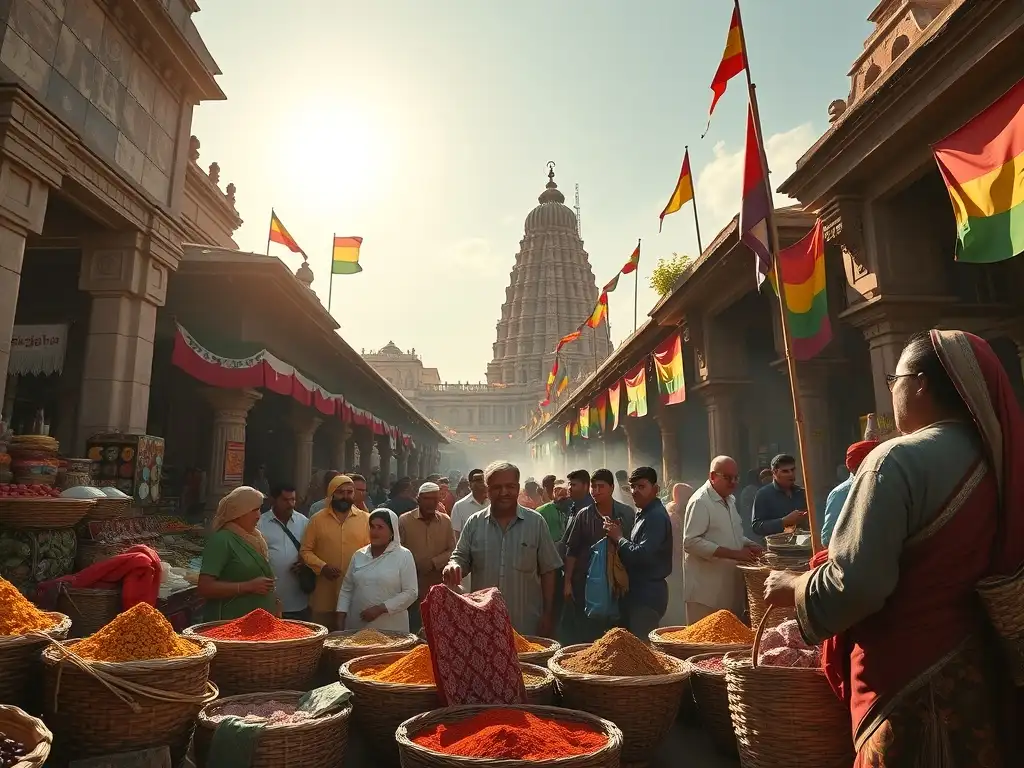
Ancient Indian marketplaces were not merely economic hubs; they were vibrant centers of social interaction, cultural exchange, and community bonding. These marketplaces played a crucial role in shaping the societal dynamics of their time, reflecting the cultural values and practices of various ancient Indian civilizations.
Marketplaces served as essential venues for social gatherings, where people from diverse backgrounds converged to trade goods, share news, and engage in discussions. They facilitated not only the exchange of products but also ideas and cultural practices. In many cases, these interactions fostered a sense of community among traders and consumers.
- Civic Engagement: Marketplaces were often located in central urban areas, making them accessible to a wide range of people. This proximity encouraged civic engagement and the formation of social networks.
- Cultural Exchange: Merchants traveling from different regions brought with them unique goods and cultural practices, contributing to a rich tapestry of cultural exchange. For example, the spice trade attracted traders from distant lands, fostering interactions that influenced local customs and traditions.
- Social Stratification: The organization of marketplaces also reflected the social hierarchy of ancient Indian society. Different sections of the marketplace often catered to various social classes, indicating the economic stratification present in these communities.
Festivals and Fairs: Economic and Cultural Significance
Festivals and fairs were integral to the functioning of ancient Indian marketplaces, blending economic activity with religious and cultural significance. These events attracted large crowds and were characterized by lively festivities, trade, and communal celebrations.
- Economic Boost: Festivals provided a temporary surge in marketplace activity, with artisans, merchants, and farmers showcasing their products. This seasonal influx of trade created opportunities for small-scale producers and contributed to the local economy.
- Cultural Practices: Fairs were often linked to religious observances or seasonal changes. For instance, the Kumbh Mela, one of the largest religious gatherings in the world, also included extensive trading activities, with sellers offering everything from sacred items to everyday goods.
- Community Bonding: Such events fostered community bonding as people gathered to celebrate, trade, and partake in cultural activities, reinforcing social ties and shared identities.
Gender Dynamics in Ancient Marketplaces
The role of gender in ancient Indian marketplaces reflects the complexities of societal norms and economic practices. While men predominantly occupied roles as merchants and traders, women also played significant, if often less visible, roles in these economic hubs.
- Women as Traders: Evidence suggests that women participated in trade, particularly in local markets. They often sold textiles, pottery, and food items, contributing significantly to household incomes.
- Social Restrictions: Despite their participation, women faced social restrictions that limited their visibility in public marketplaces. Their roles were often confined to specific goods and informal trading, reflecting broader societal attitudes toward gender.
- Cultural Representations: Artistic depictions from ancient texts and sculptures often illustrate women engaging in marketplace activities, highlighting their importance in the economic landscape despite prevailing gender norms.
The cultural and social aspects of ancient Indian marketplaces were multifaceted, encapsulating the complexities of trade, community, and identity. These marketplaces served as vibrant centers of interaction, significantly impacting the cultural fabric of ancient Indian society.
Challenges Faced by Ancient Indian Marketplaces
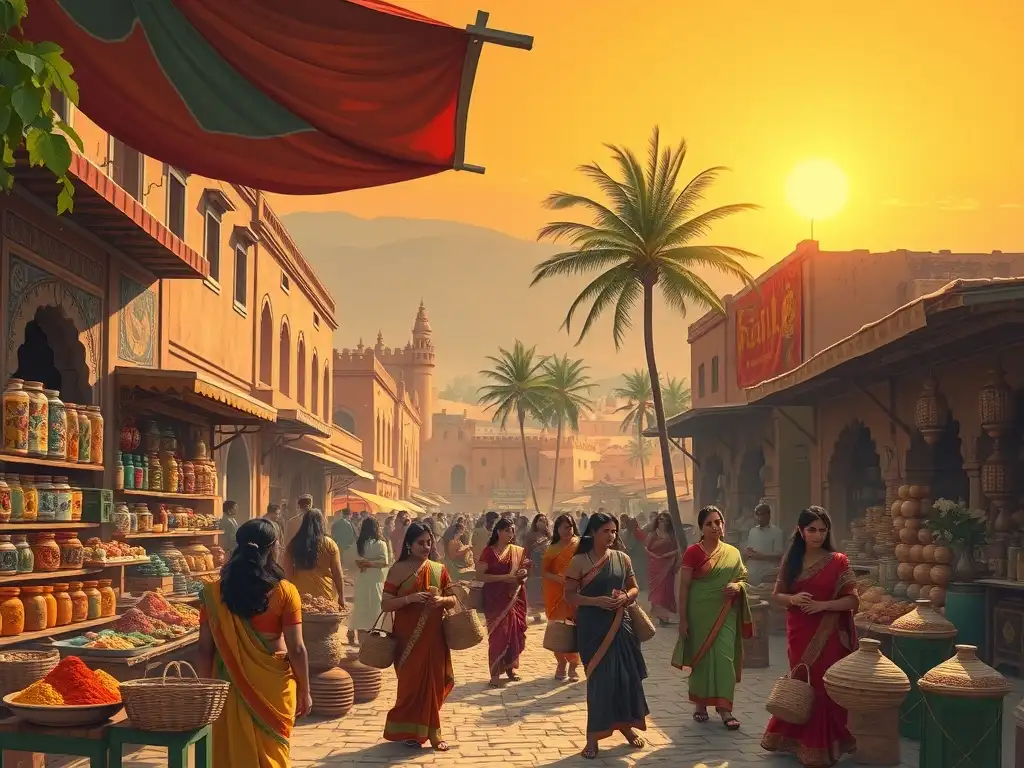
Ancient Indian marketplaces were vibrant centers of trade and economic activity, but they faced several challenges that impacted their growth and sustainability. Understanding these challenges is essential to grasp the overall landscape of ancient Indian marketplaces history. This section will delve into the economic, political, and environmental factors that shaped the conditions of these bustling hubs.
Economic Factors Affecting Trade
Economic factors played a pivotal role in the functionality and expansion of ancient Indian marketplaces. These factors included:
- Currency Fluctuations: The use of various currencies, from cowrie shells to metal coins like the punch-marked coins, could lead to fluctuations in trade value. Different regions adopted distinct currencies, complicating trade transactions.
- Supply and Demand Dynamics: The availability of goods often dictated market prices. For example, a surplus of spices in the South could lower prices, while scarce commodities like precious stones would inflate values in the North.
- Trade Routes: The accessibility and safety of trade routes significantly influenced market activities. Major trade routes, such as the Silk Road and those leading to the Mediterranean, facilitated the exchange of goods but were subject to interruptions due to various challenges.
- Market Regulations: Local rulers and governing bodies often imposed tariffs and taxes on traders, which could deter participation in marketplaces. Regulations varied significantly across regions, impacting the competitiveness of local markets.
Political Instability and Its Impact on Marketplaces
Political instability in ancient India often had dire consequences for marketplaces. Key issues included:
- Invasions and Warfare: Frequent invasions by foreign powers, such as the Greeks and later the Central Asian nomads, disrupted trade routes and instilled fear among traders, leading to decreased marketplace activity. For instance, the conquests of Alexander the Great in the 4th century BCE brought significant turmoil to trade in the North-Western regions.
- Regional Conflicts: Internal strife among local kingdoms often led to warfare, which could devastate marketplaces. The competition for resources and dominance between states, such as the Mauryan and Gupta Empires, shaped the economic landscape.
- Administrative Changes: Shifts in governance could bring about changes in trade policies. For example, the rise and fall of empires like the Mauryas and Guptas affected the stability of markets due to changes in taxation and trade regulation.
- Corruption and Bureaucracy: Inefficiency and corruption within local administrations could lead to unfair taxation and market manipulation, further hindering the economic activity in these marketplaces.
Natural Disasters and Market Resilience
Ancient Indian marketplaces also had to contend with the unpredictable nature of the environment. Some critical challenges included:
- Monsoons and Flooding: The monsoon season, while crucial for agriculture, could lead to catastrophic flooding. Marketplaces located near rivers often faced disruptions, causing loss of goods and trader livelihoods.
- Droughts: Conversely, droughts could lead to food shortages, which would inflate prices and reduce market activity. Areas heavily reliant on agriculture, like the Indus Valley, experienced significant economic strain during prolonged dry spells.
- Earthquakes and Geological Events: Regions along tectonic plates were prone to earthquakes that could destroy infrastructure, including marketplaces. Historical evidence suggests that cities like Harappa faced decay due to significant seismic activity.
- Adaptation and Resilience: Despite these challenges, ancient Indian marketplaces showcased resilience. Traders often adapted by diversifying their goods or finding alternative routes. Additionally, community support systems helped mitigate the impacts of disasters, ensuring that trade could resume as quickly as possible after disruptions.
Understanding these challenges provides insight into the complexities of ancient Indian marketplaces, highlighting their significance within the broader context of trade and economic practices in ancient India. The interrelations between economic factors, political conditions, and environmental challenges contributed to the dynamic nature of these trading hubs.
Legacy of Ancient Indian Marketplaces
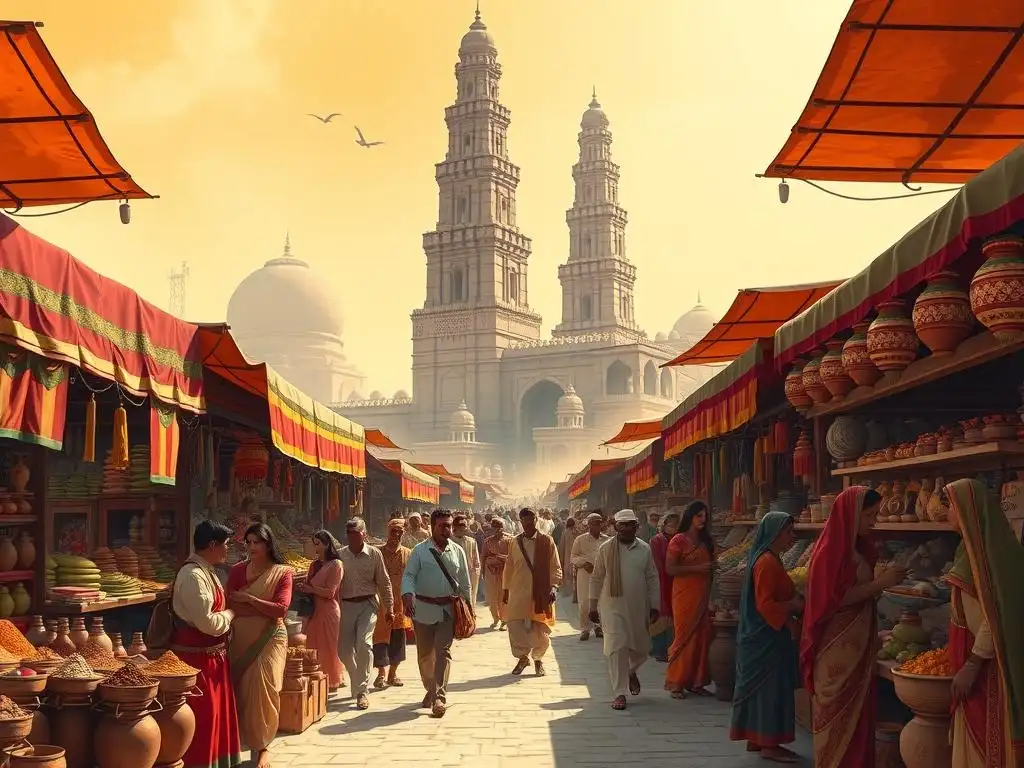
The marketplaces of ancient India were not merely centers of economic activity; they were vibrant hubs of culture, innovation, and social interaction. These marketplaces served as the backbone of ancient Indian economies, facilitating trade across vast distances and connecting diverse communities. The legacies left by these ancient economic systems continue to resonate in modern India, influencing trade practices and cultural exchanges.
Influence on Modern Indian Trade Practices
Ancient Indian marketplaces played a crucial role in shaping trade practices that persist today. The concept of mandis (markets) can trace its roots back to these vibrant economic hubs, where merchants would gather to exchange goods ranging from spices and textiles to precious metals.
- Trade Routes Development: The intricate trade routes established during ancient times, such as the Silk Road, laid the groundwork for contemporary trade networks. These routes not only connected India with regions like Central Asia and the Middle East but also facilitated cultural exchanges that enriched the Indian subcontinent.
- Merchant Guilds: Ancient Indian traders often formed guilds, known as shrenis, which provided a structured framework for commerce. These guilds established standards for trade, quality control, and dispute resolution, practices that continue to influence modern business associations and trade regulations.
- Barter System: The barter system prevalent in ancient marketplaces has evolved into modern trade practices, but its core principle of direct exchange remains relevant. Many local markets in India still operate on a barter basis, especially in rural areas, reflecting the enduring legacy of ancient economic practices.
Preservation of Marketplace Traditions in Contemporary India
The rich traditions of ancient Indian marketplaces are preserved in various forms throughout contemporary India. These traditions not only highlight the historical significance of these marketplaces but also emphasize their cultural importance.
- Local Bazaars: Many local bazaars across India, such as the famous Chandni Chowk in Delhi or the Johari Bazar in Jaipur, echo the bustling atmosphere of ancient marketplaces. These areas continue to serve as vital centers for trade, showcasing a mix of traditional crafts, local produce, and artisanal goods.
- Festivals and Fairs: Annual fairs and festivals, such as the Poush Mela in West Bengal or the Surajkund Mela in Haryana, celebrate the spirit of ancient marketplaces. These events attract artisans and traders from various regions, reflecting the historical significance of trade and commerce in Indian culture.
- Culinary Traditions: The diverse culinary offerings in modern Indian markets can also be traced back to ancient times. Street food vendors today often serve dishes that have roots in ancient recipes, showcasing the continuity of culinary practices that originated in ancient marketplaces.
The legacy of ancient Indian marketplaces is a testament to the ingenuity and resilience of Indian civilizations. Their influence on modern trade practices and the preservation of marketplace traditions highlight the enduring impact of these economic hubs on India's cultural and economic landscape.
Conclusion
Summary of Ancient Indian Marketplaces History
The ancient Indian marketplaces played a crucial role in shaping the economic landscape of the subcontinent. From the bustling streets of the Indus Valley Civilization, where sophisticated urban planning facilitated trade, to the vibrant bazaars of the Mauryan and Gupta Empires, these hubs were the lifeblood of commerce.
Key Elements of Ancient Indian Marketplaces:
- Location and Infrastructure: Many marketplaces were strategically located along trade routes, both land and maritime, which facilitated the movement of goods. For instance, the city of Pataliputra served as a major trading center due to its proximity to the Ganges River.
- Goods and Services: Ancient Indian marketplaces were diverse, offering everything from spices, textiles, and jewelry to agricultural products. The trade of luxury items, such as silk and precious stones, was especially prominent.
- Cultural Exchange: Marketplaces were not just economic hubs; they were melting pots of culture and ideas. Merchants from different regions interacted, leading to a rich exchange of traditions, languages, and practices.
- Regulations and Governance: The regulation of trade was vital. Ancient texts, such as the Arthashastra by Kautilya, detail the importance of market oversight to ensure fair trade practices and the collection of taxes.
These elements collectively illustrate how ancient Indian marketplaces were intricate systems that supported economic growth, cultural exchange, and social interaction.
The Lasting Impact of Economic Hubs on Indian Civilization
The impact of ancient Indian marketplaces extends beyond their time, influencing modern economic practices and cultural norms. Here are some of the key lasting effects:
- Economic Systems: The principles of trade established in ancient marketplaces laid the groundwork for contemporary economic systems in India. The emphasis on regulated trade, fair pricing, and the role of merchants can be seen in today's market practices.
- Urban Development: The layout and infrastructure of ancient marketplaces have influenced urban planning in modern Indian cities. Many contemporary marketplaces still reflect the spatial organization seen in ancient times, showcasing a continuity of urban economic practices.
- Cultural Identity: The rich tapestry of goods and services exchanged in these marketplaces contributed to a diverse cultural identity that persists today. Festivals, crafts, and culinary traditions can trace their roots back to the vibrant interactions in ancient economic hubs.
- Global Trade Networks: Ancient Indian marketplaces were integral to global trade, connecting India with regions such as the Mediterranean, Southeast Asia, and beyond. This legacy of trade continues, as India remains a key player in global markets.
The history of ancient Indian marketplaces not only reflects the economic practices of their time but also highlights their significant role in shaping the social, cultural, and economic landscape of India. The legacies of these hubs are evident in the modern Indian economy, demonstrating the profound and lasting impact of these vibrant centers of exchange.
Frequently Asked Questions
What were the main characteristics of ancient Indian marketplaces?
Ancient Indian marketplaces were vibrant economic hubs characterized by diverse goods, bustling trade, and cultural exchanges. They played a crucial role in the local economy and facilitated interactions between different communities.
How did ancient Indian marketplaces contribute to the economy?
These marketplaces served as centers for trade and commerce, allowing for the exchange of goods such as spices, textiles, and metals. Their existence fostered economic growth and helped establish trade routes both domestically and internationally.
What role did geography play in the location of ancient Indian marketplaces?
The location of marketplaces was often influenced by geographical features such as rivers, trade routes, and proximity to agricultural areas. These factors ensured that the marketplaces were accessible and could thrive with a variety of goods.
How did ancient Indian marketplaces reflect cultural diversity?
Ancient Indian marketplaces were melting pots of cultural exchange, where people of various backgrounds came together. This diversity is reflected in the variety of products, languages spoken, and the cultural practices observed in these bustling hubs.
What was the impact of the Gupta Empire on ancient Indian marketplaces?
The Gupta Empire significantly enhanced the role of marketplaces by promoting trade, establishing standardized weights and measures, and ensuring political stability. This period saw a flourishing of economic activity, leading to increased prosperity in ancient Indian cities.
Final Reflection: The Enduring Legacy of Ancient Indian Marketplaces
The exploration of ancient Indian marketplaces reveals their profound significance in shaping economic and cultural exchanges that resonate even today. As we navigate a world increasingly defined by globalization and digital commerce, the historical context of these bustling hubs serves as a reminder of the intricate networks of trade that have always connected communities. The vibrancy of these marketplaces was not merely about the exchange of goods but also the sharing of ideas and cultures, highlighting the timeless nature of human interaction and collaboration.
The influence of ancient Indian marketplaces extends far beyond their historical context; they have laid the foundation for modern economic practices and social structures. These ancient hubs were melting pots of diversity, fostering an environment where various cultures converged, and ideas flourished. As we reflect on this rich tapestry, we are reminded of the words of Mahatma Gandhi: A nation's greatness is measured by how it treats its weakest members.
This sentiment echoes the importance of inclusivity and community that was central to the functioning of these marketplaces, urging us to consider how we can apply these principles in our contemporary society.
As we conclude this exploration, I invite you to reflect on the lessons learned from the ancient marketplaces of India and consider how they can inform your own life and community. What can we learn from the past about fostering connections and supporting local economies today?
Embrace the spirit of collaboration and inclusivity that characterized these economic hubs, and let it inspire you to create spaces in your own life where ideas and cultures can flourish. The legacy of ancient Indian marketplaces is not just a chapter in history; it is a call to action for us all to build a more interconnected and compassionate world.
Uncover Your Connection to Ancient Indian Marketplaces!
Thank you for taking the time to explore the rich tapestry of ancient India's economic hubs! You’ve gained valuable insight into how these vibrant marketplaces shaped trade and culture. Now it’s time to harness that knowledge and dive deeper into your own exploration of history and commerce.
Here’s how you can continue your journey:
- Visit Local Libraries or Museums: Discover resources or exhibits related to ancient trade systems, and uncover hidden gems that connect to the marketplaces of India.
- Join Online Forums or Social Media Groups: Engage with fellow history enthusiasts to exchange insights and discuss your favorite aspects of ancient commerce.
- Share Your Findings: Write a blog post or social media update about a particular marketplace that intrigued you. Inspire others to learn more!
What aspect of ancient Indian marketplaces surprises you the most, and how could it influence our understanding of trade today?