
Inscriptions as a Reflection of Gender Roles in Ancient Indian Society

Welcome to Ancient India History, where we delve into the rich tapestry of a civilization that has shaped the world through its remarkable contributions. In our featured article, “Inscriptions as a Reflection of Gender Roles in Ancient Indian Society,” we uncover the profound insights that ancient texts offer about the dynamics of gender within these early cultures. What can the carvings and writings of the past teach us about the lives of women and men in ancient India?
Join us on this captivating journey as we explore the intricate roles and responsibilities defined by society, and discover how these historical narratives continue to resonate today. Your adventure into the depths of history begins here!
Introduction to Gender Roles in Ancient Indian Society
The exploration of gender roles in ancient Indian society reveals a complex tapestry of social norms, expectations, and behaviors that shaped the lives of individuals from various strata of civilization. Inscriptions serve as crucial historical documents that provide insight into the social structures and dynamics of ancient India, reflecting the prevailing attitudes towards gender and the roles assigned to men and women.
By examining these inscriptions, scholars can glean valuable information about the expectations, responsibilities, and cultural significance of gender within this rich historical context. This article delves into the diverse aspects of gender roles as mirrored in inscriptions, shedding light on how these ancient texts contribute to our understanding of social dynamics in various Indian civilizations.
Overview of Gender Roles in Historical Context
Throughout ancient Indian history, gender roles were influenced by various factors, including religious beliefs, economic conditions, and cultural practices. Women often held significant positions in society, particularly in the early Vedic period, where they participated actively in rituals and were acknowledged for their intellectual contributions. However, as time progressed, particularly during the later Vedic and post-Vedic periods, societal norms began to shift, imposing stricter roles on women.
- Key Aspects of Gender Roles:
- Patriarchal Structures: Dominance of male authority in family and society.
- Women's Roles: Traditionally focused on domestic duties, yet varying by region and time.
- Religious Significance: Women often revered in religious texts, yet constrained in public life.
Understanding these historical changes is essential for interpreting the inscriptions that document these evolving roles, showcasing both the achievements and limitations faced by women in ancient Indian society.
Importance of Inscriptions in Understanding Gender Dynamics
Inscriptions serve as vital sources of information for historians and archaeologists, offering a glimpse into the societal values and norms of ancient India. They encapsulate a range of topics, from royal decrees to personal commemorations, and often reflect the gender dynamics at play during their time of creation.
- Significance of Inscriptions:
- Documentary Evidence: Provide concrete examples of gender roles and societal expectations.
- Cultural Reflections: Highlight how gender roles were perceived and institutionalized.
- Change Over Time: Illustrate the evolution of gender dynamics across different periods.
By analyzing these texts, researchers can identify patterns and shifts in gender roles, contributing to a more nuanced understanding of ancient Indian society.
Historical Significance of Inscriptions in Ancient India
The role of inscriptions in documenting the historical narrative of ancient India cannot be overstated. These artifacts are not merely relics of the past; they are windows into the lives of individuals and the structures that governed them.
Role of Inscriptions in Documenting Social Structures
Inscriptions often served as records of social hierarchies, detailing the relationships between various classes, castes, and genders. They illuminate how power was distributed within society and how gender influenced one's social standing.
- Social Hierarchies:
- Caste System: Reflects the rigid social stratifications.
- Gender Influence: Documents how gender roles intersected with caste and class.
- Cultural Norms: Illustrate the prevailing attitudes towards various societal roles.
By examining these inscriptions, we can better understand the complexities of social structures and the integral role that gender played in shaping them.
Inscriptions as Primary Sources for Gender Studies
In the realm of gender studies, inscriptions offer invaluable primary sources that help reconstruct the lived experiences of men and women in ancient India. They provide evidence of women's agency, participation, and representation in various aspects of life, from religion to governance.
- Critical Insights:
- Women's Agency: Instances where women were acknowledged in inscriptions, indicating their roles beyond domesticity.
- Religious Texts: Often include references to goddesses and female figures, underscoring their importance in cultural narratives.
- Legal Texts: Highlight women's rights and responsibilities, offering insights into their status in society.
Through these lenses, inscriptions become essential tools for unpacking the multifaceted nature of gender roles in ancient Indian society, allowing historians to piece together a more comprehensive narrative of the past.
Types of Inscriptions Reflecting Gender Roles
In ancient India, inscriptions served as a vital medium for documenting various aspects of society, including the delineation of gender roles. These inscriptions can be broadly classified into three main categories, each reflecting different dimensions of gender dynamics: religious inscriptions, royal edicts, and commercial inscriptions. Each category offers unique insights into how gender was perceived and represented in ancient Indian society, allowing historians to piece together the social fabric of the time.
Religious Inscriptions and Their Gender Implications
Religious inscriptions often provide a window into the spiritual and social status of women in ancient Indian society. Many temples and sacred sites bore inscriptions that detailed the roles of women in religious practices, including their participation in rituals and contributions to temple economies. For instance, inscriptions from temples in South India frequently mention women as devadasis, or temple dancers, who held a significant yet often ambiguous status within society.
These inscriptions highlight a duality in gender roles: while women were celebrated as custodians of religious traditions, their positions were often tied to patriarchal structures. Moreover, the presence of goddesses in these inscriptions indicates a reverence for feminine divine power, which coexisted with the more restrictive roles assigned to women in secular contexts. Thus, religious inscriptions underscore the complex interplay between spirituality and gender, revealing both empowerment and limitations.
Inscriptions from Royal Edicts and Their Gender Perspectives
Royal edicts, inscribed on pillars and stones, reflect the political views of rulers regarding gender roles. These inscriptions often articulated laws and regulations that affected women's rights, inheritance, and social status. For example, the Ashoka Edicts provide insight into the treatment of women within the Mauryan Empire, emphasizing moral conduct and familial responsibilities as central to their roles.
Furthermore, some royal inscriptions celebrate the achievements of queens and women in power, suggesting that while patriarchal norms predominated, there were instances where women could rise to prominence. The inscriptions often emphasize the role of queens as mediators of power, illustrating how gender could intersect with authority in specific contexts. These insights reveal a nuanced understanding of gender roles where women could hold influence, albeit within a framework controlled by male rulers.
Commercial Inscriptions and Women's Economic Roles
Commercial inscriptions shed light on women's economic contributions and their roles in trade and commerce. Inscriptions found in urban centers often document transactions involving women, indicating their active participation in economic life. For instance, women are frequently mentioned as merchants, artisans, or landowners, which suggests a degree of economic agency that contrasts with their limited political power.
Additionally, some inscriptions detail partnerships between men and women in business ventures, reflecting collaborative roles in economic activities. This dual representation reveals that while societal norms might restrict women's participation in certain areas, they were nonetheless integral to the economic fabric of ancient Indian society. The presence of women in commercial inscriptions highlights their contributions to household economies and their involvement in broader market transactions.
Analysis of Gender Roles in Ancient Indian Society Through Inscriptions
The analysis of gender roles in ancient Indian society through inscriptions reveals intricate patterns of representation and socio-cultural dynamics. By examining these inscriptions, historians can discern not only the prescribed roles of men and women but also the shifting attitudes towards gender throughout different periods.
Representation of Women in Inscriptions
Women are often depicted in inscriptions as figures of devotion, beauty, and moral virtue. However, their representation is not uniform; it varies significantly by region, period, and context. Inscriptions celebrating women often highlight their roles in religious activities, such as temple rituals and festivals, suggesting that women’s identities were closely tied to their familial and spiritual duties.
Moreover, the language used in these inscriptions can convey both admiration and objectification. For example, inscriptions may laud a woman's beauty or piety while simultaneously reinforcing her subordinate status within the family structure. This duality illustrates the complexities of female representation, where admiration coexists with limitations imposed by societal norms.
Men's Roles as Depicted in Historical Inscriptions
Men's roles in inscriptions are typically associated with authority, governance, and military prowess. Inscriptions often celebrate kings and warriors, emphasizing their achievements and contributions to statecraft. This portrayal reinforces the idea of masculinity as a marker of social status and power, with men depicted as protectors and providers.
In contrast to the nuanced representations of women, men's roles are often depicted in more straightforward terms, focusing on their public and political identities. This emphasis on male authority in inscriptions highlights the patriarchal structure of ancient Indian society, where men's contributions were seen as pivotal to the community's stability and prosperity.
The Balance of Gender Roles in Inscriptions
The inscriptions from ancient India reveal a complex balance of gender roles that reflects both cooperation and conflict between male and female spheres. While men dominated public life and held formal power, women's roles—though often undervalued—were crucial in maintaining social and economic stability.
The interplay between these roles can be seen in various inscriptions that highlight the interdependence of genders. For instance, inscriptions detailing joint family ventures or shared religious practices suggest that gender roles were not strictly dichotomous. Instead, they were interwoven, with both men and women contributing to the broader societal structure in ways that, while distinct, were also complementary.
The study of inscriptions as a reflection of gender roles in ancient Indian society reveals a rich tapestry of interactions and representations. By analyzing these inscriptions, we gain valuable insights into the societal norms, values, and complexities surrounding gender in ancient India.
Case Studies: Significant Inscriptions Highlighting Gender Roles
Inscriptions from ancient India provide a unique lens through which to examine the gender roles prevalent in society during various historical periods. These inscriptions, often engraved on stone pillars, temple walls, and copper plates, not only document significant events but also reflect the attitudes towards gender, social hierarchies, and the roles assigned to men and women. By analyzing prominent case studies, we can gain insights into how gender roles were articulated and reinforced through these historical records.
The Edicts of Ashoka and Gender Perspectives
The Edicts of Ashoka, inscribed by the Mauryan Emperor Ashoka in the 3rd century BCE, serve as a crucial source for understanding gender perspectives in ancient Indian society. While these edicts primarily focus on ethical governance and moral conduct, they also provide glimpses into the status of women during Ashoka's reign. For example, several edicts advocate for the welfare of women, urging the community to protect and support them.
Ashoka's emphasis on compassion and non-violence extended to women's rights, indicating a recognition of their dignity and worth. These inscriptions highlight the expectation of respect towards women, which can be interpreted as an acknowledgment of their social importance. However, the edicts also reflect the prevailing patriarchal norms, as they predominantly address issues concerning women's roles in relation to family and society rather than advocating for their independence.
The Inscriptions of the Gupta Period and Gender Dynamics
The Gupta period, often referred to as the Golden Age of India (approximately 4th to 6th century CE), is characterized by a flourishing of arts, literature, and science. Inscriptions from this era reveal complex dynamics regarding gender roles. For instance, inscriptions related to donations made by women to temples indicate their active participation in religious and social life. Women such as Vasanti, who donated to a temple, are recorded in inscriptions, highlighting their agency within certain societal frameworks.
However, these inscriptions also denote a nuanced portrayal of gender roles, where women’s contributions are often tied to their familial or marital status. Many inscriptions reference women as the wives or daughters of prominent men, thereby reinforcing the notion that their identity and status were largely defined by their relationships with men. This duality in representation showcases the evolving yet constrained roles of women during the Gupta period, illustrating both their contributions and the limitations imposed by societal norms.
The Influence of Cultural Practices on Gender Roles
Cultural practices in ancient India played a pivotal role in shaping and defining gender roles, as reflected in various inscriptions. These practices, deeply rooted in religion, social customs, and economic structures, influenced how gender was perceived and enacted within society. Inscriptions provide evidence of these cultural frameworks, revealing the complexities of gender dynamics in daily life.
How Religion Shaped Gender Roles in Ancient Inscriptions
Religion was a fundamental aspect of ancient Indian society, influencing gender roles significantly. Inscriptions often highlight the role of women in religious activities, such as temple construction and rituals. For instance, many inscriptions commemorate women who held positions in temple administration or made significant donations, illustrating their involvement in religious affairs.
However, religious texts and inscriptions also propagated certain gender norms, often portraying women in subservient roles or emphasizing their duties as wives and mothers. The dichotomy between women's active participation in religious life and their subjugated status in society reflects the intricate relationship between religion and gender. Furthermore, the portrayal of goddesses in various inscriptions often idealized feminine virtues, which were expected to be emulated by women in society.
The Impact of Literature on Gender Representation in Inscriptions
Literature from ancient India, including epics like the Mahabharata and Ramayana, significantly influenced gender representation in inscriptions. These texts often delineated distinct roles for men and women, creating archetypes that were reflected in societal expectations. Inscriptions echoing these literary themes can be seen in the portrayal of women as devoted wives or chaste mothers, which reinforced prevailing patriarchal values.
Moreover, the literary tradition contributed to the cultural narrative surrounding gender, where women were often idealized yet constrained by societal norms. Inscriptions that reference literary works or characters serve as reminders of how deeply ingrained these narratives were in shaping public perception of gender roles. The contrast between the idealized representations in literature and the lived realities of women underscores the complexities of gender dynamics in ancient Indian society.
The study of inscriptions related to gender roles in ancient Indian society reveals a multifaceted landscape where cultural practices, religious beliefs, and literary influences intersected. Through these inscriptions, we gain valuable insights into the societal expectations placed on individuals based on their gender, highlighting both the advancements and limitations faced by women throughout history.
Challenges in Interpreting Gender Roles from Inscriptions
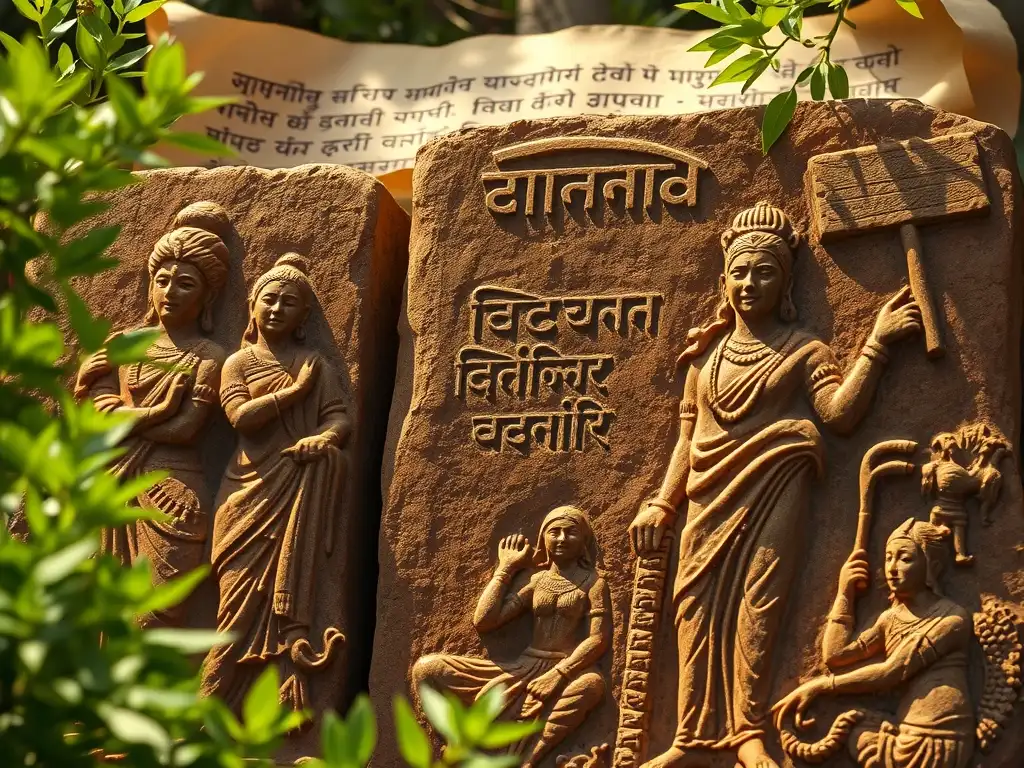
Interpreting gender roles from inscriptions in ancient Indian society presents several challenges, primarily due to the limitations and biases inherent in the available material. While inscriptions provide valuable insights into societal norms, values, and practices, they often require careful scrutiny to extract meaningful interpretations regarding gender roles.
Limitations of Inscriptions as Historical Evidence
Inscriptions are often terse and may lack the nuance necessary to fully understand the complexities of gender roles. Many inscriptions were created for specific purposes, such as commemorating an event or honoring a patron, and thus may not provide a comprehensive view of everyday life or gender dynamics. Additionally, the surviving inscriptions are often fragmentary and may have undergone alterations over time, leading to potential misinterpretations.
Moreover, inscriptions typically reflect the perspectives of those in power, often male elites, which can skew our understanding of women's roles and contributions. For example, inscriptions celebrating military victories or royal achievements may omit the significant roles played by women in maintaining households, managing resources, or participating in local governance. Thus, while inscriptions are a crucial source of information, their limitations necessitate a cautious approach when drawing conclusions about gender roles in ancient Indian society.
Potential Biases in the Interpretation of Gender Roles
The interpretation of gender roles from inscriptions can be influenced by the biases of historians and archaeologists. These biases may stem from contemporary societal norms and values, which can color the analysis of ancient texts. For instance, modern expectations regarding gender equality might lead researchers to overlook or misinterpret evidence that does not align with current perspectives.
Furthermore, the language used in inscriptions can carry inherent biases. Terms and phrases may reflect patriarchal attitudes that were prevalent during the time of their creation. Consequently, scholars must be vigilant in recognizing how their own cultural contexts may shape their understanding of ancient inscriptions. Engaging with a diverse range of scholarly interpretations and methodologies can help mitigate these biases and promote a more balanced understanding of gender roles in ancient Indian society.
Conclusion: The Legacy of Gender Roles in Ancient Indian Society
The study of inscriptions reveals that gender roles in ancient Indian society were complex and multifaceted. While many inscriptions highlight the roles and contributions of men, they also provide glimpses into women's agency and influence, albeit often in a limited manner. Understanding these dynamics is crucial, as they have left a lasting legacy that continues to resonate in contemporary discussions about gender and society.
The Continuing Influence of Ancient Gender Structures
The gender roles established in ancient Indian society have influenced modern societal structures and expectations. Although significant progress has been made towards gender equality, many vestiges of traditional roles persist in various forms. Cultural practices, social norms, and familial expectations often reflect historical precedents, demonstrating how deeply ingrained these gender structures can be.
By examining the inscriptions and their implications, researchers can better understand the historical context of modern gender dynamics in India. This exploration not only highlights the continuity of certain gender roles but also underscores the importance of challenging outdated norms that hinder progress towards equality.
Future Research Directions on Gender Roles in Inscriptions
Future research on gender roles in ancient Indian society should aim to expand the corpus of inscriptions examined, focusing on lesser-known sources and regional variations. This broader perspective can illuminate the diverse experiences of women and men across different contexts and time periods. Additionally, interdisciplinary approaches that incorporate insights from anthropology, sociology, and gender studies can enrich the analysis of inscriptions.
Furthermore, employing new technologies, such as digital humanities tools for text analysis, can help uncover patterns and trends in gender representation within inscriptions. By combining traditional epigraphic methods with innovative research techniques, scholars can contribute to a more nuanced understanding of how gender roles were constructed, negotiated, and transformed throughout ancient Indian history.
References
In examining gender roles in ancient Indian society, a variety of texts and sources provide valuable insights. These works not only shed light on the societal norms and practices of the time but also reveal how inscriptions serve as vital evidence of these roles. Below is a curated list of key texts and sources that are essential for a deeper understanding of gender dynamics in ancient India.
Key Texts and Sources for Further Reading on Gender Roles in Ancient Indian Society
-
"Gender and the Politics of History" by Joan W. Scott
This foundational text introduces concepts surrounding gender in historical discourse, providing a framework that can be applied to the analysis of ancient Indian inscriptions.
-
"Women in Ancient India" by Anjali D. Bhatia
Bhatia’s work explores the roles women played in various ancient Indian societies, informed by archaeological findings and epigraphic evidence.
-
"The History of Indian Literature" by Sukanta Chaudhuri
This comprehensive overview includes discussions on gender roles within the context of literary sources and inscriptions, highlighting the contributions of women.
-
"The Cultural Heritage of India: The Vedic Age" edited by Haridas Bhattacharya
This volume covers various aspects of Vedic culture, including gender roles, providing context that is essential for understanding early inscriptions.
-
"Epigraphia Indica"
This journal publishes epigraphical studies, including articles focused on inscriptions that reference gender roles, family structures, and societal expectations in ancient India.
-
"Inscriptions of the Early Gupta Period" by R. C. Majumdar
This work examines inscriptions from the Gupta Empire, discussing how these texts reflect the status and roles of women in society during this period.
-
"Women in Early Indian Societies: A Study of Their Status and Role" by R. S. Sharma
Sharma analyzes various inscriptions and texts to understand the evolution of women's roles from ancient to medieval India.
-
"The Role of Women in Ancient India" by Rita Joshi
This book provides an insightful analysis of women's roles through different periods, using inscriptions as primary sources.
These texts and sources not only provide a comprehensive view of gender roles in ancient Indian society but also highlight the significance of inscriptions as historical documents that reflect cultural attitudes and societal structures. Engaging with these works can deepen our understanding of how gender was perceived and enacted throughout ancient Indian history.
- Introduction to Gender Roles in Ancient Indian Society
- Historical Significance of Inscriptions in Ancient India
- Types of Inscriptions Reflecting Gender Roles
- Analysis of Gender Roles in Ancient Indian Society Through Inscriptions
- Case Studies: Significant Inscriptions Highlighting Gender Roles
- The Influence of Cultural Practices on Gender Roles
- Challenges in Interpreting Gender Roles from Inscriptions
- Conclusion: The Legacy of Gender Roles in Ancient Indian Society
- References
- What are the primary gender roles in ancient Indian society?
- How did inscriptions reflect gender roles in ancient India?
- Were there any notable exceptions to gender roles in ancient India?
- How did the Gupta Empire influence gender roles?
- What modern implications can be drawn from the study of gender roles in ancient Indian society?
Frequently Asked Questions
What are the primary gender roles in ancient Indian society?
In ancient Indian society, gender roles were often defined by cultural norms and religious texts, with men typically occupying public roles while women were largely responsible for domestic duties.
How did inscriptions reflect gender roles in ancient India?
Inscriptions provide valuable insights into the social structure and gender dynamics of the time, often highlighting the contributions of women in various domains, including trade and education.
Were there any notable exceptions to gender roles in ancient India?
Yes, certain historical figures and texts indicate that women could achieve prominence, particularly in the realms of literature, politics, and spiritual leadership, challenging typical gender expectations.
How did the Gupta Empire influence gender roles?
The Gupta Empire marked a period of both advancement and restriction regarding gender roles, with some women enjoying greater freedoms in education and arts, while societal expectations still largely focused on domestic responsibilities.
What modern implications can be drawn from the study of gender roles in ancient Indian society?
Understanding gender roles in ancient Indian society can provide insights into the evolution of gender dynamics, helping to frame contemporary discussions around gender equality and the status of women in modern India.
Final Reflection: Understanding Gender Roles in Ancient Indian Society
The exploration of gender roles in ancient Indian society through inscriptions reveals profound insights into the cultural fabric of the time. As we navigate the complexities of contemporary gender dynamics, understanding the historical context of these roles becomes increasingly relevant. The inscriptions serve not only as historical documents but also as mirrors reflecting the societal values and norms that shaped the lives of individuals in ancient India. Recognizing these patterns allows us to confront and challenge the lingering stereotypes that continue to influence our modern world.
Cultural narratives are often shaped by the stories we tell and the roles we assign. The inscriptions from ancient India provide a glimpse into the lives of women and men, highlighting their contributions and the expectations placed upon them.
This historical perspective is crucial in understanding the evolution of gender roles and their impact on today’s society. As noted by historian Romila Thapar, “The past is not a dead weight; it is a living force that shapes our present.” > This quote encapsulates the ongoing influence of historical gender roles, reminding us that the legacies of the past continue to resonate in our current social structures.
As we reflect on the lessons drawn from ancient inscriptions, I invite you to consider your own perceptions of gender roles in your life and community. How can we learn from the past to foster a more equitable future? By engaging with the historical context of gender roles, we can challenge outdated norms and advocate for a society that values all individuals equally. Let us take this opportunity to reflect on our own roles and responsibilities in shaping a more inclusive world, inspired by the lessons of ancient India.
Thank you for diving into the fascinating insights of inscriptions that reflect gender roles in ancient Indian society. Your interest in this pivotal aspect of history not only enriches your understanding but also illuminates the cultural dynamics that have shaped our world. Now, let’s take these insights further and actively engage with this captivating topic!
Here are some clear actions you can take:
- Explore local museums or online archives to discover inscriptions and artifacts that showcase gender roles in ancient societies.
- Join a discussion group or forum focused on ancient history to share your thoughts on what you’ve learned.
- Share this article with friends and family who might be inspired to learn more about the historical dynamics of gender.
What new perspectives on gender roles in ancient societies do you find most compelling, and how can they relate to today’s discussions on equality?