
The Evolution of Inscriptions: From Hieroglyphics to Modern Epigraphy in Ancient India

Welcome to Ancient India History, where we delve into the fascinating tapestry of one of the world's oldest civilizations. As you embark on this journey, prepare to uncover the intricacies of ancient Indian inscriptions history, a pivotal aspect that reveals the thoughts, beliefs, and innovations of our ancestors. From the enigmatic symbols of the Indus Valley to the sophisticated scripts of the Gupta Empire, each inscription tells a story waiting to be discovered.
Join us as we explore "The Evolution of Inscriptions: From Hieroglyphics to Modern Epigraphy in Ancient India," and unlock the secrets that these ancient texts hold about our rich heritage. What hidden narratives will you unveil? Dive in and find out!
Introduction to Ancient Indian Inscriptions History
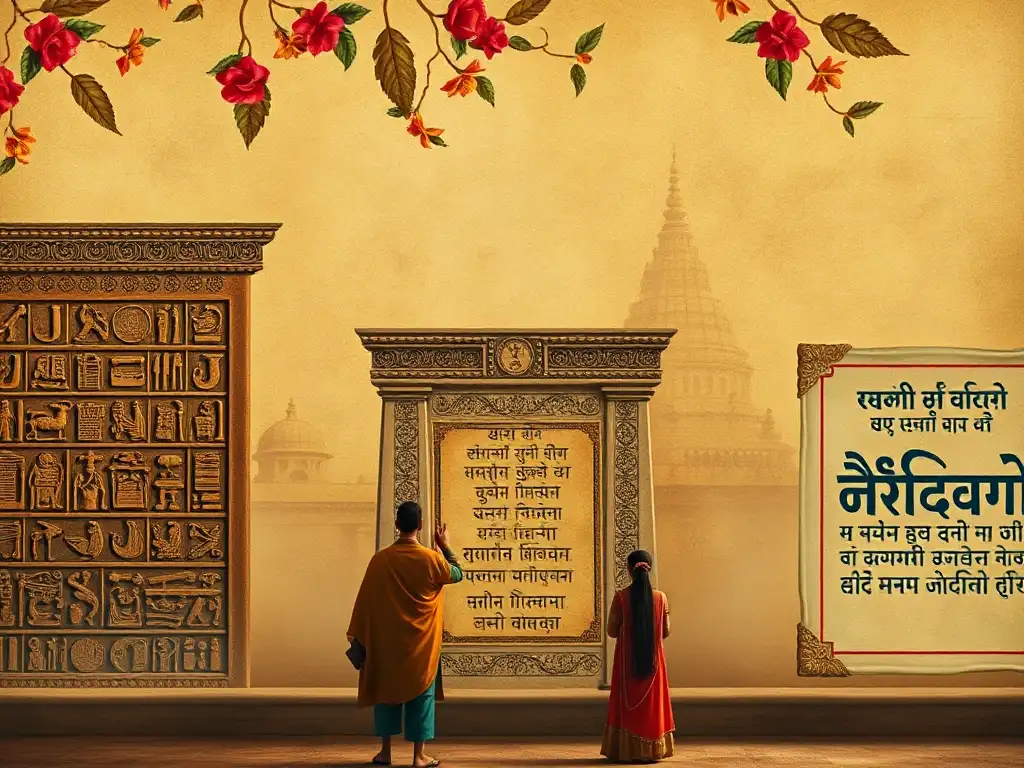
The history of ancient Indian inscriptions is a fascinating journey that mirrors the evolution of civilization itself. From the earliest forms of communication etched in stone to the sophisticated scripts used in the Gupta Empire, these inscriptions serve as vital records of social, political, and cultural life in ancient India. They not only provide insights into the languages and scripts of the time but also reflect the beliefs, practices, and achievements of various civilizations.
Understanding the historical significance of inscriptions allows us to uncover the complex tapestry of ancient Indian history, revealing how these civilizations interacted with one another and contributed to the broader narrative of human development. This article delves into the evolution of inscriptions in ancient India, tracing their origins from hieroglyphics to modern epigraphy, and highlighting their crucial role in our understanding of this vibrant past.
Overview of Inscriptions in Ancient India
Inscriptions in ancient India are defined as written records carved or engraved on durable materials such as stone, metal, or pottery. These artifacts have been discovered across various regions, showcasing a multitude of languages and scripts that evolved over centuries.
- Key Features of Ancient Indian Inscriptions:
- Materials Used: Stone, copper plates, and clay tablets.
- Languages: Sanskrit, Prakrit, Tamil, and other regional languages.
- Scripts: Brahmi, Kharosthi, and various regional scripts.
These inscriptions served various purposes, including religious proclamations, royal edicts, and commemorative messages. The sheer diversity and geographical spread of these inscriptions provide a comprehensive view of the linguistic and cultural richness of ancient India.
Importance of Epigraphy in Understanding Ancient Civilizations
Epigraphy, the study of inscriptions, plays a pivotal role in reconstructing the history of ancient civilizations. It provides scholars with crucial information that can help in various aspects:
- Chronological Framework: Establishing dates and timelines of historical events.
- Linguistic Insights: Understanding the evolution of languages and scripts.
- Cultural Context: Gaining insights into the beliefs, practices, and societal norms of ancient peoples.
Inscriptions serve as primary sources that complement archaeological findings, allowing historians to piece together a more complete picture of ancient Indian life. From the socio-political structures to religious practices, the study of inscriptions reveals the interconnectedness of these civilizations and their contributions to the broader human narrative.
The Beginnings of Inscriptions in Ancient India
Origins of Hieroglyphics and Early Writing Systems
The origins of writing systems in ancient India can be traced back to the earliest forms of hieroglyphics used in various civilizations. Hieroglyphics, characterized by symbolic representations, laid the groundwork for more complex writing systems. In ancient India, it is believed that these early forms of writing were influenced by interactions with neighboring cultures, including the Mesopotamians and Egyptians.
- Key Characteristics of Early Writing Systems:
- Use of symbols to represent sounds or ideas.
- Development of phonetic scripts over time.
- Transition from pictorial representations to abstract symbols.
These early writing systems eventually paved the way for the emergence of scripts like Brahmi and Kharosthi, which became foundational for many languages in the Indian subcontinent.
The Role of Indus Valley Civilization in Early Inscriptions
The Indus Valley Civilization (IVC), one of the world's earliest urban cultures, played a crucial role in the development of inscriptions in ancient India. Dating back to around 2500 BCE, the IVC featured advanced urban planning and a sophisticated system of trade.
- Significant Aspects of IVC Inscriptions:
- Seals and Tokens: Used for trade, featuring animals and symbols that remain undeciphered.
- Linguistic Evidence: The existence of a script that is still a subject of research.
- Cultural Insights: Inscriptions provide clues about trade practices, religious beliefs, and societal organization.
The inscriptions from the Indus Valley Civilization signify not only the aesthetic and functional aspects of early writing but also highlight the complexity of social interactions in ancient India. These artifacts continue to captivate researchers, driving them to explore the narrative these early inscriptions present about one of the earliest urban societies in human history.
Development of Inscriptions Through Different Dynasties
The history of ancient Indian inscriptions is marked by significant developments across various dynasties, each contributing uniquely to the evolution of epigraphy. From the early pictorial representations to the sophisticated scripts of later periods, inscriptions have served as vital sources of historical and cultural knowledge. The progression can be categorized by notable dynasties, such as the Mauryan Empire and the Gupta Period, where inscriptions not only recorded royal decrees but also illuminated the socio-political and religious dynamics of their times.
Mauryan Empire: The Pillars and Edicts
During the Mauryan Empire (circa 322–185 BCE), inscriptions reached a remarkable level of prominence, particularly through the edicts of Emperor Ashoka. The Ashokan Edicts, inscribed on stone pillars and rocks across the Indian subcontinent, are among the earliest and most significant examples of ancient Indian inscriptions. These edicts served multiple purposes:
- Moral and Ethical Guidelines: Ashoka’s messages emphasized dharma (moral law) and encouraged the practice of non-violence, tolerance, and compassion. The edicts addressed various aspects of governance, including the welfare of the populace.
- Promotion of Buddhism: Many inscriptions reflect Ashoka’s conversion to Buddhism and his efforts to spread its teachings. The inscriptions often contain references to the Buddha and Buddhist philosophy, showcasing the religious transformation during this era.
- Linguistic Diversity: The edicts were inscribed in several languages, including Prakrit, using the Brahmi script, which facilitated communication across diverse linguistic communities.
The Pillars of Ashoka, with their intricate carvings and profound messages, remain a testament to the era’s architectural and artistic achievements, marking a pivotal moment in the history of inscriptions.
Gupta Period: Flourishing of Inscriptions and Literature
The Gupta Period (circa 320–550 CE) is often referred to as the Golden Age of India, characterized by significant advancements in art, science, and literature. Inscriptions from this era reflect a flourishing of cultural and intellectual pursuits, as well as a consolidation of power and governance by various rulers. Key features of inscriptions during the Gupta period include:
- Royal Patronage: Gupta kings commissioned numerous inscriptions to commemorate military victories, religious donations, and the establishment of temples. These inscriptions often highlighted the rulers’ divine right to govern, linking their authority to religious legitimacy.
- Literary Developments: The period also saw the emergence of Sanskrit as a prominent literary language. Inscriptions from this time frequently employed sophisticated literary styles, enriching the historical narrative with poetic and philosophical dimensions.
- Diverse Themes: Gupta inscriptions encompassed a variety of themes, including religious dedications, public welfare initiatives, and astronomical observations. This diversity reflects the multifaceted nature of Gupta society, where art and scholarship thrived alongside governance.
The inscriptions from the Gupta period not only provide insights into the political climate of the time but also underscore the cultural richness that characterized this era.
Key Features of Ancient Indian Inscriptions
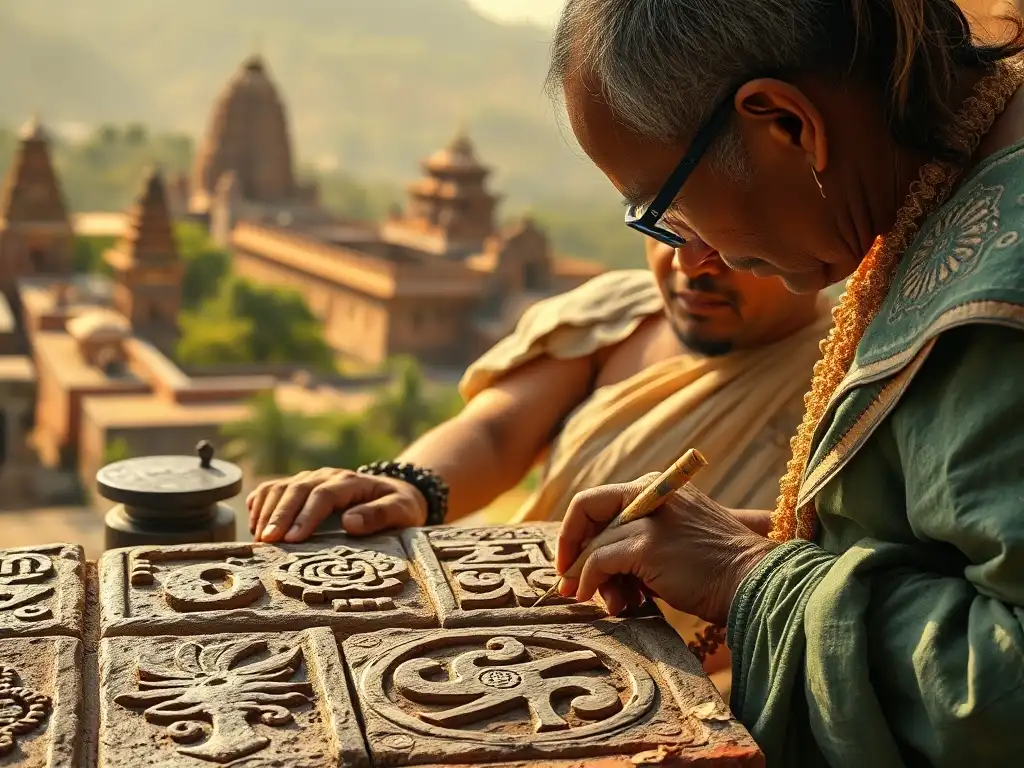
Ancient Indian inscriptions are distinguished by several key features that encapsulate the historical, cultural, and artistic achievements of their time. From the choice of language to the materials used, each aspect of these inscriptions contributes to our understanding of ancient Indian civilization.
Language and Script Variations in Inscriptions
The language and script used in ancient Indian inscriptions varied significantly, reflecting the linguistic diversity of the subcontinent. Some notable points include:
- Scripts: Early inscriptions predominantly utilized the Brahmi script, which evolved into various regional scripts over time. The Kharosthi script was also notable, primarily used in the northwest regions of ancient India.
- Languages: Inscriptions were often composed in Prakrit, Sanskrit, and regional dialects, catering to different audiences. For instance, the use of Sanskrit in Gupta inscriptions indicated a more literate elite, while Prakrit made the messages accessible to the general populace.
- Cultural Influence: The choice of script and language often mirrored the cultural and political affiliations of the ruling dynasty. For example, the use of Sanskrit and ornate scripts in royal inscriptions underscored the prestige of the ruling class.
The linguistic variety not only showcases the rich tapestry of ancient Indian society but also serves as a key to deciphering historical relationships and cultural exchanges.
Material and Techniques Used in Ancient Inscriptions
The materials and techniques employed in the creation of ancient inscriptions reveal much about the technological capabilities and artistic sensibilities of the time. Key elements include:
- Materials: Inscriptions were typically carved into durable materials such as stone, metal, and wood. Stone inscriptions, particularly those on pillars and rocks, have survived the test of time and constitute a significant portion of our current epigraphic heritage.
- Carving Techniques: The techniques used varied from simple engraving to intricate relief work. Craftsmen employed chisels and other tools to etch inscriptions, often combining artistic design with textual clarity.
- Durability and Preservation: The choice of hard materials ensured the longevity of these inscriptions. For example, the Ashokan Pillars, made of finely polished sandstone, have endured for centuries, providing invaluable insights into ancient governance and philosophy.
Through the examination of materials and techniques, we gain a deeper appreciation for the craftsmanship of ancient Indian artisans and the cultural significance attributed to inscriptions in society.
The Transition from Hieroglyphics to Modern Epigraphy
The journey of inscriptions in ancient India reflects a profound evolution influenced by cultural exchanges and technological advancements. The earliest forms of writing in the Indian subcontinent can be traced back to the Indus Valley Civilization (circa 2600–1900 BCE), where seals inscribed with pictographic symbols were utilized. These symbols, often considered a form of hieroglyphics, remain undeciphered, but they suggest a sophisticated communication system.
As time progressed, the Brahmi script emerged around the 3rd century BCE, largely credited to the Mauryan Empire and its notable ruler, Ashoka. This script marked a pivotal transition from the unclear symbols of the Indus Valley to a more standardized writing system that could convey complex ideas and governance. The inscriptions of Ashoka, found on pillars and rocks throughout the Indian subcontinent, serve as remarkable examples of early epigraphy, promoting social ethics and Buddhism.
The evolution continued with the introduction of other regional scripts, such as Kharosthi and later Gupta scripts, reflecting the diverse linguistic landscape of ancient India. By the time of the Gupta Empire (circa 320–550 CE), inscriptions became more widespread and varied, used in both administrative and religious contexts, signaling a significant shift from the earlier hieroglyphic forms to a structured epigraphic tradition.
Influence of Other Cultures on Indian Inscriptions
The development of inscriptions in ancient India was not an isolated phenomenon; it was significantly influenced by interactions with neighboring cultures. The Achaemenid Persian Empire, which had contact with the northwestern regions of India, introduced new administrative practices and writing styles. Inscriptions in the Aramaic script, for instance, were found in regions like Gandhara, indicating a blend of local and foreign influences.
The arrival of Greek culture, particularly during the campaigns of Alexander the Great, further enriched the epigraphic landscape. The adoption of the Greek script for inscriptions in certain regions exemplifies this cross-cultural exchange. As a result, inscriptions began to reflect a more cosmopolitan character, incorporating diverse linguistic and artistic elements that enriched Indian civilization.
Additionally, the advent of Buddhism played a crucial role in shaping the nature of inscriptions. As Buddhist missionaries traveled across Asia, they carried with them the Brahmi script, which was adapted in various regions. This cultural diffusion not only facilitated the spread of religious texts but also encouraged local adaptations of the script, leading to a rich tapestry of inscriptions that bear testimony to the historical and cultural confluence of ancient India.
The Shift in Meaning and Usage Over Time
Over the centuries, the meaning and usage of inscriptions in ancient India underwent significant transformations. Initially, inscriptions served primarily as markers of trade and ownership, often inscribed on seals and pottery. However, as societies evolved, so did the purpose of inscriptions. They began to take on more complex roles, encapsulating political power, religious beliefs, and cultural identity.
During the Mauryan period, for example, inscriptions became a medium for disseminating royal edicts and promoting social welfare. Ashoka's edicts, inscribed on pillars and rocks, provided moral guidance and outlined the principles of governance based on Buddhist teachings. This marked a shift from mere commercial utility to a tool for governance and societal cohesion.
In the subsequent Gupta period, inscriptions further diversified in their purpose and content. They began to encompass literary and artistic expressions, including poetry and religious hymns, often commemorated in temples and public spaces. The usage of inscriptions as a means to honor deities and chronicling victories in battles illustrates how their significance expanded beyond administrative functions to embody the spiritual and cultural ethos of the time.
The Significance of Inscriptions in Ancient Indian Society
Inscriptions played a crucial role in ancient Indian society, serving as vital instruments for communication, record-keeping, and cultural expression. They functioned not only as historical documents but also as reflections of societal values, beliefs, and governance.
Inscriptions as Historical Records
One of the most significant aspects of inscriptions is their role as historical records. They provide invaluable insights into the political, social, and economic conditions of ancient India. For instance, inscriptions from the Mauryan period detail administrative practices, trade routes, and diplomatic relations, allowing historians to piece together the complexities of ancient governance.
The inscriptions found at historical sites such as Sanchi and Bhattiprolu highlight the achievements of rulers and the evolution of administrative systems. Moreover, they offer glimpses into the daily lives of people, including their professions, societal norms, and interactions. The preservation of these inscriptions has been pivotal in reconstructing India's rich historical narrative, making them indispensable for understanding ancient Indian civilization.
Cultural and Religious Implications of Inscriptions
Inscriptions also hold significant cultural and religious implications. They often served as a means for expressing devotion and commemorating religious beliefs. Temples, for example, were adorned with inscriptions that celebrated deities, narrated mythological stories, and articulated philosophical ideas. This not only enhanced the aesthetic value of these structures but also demonstrated the intertwined nature of art, religion, and society in ancient India.
Furthermore, inscriptions played a role in the legitimization of power and authority. Rulers would often inscribe their achievements and divine connections on public monuments, thereby reinforcing their status and divine right to rule. The use of inscriptions in this manner reflects the intricate relationship between governance and spirituality in ancient Indian societies.
The evolution and significance of inscriptions in ancient India underscore their multifaceted roles as historical records, cultural artifacts, and religious expressions, offering a window into the complexities of an ancient civilization that continues to fascinate historians and scholars today.
Modern Epigraphy: Understanding Ancient Inscriptions Today
Modern epigraphy plays a crucial role in unlocking the secrets of ancient Indian inscriptions. It involves the study of inscriptions from various periods, utilizing advanced methodologies to decipher meanings, origins, and contexts. Inscriptions, which serve as primary historical sources, provide insights into the social, political, and cultural aspects of ancient Indian civilizations. Scholars today employ a multidisciplinary approach that incorporates archaeology, linguistics, and history, allowing for a more nuanced understanding of these artifacts.
The significance of inscriptions extends beyond mere historical records; they reflect the ideologies, religious beliefs, and administrative practices of the time. By analyzing inscriptions, modern epigraphists can reconstruct narratives that highlight the achievements and interactions of ancient Indian societies. This exploration not only enriches our comprehension of the past but also connects contemporary society to its historical roots.
Techniques and Technologies in Modern Epigraphy
The field of modern epigraphy has benefited immensely from technological advancements. Some of the key techniques and technologies include:
- Digital Imaging: High-resolution photography and digital imaging techniques, such as Reflectance Transformation Imaging (RTI), allow scholars to capture detailed surface textures of inscriptions, making it easier to analyze worn or eroded script.
- 3D Scanning: This technology enables the creation of three-dimensional models of inscriptions, which can be manipulated to examine minute details that are otherwise difficult to discern.
- Chemical Analysis: Techniques like spectroscopy are employed to analyze the materials used in inscriptions, providing insights into the provenance and dating of the artifacts.
- Machine Learning: Recently, artificial intelligence and machine learning algorithms are being utilized to recognize patterns in inscriptions, aiding in the classification and interpretation of various scripts.
These methods have revolutionized the study of ancient Indian inscriptions, allowing researchers to make significant breakthroughs in understanding historical contexts and the evolution of languages.
Challenges in Deciphering Ancient Indian Inscriptions
Despite the advancements in techniques and technologies, deciphering ancient Indian inscriptions presents several challenges:
- Fragmentation: Many inscriptions have been damaged or fragmented over time, making it difficult to retrieve complete information. Scholars often have to piece together fragments to reconstruct the original text.
- Language Evolution: The evolution of languages and scripts over centuries can complicate the translation process. Understanding the linguistic context is crucial, as many inscriptions might incorporate dialects or archaic forms that are not easily recognizable.
- Cultural Context: Deciphering an inscription requires a deep understanding of the cultural and historical context in which it was created. Misinterpretations can arise if the cultural nuances are overlooked.
- Multilingualism: Ancient India was home to a plethora of languages and scripts, which can be found within a single inscription. This multilingual nature adds complexity to the translation and interpretation process.
Addressing these challenges requires collaboration among epigraphists, linguists, historians, and archaeologists, ensuring that insights gleaned from inscriptions are accurate and comprehensive.
Conclusion: The Legacy of Ancient Indian Inscriptions History
The legacy of ancient Indian inscriptions is profound and multifaceted. They not only provide critical evidence of historical events but also serve as a testament to the intellectual and artistic achievements of ancient civilizations. The study of these inscriptions has evolved significantly, bridging the gap between past and present, and illuminating the rich tapestry of India's history.
The Impact of Inscriptions on Modern Understanding of Ancient India
Inscriptions have had a lasting impact on our understanding of ancient India. They document key historical milestones, such as royal edicts, treaties, and religious proclamations, which are vital for reconstructing the socio-political landscape of the time. Moreover, they offer insights into everyday life, trade practices, and cultural exchanges, enriching our comprehension of how ancient societies operated.
The legacy of inscriptions has also inspired contemporary cultural identity, as they are often seen as symbols of heritage. Modern interpretations and analyses continue to influence educational curricula, museum exhibitions, and cultural preservation efforts.
Future Research Directions in the Study of Inscriptions and Epigraphy
As the field of epigraphy continues to evolve, several research directions appear promising:
- Interdisciplinary Approaches: Combining epigraphy with other disciplines, such as anthropology, sociology, and digital humanities, can yield richer insights into ancient societies.
- Global Collaborations: Increased collaboration between scholars from different regions can enhance comparative studies of inscriptions across cultures, revealing shared histories and influences.
- Preservation Techniques: Research into innovative preservation and conservation techniques is essential to ensure that inscriptions are protected for future generations.
- Public Engagement: Raising public awareness and interest in ancient inscriptions through education and outreach programs can foster a greater appreciation for heritage and history.
By pursuing these avenues, researchers can continue to unveil the mysteries of ancient Indian inscriptions, ensuring that their legacy endures in the collective memory of humanity.
References and Further Reading on Ancient Indian Inscriptions History
The history of ancient Indian inscriptions is a significant field of study that offers insights into the social, political, and cultural aspects of Indian civilization. Engaging with a variety of resources can deepen understanding and appreciation of this intricate topic. Below are curated suggestions for books, articles, and online resources that provide valuable information on the history of ancient Indian inscriptions.
Suggested Books and Articles
-
"Inscriptions of Ashoka" by N. S. Rajaram
This book explores the edicts of King Ashoka, one of the most significant figures in ancient Indian history. The author examines the inscriptions' content and their implications for understanding Mauryan governance and Buddhist philosophy.
-
"Indian Epigraphy" by D. C. Sircar
A comprehensive guide to the study of Indian inscriptions, this book covers various epigraphical traditions, methodologies, and the historical context of inscriptions found throughout India. Sircar's work is considered essential for anyone studying ancient Indian inscriptions.
-
"The Archaeology of Early Historic South Asia: The Emergence of Cities and States" by Robin Coningham and Ruth Young
This text delves into the archaeological aspects of early historic South Asia and discusses inscriptions within the broader context of urbanization and state formation, making it a crucial read for understanding their historical significance.
-
"Ancient Indian Inscriptions" by R. S. Sharma
This article provides an overview of various inscriptions found in India, discussing their linguistic, cultural, and historical importance. It serves as a good introduction for those new to the topic.
-
"Epigraphy and the Historical Tradition in India" by B. B. Chaudhuri
Chaudhuri critically examines the role of epigraphy in reconstructing India's historical narratives, providing insights into how inscriptions have shaped our understanding of ancient Indian societies.
Online Resources and Archives
-
The Epigraphia Indica
This online archive provides access to a collection of inscriptions compiled by the Archaeological Survey of India. It includes translations and interpretations, making it a valuable resource for researchers and enthusiasts.
-
Digital South Asia Library
This digital repository contains various texts, manuscripts, and images related to South Asian history, including ancient Indian inscriptions. It is an excellent starting point for exploring primary sources.
-
The Inscriptions of Ancient India Database
A scholarly database dedicated to cataloging and analyzing ancient Indian inscriptions. Users can search by region, time period, and language, offering a detailed exploration of specific inscriptions.
-
Indian History Congress
The website features articles, research papers, and conference proceedings focusing on Indian history, including studies on epigraphy and inscriptions. This resource is useful for accessing contemporary scholarly discussions on the topic.
-
Archive.org
This digital library contains a wealth of historical texts and documents, including books and articles on ancient Indian inscriptions. Users can freely access and download a variety of resources for research purposes.
By engaging with these suggested readings and online resources, scholars and enthusiasts alike can enhance their understanding of the profound legacy of ancient Indian inscriptions and their role in shaping the region's historical narrative.
- Introduction to Ancient Indian Inscriptions History
- The Beginnings of Inscriptions in Ancient India
- Development of Inscriptions Through Different Dynasties
- Key Features of Ancient Indian Inscriptions
- The Transition from Hieroglyphics to Modern Epigraphy
- The Significance of Inscriptions in Ancient Indian Society
- Modern Epigraphy: Understanding Ancient Inscriptions Today
- Conclusion: The Legacy of Ancient Indian Inscriptions History
- References and Further Reading on Ancient Indian Inscriptions History
- What are ancient Indian inscriptions?
- Why are inscriptions important in studying ancient Indian history?
- What materials were commonly used for inscriptions in ancient India?
- How did the style of inscriptions evolve over time in ancient India?
- What role did the Gupta Empire play in the history of inscriptions?
Frequently Asked Questions
What are ancient Indian inscriptions?
Ancient Indian inscriptions are writings found on various materials that provide insights into the history, culture, and languages of ancient Indian civilizations.
Why are inscriptions important in studying ancient Indian history?
Inscriptions serve as primary sources that offer direct evidence of historical events, societal norms, and administrative practices, helping historians understand ancient Indian societies.
What materials were commonly used for inscriptions in ancient India?
Common materials included stone, metal, and pottery, each chosen for its durability and the significance of the message being inscribed.
How did the style of inscriptions evolve over time in ancient India?
Over time, the style of inscriptions evolved from hieroglyphics to more complex scripts like Brahmi and Khmer, reflecting changes in language and administrative practices.
What role did the Gupta Empire play in the history of inscriptions?
The Gupta Empire was pivotal in the development of inscriptions, showcasing advancements in art, literature, and administration, which significantly shaped ancient Indian inscriptions history.
Final Reflection: The Timeless Legacy of Ancient Indian Inscriptions
The evolution of inscriptions in ancient India serves as a profound testament to our collective human journey, illustrating how communication has transformed over millennia. Today, as we navigate a world dominated by digital communication, the significance of these ancient scripts resonates more than ever, reminding us of the enduring power of words to convey culture, history, and identity. The transition from hieroglyphics to modern epigraphy not only chronicles the technical advancements of our ancestors but also highlights the intrinsic human desire to record and share experiences across generations.
The impact of ancient Indian inscriptions extends far beyond their historical context; they continue to shape our understanding of cultural heritage and identity. These inscriptions are not merely artifacts; they are the voices of our ancestors, echoing their thoughts, beliefs, and societal structures. As we delve into their meanings, we uncover layers of wisdom that inform our present and guide our future. History is not just what happened; it is what we choose to remember.
This quote encapsulates the essence of how these inscriptions influence our cultural narrative, urging us to reflect on what we value and how we choose to document our own stories.
As we conclude this exploration of ancient Indian inscriptions, I invite you to reflect on your own relationship with history and communication. Consider how you can contribute to the ongoing narrative of your culture and community, whether through writing, art, or other forms of expression. Each of us has a story to tell, and like the inscriptions of the past, our voices hold the potential to inspire future generations. Embrace the lessons of the past, and let them guide you in crafting your own legacy.
Unveil the Secrets of Ancient Inscriptions Today!
Thank you for immersing yourself in the fascinating journey of inscriptions and their evolution through Ancient India! You've gained insights into how these remarkable artifacts shaped communication and culture. Now, it's time to take the next step and dive deeper into this captivating world.
Here are a few actions you can take right now to continue your exploration:
- Explore local museums or virtual exhibits that showcase ancient inscriptions and their historical context.
- Join online forums or social media groups dedicated to the study of inscriptions, where you can share your thoughts and findings with fellow enthusiasts.
- Consider learning the basics of epigraphy through online courses or workshops!
As you embark on this journey of discovery, ask yourself: Which ancient inscription or artifact resonates with you the most, and how might it influence your understanding of history?