
How Ancient Indian Trade Routes Fostered Technological Advancements


Welcome to Ancient India History, where we delve into the fascinating tapestry of ancient Indian civilizations that shaped the course of history. In our featured article, "How Ancient Indian Trade Routes Fostered Technological Advancements," we invite you to uncover the innovative spirit that thrived along the bustling trade routes of the past. Discover how these vital conduits not only facilitated commerce but also sparked remarkable advancements in technology and culture.
Join us on this enlightening journey and unlock the secrets of ancient Indian trade route technology, a key to understanding the legacy of one of the world's oldest civilizations. Your exploration begins now!
- Introduction to Ancient Indian Trade Route Technology
- The Historical Context of Ancient Indian Trade Routes
- Technological Innovations Driven by Trade
- Cultural Exchanges Along Trade Routes
- Economic Impact of Trade Route Technologies
- Case Studies of Technological Advancements
- Conclusion: Legacy of Ancient Indian Trade Route Technology
- References and Further Reading
-
Frequently Asked Questions
- What were the key trade routes in ancient India?
- How did ancient Indian trade routes influence technological advancements?
- What role did cultural exchange play in ancient Indian trade?
- Which ancient Indian civilization is most known for its trade route technology?
- How did the Gupta Empire contribute to trade and technology?
- Final Reflection: The Enduring Legacy of Ancient Indian Trade Route Technology
- Unveil the Secrets of Ancient Trade – Ignite Your Curiosity!
Introduction to Ancient Indian Trade Route Technology
The intricate web of trade routes that crisscrossed ancient India played a pivotal role in shaping the technological advancements of its civilizations. These routes not only facilitated the exchange of goods but also served as conduits for the flow of ideas, cultures, and innovations. From the bustling markets of the Indus Valley to the thriving centers of trade during the Gupta Empire, the significance of these ancient trade routes extends far beyond mere commerce.
They were instrumental in fostering a climate of creativity and technological growth, which laid the foundation for many modern practices. This article delves into the various facets of ancient Indian trade route technology, exploring how these networks influenced the advancement of society and its capabilities.
Overview of Ancient Indian Trade Routes
The ancient Indian trade routes were a complex system that connected various regions, enabling the exchange of goods, culture, and knowledge. Key routes included:
- Land Routes:
- The Silk Road connected India with Central Asia, facilitating trade with distant lands.
- Overland routes within India linked major cities and agricultural regions.
- Maritime Routes:
- Trade by sea flourished along the Indian Ocean, connecting India with the Middle East, Africa, and Southeast Asia.
- Ports like Lothal and Kalyan became vital hubs for maritime trade.
Key Products Traded:
- Spices (e.g., black pepper, cardamom)
- Textiles (e.g., silk, cotton)
- Precious stones (e.g., diamonds, rubies)
- Metalwork (e.g., iron, bronze)
The strategic location of India, with its fertile plains and rich resources, made it a center for trade, attracting merchants from various cultures and enhancing technological exchanges.
Importance of Trade in Ancient Indian Civilizations
Trade was not merely an economic activity in ancient Indian civilizations; it was a catalyst for cultural exchange and technological innovation. The benefits of trade included:
- Economic Prosperity:
- Trade routes generated wealth, leading to urbanization and the growth of cities.
- Markets thrived, allowing artisans and craftsmen to flourish.
- Cultural Exchange:
- Interaction with various cultures fostered the exchange of ideas, religions, and philosophies.
- The spread of technologies such as metallurgy, textile production, and agricultural practices was facilitated through trade interactions.
- Technological Advancements:
- Innovations in navigation and shipbuilding improved maritime trade.
- The development of road construction techniques enhanced land trade efficiency.
The intertwining of trade and technology created a dynamic environment where advancements could flourish, ultimately contributing to the rich tapestry of ancient Indian civilization.
Purpose of the Article
This article aims to provide an in-depth exploration of how ancient Indian trade routes fostered technological advancements, focusing on the keyword "ancient Indian trade route technology." By examining the connections between trade and technology, we will uncover the ways in which these networks not only enriched ancient economies but also propelled innovations that would influence generations to come. Through detailed analysis and historical context, we invite you to explore the significance of these trade routes and their lasting impact on both ancient and modern societies.
The Historical Context of Ancient Indian Trade Routes
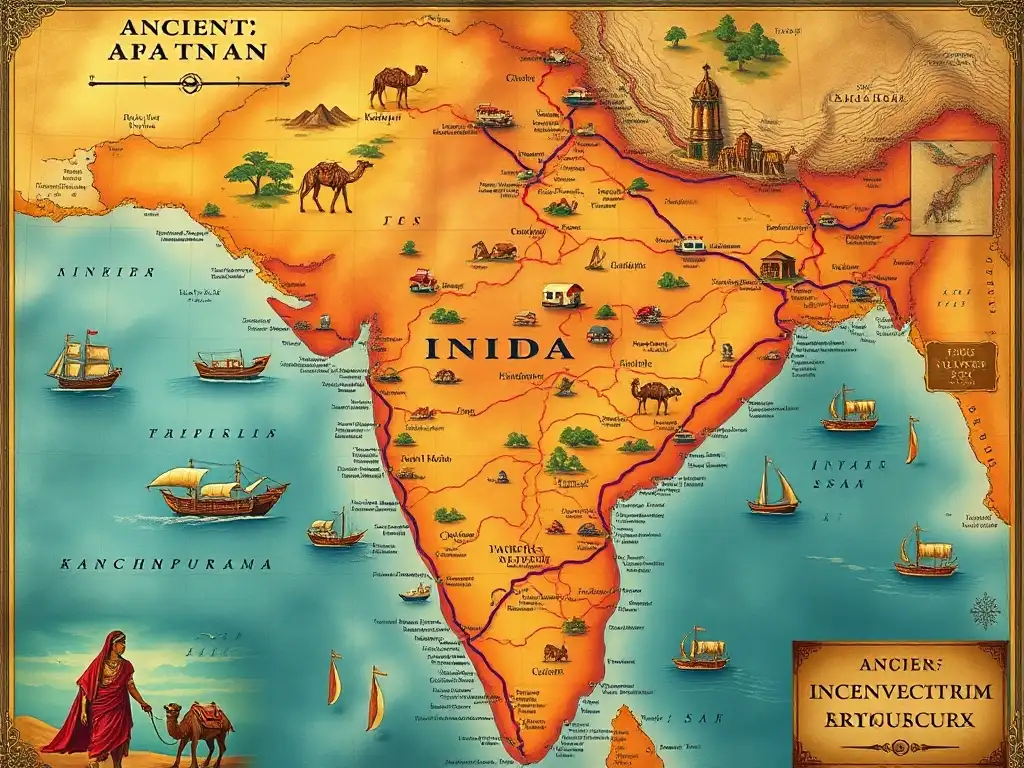
The historical context of ancient Indian trade routes is pivotal in understanding how these networks not only facilitated commerce but also fostered technological advancements that would resonate through centuries. Ancient India was strategically positioned between major civilizations, which enabled it to become a crucial hub for trade. These trade routes connected the Indian subcontinent with regions like Central Asia, the Middle East, and beyond, leading to an exchange of goods, cultures, and ideas.
The emergence of these trade routes can be traced back to the Indus Valley Civilization (approximately 3300–1300 BCE), where early forms of trade were established. As these civilizations developed, so did their economic systems, expanding into more intricate networks. The flourishing of trade during the Mauryan and Gupta Empires marked significant growth in the volume and complexity of trade, resulting in a robust economy and the advancement of various technologies.
The ancient Indian trade route technology not only facilitated the movement of goods but also played a crucial role in the dissemination of knowledge, including innovations in agriculture, metallurgy, and textiles. Such exchanges led to technological advancements that would shape the landscape of the ancient world and influence future generations.
Major Trade Routes in Ancient India
Ancient Indian trade routes can be broadly categorized into overland and maritime routes, each contributing uniquely to the economic and technological landscape of the time.
The Silk Road Connection
The Silk Road was a network of trade routes that connected Asia to Europe, with ancient India playing a key role. Spanning thousands of miles, this route facilitated the exchange of silk, spices, precious stones, and other commodities. Indian merchants traveled to the western markets, bringing not only goods but also technological innovations like:
- Textile Weaving: The art of weaving advanced significantly, with techniques learned from interactions with Central Asian cultures.
- Metallurgy: Knowledge of metalworking, particularly in iron and copper, was exchanged, leading to improvements in tools and weaponry.
The Silk Road also served as a conduit for cultural exchanges. Ideas, philosophies, and scientific knowledge traveled alongside goods, leading to a rich tapestry of cultural integration and advancement.
The Maritime Trade Routes
In addition to overland routes, ancient India was connected to various maritime trade networks that linked it to Southeast Asia, Africa, and the Arabian Peninsula. These maritime routes were instrumental in transporting bulk goods like:
- Spices: A major export, Indian spices were highly sought after in foreign markets, leading to increased agricultural innovations.
- Cotton and Textiles: The production of fine textiles reached global markets, which propelled advancements in dyeing and weaving techniques.
The ports of ancient India, such as Lothal and Bharukachchha, became bustling centers of trade, where merchants exchanged goods and ideas across the seas. This not only contributed to economic prosperity but also influenced maritime technology, including advancements in shipbuilding and navigation.
Key Cities and Trade Hubs
Certain cities in ancient India emerged as pivotal trade hubs that catalyzed economic growth and technological advancements through their unique contributions to trade.
Taxila and Its Influence
Taxila, located at the crossroads of major trade routes, was a flourishing center of commerce and education. This city became a melting pot of cultures, where:
- Scholarly Exchange: The convergence of diverse populations led to the sharing of knowledge in various fields, including mathematics and astronomy, which were critical for navigation and trade.
- Technological Advancements: The city's artisans developed advanced techniques in metallurgy and pottery, which were highly valued both locally and abroad.
Taxila's strategic location and intellectual environment made it a significant player in the ancient trade networks, influencing the technological landscape of the region.
Pataliputra as a Trading Center
Pataliputra, the capital of the Mauryan Empire, was another major trading center that showcased the wealth and diversity of ancient Indian trade. Key aspects include:
- Political and Economic Hub: As the seat of power, Pataliputra attracted traders from various regions, leading to a vibrant marketplace where goods from across the subcontinent and beyond were exchanged.
- Cultural Exchange: The city was known for its universities and learning centers which fostered innovation and technological development, particularly in fields like medicine and philosophy.
Pataliputra's significance as a trading center not only bolstered economic activity but also played a crucial role in the dissemination of knowledge and technology throughout the ancient world.
The ancient Indian trade routes were vital in fostering technological advancements through a complex web of commerce, cultural exchange, and intellectual collaboration. These routes not only shaped the economy of ancient India but also contributed to its enduring legacy in world history.
Technological Innovations Driven by Trade
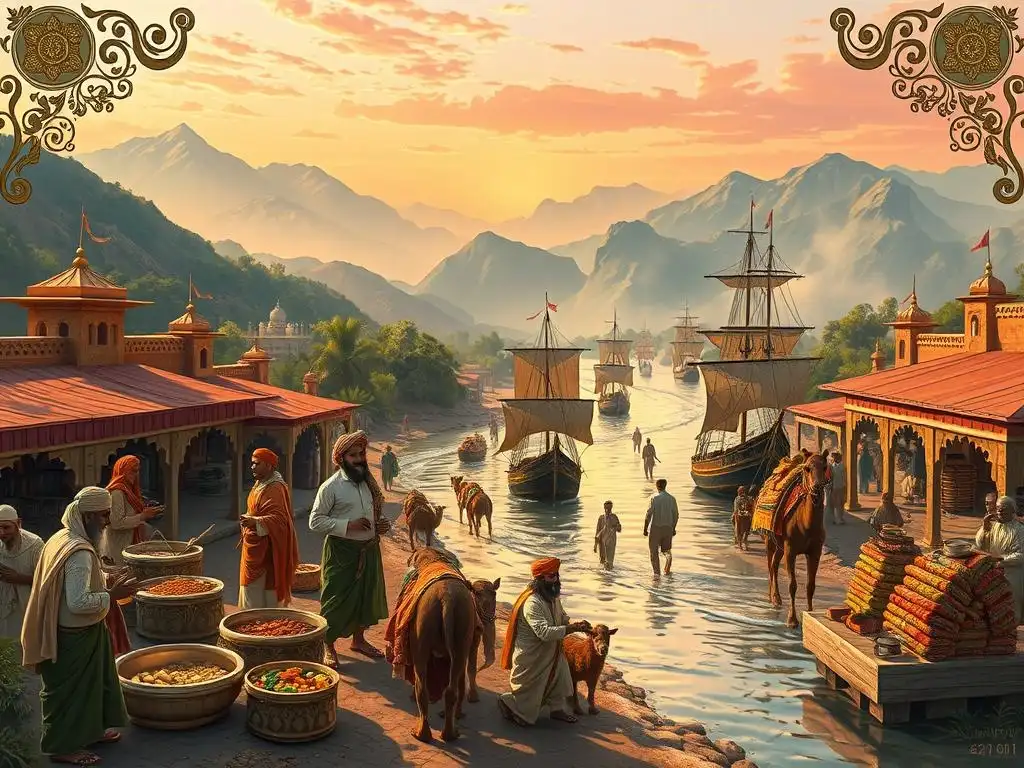
The ancient Indian trade routes served as vital arteries for economic exchange, facilitating not only the flow of goods but also the transfer of knowledge and technology. Through interactions with various cultures and civilizations, ancient Indian societies made significant advancements in transportation and communication technologies. These innovations were crucial for enhancing trade efficiency and expanding commerce across vast distances.
Transportation Technologies
Transportation technologies were paramount in shaping the dynamics of ancient Indian trade. The development of various modes of transport allowed for the efficient movement of goods, which in turn fostered economic growth and technological progress.
Development of Wheel and Chariots
The invention of the wheel, dating back to around 3500 BCE, revolutionized transportation in ancient India. This innovation allowed for the creation of chariots, which were not only utilized for trade but also played vital roles in warfare and ceremonial functions.
- Key Features of Chariots:
- Construction: Made primarily from wood, often reinforced with metal.
- Design: Typically featured two or four wheels, allowing for increased speed and maneuverability.
- Usage: Facilitated the transport of goods over land, enhancing trade connectivity.
The widespread use of chariots enabled merchants to traverse longer distances, making it possible to establish trade with distant regions and societies. This mobility fostered cultural exchanges, leading to the sharing of technologies and ideas.
Advances in Shipbuilding Techniques
Ancient Indian shipbuilding techniques were also advanced for their time, particularly in coastal regions along the Indian Ocean. The development of sturdy ships enabled maritime trade, which was crucial for connecting India with other civilizations, including those in Southeast Asia, Africa, and the Middle East.
- Shipbuilding Innovations:
- Materials: Use of durable woods such as teak, which was resistant to water and pests.
- Design: Development of dhows and larger cargo ships, which could carry significant loads.
- Navigation: Implementation of techniques like the use of the stars for navigation, which facilitated long-distance sea travel.
These maritime advancements not only boosted trade but also contributed to the exchange of cultural and technological knowledge across regions.
Communication Technologies
Effective communication was essential for the functioning of trade networks, and ancient Indian societies innovated several methods that improved the speed and accuracy of information exchange.
Use of Writing Systems in Trade
The emergence of writing systems, such as Brahmi and Kharosthi, played a crucial role in the administration and facilitation of trade. These scripts enabled merchants to maintain records, document transactions, and communicate with distant partners.
- Impact of Writing on Trade:
- Record Keeping: Allowed for accurate tracking of inventories and trade agreements.
- Standardization: Helped in creating standardized contracts, which increased trust among merchants.
- Cultural Exchange: Writing systems also served as a means of disseminating knowledge, including technical and scientific information.
This advancement in communication not only streamlined trade processes but also supported the establishment of more complex economic systems.
Development of Standard Measurement Systems
The establishment of standard measurement systems was vital in trade, ensuring uniformity and fairness in transactions. Ancient Indian merchants utilized various forms of measurements based on weight, volume, and distance, which helped in conducting trade more efficiently.
- Types of Measurements:
- Weights: Use of standardized weights (e.g., the "masha" and "karsha") for transactions.
- Measures of Volume: Development of standardized containers for measuring goods like grains and spices.
- Distance Measurements: Implementation of units based on local geography, aiding in travel and trade route planning.
These standardized systems not only facilitated smoother trade interactions but also contributed to the development of a more organized economy, supporting the growth of ancient Indian civilization.
Cultural Exchanges Along Trade Routes
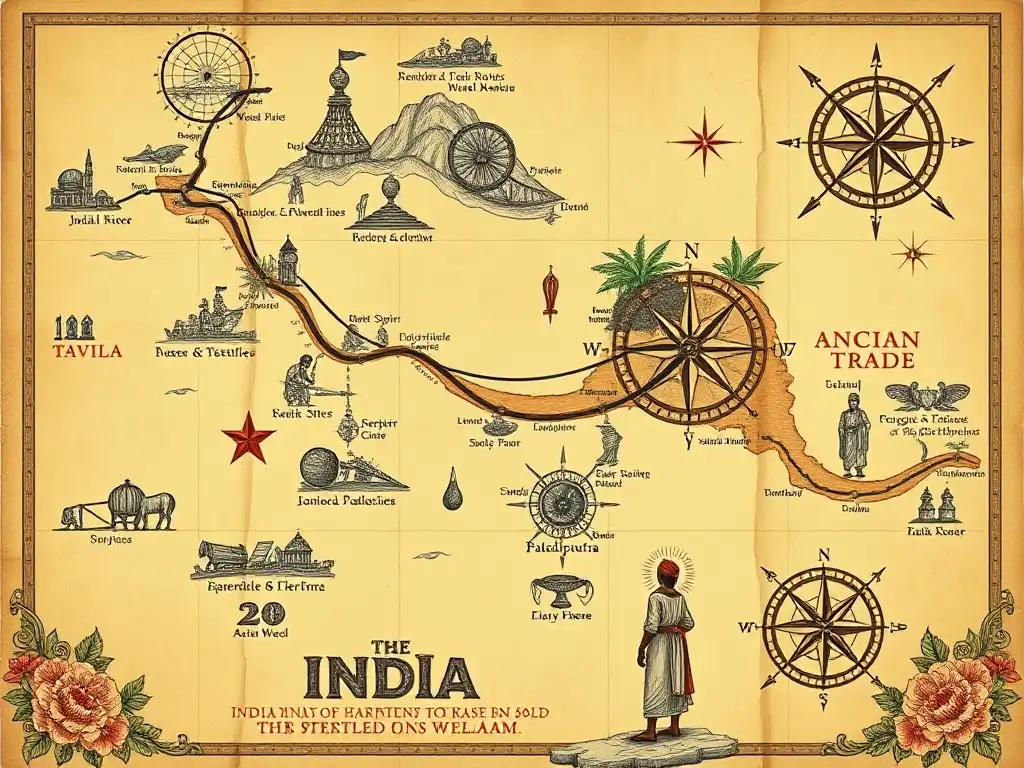
The Spread of Ideas and Knowledge
The ancient Indian trade routes were not merely conduits for the exchange of goods; they were vital channels for the dissemination of ideas and knowledge across diverse cultures. These routes, such as the Silk Road and the Maritime Spice Route, connected India to various civilizations, including those in Central Asia, the Middle East, and Southeast Asia. As traders and travelers moved along these paths, they interacted with local populations, fostering a rich exchange of philosophical thoughts, scientific knowledge, and technological innovations.
Introduction of New Technologies from Other Cultures
The interactions along these trade routes led to the introduction of several technologies that significantly impacted ancient Indian society. For instance, the concept of the numeral system, including the use of zero, was influenced by trade with the Persian and Arab traders. This technological advancement played a crucial role in mathematics and astronomy, allowing Indian scholars to make remarkable contributions to these fields.
Moreover, the techniques of metallurgy, such as the production of high-quality steel, were enhanced through exchanges with other cultures. The famous Wootz steel, known for its durability and strength, became a sought-after commodity, showcasing how ancient Indian trade route technology facilitated advancements in material science.
Influence of Trade on Art and Architecture
The flourishing trade networks encouraged the fusion of artistic styles and architectural techniques, leading to a distinctive cultural synthesis. The influx of goods and ideas resulted in the integration of foreign motifs and styles into Indian art and architecture. For instance, the Gandhara art of the northwestern regions of India is a notable example where Hellenistic influences merged with native traditions.
Traders often commissioned artworks that depicted their cultures or the goods they traded, promoting a unique cross-cultural artistic expression. This exchange not only enriched local craftsmanship but also contributed to the rise of iconic structures, such as stupas and temples, characterized by intricate carvings and diverse influences.
Religious and Philosophical Exchanges
The trade routes also facilitated the spread of religious and philosophical ideas, profoundly shaping the spiritual landscape of ancient India. As merchants traveled, they brought with them their beliefs and practices, which often intermingled with local traditions.
The Role of Buddhism in Trade
Buddhism, which originated in India, found its way along trade routes to Central Asia and beyond. The establishment of monasteries along these paths served as both religious sites and rest stops for traders. These monasteries became centers of learning and exchange, where Buddhist monks shared their teachings with travelers, expanding the religion's reach.
The influence of Buddhism on trade was reciprocal; as the religion spread, it also encouraged the growth of trade. Merchants often facilitated the spread of Buddhist texts and artifacts, creating a network of cultural exchange that transcended geographical boundaries.
Spread of Hinduism through Trade Networks
Similarly, Hinduism spread through trade networks, albeit in a more localized manner. As Indian traders ventured into Southeast Asia, they carried their religious practices and beliefs with them. Temples dedicated to Hindu deities were constructed in regions like Java and Cambodia, demonstrating the religion's influence on local cultures.
The trade routes not only allowed for the dissemination of Hindu texts, such as the Vedas and epics like the Mahabharata and Ramayana, but also facilitated the adaptation of these texts into local narratives. This cultural exchange enriched both Indian and Southeast Asian civilizations, leading to a vibrant tapestry of shared myths, rituals, and artistic expressions.
The ancient Indian trade routes were instrumental in fostering technological advancements, cultural exchanges, and the spread of religious ideologies. This rich tapestry of interactions not only shaped the societies involved but also laid the groundwork for future developments in the region, highlighting the enduring legacy of ancient Indian trade route technology.
Economic Impact of Trade Route Technologies

Growth of Local Economies
The development of ancient Indian trade route technology significantly contributed to the growth of local economies throughout various regions. Trade routes, such as those connecting the Indus Valley to the Mediterranean, facilitated the exchange of goods, ideas, and technologies. This interconnectedness enabled local economies to thrive due to increased market access and resource availability.
- Diversification of Products: Local artisans and farmers began to specialize in producing specific goods that were in demand, leading to a diversification of products available in local markets. For instance, the availability of spices, textiles, and precious stones became prominent in trade, enhancing the economic landscape of these regions.
- Infrastructure Development: The establishment of trade routes necessitated the development of infrastructure, such as roads, bridges, and marketplaces. This improvement not only supported trade but also provided jobs and stimulated local economies.
The economic impact of these trade route technologies was profound, as it laid the foundation for prosperous local markets and contributed to the overall wealth of the region.
Role of Artisans and Craftsmen
Artisans and craftsmen played a pivotal role in the success of ancient Indian trade routes. Their skills and creativity allowed them to produce high-quality goods that were highly sought after both locally and internationally.
- Specialization: As trade routes expanded, artisans began to specialize in specific crafts, such as pottery, weaving, and metalwork, leading to the production of unique and valuable items.
- Cultural Exchange: The interaction with traders from different cultures facilitated the exchange of techniques and materials, enriching the craftsmanship. For example, the influence of Persian designs can be seen in Indian textiles during the period of trade with the Persian Empire.
The artisans' contributions not only supported local economies but also established India's reputation as a center of quality craftsmanship.
The Emergence of Merchant Classes
The flourishing trade routes led to the emergence of a distinct merchant class, which played a crucial role in the economic landscape of ancient India.
- Wealth Accumulation: Merchants accumulated wealth through trade, enabling them to invest in further economic activities and infrastructure. This wealth often translated into social and political power, allowing merchants to influence local governance.
- Networks of Trade: Merchants established extensive networks that connected various regions of India and beyond. This not only facilitated trade but also created a sense of interconnectedness among different cultures and economies.
The rise of this merchant class was vital for the economic stability and growth of ancient Indian civilizations, as they acted as the intermediaries between producers and consumers.
Influence on National Economy
The trade routes of ancient India had a substantial influence on the national economy, shaping the economic landscape of the region.
Taxation and Revenue from Trade
One of the significant impacts of ancient Indian trade routes was the generation of revenue through taxation.
- Tax Collection: Governments implemented taxes on goods traded along these routes, leading to increased revenue for the state. This revenue was crucial for funding public works, military campaigns, and administrative functions.
- Economic Policy: The taxation system encouraged the growth of trade by providing incentives for merchants and traders. Regulations were put in place to facilitate trade, including standardized weights and measures, which streamlined transactions.
The revenue generated from trade not only bolstered local economies but also supported the overall national economy, enabling the state to invest in infrastructure and development.
Trade as a Catalyst for Urbanization
The expansion of trade routes acted as a catalyst for urbanization in ancient India.
- Urban Centers: As trade flourished, urban centers emerged around key trade routes, attracting populations seeking economic opportunities. Cities like Taxila and Pataliputra became bustling hubs of commerce and culture.
- Social Dynamics: The growth of urban areas led to changes in social dynamics, with increased interactions among diverse groups. This resulted in cultural exchanges and the blending of traditions and practices.
The urbanization driven by trade routes not only transformed the landscape of ancient India but also laid the groundwork for future civilizations, emphasizing the profound impact of ancient Indian trade route technology on economic development.
Case Studies of Technological Advancements
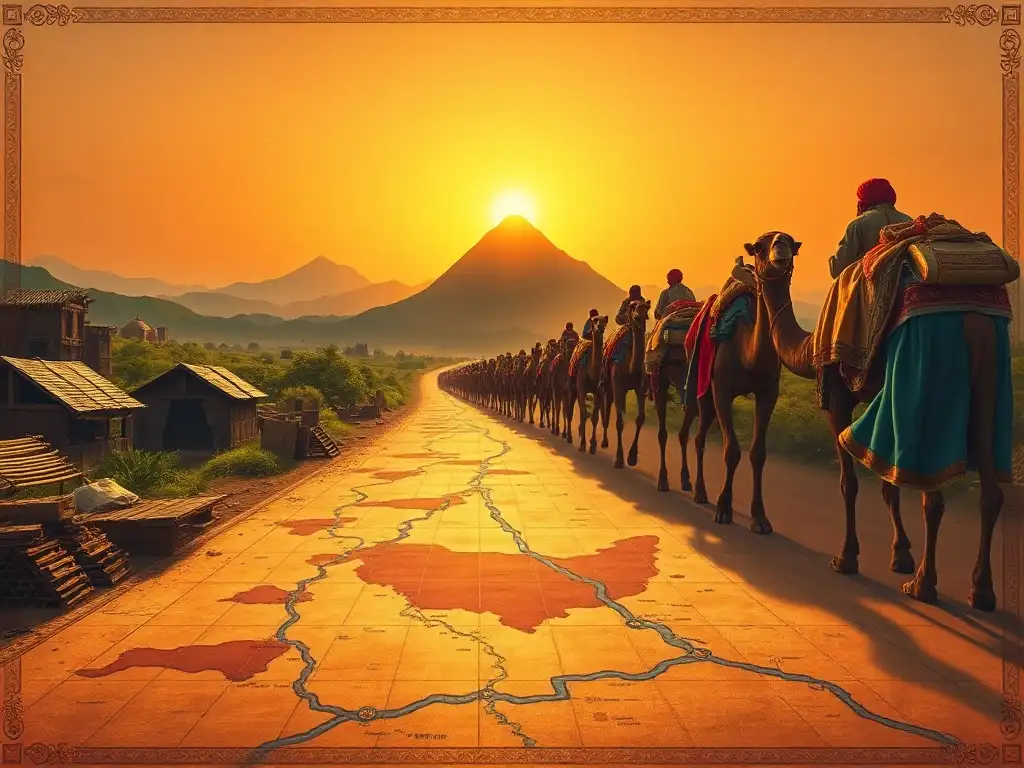
The exploration of ancient Indian trade routes reveals not only the economic exchanges that took place but also the technological advancements that were catalyzed by these interactions. This section delves into two significant case studies that illustrate how ancient Indian trade route technology influenced various innovations.
Case Study: The Evolution of Indian Maritime Trade
Maritime trade emerged as a vital component of ancient Indian commerce, greatly influencing the technological landscape of the region. The advancements in navigation and shipbuilding were pivotal for facilitating trade across the seas.
Innovations in Navigation and Shipbuilding
Ancient Indian shipbuilders demonstrated remarkable ingenuity in the construction of vessels. The development of sturdy ships, often referred to as "dhows," incorporated advanced techniques using local materials such as timber and coir (coconut fiber). These ships were designed to withstand the monsoon winds and the turbulent seas, enabling long-distance voyages.
- Navigational Instruments: Ancient mariners utilized several navigational tools, such as the astrolabe and compasses, derived from interactions with other cultures.
- Sail Design: The lateen sail, which allowed for better maneuverability and speed, became prominent in Indian maritime practices, enhancing trade efficiency.
The culmination of these innovations allowed Indian traders to venture into the Indian Ocean, establishing routes that connected them with regions like Africa, the Arabian Peninsula, and Southeast Asia.
Impact on Trade with Southeast Asia
The flourishing maritime trade facilitated the exchange of not only goods but also ideas and technologies. The trade routes connecting India with Southeast Asia led to significant cultural and technological exchanges.
- Spices and Textiles: India exported a variety of spices, textiles, and precious stones, while importing goods such as gold and silver.
- Cultural Exchange: The interactions along these trade routes also paved the way for the spread of Buddhism and Hinduism, influencing the cultural landscape of Southeast Asia.
The advancements in maritime trade consequently contributed to the economic prosperity of ancient Indian civilizations, underlining the integral relationship between trade and technological evolution.
Case Study: The Role of Indus Valley Civilization
The Indus Valley Civilization (IVC), one of the earliest urban cultures, played a crucial role in establishing trade networks that would usher in various technological advancements.
Urban Planning and Trade Infrastructure
The urban planning of the IVC was meticulously designed to support trade activities. Cities like Harappa and Mohenjo-Daro were characterized by their grid-like layouts, sophisticated drainage systems, and standardized brick sizes, which facilitated efficient trade practices.
- Marketplaces: Centralized marketplaces were established, which served as hubs for trading goods. This urban infrastructure enabled easier movement of traders and goods.
- Standard Weights and Measures: The establishment of standardized weights and measures promoted fair trade practices, enhancing commercial trust and efficiency.
The strategic urban planning of the IVC not only advanced trade but also laid the groundwork for future civilizations in terms of city development.
Technological Developments in Agriculture
Agriculture was the backbone of the Indus Valley economy, and technological innovations in this sector were vital for sustaining trade.
- Irrigation Systems: The development of complex irrigation systems allowed for the cultivation of surplus crops, which could be traded. The use of canals and water management techniques reflected advanced understanding of agricultural practices.
- Crop Diversification: The IVC is credited with the cultivation of various crops, including wheat, barley, and cotton. The surplus from these crops not only supported local populations but also became a key export in trade networks.
These agricultural advancements significantly contributed to the economic stability of the Indus Valley Civilization, fostering a vibrant trade environment that would influence future generations.
Through these case studies, it is evident that ancient Indian trade route technology was not merely a facilitator of commerce but a catalyst for significant technological advancements that shaped the region's history and culture.
Conclusion: Legacy of Ancient Indian Trade Route Technology
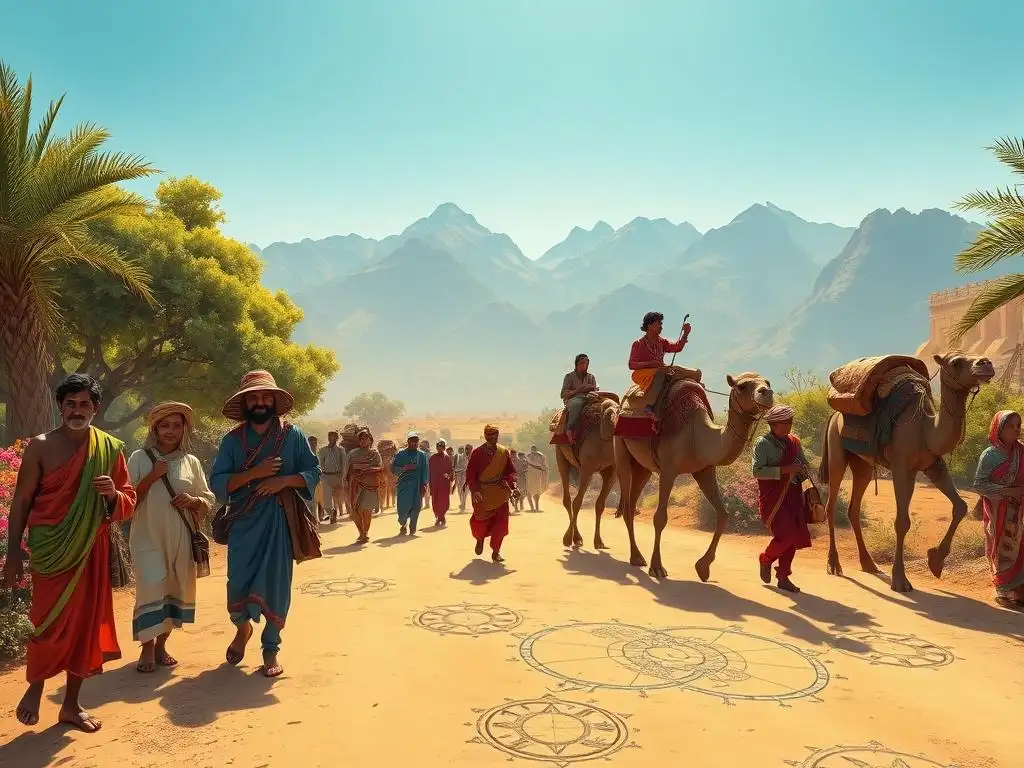
The legacy of ancient Indian trade route technology is profound, shaping not only the economies of the past but also influencing modern trade practices. These routes were instrumental in the exchange of goods, ideas, and cultures, contributing to a sophisticated framework that underpinned the flourishing of ancient Indian civilizations. The technological advancements developed along these trade networks included innovations in transportation, navigation, and communication, which facilitated trade across vast distances.
One key aspect of this legacy is the establishment of standardized measuring systems and weights, which allowed for fair trade and commerce among diverse cultures. The use of the Indus Valley Standard—a system of weights and measures—enabled traders to engage in transactions with confidence, promoting trade efficiency. Additionally, the construction of well-planned roads and ports, such as those found in the Mauryan Empire, represented significant technological advancements that supported the movement of goods and people.
Lasting Impact on Modern Trade Practices
The influence of ancient Indian trade routes can still be felt in contemporary trade practices. Modern logistics and supply chain management have roots in the methodologies developed during ancient times. For example, the use of caravans for transporting goods across difficult terrains is mirrored in today’s logistics companies that deploy fleets of vehicles to navigate complex routes.
Moreover, the early adoption of trade agreements and partnerships among different regions can be seen in today’s international trade agreements. The concept of trade fairs and marketplaces established by ancient Indian traders laid the groundwork for modern economic hubs and trade shows, which continue to facilitate global commerce.
The technological innovations in shipbuilding and navigation developed during the ancient period also have a lasting impact. The techniques employed by traders sailing the Indian Ocean and engaging in maritime trade set a precedent for modern shipping practices, enhancing our ability to trade across oceans efficiently.
Reflection on the Richness of Ancient Indian Civilizations
The technological advancements fostered by ancient Indian trade routes are a testament to the ingenuity and adaptability of these civilizations. They not only reflect the economic prowess of the time but also highlight the rich cultural exchanges that occurred as a result of these interactions. The blending of ideas, art, and technology from various regions contributed to the development of a vibrant cultural tapestry.
Furthermore, these trade routes facilitated the spread of knowledge and innovations, such as the numeral system and advancements in metallurgy, which are foundational to modern science and mathematics. The ability to share and integrate diverse technologies fostered an environment of learning and growth, emphasizing the interconnectedness of ancient civilizations.
In essence, the legacy of ancient Indian trade route technology serves as a reminder of the importance of trade in shaping societies and fostering technological progress. It highlights how the past continues to inform our present and future, encouraging us to appreciate the rich history of trade and cultural exchange that has defined human civilization.
References and Further Reading
Key Texts on Ancient Indian Trade
-
"The Indus Valley Civilization: A Historical Perspective" by Jane McIntosh
This book provides a comprehensive overview of the early trade systems in the Indus Valley, detailing how trade facilitated technological advancements in metallurgy and agriculture.
-
"Trade and Politics in the Indian Ocean World" by Ashin Das Gupta
A detailed exploration of the maritime trade routes, this text discusses the political implications of trade and how these routes influenced technological exchange across ancient civilizations.
-
"Ancient Indian Commerce: An Overview" by B. R. Sharma
Sharma's work delves into the internal trade networks of ancient India, shedding light on how commerce led to innovations in transport and logistics, marking the foundations of ancient Indian trade route technology.
-
"Silk Roads and the Sea Roads: The Trade of the Ancient World" by Xinru Liu
This book compares the land and sea routes, emphasizing how Indian traders were pivotal in establishing connections that fostered technological and cultural exchanges, particularly in the context of the Indian subcontinent.
-
"The Gupta Empire: A Study in Indian History" by R. S. Sharma
This text examines the Gupta period's trade networks, highlighting advancements in coinage, cartography, and the technologies that emerged as a result of extensive trade relationships.
Recommended Resources for Further Exploration
- JSTOR Articles: Numerous academic papers available on JSTOR explore various aspects of ancient Indian trade, providing in-depth analyses and research findings.
- Online Lectures and Courses: Websites like Coursera and edX offer free courses on ancient Indian history and trade, often featuring lectures by renowned historians and experts in the field.
- Documentaries: Platforms like YouTube host various documentaries that visually explore the trade routes and their impact on technology and economy in ancient India.
- Museums and Virtual Exhibits: The National Museum in Delhi and the Indian Museum in Kolkata have online resources that showcase artifacts related to ancient trade, including tools and goods used by traders.
- Podcasts: Listening to history-focused podcasts can be an engaging way to learn about ancient Indian trade routes and their technological innovations. Look for series that specialize in ancient history or cultural exchanges.
By exploring these texts and resources, readers can gain a deeper understanding of how ancient Indian trade route technology not only influenced commerce but also spurred significant advancements across various fields in ancient India.
Frequently Asked Questions
What were the key trade routes in ancient India?
Ancient India had several important trade routes, including the Silk Road and the Maritime Spice Route, which facilitated the exchange of goods and ideas across continents.
How did ancient Indian trade routes influence technological advancements?
The exchange of goods along trade routes not only promoted commerce but also led to the sharing of innovative technologies, such as navigation techniques and metallurgy, enhancing various industries.
What role did cultural exchange play in ancient Indian trade?
Cultural exchange was significant, as it allowed for the introduction of new ideas, art, and science, which enriched Indian society and contributed to its technological progress.
Which ancient Indian civilization is most known for its trade route technology?
The Indus Valley Civilization is particularly noted for its sophisticated urban planning and trade practices, which set the foundation for future technological developments in ancient Indian trade.
How did the Gupta Empire contribute to trade and technology?
The Gupta Empire fostered a prosperous environment for trade, leading to significant advancements in science and mathematics, which were often shared through trade networks, enhancing technological innovation across regions.
Final Reflection: The Enduring Legacy of Ancient Indian Trade Route Technology
The intricate web of ancient Indian trade routes not only facilitated the exchange of goods but also served as a catalyst for technological advancements that resonate in our modern world. Today, as we navigate a globalized economy, the significance of these routes becomes increasingly evident; they remind us that innovation often flourishes at the crossroads of cultures and ideas. The lessons from history underscore the importance of connectivity and collaboration in driving progress.
The influence of ancient Indian trade routes extends far beyond their historical context, shaping the cultural and technological landscape of civilizations across the globe. As we reflect on this legacy, it is crucial to recognize how these routes fostered an environment ripe for innovation, inspiring generations to come. Trade is not just about goods; it is about the exchange of ideas and the birth of new technologies.
This sentiment encapsulates the essence of how interconnectedness can lead to transformative advancements.
As we look to the future, I invite you to consider the lessons learned from ancient Indian trade route technology. How can we apply these principles of collaboration and innovation in our own lives and communities? Embrace the spirit of connection, seek out diverse perspectives, and be open to the possibilities that arise from shared knowledge. In doing so, we honor the legacy of those who came before us and pave the way for a brighter, more innovative future.
Unveil the Secrets of Ancient Trade – Ignite Your Curiosity!
Thank you for exploring the fascinating world of ancient Indian trade routes with us! Your interest not only enriches your knowledge but also connects you to the innovative spirit of our ancestors. Now, let's take the next step to deepen your understanding and appreciation of this incredible history.
- Join a local history group or participate in online forums to discuss and explore further about ancient trade and its impact on technology.
- Share this article with friends and family to spark discussions about how these early trade connections shaped our modern world.
- Research a specific trade route or technological advancement that fascinates you and create a short presentation or post to educate others!
What discoveries could you uncover about the influence of ancient trade on the modern technologies you encounter in your daily life?