
Understanding the Social Networks of Ancient Indian Traders

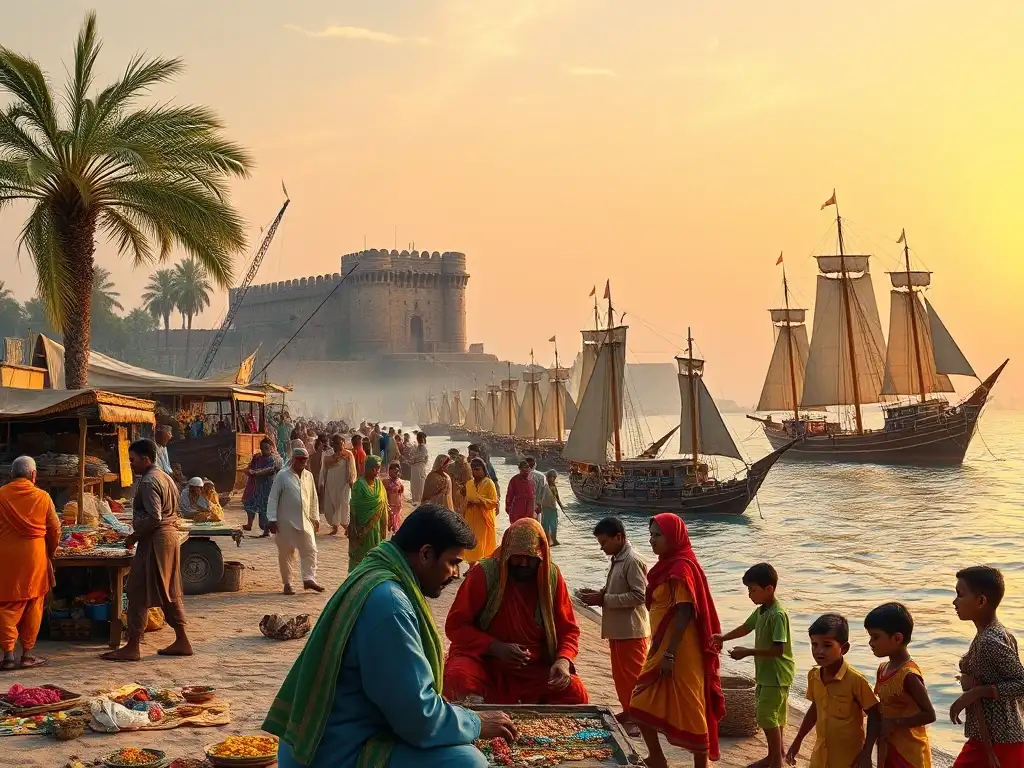
Welcome to Ancient India History, where we delve into the fascinating tapestry of civilizations that shaped a subcontinent. In this exploration, we invite you to uncover the intriguing world of ancient Indian trading networks. What secrets lie within the intricate web of commerce and social connections that sustained vibrant communities from the Indus Valley to the Gupta Empire? Join us as we embark on a journey through time, revealing the remarkable contributions of ancient traders and the economic dynamics that fostered their success. Prepare to be captivated by stories that intertwine culture, economy, and history—your adventure begins now!
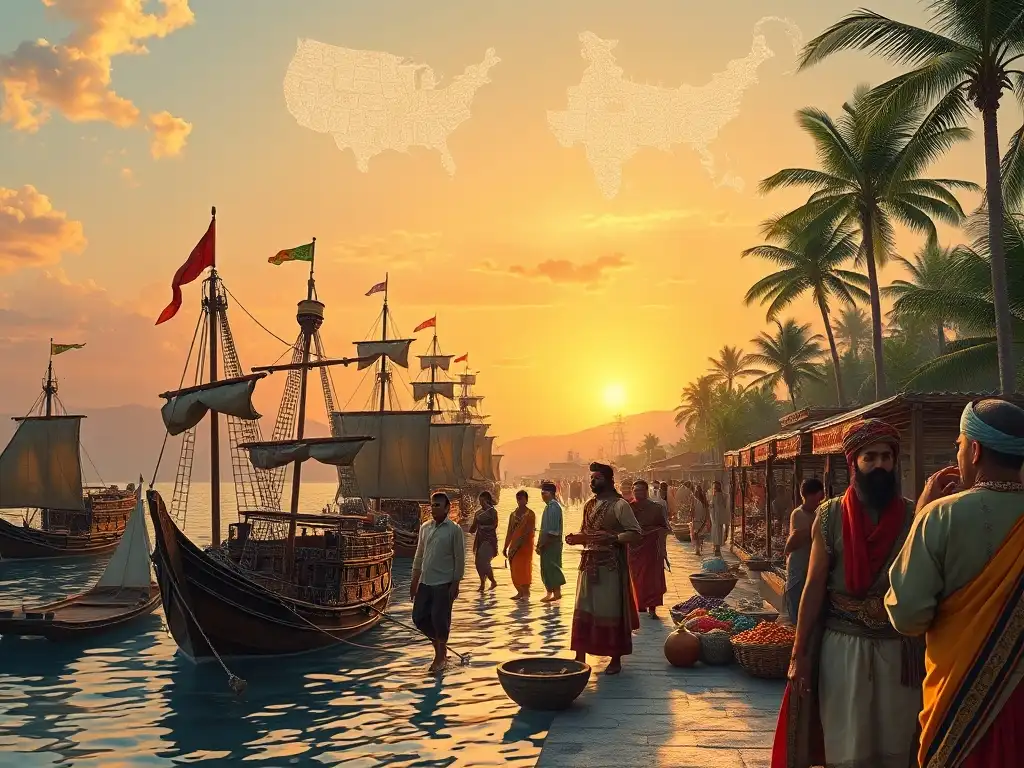
Introduction to Ancient Indian Trading Networks
The intricate tapestry of ancient Indian trading networks showcases a vibrant economy that thrived on interconnections among diverse civilizations. From the bustling marketplaces of the Indus Valley to the flourishing trade routes of the Gupta Empire, these networks illustrate not only the exchange of goods but also the mingling of cultures, ideas, and social structures. Understanding these trading networks is crucial to appreciating the complexities of ancient Indian society and its significant contributions to global trade practices.
Overview of Trade in Ancient India
Trade in ancient India was a multifaceted system that included both local and long-distance exchanges. The following points highlight key aspects of this trading landscape:
- Diverse Goods: Ancient Indian traders dealt in a variety of commodities, including spices, textiles, precious stones, and metals. The export of these goods greatly influenced trade dynamics across Asia and beyond.
- Trade Routes: Major trade routes, such as the Silk Road and maritime pathways, facilitated the movement of goods. These routes connected India with regions like Southeast Asia, the Middle East, and even Europe.
- Marketplaces: Cities like Pataliputra, Taxila, and Ujjain served as vibrant commercial hubs where traders congregated, exchanging not only goods but also cultural practices and knowledge.
Social networks played a pivotal role in the functioning and success of ancient Indian trading systems. Here are some essential points to consider:
- Trust and Relationships: Traders relied heavily on established relationships, which fostered trust and reduced the risks associated with long-distance trade. Social networks allowed them to collaborate and support each other, ensuring the smooth flow of commerce.
- Cultural Exchange: These networks facilitated the exchange of ideas and cultural practices, enriching the social fabric of trading communities. The interactions among traders from different regions led to the diffusion of art, religion, and technology.
- Political Alliances: Social connections often extended into political realms, with traders forming alliances that could influence trade policies and agreements, benefiting their commercial activities.
The Historical Context of Ancient Indian Trading Networks
Understanding the historical context of ancient Indian trading networks provides insight into how they evolved over time.
Timeline of Ancient Indian Trade Development
- Indus Valley Civilization (c. 3300–1300 BCE): Early evidence of trade with Mesopotamia, marked by the exchange of goods like beads, textiles, and pottery.
- Vedic Period (c. 1500–500 BCE): Expansion of trade routes and the rise of barter systems; the use of weights and measures began to standardize trade.
- Maurya Empire (c. 322–185 BCE): Establishment of a centralized trade system that promoted commerce across vast territories.
- Gupta Empire (c. 320–550 CE): The peak of trade and cultural exchange, with flourishing international trade relationships and advancements in trade practices.
Key Civilizations Involved in Trade
Several key civilizations contributed to the rich tapestry of ancient Indian trading networks:
- Harappans: Early pioneers of trade, known for their sophisticated urban planning and extensive trade links.
- Mauryas: Influenced trade through state-sponsored initiatives, enhancing internal trade networks and international connections.
- Guptas: The Golden Age of trade, marked by significant advancements in commerce, arts, and sciences, leading to a vibrant trading culture.
The ancient Indian trading networks were not merely economic systems but complex social constructs that shaped the interactions and relationships within and beyond ancient Indian civilization. Understanding these networks provides a lens through which we can appreciate the depth of ancient India's contributions to global trade and cultural exchange.
Types of Goods Traded in Ancient India

The ancient Indian trading networks were characterized by a diverse array of goods that were traded both internally and with neighboring civilizations. These goods can be broadly categorized into agricultural products, luxury items, and regional specialties, each playing a significant role in the economy and cultural exchange of ancient India. Understanding the types of goods traded provides insight into the economic foundations and social dynamics of these early societies.
Agricultural Products and Their Role in Trade
Agricultural products formed the backbone of ancient Indian trade. The fertile plains of the Indus Valley and the Ganges River basin allowed for the cultivation of various crops, including rice, wheat, barley, and pulses. These staples not only sustained local populations but were also pivotal in trade with distant regions.
- Rice and Wheat: These grains were among the most traded agricultural products, with rice being a staple in the eastern regions and wheat dominating the northern plains. Their demand extended beyond local consumption, influencing trade patterns.
- Spices and Condiments: Spices like black pepper, cardamom, and turmeric were highly sought after, not only for culinary purposes but also for their preservative qualities. They became a major export commodity, contributing significantly to the flourishing trade networks.
- Cotton and Textiles: Cotton cultivation in regions such as Gujarat and Maharashtra led to the production of textiles, which were in high demand both domestically and internationally. The trade of cotton textiles facilitated cultural exchanges and wealth accumulation within trading communities.
Agricultural products were foundational in building social networks among traders, as these goods often dictated trade routes and influenced relationships between different regions.
Luxury Goods: Spices, Textiles, and Gems
In addition to agricultural products, luxury goods played a crucial role in ancient Indian trading networks. These items were not only valuable but also symbols of status and cultural significance.
- Spices: Spices like cinnamon, saffron, and cloves were highly prized in global markets, often referred to as "black gold." Their rarity and flavor made them a major export, with trade routes extending to the Roman Empire and beyond.
- Textiles: The exquisite craftsmanship of Indian textiles, including silk and muslin, made them coveted items in trade. The trade of textiles was not merely economic; it facilitated cultural exchanges, influencing fashion and tastes across regions.
- Gems and Precious Stones: India was renowned for its diamonds, rubies, and emeralds. The trade of these gems was central to the economy, attracting traders from far and wide. These luxury items often carried cultural and religious significance, further enhancing their value.
The trade of luxury goods helped to establish and reinforce social hierarchies, as wealth accumulated among traders and merchants who specialized in these high-value commodities.
The Significance of Regional Specialties
Regional specialties played a vital role in the dynamics of ancient Indian trading networks. Different areas developed unique products based on their local resources, climate, and cultural practices.
- Regional Variations: For instance, the western regions were known for their textiles, while the southern parts specialized in spices. This differentiation allowed regions to trade their specialties, creating interdependence and fostering relationships between traders of different backgrounds.
- Cultural Identity: The production and trade of regional specialties contributed to a sense of cultural identity among communities. Each region's unique goods, such as the silk of Varanasi or the pottery of Gujarat, not only served economic purposes but also represented local traditions and craftsmanship.
- Market Demand: The demand for regional specialties often drove trade expansions. As traders sought to meet consumer preferences, they established networks that spanned vast distances, connecting diverse cultures and economies.
Recognizing the significance of regional specialties sheds light on how these ancient trading networks were not just about the exchange of goods but also about the connections formed and identities shaped through trade.
Major Trade Routes of Ancient Indian Traders
The ancient Indian trading networks were supported by a complex system of trade routes, both overland and maritime, that facilitated the movement of goods across vast distances. These routes were crucial for economic prosperity and cultural exchange, linking India with other civilizations.
Overview of Land Trade Routes
Land trade routes in ancient India were extensive, connecting major cities and regions to one another and to external markets. The Silk Road, for example, played a significant role in linking India with Central Asia and beyond.
- Key Routes: Prominent routes included the Grand Trunk Road, which connected the eastern and western parts of India, facilitating trade between the Indo-Gangetic plains and the northwestern regions.
- Trade Hubs: Major cities such as Pataliputra, Taxila, and Ujjain served as trade hubs where goods were exchanged, markets flourished, and cultural interactions occurred. These cities were strategically located along trade routes, enhancing their economic significance.
- Cultural Exchange: The land routes not only facilitated trade but also allowed for the exchange of ideas, religions, and cultural practices, contributing to the rich tapestry of ancient Indian civilization.
Maritime Trade: Connections with Other Civilizations
Maritime trade was equally important, with ancient Indian traders sailing across the Indian Ocean to connect with civilizations such as those in Arabia, Africa, and Southeast Asia.
- Trade Ports: Key ports like Lothal, Bharukachchha, and Kochi emerged as significant centers for maritime trade. These ports played a vital role in the import and export of goods, including spices, textiles, and precious stones.
- Cultural Links: Maritime trade routes facilitated not just the movement of goods but also cultural and religious exchanges. Indian traders brought Indian philosophies and religions, including Buddhism, to distant lands, influencing societies throughout Asia.
- Technological Advances: The development of advanced shipbuilding techniques and navigational skills allowed traders to undertake long sea voyages, further enhancing the scope and scale of maritime trade.
Maritime trade networks exemplified the interconnectedness of ancient civilizations, showcasing how commerce transcended geographic boundaries and fostered global interactions.
The Role of Ports and Trading Cities
Ports and trading cities served as vital nodes in the ancient Indian trading networks, acting as gateways for the exchange of goods and culture.
- Economic Centers: Cities like Calicut and Surat became bustling economic centers, attracting merchants, traders, and artisans. These urban areas thrived on the trade of various goods, leading to economic prosperity and cultural vibrancy.
- Social Networks: The concentration of traders in these cities led to the formation of social networks that facilitated trust and collaboration. Merchants often established guilds or associations, creating a support system that promoted trade activities.
- Cultural Melting Pots: Ports and trading cities were melting pots of cultures, where diverse communities coexisted and interacted. This cultural exchange enriched local traditions, art, and cuisine, contributing to the broader cultural landscape of ancient India.
The significance of ports and trading cities in ancient Indian trading networks cannot be overstated, as they were instrumental in facilitating trade, cultural exchange, and the growth of urban centers.
The trading networks of ancient India were underpinned by complex social structures that facilitated commerce across vast regions. These networks were not only economic but also social, creating interconnected communities where trade played a critical role in shaping social relations. Merchants, artisans, and laborers formed distinct classes within these networks, each contributing to the overall economic tapestry. As trade flourished, so did the social hierarchies, with successful merchants often gaining significant political and social power, influencing local governance and community dynamics.
The traditional caste system also intersected with trading activities, as certain communities became specialized in particular trades or crafts. This specialization allowed for the development of robust trading practices, fostering a sense of identity and community among traders. The interactions among various merchant classes resulted in a vibrant social fabric, where alliances were formed, and cultural exchanges took place, aiding in the spread of goods, ideas, and innovative practices.
Merchant Classes and Their Influence on Trade
Merchant classes in ancient India were diverse and played a pivotal role in shaping trade dynamics. The Vaishyas, traditionally known as agriculturalists and traders, were significant players in the economic landscape. They engaged in both wholesale and retail trade, establishing trade routes that connected urban centers to rural markets. Notably, groups like the Sresthin and Baniya emerged as influential merchant classes, often acting as financiers and traders who facilitated large-scale transactions.
Their influence extended beyond mere commerce; successful merchants often became patrons of religion and culture, funding temples and sponsoring artistic endeavors. This intermingling of economic and social influence enabled merchant classes to wield substantial power within their communities. Their ability to navigate political landscapes, forge alliances, and establish trust within trading networks was crucial for the prosperity of trade in ancient India.
Role of Guilds in Promoting Trade
Guilds, or Shrenis, were essential institutions that organized traders and craftsmen in ancient India. These associations provided a platform for merchants to collaborate, share knowledge, and uphold standards within their trades. By establishing codes of conduct and regulating prices, guilds promoted fair trade practices and enhanced the reputation of their members, thereby fostering trust among traders.
Moreover, guilds played a critical role in facilitating long-distance trade. They formed networks that connected various regions, allowing for the smooth exchange of goods. Through their extensive connections, guilds also helped in negotiating trade agreements, resolving disputes, and providing legal support to their members. The influence of guilds extended into social spheres, as they often engaged in philanthropic activities and contributed to community welfare, solidifying their status as vital components of ancient Indian trading networks.
Women in Trade: Contributions and Challenges
Women played a significant yet often understated role in ancient Indian trading networks. They were involved in various aspects of trade, from managing family businesses to participating in local markets. Women artisans, for instance, contributed to the production of textiles, pottery, and other crafts, which were essential commodities in trade. Additionally, some women took on roles as traders in their own right, especially in regions where matrilineal systems were prevalent.
Despite their contributions, women faced numerous challenges within the trading landscape, including social restrictions and limited access to resources. Their roles were often overshadowed by their male counterparts, leading to a lack of recognition in historical narratives. Nonetheless, the resilience and resourcefulness of women in trade highlight an important aspect of ancient Indian economic life, showcasing their contributions to both local and regional markets.
Cultural Exchanges Facilitated by Trade
Trade in ancient India was a catalyst for cultural exchanges that transcended geographical boundaries. As merchants traveled to distant lands, they brought not only goods but also ideas, beliefs, and practices that enriched local cultures. This exchange fostered a dynamic environment where innovation thrived, and diverse cultural elements were assimilated into the fabric of Indian society.
Spread of Ideas and Innovations through Trade
The movement of traders across regions facilitated the spread of ideas and innovations, significantly impacting various fields such as agriculture, technology, and philosophy. For instance, the introduction of new agricultural practices, including crop rotation and irrigation techniques, can be attributed to interactions with traders from different regions. Additionally, trade routes became conduits for the dissemination of religious and philosophical ideas, such as Buddhism and Jainism, which were carried by merchants and monks alike.
Moreover, innovations in navigation, cartography, and transportation methods were shared among traders, enhancing trade efficiency and safety. This blend of cultural and intellectual exchanges contributed to the advancement of ancient Indian society, making it a melting pot of ideas and innovations.
Influence of Trade on Art and Architecture
The flourishing trade networks of ancient India had a profound impact on the art and architecture of the time. The wealth accumulated through trade enabled patrons to commission elaborate structures, temples, and public buildings that reflected the artistic styles and cultural influences from various regions. This can be seen in the intricate carvings and sculptures that adorned temples, often depicting deities and scenes from mythology, which were influenced by the diverse cultures with which Indian traders interacted.
Furthermore, the exchange of artistic techniques and materials, such as textiles and pottery, enriched local artistic traditions. The fusion of styles led to the emergence of unique art forms that combined indigenous elements with foreign influences, creating a distinctive identity for ancient Indian art and architecture.
Language and Cultural Interactions among Traders
Language played a crucial role in bridging cultural gaps among traders in ancient India. As commerce expanded, traders adopted and adapted languages to facilitate communication. The use of Prakrit, Sanskrit, and later Persian and Arabic in trade interactions illustrates the linguistic diversity that emerged through commerce. This linguistic exchange not only aided in trade negotiations but also contributed to the development of a shared cultural vocabulary that transcended regional boundaries.
Moreover, cultural interactions among traders led to the exchange of stories, folklore, and traditions, enriching the cultural tapestry of ancient India. The blending of various linguistic and cultural elements fostered a spirit of collaboration and mutual respect, laying the groundwork for a rich, interconnected cultural milieu that characterized ancient Indian trading networks.
Challenges Faced by Ancient Indian Traders
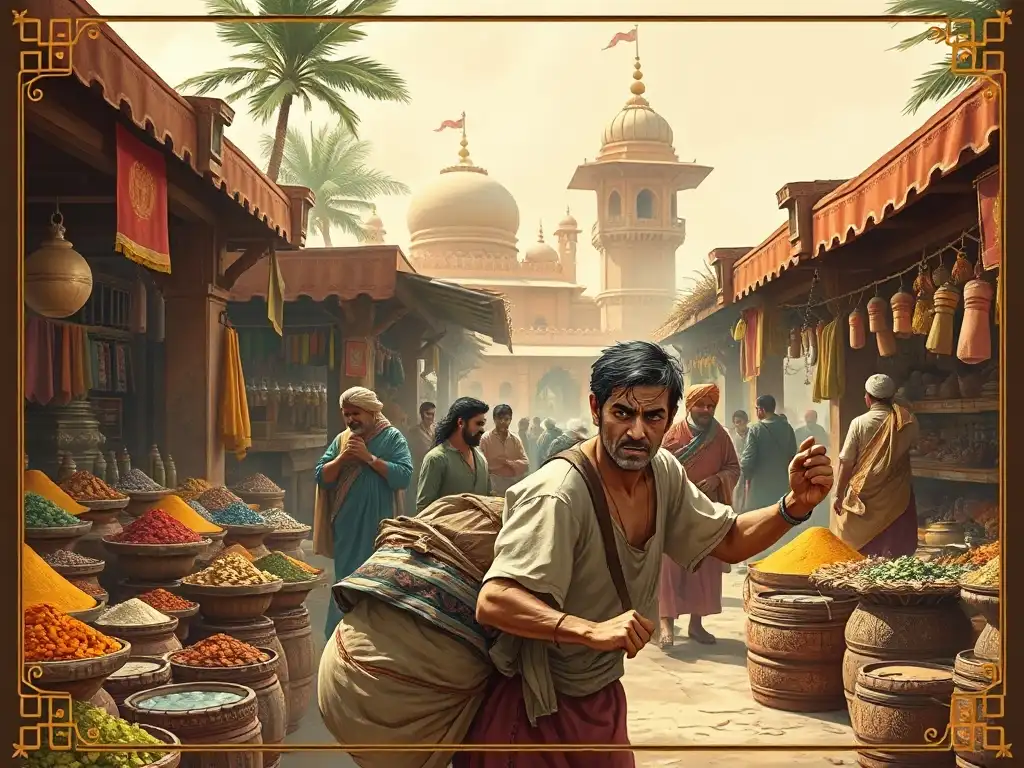
The ancient Indian trading networks were crucial for the exchange of goods, ideas, and culture, but they were not without their challenges. Traders navigated a complex landscape filled with geographical, political, and competitive hurdles that influenced their operations and the overall success of trade.
Geographical and Environmental Obstacles
Ancient Indian traders faced significant geographical and environmental challenges that impacted their ability to trade efficiently. The subcontinent's diverse topography, including mountains, forests, and rivers, created natural barriers that could impede trade routes. For instance:
- Himalayan Range: This towering mountain range served as both a barrier and a passage for trade with Central Asia. While it facilitated certain trade routes, it also posed dangers such as landslides and harsh weather conditions.
- Monsoon Climate: The seasonal monsoon winds affected maritime trade, dictating the timing of voyages and the safety of sea routes. Traders had to plan their journeys carefully to avoid storms and rough seas.
- Desert Regions: The Thar Desert, located to the northwest, presented challenges for overland trade, requiring traders to prepare for extreme temperatures and scarce water sources.
These obstacles necessitated the development of innovative trading strategies and the establishment of well-planned routes that could accommodate the unpredictability of the environment.
Political Instability and Its Impact on Trade
Political instability in ancient India significantly impacted trading networks. The rise and fall of empires, shifting alliances, and local conflicts could disrupt trade routes and market stability. Key factors include:
- Regional Conflicts: Wars and territorial disputes often led to the closure of trade routes. For example, the Mauryan Empire initially provided a stable environment for trade, but subsequent regional rivalries could create barriers for traders.
- Taxation and Regulation: Changes in governance could lead to increased taxes on trade or new regulations, discouraging traders from using certain routes. Merchants often had to navigate varying political landscapes that could either facilitate or hinder their operations.
- Security Concerns: The threat of banditry or piracy along trade routes could deter traders from venturing into certain areas. This necessitated the establishment of protective alliances and the hiring of guards to ensure safe passage.
The political climate directly influenced the dynamics of trade, leading to fluctuations in goods availability and pricing.
Competition with Other Civilizations
Ancient Indian traders also faced stiff competition from neighboring civilizations, which shaped their trading practices and strategies. The interplay between different cultures often resulted in both conflict and cooperation. Notable points of competition include:
- Persian and Greek Traders: The influx of Persian and later Greek traders introduced new goods and trading methods, creating competition in markets. Indian traders had to adapt to these changes to maintain their market share.
- Silk Road Influence: The Silk Road connected India with distant markets, including those in China and the Mediterranean. This connection invited competition from traders in these regions, leading to a dynamic trading environment.
- Local Market Rivalries: Within India itself, different regions often specialized in specific goods, leading to competition among local traders. For instance, the spice trade saw fierce competition among traders from Kerala and coastal regions due to high demand.
Navigating these competitive landscapes required ancient Indian traders to innovate and develop strong networks to secure their position in the market.
Conclusion: The Legacy of Ancient Indian Trading Networks
The legacy of ancient Indian trading networks is a testament to the resilience and adaptability of traders who faced numerous challenges. Their strategies and innovations laid the groundwork for modern trading practices, influencing economic systems across the globe.
Lasting Impact on Modern Trade Practices
The principles established by ancient Indian traders continue to resonate in today’s global economy. Key aspects include:
- Trade Routes: Many of the trade routes established during ancient times have evolved into modern highways and shipping lanes, facilitating international trade.
- Cultural Exchanges: The cultural exchanges initiated through trade laid the foundation for globalization, indicating how interconnected economies have become over time.
- Market Strategies: The practices of negotiation, bartering, and establishing credit systems can all be traced back to ancient trading networks, informing current business practices.
These legacies highlight how ancient Indian trading networks contributed to the development of contemporary trade frameworks.
The Importance of Understanding Historical Trading Networks
Understanding the historical context of trading networks is crucial for grasping the complexities of today’s economic relationships. Historical trading practices reveal:
- Cultural Interactions: They illustrate how trade fosters cultural exchanges and mutual influences among civilizations, which continues today in a globalized world.
- Economic Foundations: Insights into ancient trade can inform current economic policies, showcasing the importance of creating robust trade relationships.
- Sustainability Lessons: The challenges faced by ancient traders, such as environmental changes and political instability, offer valuable lessons on sustainable practices and adaptability in commerce.
By studying the intricacies of ancient Indian trading networks, we can gain a deeper appreciation for the evolution of trade and its profound impact on societies throughout history.
References
The study of ancient Indian trading networks is enriched by a myriad of scholarly works and historical texts. These references provide insights into the complexities of trade practices, social relationships, and economic systems that flourished in ancient India. Below is a curated list of significant works that focus on various aspects of ancient Indian trade and its broader implications.
Recommended Readings on Ancient Indian Trade
-
"Trade and Trade Routes in Ancient India" by Romila Thapar
This book delves into the various trade routes that connected ancient India to its neighboring regions, highlighting the socio-economic dynamics of these interactions.
-
"The Indus Valley Civilization: A Historical Overview" by Jonathan Mark Kenoyer
Kenoyer explores the trading practices of the Indus Valley Civilization, offering a profound understanding of their economic strategies and trade relationships.
-
"Merchants and Trade in Ancient India" by Jaya Prakash Sharma
This comprehensive study focuses on the lives of merchants in ancient India, examining their roles in society and the networks they built for trade.
-
"A History of Indian Trade from 600 B.C. to A.D. 1200" by R.C. Majumdar
Majumdar provides an extensive historical account of trade in India, analyzing the evolution of trading networks and their impact on ancient Indian society.
-
"The Economic History of India in the Middle Ages" by K.N. Choudhury
Although primarily focused on the medieval period, this book addresses the legacy of ancient trading networks and their influence on subsequent economic developments in India.
Sources for Further Research on Trading Networks
-
The Archaeological Survey of India Reports
These reports offer archaeological findings and interpretations that shed light on trading settlements and routes used by ancient Indian traders.
-
Journal of Economic and Social History of the Orient
This academic journal publishes research articles that explore various aspects of trade and economy in ancient societies, including India.
-
"Ancient Indian History and Civilization" by Sailendra Nath Sen
This book covers the broader context of ancient Indian civilization, including aspects of its economy and trade practices, providing a solid foundation for understanding trading networks.
-
"Trade, Commerce, and the Emergence of the Modern World" by Ashok Kumar
Kumar's work examines the historical significance of trade in the evolution of modern socio-economic systems, with references to ancient Indian networks.
-
Digital Archives of Ancient Indian Texts
Online resources and databases, such as the Digital South Asia Library, provide access to ancient texts that discuss trade, commerce, and economic practices, enabling further exploration of ancient Indian trading networks.
These references and sources serve as a valuable starting point for anyone interested in exploring the intricate web of ancient Indian trading networks and their profound impact on the region's history and economy.
- Introduction to Ancient Indian Trading Networks
- Overview of Trade in Ancient India
- Importance of Social Networks in Trade
- The Historical Context of Ancient Indian Trading Networks
- Types of Goods Traded in Ancient India
- Major Trade Routes of Ancient Indian Traders
- Social Structures within Ancient Indian Trading Networks
- Cultural Exchanges Facilitated by Trade
- Challenges Faced by Ancient Indian Traders
- Conclusion: The Legacy of Ancient Indian Trading Networks
- References
Frequently Asked Questions
What were the main trading networks in ancient India?
Ancient Indian trading networks spanned land and sea, connecting regions like the Indus Valley, Ganges, and coastal ports with distant markets in Persia, Southeast Asia, and Rome.
How did geography influence ancient Indian trade?
The geography of ancient India, with its rivers and coastal access, facilitated the development of trade routes, enabling easy transportation of goods and fostering connections with other cultures.
What were the key goods traded by ancient Indian merchants?
Merchants traded a variety of goods, including spices, textiles, jewelry, and metals, which were highly sought after in both domestic and international markets.
What role did cultural exchanges play in trade?
Cultural exchanges through trade not only enriched ancient Indian societies but also led to the dissemination of ideas, religions, and art forms, enhancing the overall cultural landscape.
How did the Gupta Empire impact ancient Indian trading networks?
The Gupta Empire marked a golden age for trade, as it provided political stability, improved infrastructure, and encouraged the growth of both domestic and international trade networks.
Final Reflection: The Enduring Legacy of Ancient Indian Trading Networks
The intricate web of ancient Indian trading networks not only shaped the economic landscape of their time but also laid the foundation for cultural exchanges that resonate in today's globalized world. As we navigate the complexities of modern commerce and communication, it becomes increasingly clear that understanding these historical connections is crucial for appreciating the diverse tapestry of human interaction and trade that continues to evolve. The lessons learned from ancient Indian traders remind us of the importance of collaboration, adaptability, and cultural exchange in fostering relationships across borders.
The influence of these ancient trading networks extends far beyond their historical context, shaping cultural identities and social structures that persist in contemporary society. The interconnectedness established by these traders facilitated not only the exchange of goods but also the sharing of ideas, philosophies, and innovations. As we reflect on this rich heritage, we can draw inspiration from the words of Mahatma Gandhi: A nation's greatness is measured by how it treats its weakest members.
This sentiment echoes the importance of inclusivity and mutual respect that characterized the interactions among ancient traders, urging us to cultivate similar values in our modern networks.
As we contemplate the lessons from ancient Indian trading networks, I invite you to reflect on your own connections and the impact they have on your life and community. Consider how you can foster collaboration and understanding in your personal and professional relationships, drawing on the wisdom of the past to navigate the complexities of the present. By embracing the spirit of ancient traders, we can create a more interconnected and compassionate world, where the exchange of ideas and cultures enriches our lives and strengthens our communities for generations to come.
Unleash the Insights of Ancient Indian Trade!
Thank you for diving into the fascinating world of ancient Indian traders and their intricate social networks! Your curiosity has opened doors to understanding the threads that wove this captivating tapestry of commerce and culture. Now, let’s take the next steps to deepen your knowledge and share this discovery with others!
- Explore further by visiting local museums or historical sites that showcase artifacts from ancient India. Experience the rich history firsthand!
- Join online forums or social media groups dedicated to ancient history to connect with like-minded enthusiasts. Share insights and spark discussions about these traders!
- Write a blog post or create a video summarizing your discoveries and how they inspire you. Share your perspective to encourage others who are interested in history!
What aspects of the connections and exchanges among ancient Indian traders intrigue you the most? Your thoughts could ignite a meaningful conversation!