
The Relationship between Internal Trade and Political Power in Ancient India

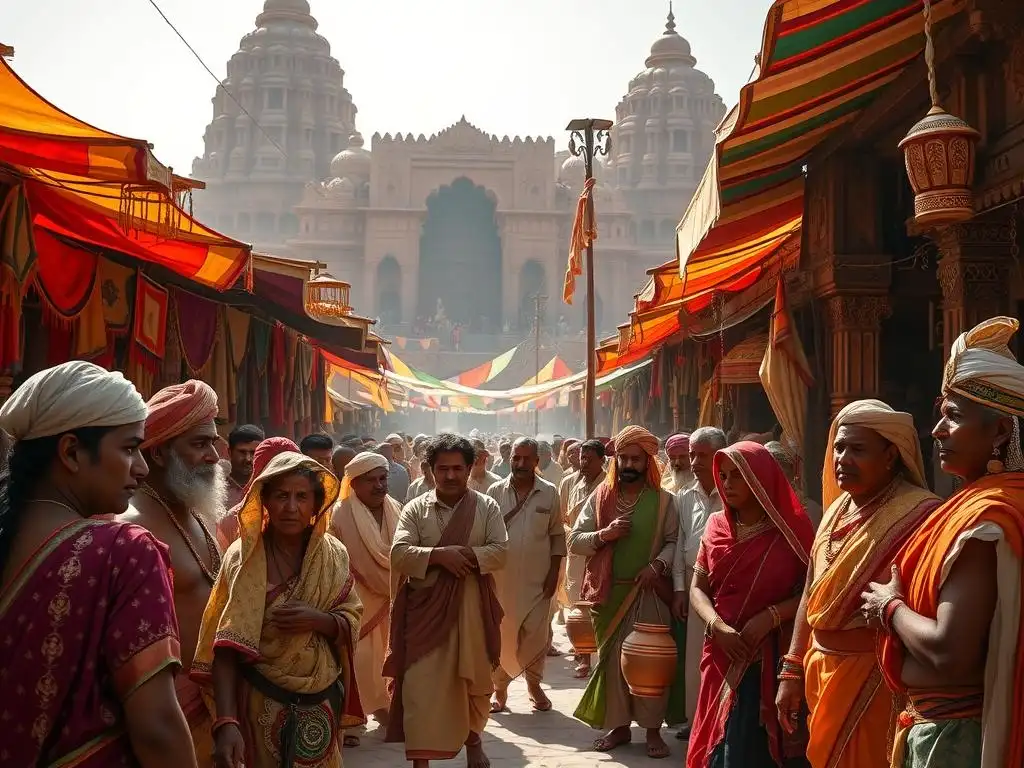
Welcome to Ancient India History, where we embark on a fascinating journey through the ages, uncovering the rich tapestry of cultures and civilizations that shaped one of the world's oldest societies. In our featured article, “The Relationship between Internal Trade and Political Power in Ancient India,” we delve into the intricate connections between trade networks and political dynamics that defined ancient Indian life. What secrets lie within the bustling markets and royal courts of the Indus Valley and Gupta Empire?
Join us as we explore how commerce influenced governance and power, and discover the profound legacy of these early exchanges that still resonates today. Your adventure into the depths of history begins now!
Introduction to Ancient India Trade and Politics
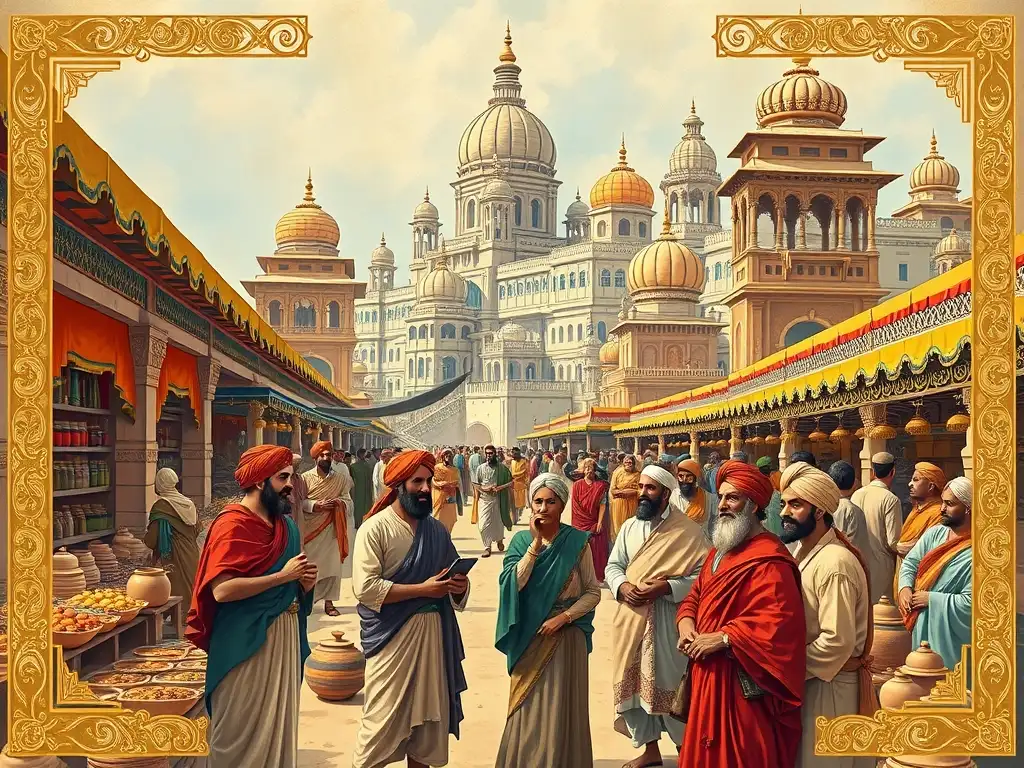
The intricate tapestry of ancient India reveals a profound connection between trade and politics, where internal trade networks played a pivotal role in shaping political power. From the bustling markets of the Indus Valley Civilization to the expansive trade routes established during the Gupta Empire, the dynamics of commerce significantly influenced governance, societal structures, and regional stability.
Understanding this relationship is crucial for appreciating how economic activities not only facilitated wealth generation but also reinforced political authority and social hierarchies. This article delves into the multifaceted interactions between internal trade and political power in ancient India, highlighting how these elements coalesced to create a rich historical narrative.
Overview of Internal Trade in Ancient India
Internal trade in ancient India was characterized by a complex network of exchanges that connected various regions and communities. Major trade hubs emerged, fostering economic interactions among diverse populations. Key commodities exchanged included textiles, spices, metals, and pottery, which were not only valuable in their own right but also served as symbols of wealth and status.
- Major Trade Centers: Cities like Pataliputra, Taxila, and Varanasi emerged as significant trade centers, acting as melting pots for cultural exchange.
- Goods and Commodities: The trade of essential goods such as grains, textiles, and luxury items played a vital role in sustaining local economies.
- Market Regulations: Governance often implemented regulations to facilitate trade, ensuring fair practices and the collection of taxes, which contributed to state revenues.
These elements indicate that trade was not merely an economic activity but a fundamental aspect of societal organization and political power.
Significance of Political Power in Ancient Civilizations
Political power in ancient India was inherently linked to economic control and resource management. Rulers recognized that a strong economic foundation could bolster their authority, enhance military capabilities, and promote social cohesion.
- Centralized Authority: Strong centralized governments, such as those during the Maurya and Gupta empires, were pivotal in establishing policies that encouraged trade.
- Resource Allocation: Effective management of resources allowed rulers to support infrastructure development, including roads and trade routes, which in turn facilitated commerce.
- Social Stratification: Political power often created social hierarchies that influenced trade practices, with elite classes controlling significant trade networks and benefiting economically.
Thus, the interplay of trade and politics formed a vital aspect of governance, influencing everything from local economies to broader imperial strategies.
The Role of Trade in Shaping Political Structures
Trade did not merely coexist with political power; it actively shaped the structures of governance in ancient India. The economic benefits derived from trade led to the establishment of more complex political systems and institutions.
Economic Foundations of Political Authority
The economic prosperity generated through trade was foundational to the legitimacy and stability of political authority.
- Taxation and Revenue: Trade routes provided a steady influx of revenue through taxation, which rulers utilized to maintain their armies and administer their domains.
- Political Alliances: Trade often fostered alliances among different regions and communities, as mutual economic interests could lead to political cooperation and stability.
- Cultural Exchange: Trade facilitated cultural exchanges that enriched political ideologies, leading to the emergence of more sophisticated governance models.
These economic foundations were crucial for rulers seeking to consolidate their power and maintain control over vast territories.
Trade Routes and Political Influence
The geography of trade routes in ancient India significantly influenced political power dynamics.
- Strategic Locations: Control over key trade routes became synonymous with political influence, as cities situated along these corridors thrived economically and politically.
- Military Strategy: Rulers often deployed military forces to protect trade routes, ensuring the safety of merchants and the continuous flow of goods.
- Diplomatic Relations: Engaging in trade with neighboring states often led to diplomatic relations, further expanding a ruler’s influence.
In essence, the management and control of trade routes were integral to maintaining political power and ensuring the prosperity of ancient Indian civilizations.
Internal Trade Networks in Ancient India
Internal trade in ancient India was a crucial aspect of the economy, facilitating the movement of goods, ideas, and cultures across vast distances. These trade networks were characterized by well-established routes that connected various regions, allowing for a dynamic exchange system. The network comprised land routes, rivers, and coastal pathways, which were instrumental in linking urban centers with rural areas.
The development of internal trade networks was significantly influenced by geography. The presence of rivers like the Ganges and the Indus provided natural highways for transportation, while the rugged terrain of the Western Ghats and the Himalayas posed challenges that traders had to navigate creatively. Trade routes flourished not only due to the demand for goods but also because of the social and political structures that supported commercial activities.
Additionally, internal trade networks fostered cultural exchange, as merchants and traders from diverse backgrounds interacted and shared knowledge. This cross-cultural interaction contributed to the rich tapestry of ancient Indian civilization, influencing art, religion, and social practices.
Major Trade Centers in Ancient India
Ancient India boasted several significant trade centers that played a pivotal role in its economy. Cities such as Pataliputra, Taxila, and Ujjain emerged as bustling hubs of commerce and exchange, attracting traders from various regions.
- Pataliputra: As the capital of the Mauryan Empire, Pataliputra was strategically located at the confluence of important trade routes, making it a thriving center for commerce. Its markets were known for a wide range of goods, including textiles, spices, and precious stones.
- Taxila: This ancient city was renowned for its educational institutions and its position along the Silk Road, which facilitated trade between the East and the West. Taxila served as a melting pot of cultures and ideas, further enhancing its importance as a trade center.
- Ujjain: Located on the western trade route, Ujjain was crucial for connecting the northern and southern parts of India. It was famous for its trade in textiles, grains, and metals, and hosted merchants from diverse backgrounds, contributing to its vibrant economy.
These trade centers were not only economic hubs but also cultural crossroads where ideas, philosophies, and religions flourished.
Goods Traded within Ancient Indian Markets
The ancient Indian markets were vibrant with a wide array of goods, reflecting the diverse resources and cultural practices of the region. Key categories of goods traded included:
- Agricultural Products: Grains such as rice, wheat, and barley were staples in trade. The fertile plains of the Ganges and the Deccan Plateau contributed to abundant harvests that were exchanged across regions.
- Textiles: India was renowned for its exquisite textiles, including cotton and silk fabrics. The art of dyeing and weaving was highly developed, making these products sought after in both local and international markets.
- Spices and Condiments: Spices like black pepper, cardamom, and turmeric were valuable commodities, often traded along with medicinal herbs and plants. Their demand extended beyond India, reaching markets in the Middle East and beyond.
- Metals and Stone: The trade of metals such as iron, copper, and precious stones was significant. Artisans crafted intricate jewelry and tools, which were both traded locally and exported.
This diverse range of goods not only facilitated trade but also helped to establish social connections and cultural exchanges among various communities.
Political Entities and Their Impact on Trade
Throughout ancient Indian history, political entities had a profound influence on the dynamics of trade. Kingdoms and empires implemented policies that either fostered or hindered commercial activities, shaping the economic landscape of the region.
Kingdoms and Empires: The Maurya and Gupta Influence
The Maurya and Gupta Empires were particularly notable for their impact on trade practices in ancient India.
- Mauryan Empire: Under the reign of Chandragupta Maurya and his grandson Ashoka, the Mauryan Empire established a unified administrative structure that significantly enhanced trade. The empire's vast network of roads and the promotion of safety for merchants led to a flourishing economy. Trade regulations were standardized, and the introduction of coins facilitated smoother transactions, encouraging commerce across vast distances.
- Gupta Empire: The Gupta period is often referred to as the Golden Age of India, marked by economic prosperity and stability. The Guptas further expanded trade networks, both internally and with foreign lands. Their support for arts and crafts, alongside a focus on agriculture, led to increased production and trade of goods. The establishment of trade guilds also played a crucial role in organizing commerce and protecting the interests of merchants.
These empires showcased how political stability and governance could directly enhance trade activities, leading to economic growth and cultural exchange.
Local Governance and Trade Regulations
Local governance structures also played a crucial role in regulating trade in ancient India. Towns and cities had their own councils or assemblies that established rules governing market activities, prices, and quality standards for goods.
- Market Regulations: Local authorities enforced strict regulations regarding weights and measures, ensuring fair trade practices. This instilled trust among traders and consumers, promoting a stable trading environment.
- Taxation and Tariffs: Local governments imposed taxes and tariffs on traded goods, which provided revenue for administration while also influencing trade patterns. Some regions became known for specific products, leading to localized trade monopolies.
- Conflict Resolution: Local governance facilitated dispute resolution among traders, thereby fostering a sense of security in commercial transactions. These mechanisms were vital for maintaining order and encouraging trade growth.
The interplay between local governance and trade regulations significantly shaped the economic landscape of ancient India, illustrating the importance of political frameworks in facilitating commerce.
The Interconnection Between Trade and Political Stability

The relationship between trade and political stability in ancient India is a crucial aspect of understanding the dynamics of power and governance during that period. Trade networks not only facilitated the exchange of goods but also contributed to the establishment of political authority and the maintenance of social order. Stable and prosperous trade routes often led to increased wealth for ruling entities, which, in turn, reinforced their political power.
The flourishing of trade can be seen as a reflection of successful governance. When rulers provided security and infrastructure, such as roads and marketplaces, they encouraged merchants and traders to thrive. This mutual dependence created a symbiotic relationship where the political authority relied on the economic success generated by trade, and in return, the prosperity of trade bolstered the ruler’s legitimacy. This interconnection manifested in various ways, including taxation, resource allocation, and diplomatic relationships, all of which were essential for sustaining both trade and political stability.
Trade as a Tool for Political Alliances
Trade served as a powerful tool for forming political alliances in ancient India. Rulers often engaged in trade negotiations not just for economic gain but also to forge strategic partnerships with other kingdoms. By establishing trade ties, they could secure military alliances, diplomatic support, and even marriages to strengthen their political clout.
For instance, the exchange of goods between the Mauryan Empire and various neighboring states illustrated how trade could lead to enhanced political relationships. Through trade, kings could display their wealth and influence, thereby attracting allies. These alliances were crucial during times of conflict, as they provided additional resources and manpower. Moreover, trade routes facilitated cultural exchanges, further binding allied kingdoms through shared interests in commerce, religion, and culture.
Economic Disparities and Political Conflict
While trade could foster alliances, it also had the potential to create economic disparities that led to political conflict. Regions that were more prosperous due to thriving trade often experienced tensions with less affluent areas. The concentration of wealth in certain urban centers sometimes resulted in resentment from rural populations, leading to uprisings or demands for greater representation in governance.
Additionally, trade imbalances could create friction between different political entities. For example, if one kingdom monopolized a vital trade route or resource, it could lead to conflicts with neighboring states that depended on those trade channels. This dynamic was evident during the decline of the Mauryan Empire, where economic disparities contributed to the fragmentation of power and the rise of regional kingdoms vying for control over lucrative trade networks. Thus, while trade could enhance political power, it also held the seeds of conflict rooted in economic inequality.
Case Studies of Trade and Politics in Ancient India
The Mauryan Empire: Trade and Administrative Control
The Mauryan Empire, one of the largest and most powerful empires in ancient India, offers a compelling case study of the interplay between trade and political power. Under the reign of Chandragupta Maurya and his grandson Ashoka, the empire established an extensive network of trade routes that connected various regions of India and extended to Central Asia and beyond.
The Mauryan administration implemented policies to facilitate trade, such as standardizing weights and measures, ensuring the safety of trade routes, and establishing state-sponsored marketplaces. These measures not only boosted trade but also allowed the empire to exert control over the economy. The state collected taxes from traders, which were vital for funding military campaigns and public works. Additionally, the wealth generated from trade enabled the Mauryan rulers to maintain a large standing army, further consolidating their political power and enabling them to expand their territory.
The Gupta Empire: Economic Prosperity and Political Power
The Gupta Empire, often referred to as the Golden Age of India, exemplified how economic prosperity through trade could enhance political power. The Gupta rulers promoted trade by establishing a stable political environment, which encouraged both internal and external commerce. The empire's strategic location along major trade routes facilitated the exchange of goods like silk, spices, and precious stones.
Gupta kings actively participated in trade, sometimes directly engaging in commerce themselves. This not only increased their wealth but also allowed them to maintain influence over trade practices and taxation. The flourishing economy under the Gupta period led to advancements in art, science, and culture, reinforcing the legitimacy of the ruling class. The prosperity derived from trade contributed to a strong centralized administration, which was essential for maintaining the empire's stability and power during a time of significant cultural and intellectual achievements.
Changes in Trade Dynamics and Political Structures
Throughout ancient India, the interplay between trade and political power was a dynamic and evolving relationship that shaped the course of history. As trade routes expanded, connecting diverse regions, the political structures that governed these areas also transformed. The rise of trade hubs, such as Pataliputra and Ujjain, facilitated not only economic growth but also the consolidation of political authority. Leaders recognized the strategic importance of controlling trade routes, as they could leverage economic wealth to bolster their power.
The growth of internal trade networks allowed for the emergence of merchant classes that gained significant influence. These merchants often acted as intermediaries between the ruling elite and the populace, thereby playing a crucial role in the political landscape. As cities flourished, local governments began to adapt their structures to accommodate the needs of traders, leading to the establishment of more organized political entities. This shift was marked by the need for better infrastructure, legal systems, and security measures to protect trade interests.
The Impact of External Trade on Internal Politics
The influence of external trade on internal politics in ancient India was profound. The influx of goods, ideas, and cultures from foreign lands not only enriched local economies but also prompted changes in governance. For instance, the trade with the Roman Empire and Southeast Asia brought luxury items and new technologies, which were integrated into Indian society. This exchange fostered a sense of cosmopolitanism among the ruling classes, who often sought to emulate foreign customs as a means of enhancing their prestige.
Moreover, external trade routes served as channels for political alliances and conflicts. Rulers who controlled access to these routes wielded considerable power, often engaging in diplomacy or warfare to maintain their dominance. The Mauryan Empire, under Chandragupta Maurya and Ashoka, exemplifies this phenomenon, as they expanded their territory to secure lucrative trade routes. Such strategies not only fortified their political standing but also facilitated the spread of Buddhism, illustrating the interconnectedness of trade, politics, and culture.
Shifts in Trade Practices and Political Responses
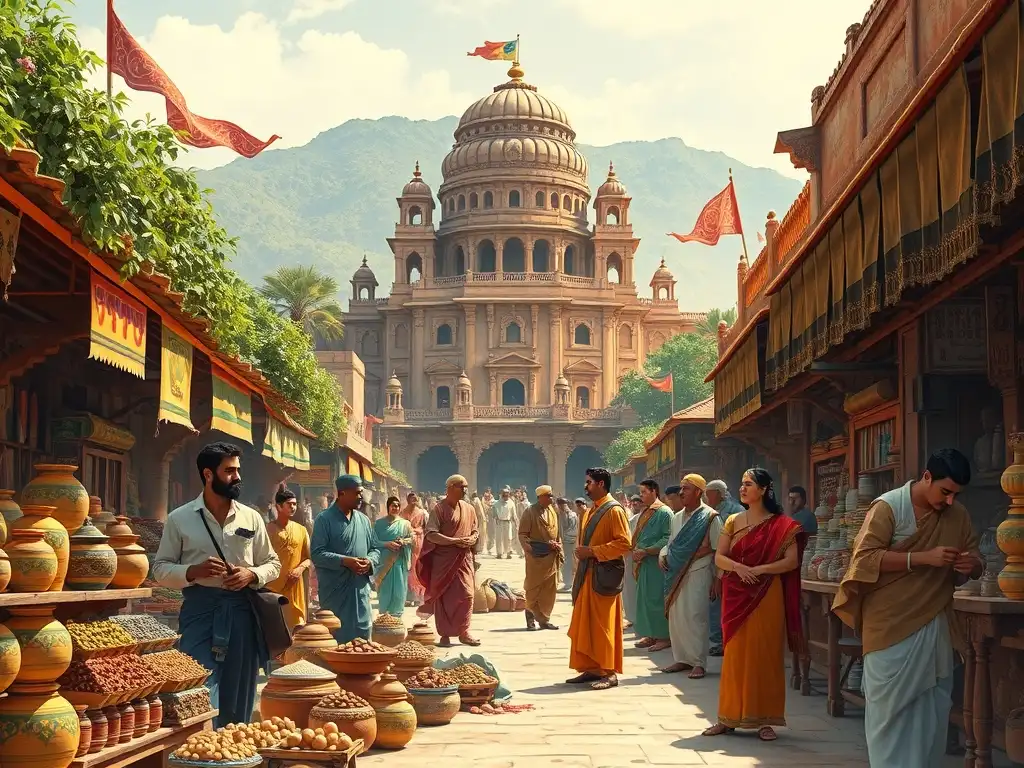
As ancient India witnessed shifts in trade practices, political responses adapted accordingly. For example, the introduction of coinage around the 6th century BCE revolutionized commerce, leading to more complex economic interactions. Rulers recognized the necessity of standardizing currency to facilitate trade, which in turn enhanced their control over economic activities. This innovation allowed them to impose taxes more efficiently, bolstering state revenues and enabling further political consolidation.
Additionally, the rise of regional powers led to the establishment of local trade guilds, which influenced political decisions. These guilds not only regulated commerce but also wielded significant political clout, often negotiating directly with rulers for favorable conditions. The relationship between guilds and political authorities exemplified a symbiotic interaction where both entities benefited from the arrangement, fostering stability and economic prosperity.
Conclusion: The Lasting Legacy of Trade and Politics in Ancient India
The relationship between trade and politics in ancient India left a lasting legacy that is still visible today. The intricate networks of commerce established by ancient civilizations laid the groundwork for modern economic practices and political frameworks. The historical interplay between these two realms serves as a testament to the importance of trade in shaping governance and societal structures.
Reflections on Ancient India Trade and Politics
Reflecting on the trade and political dynamics of ancient India, it is evident that economic prosperity often translated into political stability. The ability of rulers to harness the wealth generated by internal trade not only strengthened their authority but also contributed to the cultural richness of the period. The patronage of arts, architecture, and scholarship during prosperous times highlights the interconnectedness of trade, politics, and cultural development.
Implications for Understanding Modern Economic and Political Systems
The study of ancient India's trade and politics provides valuable insights into contemporary economic and political systems. Understanding how historical trade networks influenced power dynamics can inform modern policymakers about the importance of economic stability in governance. Furthermore, the lessons gleaned from ancient practices, such as the significance of merchant communities and their relationships with political entities, can serve as a blueprint for fostering collaboration in today’s globalized economy. By appreciating the historical context of trade and politics, we can better navigate the complexities of modern economic challenges.
References and Further Reading on Ancient India Trade and Politics
The intricate relationship between internal trade and political power in ancient India is well-documented through a variety of texts and archaeological discoveries. Understanding this dynamic not only sheds light on economic practices but also reveals how trade influenced governance and societal structures. Below are some key texts and resources that provide deeper insights into the subject.
Key Texts and Archaeological Findings
-
Kautilya's Arthashastra
This ancient Indian treatise on statecraft, economic policy, and military strategy, attributed to Chanakya (Kautilya), offers valuable insights into the role of trade in governance and political strategy. It discusses various aspects of economics, including taxation, trade regulation, and the importance of economic stability for political power.
-
Indus Valley Civilization Artifacts
Archaeological findings from sites like Harappa and Mohenjo-Daro reveal extensive trade networks that existed during the Indus Valley Civilization (circa 2500-1900 BCE). The discovery of standardized weights and measures, trade seals, and remnants of goods such as beads, pottery, and metals illustrates the complexity of trade and its significance in the political landscape of the time.
-
The Puranas
Ancient texts like the Vishnu Purana and the Bhagavata Purana discuss various dynasties and trade practices, offering narratives that connect trade with political power dynamics. These texts provide historical context and reflect the cultural significance of trade in ancient Indian society.
-
Historical Accounts by Foreign Travelers
Accounts from travelers such as Megasthenes and Faxian provide external perspectives on the socio-economic conditions of ancient India. Their observations on trade practices and the wealth of Indian kingdoms highlight the political implications of trade routes and economic prosperity.
-
The Economic History of India
Scholars like Romila Thapar and R. S. Sharma have extensively analyzed the economic structures of ancient India. Their works discuss how trade influenced the rise and fall of political powers, as well as how rulers utilized trade to consolidate their authority.
Recommended Resources for Further Exploration
- Books
- Ancient Indian Economy by R. S. Sharma
- Trade in Ancient India by R. C. Majumdar
- The Indus Civilization: A Contemporary Perspective by Gregory L. Possehl
- India: A History by John Keay
- Journals and Articles
- Journal of Economic and Social History of the Orient
- Indian Economic and Social History Review
- Articles focusing on trade and politics in ancient India available in academic databases like JSTOR.
- Online Lectures and Courses
- Websites offering courses on ancient Indian history often include modules on trade and political structures. Platforms like Coursera and edX may host relevant courses.
- Museums and Exhibitions
- Visiting museums with collections on ancient Indian artifacts can provide tangible insights into the trade practices of the time. Notable institutions include the National Museum in New Delhi and the Indian Museum in Kolkata.
These resources will enrich your understanding of how trade and politics intertwined in ancient India, showcasing the profound impact of economic networks on governance and power dynamics.
- Introduction to Ancient India Trade and Politics
- The Role of Trade in Shaping Political Structures
- Internal Trade Networks in Ancient India
- Political Entities and Their Impact on Trade
- The Interconnection Between Trade and Political Stability
- Case Studies of Trade and Politics in Ancient India
- Changes in Trade Dynamics and Political Structures
- The Impact of External Trade on Internal Politics
- Shifts in Trade Practices and Political Responses
- Conclusion: The Lasting Legacy of Trade and Politics in Ancient India
- References and Further Reading on Ancient India Trade and Politics
Frequently Asked Questions
What was the significance of internal trade in Ancient India?
Internal trade was crucial for the economic stability and growth of ancient Indian civilizations, facilitating the exchange of goods and ideas across regions.
How did political power influence trade in Ancient India?
Political power often regulated and protected trade routes, ensuring the safety and prosperity of merchants, which in turn strengthened the state's economy and authority.
What role did the Indus Valley Civilization play in trade?
The Indus Valley Civilization was known for its advanced urban planning and extensive trade networks, including trade with Mesopotamia, which contributed to its wealth and development.
How did the Gupta Empire impact trade and politics?
The Gupta Empire, often regarded as a golden age, promoted trade through stable governance and infrastructure improvements, enhancing both economic growth and political power.
What were some of the key trade goods in Ancient India?
Ancient India was known for trading spices, textiles, precious stones, and metals, which were highly sought after in both local and international markets, enhancing its political stature.
Final Reflection: The Interplay of Trade and Power in Ancient India
The intricate relationship between trade and political power in ancient India remains profoundly relevant today. As we navigate a world increasingly defined by economic interdependence, the lessons from ancient India remind us that the flow of goods and services can shape not just economies, but entire societies and their governance structures. The historical dynamics explored in this article reveal that trade is not merely an economic activity; it is a powerful tool for political influence and cultural exchange.
The legacy of ancient Indian trade practices continues to resonate in our contemporary cultural and social landscapes. The vibrant markets and trade routes of ancient India fostered not only economic prosperity but also the exchange of ideas, religions, and cultures, creating a rich tapestry of diversity. This historical context serves as a reminder that economic activities are deeply intertwined with social structures and political power. Trade is the lifeblood of civilization, shaping the very foundations of society and governance.
As we reflect on the lessons from ancient India, let us consider how we can apply these insights to our modern lives. How can we harness the power of trade and collaboration to foster a more equitable and just society?
I invite you to explore the ways in which your own actions—be it through supporting local businesses, engaging in fair trade, or advocating for policies that promote economic equity—can contribute to a more interconnected and harmonious world. By understanding the historical interplay of trade and politics, we can pave the way for a future where economic activities serve not just profit, but the greater good of all.
Unveil the Connection: Trade and Power in Ancient India!
Thank you for exploring the fascinating relationship between internal trade and political power in Ancient India! Your interest in this vital aspect of history highlights the intricate ties between economics and governance that shaped civilizations. Now, it’s time to take these insights further and make them actionable!
- Dive deeper: Read a historical account or biography of a significant trade leader from Ancient India to understand how their strategies influenced political dynamics.
- Join the conversation: Share this article with friends or on social media, and discuss how trade might impact power in today's world.
- Reflect and Act: Consider visiting a local museum or exhibition that showcases historical trade routes or artifacts from Ancient India to enhance your understanding.
As you contemplate the profound impacts of trade on society, what parallels do you find between the ancient world and modern politics? Your insights could spark engaging discussions!