
How Hindu Philosophy Explores the Nature of Consciousness


Welcome to Ancient India History, where we embark on a fascinating journey through the rich tapestry of ancient Indian civilizations. Delve into the profound depths of Hindu philosophy and consciousness, a captivating exploration that reveals how ancient thinkers unraveled the mysteries of the mind and existence. As we navigate through this intricate landscape, prepare to be intrigued by the insights that shaped not only Indian thought but also the broader contours of global philosophy. Join us as we uncover the layers of wisdom that continue to inspire seekers of knowledge today. Your adventure into the vibrant past begins now!
- Introduction to Hindu Philosophy and Consciousness
- Historical Context of Consciousness in Hindu Philosophy
- Key Concepts of Consciousness in Hindu Philosophy
- Philosophical Schools and Their Views on Consciousness
- Practices and Techniques to Explore Consciousness in Hinduism
- Contemporary Relevance of Hindu Philosophy on Consciousness
- Conclusion: The Legacy of Hindu Philosophy on Understanding Consciousness
- References for Further Reading on Hindu Philosophy and Consciousness
-
Frequently Asked Questions
- What is the main focus of Hindu philosophy regarding consciousness?
- How does ancient Indian history contribute to our understanding of consciousness?
- What are the key concepts of Hindu philosophy related to consciousness?
- How do Hindu practices influence the understanding of consciousness?
- Why is the study of consciousness important in Hindu philosophy?
- Final Reflection: The Profound Interplay of Hindu Philosophy and Consciousness
- Unveil the Depths of Consciousness Today!
Introduction to Hindu Philosophy and Consciousness
Hindu philosophy is a vast and intricate field that delves into the fundamental nature of reality, existence, and the self. As one of the oldest philosophical traditions in the world, it encompasses a wide array of thoughts and teachings that have evolved over thousands of years. Among its many significant themes, the exploration of consciousness holds a central place, offering profound insights into the relationship between the mind, body, and the cosmos.
This article aims to shed light on how Hindu philosophy investigates the nature of consciousness, drawing connections between ancient wisdom and contemporary understanding. By examining key concepts, influential texts, and philosophical schools, we will uncover the rich tapestry of ideas that define Hindu thought on consciousness and its relevance in today's spiritual landscape.
Overview of Hindu Philosophy
Hindu philosophy encompasses various schools of thought, each with its own interpretations and teachings. The six orthodox (āstika) philosophies—Nyaya, Vaisheshika, Samkhya, Yoga, Mimamsa, and Vedanta—offer diverse perspectives on metaphysics, epistemology, and ethics.
- Nyaya: Focuses on logic and epistemology, emphasizing the importance of valid reasoning in understanding truth.
- Vaisheshika: Concerned with categorization and the nature of reality, proposing a materialistic view that analyzes substances and their qualities.
- Samkhya: Explores dualism between consciousness (purusha) and matter (prakriti), laying the groundwork for further philosophical inquiry.
- Yoga: Offers practical approaches to achieving self-realization and understanding consciousness through meditation and discipline.
- Mimamsa: Centers on ritual and the interpretation of sacred texts, highlighting the importance of dharma (duty) in human life.
- Vedanta: The culmination of Hindu philosophical thought, focusing on the relationship between the individual soul (atman) and the ultimate reality (Brahman).
Each of these schools contributes to a comprehensive understanding of consciousness, emphasizing different aspects of the self and its connection to the universe.
Importance of Consciousness in Hindu Thought
Consciousness, or chit, is a pivotal concept in Hindu philosophy that transcends mere awareness; it is considered the essence of existence itself. The exploration of consciousness in Hindu thought raises critical questions about identity, perception, and the nature of reality.
- Atman and Brahman: The relationship between the individual soul (atman) and the universal consciousness (Brahman) is central to many philosophical teachings. The realization that atman is ultimately one with Brahman signifies a profound awakening to the true nature of existence.
- Meditation and Self-Discovery: Practices such as meditation (dhyana) are not mere techniques but pathways to explore the depths of consciousness. These practices facilitate self-realization and an understanding of the interconnectedness of all beings.
- Ethical Implications: The understanding of consciousness in Hindu philosophy has significant ethical implications, influencing concepts of karma and dharma. Recognizing the divine spark within oneself and others fosters compassion and moral responsibility.
Hindu philosophy offers a rich and nuanced exploration of consciousness, providing valuable insights that resonate through the ages. By engaging with these ideas, we can deepen our understanding of both ancient wisdom and contemporary discussions about the nature of consciousness.
Historical Context of Consciousness in Hindu Philosophy
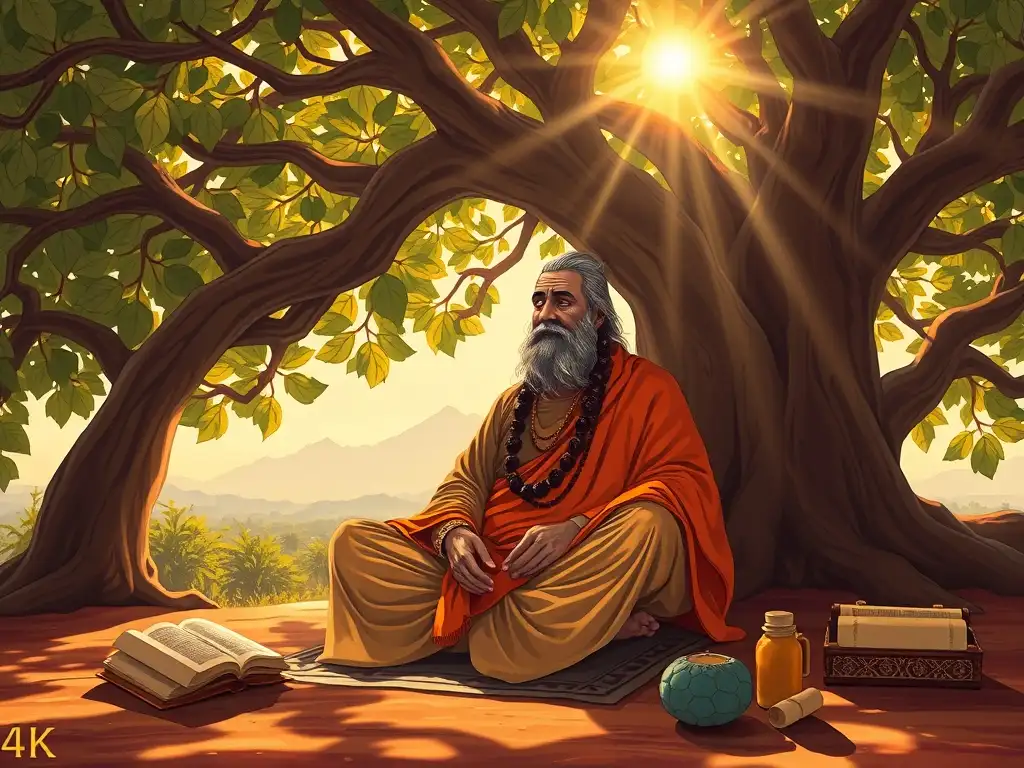
Hindu philosophy has long been a profound exploration of the nature of consciousness, intertwining metaphysical inquiries with practical applications in daily life and spirituality. The historical context of consciousness in Hindu thought reveals a rich tapestry of ideas that have evolved over millennia, profoundly influencing both philosophical and spiritual landscapes.
Early Texts and Scriptures
The roots of consciousness in Hindu philosophy can be traced back to early texts, particularly the Vedas and Upanishads.
- Vedas: The oldest sacred texts of Hinduism, the Vedas (composed around 1500-500 BCE) introduced fundamental concepts of reality and existence. Although they primarily focus on rituals and hymns, they hint at the duality of the material world and a transcendent reality, setting the stage for deeper inquiries into consciousness.
- Upanishads: Emerging around 800-400 BCE, the Upanishads marked a significant shift from ritualistic practices to philosophical introspection. They explore the nature of Atman (the individual self) and Brahman (the universal consciousness), emphasizing the idea that realizing the unity of Atman and Brahman leads to liberation ( moksha). For example, the famous Upanishadic phrase, "Tat Tvam Asi" ( That Thou Art), encapsulates the essence of this realization.
The Upanishads laid the groundwork for later philosophical schools, offering insights such as:
- The distinction between the empirical world (Maya) and ultimate reality (Brahman).
- The idea of consciousness as an intrinsic aspect of the universe, where individual consciousness is seen as a reflection of the universal consciousness.
Evolution of Consciousness Concepts through Ages
As Hindu philosophy evolved, various schools of thought emerged, each contributing unique perspectives on consciousness.
- Advaita Vedanta: Founded by Adi Shankaracharya in the 8th century CE, this non-dualistic school posits that there is no distinction between Atman and Brahman. Consciousness is viewed as the fundamental reality, with the individual self being an illusion. Shankaracharya's commentary on the Upanishads emphasized that liberation comes from realizing this non-duality, fundamentally altering the understanding of consciousness in Hindu thought.
- Yoga Philosophy: The Yoga Sutras of Patanjali (circa 400 CE) introduced a systematic approach to understanding consciousness through practices aimed at achieving higher states of awareness. The concept of Chitta (mind-stuff) is central, with the aim of quieting the fluctuations of the mind to experience pure consciousness ( Samadhi). This practical application of consciousness exploration laid the groundwork for various schools of yoga, each with distinct methodologies.
- Bhakti and Tantra: By the medieval period, the Bhakti movement emphasized personal devotion and emotional connection with the divine, influencing concepts of consciousness to include the experience of love and devotion. On the other hand, Tantra introduced a different dimension, exploring consciousness through ritualistic practices aimed at awakening the Kundalini energy, thereby achieving higher states of awareness.
Throughout these periods, the evolution of concepts surrounding consciousness has been marked by an intricate interplay of metaphysical speculation, practical application, and spiritual experience.
The historical context of consciousness in Hindu philosophy reveals a dynamic and evolving discourse that continues to inspire philosophical inquiry and spiritual practice today. Each phase in the development of these ideas reflects a deeper understanding of consciousness, ultimately highlighting its significance in the quest for self-realization and liberation.
Key Concepts of Consciousness in Hindu Philosophy
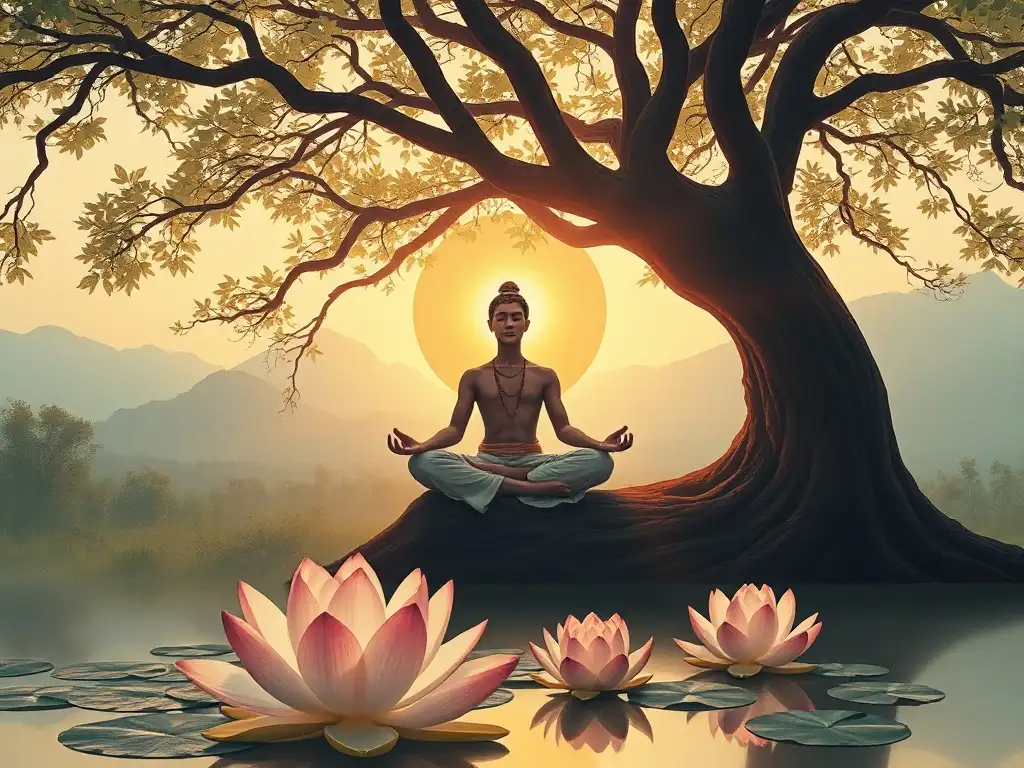
Hindu philosophy presents a profound exploration of consciousness, weaving intricate concepts that define the individual and universal experience. Understanding the nature of consciousness within this philosophical framework involves delving into three fundamental ideas: Atman, Brahman, and Maya. Each of these concepts plays a crucial role in the overarching narrative of self-realization and the interconnectedness of existence.
Atman: The Individual Soul
Atman, often translated as the "individual soul" or "self," is a cornerstone of Hindu philosophical thought. It signifies the true essence of an individual, distinct from the physical body and mind.
- Nature of Atman:
- According to the Upanishads, Atman is eternal, unchanging, and beyond the limits of time and space. It transcends birth and death, representing the ultimate reality within each person.
- Quote: "Tat Tvam Asi" (That Thou Art) emphasizes the unity of Atman with the universal essence.
- Self-Realization:
- The pursuit of understanding Atman is central to spiritual practice in Hinduism. Through meditation, self-inquiry, and ethical living, individuals strive to realize their true nature.
- Achieving this realization leads to liberation (Moksha), freeing the soul from the cycle of birth and rebirth (Samsara).
Brahman: The Universal Consciousness
Brahman represents the ultimate reality and universal consciousness in Hindu philosophy. It is the source of all existence and encompasses everything.
- Characteristics of Brahman:
- Brahman is described as "Sat-Chit-Ananda," which translates to "Existence-Consciousness-Bliss." This triad encapsulates the nature of the divine, indicating that true consciousness is inherently blissful.
- Unlike Atman, which is personal and individual, Brahman is impersonal and transcendent, yet it is also immanent, existing within all beings.
- Relationship between Atman and Brahman:
- Hindu teachings assert that Atman and Brahman are fundamentally the same. The realization that one's true self (Atman) is identical to the universal consciousness (Brahman) is the essence of spiritual enlightenment.
- This perspective fosters a sense of unity and interconnectedness among all living beings, reinforcing the idea that understanding one's consciousness is a pathway to understanding the cosmos.
Maya: Illusion and the Nature of Reality
Maya is a critical concept that describes the illusory nature of the material world. It serves as a veil that obscures the true nature of reality.
- Understanding Maya:
- Maya is not merely an illusion but represents the complex interplay of perception and reality. It is through Maya that individuals experience duality, differences, and multiplicity in the world.
- This concept aligns with the idea that human consciousness is often clouded by ignorance (Avidya), leading to misconceptions about the self and the universe.
- Overcoming Maya:
- The journey toward self-realization involves transcending Maya. Spiritual practices such as yoga, meditation, and philosophical inquiry are vital in dispelling the illusions created by the mind.
- Task List:
- Engage in daily meditation to cultivate awareness.
- Study the Upanishads and other texts to deepen understanding of Atman and Brahman.
- Reflect on personal experiences and perceptions to identify illusions.
The exploration of consciousness within Hindu philosophy, epitomized by the concepts of Atman, Brahman, and Maya, offers profound insights into the nature of existence. Understanding these principles not only enhances one's spiritual journey but also cultivates a deeper appreciation for the interconnectedness of life, reinforcing the importance of consciousness in the philosophical landscape of ancient Indian thought.
Philosophical Schools and Their Views on Consciousness
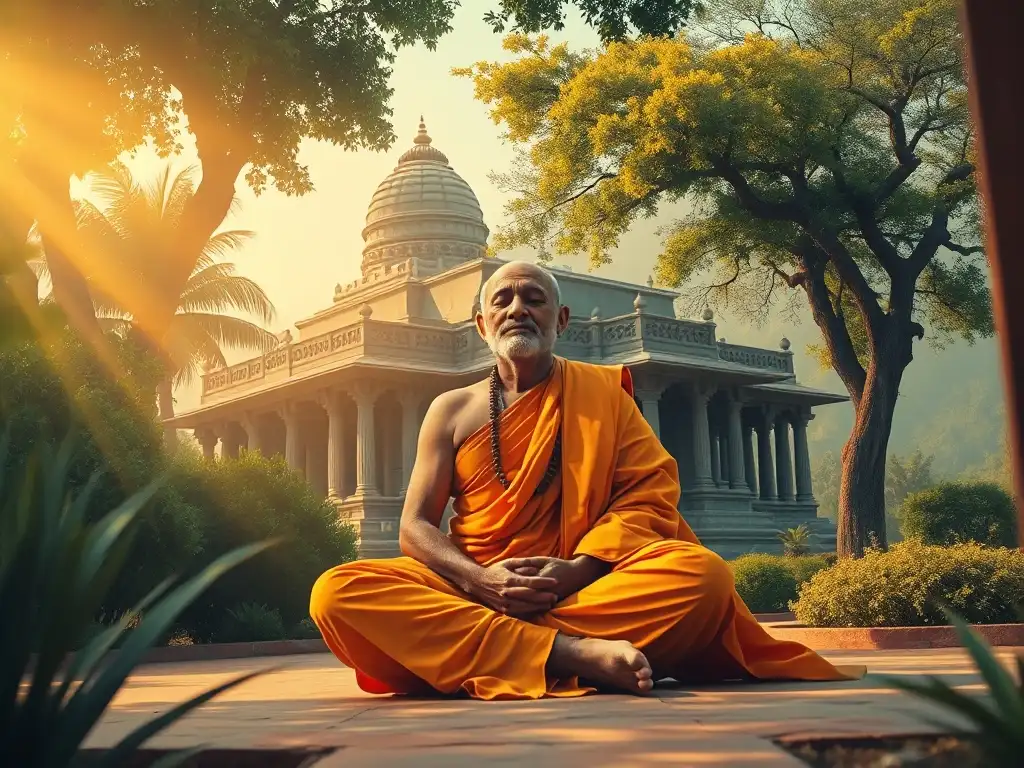
Advaita Vedanta: Non-Dualism and Consciousness
Advaita Vedanta, rooted in the teachings of the Upanishads, is a non-dualistic school of Hindu philosophy that posits the fundamental unity of Atman (the individual soul) and Brahman (the ultimate reality). In this view, consciousness is not merely a personal experience but an intrinsic quality of the universe itself. The non-dual nature of reality asserts that the apparent distinctions we perceive, including the separation between the self and the universe, are ultimately illusory (Maya).
In Advaita Vedanta, consciousness is considered the foundational essence of existence. The famous phrase "Tat Tvam Asi" (That Thou Art) encapsulates this philosophy, emphasizing that the true self (Atman) is identical to the ultimate reality (Brahman). This realization is said to lead to liberation (Moksha), transcending the cycle of birth and death (Samsara).
The path to understanding consciousness in Advaita involves a deep inquiry into one's own nature through practices such as meditation (Dhyana) and self-inquiry (Atma Vichara). This philosophical approach encourages practitioners to discern the transient nature of the mind and ego, guiding them towards the realization of their true, unchanging essence.
Dvaita Vedanta: Dualism and Individuality
In contrast to Advaita, Dvaita Vedanta advocates a dualistic perspective that emphasizes the distinction between the individual soul (Jiva) and the supreme being (Ishvara). Founded by the philosopher Madhvacharya, Dvaita asserts that while both Jiva and Ishvara are conscious entities, they exist as separate realities. This dualism highlights the individuality of the soul and its unique relationship with God.
According to Dvaita philosophy, consciousness is viewed as a quality inherent in both the individual and the divine. Each soul possesses its own distinct consciousness, which is a reflection of the supreme consciousness of Ishvara. This perspective fosters a sense of personal connection to the divine, as the individual soul is seen as eternally dependent on Ishvara for existence and knowledge.
Devotion (Bhakti) plays a crucial role in the Dvaita framework, where the individual’s consciousness seeks union with the divine through love and surrender. This philosophical approach affirms the importance of individual experiences and relationships, positioning consciousness as a bridge that connects the individual to a higher spiritual reality.
Samkhya: The Duality of Purusha and Prakriti
Samkhya is one of the oldest philosophical systems in Hinduism, proposing a dualistic framework that distinguishes between two fundamental principles: Purusha (consciousness) and Prakriti (matter). This school of thought, attributed to the sage Kapila, posits that Purusha is the eternal, unchanging observer, while Prakriti encompasses the dynamic, ever-changing material world.
In Samkhya philosophy, consciousness (Purusha) is seen as passive and transcendent, devoid of attributes and characteristics. It is the source of awareness and the witness to all experiences, yet it does not engage with the material world directly. On the other hand, Prakriti is the active principle, responsible for the manifestation of the physical universe and all living beings.
The interaction between Purusha and Prakriti gives rise to the experience of consciousness as it perceives the world through the lens of individual existence. This duality highlights the distinction between the observer and the observed, framing consciousness as a fundamental aspect of reality that is both separate from and interconnected with the material world.
Understanding this relationship is essential for achieving liberation (Kaivalya) in Samkhya philosophy, as it encourages individuals to recognize their true nature as Purusha and to detach from the transient experiences offered by Prakriti. By doing so, one can attain a state of pure awareness, free from the limitations imposed by the physical realm.
Practices and Techniques to Explore Consciousness in Hinduism

Meditation and Mindfulness Practices
Meditation is a fundamental practice in Hindu philosophy, serving as a profound technique for exploring consciousness. It encompasses various forms and approaches, each designed to facilitate a deeper understanding of the self and the universe.
- Dhyana (Meditative Absorption): Dhyana is a concentrated form of meditation that involves focusing the mind on a single object, thought, or mantra. This practice aims to quiet the mental chatter and attain a state of stillness. The Bhagavad Gita emphasizes Dhyana as a means to experience the unity of the self with the divine.
- Mindfulness (Sati): Although the term "mindfulness" is often associated with Buddhist practices, Hindu traditions also incorporate it through the concept of Sakshi Bhava or "witnessing attitude." This involves observing thoughts and actions without attachment, fostering a state of heightened awareness and presence.
- Pranayama (Breath Control): This technique involves the regulation of breath to enhance the flow of prana (life force) within the body. Pranayama is believed to calm the mind and prepare the practitioner for deeper meditation. By mastering breath control, individuals can elevate their consciousness, leading to experiences of transcendence.
Through these practices, individuals can cultivate a deeper awareness of their inner selves and the interconnectedness of all existence, thus enriching their exploration of consciousness in the context of Hindu philosophy.
Yoga: Pathways to Higher Consciousness
Yoga serves as a comprehensive framework that combines physical, mental, and spiritual practices aimed at achieving higher states of consciousness. The diverse branches of yoga offer unique pathways to explore the nature of consciousness.
- Raja Yoga (Royal Path): Raja Yoga emphasizes meditation and mental discipline as essential tools for self-realization. It incorporates the eight limbs outlined by Patanjali in the Yoga Sutras, including ethical practices (Yama and Niyama), physical postures (Asana), breath control (Pranayama), and meditation (Dhyana). Each limb supports the practitioner in transcending the ego and realizing ultimate consciousness.
- Karma Yoga (Path of Action): This form of yoga advocates selfless action as a means to purify the mind and attain spiritual growth. By performing actions without attachment to outcomes, practitioners can transcend the limitations of the ego, leading to a higher understanding of consciousness and its relationship with the universe.
- Bhakti Yoga (Path of Devotion): Bhakti Yoga emphasizes devotion and love for the divine as a means to explore consciousness. Through practices such as chanting, prayer, and surrender to God, practitioners can experience unity with the divine consciousness, fostering a deep sense of connection and peace.
Each of these paths offers unique insights into the nature of consciousness, allowing individuals to explore their inner worlds and experience the divine essence that permeates all of existence.
Rituals and Their Role in Consciousness Exploration
Rituals in Hinduism play a significant role in exploring consciousness, as they provide structured frameworks for individuals to connect with the divine and their inner selves. These rituals can be categorized into several forms:
- Puja (Worship Rituals): Puja involves offerings to deities, often accompanied by prayers and mantras. This act of devotion fosters a sense of connection with the divine and enhances one's awareness of spiritual realities. Through regular puja, practitioners can cultivate a deeper understanding of their consciousness and its relation to the divine.
- Yajna (Fire Sacrifice): Yajna is a Vedic ritual that involves offerings made into a sacred fire. This ritual is believed to purify the environment and elevate the consciousness of participants. The communal aspect of yajna fosters a sense of unity and shared spiritual experience, enhancing the exploration of collective consciousness.
- Samskaras (Sacraments): Samskaras are rites of passage that mark significant life events, such as birth, marriage, and death. These rituals help individuals navigate the transitions of life with awareness, reflecting on the impermanence of existence and the deeper truths of consciousness.
Through these rituals, practitioners engage with their spirituality, fostering a greater awareness of consciousness and its multifaceted nature. By actively participating in these sacred traditions, individuals can deepen their understanding of themselves and their place within the cosmos.
Contemporary Relevance of Hindu Philosophy on Consciousness

Modern Interpretations and Adaptations
Hindu philosophy, particularly in its exploration of consciousness, has found new interpretations and adaptations in contemporary thought. Scholars and practitioners alike have begun to draw parallels between ancient texts and modern scientific theories, especially in fields such as cognitive science and psychology.
One significant interpretation is the concept of Advaita Vedanta, which posits the non-dual nature of consciousness. This idea resonates with modern understandings of consciousness as a unified experience. Contemporary thinkers often reference the Upanishads, where consciousness is described as Brahman, the ultimate reality. By viewing consciousness as both individual (Atman) and universal (Brahman), modern adaptations emphasize the interconnectedness of all beings.
Furthermore, the practice of meditation, deeply rooted in Hindu tradition, has been adopted widely in contemporary wellness and psychological practices. Techniques derived from ancient texts, such as the Yoga Sutras of Patanjali, are now utilized in therapeutic settings, demonstrating their relevance in promoting mental health and emotional well-being.
- Key Modern Adaptations:
- Integration of meditation in therapy.
- Research on consciousness aligning with Advaita Vedanta.
- Interest in the mind-body connection as articulated in ancient texts.
Influence on Western Thought and Psychology
The influence of Hindu philosophy on Western thought and psychology is profound and multi-faceted. The 19th and 20th centuries saw a surge of interest in Eastern philosophies among Western intellectuals, leading to a cross-pollination of ideas. Figures such as Carl Jung and Rudolf Steiner were instrumental in incorporating concepts from Hindu philosophy into their psychological frameworks.
Carl Jung, for instance, emphasized the collective unconscious, drawing parallels with the Hindu idea of a shared cosmic consciousness. His exploration of archetypes resonates with the notion of universal themes found in ancient Hindu texts. This intersection has paved the way for a deeper understanding of the human psyche through the lens of consciousness.
Moreover, the rise of transpersonal psychology, which incorporates spiritual aspects into psychological practice, has roots in Hindu thought. Concepts such as self-realization and enlightenment are echoed in the therapeutic approaches that seek to transcend the ego and explore higher states of consciousness.
- Impact on Western Psychology:
- Integration of Eastern philosophies in psychological theories.
- Influence of meditation and mindfulness practices in therapeutic settings.
- Exploration of archetypes and the collective unconscious.
The contemporary relevance of Hindu philosophy on consciousness is evident in modern adaptations and its influence on Western thought. By bridging ancient wisdom with contemporary understanding, Hindu philosophy continues to enrich the dialogue surrounding consciousness and its multifaceted nature.
Conclusion: The Legacy of Hindu Philosophy on Understanding Consciousness
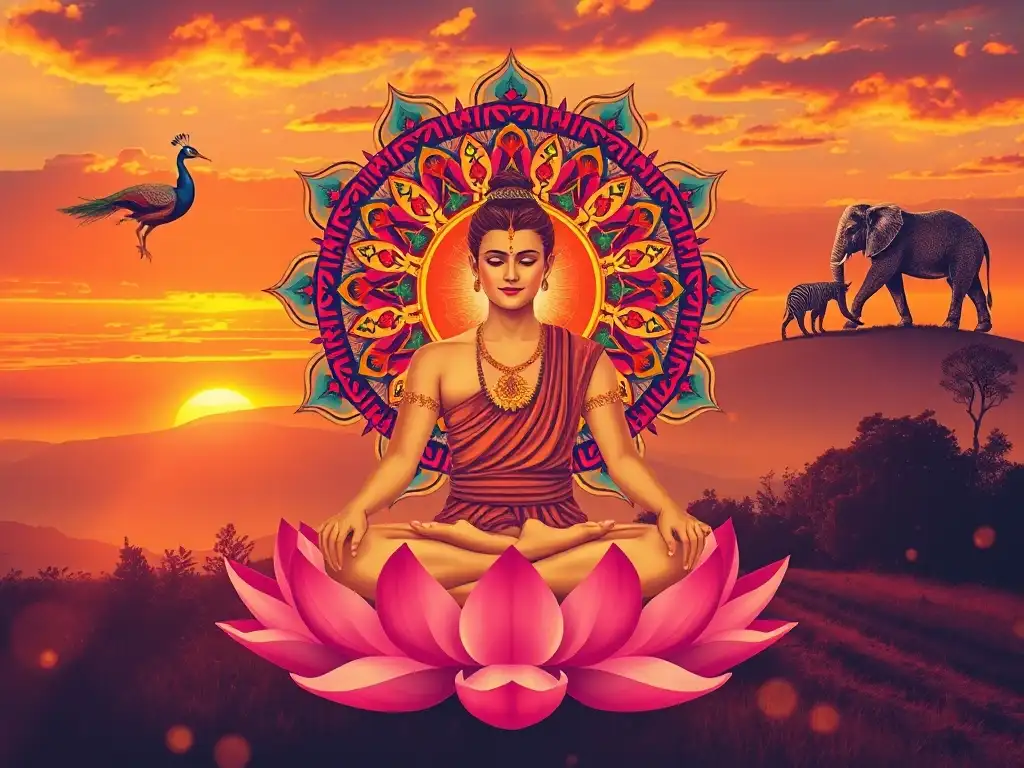
Hindu philosophy has played a pivotal role in shaping our understanding of consciousness, offering insights that have transcended time and culture. The exploration of consciousness in Hindu thought is deeply intertwined with concepts of self, reality, and the universe. The philosophical frameworks established by ancient sages continue to influence contemporary discussions around consciousness, emphasizing the interconnectedness of all beings and the importance of introspection.
The teachings found in texts such as the Upanishads and the Bhagavad Gita illuminate various aspects of consciousness, including the distinction between the individual self (Atman) and the universal consciousness (Brahman). This duality not only presents a pathway for spiritual growth but also encourages a holistic view of consciousness that encompasses both the material and the spiritual realms. The legacy of Hindu philosophy thus serves as a foundation for ongoing inquiries into the nature of consciousness.
Summary of Key Insights
-
Interconnectedness of Self and Universe
Hindu philosophy posits that individual consciousness is a microcosm of the universal consciousness. This interconnectedness suggests that understanding oneself is essential for grasping the broader realities of existence.
-
Meditative Practices
Through practices such as yoga and meditation, Hindu philosophy emphasizes the role of introspection in achieving higher states of consciousness. These practices not only promote mental well-being but also facilitate profound insights into the nature of the self.
-
Non-Dualism (Advaita)
The non-dualistic perspective of Advaita Vedanta asserts that there is no fundamental separation between Atman and Brahman. This viewpoint challenges conventional notions of individuality and encourages a deeper exploration of consciousness as a unified experience.
-
Karma and Rebirth
The concepts of karma and samsara reinforce the idea that consciousness evolves through experiences across lifetimes. This cyclical understanding encourages individuals to reflect on their actions and their impact on spiritual growth.
-
Philosophical Debates
The rich tradition of philosophical debates within Hinduism, such as those found in the Nyaya and Mimamsa schools, has fostered critical analysis of consciousness, contributing to a nuanced understanding of perception, knowledge, and reality.
Future Directions in the Study of Consciousness
As our comprehension of consciousness continues to evolve, future studies may draw increasingly from Hindu philosophical insights to address contemporary questions. Here are some potential directions:
-
Integration with Neuroscience
The intersection of Hindu philosophy and neuroscience could lead to innovative approaches in understanding consciousness. By examining how meditative practices affect brain function, researchers may uncover deeper layers of consciousness that align with ancient philosophical insights.
-
Transpersonal Psychology
The field of transpersonal psychology, which explores the spiritual aspects of the human experience, may benefit significantly from Hindu philosophical frameworks. This integration could provide a more comprehensive understanding of consciousness that encompasses both psychological and spiritual dimensions.
-
Global Dialogues
Engaging in cross-cultural dialogues that include Hindu philosophical perspectives can enrich the discourse on consciousness. By incorporating diverse viewpoints, researchers can foster a more holistic understanding of consciousness that transcends geographical and cultural boundaries.
-
Ethical Implications
As consciousness studies evolve, it is essential to consider the ethical implications of these insights. Hindu philosophy’s emphasis on interconnectedness may inform discussions about the moral responsibilities we hold toward others and the environment.
Hindu philosophy offers a profound and multifaceted approach to understanding consciousness, laying a rich groundwork for future exploration. As we continue to delve into this ancient wisdom, we open ourselves to new possibilities that may redefine our comprehension of consciousness itself.
References for Further Reading on Hindu Philosophy and Consciousness
When exploring the intricate relationship between Hindu philosophy and consciousness, several foundational texts and influential authors provide invaluable insights. Here are some key recommendations:
- The Upanishads: Often regarded as the essence of Hindu philosophy, the Upanishads delve into the nature of reality, self, and consciousness. They introduce concepts like Brahman (the ultimate reality) and Atman (the individual self), which are crucial for understanding consciousness in this philosophical tradition.
- Bhagavad Gita: This ancient scripture offers profound discussions on duty, morality, and the nature of the self. The Gita presents the idea of Yoga and self-realization, emphasizing how one's consciousness can be aligned with the divine.
- Adi Shankaracharya: A pivotal figure in Hindu philosophy, Shankaracharya's commentaries on the Upanishads and the Bhagavad Gita focus on the non-dualism ( Advaita Vedanta), providing a framework for understanding consciousness as a singular, unified experience.
- Sri Aurobindo: His works, particularly The Life Divine, explore the evolution of consciousness and the spiritual ascent of humanity, merging philosophy with a vision for human potential.
- Radhakrishnan, S.: His book, Indian Philosophy, offers a comprehensive overview of Hindu philosophical thought, including discussions on consciousness and its significance in various schools of thought.
- Ken Wilber: Although a contemporary thinker, Wilber's writings, such as The Spectrum of Consciousness, integrate Eastern and Western philosophical traditions, providing a modern lens on the nature of consciousness as perceived in Hindu philosophy.
Online Resources and Lectures
To further your understanding of Hindu philosophy and consciousness, numerous online resources and lectures are available:
- Harvard University Online Courses: Harvard offers free courses on Hindu philosophy that include lectures on consciousness, providing a scholarly approach to the subject.
- YouTube Lectures:
- Swami Sarvapriyananda: His lectures on Vedanta and consciousness provide deep insights into traditional Hindu thought.
- Sadguru Jaggi Vasudev: Known for his engaging presentations, he often discusses the nature of consciousness in relation to spiritual practices.
- Podcasts:
- The Hindu Philosophy Podcast: This series features discussions with scholars on various aspects of Hindu thought, including consciousness.
- The Integral Yoga Podcast: Focuses on the teachings of Sri Aurobindo and the evolution of consciousness.
- Websites:
- Vedanta Society: Their website contains articles, recorded lectures, and resources focused on Vedantic philosophy and the nature of self and consciousness.
- Theosophical Society: Offers resources on Eastern philosophies, including Hindu perspectives on consciousness.
By engaging with these texts and resources, readers can gain a more profound understanding of how Hindu philosophy approaches the complex topic of consciousness, enriching their knowledge of ancient Indian thought and its ongoing relevance.
Frequently Asked Questions
What is the main focus of Hindu philosophy regarding consciousness?
Hindu philosophy delves into the nature of consciousness, exploring how it connects to the self and universal reality. It emphasizes the importance of understanding one's inner self to achieve spiritual awakening.
How does ancient Indian history contribute to our understanding of consciousness?
Ancient Indian history provides insights into various philosophical schools and texts, such as the Upanishads and Bhagavad Gita, which discuss consciousness. These texts highlight the interconnection between the individual and the cosmos.
Key concepts include Atman (the individual soul), Brahman (the universal soul), and the idea of moksha (liberation). These concepts explain the relationship between consciousness, existence, and ultimate truth.
How do Hindu practices influence the understanding of consciousness?
Hindu practices like meditation and yoga aim to enhance self-awareness and promote a deeper understanding of consciousness. These practices facilitate a journey towards self-realization and enlightenment.
Why is the study of consciousness important in Hindu philosophy?
Studying consciousness in Hindu philosophy is crucial for realizing the interconnectedness of all beings and achieving spiritual growth. It encourages individuals to explore their inner nature and attain a higher state of awareness.
Final Reflection: The Profound Interplay of Hindu Philosophy and Consciousness
In today's fast-paced world, the exploration of Hindu philosophy and consciousness remains profoundly relevant as we seek to understand our place within the universe and the nature of our own existence. The intricate teachings of Hindu thought offer timeless insights that resonate with contemporary inquiries into consciousness, bridging ancient wisdom with modern scientific exploration. As we navigate the complexities of our minds and the essence of being, it becomes increasingly clear that this philosophical framework holds the key to unlocking deeper understanding and connection.
The influence of Hindu philosophy extends far beyond its historical roots, shaping cultural and social landscapes across the globe. This philosophy invites us to reflect on the interconnectedness of all beings and the nature of reality itself. The teachings encourage a journey inward, fostering a sense of unity that transcends individual experience. As the philosopher Alan Watts once said, You are the universe experiencing itself.
This profound observation encapsulates the essence of Hindu thought, reminding us that our consciousness is not isolated but part of a greater cosmic tapestry.
As we conclude this exploration, I invite you to reflect on the lessons of Hindu philosophy and consciousness in your own life. Consider how these teachings can guide you in your quest for self-awareness and understanding. Embrace the opportunity to delve deeper into your consciousness, fostering a sense of connection with the world around you. Let the wisdom of Hindu philosophy inspire you to explore the depths of your being and cultivate a more profound awareness of the universe we inhabit.
Unveil the Depths of Consciousness Today!
Thank you for taking the time to explore the fascinating realms of Hindu philosophy and its profound examination of consciousness! We hope you found insights that inspire your journey of understanding. Now, let’s take the next step toward deeper engagement with these meaningful ideas.
Here are some simple actions you can take right now:
- Explore Hindu texts: Select a text, such as the Upanishads or Bhagavad Gita, and read a chapter that discusses consciousness. Reflect on its teachings and their implications.
- Discuss your insights with others: Consider starting a discussion group or book club centered on Hindu philosophy. Invite others to join you in exploring these concepts!
- Journal your reflections: Write down your understanding of consciousness based on your learnings. Challenge yourself to connect these insights with your personal experiences.
Which concept of consciousness from Hindu philosophy resonates most with you, and how might it influence your daily life?