
The Ramayana's Relevance in Contemporary Social Issues

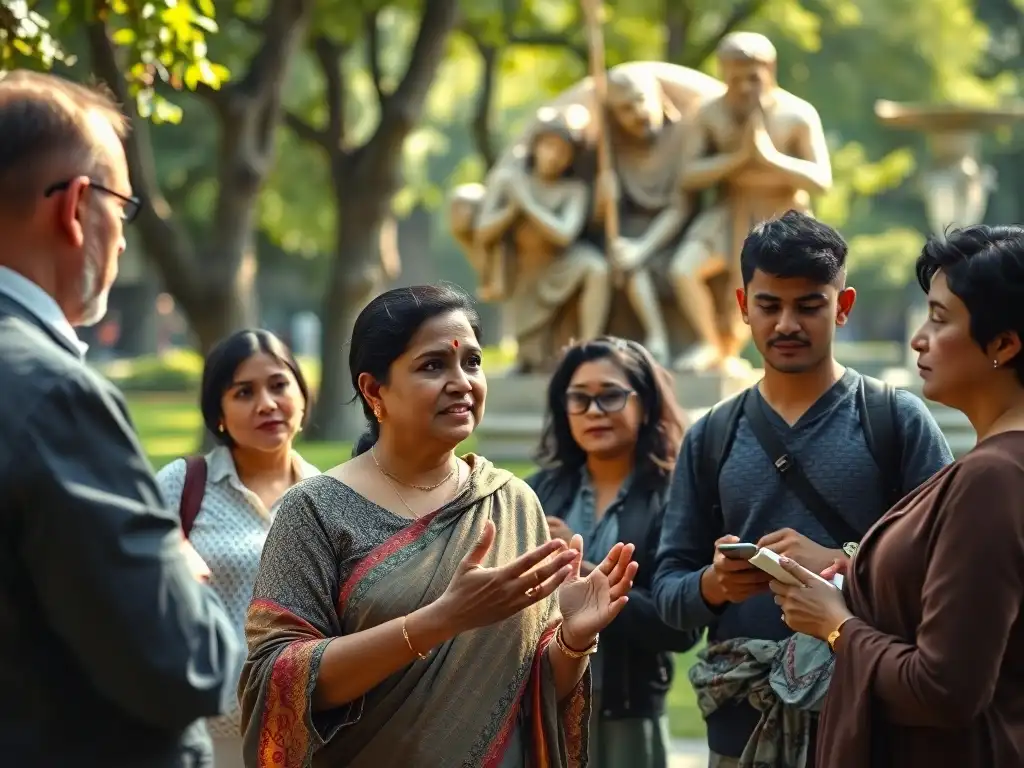
Welcome to Ancient India History, where we embark on a captivating journey through the rich tapestry of ancient Indian civilizations. Today, we delve into the profound world of The Ramayana, exploring its timeless relevance in addressing contemporary social issues. How do the epic's narratives resonate with the challenges we face today? Join us as we unravel these connections, igniting curiosity and inviting you to explore the enduring legacy of this monumental work. Your adventure into the depths of ancient wisdom begins now!
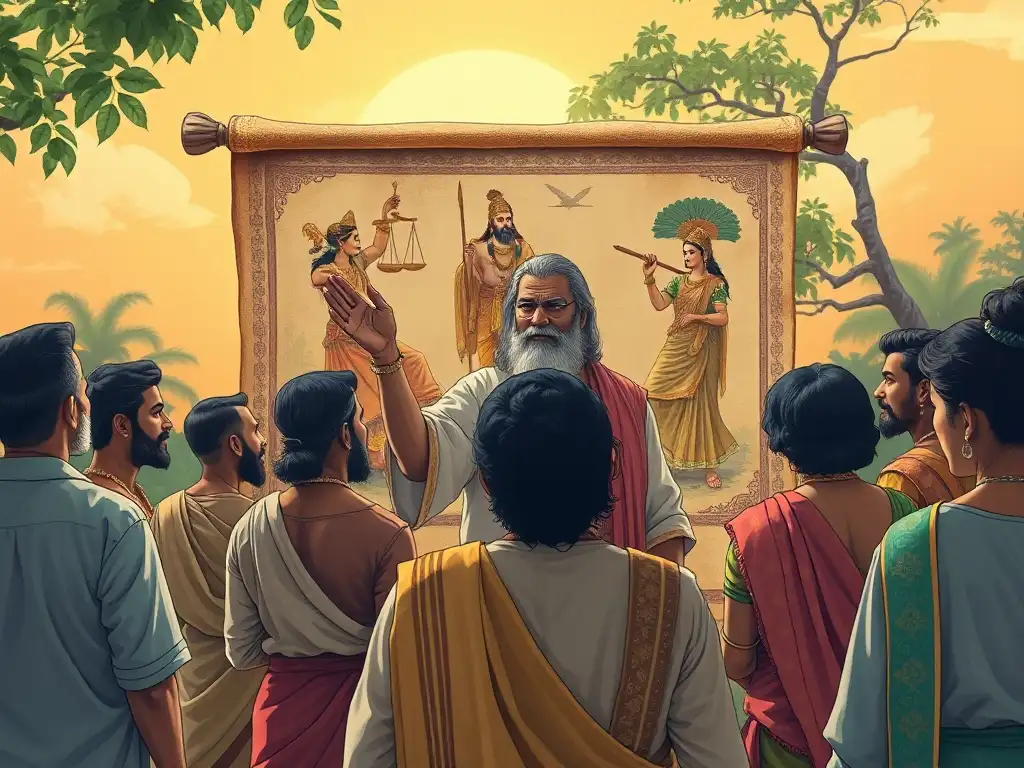
The Ramayana, one of the two great epics of ancient India, serves as a profound narrative that transcends time, engaging with themes that remain relevant in today's society. This epic not only narrates the heroic deeds of Lord Rama but also intricately weaves in moral dilemmas, societal norms, and philosophical inquiries that resonate deeply with contemporary social issues.
As we explore the rich tapestry of the Ramayana, we uncover its significant contributions to understanding and addressing modern challenges, thereby affirming its enduring relevance in an ever-evolving cultural landscape. This article aims to delve into the intricate relationship between The Ramayana and social issues, shedding light on how the teachings and narratives within this epic continue to influence and inspire discussions around ethics, justice, and human behavior today.
Understanding The Ramayana: An Overview
What is The Ramayana?
The Ramayana is an ancient Indian epic attributed to the sage Valmiki, composed in Sanskrit. It tells the story of Lord Rama, his wife Sita, and his loyal companion Hanuman, chronicling their adventures and struggles against the demon king Ravana. Through its intricate storytelling, it explores the ideals of dharma (duty/righteousness), devotion, and the complexities of human relationships. The epic is not merely a tale of good versus evil; rather, it serves as a moral compass that reflects the values and aspirations of society.
Historical Context of The Ramayana
The composition of The Ramayana is believed to date back to the 5th century BCE, although its origins may be even older. The text emerged during a time when societal structures were evolving, and the concept of dharma was gaining prominence. It reflects the socio-political dynamics of ancient India, showcasing the roles and responsibilities of individuals within their families and communities. The Ramayana has since been retold and adapted across various cultures, each interpretation offering unique insights into its enduring messages and themes.
Key Themes in The Ramayana
The Ramayana encapsulates several key themes that are pivotal to understanding its relevance to contemporary society:
- Dharma: The importance of duty and righteousness in personal and social contexts.
- Devotion: The unwavering loyalty exhibited by characters like Hanuman, which symbolizes the essence of faith and devotion.
- Justice: The struggle against evil forces, personified in Ravana, highlights the quest for justice and moral order.
- Human Relationships: The complexities of familial bonds, love, and sacrifice are intricately explored, offering lessons on compassion and empathy.
The Intersection of Epic Literature and Social Issues
Epic literature, such as The Ramayana, serves as a mirror to society, reflecting its values, struggles, and aspirations. Through its narratives, it addresses various social issues, including gender roles, caste dynamics, and moral dilemmas. By analyzing the epic, we can gain insights into how ancient societies viewed these issues and how those perspectives can inform contemporary dialogues.
The Role of The Ramayana in Shaping Social Values
The Ramayana has played a crucial role in shaping social values throughout history. Its characters serve as archetypes that embody ideals of virtue, courage, and righteousness. The teachings derived from the epic continue to inform ethical discussions and social conduct, encouraging individuals and communities to reflect on their values and behaviors. By revisiting The Ramayana in the context of modern social issues, we can explore its potential to inspire change and promote a more just and equitable society.
Lessons from The Ramayana on Justice and Morality
The Ramayana, one of the two great epics of ancient Indian literature, offers profound insights into justice and morality that remain relevant in contemporary society. Through its characters and narrative arcs, the epic illustrates the significance of ethical conduct, virtuous living, and the quest for justice. Central to this exploration is the concept of dharma, which serves as a guiding principle for individuals navigating moral dilemmas.
The epic emphasizes that justice is not merely a legalistic framework but a moral obligation that must be upheld for societal harmony. The actions of its heroes and villains provide a clear dichotomy that helps readers understand the consequences of ethical failures. Consequently, The Ramayana encourages a reflection on personal accountability and social responsibilities, urging individuals to act justly and uphold moral values in their daily lives.
The Concept of Dharma in The Ramayana
Dharma in The Ramayana is multifaceted, representing duty, righteousness, and the moral law that governs human conduct. Each character embodies different aspects of dharma, illustrating how it can vary based on context, relationships, and societal roles. For instance, Rama, as a king and husband, is portrayed as the ideal adherent of dharma, prioritizing his duty to his kingdom and family above personal desires. His decision to go into exile to honor his father's word is a prime example of his commitment to this principle.
Conversely, Sita's unwavering devotion to Rama and her trials in the face of adversity underscore the complexity of dharma for women, particularly in the context of loyalty and virtue. The Ramayana suggests that understanding dharma requires situational awareness and a willingness to navigate moral complexities, a lesson that resonates deeply with modern ethical discussions where rigidity can sometimes lead to injustice.
Examples of Justice and Injustice in The Ramayana
The narrative of The Ramayana is rich with instances of both justice and injustice, serving as moral lessons for contemporary society. One of the most notable examples of justice is the eventual triumph of Rama over Ravana, who embodies adharma (unrighteousness) through his abduction of Sita. This conflict demonstrates the ultimate victory of good over evil, reinforcing the belief that justice will prevail despite temporary setbacks.
In contrast, the treatment of Sita raises critical questions about injustice, particularly regarding gender and societal expectations. Sita’s trial by fire, known as Agni Pariksha, is a poignant illustration of the harsh judgments women face, reflecting societal biases that persist today. Such examples challenge readers to confront the discrepancies between ideals of justice and the realities of inequity, encouraging a reevaluation of how justice is administered in modern contexts.
Relevance of Moral Lessons in Modern Society
The moral lessons derived from The Ramayana are remarkably relevant in addressing contemporary social issues. The emphasis on dharma urges individuals to consider their responsibilities to others and the broader community, inspiring civic engagement and ethical leadership. Furthermore, the epic’s portrayal of justice and the consequences of moral failings resonate in discussions about corruption, inequality, and the rule of law.
In today’s world, where ethical dilemmas often arise, the teachings of The Ramayana can guide individuals in making principled choices. The lessons about the complexity of justice—balancing personal desires with social responsibilities—encourage a more nuanced understanding of morality, fostering a culture of accountability and integrity.
Gender Roles and Representation in The Ramayana
The Ramayana provides a rich tapestry of gender roles and representations, sparking discussions that are increasingly pertinent in contemporary society. The portrayal of male and female characters reflects the societal norms of ancient India while also highlighting the dynamics of power, agency, and moral agency within those roles.
Sita’s Role: A Study of Women in The Ramayana
Sita, as one of the central figures of The Ramayana, epitomizes the complexities of womanhood in ancient literature. Her character embodies purity, loyalty, and resilience, yet her journey also raises questions about the expectations placed on women. Sita’s struggles against societal norms and her eventual vindication offer a dual perspective on femininity—one that celebrates strength while critiquing the limitations imposed by patriarchal structures.
The way Sita navigates her trials serves as a reflection of the challenges faced by women in both historical and modern contexts. Her role invites readers to explore themes of women's agency, the societal pressures of conformity, and the quest for identity beyond traditional roles, making her an enduring symbol of empowerment.
Male Perspectives: Rama and Lakshmana's Actions
Rama and Lakshmana represent contrasting yet complementary male perspectives in The Ramayana. Rama's adherence to dharma positions him as the ideal man, while also exposing the burdens of expectation placed upon him as a leader and husband. His decisions are often framed within the constraints of duty, highlighting the significant role of men in upholding moral values and social order.
Lakshmana, on the other hand, exhibits a more emotional and protective approach, showcasing the depth of brotherly love and loyalty. Together, their actions reflect the complexities of masculinity, where virtue is intertwined with the sacrifices they make for their loved ones. This portrayal encourages a reevaluation of male roles in contemporary society, advocating for emotional expression and moral responsibility.
Gender Equality Issues in Contemporary Context
The themes of gender roles and representation in The Ramayana resonate strongly in the ongoing discourse about gender equality. While the epic reflects the patriarchal norms of its time, it also raises critical issues that remain relevant today, such as the treatment of women, societal expectations, and the consequences of gender-based discrimination.
In modern contexts, the lessons from The Ramayana challenge individuals and societies to confront injustices and advocate for gender equality. The portrayal of strong female characters like Sita invites a reassessment of women's roles in contemporary society, emphasizing the need for empowerment and representation. Moreover, the complexities of male characters call for a broader understanding of masculinity that embraces compassion and responsibility, fostering a more inclusive dialogue on gender issues.

The Ramayana, one of the two great epics of ancient India, continues to resonate deeply in modern society, particularly in the context of social movements. Its narratives, characters, and moral lessons have inspired various groups to advocate for justice, equality, and social change. By embodying ideals such as righteousness (dharma), loyalty, and sacrifice, the epic serves as a powerful symbol for individuals striving to address contemporary social issues. The themes of heroism and the fight against oppression portrayed in The Ramayana have helped galvanize community efforts aimed at fostering social justice and equity.
Moreover, the epic's characters, particularly Lord Rama and Sita, serve as archetypes reflecting the qualities of an ideal leader and partner, respectively. Activists often draw on these figures to promote gender equality and challenge societal norms that perpetuate discrimination. The Ramayana's rich tapestry of narratives provides a framework that advocates can utilize to articulate their visions for a fairer society, making it an invaluable resource for modern social movements.
Case Studies of Social Movements Inspired by The Ramayana
Several social movements in India and beyond have drawn inspiration from The Ramayana. One notable example is the women's rights movement, where activists have invoked Sita's character to challenge patriarchal narratives. In this context, Sita is often portrayed not merely as a passive figure but as a symbol of strength and resilience. Campaigns such as "Sita's Army" aim to reclaim her narrative, emphasizing women's empowerment and the right to autonomy.
Another case study is the environmental movement, which has utilized The Ramayana to highlight the interconnectedness of human beings and nature. Activists reference the relationship between Rama and the forest, particularly in his respect for nature and the creatures inhabiting it, to advocate for ecological preservation and sustainability. By framing environmentalism within the context of The Ramayana, these movements resonate more deeply with cultural sentiments, fostering wider support and engagement.
The Ramayana's Role in Promoting Cultural Identity
The Ramayana plays a significant role in shaping cultural identity, particularly in India and among Indian communities worldwide. The epic is not merely a story; it embodies the values, traditions, and beliefs of a civilization that has thrived for millennia. By engaging with The Ramayana, individuals can connect with their heritage, which fosters a sense of belonging and cultural pride.
In contemporary society, many people turn to The Ramayana as a source of moral guidance and cultural reference. Festivals, theatrical performances, and literary adaptations of the epic serve to keep its teachings alive, reinforcing cultural identity across generations. This connection to the past helps communities navigate modern challenges while preserving their unique identities, exemplifying the enduring relevance of The Ramayana.
Community Building through The Ramayana Narratives
The narratives within The Ramayana have proven to be instrumental in community building, promoting unity and collective action among diverse groups. The epic's themes of duty, loyalty, and sacrifice resonate universally, encouraging individuals to come together for a common purpose. Community gatherings, storytelling sessions, and reenactments of The Ramayana serve as platforms for fostering dialogue and collaboration among members.
Additionally, The Ramayana's emphasis on righteous conduct and moral integrity offers a framework for conflict resolution within communities. By referencing the epic's teachings, groups can engage in constructive discussions, addressing grievances and fostering harmony. This communal engagement not only strengthens social bonds but also reinforces shared values, creating resilient communities capable of addressing both social and environmental issues.
The Ramayana and Environmental Ethics
The Ramayana is rich with narratives that reflect an intrinsic respect for nature and the environment, making it a relevant text in discussions surrounding environmental ethics. The epic emphasizes the interconnectedness of life, illustrating the consequences of human actions on the natural world. This perspective is crucial in contemporary times, where environmental degradation poses significant challenges.
Through its stories, The Ramayana encourages a sense of stewardship toward the earth, urging individuals to act responsibly and sustainably. The ethical teachings embedded within the text serve as a reminder of humanity's duty to protect the environment for future generations, aligning the epic with modern environmental discourse.
Nature and the Environment in The Ramayana
Nature plays a prominent role in The Ramayana, with numerous passages highlighting the beauty and significance of the natural world. The forests, rivers, and wildlife depicted in the epic are not merely backdrops; they are integral to the narrative and the characters' journeys. The deep bond between Rama and the forests illustrates a profound respect for the environment, showcasing how nature can be both a refuge and a teacher.
The interactions between characters and their surroundings underscore the idea that human well-being is intertwined with the health of the environment. By presenting nature as a living entity deserving of respect, The Ramayana advocates for an ethical relationship with the natural world, encouraging readers to acknowledge their place within the larger ecosystem.
Lessons on Sustainability from The Ramayana
The Ramayana provides valuable lessons on sustainability that can be applied to contemporary environmental challenges. One of the core messages is the importance of balance—between human needs and ecological preservation. The epic illustrates that overexploitation of resources leads to dire consequences, as seen in the plight of Sita when the natural order is disrupted.
Additionally, The Ramayana emphasizes the principles of moderation and respect for all living beings. Characters like Rama exhibit a harmonious relationship with nature, showcasing that sustainable practices are rooted in empathy and mindfulness. These teachings remind us that sustainability is not merely a modern concern but a timeless principle inherent in ancient wisdom.
Application of Ramayana’s Teachings on Modern Environmental Issues
In addressing modern environmental issues, the teachings of The Ramayana can offer profound insights and solutions. For instance, the epic’s emphasis on community and collective responsibility can inspire collaborative efforts to combat climate change and environmental degradation. By fostering a sense of unity and shared purpose, communities can mobilize to implement sustainable practices and advocate for policy changes that prioritize ecological health.
Furthermore, the moral lessons of The Ramayana—such as integrity, respect, and stewardship—can guide individuals and organizations in their environmental efforts. By embodying these values, activists can create a more compelling narrative that resonates with a broader audience, encouraging a deeper commitment to ecological conservation. The Ramayana's teachings thus serve as a timeless reminder of the importance of environmental ethics in our quest for a sustainable future.
Critiques and Controversies Surrounding The Ramayana
The Ramayana, while revered as a sacred epic, is not without its critiques and controversies. Scholars and practitioners often engage in discussions about the portrayal of characters, particularly women, and the moral dilemmas presented within the text. One significant critique revolves around the depiction of Sita, whose loyalty and sacrifice are often highlighted, leading to debates about gender roles and expectations. Feminist scholars argue that her character reinforces patriarchal norms, while others advocate for a reinterpretation that highlights her strength and agency.
Moreover, the Ramayana's narrative has been scrutinized for its caste implications, with certain interpretations suggesting a reinforcement of social hierarchies. Critics point to the portrayal of characters such as Shabala and Hanuman, questioning how these characters reflect or challenge existing social structures. Additionally, regional variations in the retelling of the Ramayana often lead to differing perspectives on its themes and characters, further complicating the discourse surrounding the epic.
Different Interpretations of The Ramayana
The Ramayana is a text rich with layers that invite a multitude of interpretations. Across different regions of India and beyond, the epic has been adapted into various forms, each reflecting local cultures, traditions, and social norms. For instance, the Bali Ramayana emphasizes the heroic qualities of Rama and the importance of dharma, while the Tamil version highlights the emotional aspects of love and devotion.
In contemporary discussions, interpretations of The Ramayana often intersect with modern social issues, such as gender equality, environmentalism, and justice. Scholars have argued that the epic can serve as a framework for understanding these issues, providing moral lessons that can be applied in today's context. This adaptability underscores the relevance of The Ramayana in contemporary discourse, as it continues to inspire new readings that resonate with current societal challenges.
Debates on The Ramayana's Relevance in Modern Society
Debates surrounding The Ramayana's relevance to modern society often focus on its applicability to contemporary social issues. Proponents argue that the epic's exploration of duty, righteousness, and ethical dilemmas provides valuable insights for navigating today's complex moral landscape. They contend that characters like Rama embody virtues that can guide individuals in making ethical choices in personal and social contexts.
Conversely, some critics argue that the traditional interpretations of The Ramayana may not adequately address the nuanced realities of contemporary life. They advocate for a critical engagement with the text that acknowledges its limitations and acknowledges the evolving nature of social values. This discourse emphasizes the need for a reinterpretation of the epic that aligns with modern sensibilities, particularly in terms of gender roles and social justice.
Navigating Criticism: The Ramayana in Contemporary Discourse
In response to the critiques leveled against The Ramayana, contemporary discourse often seeks to navigate these criticisms by promoting a more inclusive and dynamic engagement with the text. Scholars and activists are increasingly advocating for reinterpretations that highlight alternative narratives within the epic, such as those of marginalized characters. This approach aims to create space for diverse voices in the retelling of The Ramayana, fostering a more holistic understanding of its themes.
Moreover, the use of The Ramayana in social movements and cultural dialogues signifies its potential to address pressing societal issues. Initiatives that draw upon the epic's moral lessons to tackle topics such as gender equality, environmental sustainability, and community welfare reflect a growing recognition of The Ramayana's relevance in contemporary social contexts. This evolving discourse underscores the epic's capacity to inspire change and promote dialogue on critical social challenges.
Conclusion: The Enduring Legacy of The Ramayana
The Ramayana's enduring legacy lies in its ability to adapt and resonate with successive generations. Throughout history, the epic has served as a moral compass, guiding individuals and societies in their pursuit of righteousness and justice. Its themes of duty, loyalty, and sacrifice continue to inspire reflection and debate, ensuring its place in the collective consciousness of both ancient and modern societies.
Summary of Key Points on The Ramayana and Social Issues
The Ramayana presents a complex interplay between its revered status and the critiques it faces in contemporary discussions. The exploration of gender roles, social hierarchies, and moral dilemmas within the text invites diverse interpretations and debates on its relevance today. As society grapples with issues of equality and justice, The Ramayana remains a potent source for ethical reflection and cultural engagement.
The Future of The Ramayana in Contemporary Social Contexts
Looking ahead, the future of The Ramayana in contemporary social contexts appears promising. As scholars and practitioners continue to reinterpret the epic, it is likely to remain a vital part of discussions surrounding gender, caste, and ethical conduct. The adaptability of The Ramayana offers an opportunity for it to evolve alongside societal changes, ensuring its relevance for future generations.
Final Thoughts on The Ramayana's Role in Addressing Social Challenges
Ultimately, The Ramayana's role in addressing social challenges lies in its capacity to inspire dialogue and reflection on core human values. By engaging with its narratives, contemporary society can navigate complex issues and cultivate a deeper understanding of morality and justice. The Ramayana, therefore, is not just an ancient text but a living document that can guide us in our efforts to address and resolve the social issues of our time.
- Understanding The Ramayana: An Overview
- The Ramayana and Social Issues: An Introduction
- Lessons from The Ramayana on Justice and Morality
- Gender Roles and Representation in The Ramayana
- The Ramayana's Influence on Modern Social Movements
- The Ramayana and Environmental Ethics
- Critiques and Controversies Surrounding The Ramayana
- Conclusion: The Enduring Legacy of The Ramayana
- What is the significance of The Ramayana in addressing social issues today?
- How does The Ramayana reflect the values of ancient Indian society?
- In what ways can The Ramayana be used as a tool for social reform?
- Are there specific social issues in modern India that can be related to The Ramayana?
- What impact does The Ramayana have on the cultural identity of India?
Frequently Asked Questions
The Ramayana offers timeless lessons on morality, duty, and justice, making it relevant for contemporary discussions on various social issues.
How does The Ramayana reflect the values of ancient Indian society?
The Ramayana showcases the cultural values, social norms, and ethical dilemmas of ancient India, highlighting how these elements can inform current societal challenges.
By emphasizing themes like compassion, sacrifice, and righteousness, The Ramayana can inspire individuals and communities to address and reform social issues.
Yes, issues such as gender equality, family dynamics, and caste discrimination can be analyzed through the lens of The Ramayana, revealing continued relevance and lessons.
What impact does The Ramayana have on the cultural identity of India?
The Ramayana is a cornerstone of Indian culture, shaping national identity and providing a shared narrative that continues to influence contemporary social discourse.
In a world increasingly fraught with social challenges, the teachings of The Ramayana resonate more than ever. This ancient epic, rich in moral lessons and ethical dilemmas, offers profound insights into contemporary issues such as justice, gender equality, and the importance of community. As we navigate the complexities of modern society, the timeless wisdom of The Ramayana serves as a guiding light, reminding us that the struggles faced by its characters mirror our own, urging us to reflect on our values and actions in the face of adversity.
The impact of The Ramayana extends far beyond its narrative; it has woven itself into the fabric of cultural and social discourse. Its themes of duty, righteousness, and compassion continue to inspire movements for social change. As we witness ongoing debates around gender roles and social justice, the epic's portrayal of strong female characters and their struggles for agency remains particularly relevant. The Ramayana teaches us that true strength lies not just in power, but in the ability to uplift others.
This enduring message encourages us to challenge societal norms and strive for a more equitable world.
As we conclude our exploration of The Ramayana's relevance, I invite you to reflect on how its teachings can inform your own life and actions. Consider how the principles of justice, compassion, and integrity can guide your responses to the social issues you encounter. Let the lessons of this ancient epic inspire you to become an advocate for change, fostering a society that embodies the values of empathy and unity. Together, we can carry forward the legacy of The Ramayana, transforming its wisdom into action for a better future.
Unveil the Timeless Wisdom of the Ramayana!
Thank you for exploring the rich insights of the Ramayana and its relevance to today's societal challenges! We hope you found inspiration in how ancient teachings can guide us through modern issues. Now, it's time to take action and apply this wisdom to your own life and community.
- Dive deeper into the text: Read a new translation of the Ramayana this month to uncover insights you may have missed.
- Share your thoughts on social media: Initiate a conversation about a particular lesson from the Ramayana that resonates with you and discuss its application to contemporary issues.
- Join or create a discussion group: Connect with others who are interested in exploring the themes of the Ramayana and their relevance in today's world.
Which lesson from the Ramayana do you believe could have the most significant impact on our current social landscape? Let’s ignite a meaningful discussion!