
The Role of Nature and the Environment in the Mahabharata


Welcome to Ancient India History, where we delve into the rich tapestry of ancient civilizations that shaped the Indian subcontinent! Prepare to embark on a captivating journey as we explore the significance of nature in the Mahabharata, revealing how the environment intertwines with epic narratives and cultural identity.
From the lush landscapes that serve as the backdrop for legendary battles to the profound symbolism of flora and fauna, nature plays a pivotal role in this timeless epic. Join us as we uncover the intricate connections between the natural world and the profound teachings of the Mahabharata, igniting your curiosity and inspiring you to dive deeper into the wonders of ancient Indian literature.
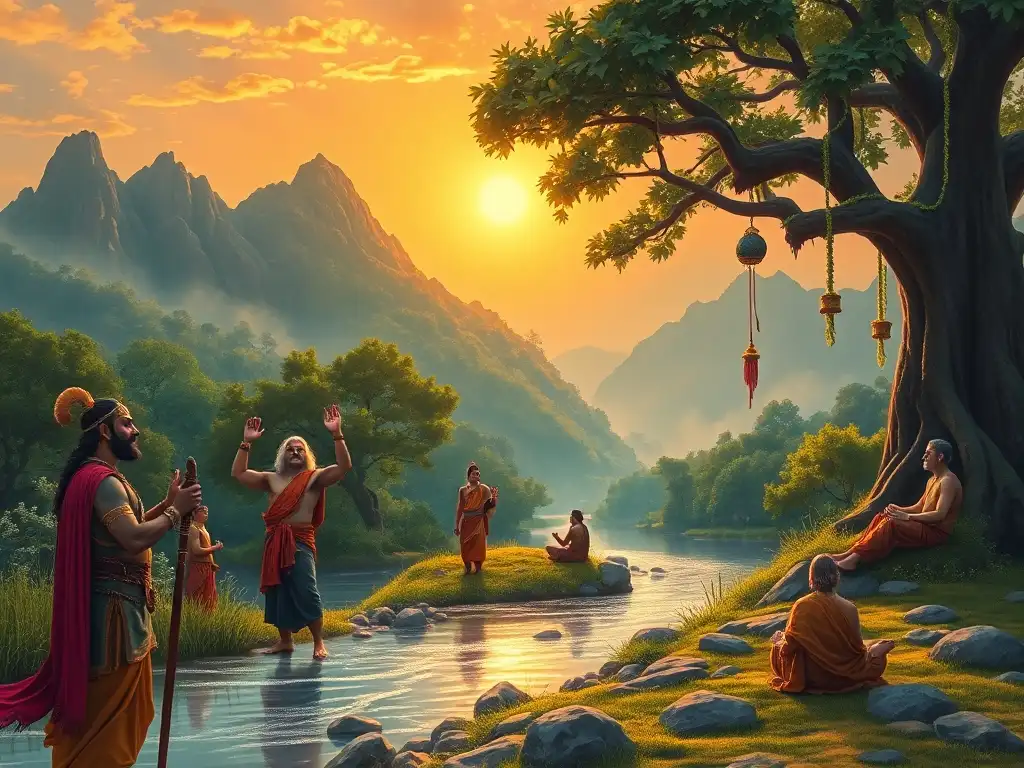
The Mahabharata, one of the greatest epics of ancient India, is not just a tale of valor, duty, and moral dilemmas; it also intricately weaves nature and the environment into its narrative. The significance of nature in the Mahabharata transcends mere backdrop; it serves as a vital character that influences events and reflects the emotional landscapes of the characters.
This exploration of the environment reveals how the epic portrays the interconnectedness of humanity and nature, emphasizing their symbiotic relationship. By examining the role of nature, we gain deeper insights into the cultural and philosophical ethos of ancient Indian civilization, making it essential to understand "Nature in Mahabharata significance."
Introduction to Nature in Mahabharata Significance
Nature in the Mahabharata is portrayed not just as a passive setting but as an active participant in the unfolding drama of human existence. The epic encapsulates various natural elements, from rivers and mountains to flora and fauna, weaving them into the fabric of its narrative. These elements not only set the stage for the characters’ journeys but also reflect their inner turmoil and moral dilemmas. The interplay between the human characters and their environment invites readers to ponder significant themes such as life, death, and the cycle of existence.
- Key Themes:
- Interconnectedness of life and nature
- The moral implications of environmental harmony
- Nature as a reflection of human emotions
Exploring the significance of nature in the Mahabharata allows us to appreciate the ancient Indian worldview, where the environment was revered and considered integral to life's moral fabric.
Nature as a Character in the Mahabharata
Nature often assumes an anthropomorphic role in the Mahabharata, acting almost as a character in its own right. The epic employs various natural phenomena to symbolize deeper themes and to heighten the emotional stakes of the narrative.
The Personification of Nature
In the Mahabharata, nature is frequently personified, embodying the virtues and vices of the characters. For instance, rivers like the Ganges are depicted not only as physical entities but also as symbols of purity and sanctity. The mountains often stand as metaphors for strength and endurance.
- Examples of Personification:
- The Ganges as a mother figure
- The Himalayas representing unwavering resolve
- Forests symbolizing both refuge and danger
This personification enhances the reader's understanding of the environment's impact on human psychology and decision-making, illustrating how nature can mirror human attributes.
Symbolism of Natural Elements
The Mahabharata is rich with symbolic representations of natural elements that convey moral and philosophical messages. Each element serves a particular purpose, drawing parallels between the natural world and the moral dilemmas faced by the characters.
- Symbolic Elements:
- Rivers: Signifying the flow of time and destiny
- Mountains: Representing challenges and obstacles
- Forests: Reflecting the duality of chaos and tranquility
These symbols reinforce the epic's themes, allowing readers to draw connections between the characters’ struggles and the broader environmental context, thus enriching the overall narrative.
By understanding the role of nature and the environment in the Mahabharata, we not only appreciate the epic's literary depth but also gain insights into the cultural and philosophical significance that ancient Indian civilizations attributed to the natural world.
The Environmental Context of the Mahabharata
The Mahabharata, one of the greatest epics in Indian literature, is deeply intertwined with the environment and the natural world. The narrative not only unfolds against a backdrop of ancient Indian geography but also reflects the environmental conditions that shaped the lives and decisions of its characters. Understanding this context is crucial to appreciating the significance of nature in the Mahabharata, as it highlights the interconnectedness of human actions and their environment.
Historical Geography of Ancient India
The epic is set in a time when the geography of India was diverse and varied, encompassing vast plains, dense forests, towering mountains, and flowing rivers. The central arena of the Mahabharata, the Kuru Kingdom, is located in present-day Haryana and Delhi, characterized by fertile lands and a strategic position along trade routes. This geographical richness provided sustenance and resources necessary for the development of civilizations.
Moreover, significant locations such as Hastinapura, Kurukshetra, and the forests of Dronacharya and Kamyaka play pivotal roles in the narrative. These places not only serve as physical settings but also symbolize the moral and ethical dilemmas faced by the characters, illustrating how geography can influence social structures and relationships.
The Role of Climate and Seasons
Climate and seasonal changes are recurrent motifs in the Mahabharata, significantly affecting the plot and character dynamics. The epic often references the monsoon season, which brings renewal and sustenance to the land, contrasting with the harshness of droughts and their dire consequences. For instance, the Pandavas' exile in the forest highlights their struggles against nature and the elements, emphasizing their resilience and adaptability.
The cyclical nature of seasons in the Mahabharata also reflects the broader themes of life, death, and rebirth, mirroring the characters' journeys. The changing seasons often parallel the emotional states of characters, symbolizing hope, despair, conflict, and resolution. Thus, understanding the climatic elements within the epic enriches our comprehension of its deeper philosophical messages.
Nature's Influence on Human Behavior and Decisions
Nature plays a pivotal role in shaping the actions and decisions of the characters in the Mahabharata. The environment often acts as a catalyst for change, influencing the moral dilemmas faced by the protagonists. Characters draw inspiration from their surroundings, and their interactions with nature lead to profound transformations.
Ethical Lessons Derived from Nature
The Mahabharata imparts various ethical lessons through the lens of nature. For example, the sacredness of the Ganges River symbolizes purity and redemption, guiding characters towards righteous paths. The natural world serves as a mirror for human virtues and vices, teaching lessons about justice, compassion, and the consequences of one's actions.
The epic also illustrates the interconnectedness of all beings, urging characters to respect nature and live harmoniously with it. The interactions with flora and fauna often lead to epiphanies that challenge the characters' choices and motivations, reinforcing the idea that ethical living is intrinsically linked to understanding and respecting the environment.
Nature's Role in the Conflict of the Mahabharata
The conflict at the heart of the Mahabharata—the Kurukshetra War—can be seen as a reflection of the struggle between humanity and the forces of nature. The battlefield itself, Kurukshetra, is symbolic of the natural world's indifference to human strife, implying that while human beings engage in conflict, nature remains constant and unchanged.
Moreover, the epic depicts various instances where nature intervenes in human affairs. For example, divine elements such as storms and celestial phenomena often accompany significant events, suggesting that the natural world is a participant in the moral and ethical struggles of the characters. This interplay emphasizes the consequences of human actions on the environment and vice versa, reinforcing the significance of nature in the Mahabharata narrative.
The role of nature and the environment in the Mahabharata is multifaceted and significant. The epic illustrates how environmental contexts shape human experiences and ethical decisions, offering timeless lessons about the relationship between humanity and nature.
The Spiritual and Philosophical Significance of Nature
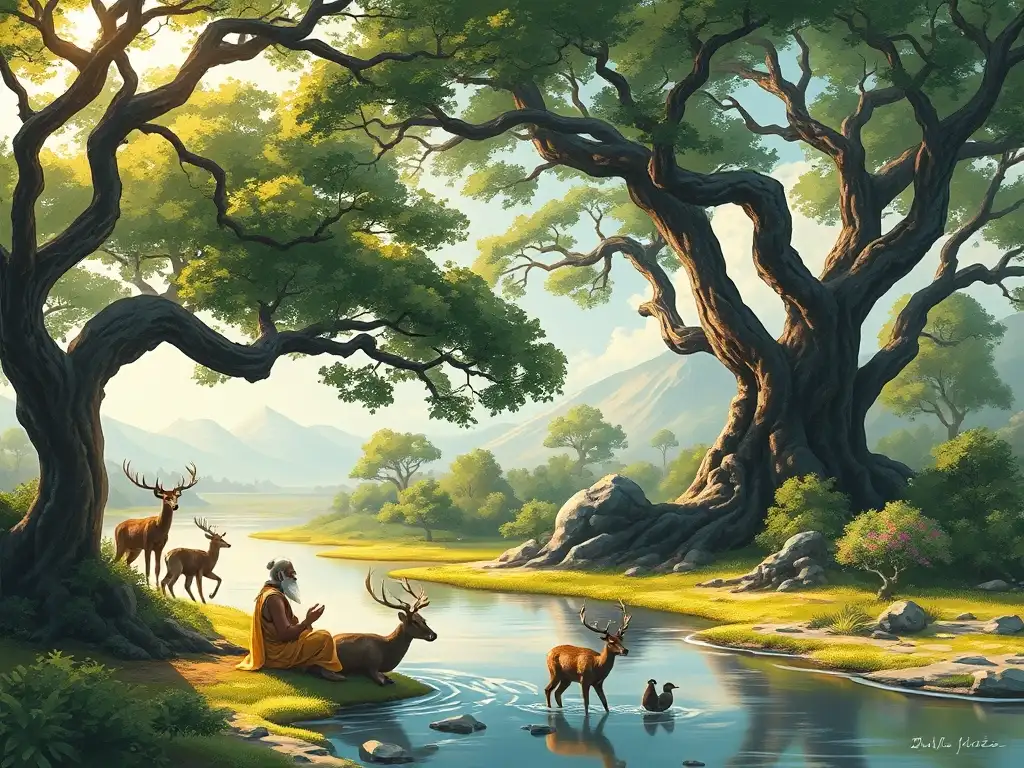
The Mahabharata, one of the most revered texts in Indian epic literature, intricately weaves the elements of nature into its narrative, reflecting deep spiritual and philosophical significance. Nature serves as a backdrop against which the characters’ moral dilemmas and existential struggles unfold. The text portrays nature not merely as a physical environment but as a living entity infused with spiritual energy and wisdom.
Nature in the Mahabharata is often depicted as a teacher, guiding the characters towards self-realization and enlightenment. For instance, the forests and rivers are not just elements of the setting; they symbolize the inner journey of the protagonists, illustrating their connection to the cosmos. The epic emphasizes that understanding and respecting nature is crucial for fulfilling one’s dharma, or duty. This relationship highlights the belief that harmony with nature is essential for spiritual growth and moral integrity.
Furthermore, the Mahabharata presents nature as a reflection of the moral and ethical landscape faced by its characters. The changing seasons, the rivers’ flow, and the mountains’ steadfastness mirror the emotional and spiritual turmoil of the characters, reinforcing the idea that nature is intertwined with human experience. This connection fosters a recognition of the cyclical nature of life and death, underscoring the philosophical teachings of impermanence and the interconnectedness of all living beings.
Nature and Dharma in the Mahabharata
In the Mahabharata, the concept of dharma—the moral order that governs individual conduct—is deeply intertwined with nature. The epic illustrates that fulfilling one’s dharma requires a respectful relationship with the environment. Characters often reflect on their actions concerning nature, understanding that their choices impact not only their fate but also the ecological balance.
The narrative presents numerous instances where the natural world plays a pivotal role in guiding characters toward their dharma. For example, during their exile, the Pandavas encounter various aspects of nature that challenge their understanding of righteousness and justice. The forests serve as a place of introspection, where they confront their inner conflicts and gain clarity on their moral paths.
Moreover, the Mahabharata underscores the consequences of disrupting the natural order. The Kurukshetra war, a central event in the epic, results in catastrophic ecological devastation, symbolizing the dire repercussions of ignoring dharma. This illustrates that harmony with nature is not only a personal responsibility but a collective duty, emphasizing the need for sustainable practices that honor the Earth.
Environmental Philosophy in Ancient Indian Thought
Ancient Indian thought is rich in environmental philosophy, which is vividly reflected in the Mahabharata. The text encapsulates the belief that all living beings are interconnected and that nature possesses an intrinsic value that deserves respect and reverence. This philosophy advocates for a symbiotic relationship between humans and the environment, urging individuals to live in harmony with the natural world.
The Mahabharata emphasizes the idea of Samsara, the cycle of birth, death, and rebirth, which extends to all creatures. This cyclical perspective fosters a deep sense of responsibility towards the environment, as actions have far-reaching implications that transcend individual lives. The characters in the Mahabharata often demonstrate an understanding of this interconnectedness, showcasing their reverence for nature through rituals, offerings, and respect for wildlife.
Additionally, the environmental philosophy of ancient India is characterized by the concept of Ahimsa, or non-violence, which extends beyond human interactions to encompass all living beings. This principle underscores the ethical obligation to protect and preserve the environment, advocating for a lifestyle that minimizes harm to nature. The Mahabharata, through its narrative and teachings, thus serves as a profound reminder of the moral imperative to safeguard the Earth and its ecosystems.
Conclusion: The Enduring Legacy of Nature in the Mahabharata
The Mahabharata’s exploration of nature and the environment reveals a profound understanding of the significance of the natural world in human existence. Its teachings emphasize that nature is not an adversary but a vital ally in the quest for knowledge, virtue, and spiritual awakening. The epic’s intricate portrayal of nature serves as a timeless reminder of the need to respect and preserve our environment.
The legacy of nature in the Mahabharata is enduring; it continues to resonate in contemporary discussions around environmental ethics and sustainability. The epic invites readers to reflect on their relationship with nature, urging a return to the principles of harmony, balance, and respect. As modern society grapples with ecological challenges, the insights from the Mahabharata offer valuable lessons on the importance of nurturing our planet and recognizing our role within the greater web of life.
In essence, the Mahabharata stands as a testament to the belief that the interplay between humanity and nature is a sacred and essential aspect of existence, encouraging a deeper appreciation for the natural world and its integral role in shaping our moral and spiritual journey.
References and Further Reading
To deepen your understanding of the significance of nature in the Mahabharata, various resources explore the themes, symbolism, and ecological aspects within the epic. Below is a curated list of references and further reading materials that provide insights into the environment's role in this ancient narrative:
-
Books:
-
"The Mahabharata: A Modern Rendering" by Ramesh Menon
This contemporary retelling of the Mahabharata not only preserves the essence of the original text but also highlights the natural elements and their significance throughout the story.
-
"The Mahabharata: An Inquiry in the Human Condition" by M. S. Rao
This analytical work delves into the philosophical underpinnings of the Mahabharata, including the intricate relationship between humans and nature.
-
-
Research Articles:
-
"Ecology and Environment in the Mahabharata"
This paper examines the ecological references and nature-centric philosophies embedded in the Mahabharata, emphasizing how these elements reflect ancient Indian values and beliefs.
-
"Nature and the Human Experience in the Mahabharata"
An insightful article that discusses the portrayal of natural landscapes and their symbolic meanings within the epic, shedding light on cultural perceptions of the environment.
-
-
Documentaries and Lectures:
-
"The Mahabharata: Nature's Perspective" (YouTube)
This documentary explores the various interactions between characters and the natural world, showcasing the lessons that can be learned from these encounters.
-
"Understanding the Epic: Nature in the Mahabharata" (University Lecture Series)
A lecture that offers an academic perspective on how nature shapes the narrative structure and themes of the Mahabharata.
-
-
Web Resources:
-
"The Role of Nature in Indian Epics"
A comprehensive online article that discusses how nature is depicted across various Indian epics, including the Mahabharata, and its significance in the cultural context.
-
"Mahabharata and Environmental Ethics"
A blog post that connects the lessons from the Mahabharata to contemporary environmental issues, exploring the relevance of ancient wisdom in today's context.
-
These resources will allow readers to explore the intricate relationship between nature and the epic narrative of the Mahabharata, providing a richer understanding of its themes and significance.
- Introduction to Nature in Mahabharata Significance
- Nature as a Character in the Mahabharata
- The Environmental Context of the Mahabharata
- Nature's Influence on Human Behavior and Decisions
- The Spiritual and Philosophical Significance of Nature
- Conclusion: The Enduring Legacy of Nature in the Mahabharata
- References and Further Reading
- What is the significance of nature in the Mahabharata?
- How does the environment shape the events in the Mahabharata?
- Are there specific natural elements mentioned in the Mahabharata?
- How does the Mahabharata reflect the cultural relationship with nature?
- What lessons can be drawn about nature's role from the Mahabharata?
Frequently Asked Questions
What is the significance of nature in the Mahabharata?
The Mahabharata portrays nature as a vital element, symbolizing the balance between humanity and the environment. It reflects how natural elements influence the characters and their decisions throughout the epic.
How does the environment shape the events in the Mahabharata?
The environment plays a crucial role in shaping the narrative. Key events, such as battles and curses, are often tied to natural phenomena, illustrating the deep connection between humans and their surroundings.
Are there specific natural elements mentioned in the Mahabharata?
Yes, the Mahabharata includes various natural elements like rivers, forests, and mountains, which are not only backdrops but also integral to the storyline and often symbolize the characters’ inner turmoil and growth.
How does the Mahabharata reflect the cultural relationship with nature?
The epic emphasizes a harmonious relationship between humans and nature, showcasing the belief that respect for the environment is essential for moral and spiritual well-being in ancient Indian culture.
What lessons can be drawn about nature's role from the Mahabharata?
The Mahabharata teaches that nature is a powerful force that demands respect and responsibility. It encourages readers to recognize the interconnectedness of all beings and the importance of living in harmony with the natural world.
Final Reflection: The Enduring Significance of Nature in the Mahabharata
The intricate relationship between nature and humanity, as depicted in the Mahabharata, remains profoundly relevant today. In an era marked by environmental crises and a growing disconnect from the natural world, the lessons derived from this ancient epic resonate with urgency. The Mahabharata teaches us that the environment is not merely a backdrop for human action but a vital force that shapes our destinies. As we navigate the complexities of modern life, we must remember that our survival is intricately tied to the health of our planet.
Culture and society are continuously influenced by the narratives we embrace, and the Mahabharata serves as a powerful reminder of our interconnectedness with nature. The epic illustrates how the characters' fates are often intertwined with the natural world, emphasizing the importance of respecting and nurturing our environment. Nature is the ultimate source of life, and to disregard it is to disregard our very existence.
This sentiment echoes through the ages, urging us to reflect on our role as stewards of the Earth and to recognize that our actions have far-reaching consequences.
As you close this chapter on the Mahabharata, I invite you to take a moment to reflect on your own relationship with nature. Consider how the lessons of this epic can inspire you to foster a deeper connection with the environment in your daily life. Whether it’s through sustainable practices, advocating for conservation, or simply appreciating the beauty of the natural world around you, let the wisdom of the Mahabharata guide your actions. Together, we can honor the significance of nature and ensure that its legacy endures for generations to come.
Unveil the Wisdom of Nature’s Role in the Mahabharata
Thank you for diving into the rich world of the Mahabharata and discovering the profound connection between its narrative and the natural environment. Your engagement with this timeless epic not only enhances your understanding but also helps preserve the legacy of ancient wisdom.
Now, it’s time to take action and further explore these themes:
- Reflect on Nature: Spend some quiet time in your favorite natural setting. Observe how your surroundings resonate with the lessons presented in the Mahabharata. Consider journaling your thoughts about this connection.
- Share Your Insights: Discuss your learnings with friends or family. You might even want to host a small discussion group to delve deeper into the themes of nature within the epic.
- Dive Deeper: Seek out additional resources or documentaries related to the Mahabharata to uncover richer meanings and connections to the natural world.
What insights do you believe the Mahabharata offers regarding our current relationship with nature, and how can we apply its wisdom in today’s context?