
From Street Food to Fine Dining: Culinary Tours that Showcase India's Diversity

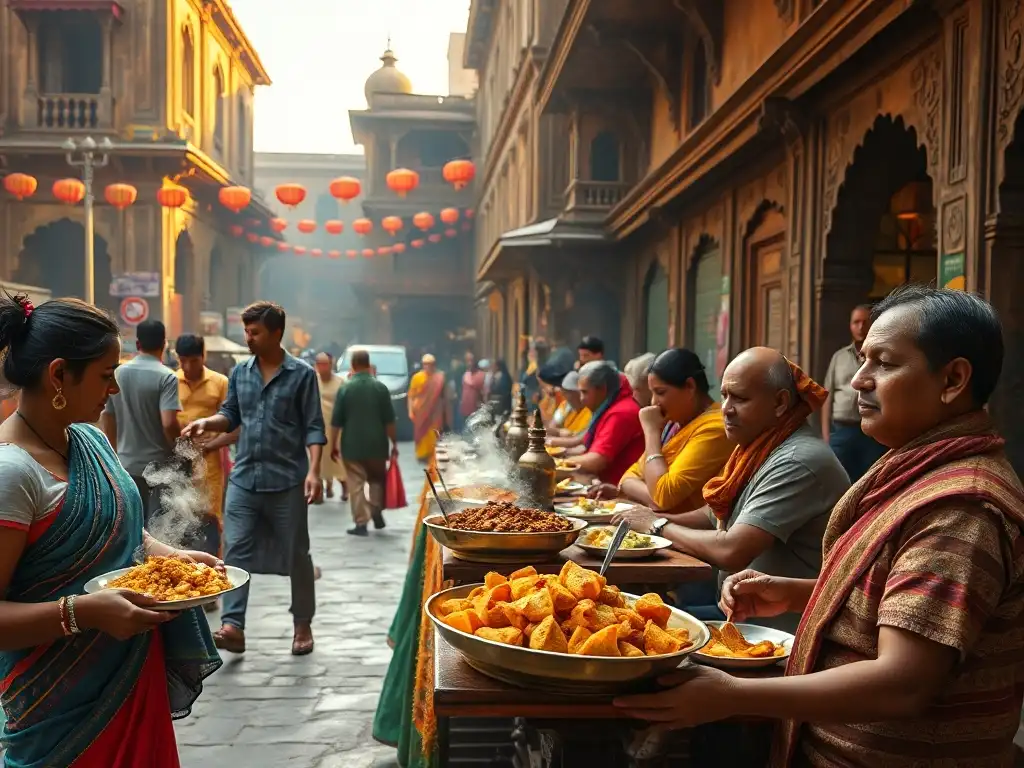
Welcome to Ancient India History, where we embark on a captivating journey through the rich tapestry of India's past! Here, we explore the vibrant cultures, remarkable contributions, and enduring legacies of ancient Indian civilizations. In our featured article, “From Street Food to Fine Dining: Culinary Tours that Showcase India's Diversity,” we invite you to delve into the tantalizing world of culinary tours of ancient India.
Discover how the flavors of the past continue to shape the culinary landscape of today, and prepare to ignite your curiosity as we unravel the delectable stories behind India's gastronomic heritage. Join us as we savor the essence of history, one bite at a time!
Introduction to Culinary Tours of Ancient India
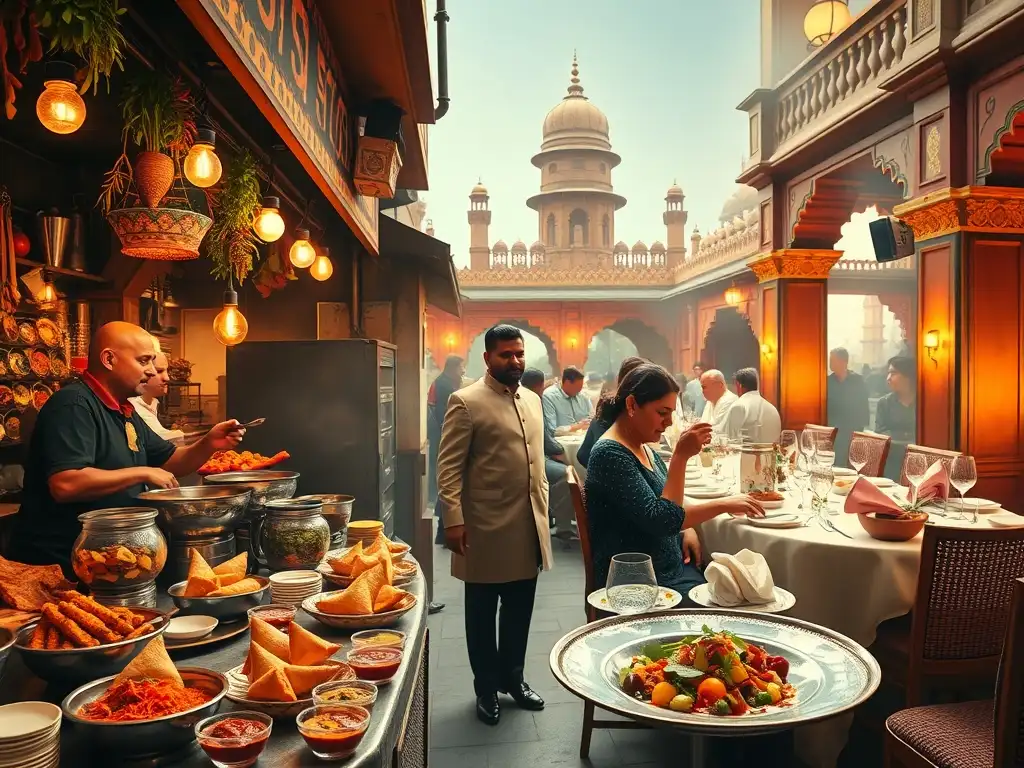
India's culinary landscape is as rich and diverse as its history, with flavors that echo the ancient civilizations that once thrived on its soil. From the bustling streets of Delhi where vibrant street food stalls serve mouth-watering delicacies, to the royal kitchens of Rajasthan offering a glimpse into fine dining, culinary tours of ancient India present an unparalleled journey through time and taste.
These tours not only highlight the gastronomic heritage of the region but also reflect the intricate tapestry of cultures, traditions, and historical influences that have shaped Indian cuisine over millennia. As we delve deeper into the culinary tours available, we uncover the stories behind each dish, the significance of local ingredients, and the enduring legacy of ancient culinary practices that continue to delight the palate today.
The Essence of Culinary Tours in India
Culinary tours in India provide a unique opportunity to experience the country's food culture firsthand. These tours are designed to engage food lovers in a sensory exploration of flavors, aromas, and textures that define the subcontinent's diverse culinary heritage. They often include:
- Cooking Classes: Learn traditional cooking techniques from local chefs.
- Market Tours: Visit bustling local markets to understand the origin of ingredients.
- Food Tastings: Sample a variety of regional dishes, from street snacks to gourmet meals.
- Cultural Experiences: Engage with local communities and understand their food customs.
By participating in these tours, travelers gain insights into the importance of food as a cultural expression and a means of social gathering in India.
Exploring the Diversity of Indian Flavor Profiles
India boasts a vast array of flavor profiles, each region contributing its unique essence to the culinary mosaic. From the spiciness of South Indian curries to the subtle sweetness of Bengali desserts, the diversity is staggering. Key flavor profiles include:
- Sour: Often found in dishes like Andhra pickles.
- Spicy: Characteristic of North Indian and Rajasthani cuisines.
- Sweet: Present in desserts such as Gulab Jamun and Rasgulla.
- Savory: Emphasized in the use of lentils and grains across various regions.
This rich palette of flavors is a testament to India's geographical diversity, agricultural practices, and historical trade routes, making culinary tours an exciting way to explore the country's heritage.
Why Culinary Tours are Essential for Food Lovers
For food enthusiasts, culinary tours are more than just a gastronomic adventure; they are an educational experience that deepens one's appreciation for the art of cooking and the cultural narratives behind each dish. These tours offer the chance to:
- Connect with Local Chefs: Learn from the experts who carry forward age-old traditions.
- Understand Historical Influences: Discover how historical events and trade have shaped regional cuisines.
- Savor Authentic Flavors: Taste dishes made with traditional methods that may not be available in restaurants.
In essence, culinary tours of ancient India provide a holistic approach to understanding and enjoying food, allowing travelers to create lasting memories while savoring the rich culinary heritage of this remarkable country.
Top Culinary Tours of Ancient India
India's culinary landscape is a treasure trove of flavors, techniques, and traditions that have evolved over millennia. Culinary tours of ancient India offer travelers an exceptional opportunity to explore the rich tapestry of Indian cuisine, which is deeply intertwined with the country's history and culture. From vibrant street food stalls to regal fine dining experiences, these tours showcase the diversity that characterizes Indian gastronomy. This section delves into some of the most compelling culinary tours that highlight ancient recipes, cooking methods, and regional specialties.
1. Delhi Street Food Tour: A Journey Through Flavors
The Delhi Street Food Tour is an adventure that immerses travelers in the bustling culinary scene of India’s capital. As one of the oldest cities in the world, Delhi's streets are alive with flavors that represent centuries of cultural amalgamation.
- Signature Dishes: Tour participants will savor iconic dishes such as Chaat, a tangy street snack made with a medley of potatoes, chickpeas, and a variety of chutneys, and Parathas, which are stuffed flatbreads served with pickles and yogurt.
- Historical Context: Each dish tells a story, reflecting the influences of various dynasties that ruled Delhi, including the Mughals and the British.
- Local Markets: The tour often includes visits to famous food markets like Chandni Chowk, where vendors serve these delicacies fresh from the stove.
This culinary journey not only tantalizes the taste buds but also offers a glimpse into the vibrant culture and history of Delhi.
2. Rajasthan Royal Cuisine Tour: A Taste of Nobility
The Rajasthan Royal Cuisine Tour is a regal experience that transports participants to the era of kings and queens. Known for its rich and opulent culinary heritage, Rajasthani cuisine is characterized by its use of spices and rich ingredients.
- Lavish Feasts: Travelers can indulge in traditional dishes such as Dal Baati Churma, a hearty combination of lentils and baked wheat balls, and Laal Maas, a fiery mutton curry that embodies the bold flavors of Rajasthan.
- Cultural Significance: These dishes are often prepared following age-old recipes that have been passed down through generations, showcasing the royal kitchens' influence on local food.
- Dining in Heritage Hotels: The tour may include meals served in heritage hotels that were once palaces, allowing guests to dine like royalty against a backdrop of stunning architecture.
This culinary tour is a celebration of Rajasthan’s rich history and its gastronomic contributions, making it a must-experience for food enthusiasts.
3. South Indian Culinary Trail: Flavors of Tradition
The South Indian Culinary Trail invites participants to explore the diverse and flavorful cuisines of southern India, known for their distinct ingredients and cooking techniques.
- Signature Dishes: Expect to taste Idli, steamed rice cakes served with coconut chutney, and Dosa, a crispy crepe made from fermented rice and lentil batter, both staples of South Indian breakfast.
- Cultural Insights: The tour may include visits to local homes where traditional cooking methods are practiced, highlighting the importance of family recipes in preserving culinary heritage.
- Festive Flavors: Guests can also experience the traditional feasts during festivals like Pongal, where seasonal ingredients are celebrated through food.
This culinary trail not only satiates the appetite but also fosters a deeper understanding of the cultural significance of food in South India.
4. Bengali Culinary Experience: Rivers and Rice
The Bengali Culinary Experience showcases the unique and diverse flavors of Bengal, a region known for its lush landscapes and rich culinary heritage.
- Signature Dishes: Participants will enjoy dishes such as Machher Jhol, a fish curry that reflects the region's proximity to rivers, and Shorshe Ilish, hilsa fish cooked in mustard sauce, which is a beloved delicacy.
- Culinary Traditions: The tour often includes a visit to local homes, where participants can learn about the significance of rice and fish in Bengali cuisine and how it intertwines with the region's cultural identity.
- Sweets and Desserts: No Bengali meal is complete without desserts like Rasgulla and Sandesh, which are crafted from fresh chhena (Indian cottage cheese) and represent the sweet tooth of the Bengali people.
This experience offers a delicious insight into the culinary artistry of Bengal, making it a highlight for food lovers.
The Fusion of Street Food and Fine Dining
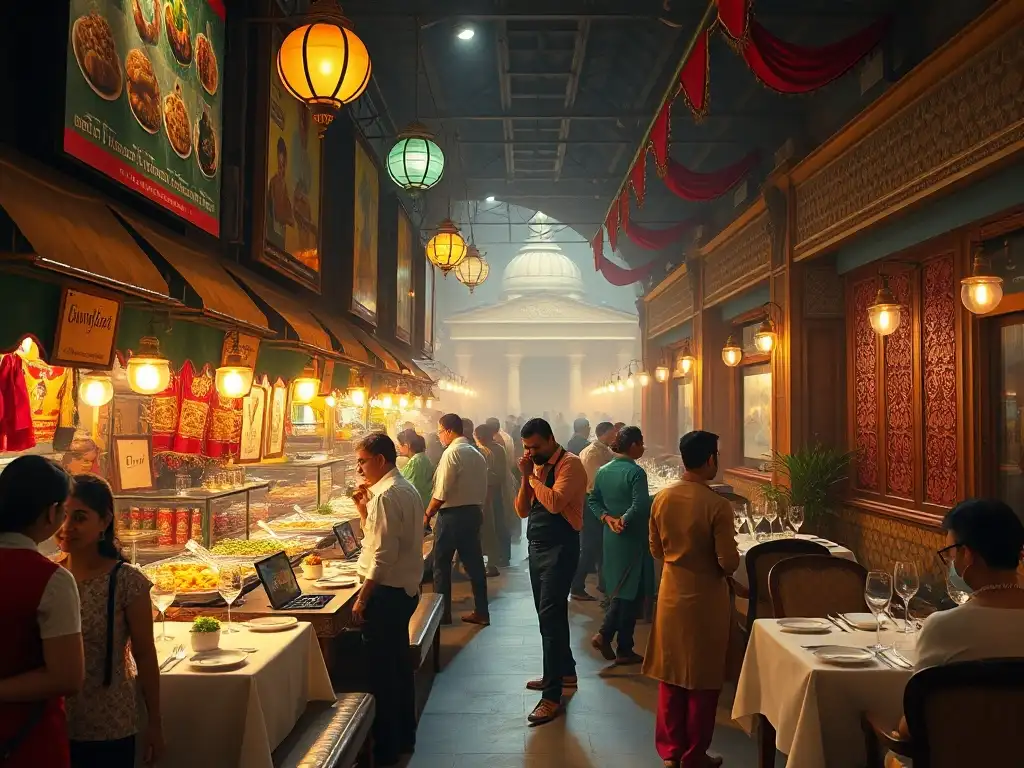
The culinary landscape of India is remarkable for its ability to blend the vibrancy of street food with the elegance of fine dining. This fusion not only enriches the dining experience but also reflects the country's diverse cultural heritage.
Culinary Experiences that Blend the Two Worlds
Travelers can enjoy unique culinary experiences that showcase the best of both street food and fine dining.
- Innovative Dishes: Many upscale restaurants are reinterpreting traditional street food dishes, offering gourmet versions of classics like Pani Puri or Bhel Puri, combining authentic flavors with sophisticated presentation.
- Culinary Workshops: Some tours include workshops where participants can learn to create these innovative dishes, gaining insights into modern techniques while respecting traditional flavors.
- Food Festivals: Events such as food festivals often highlight this fusion, bringing together street food vendors and fine dining chefs to showcase their creations side by side, illustrating the versatility of Indian cuisine.
This blend of culinary styles not only celebrates the rich history of Indian food but also fosters a sense of community and innovation in the culinary arts.
How Culinary Tours Reflect Ancient Indian Civilization
Culinary tours of ancient India offer a fascinating glimpse into the rich tapestry of the country's history and culture. Food in India is not merely sustenance; it is a reflection of the civilization's evolution, shaped by centuries of trade, migration, and cultural exchange. Each region boasts unique flavors and cooking techniques that tell a story of the people who have inhabited the land.
From the spice routes that connected India to distant lands in the ancient world to the local ingredients cultivated in the fertile plains, the diversity seen in Indian cuisine echoes the historical influences of various dynasties and cultures. For instance, Mughal culinary traditions, characterized by rich gravies and aromatic spices, have significantly influenced modern Indian dishes. Similarly, the introduction of new ingredients through trade with European and Middle Eastern civilizations has enriched the culinary landscape.
Moreover, culinary tours provide an opportunity to explore traditional cooking methods passed down through generations. These methods often include age-old practices such as clay pot cooking, use of wood-fired ovens, and the preparation of meals during festivals, which are deeply rooted in ancient customs. Engaging with local chefs and families allows participants to immerse themselves in the heritage and values associated with food in ancient Indian civilization.
Historical Influences on Modern Indian Cuisine
Modern Indian cuisine is a vibrant fusion of flavors, techniques, and ingredients that have been influenced by various historical factors. The ancient Indus Valley Civilization, known for its advanced agricultural practices, laid the groundwork for the diverse crops that would later define regional cuisines. The discovery of spices like black pepper and cardamom during this time created a foundation for the complex flavor profiles found in Indian dishes today.
The Maurya and Gupta empires further contributed to the culinary landscape through the establishment of trade routes that facilitated the exchange of spices, herbs, and cooking techniques with neighboring regions. Exotic ingredients and methods were absorbed into local cuisines, resulting in a rich amalgamation of flavors. For example, the introduction of Persian culinary influences during the Mughal Empire led to the creation of iconic dishes like biryani and kebabs, which remain popular in contemporary cuisine.
Regional variations also reflect the unique historical narratives of different parts of India. Coastal regions, for instance, showcase a strong affinity for seafood due to their geographical positioning, while areas in the north may emphasize dairy products and wheat-based dishes. The influence of British colonialism introduced new ingredients such as potatoes and tomatoes, which have become staples in Indian cooking.
Planning Your Culinary Tour of Ancient India
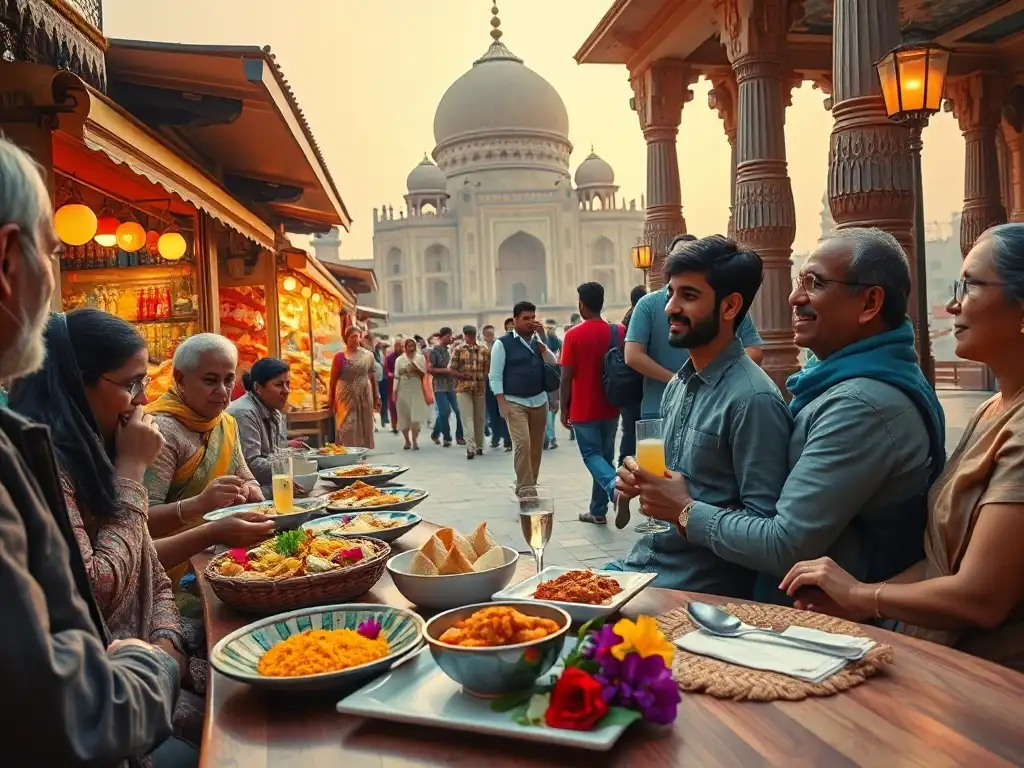
When planning a culinary tour of ancient India, it’s essential to consider the variety of experiences available. From bustling street food markets to exquisite fine dining establishments, each option provides a unique perspective on India’s culinary heritage. Here are some steps to help you plan your culinary adventure:
- Research Destinations: Focus on regions known for their distinct culinary styles. For example, explore the rich street food scene in Delhi, the royal dining of Rajasthan, or the coastal flavors of Kerala. Each destination offers a different insight into ancient culinary practices.
- Choose Activities: Decide on the types of activities you want to engage in. This could include cooking classes, food tastings, market tours, and visits to historical sites where traditional dishes originated.
- Connect with Local Guides: Opt for tours that feature local guides who are knowledgeable about the history and culture of the area. Their insights can enhance your understanding of the food you’re tasting and its significance in ancient Indian civilization.
Essential Tips for Choosing the Right Tour
Selecting the right culinary tour can significantly enhance your overall experience. Here are some essential tips to consider:
- Read Reviews: Look for tours with positive feedback from previous participants. Websites and travel forums can provide insights into the quality and authenticity of the experiences offered.
- Check Inclusions: Ensure that the tour package includes a variety of activities that cater to your interests, such as cooking classes, market visits, or exclusive dining experiences.
- Consider Group Size: Smaller groups often allow for a more personalized experience, making it easier to engage with local chefs and learn about their culinary traditions.
- Evaluate Expertise: Look for tours led by knowledgeable guides who can share the historical context of the dishes and the significance of the local ingredients used.
Budgeting for Your Culinary Adventure
Budgeting for a culinary tour of ancient India is crucial in ensuring a memorable experience without overspending. Here are some pointers to help you manage your budget effectively:
- Determine Your Overall Budget: Set a clear budget for your entire trip, including flights, accommodations, and daily expenses, alongside the cost of the culinary tour itself.
- Research Tour Costs: Culinary tours can vary widely in price based on the inclusions and duration. Compare different options to find one that fits your budget while still offering a comprehensive experience.
- Factor in Additional Expenses: Remember to include costs for meals outside the tour, souvenirs, and optional activities. Having a buffer for unexpected expenses can enhance your peace of mind.
- Look for Deals: Keep an eye out for discounts, promotions, or package deals that may be offered by tour providers, which can help you save money while still enjoying quality experiences.
By following these tips and considering the historical influences that shape Indian cuisine, you can embark on a culinary tour that not only tantalizes your taste buds but also enriches your understanding of ancient Indian civilization.
Conclusion: The Journey Through India's Culinary Heritage
Exploring the culinary tours of ancient India is not merely a gastronomic adventure; it is a profound journey through time that reveals the rich tapestry of India's history, culture, and traditions. From the bustling streets of Delhi where street food vendors serve delectable chaat and spicy samosas, to the royal kitchens of Rajasthan offering rich curries and aromatic biryanis, every dish tells a story.
The diverse flavors, techniques, and ingredients used across various regions highlight the influence of ancient civilizations, trade routes, and cultural exchanges that have shaped Indian cuisine over centuries. Traveling through the culinary landscape of ancient India allows one to appreciate the regional specialties crafted with care and passion, often passed down through generations. Each culinary experience serves as a window into the lifestyle, religious practices, and historical events that have influenced the Indian palate.
Moreover, the revival of ancient culinary practices and the emphasis on local, sustainable ingredients reflect a growing awareness of the importance of preserving this heritage. Culinary tours not only celebrate these traditional dishes but also support local communities, ensuring that the stories and skills of ancient cooks continue to thrive in modern times.
Call to Action: Book Your Culinary Tour of Ancient India Today!
Ready to embark on a delicious journey through the heart of ancient Indian cuisine? Don’t miss out on the opportunity to experience the rich flavors and vibrant culture that await you.
- Discover Authentic Flavors: Join a culinary tour that takes you beyond the typical dining experience and immerses you in the history and traditions of ancient Indian cooking.
- Meet Local Chefs and Artisans: Engage with local chefs who share their secrets and passion for ancient recipes, and learn the art of preparing traditional dishes.
- Taste the Diversity: From street food to fine dining, savor the unique flavors of each region and understand the cultural significance behind them.
👉 Book your culinary tour of ancient India today and savor the rich heritage that flavors every bite! Embrace the chance to taste history while creating unforgettable memories along the way.
- Introduction to Culinary Tours of Ancient India
- The Essence of Culinary Tours in India
- Top Culinary Tours of Ancient India
- The Fusion of Street Food and Fine Dining
- How Culinary Tours Reflect Ancient Indian Civilization
- Historical Influences on Modern Indian Cuisine
- Planning Your Culinary Tour of Ancient India
- Conclusion: The Journey Through India's Culinary Heritage
- Call to Action: Book Your Culinary Tour of Ancient India Today!
Frequently Asked Questions
What are culinary tours of ancient India?
Culinary tours of ancient India are immersive experiences that explore the rich gastronomic heritage of Indian civilizations, showcasing traditional recipes, cooking techniques, and local ingredients.
How do these tours differ from modern culinary experiences?
These tours focus on historical cooking practices and ancient recipes, offering insights into how cultural influences shaped the food landscape, contrasting with contemporary dining experiences.
What regions of India are highlighted in these culinary tours?
Culinary tours often highlight regions like the Indus Valley, Mughal Empire, and Gupta Empire, each known for their unique cuisines and culinary traditions that reflect their historical significance.
Are these tours suitable for all types of travelers?
Yes, culinary tours of ancient India cater to a wide range of travelers, from food enthusiasts to history buffs, providing a holistic experience that combines culinary delights with cultural and historical exploration.
How can I find a reputable culinary tour?
To find a reputable culinary tour, consider reading reviews, checking for certifications, and looking for tour operators that specialize in cultural and culinary experiences, ensuring an authentic exploration of India’s rich heritage.
Final Reflection: Celebrating India's Culinary Tapestry
The journey through India's culinary landscape is not just a feast for the senses; it is a profound exploration of culture, history, and identity. Today, as we witness a growing interest in culinary tourism, the significance of understanding the diverse flavors and traditions that shape our world has never been more crucial. The rich tapestry of India's street food and fine dining experiences serves as a reminder that food is more than sustenance; it is a narrative that connects us to our roots and to each other.
Culinary tours of ancient India not only highlight the regional variations in cuisine but also reflect the social and cultural dynamics that have evolved over centuries. These tours invite us to engage with the stories behind each dish, fostering a deeper appreciation for the culinary arts. As we savor the spices and aromas, we are reminded of the words of renowned chef and author Anthony Bourdain: Your body is not a temple, it's an amusement park. Enjoy the ride.
This sentiment resonates deeply as we embrace the joy of culinary exploration, celebrating the vibrant heritage that each bite represents.
As you reflect on the insights shared in this article, I encourage you to embark on your own culinary adventure. Seek out local flavors, engage with the stories of the chefs, and immerse yourself in the rich traditions that define your community. Let the lessons of India's diverse culinary tours inspire you to appreciate the beauty of food as a cultural bridge, fostering connections and understanding in our increasingly globalized world. Your journey through the culinary landscape can be a powerful catalyst for change, enriching not only your palate but also your perspective on the world around you.
Savor the Journey: Experience India's Culinary Delights!
Thank you for diving into the rich tapestry of India's culinary heritage with us! We hope you've discovered the incredible diversity that culinary tours can offer. Now, it's time to turn that inspiration into action and embark on your own gastronomic adventure!
Here are a few exciting ways to immerse yourself in India’s culinary scene:
- Book your next culinary tour today! Explore local markets, learn traditional recipes, and indulge in authentic dishes that celebrate the essence of India's vibrant flavors.
- Share your experiences! Document your food journey on social media and connect with fellow food enthusiasts by sharing your favorite moments and insights.
- Join a cooking class! Whether online or in-person, learn to recreate your favorite Indian dishes and bring a taste of India into your own kitchen.
What unique dish are you most excited to try or learn to make during your culinary exploration?