
The Maurya Empire’s Administrative Innovations: Setting the Stage for Future Empires


Welcome to Ancient India History, where we embark on a fascinating journey through the rich tapestry of ancient Indian civilizations. From the intricate urban planning of the Indus Valley to the profound cultural advancements of the Gupta Empire, each era offers a treasure trove of discoveries. In this article, we delve into the Maurya Empire's administrative innovations, a pivotal moment that not only shaped its own governance but also laid the groundwork for future empires. Prepare to uncover the remarkable strategies that defined an age and influenced generations to come—your exploration begins here!
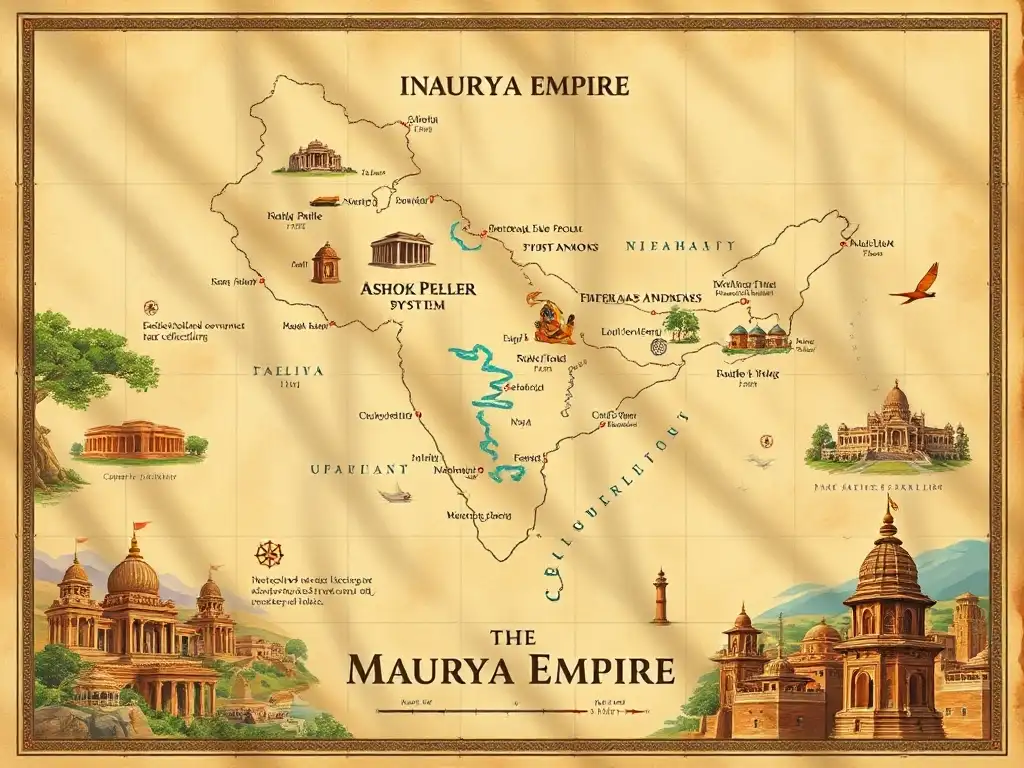
Introduction to the Maurya Empire
The Maurya Empire, which thrived from 322 to 185 BCE, stands as a monumental chapter in the history of ancient Indian civilizations. Renowned for its vast territory and significant cultural impact, this empire marked a pivotal point in Indian history, particularly through its innovative administrative practices. The Maurya Empire administrative innovations not only streamlined governance but also established foundational principles that influenced future empires across the Indian subcontinent. By examining these innovations, we gain insight into how the Maurya Empire set the stage for subsequent dynasties, shaping the political landscape of ancient India.
Overview of the Maurya Empire's Historical Context
The Maurya Empire emerged in the wake of the fragmented political landscape that followed the decline of the Indus Valley Civilization and the subsequent rise of various regional kingdoms. Founded by Chandragupta Maurya, this empire expanded rapidly under the leadership of his grandson, Ashoka the Great, who is often celebrated for his commitment to the principles of Dharma. The empire's geographic expanse encompassed significant parts of modern-day India, Pakistan, and Afghanistan, showcasing a diverse populace and a rich tapestry of cultures.
The historical context of the Maurya Empire is essential for understanding its administrative innovations. Faced with the challenge of governing a vast and diverse territory, the Mauryan rulers adopted progressive administrative strategies that emphasized centralized control and effective communication. These innovations played a crucial role in unifying various regions and fostering a sense of identity among the empire's subjects.
Importance of Administrative Innovations in Ancient Civilizations
Administrative innovations are critical in the evolution of any civilization, particularly in terms of governance, social organization, and economic management. In ancient civilizations, effective administration often determined the success or failure of empires. For the Maurya Empire, its administrative innovations facilitated:
- Stability and Order: Centralized governance reduced the risk of uprisings and ensured that the laws were uniformly applied across the empire.
- Economic Prosperity: A well-structured bureaucracy allowed for efficient tax collection and resource management, contributing to economic growth.
- Cultural Integration: Administrative policies promoted cultural exchanges and the assimilation of diverse traditions, fostering a unified cultural identity.
Understanding these innovations helps to contextualize the Maurya Empire's contributions to administrative practices, which were not only revolutionary for their time but also laid the groundwork for future governance models in India.
Key Administrative Innovations of the Maurya Empire
The Maurya Empire is recognized for several key administrative innovations that enhanced its governance and set precedents for subsequent empires. These innovations are noteworthy for their vision and effectiveness in managing a large and diverse population.
Centralized Governance: A Revolutionary Approach
One of the hallmark features of the Maurya Empire's administration was its centralized governance. Unlike previous decentralized models, the Mauryan rulers implemented a system where power was concentrated in a central authority, enabling swift decision-making and cohesive policy implementation. This centralized approach allowed for:
- Uniform Legislation: Laws and policies were standardized across the empire, ensuring that all subjects were governed by the same rules.
- Efficient Communication: A network of messengers and roads facilitated quick communication between the central authority and regional governors, promoting responsiveness to local issues.
The Role of the Emperor in Administration
The emperor played a crucial role in the administrative framework of the Maurya Empire. As the ultimate authority, the emperor was not only a political leader but also a symbol of unity and stability. The responsibilities of the emperor included:
- Policy Formulation: The emperor was directly involved in formulating policies that addressed the needs and concerns of the populace.
- Judicial Oversight: The emperor maintained judicial authority, settling disputes and ensuring justice was delivered fairly.
- Religious and Cultural Patronage: Emperors like Ashoka promoted Buddhism and other cultural practices, using their influence to foster a sense of shared identity among the empire's diverse groups.
Development of a Bureaucratic System
To support its centralized governance, the Maurya Empire developed a sophisticated bureaucratic system. This system was characterized by:
- Specialized Departments: Various departments were established to oversee different aspects of governance, such as finance, agriculture, and trade.
- Merit-based Appointments: Officials were often selected based on merit rather than lineage, contributing to a more efficient and effective administration.
- Taxation and Revenue Collection: A structured taxation system ensured that resources were adequately mobilized for public works and military needs.
The Maurya Empire's administrative innovations not only addressed the complex challenges of its time but also set a blueprint for future empires in India, showcasing the importance of effective governance in the development of civilizations.
Innovations in Taxation and Revenue Collection
The Maurya Empire is renowned for its sophisticated administrative innovations, particularly in the realms of taxation and revenue collection. Under the rule of Chandragupta Maurya and later his grandson Ashoka, the empire developed a system that not only increased revenue but also laid the foundation for future imperial governance in India. The Mauryan approach to taxation was characterized by its systematic nature, which included the careful assessment of land, crops, and commerce.
The empire employed a cadre of officials, known as amatyas, who were responsible for the collection of taxes and the maintenance of public order. This bureaucratic class was essential in ensuring that tax policies were implemented effectively, thereby reducing corruption and increasing compliance among the populace. The innovations instituted during this period would influence future empires, making taxation a more predictable and structured aspect of governance.
Standardization of Taxation Policies
One of the most significant innovations in the Maurya Empire was the standardization of taxation policies. This standardization involved the creation of uniform tax rates across various regions, which simplified the collection process and made it easier for subjects to understand their obligations.
The Mauryan administration categorized taxes into different types, including land revenue, trade taxes, and taxes on livestock. This classification ensured that different sectors contributed fairly to the empire's revenues, and it also allowed for targeted policies that could adapt to changing economic conditions. Such a systematic approach minimized disputes over tax assessments and helped foster a sense of fairness among the populace.
Impact on Economic Stability and Growth
The Mauryan innovations in taxation and revenue collection had profound impacts on economic stability and growth. By establishing a reliable revenue stream, the empire could fund extensive infrastructure projects, including roads, irrigation systems, and public buildings. This investment in infrastructure not only facilitated trade but also improved the overall quality of life for the empire’s citizens.
Moreover, the predictability of tax obligations encouraged agricultural production and trade, as farmers and merchants could plan their economic activities with greater certainty. The economic policies of the Maurya Empire thus created an environment conducive to growth, leading to increased prosperity and a flourishing economy. As a result, the Maurya Empire became one of the most powerful and influential empires in ancient India, setting a precedent for future governance.
Legal and Judicial Reforms
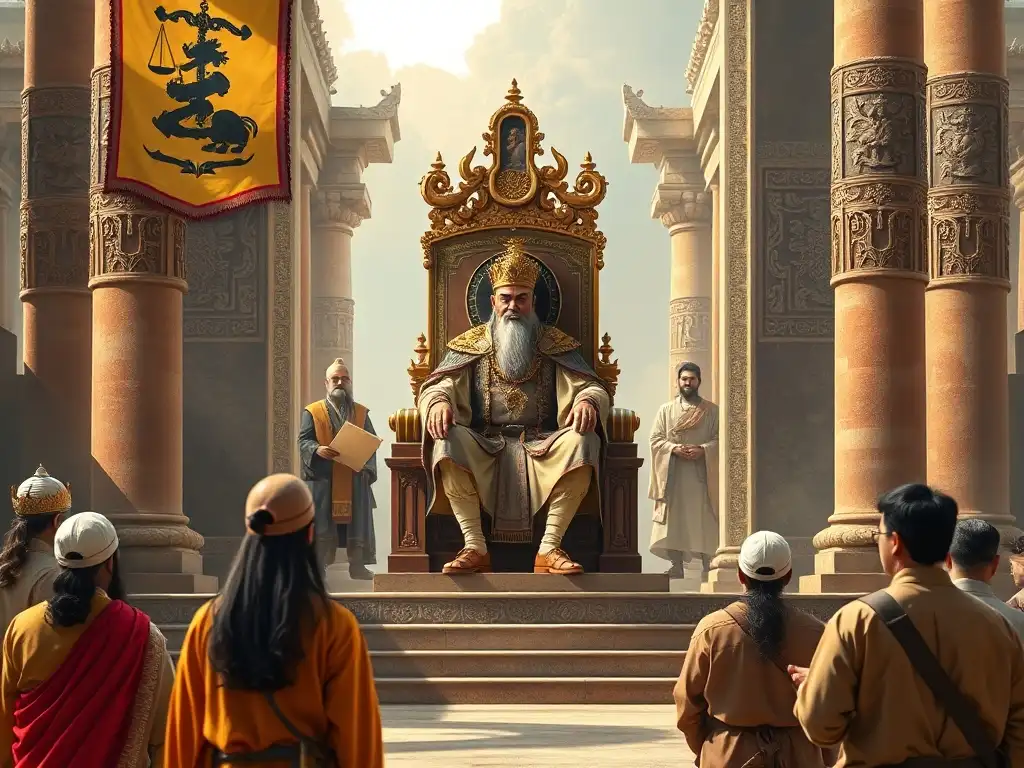
The Maurya Empire's legal and judicial reforms were equally significant in shaping the governance structure of ancient India. The emergence of a codified legal system and the emphasis on justice played critical roles in maintaining social order and stability within the vast empire. These reforms not only reflected the values of Mauryan society but also addressed the complexities of governing a diverse population.
Introduction of a Codified Legal System
The introduction of a codified legal system under the Maurya Empire marked a transformative moment in Indian history. This system was designed to provide clear guidelines on legal matters, ensuring that laws were applied consistently and fairly across the empire.
The most notable example of this codification is found in the Edicts of Ashoka, which were inscribed on pillars and rocks throughout the empire. These edicts outlined moral and ethical conduct, as well as legal standards that citizens were expected to follow. By making laws public and accessible, the Maurya Empire aimed to cultivate a sense of accountability and justice among its subjects, promoting order and stability.
The Role of Justice in Mauryan Society
Justice was a cornerstone of Mauryan governance, reflecting the empire's commitment to ethical leadership and the welfare of its citizens. The legal reforms instituted by the Mauryas emphasized not only the enforcement of laws but also the importance of fairness and equity in judicial proceedings.
Judges, known as dharmashastras, were tasked with interpreting laws and delivering justice in a manner that aligned with the moral principles outlined by the rulers. This attention to justice served to legitimize the Mauryan authority and foster a sense of loyalty among the populace. By prioritizing legal integrity and the equitable treatment of individuals, the Maurya Empire set a standard for future administrations, emphasizing the importance of justice in governance.
Infrastructure Development and Its Administrative Implications
The Maurya Empire, known for its vast territorial expanse and efficient governance, placed significant emphasis on infrastructure development, which had profound administrative implications. This focus on infrastructure served not only to enhance trade and communication but also to bolster the central authority of the state. The strategic construction of roads, irrigation systems, and urban centers facilitated the movement of goods, people, and information across the empire, thereby promoting economic prosperity and stability.
The implementation of infrastructure projects required meticulous planning and resource management, necessitating a well-organized administrative framework. The Mauryan administration, led by figures such as Chandragupta Maurya and later Ashoka, employed a large bureaucratic apparatus to oversee these developments. This bureaucratic system was instrumental in ensuring that infrastructure projects were executed efficiently and that the benefits of such developments reached the various regions of the empire.
In addition, the improvements in infrastructure contributed to the integration of diverse cultures and communities within the Maurya Empire. By linking remote areas to the central authority through roads and communication systems, the empire fostered a sense of unity and shared identity among its subjects. Consequently, these innovations not only facilitated governance but also laid the groundwork for future empires to adopt similar administrative practices.
Road Networks and Communication Systems
The Maurya Empire is particularly noted for its extensive road networks and advanced communication systems, which were crucial to its administrative success. The roads constructed during this period connected major cities and trade routes, facilitating the easy movement of troops, merchants, and information. This network not only enhanced trade but also allowed for the rapid deployment of military forces when necessary, reinforcing the empire's security.
The famous Grand Trunk Road, which is believed to have been developed during the Mauryan period, exemplifies the significance of road networks in promoting economic activities and administrative efficiency. This road enabled merchants to transport goods across long distances, thus stimulating commerce and contributing to the prosperity of urban centers.
In terms of communication, the Mauryan administration established a system of relays and messengers to ensure swift transmission of messages across the empire. This communication system was vital for maintaining order and coherence within the vast territories of the Maurya Empire, allowing the central government to remain in touch with local administrators and respond promptly to regional issues.
Urban Planning and City Management
Urban planning in the Maurya Empire was characterized by a systematic approach to city management, which had significant implications for governance. Cities like Pataliputra, the capital, were meticulously planned with features such as wide streets, drainage systems, and public facilities, reflecting the empire's commitment to urban development and hygiene.
The centralized planning of urban spaces facilitated effective administration by creating organized environments where governance could be efficiently exercised. The presence of designated areas for markets, residential quarters, and administrative buildings allowed for better management of resources and services. Additionally, the layout of cities enabled easier surveillance and control, which was crucial for maintaining order.
Moreover, the Mauryan approach to urban management included the establishment of local governing bodies, which empowered local leaders to manage city affairs under the guidance of the central authority. This delegation of power not only streamlined urban administration but also fostered a sense of responsibility and engagement among local populations.
Military Innovations and Their Administrative Impact
Military innovations during the Maurya Empire were pivotal in shaping its administrative landscape. The integration of advanced military strategies and technologies allowed for effective control over the empire's vast territories and contributed significantly to the maintenance of order. The Mauryan military was not just a tool for conquest but also played a crucial role in governance and administration.
The establishment of a standing army, equipped with advanced weaponry and organized into various units, enabled the Mauryan rulers to enforce laws and maintain peace within their territories. This military prowess also served as a deterrent against potential rebellions and invasions, further solidifying the administrative framework of the empire.
The Integration of Military and Civil Administration
One of the hallmarks of the Maurya Empire's administrative innovations was the seamless integration of military and civil administration. The military was not merely a separate entity; instead, it functioned in tandem with civil governance to ensure the stability of the empire. High-ranking military officials often assumed dual roles, overseeing both military operations and administrative duties.
This integration allowed for better coordination between civil authorities and military forces, facilitating rapid responses to civil unrest or external threats. The presence of military personnel in administrative roles helped to instill discipline and order, ensuring that laws were enforced uniformly across diverse regions.
Furthermore, the Mauryan strategy of establishing military outposts in key areas not only enhanced security but also facilitated the spread of administrative policies, enabling the central government to maintain control over distant provinces. Such practices set a precedent for future empires, demonstrating the importance of a cohesive relationship between military and civilian governance.
Strategies for Maintaining Order and Security
To maintain order and security within its vast territories, the Maurya Empire employed a combination of military presence, intelligence gathering, and strategic alliances. The establishment of a well-trained standing army was crucial for swift action against internal dissent and external aggression. This military readiness not only acted as a deterrent but also ensured that the central authority could project power effectively across the empire.
Additionally, the Mauryas placed great emphasis on intelligence gathering through a network of spies and informants. This system allowed the administration to stay informed about potential threats and unrest, enabling preemptive measures to be taken. By understanding the sentiments and grievances of various communities, the Mauryan administration could address issues before they escalated into larger conflicts.
Strategic alliances with local rulers and influential figures also played a significant role in maintaining order. By incorporating local leadership into the administrative framework, the Mauryas ensured loyalty and cooperation from regional powers, which helped to stabilize the empire. These strategies collectively contributed to the Maurya Empire's reputation as a formidable political entity, laying the groundwork for future empires to develop similar approaches to governance and security.
Comparison with Other Ancient Civilizations
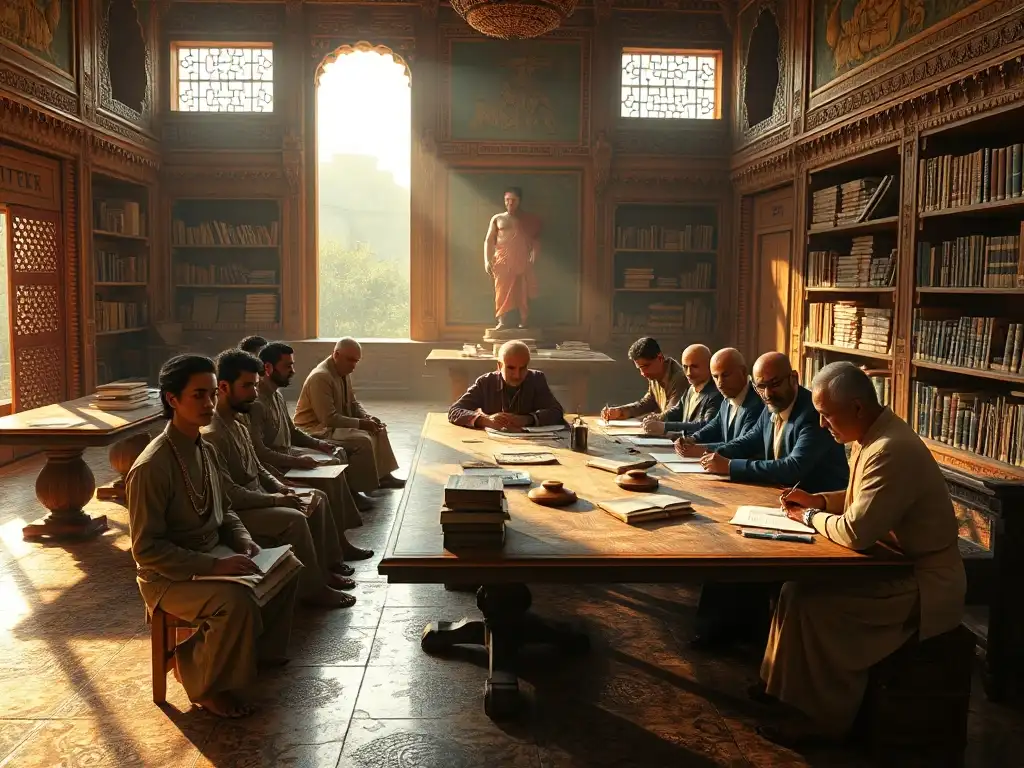
The Maurya Empire, renowned for its extensive administrative innovations, can be effectively compared with other ancient civilizations, particularly in the context of governance and statecraft. While many ancient societies, such as the Persian and Roman empires, exhibited sophisticated administrative systems, the Mauryan model introduced several unique practices that set it apart.
One of the pivotal aspects of the Mauryan administration was its emphasis on a centralized bureaucratic structure, which was more pronounced compared to the feudal systems prevalent in many other civilizations. The Mauryas employed a well-defined hierarchy of officials who were responsible for various aspects of governance, allowing for a more streamlined and efficient administration. Additionally, the Mauryan approach to local governance through a network of provincial and local officials was innovative, enabling effective regional management that was less common in other ancient empires.
In contrast, while the Persian Empire utilized a system of satrapies to manage its vast territories, the Maurya Empire’s focus on a uniform administrative framework allowed for greater cohesion and control across its regions. This comparison highlights how the Maurya Empire's administrative innovations not only facilitated effective governance but also contributed to the stability and longevity of the empire itself.
Similarities and Differences with the Persian Administrative System
The administrative systems of the Maurya Empire and the Persian Empire share several similarities, yet they differ significantly in execution and structure. Both empires understood the necessity of a decentralized approach to governance to manage their extensive territories effectively. The Persians employed satraps—governors of provinces—who were responsible for local governance, tax collection, and maintaining order. Similarly, the Mauryas appointed local officials at various administrative levels, ensuring that local needs were met while maintaining central authority.
However, a key difference lies in the Maurya Empire's integration of a more bureaucratic approach. Under the leadership of Chandragupta Maurya and his successors, the Mauryan administration emphasized a centralized government where decisions were made at the top and executed uniformly across the empire. In contrast, the Persian system allowed satraps considerable autonomy, which sometimes led to issues of loyalty and regional insurrections.
Moreover, the Mauryan administration was characterized by a more extensive use of written laws and regulations, as exemplified by the Edicts of Ashoka. These edicts not only conveyed administrative directives but also promoted moral governance and social welfare, reflecting a unique aspect of Maurya administrative philosophy that the Persians did not emphasize to the same extent.
Influence of Maurya Administrative Practices on Future Empires
The administrative innovations of the Maurya Empire laid the groundwork for future empires in India and beyond. The structured governance model and bureaucratic practices introduced by the Mauryas influenced subsequent empires, such as the Gupta Empire, which adopted and refined these systems for their own governance.
The use of a centralized authority combined with a network of local officials became a hallmark of Indian governance, providing a template that future rulers would emulate. Furthermore, the Mauryan emphasis on legal codes and public welfare set a precedent for integrating social responsibility into governance. This legacy can be seen in later Indian dynasties, where rulers continued to promote justice and welfare as central tenets of their administration.
Additionally, the Maurya Empire's innovations in revenue collection and tax administration influenced economic policies in subsequent empires. The systematic approach to taxation and resource management established a framework that facilitated economic stability and growth.
The Legacy of Maurya Empire Administrative Innovations
The legacy of the Maurya Empire's administrative innovations is profound, shaping the landscape of governance not only in India but also influencing political structures in neighboring regions. The empire’s practices laid a foundation for efficient administration that persisted long after its decline.
Lasting Impact on Subsequent Indian Empires
The principles and practices established during the Maurya Empire had a lasting impact on subsequent Indian empires. The Gupta Empire, often referred to as a golden age of Indian civilization, drew heavily from Mauryan administrative models. The Gupta rulers maintained a strong central authority while delegating local governance to appointed officials, mirroring the structure that the Mauryas had perfected.
Furthermore, the Mauryan influence can be seen in the emphasis on law and order, with later empires adopting similar codes of conduct and legal systems that promoted justice and social welfare. The administrative innovations of the Maurya Empire thus became integral to the governance of India for centuries, creating a continuity of administrative practices that facilitated stability and growth.
How These Innovations Shaped Governance in Ancient India
The innovations introduced by the Maurya Empire significantly shaped the governance of ancient India. Centralized administration, bureaucratic efficiency, and a focus on legal frameworks established by the Mauryas became foundational elements of Indian governance. This shift towards a more organized and systematic approach to administration helped foster a sense of unity and identity among the diverse populations of the subcontinent.
Moreover, the Mauryan practice of public communication through edicts and proclamations established a precedent for transparency and accountability in governance. This approach not only informed citizens of laws and policies but also engaged them in the civic process, encouraging a sense of participation in governance.
The administrative innovations of the Maurya Empire were not merely a reflection of its time but a transformative force that shaped the trajectory of governance in ancient India, leaving a legacy that would influence generations to come.
Conclusion
The Maurya Empire stands as a pivotal chapter in the history of ancient India, particularly due to its groundbreaking administrative innovations. These developments not only transformed the governance of the empire but also laid the foundational principles that would influence subsequent Indian empires and even modern governance systems. By adopting a sophisticated bureaucratic structure, implementing an efficient taxation system, and fostering communication and infrastructure, the Maurya rulers created a model of administration that emphasized central authority while promoting local governance.
The legacy of the Maurya Empire's administrative practices extends beyond its temporal boundaries, showcasing the significance of well-organized governance in achieving stability and prosperity. As we reflect on these contributions, it becomes evident that the Maurya Empire was not merely a historical entity but a trailblazer in administrative thought and practice.
Summary of the Maurya Empire’s Administrative Contributions
The Maurya Empire's administrative innovations encompassed several key areas:
- Bureaucratic Structure: The establishment of a well-defined bureaucratic hierarchy allowed for efficient governance. The empire was divided into provinces, each overseen by a governor who reported directly to the emperor, ensuring centralized control while allowing for local administration.
- Taxation System: The Mauryan taxation model was systematic and varied, enabling the state to generate revenue for public works, military expenditures, and welfare programs. This diverse approach to taxation not only supported the empire’s needs but also aimed at the welfare of its citizens.
- Communication and Infrastructure: The construction of roads and communication networks facilitated trade and the movement of armies, thereby enhancing the empire’s cohesion. The use of standardized weights and measures further aided in commerce and administration.
- Legal Reforms: The codification of laws under the Maurya Empire ensured justice was administered fairly and uniformly across the vast territories. This legal framework contributed to social order and stability.
These contributions illustrate the Maurya Empire's role in shaping the political landscape of ancient India and serve as a reference point for understanding the evolution of governance in later civilizations.
The Importance of Studying Administrative Innovations in Ancient Civilizations
Studying the administrative innovations of ancient civilizations, such as those of the Maurya Empire, is crucial for several reasons:
- Understanding Governance Evolution: By examining how ancient empires structured their administrations, we gain insights into the evolution of governance. The principles established during the Maurya Empire continue to influence contemporary administrative practices.
- Lessons in Statecraft: The successes and challenges faced by ancient administrations provide valuable lessons in statecraft. Understanding these historical precedents can inform modern policy-making and governance strategies.
- Cultural Legacy: Administrative innovations are often intertwined with a civilization's cultural identity. Exploring these innovations helps us appreciate the complexities of ancient societies and their contributions to human civilization.
- Influence on Future Empires: The Maurya Empire set a standard for future empires in terms of governance and administration. By analyzing its innovations, we can trace the impact on later dynasties, such as the Gupta Empire, and understand the continuity and change in administrative practices.
The study of the Maurya Empire's administrative innovations offers a window into the intricate dance of power, governance, and society in ancient India, enriching our understanding of both history and contemporary governance.
- Introduction to the Maurya Empire
- Key Administrative Innovations of the Maurya Empire
- Innovations in Taxation and Revenue Collection
- Legal and Judicial Reforms
- Infrastructure Development and Its Administrative Implications
- Military Innovations and Their Administrative Impact
- Comparison with Other Ancient Civilizations
- The Legacy of Maurya Empire Administrative Innovations
- Conclusion
Frequently Asked Questions
What are the key administrative innovations of the Maurya Empire?
The Maurya Empire introduced several innovative administrative practices, including a centralized government, a system of provinces, and a network of spies to maintain order and gather intelligence.
How did the Maurya Empire influence future empires?
The administrative structures and governance techniques developed during the Maurya Empire laid the groundwork for later empires, influencing their political organization and administrative efficiency.
Who were the prominent leaders during the Maurya Empire?
Key figures include Chandragupta Maurya, the founder, and Ashoka the Great, known for his transformative policies and promotion of Buddhism as a guiding ethical framework for governance.
What role did the Maurya Empire play in trade and economy?
The Maurya Empire significantly enhanced trade routes and encouraged economic development, which facilitated cultural exchange and strengthened its economic power across the region.
How did the Maurya Empire's innovations impact society?
The administrative innovations led to improved tax collection, better infrastructure, and a more organized legal system, all of which contributed to a more stable society and enhanced the quality of life for its citizens.
Final Reflection: The Enduring Legacy of Maurya Empire Administrative Innovations
The administrative innovations of the Maurya Empire are not just relics of the past; they are foundational principles that resonate with the complexities of modern governance. In an era where effective administration is crucial for societal stability and progress, the Maurya Empire's strategies provide invaluable lessons on organization, efficiency, and inclusivity. Their pioneering methods set a precedent that continues to influence contemporary political systems, reminding us that the roots of effective governance can be traced back to ancient civilizations.
The impact of the Maurya Empire's administrative innovations extends far beyond their time, shaping the cultural and social landscape of subsequent empires and modern nations alike. The principles of centralized governance, bureaucratic organization, and public welfare that emerged during this period have left an indelible mark on how societies structure themselves today.
As Mahatma Gandhi once said, "A nation's greatness is measured by how it treats its weakest members," highlighting the importance of inclusive governance that the Maurya Empire exemplified. This legacy challenges us to reflect on our own systems and the ways we can improve them for the benefit of all.
As we contemplate the lessons from the Maurya Empire, let us take a moment to reflect on our roles within our communities and the systems we inhabit. How can we apply the principles of effective administration and inclusivity in our own lives?
Whether in our workplaces, local governments, or personal relationships, the call to action is clear: strive for innovation, embrace inclusivity, and advocate for systems that serve the greater good. By doing so, we honor the legacy of the Maurya Empire and contribute to a future where effective governance is not just an ideal, but a reality for all.
Unveil the Secrets of Effective Governance!
Thank you for exploring the groundbreaking administrative innovations of the Maurya Empire! Your interest in this pivotal period not only highlights its historical significance but also offers insights that resonate with today’s governance challenges. Now, let’s turn your newfound knowledge into action!
Here are some ways you can further engage with this captivating subject:
- Dive Deeper: Explore additional articles on ancient governance systems on our website to broaden your perspective.
- Discuss & Share: Connect with fellow history enthusiasts! Share your thoughts on social media using the hashtag #MauryaInnovations, and spark conversations about the impact of ancient administrations in today’s context.
- Reflect & Innovate: Consider how the strategies employed by the Maurya Empire could inspire modern practices in your community or workplace.
Which of the Maurya Empire's administrative innovations do you believe could be most beneficial in addressing contemporary governance issues?