
Exploring the Military Tactics of Chandragupta Maurya: A Study of Warfare

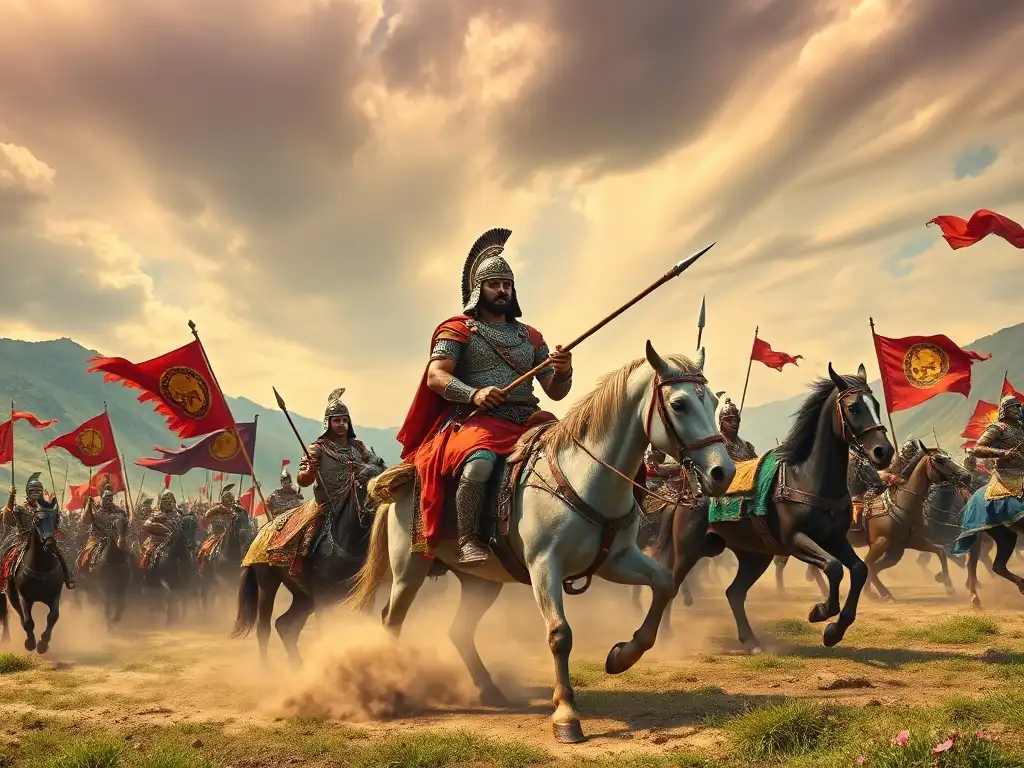
Welcome to Ancient India History, where we delve into the fascinating tapestry of India's past! Today, we invite you to explore the strategic genius of Chandragupta Maurya, a key figure whose military tactics not only shaped the course of ancient warfare but also laid the foundation for one of the greatest empires in history. What innovative strategies did he employ to unify a fragmented land and confront powerful adversaries?
Join us as we unravel the secrets behind his military prowess and discover how his legacy continues to influence the world today. Dive deeper into the captivating world of ancient Indian history!
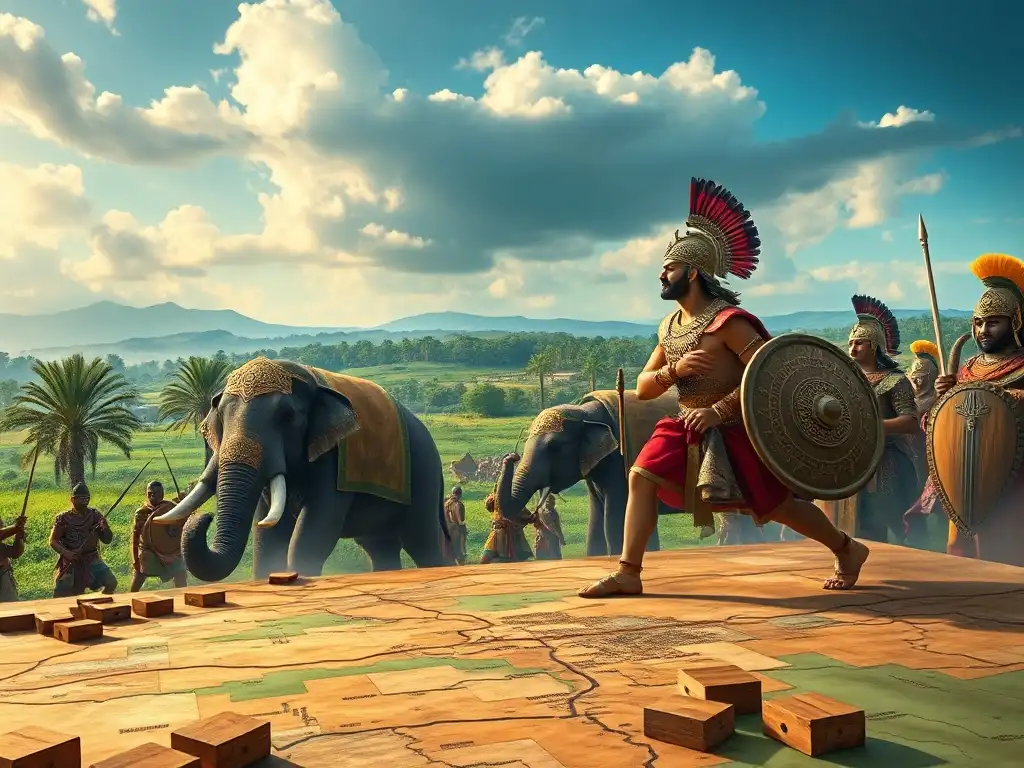
The military tactics employed by Chandragupta Maurya stand as a testament to the strategic brilliance that characterized his reign during the Mauryan Empire. As the founder of one of ancient India's most powerful dynasties, Chandragupta not only expanded his territory but also laid the groundwork for administrative and military organization that would influence generations. This article delves into the intricacies of his military strategies, exploring how they were pivotal in shaping the political landscape of ancient India and establishing a unified empire.
Introduction to Chandragupta Maurya
Chandragupta Maurya, born around 340 BCE, emerged as a formidable leader who successfully overthrew the Nanda dynasty, thereby founding the Mauryan Empire. His rise to power was marked by both cunning diplomacy and military acumen. Under the guidance of his mentor, Chanakya (Kautilya), he developed a sophisticated understanding of statecraft and warfare, laying the foundation for a military system that was both innovative and effective.
The Historical Context of Chandragupta Maurya
To fully appreciate Chandragupta’s military tactics, it is essential to understand the historical context of the time. The period was marked by political fragmentation, with various kingdoms competing for dominance. The Nanda Empire, despite its wealth and power, faced internal dissent, creating an opportunity for Chandragupta. He capitalized on these weaknesses, engaging in guerilla warfare and strategic alliances to build his forces. The socio-political landscape of ancient India during this era was rife with challenges that necessitated a unique approach to military engagement.
Significance of Military Tactics in Ancient Indian Warfare
Military tactics in ancient India were not merely about battlefield maneuvers; they encompassed a comprehensive understanding of logistics, terrain, and human psychology. Effective military strategies were crucial for the expansion and maintenance of empires. Chandragupta’s tactics exemplified the importance of adaptability and intelligence in warfare. His ability to employ diverse strategies against different adversaries ensured not only his success in battles but also the stability of the Mauryan Empire.
Overview of Military Tactics Used by Chandragupta Maurya
Chandragupta Maurya's military tactics were multifaceted, incorporating elements from various traditions and adapting them to suit his needs. This section will explore the specific tactics that defined his military campaigns.
Definition and Importance of Military Tactics
Military tactics refer to the specific methods and strategies employed by armed forces to achieve objectives in warfare. For Chandragupta, these tactics were paramount in overcoming larger and seemingly more formidable foes. The ability to execute well-planned maneuvers allowed him to exploit weaknesses in enemy formations and secure decisive victories, fundamentally changing the course of Indian history.
Key Characteristics of Mauryan Military Strategy
Chandragupta's military strategy was characterized by several key elements:
- Guerilla Warfare: Utilizing surprise attacks and hit-and-run tactics, Chandragupta effectively undermined larger armies, making it difficult for them to respond cohesively.
- Intelligence and Espionage: Gathering information about enemy movements and strengths was critical. Chandragupta employed spies to gain a strategic advantage.
- Diverse Forces: His army included infantry, cavalry, and war elephants, allowing for flexibility and adaptability in different combat scenarios.
- Alliances and Diplomacy: Chandragupta often formed alliances with regional powers, using diplomacy to strengthen his position before engaging in direct conflict.
Through these tactics, Chandragupta Maurya not only established a powerful empire but also set a precedent for military strategy in ancient India. The impact of his military innovations continues to be studied and revered in the context of Indian history.
The Formation of the Mauryan Army
The formation of the Mauryan Army under Chandragupta Maurya marked a significant transition in the military strategies of ancient India. To establish a formidable fighting force, Chandragupta integrated various elements that were previously seen in fragmented regional armies. The Mauryan military was not just a collection of soldiers; it was a well-organized and structured force that played a crucial role in consolidating his empire.
Chandragupta's army consisted of infantry, cavalry, chariots, and war elephants, each playing a distinct role in battle. The infantry formed the backbone of the army, providing the bulk of the fighting force. Cavalry units were essential for mobility and flanking maneuvers, while chariots were utilized for quick strikes and to instill fear in the enemy ranks. The use of war elephants became a hallmark of Mauryan military tactics, serving both as a powerful weapon and a psychological tool against adversaries.
Chandragupta's strategic focus on creating a diverse and adaptable army allowed him to confront various challenges effectively. This formation not only enhanced his military capabilities but also laid the groundwork for the Mauryan Empire's expansion across northern India.
Structure of Chandragupta Maurya's Military Forces
The structure of Chandragupta Maurya's military forces was highly organized, reflecting the administrative prowess of the Mauryan regime. The army was divided into several distinct branches, each responsible for specific operational roles.
- Infantry (Padati): The largest segment of the army, consisting of foot soldiers equipped with swords, shields, and bows. They were trained for close combat and were essential in forming the front lines during battles.
- Cavalry (Ashva): This unit provided speed and mobility, allowing for quick attacks and retreats. Cavalrymen were often armed with lances and bows, enabling them to engage enemies from a distance.
- Chariots (Ratha): Charioteers played a critical role in both offense and defense. They were equipped with archers and could maneuver rapidly on the battlefield.
- War Elephants (Gaja): The inclusion of war elephants was a significant tactical advantage. These massive creatures could trample infantry and instill panic among enemy troops, making them a formidable force in warfare.
The command structure was hierarchical, with generals overseeing various divisions and ensuring effective communication and coordination during military campaigns. This structured approach to military organization allowed Chandragupta to maintain discipline and efficiency in his forces, contributing to his successes against rival kingdoms.
Recruitment and Training of Soldiers
Recruitment and training of soldiers in Chandragupta Maurya's military were critical components of building a powerful army. The recruitment process was systematic, aimed at enlisting individuals from diverse backgrounds, including local populations and mercenaries from neighboring regions. This inclusivity helped in establishing a strong fighting force that was loyal to the Mauryan regime.
Once recruited, soldiers underwent rigorous training that focused on various aspects of warfare, including:
- Combat Skills: Soldiers were trained in hand-to-hand combat, archery, and the use of weapons. This ensured they were well-prepared for the chaos of battle.
- Discipline: Maintaining discipline was paramount. Soldiers were taught to follow orders promptly, an essential training aspect to ensure effective coordination during military engagements.
- Strategy and Tactics: Training also included lessons in military strategy, enabling soldiers to understand the broader context of their actions on the battlefield. This knowledge helped them adapt to changing situations during combat.
- Physical Conditioning: Physical fitness was emphasized, with soldiers engaging in exercises to build strength and endurance, vital for the demands of warfare.
This comprehensive approach to recruitment and training not only produced skilled warriors but also fostered a sense of unity and loyalty among the troops, which was crucial for the success of Chandragupta's military campaigns.
Strategic Alliances and Diplomacy
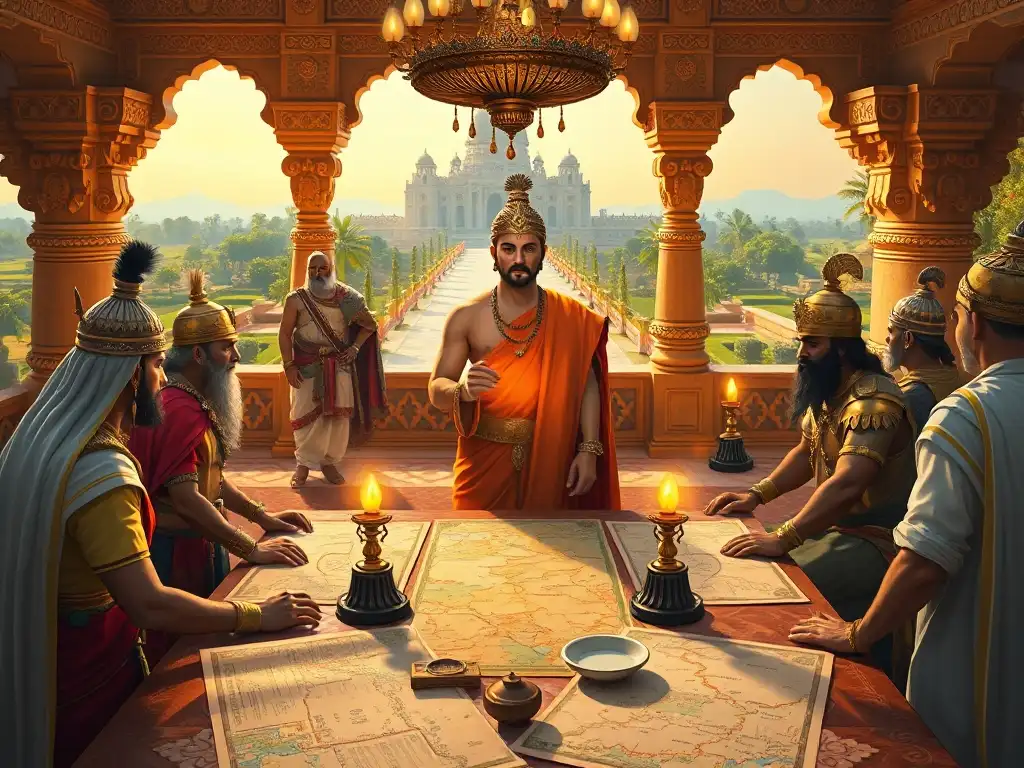
Strategic alliances and diplomacy played an essential role in Chandragupta Maurya's military strategy. Understanding the importance of collaboration, he sought to forge alliances that would bolster his military efforts and expand his influence across the Indian subcontinent.
The Role of Alliances in Mauryan Warfare
The alliances formed by Chandragupta were fundamental in shaping the outcome of various military campaigns. By aligning with local rulers and tribes, he was able to create a network of support that provided additional resources and troops. These alliances served multiple purposes:
- Military Support: Allies could provide soldiers, supplies, and intelligence, enhancing the overall strength of the Mauryan army.
- Political Stability: By establishing alliances with regional powers, Chandragupta could secure his borders and focus on expansion without the constant threat of rebellion from allied territories.
- Psychological Warfare: The presence of allied forces could intimidate potential adversaries, making them think twice before engaging in conflict with the Mauryan Empire.
Chandragupta's diplomatic acumen ensured that he was not just a conqueror but also a savvy political strategist who understood the value of alliances in achieving military success.
Notable Diplomacy Efforts by Chandragupta Maurya
Chandragupta Maurya's notable diplomacy efforts included various initiatives aimed at consolidating power and fostering relationships with other kingdoms. One of the most significant diplomatic achievements was his alliance with the Greek general Seleucus I Nicator, who ruled over parts of the former Persian Empire.
- Alliance with Seleucus I: Following Alexander the Great's invasion, Chandragupta engaged in negotiations with Seleucus, resulting in a peace treaty that included territorial exchanges. This alliance not only strengthened Chandragupta's position but also allowed him to focus on internal consolidation and further expansion into northern India.
- Marriage Alliances: Chandragupta strategically arranged marriages with influential families, which helped solidify alliances and secure loyalty among various regional powers. These unions were crucial in establishing a network of political connections that would benefit the Mauryan Empire.
- Diplomatic Messaging: Chandragupta employed skilled diplomats to communicate his intentions and negotiate terms with neighboring kingdoms. This use of diplomacy minimized conflict and allowed for the peaceful acquisition of territories when possible.
Through these notable diplomatic efforts, Chandragupta Maurya showcased a profound understanding of the interplay between military might and political strategy, significantly contributing to the stability and expansion of the Mauryan Empire.
Key Battles and Campaigns
Chandragupta Maurya, the founder of the Maurya Empire, is renowned for his strategic brilliance and military prowess. His campaigns were characterized by a combination of innovative tactics, strategic alliances, and the effective use of resources. The key battles during his reign not only showcased his military capabilities but also laid the groundwork for the expansion of one of the largest empires in ancient India.
The Battle of Magadha: A Turning Point
The Battle of Magadha, fought against the Nanda Dynasty, stands out as a critical moment in Chandragupta's military career. This struggle was not merely a contest for territory but a significant ideological battle against a ruling dynasty that was perceived as tyrannical. Chandragupta, with the counsel of his advisor Chanakya, employed guerrilla tactics, leveraging the element of surprise and the terrain to his advantage.
The Nandas had a formidable army, but Chandragupta's forces, which included infantry, cavalry, and war elephants, executed a well-coordinated attack. Utilizing diversionary tactics, they disrupted the Nanda formations, leading to confusion and disarray among enemy ranks. This battle not only marked the beginning of the Maurya Empire but also highlighted the effectiveness of Chandragupta's military strategy, which combined direct confrontation with cunning maneuvers.
Conquests and Expansion: Tactics in Action
Following the victory at Magadha, Chandragupta embarked on a series of conquests that expanded his territory across northern India. His military tactics were multifaceted, often adapting to the unique challenges presented by different regions and enemies.
- Siege Warfare: Chandragupta frequently employed siege tactics, particularly against fortified cities. His methodical approach involved cutting off supplies and using psychological warfare to demoralize defenders.
- Diplomatic Alliances: Understanding the importance of alliances, he often sought support from local rulers. This strategy not only augmented his military strength but also facilitated smoother transitions of power.
- Use of War Elephants: War elephants played a crucial role in his campaigns, serving as both a psychological weapon and a physical force on the battlefield. Their sheer size and strength were pivotal in breaking enemy lines and instilling fear.
- Mobilization of Resources: Chandragupta was adept at mobilizing local resources, which enabled his army to sustain prolonged campaigns. This logistical acumen was crucial for maintaining morale and effectiveness during extended military operations.
Use of Intelligence and Espionage
Chandragupta Maurya's military strategies were significantly enhanced by his use of intelligence and espionage. Recognizing that information is as vital as armaments in warfare, he established a network of spies and informants that provided critical insights into enemy movements, strengths, and weaknesses.
The Importance of Spies in Chandragupta Maurya's Military Tactics
Spies played an instrumental role in Chandragupta's military tactics, offering him a strategic advantage in both planning and execution of campaigns. They gathered intelligence on enemy troop deployments, political alliances, and even morale, which allowed Chandragupta to make informed decisions.
The use of deception was also a hallmark of his strategy. By spreading misinformation or creating false impressions of his forces, he could manipulate enemy reactions and exploit vulnerabilities. This intelligence-driven approach not only facilitated successful military engagements but also contributed to the overall stability of the Maurya Empire.
Case Studies of Intelligence Operations
Several specific cases illustrate the effectiveness of Chandragupta's intelligence operations:
- Infiltration of the Nanda Court: Chandragupta's spies infiltrated the Nanda court, providing insights into the ruling dynasty's vulnerabilities and plans. This information was crucial during the Battle of Magadha, allowing him to anticipate enemy strategies and counter them effectively.
- Monitoring Local Rivals: As Chandragupta expanded his empire, he employed spies to monitor rival states and local rulers. This enabled him to preemptively address threats and forge advantageous alliances, ensuring a smoother consolidation of power across newly acquired territories.
- Psychological Operations: Spies were also used for psychological warfare, spreading rumors that could demoralize opposing forces before engagement. This tactic often led to victories before battles even commenced, showcasing the power of intelligence in warfare.
Through these diverse operations, Chandragupta Maurya not only exemplified the importance of military might but also highlighted the strategic value of intelligence and espionage in establishing and maintaining an empire.
Innovations in Warfare
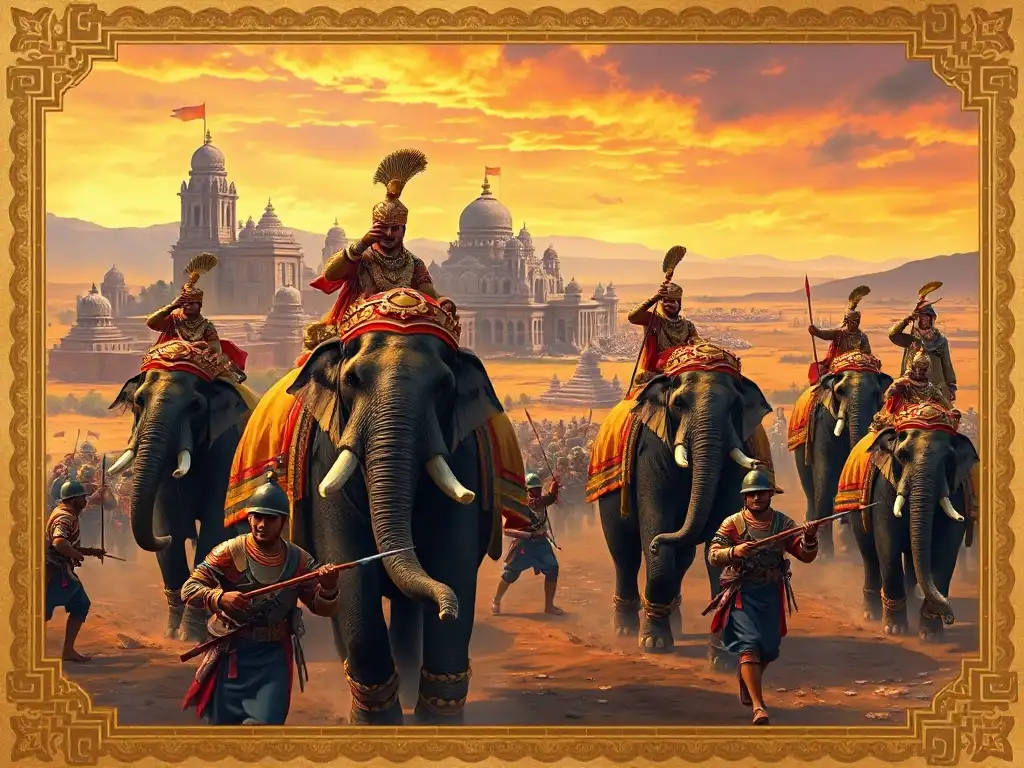
Chandragupta Maurya's military strategies marked a significant evolution in ancient Indian warfare, showcasing a blend of innovative methods and adaptations of existing practices. His rise to power and the establishment of the Mauryan Empire were not only due to sheer force but also a keen understanding of strategy, logistics, and psychological warfare. Innovations under his command laid the groundwork for a more organized and disciplined military structure that would influence generations to come.
Technological Advancements in the Mauryan Military
The Mauryan military benefited from several technological advancements that enhanced their combat capabilities. Key developments included:
- War Elephants: Chandragupta utilized war elephants not only as a means of transportation but also as formidable assets in battle. These massive creatures were equipped with armor and weaponry, creating fear among enemy ranks and providing a physical advantage on the battlefield.
- Advanced Infantry and Cavalry Units: The Mauryan army was structured into specialized units, incorporating both infantry and cavalry. This division allowed for a flexible response to various combat scenarios, with infantry often forming the backbone of the army while cavalry executed flanking maneuvers.
- Siege Engines: The Mauryan military introduced siege techniques and engines, such as battering rams and catapults, which were crucial in besieging fortified cities. This capability allowed Chandragupta to expand his empire by taking strongholds that would have otherwise resisted a standard infantry assault.
These advancements not only improved the efficiency of the Mauryan military but also set a precedent for future armies in the region.
Unique Tactics Employed by Chandragupta Maurya
Chandragupta Maurya's approach to warfare was characterized by unique tactics that distinguished him from his contemporaries. Some of these tactics included:
- Guerrilla Warfare: Chandragupta effectively employed guerrilla tactics, particularly when confronting larger forces. He relied on speed, mobility, and surprise attacks to outmaneuver his opponents, often engaging in hit-and-run tactics to weaken enemy morale.
- Intelligence and Espionage: The strategic use of spies was a hallmark of Chandragupta's military campaigns. By gathering intelligence on enemy movements and plans, he was able to anticipate and counter enemy strategies effectively, ensuring that he maintained the upper hand in engagements.
- Formation Strategies: Chandragupta utilized various formations based on the terrain and the enemy's disposition. The deployment of troops in strategic formations allowed for maximum impact during engagements, particularly in open-field battles where flanking and encirclement were critical.
These tactics, combined with his technological innovations, positioned Chandragupta as a formidable military leader of his time.
Legacy of Chandragupta Maurya's Military Tactics
The military tactics employed by Chandragupta Maurya left a lasting legacy that would resonate throughout Indian history. His methods revolutionized the way warfare was conducted in the subcontinent and inspired future military leaders.
Influence on Future Indian Warfare
Chandragupta's successful strategies influenced many subsequent Indian rulers and their military approaches. His establishment of a centralized command structure and the integration of diverse military units became standard practices in later Indian empires. Notably:
- Ashoka the Great, Chandragupta’s grandson, adopted and refined these tactics, emphasizing the importance of a well-trained and organized military while also advocating for the ethical treatment of conquered peoples.
- The Gupta Empire, which succeeded the Mauryan Empire, further built upon these military innovations, showcasing enhanced administrative capabilities and military prowess that can be traced back to Chandragupta’s foundational strategies.
Overall, the legacy of his military tactics established a model for governance and warfare that influenced the political landscape of India for centuries.
Comparative Analysis with Other Historical Military Leaders
When comparing Chandragupta Maurya’s military tactics with those of other historical military leaders, several parallels and distinctions emerge:
- Alexander the Great: Like Chandragupta, Alexander utilized innovative tactics and the element of surprise. However, while Alexander focused on rapid conquest through direct engagement, Chandragupta emphasized strategic alliances and guerrilla tactics, often relying on local support to undermine his enemies.
- Hannibal Barca: Both leaders are noted for their use of elephants in warfare. However, while Hannibal famously crossed the Alps with his war elephants to confront the Romans, Chandragupta’s use was more integrated into his overall military strategy, showcasing the versatility and adaptability of his forces in various terrains.
Chandragupta Maurya's military tactics reflect a sophisticated understanding of warfare that combined technological advancements, unique tactics, and a lasting legacy that influenced subsequent generations. His approach not only solidified his power but also transformed the landscape of Indian military history.
Conclusion
The military tactics of Chandragupta Maurya played a pivotal role in shaping the trajectory of ancient Indian history. His innovative strategies and adept leadership not only laid the foundation for the Maurya Empire but also transformed the nature of warfare in the Indian subcontinent. By integrating various elements such as espionage, the use of cavalry and infantry, and psychological warfare, Chandragupta was able to create a formidable military force that overcame significant adversaries, including the Nanda Empire and the armies of Alexander the Great.
Summary of Chandragupta Maurya's Military Achievements
Chandragupta Maurya's military achievements are marked by several key victories and strategic innovations:
- Defeating the Nandas (c. 322 BCE): Chandragupta's rise began with his successful rebellion against the Nanda dynasty, which marked the establishment of the Maurya Empire. His tactics involved forming alliances, guerrilla warfare, and employing local support to weaken the Nanda forces.
- Confrontation with Alexander the Great (c. 326 BCE): Although not directly engaged in battle, Chandragupta's tactical maneuvers during Alexander's invasion demonstrated his ability to mobilize forces and create defensive strategies that would later influence his own military campaigns.
- Consolidation of Power: After establishing the empire, Chandragupta focused on unifying the fragmented regions of India through military campaigns, diplomacy, and strategic marriages, which were crucial in maintaining stability and control over his vast territory.
- Institution of a Bureaucratic Military Structure: He established a well-organized military hierarchy that included infantry, cavalry, and war elephants, ensuring a balanced and versatile force capable of adapting to various combat situations.
These achievements reflect Chandragupta's comprehensive understanding of military tactics and his ability to innovate in response to the challenges of his time.
Final Thoughts on the Impact of His Tactics on Ancient Indian History
The impact of Chandragupta Maurya's military tactics extends far beyond his immediate victories. His methods and strategies laid the groundwork for future rulers in India, influencing military practices for centuries. The principles of effective governance, integration of various military units, and the importance of intelligence and strategy were all integral to his campaigns and have been studied by military leaders throughout history.
Moreover, Chandragupta's success in establishing a vast empire fostered a sense of unity among the diverse cultures and regions of ancient India. His legacy continued through his grandson, Ashoka, whose reign marked a significant cultural and political evolution in the subcontinent.
Ultimately, the military tactics of Chandragupta Maurya not only shaped the course of his era but also contributed to the enduring narrative of ancient Indian civilization, exemplifying the profound interplay between military prowess and statecraft. His story serves as a testament to the enduring influence of strategic thought and military innovation in the annals of history.
- Introduction to Chandragupta Maurya
- Overview of Military Tactics Used by Chandragupta Maurya
- The Formation of the Mauryan Army
- Strategic Alliances and Diplomacy
- Key Battles and Campaigns
- Use of Intelligence and Espionage
- Innovations in Warfare
- Legacy of Chandragupta Maurya's Military Tactics
- Conclusion
- What were the primary military tactics employed by Chandragupta Maurya?
- How did Chandragupta Maurya's military tactics influence later Indian warfare?
- What role did Chanakya play in shaping these military tactics?
- How did the geography of India affect Chandragupta Maurya's military strategies?
- What were some key battles won by Chandragupta Maurya that showcased his military tactics?
Frequently Asked Questions
What were the primary military tactics employed by Chandragupta Maurya?
Chandragupta Maurya utilized guerrilla warfare and strategic alliances to counter larger forces, ensuring success against formidable opponents.
How did Chandragupta Maurya's military tactics influence later Indian warfare?
His innovative tactics laid the groundwork for future military strategies, significantly impacting the Mauryan Empire and subsequent Indian kingdoms.
What role did Chanakya play in shaping these military tactics?
Chanakya, also known as Kautilya, was crucial in formulating strategic plans and psychological warfare techniques that enhanced Chandragupta's military effectiveness.
How did the geography of India affect Chandragupta Maurya's military strategies?
The diverse geography of India, including mountains and forests, allowed for ambush tactics and strategic retreats, which were pivotal in Chandragupta's campaigns.
What were some key battles won by Chandragupta Maurya that showcased his military tactics?
Chandragupta's victories in battles against Nanda Empire forces and the Seleucid Empire exemplified his effective use of surprise attacks and cavalry maneuvers.
Final Reflection: The Enduring Legacy of Chandragupta Maurya's Military Tactics
The military tactics of Chandragupta Maurya are not merely relics of ancient history; they resonate profoundly in today's strategic discussions. As we navigate a world increasingly defined by complex geopolitical dynamics, understanding the strategies that forged one of the largest empires in ancient India offers invaluable insights. The brilliance of Chandragupta Maurya's military acumen serves as a reminder that effective leadership and innovative tactics can shape the course of history in remarkable ways.
The influence of Chandragupta Maurya's military strategies extends far beyond his time, permeating the cultural and social fabric of modern military thought. His ability to adapt, innovate, and respond to challenges has inspired countless leaders and strategists throughout the ages. As Sun Tzu famously said, In the midst of chaos, there is also opportunity.
This sentiment echoes the essence of Chandragupta's approach, highlighting the importance of seizing opportunities amidst adversity, a lesson that remains relevant in contemporary military and political landscapes.
As we reflect on the lessons gleaned from Chandragupta Maurya's military tactics, I invite you to consider how these principles can be applied in your own life. What challenges do you face that require strategic thinking and adaptability? Embrace the spirit of innovation and resilience that characterized Chandragupta's leadership, and let it inspire you to navigate your own battles—be they personal, professional, or societal. The legacy of his tactics is not just a historical study; it is a call to action for all of us to become strategic thinkers in our own right.
Unleash the Strategist Within You!
Thank you for immersing yourself in the fascinating world of Chandragupta Maurya and his military tactics! From innovative strategies to historical insights, you’ve gained a deeper understanding of how clever warfare shaped the course of ancient India. Now, it’s time to take that knowledge to the next level!
Here are some actionable steps you can take to further explore and engage with this rich history:
- Dive Deeper: Read a biography of Chandragupta Maurya or a related book on ancient military strategies to enrich your perspective.
- Join the Discussion: Share your thoughts on social media or in history forums to connect with fellow enthusiasts and exchange ideas.
- Visualize History: Create a mind map or infographic illustrating the key tactics employed by Chandragupta—an engaging way to reinforce your learning!
Which military tactic from Chandragupta's era resonates most with you, and how do you think it could apply to modern strategies? We’d love to hear your thoughts!