
Unveiling the Secrets of Ancient Indian Textile Art: Weaving Stories

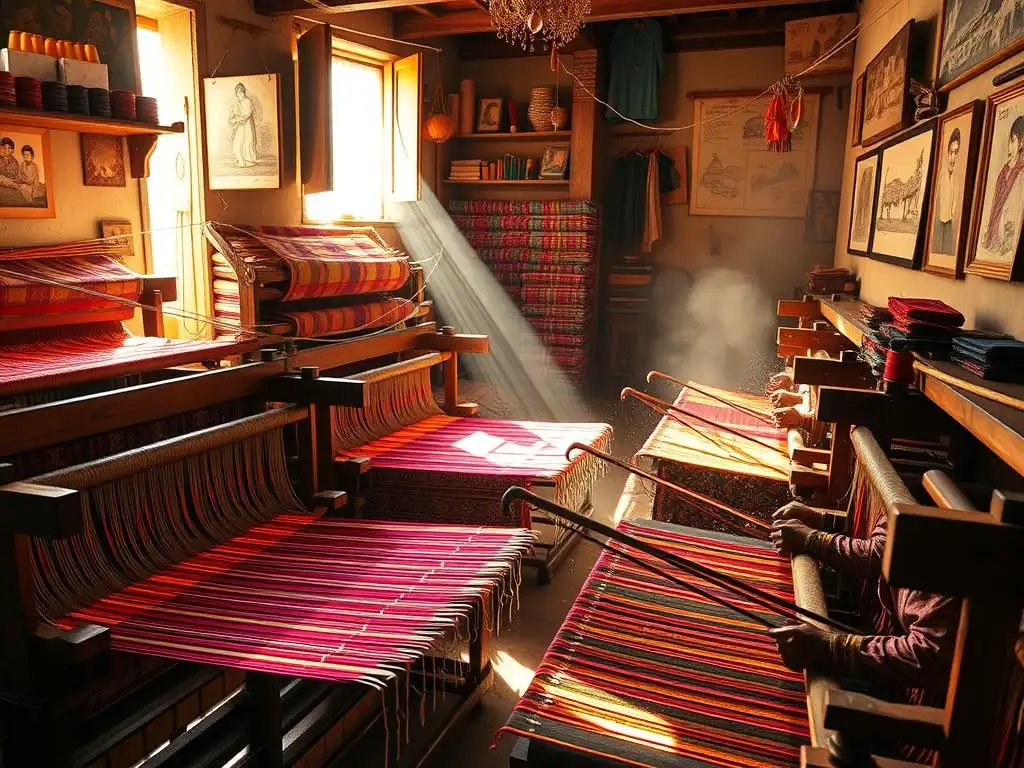
Welcome to Ancient India History! Dive into the vibrant tapestry of the past as we explore the fascinating world of ancient Indian textile art history. From the intricate weaves of the Indus Valley to the splendid creations of the Gupta Empire, this rich tradition not only reflects the craftsmanship of the time but also tells the stories of culture, spirituality, and innovation. Are you ready to uncover the secrets woven into each thread? Join us on this enlightening journey and discover how textile art has shaped the identity of civilizations throughout history!
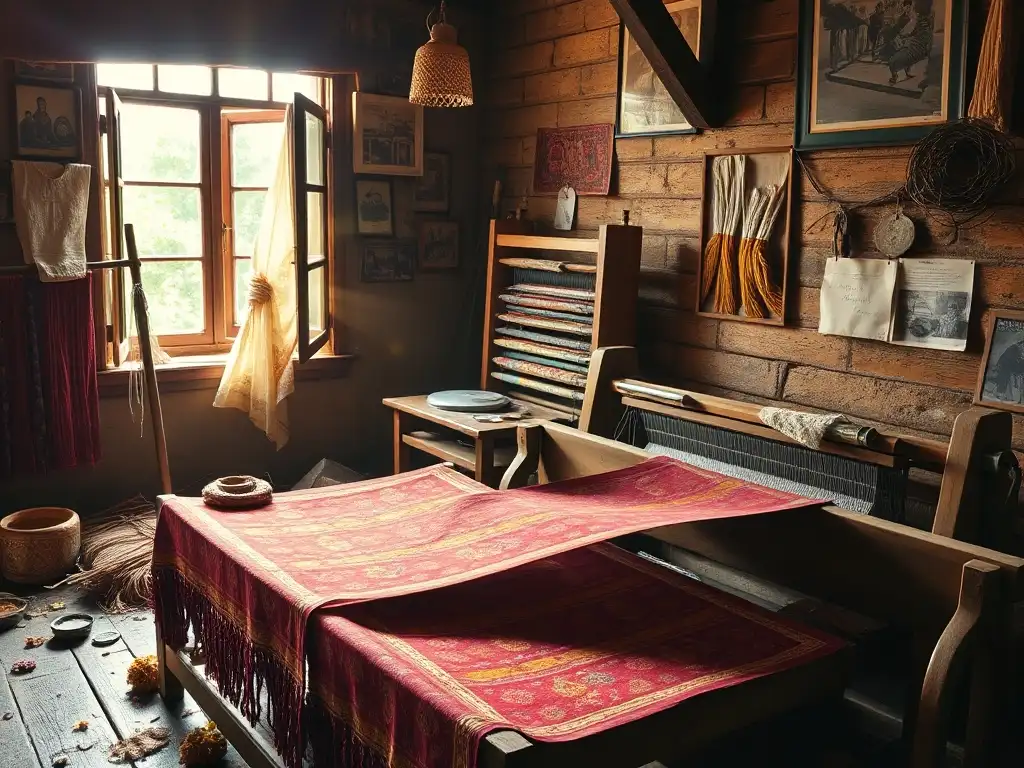
Introduction to Ancient Indian Textile Art History
The rich tapestry of ancient Indian textile art history is a profound testament to the creativity, skill, and cultural significance embedded within the fabric of Indian civilizations. From the intricate weaves of the Indus Valley Civilization to the sophisticated designs of the Gupta Empire, textiles in ancient India were not merely functional items; they were vital expressions of identity, status, and artistry. This article seeks to unravel the secrets of this vibrant art form, exploring its evolution, significance, and the myriad techniques that have defined it through the ages.
The story of ancient Indian textile art is a narrative woven with threads of tradition, innovation, and regional diversity. By delving into this aspect of Indian history, we gain insights not only into the technological advancements of the time but also into the socio-cultural dynamics that influenced the crafting of textiles. Join us as we embark on a journey through time, uncovering the stories that these exquisite fabrics tell.
Overview of Textile Art in Ancient India
Textile art in ancient India encompasses a wide range of techniques, patterns, and materials, reflecting the diverse cultures that thrived across the subcontinent. The origins of textile creation can be traced back to the prehistoric era, where evidence of cotton cultivation and weaving practices has been found in archaeological sites. Ancient Indian textiles were often made from materials such as cotton, silk, wool, and jute, each chosen for its availability and suitability to the climate.
In addition to their practical uses, textiles served as important symbols of cultural heritage and social status. Different regions developed unique styles and motifs that represented their individual identities. For instance, the vibrant colors and zari work of textiles from Gujarat stand in contrast to the delicate patterns found in the Banaras silk sarees. This regional diversity not only showcases the artistic prowess of ancient artisans but also highlights the interconnectedness of trade routes that facilitated the exchange of ideas and materials.
Importance of Textile Art in Ancient Indian Society
The significance of textile art in ancient Indian society transcended mere aesthetics. Textiles played a crucial role in various aspects of daily life, religion, and commerce. They were utilized in rituals, ceremonies, and as offerings to deities, emphasizing their spiritual significance. Moreover, textiles were integral to economic exchange, with trade routes facilitating the export of Indian textiles to distant lands, thereby establishing India as a key player in global commerce.
Textiles also served as markers of social status and identity. The quality and type of fabric one wore often indicated their position within the societal hierarchy. For example, luxurious silk fabrics were reserved for the elite, while simpler cotton garments were worn by the common populace. This interplay between fabric and identity reflects a complex social structure that valued craftsmanship and artistry.
The Evolution of Textile Techniques in Ancient India
Early Weaving Techniques in the Indus Valley Civilization
The Indus Valley Civilization, one of the earliest urban cultures in ancient India, laid the foundation for textile art. Archaeological findings suggest that inhabitants engaged in cotton cultivation and advanced weaving techniques as early as 3000 BCE. The use of handlooms and dyes derived from natural sources enabled the production of intricately patterned fabrics. The discovery of terracotta spindles and loom weights illustrates the sophisticated textile industry that flourished in cities like Harappa and Mohenjo-Daro.
Advances in Textile Production during the Maurya and Gupta Empires
The Maurya (322-185 BCE) and Gupta (c. 320-550 CE) Empires marked a significant turning point in the evolution of textile art. During this period, advancements in dyeing techniques, spinning, and weaving led to an explosion of creativity and innovation. The introduction of intricate embroidery and the use of gold and silver threads in textiles showcased the opulence of the time. Notably, the famous Kanchipuram silk sarees and Ajanta painted textiles emerged as symbols of cultural richness and artistic excellence.
Regional Variations in Textile Art Across Ancient India
As ancient India was home to numerous cultures and communities, regional variations in textile art became prominent. Different areas developed distinctive styles based on local resources, traditions, and climatic conditions. For instance, the Madhubani and Pattachitra styles of painting on fabric from Bihar and Odisha, respectively, highlight the narrative quality of textiles. Similarly, the Brocade weaving of Varanasi and the Ludhiana woolen textiles showcase the diverse techniques and artistic expressions that emerged across the subcontinent.
Through this exploration of ancient Indian textile art history, we can appreciate the intricate relationships between art, culture, and society, revealing how these timeless creations continue to influence modern textile practices.
Key Materials Used in Ancient Indian Textile Art
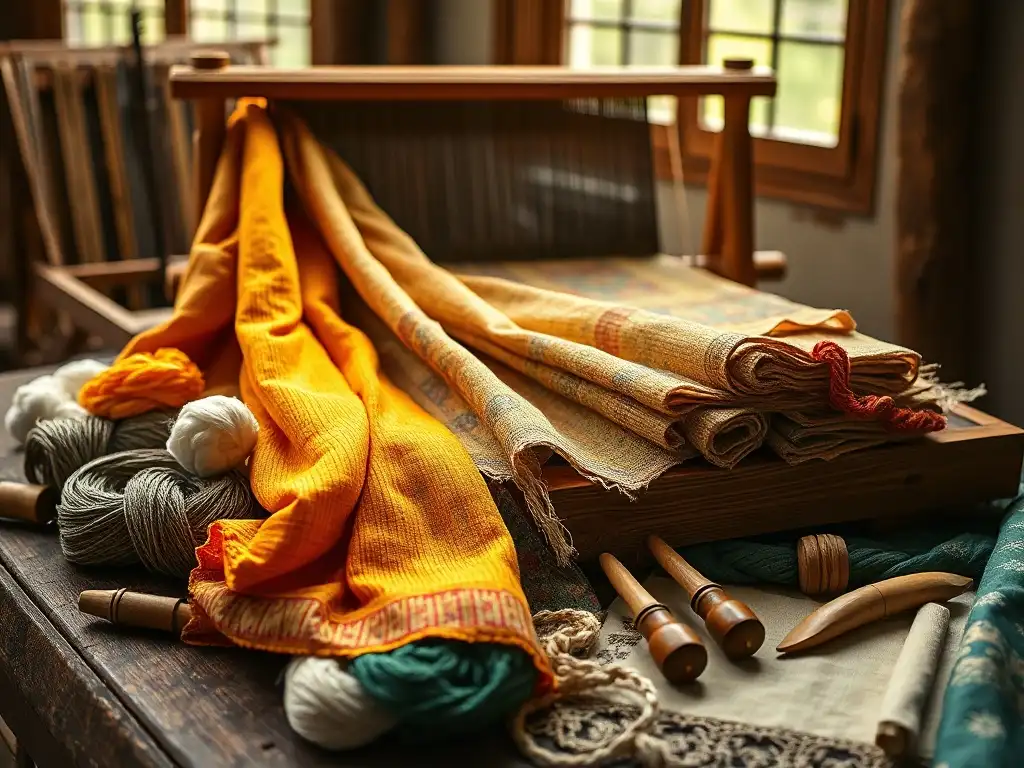
Ancient Indian textile art is characterized by the use of diverse materials that not only contributed to the aesthetic appeal of the textiles but also reflected the cultural and social dynamics of the time. The primary materials include natural fibers such as cotton, silk, and wool, each of which played a significant role in different regions and periods of Indian history. Additionally, the techniques employed in dyeing and weaving these materials were crucial in defining the uniqueness of Indian textiles.
Natural Fibers: Cotton, Silk, and Wool
Cotton has been one of the most prominent natural fibers used in ancient Indian textiles. Known for its softness and breathability, cotton was cultivated in India since the Indus Valley Civilization (circa 2500 BCE). The ancient texts, including the Rigveda, mention the significance of cotton, which was spun into fine yarn and woven into intricate fabrics.
Silk was another luxurious material that symbolized wealth and social status. The sericulture industry flourished in regions like Assam and Bihar, and the famous Muga silk is indigenous to Assam, known for its durability and natural golden hue. Silk textiles were intricately designed and often adorned with gold threads, making them highly sought after both locally and internationally.
Wool, though less commonly used compared to cotton and silk, played an essential role in the colder regions of India, particularly in the Himalayan belt. Textiles made from wool were not only practical but also featured vibrant patterns, showcasing the rich cultural heritage of the communities involved in their production.
Dyeing Techniques and Their Cultural Significance
Dyeing techniques in ancient India were not merely about color; they were imbued with cultural significance and often linked to rituals and traditions. Natural dyes derived from plants, minerals, and insects were predominant. For instance, indigo, a dye obtained from plants, was widely used to create blue hues and was considered auspicious in many cultures.
Other notable dyes included madder root for reds and turmeric for yellows. The process of dyeing was often communal, involving elaborate rituals that celebrated the change of seasons or religious festivities. This connection to culture and tradition is evident in the vibrant colors and patterns that characterize various textile art forms, making dyeing an integral part of ancient Indian textile art history.
Traditional Tools and Equipment Used in Weaving
The weaving process in ancient India was facilitated by a variety of traditional tools and equipment. The loom was the central piece of equipment, with different regions developing unique loom types suited to their weaving styles. For example, the pit loom was common in the weaving of heavier fabrics, while the frame loom was used for lighter textiles.
Additional tools such as shuttles, beat-up rods, and warp sticks were essential in the weaving process. The use of these tools not only enhanced efficiency but also allowed artisans to create intricate designs and patterns. The craftsmanship exhibited in the creation of these tools reflects the advanced understanding of materials and techniques that ancient Indian weavers possessed.
Iconic Textile Art Forms and Their Significance
Ancient Indian textile art is rich with iconic forms that have endured through centuries, each telling its own story and showcasing the cultural diversity of the subcontinent. These textile forms often served not only functional purposes but also acted as symbols of identity, tradition, and social status.
The Art of Bandhani: Tying and Dyeing Techniques
Bandhani, or tie-dye, is a traditional textile art form that involves tying small portions of fabric with threads before dyeing it. This technique produces stunning patterns and designs, often featuring dots and intricate motifs. The art of Bandhani is particularly prominent in regions like Gujarat and Rajasthan, where it has deep cultural roots.
The significance of Bandhani extends beyond aesthetics; it is often used in wedding attire and festive clothing, symbolizing joy and celebration. The meticulous process of creating Bandhani textiles requires skill and patience, making them highly valued in the textile market.
Understanding Kalamkari: Painting on Fabric
Kalamkari is a centuries-old art form known for its intricate hand-painted or block-printed designs on fabric. Originating primarily in Andhra Pradesh and Telangana, Kalamkari employs natural dyes and depicts mythological themes, religious stories, and nature-inspired motifs.
The process of Kalamkari is labor-intensive, involving multiple stages including washing, dyeing, and painting. Each piece tells a story, often connected to ancient Indian epics like the Mahabharata and Ramayana. The cultural significance of Kalamkari is immense, as it serves not only as a textile art form but also as a means of storytelling and preserving history.
The Weaving Tradition of Banarasi Sarees
The Banarasi saree, hailing from Varanasi, is one of the most revered forms of textile art in India, known for its luxurious silk fabric and intricate gold brocade. Traditionally worn by brides and during festivals, Banarasi sarees are characterized by their elaborate designs, featuring motifs like floral patterns, paisleys, and intricate borders.
The craftsmanship involved in creating Banarasi sarees is exceptional, with weavers using a specific type of loom called the jaala loom to incorporate gold and silver threads into the fabric. The cultural significance of these sarees is profound; they are not only a fashion statement but also a representation of the rich heritage and artistry of ancient Indian textile art, often passed down through generations.
Cultural Narratives Woven into Textiles
Throughout history, textiles in ancient India have served as more than mere fabric; they are vibrant canvases that tell stories of culture, tradition, and identity. The intricate designs and patterns found in ancient Indian textiles are often deeply rooted in the cultural narratives of the time. Each motif and color choice reflects significant beliefs, practices, and the socio-political climate of the eras in which they were created. For example, the use of natural dyes from flora and fauna not only showcases the wealth of natural resources but also connects the artisans to their environment and heritage.
The stories woven into these textiles often depict mythological themes, historical events, and local folklore. From the elaborate tapestries of the Gupta period to the simple yet profound designs of the Indus Valley Civilization, each piece captures a moment in time, embodying the values and aspirations of the community. Thus, ancient Indian textile art serves as a historical document, providing insights into the lives and beliefs of the people who created and used them.
Mythology and Symbolism in Ancient Indian Textiles
Mythology plays a crucial role in the symbolism found in ancient Indian textiles. Many designs are inspired by religious texts and myths, representing deities, celestial beings, and significant events from epics like the Mahabharata and Ramayana. For instance, the presence of floral motifs often symbolizes fertility and prosperity, while geometric patterns might represent the cosmic order and the interconnectedness of life.
The symbolism extends beyond mere aesthetics; it is imbued with cultural significance that reflects the spiritual and philosophical beliefs of the time. Textiles adorned with images of gods and goddesses were often used in temples and rituals, serving to bridge the material and spiritual worlds. This intertwining of mythology and textile art not only enriches the visual experience but also deepens the viewer's understanding of ancient Indian culture.
Textiles as a Medium for Storytelling in Ancient Societies
In ancient societies, textiles were a primary means of storytelling, conveying narratives that transcended spoken language. Each piece of fabric could narrate a tale of its own, whether it be through the depiction of historical events, the representation of local traditions, or the portrayal of everyday life. For example, the vibrant Pattachitra paintings from Odisha depict stories of Lord Jagannath, weaving together the threads of spirituality and culture.
Moreover, textiles served as a medium for oral traditions, where the stories of communities were passed down through generations. The art of weaving itself often involved communal participation, with artisans sharing tales and legends as they worked. This collaborative aspect of textile creation not only fostered a sense of community but also ensured that the stories remained alive, evolving with each new generation of weavers.
The Role of Textiles in Rituals and Celebrations
Textiles have historically played a pivotal role in rituals and celebrations across ancient Indian societies. From the vibrant saris worn during weddings to the ceremonial garments used in religious festivals, textiles are integral to the cultural fabric of Indian life. Each occasion is marked by specific textiles that embody the sentiments and significance of the event.
For example, during the festivals of Diwali and Navratri, textiles adorned with intricate embroidery and bright colors are prominently featured, symbolizing joy, prosperity, and the triumph of good over evil. These textiles not only serve practical purposes but also enhance the spiritual experience of the rituals, creating a holistic connection between the physical and the metaphysical. Thus, the role of textiles in ancient rituals and celebrations goes beyond aesthetics, embodying deeper cultural meanings and traditions.
Preservation and Revival of Ancient Indian Textile Art
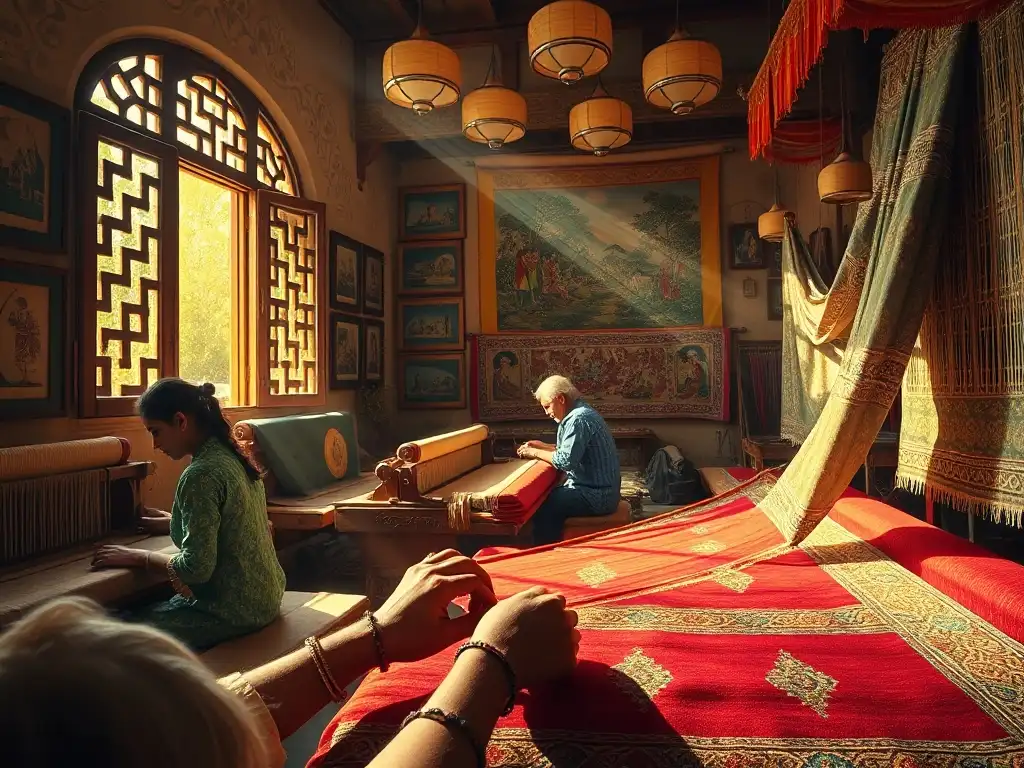
As the world becomes increasingly globalized, the rich heritage of ancient Indian textile art faces numerous challenges. However, there is a growing movement aimed at preserving and reviving these age-old techniques, ensuring that the stories woven into textiles continue to resonate with future generations. This revival is crucial, not only for cultural preservation but also for sustaining the livelihoods of artisans who have kept these traditions alive.
Challenges Facing Ancient Textile Art Today
One of the foremost challenges facing ancient textile art today is the loss of traditional techniques and knowledge. As modern manufacturing processes become dominant, the intricate craftsmanship that characterizes ancient textiles is at risk of being forgotten. Additionally, the decline in demand for handmade textiles due to mass-produced alternatives has placed immense pressure on artisans and communities that rely on this craft for their livelihood.
Moreover, the commercialization of textile art often leads to a dilution of cultural significance, as traditional motifs and methods are adapted for marketability. This trend threatens the authenticity and richness of ancient textile art, making it imperative to address these challenges through concerted efforts in education, preservation, and promotion.
Initiatives for Reviving Ancient Weaving Techniques
In response to these challenges, various initiatives have emerged to revive ancient weaving techniques and promote sustainable practices. Organizations and NGOs are working collaboratively with artisans to document traditional methods, ensuring that the knowledge is passed down to younger generations. Workshops and training programs are being established to educate aspiring weavers about ancient techniques, while also providing them with the skills necessary to adapt to contemporary markets.
Additionally, campaigns aimed at raising awareness about the importance of handmade textiles are gaining traction. By promoting the unique qualities and cultural significance of these textiles, these initiatives help to foster appreciation and demand for traditional craft, paving the way for a sustainable future for ancient Indian textile art.
The Role of Artisans in Preserving Textile Heritage
Artisans are the custodians of ancient Indian textile art, playing a vital role in preserving and revitalizing this rich heritage. Their knowledge, skills, and creativity are instrumental in maintaining traditional practices and adapting them to modern contexts. By engaging with local communities, artisans not only contribute to the preservation of cultural identity but also empower others to embrace and celebrate their heritage.
Moreover, the resurgence of interest in sustainable and ethical fashion has spotlighted the work of these artisans, leading to collaborations with designers and brands that prioritize traditional craftsmanship. This synergy not only provides artisans with economic opportunities but also helps to elevate ancient textile art within the global context. As the guardians of this cultural legacy, artisans are pivotal in ensuring that the stories woven into ancient textiles continue to be cherished and celebrated for generations to come.
Conclusion: The Legacy of Ancient Indian Textile Art
The legacy of ancient Indian textile art is a testament to the ingenuity and creativity of India's early civilizations. From the intricate patterns of Indus Valley textiles to the vibrant colors and motifs of later periods, these fabrics tell stories of cultural exchange, trade, and craftsmanship. The techniques developed in ancient times laid the groundwork for the rich textile traditions that continue to flourish today.
The significance of ancient Indian textiles extends beyond aesthetics; they embody the social, economic, and spiritual narratives of the time. Textiles served as symbols of status, identity, and even religious expression. As we explore the remnants of this heritage, we recognize that ancient Indian textile art is not merely a historical artifact but a living tradition that shapes contemporary practices.
Impact on Modern Textile Practices
The influence of ancient Indian textile art on modern practices is profound. Many contemporary designers draw inspiration from traditional motifs, weaving techniques, and dyeing methods. This revival of ancient styles in modern fashion and home décor reflects a growing appreciation for heritage and craftsmanship.
For instance, the use of natural dyes and handloom weaving techniques has gained prominence as consumers increasingly prioritize sustainability and ethical practices in the fashion industry. By embracing the principles of ancient craftsmanship, contemporary artisans and designers are not only preserving these age-old skills but also promoting them within global markets.
Moreover, the intricate embroidery styles such as Kantha and Chikan work have found their way into modern apparel, demonstrating the adaptability and timelessness of ancient designs. This connection between past and present emphasizes the relevance of ancient Indian textile art in today's world.
Continuing Influence of Ancient Techniques on Contemporary Design
Ancient techniques continue to inspire and influence contemporary design in various ways. The revival of traditional methods, such as hand-weaving and block printing, is evident in many fashion collections that emphasize artisanal quality and cultural storytelling. Designers are increasingly collaborating with local artisans to create pieces that honor traditional craftsmanship while incorporating modern aesthetics.
Furthermore, the use of patterns and motifs derived from ancient textiles can be seen in contemporary graphic design, interiors, and even digital art. The principles of balance, symmetry, and color usage found in ancient textiles are being reinterpreted for a modern audience, allowing ancient narratives to resonate in today's visual culture.
As the world becomes more interconnected, the appreciation for these ancient techniques fosters a greater understanding of cultural heritage and promotes cross-cultural collaborations. The legacy of ancient Indian textile art, therefore, not only informs modern practices but also encourages a dialogue between the past and the present.
Further Reading and Resources on Ancient Indian Textile Art History
Exploring the rich tapestry of ancient Indian textile art history can be further enhanced through a variety of resources. Below are several avenues for deeper engagement with this fascinating subject.
Books and Academic Journals
- "The Art of Indian Textiles" by Kumari M. Shailaja - A comprehensive look at the history and techniques of Indian textiles.
- "Textile Traditions of India" by R. K. Sharma - This book explores regional textile traditions and their historical contexts.
- Journal of Textile Research - A peer-reviewed publication that often includes studies on ancient textile techniques and their relevance today.
Online Archives and Virtual Exhibitions
- The National Museum of India - Offers a virtual gallery showcasing ancient textiles and their historical significance.
- The Textile Museum - Features an online collection of Indian textiles, including descriptions and historical contexts.
- Digital South Asia Library - Provides access to digitized texts, images, and documents related to Indian textile history.
Documentaries and Educational Videos on Ancient Indian Textiles
- "Threads of India" (Documentary) - This film explores the journey of Indian textiles from ancient times to modern-day practices.
- YouTube Channels like "Khan Academy" and "National Geographic" often feature videos on the history and art of textiles in India, providing visual insights into techniques and cultural significance.
- "The Fabric of India" (BBC Documentary) - An exploration of India's rich textile heritage, highlighting ancient techniques and contemporary practices.
These resources provide a wealth of information, allowing enthusiasts and researchers alike to delve deeper into the enchanting world of ancient Indian textile art history.
- Introduction to Ancient Indian Textile Art History
- Overview of Textile Art in Ancient India
- Importance of Textile Art in Ancient Indian Society
- The Evolution of Textile Techniques in Ancient India
- Key Materials Used in Ancient Indian Textile Art
- Iconic Textile Art Forms and Their Significance
- Cultural Narratives Woven into Textiles
- Preservation and Revival of Ancient Indian Textile Art
- Conclusion: The Legacy of Ancient Indian Textile Art
- Further Reading and Resources on Ancient Indian Textile Art History
- What is the significance of ancient Indian textile art in history?
- How did the Indus Valley Civilization influence textile art?
- What materials were commonly used in ancient Indian textiles?
- How did the Gupta Empire contribute to the development of textile art?
- What are some notable techniques in ancient Indian textile art?
Frequently Asked Questions
What is the significance of ancient Indian textile art in history?
Ancient Indian textile art plays a crucial role in understanding the cultural heritage and economic practices of ancient civilizations, showcasing their craftsmanship and trade relations.
How did the Indus Valley Civilization influence textile art?
The Indus Valley Civilization is known for its advanced weaving techniques and the use of cotton, leading to innovations that laid the foundation for later textile art traditions in India.
What materials were commonly used in ancient Indian textiles?
Ancient Indian textiles primarily utilized materials like cotton, silk, and wool, which were often dyed with natural dyes sourced from plants, minerals, and insects.
How did the Gupta Empire contribute to the development of textile art?
During the Gupta Empire, there was a significant advancement in textile art, with the introduction of intricate designs and the flourishing of trade, which spread these techniques across regions.
What are some notable techniques in ancient Indian textile art?
Notable techniques include block printing, tie-dye, and embroidery, each reflecting the unique regional styles and cultural narratives embedded in ancient textiles.
Final Reflection: Weaving the Threads of History into Our Lives
The rich tapestry of ancient Indian textile art history is not just a relic of the past; it is a vibrant narrative that continues to resonate in our modern world. Today, as we navigate a globalized society, the intricate designs and techniques of ancient artisans remind us of the cultural heritage that shapes our identities. The artistry of these textiles serves as a bridge between generations, inviting us to appreciate the craftsmanship and stories woven into every thread.
The influence of ancient Indian textile art extends far beyond mere aesthetics; it has become a symbol of cultural pride and identity. As we witness a resurgence of interest in traditional crafts, we find ourselves reconnecting with our roots and embracing the stories that these textiles tell. Textiles are not just fabric; they are the stories of our ancestors, woven into every stitch.
This ongoing dialogue between the past and present encourages us to honor and preserve these art forms, ensuring they remain alive for future generations to appreciate.
As you reflect on the significance of ancient Indian textile art, consider how you can incorporate its lessons into your own life. Embrace the stories that surround you, whether through fashion, home decor, or personal expression. Let the beauty and history of these textiles inspire you to weave your own narrative, celebrating the artistry that connects us all. In doing so, you not only pay homage to the past but also contribute to a future where these timeless traditions continue to thrive.
Unleash Your Creativity Through Ancient Textile Art!
Thank you for exploring the rich tapestry of stories woven into ancient textile art. You've uncovered the beauty and history that these fabrics embody, and now it's time to bring that inspiration into your own world!
Here are a few ways to dive deeper and take action today:
- Join a local workshop to learn about traditional weaving techniques and create your own masterpiece.
- Share your favorite textile art piece from your recent findings on social media to inspire others to appreciate this beautiful heritage.
- Connect with online communities or forums dedicated to textile enthusiasts, where you can exchange ideas and expand your knowledge.
What unique ways can you think of to incorporate ancient textile art principles into your own creative projects? Let’s start a conversation!