
Exploring the Architectural Features of the Dilwara Temples


Welcome to Ancient India History, where we embark on an extraordinary journey through the rich and diverse tapestry of ancient Indian civilizations. Today, we invite you to delve into the magnificent architectural features of the Dilwara Temples, a testament to the artistry and ingenuity of the era. As we explore these stunning structures, you'll uncover the intricate designs and profound philosophies that shaped not only these temples but also the cultural landscape of ancient India. Prepare to ignite your curiosity and discover the stories etched in stone that await you in this captivating exploration!
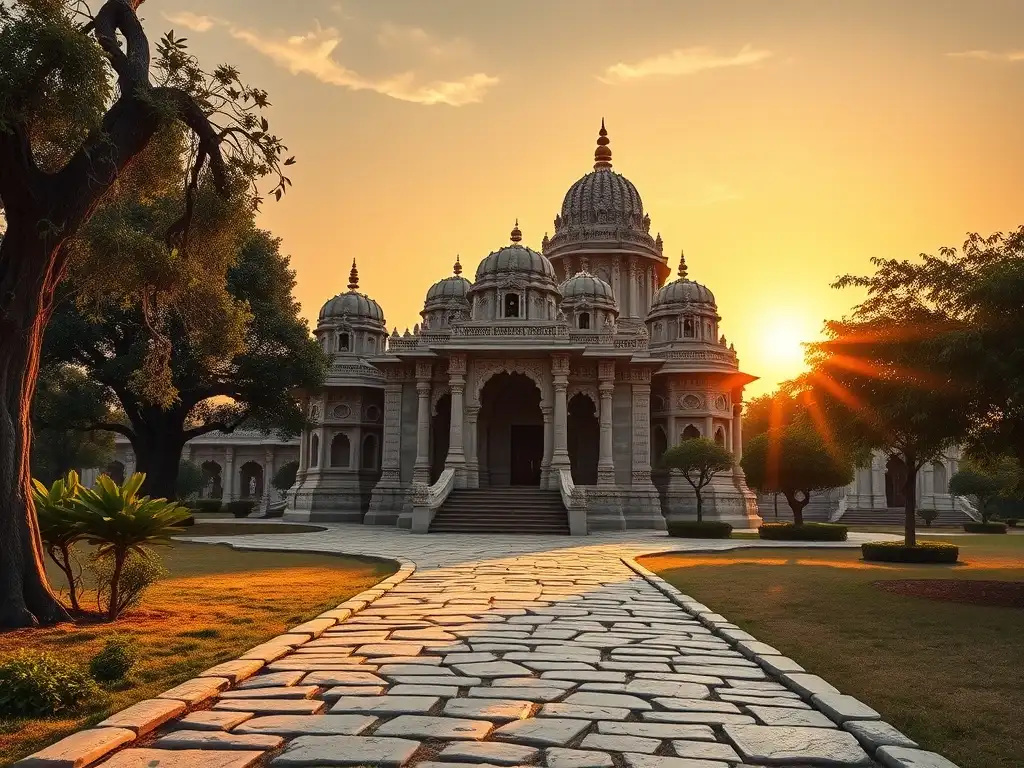
The Dilwara Temples, located in the serene hills of Mount Abu in Rajasthan, India, stand as a testament to the exquisite craftsmanship and spiritual significance of ancient Indian architecture. Built between the 11th and 13th centuries, these temples are celebrated not only for their intricate designs but also for their embodiment of Jain philosophy and devotion.
As we delve into the architectural features of the Dilwara Temples, we uncover a rich tapestry of artistry, engineering, and cultural heritage that reflects the zenith of Jain temple architecture. This exploration aims to highlight the unique characteristics that make the Dilwara Temples a significant architectural marvel, contributing to our understanding of ancient Indian civilization and its enduring legacy.
Introduction to the Dilwara Temples
The Dilwara Temples are renowned for their stunning marble craftsmanship and intricate sculptural work. Constructed primarily from white marble, these temples exhibit an exceptional level of detail that captivates visitors and historians alike. The temples consist of five main structures, each dedicated to different Tirthankaras, the revered spiritual teachers in Jainism. Among these, the most famous is the Vimala Vasahi Temple, dedicated to the first Tirthankara, Adinatha, and the Luna Vasahi Temple, dedicated to Neminatha.
Visitors to the Dilwara Temples are often struck by the serene atmosphere and the harmonious integration of architecture with the natural landscape. The temples not only serve as places of worship but also as embodiments of the philosophical tenets of Jainism, such as non-violence, truth, and asceticism. The architectural features of these temples play a crucial role in conveying these ideals, making them significant beyond their aesthetic value.
Historical Significance of the Dilwara Temples
The historical context of the Dilwara Temples reveals much about the socio-cultural landscape of ancient India. Constructed during a period of flourishing Jainism, these temples were built under the patronage of wealthy merchants and rulers who sought to express their devotion through monumental architecture. The craftsmanship involved in their construction showcases the skills of artisans and reflects the economic prosperity of the era.
The temples also serve as important pilgrimage sites for Jains, attracting devotees from across the country. Their historical significance is further underscored by their status as a site of architectural innovation, representing a culmination of various artistic influences and styles prevalent in ancient India. The blend of intricate carvings, elaborate ceilings, and ornate pillars not only highlights the technical prowess of the artisans but also symbolizes the spiritual aspirations of the community.
Overview of Dilwara Temples Architectural Features
The architectural features of the Dilwara Temples are nothing short of extraordinary. Key elements include:
- Intricate Carvings: The temples are adorned with thousands of finely detailed carvings that depict religious motifs, floral patterns, and figurines of deities.
- Marble Inlay Work: The use of white marble, along with inlay work using semi-precious stones, adds a unique luminosity to the structures.
- Jali Work: The delicate lattice work, or jali, allows for intricate patterns of light and shadow, enhancing the spiritual ambiance within the temple.
- Pillared Halls: The temples feature grand pillared halls with intricately carved columns that support the ceilings, showcasing a blend of strength and elegance.
- Cuppola Ceilings: The ceilings, often dome-shaped, are embellished with elaborate carvings that draw the eye upward, creating a sense of transcendence.
The Dilwara Temples are not merely places of worship; they are masterpieces of architectural ingenuity that reflect the cultural and spiritual heritage of ancient India. Through this exploration, we invite you to delve deeper into the remarkable features that define the architectural landscape of the Dilwara Temples.
- Introduction to the Dilwara Temples
- Historical Significance of the Dilwara Temples
- Overview of Dilwara Temples Architectural Features
The Intricate Marble Carvings of the Dilwara Temples
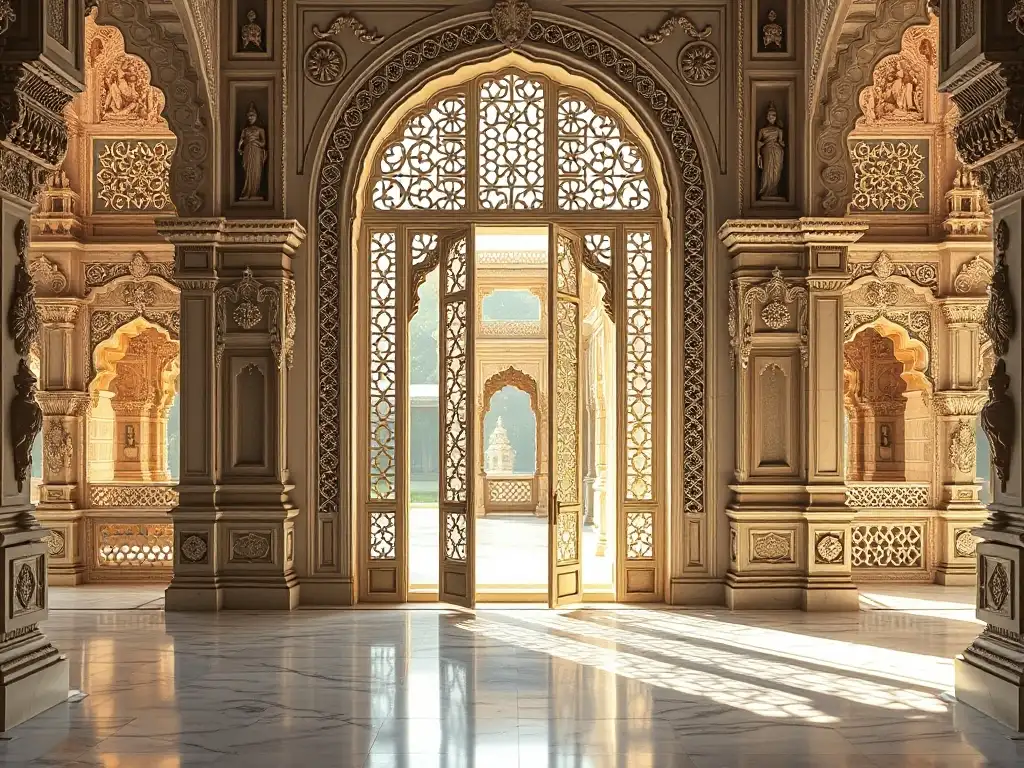
The Dilwara Temples, located in Rajasthan, India, are renowned for their stunning marble carvings that exemplify the pinnacle of Jain architecture. These temples, built between the 11th and 13th centuries, are not just places of worship but also repositories of exquisite artistry and craftsmanship. The intricate marble carvings of the Dilwara Temples serve as a testament to the skill of the artisans and the rich cultural heritage of the Jain community.
Techniques Used in Marble Carving
The craftsmanship of the Dilwara Temples is characterized by several advanced techniques that were employed by skilled artisans. These techniques include:
- Chiseling: This fundamental technique involves the use of chisels and hammers to sculpt the marble blocks. Artisans would meticulously carve out intricate designs, often spending years to complete a single temple.
- Inlay Work: In addition to carving, inlay work was prominently used in the Dilwara Temples. Colored stones like lapis lazuli, coral, and onyx were embedded into the marble to create stunning patterns and motifs, enhancing the visual appeal of the carvings.
- Polishing: The final touch to the marble was achieved through polishing, which provided a smooth, glossy finish. This not only highlighted the intricate details of the carvings but also protected the surface from wear and tear.
- Use of Tools: Traditional tools such as the kharak (a type of chisel) and hamara (a hammer) were essential for shaping the marble. The precision of these tools allowed artisans to create detailed floral patterns, human figures, and geometric designs.
The combination of these techniques resulted in carvings that are not only beautiful but also durable, showcasing the exceptional quality of craftsmanship that has withstood the test of time.
Iconography and Symbolism in Carvings
The marble carvings of the Dilwara Temples are rich in iconography and symbolism, reflecting the profound spiritual and philosophical beliefs of Jainism. Key aspects of the iconography include:
- Jain Tirthankaras: The temples prominently feature representations of the Tirthankaras, who are revered spiritual teachers in Jainism. Each Tirthankara is depicted with specific attributes, and their images are intricately carved, symbolizing their teachings and principles.
- Floral and Fauna Motifs: Nature is a recurring theme in the carvings, with elaborate floral designs and animal representations. These motifs not only enhance the aesthetic appeal but also symbolize the interconnectedness of life and the natural world, a core belief in Jain philosophy.
- Geometric Patterns: The use of geometric patterns in the carvings signifies the importance of harmony and balance in the universe. These designs often serve as a visual representation of the Jain concept of syadvada or the sevenfold predication, which emphasizes multiple viewpoints.
- Moral and Ethical Teachings: Many carvings incorporate scenes from Jain scriptures and stories that convey moral and ethical teachings. These narratives serve to educate devotees about the principles of non-violence, truth, and asceticism central to Jainism.
The combination of these symbolic elements in the marble carvings not only enhances the aesthetic quality of the Dilwara Temples but also reinforces their role as a space for spiritual reflection and learning. The architectural features of the Dilwara Temples, particularly their intricate marble carvings, stand as a remarkable achievement in the history of ancient Indian architecture.
Structural Design of the Dilwara Temples
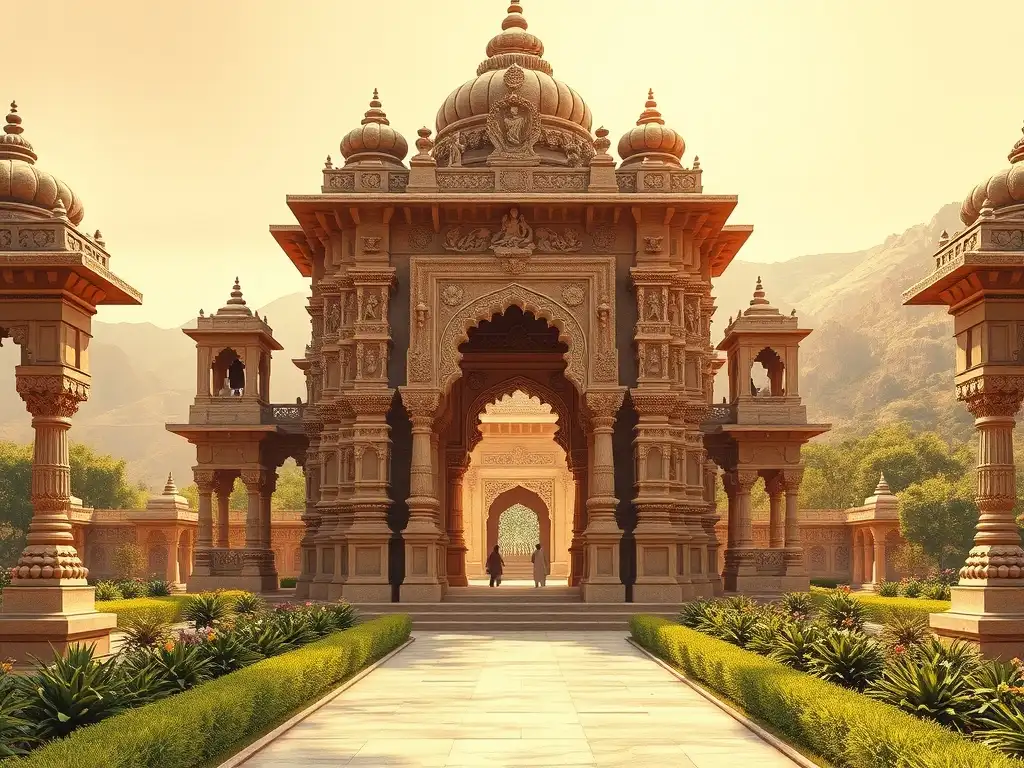
The Dilwara Temples, renowned for their intricate architectural features, showcase a unique blend of artistry and engineering that reflects the skill of ancient Indian craftsmen. Located in the Aravalli Range near Mount Abu, Rajasthan, these temples were built between the 11th and 13th centuries and are primarily dedicated to Jain Tirthankaras. Their structural design is characterized by meticulous attention to detail, exquisite marble carvings, and a harmonious integration with the surrounding landscape.
One of the most striking aspects of the architectural features of the Dilwara Temples is the extensive use of white marble, which lends a luminous quality to the structures. This material not only enhances the aesthetic appeal but also contributes to the durability of the temples. The craftsmanship is evident in the detailed carvings that adorn the pillars, ceilings, and walls, showcasing motifs that include floral patterns, celestial beings, and mythological narratives.
Layout and Planning of the Temple Complex
The layout of the Dilwara Temples is meticulously planned, following traditional Jain architectural principles. The complex comprises five main temples, each dedicated to different Tirthankaras, and is organized in a manner that emphasizes both functionality and spirituality.
- Main Temple (Vimal Vasahi):
- Dedicated to Adinatha, the first Tirthankara.
- Features a grand entrance and a towering shikhara (spire) that rises above the sanctum.
- Luna Vasahi:
- Dedicated to Neminatha, the 22nd Tirthankara.
- Notable for its intricately carved pillars and a beautifully designed courtyard.
- Other Temples:
- Pitre Vasahi: Dedicated to Parshvanath, showcasing impressive sculptures.
- Khartar Vasahi: Another significant temple known for its stunning artistry.
The temples are arranged to create a sacred precinct, facilitating a spiritual journey for the devotees. The central courtyard serves as a gathering space, while the sanctum sanctorum of each temple is designed to evoke a sense of reverence and tranquility.
Comparison of Different Temples within the Dilwara Complex
The Dilwara Temples consist of distinct structures, each exhibiting unique architectural features while sharing common elements that define the overall aesthetic of the complex.
| Temple Name | Key Features | Architectural Highlights |
|---|---|---|
| Vimal Vasahi | - Dedicated to Adinatha | - Grand entrance and high shikhara |
| - Elaborate carvings of celestial beings | - Intricate ceiling with floral motifs | |
| Luna Vasahi | - Dedicated to Neminatha | - Stunning courtyard and detailed pillars |
| - Rich iconography | - Carvings depicting the life of Neminatha | |
| Pitre Vasahi | - Dedicated to Parshvanath | - Unique sculptures showcasing Jain philosophy |
| - Emphasis on storytelling through art | - Detailed reliefs depicting Tirthankaras | |
| Khartar Vasahi | - Dedicated to Mahavira | - Artistic interplay of light and shadow |
| - Use of various marble textures | - Elegant designs reflecting Jain values |
The architectural features of the Dilwara Temples, particularly their elaborate carvings and harmonious design, not only serve religious purposes but also exemplify the artistic genius of ancient Indian craftsmen. Each temple tells a story through its design, inviting visitors to engage with the rich cultural heritage of Jainism in India.
Unique Elements of Dilwara Temples Architectural Features
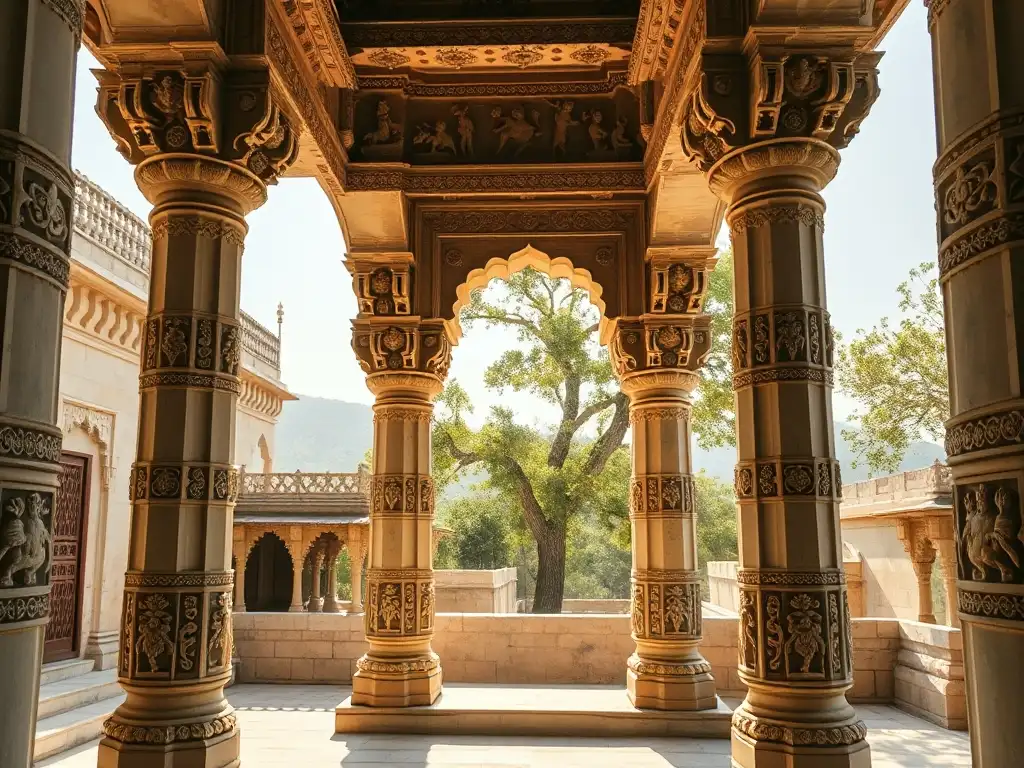
The Dilwara Temples, located near Mount Abu in Rajasthan, India, are celebrated for their stunning architectural features that exemplify the artistry and craftsmanship of ancient Indian builders. These temples, primarily dedicated to Jain Tirthankaras, showcase unique elements that distinguish them from other architectural marvels of the time.
Use of Columns and Pillars
The Dilwara Temples are renowned for their intricately carved columns and pillars, which not only serve structural purposes but also act as canvases for exquisite artistry.
- Material and Craftsmanship: Constructed mainly from white marble, the pillars exhibit meticulous craftsmanship, often adorned with intricate floral and geometric patterns. The marble's translucence further enhances the beauty of the carvings, allowing light to play upon the surfaces.
- Architectural Styles: The temples display a blend of architectural styles, including the use of caryatids (sculpted female figures) and corinthian columns. Each column is uniquely designed, often depicting different motifs that reflect Jain philosophy and teachings.
- Symbolism and Functionality: The columns are not merely decorative; they symbolize the support of the spiritual journey of the devotees. Their arrangement leads visitors through the sanctum, creating a sense of progression and reverence.
Arched Entrances and Their Significance
The entrances of the Dilwara Temples feature grand arches that are both functional and symbolic.
- Design and Structure: The arched entrances are designed in a way that not only enhances the overall aesthetics but also provides a majestic entry point. These arches are often embellished with carvings depicting various deities and significant events from Jain lore.
- Symbolic Meaning: The arches symbolize the passage from the mundane world into a sacred space. They create a transitional experience for visitors, inviting them to leave behind the chaos of the outside world and enter a realm of spirituality and tranquility.
- Cultural Influence: The design of these arches reflects the influence of both local and regional architectural styles, showcasing the cultural amalgamation that characterized ancient Indian architecture.
Design of Domes and Ceilings
The domes and ceilings of the Dilwara Temples are another remarkable feature, showcasing the mastery of ancient Indian architects.
- Structural Innovation: The domes are engineered to provide not just aesthetic appeal but also structural integrity. Their design often incorporates a series of ribs and arches that distribute weight evenly, allowing for expansive interior spaces.
- Artistic Detailing: The ceilings are intricately decorated with carvings, often featuring floral motifs and celestial themes. The use of light and shadow in these designs creates a dynamic visual experience, particularly when sunlight filters through small openings.
- Symbolism of the Cosmos: The dome’s design often symbolizes the universe, reflecting the Jain belief in the interconnectedness of all life. This cosmic representation encourages contemplation and introspection among devotees.
The architectural features of the Dilwara Temples are a testament to the ingenuity and artistic prowess of ancient Indian civilization. From the columns and pillars to the arched entrances and meticulously designed domes, each element contributes to the spiritual ambiance and cultural richness of these historical sites.
Influence of Jain Philosophy on Architecture

The architectural features of the Dilwara Temples are deeply influenced by Jain philosophy, which emphasizes non-violence, truth, and asceticism. This philosophy is not only a spiritual guide but also serves as a foundational element in the design and construction of Jain temples.
Jain architecture is characterized by meticulous craftsmanship and an intricate attention to detail, which reflects the principle of ahimsa (non-violence). The use of exquisite marble, elaborate carvings, and serene sculptures is not just for aesthetic appeal but serves a higher purpose: to create a tranquil environment conducive to meditation and spiritual practice. This architectural ethos is exemplified in the Dilwara Temples, where every stone and motif embodies deep spiritual significance.
Spiritual Significance of Architectural Features
The Dilwara Temples are renowned for their spiritual ambiance, which is achieved through specific architectural features that resonate with Jain beliefs. Key aspects include:
- Sacred Spaces: Each temple is designed to create a journey towards spirituality. The layout often includes a central shrine surrounded by smaller chambers, guiding devotees through a sanctified path that enhances their meditative experience.
- Intricate Carvings: The marble carvings depict scenes from Jain texts, celestial beings, and revered Tirthankaras (spiritual teachers). These motifs serve not only as decorative elements but also as visual narratives that inspire devotion and reflection.
- Natural Light and Ventilation: The strategic placement of windows and openings allows natural light to flood the interiors, symbolizing the illumination of knowledge and truth. This design principle aligns with Jain teachings that advocate for a connection with nature and the universe.
- Silence and Serenity: The architectural layout minimizes external noise, fostering an atmosphere of peace. This aspect reflects the Jain commitment to tranquility, allowing devotees to engage in prayer and meditation without distraction.
Reflection of Jain Principles in Temple Design
The design of the Dilwara Temples mirrors core Jain principles, showcasing how architecture can embody philosophical ideals. Key reflections of these principles include:
- Simplicity and Purity: Despite the elaborate carvings, the overall design adheres to a sense of simplicity and purity, highlighting the Jain value of humility. The temples avoid ostentation, focusing instead on spiritual richness.
- Symmetry and Balance: The temples exhibit perfect symmetry, representing the Jain belief in balance and harmony within the universe. This principle extends to the arrangement of spaces, where each element is purposefully placed to achieve a cohesive whole.
- Use of Natural Materials: The choice of materials, particularly the use of white marble, signifies purity and is a nod to the Jain principle of respect for all living beings. The craftsmanship involved in shaping these materials reflects the dedication to ahimsa.
- Community Involvement: The construction of the Dilwara Temples involved the local community, showcasing the Jain principle of collective effort and support. This collaborative spirit is evident in the well-preserved state of the temples, which continue to serve as a center for worship and community activities.
The architectural features of the Dilwara Temples are a testament to Jain philosophy, intertwining spirituality with artistic expression. These temples not only serve as places of worship but also as living embodiments of Jain values, reflected in every intricate detail of their design.
Preservation of Architectural Heritage
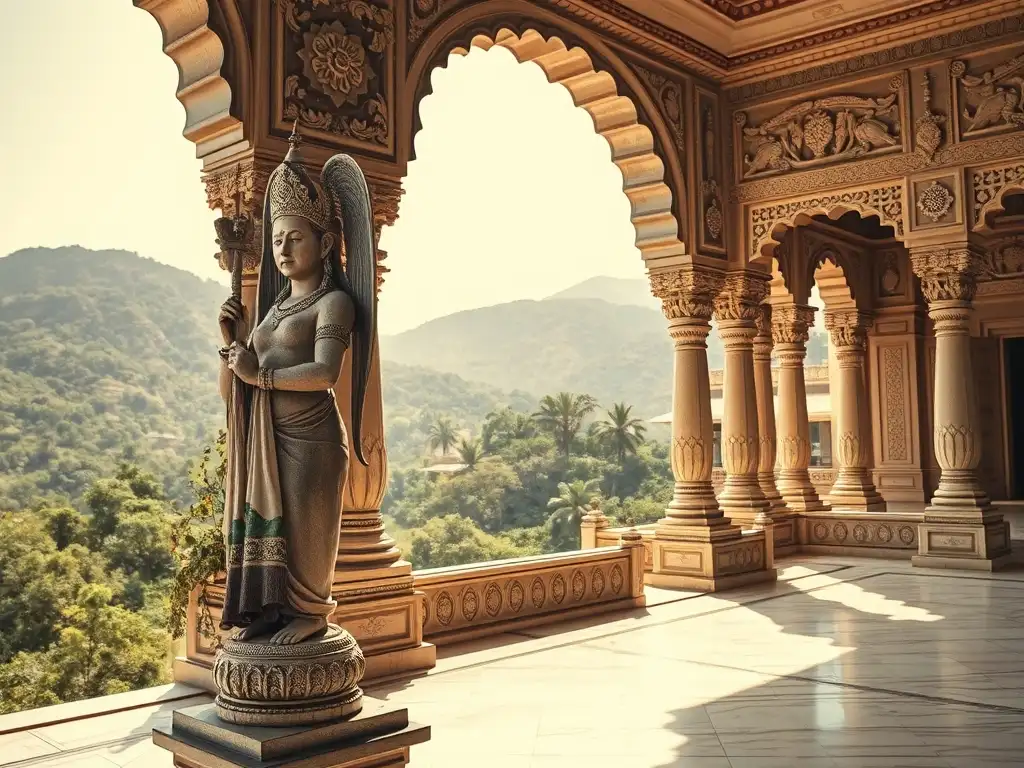
Conservation Efforts for the Dilwara Temples
The Dilwara Temples, renowned for their exquisite marble craftsmanship and intricate carvings, represent a pinnacle of architectural achievement in ancient India. To preserve these architectural gems, several conservation efforts have been implemented over the years. These initiatives aim not only to maintain the structural integrity of the temples but also to ensure that their artistic features remain intact for future generations.
- Restoration Projects:
- Structural Repairs: Experts have carried out various structural repairs to address issues such as erosion and weathering. These repairs often involve the careful replacement of damaged marble with materials that match the original.
- Cleaning Techniques: Advanced cleaning techniques, including the use of non-invasive methods, help preserve the delicate carvings without causing damage. Techniques like laser cleaning have been employed to remove grime accumulated over centuries.
- Environmental Management:
- Pollution Control: Measures have been taken to mitigate the impact of pollution from nearby urban areas. This includes monitoring air quality and implementing barriers to protect the temples from industrial pollutants.
- Natural Habitat Protection: Surrounding landscapes are being preserved to maintain the natural environment, which is crucial for the overall aesthetic and cultural significance of the temples.
- Community Involvement:
- Awareness Programs: Local communities are engaged in awareness programs about the significance of the Dilwara Temples. This fosters a sense of ownership and responsibility among residents, encouraging them to participate in preservation efforts.
- Volunteer Programs: Initiatives inviting volunteers to assist in preservation activities have been established, allowing individuals to contribute directly to the conservation of these historical sites.
Challenges Faced in Maintaining Architectural Integrity
Despite ongoing conservation efforts, the Dilwara Temples face several challenges that threaten their architectural integrity. These issues are multifaceted and require a comprehensive approach to tackle effectively.
- Natural Disasters:
- The temples are susceptible to natural calamities such as earthquakes and floods, which can cause significant structural damage. Historical records indicate that the region has experienced seismic activity, necessitating robust engineering solutions to safeguard the temples.
- Tourism Pressure:
- With the increasing number of visitors attracted to the beauty of the Dilwara Temples, there is heightened pressure on the site. The influx of tourists can lead to wear and tear, and measures must be implemented to manage visitor access without compromising the sanctity of the temples.
- Funding Limitations:
- Conservation efforts often face financial constraints. Limited funding can hinder extensive restoration projects and the adoption of advanced preservation technologies. Securing adequate resources remains a critical challenge for maintaining the temples' architectural features.
Conclusion: The Legacy of the Dilwara Temples in Ancient Indian Architecture
The Dilwara Temples stand as a testament to the architectural prowess and artistic vision of ancient Indian civilizations. Their intricate carvings and unique design elements reflect the cultural richness of the period, making them not only a significant religious site but also an essential part of India's architectural heritage.
As efforts to preserve these temples continue, it is imperative to acknowledge their historical and cultural significance. The legacy of the Dilwara Temples extends beyond their physical structure; they embody the spiritual and artistic aspirations of their time. By addressing the challenges faced in their conservation and engaging communities in preservation efforts, we can ensure that future generations will appreciate and revere these architectural marvels as we do today.
Through ongoing dedication to their maintenance and protection, the Dilwara Temples will remain a focal point of study and admiration in the narrative of ancient Indian architecture.
Frequently Asked Questions
What are the Dilwara Temples known for?
The Dilwara Temples are renowned for their stunning marble architecture and intricate carvings, showcasing the artistry of ancient Indian craftsmen.
Where are the Dilwara Temples located?
The Dilwara Temples are situated near Mount Abu, Rajasthan, making them a significant pilgrimage site for Jains and an architectural marvel.
What architectural style is prominent in the Dilwara Temples?
The Dilwara Temples exemplify Indo-Aryan architectural style with their detailed sculptures and intricate designs that reflect the craftsmanship of the era.
How were the Dilwara Temples constructed?
Constructed between the 11th and 13th centuries, the temples were built using white marble, showcasing advanced techniques in stone carving and design.
What is the significance of the Dilwara Temples in ancient Indian culture?
The Dilwara Temples hold immense cultural significance as they represent the spiritual devotion of the Jain community and highlight the artistic achievements of ancient Indian civilization.
Final Reflection: The Timeless Beauty of Dilwara Temples' Architectural Features
The architectural features of the Dilwara Temples stand as a testament to the ingenuity and artistry of ancient craftsmanship, resonating with contemporary audiences who seek to understand the depth of cultural heritage. These temples, with their intricate marble carvings and serene ambiance, not only serve as places of worship but also as enduring symbols of the rich history and spiritual significance of Jainism. As we navigate a world increasingly focused on rapid modernization, the timeless beauty of the Dilwara Temples reminds us of the importance of preserving our architectural legacies.
The influence of the Dilwara Temples extends beyond their physical structure; they have become a vital part of our cultural narrative, inspiring countless artists, architects, and historians. Their architectural features invite us to reflect on the values of craftsmanship, dedication, and spirituality that transcend time. As noted by renowned architect Charles Correa, Architecture is the art of reconciliation between ourselves and the world, and this is what the Dilwara Temples achieve through their exquisite design.
This ongoing dialogue between the past and present encourages us to appreciate the stories embedded in these sacred spaces and their relevance in our lives today.
As we conclude our exploration of the Dilwara Temples' architectural features, I invite you to take a moment to reflect on how these magnificent structures can inspire your own journey. Consider how the principles of beauty, harmony, and dedication found in these temples can be applied to your life and work. Let the artistry of the Dilwara Temples motivate you to seek out and celebrate the architectural wonders around you, fostering a deeper connection with your cultural heritage and inspiring future generations to cherish and preserve these invaluable legacies.
Unveil the Beauty of Ancient Architecture!
Thank you for taking the time to explore the breathtaking architectural features of the Dilwara Temples with us! We hope you found inspiration in the intricate craftsmanship and rich history that these temples embody.
Now, why not take your fascination further? Here are some actionable steps you can take to deepen your appreciation and share your newfound knowledge:
- Plan a Visit: Discover the awe-inspiring beauty of the Dilwara Temples in person. Consult local travel guides and make arrangements to experience their magnificence firsthand!
- Share Your Insights: Join our community by sharing your thoughts on your favorite architectural features. Post on your social media and tag us to connect with fellow enthusiasts!
- Engage in Discussion: Participate in our forum to discuss your ideas about ancient architecture or initiate a conversation about architectural styles that inspire you!
What aspect of the Dilwara Temples’ architecture captured your imagination the most, and how would you incorporate those elements into your own creative projects?