
The Wonders of the Ellora Caves: A Confluence of Faiths and Styles

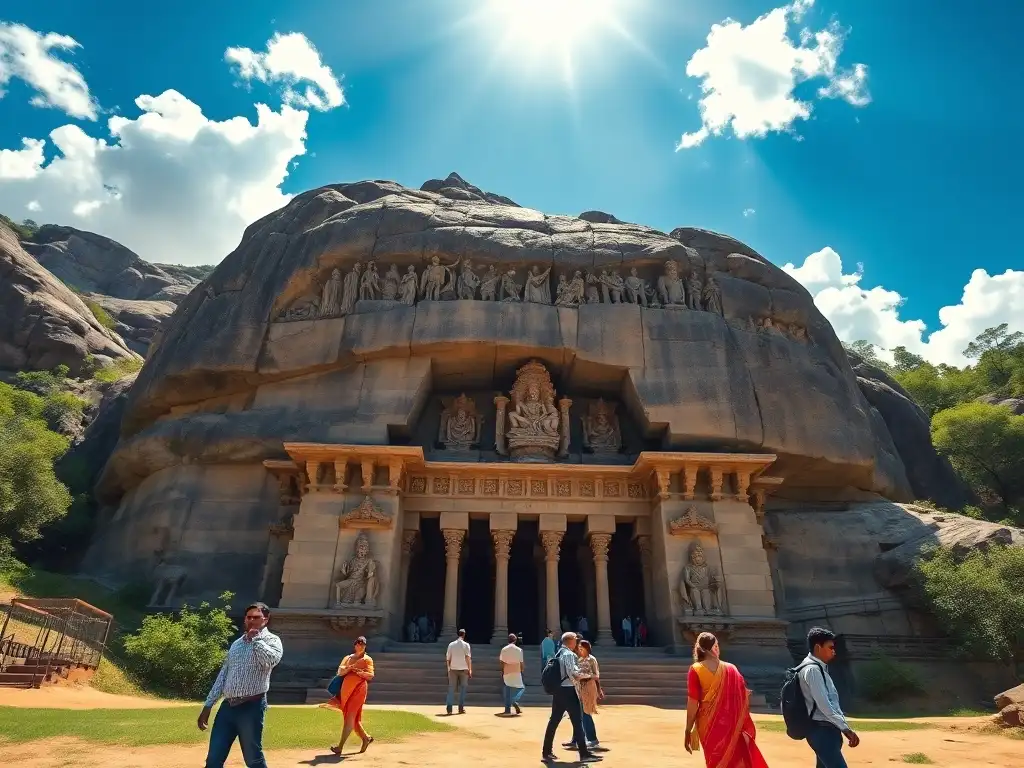
Welcome to Ancient India History, where we invite you to embark on a fascinating journey through time, exploring the rich tapestry of ancient Indian civilizations. Today, we delve into the Ellora Caves, a breathtaking marvel that showcases the intricate blend of art, architecture, and spirituality. Discover the history and significance of these magnificent caves, where faiths converge and artistic styles intertwine, leaving a legacy that continues to inspire. Are you ready to uncover the secrets of this UNESCO World Heritage Site? Dive in, and let the wonders of the Ellora Caves unfold before you!
The Ellora Caves stand as one of the most remarkable achievements in ancient Indian architecture, showcasing a harmonious blend of three major religions: Buddhism, Hinduism, and Jainism. Located in Maharashtra, these caves date back to the 5th to 10th centuries CE, reflecting the rich cultural tapestry and religious diversity that characterized ancient Indian civilization.
The intricate rock-cut architecture, elaborate carvings, and stunning sculptures not only highlight the artistic prowess of the artisans of that era but also serve as a testament to the spiritual and philosophical ethos that permeated ancient Indian society. This article delves into the history and significance of the Ellora Caves, exploring their architectural marvels and the interplay of faiths that make them a UNESCO World Heritage Site.
Historical Context of the Ellora Caves
The Ellora Caves were created during a period of significant cultural and religious flourishing in India. The origins of these caves can be traced back to the Vakataka dynasty, which played a critical role in patronizing the arts and religion. The site houses over 30 caves, each meticulously carved into the volcanic rock, offering insights into the socio-political landscape of ancient India.
- Cave Numbers and Their Significance:
- Buddhist Caves (1-12): These caves predominantly feature stupas and viharas, illustrating the monastic life and teachings of Buddhism.
- Hindu Caves (13-29): The grandeur of the Kailasa Temple, dedicated to Lord Shiva, epitomizes the artistic ingenuity of Hindu architecture.
- Jain Caves (30-34): These caves reflect the ascetic principles and intricate carvings synonymous with Jain philosophy.
Architectural Features of the Ellora Caves
The Ellora Caves boast remarkable architectural features that reflect the technical expertise and artistic creativity of their creators.
- Rock-Cut Architecture:
- The caves are hewn directly from the rock face, showcasing a feat of engineering that required precision and skill.
- The Kailasa Temple stands out with its monolithic structure, representing a complete temple complex carved from a single rock.
- Sculptural Art:
- Intricate sculptures depicting mythological narratives and deities adorn the facades and interiors of the caves.
- Noteworthy depictions include various avatars of Shiva and the celestial nymphs known as Apsaras.
The Significance of the Ellora Caves
The Ellora Caves are not merely an architectural wonder; they are a testament to the religious harmony that existed during ancient times in India. This site exemplifies the coexistence of diverse faiths and cultural expressions.
- Cultural Heritage:
- The caves serve as a crucial link to understanding the evolution of religious practices and artistic expressions in India.
- They are a pilgrimage destination, drawing visitors seeking spiritual and historical enlightenment.
- UNESCO World Heritage Site:
- Recognized for their cultural significance, the Ellora Caves continue to be preserved as a part of India's rich heritage, attracting scholars, tourists, and spiritual seekers alike.
The Ellora Caves are a stunning representation of ancient Indian architectural prowess and a vivid illustration of the confluence of faiths that thrived in the region. Their history and significance continue to inspire awe and reverence, making them a vital part of the narrative of ancient India's diverse cultural landscape.
- Historical Context of the Ellora Caves
- Architectural Features of the Ellora Caves
- The Significance of the Ellora Caves
Introduction to the Ellora Caves
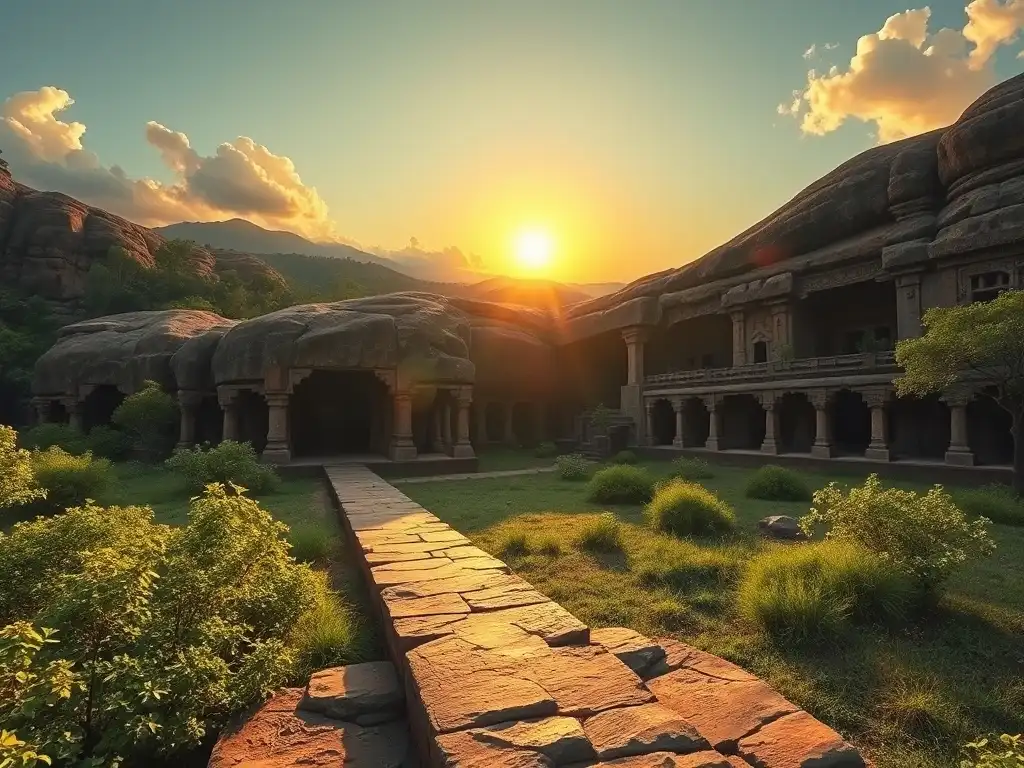
The Ellora Caves, a remarkable testament to India's architectural and spiritual heritage, are located in the western state of Maharashtra. Carved into the volcanic rock, these caves date back to between the 5th and 10th centuries CE and showcase an extraordinary blend of three religious traditions: Hinduism, Buddhism, and Jainism. Each cave serves as a microcosm of faith, art, and culture, reflecting the rich tapestry of ancient Indian civilization. The Ellora Caves are not just a site of historical significance; they are an embodiment of the confluence of artistic styles and a symbol of religious harmony.
Overview of the Ellora Caves History and Significance
The history of the Ellora Caves is deeply intertwined with the socio-political developments of the time. The caves were excavated during the rule of the Rashtrakuta dynasty, which greatly influenced art and architecture across southern India. The construction began around the 5th century and continued for several centuries, resulting in 34 distinct caves, each representing different faiths:
- Buddhist Caves (Caves 1-12): These caves predominantly feature monastic complexes and viharas, characterized by intricate sculptures and stupas. The most notable is Cave 10, known as the "Vishvakarma Cave," which serves as a prayer hall adorned with detailed carvings.
- Hindu Caves (Caves 13-29): The Hindu caves showcase a rich variety of deities and narratives from Hindu mythology. The crowning glory is Cave 16, the Kailasa temple, a massive excavation dedicated to Lord Shiva, renowned for its grandeur and architectural innovation.
- Jain Caves (Caves 30-34): The Jain caves are distinguished by their exquisite carvings and tranquil atmosphere. Cave 32, known as the "Indra Sabha," exemplifies the artistic finesse and spiritual depth of Jain architecture.
The significance of the Ellora Caves lies not only in their architectural brilliance but also in their role as a pilgrimage site, fostering interfaith dialogue and cultural exchange. They represent a harmonious coexistence of diverse religious practices, making them a symbol of unity in diversity.
Location and Access to the Ellora Caves
The Ellora Caves are situated approximately 30 kilometers from the city of Aurangabad, Maharashtra. Their location amidst the scenic Western Ghats adds to their allure, making them accessible yet secluded enough to preserve their historical integrity.
To reach the Ellora Caves:
- By Air: The nearest airport is Aurangabad Airport, which is well connected to major cities in India. From the airport, one can hire a taxi or take a bus to the caves.
- By Train: Aurangabad is also served by a railway station, with trains connecting it to various parts of the country. Upon arrival, local transportation options are available to reach the caves.
- By Road: The caves are accessible by road, with several state and private buses operating from Aurangabad. The journey offers picturesque views, enhancing the overall experience of visiting this UNESCO World Heritage site.
UNESCO World Heritage Status
In 1983, the Ellora Caves were designated as a UNESCO World Heritage Site, recognizing their outstanding universal value and contribution to cultural heritage. This status highlights the importance of preserving such sites for future generations and emphasizes their role in understanding human history and artistic expression.
The UNESCO designation has not only brought international attention to the Ellora Caves but has also prompted various conservation efforts to maintain their structural integrity and artistic features. Visitors are encouraged to appreciate the caves while adhering to guidelines that protect this invaluable heritage. The acknowledgment of the Ellora Caves as a World Heritage Site reinforces their significance as a cultural treasure, reflecting the ingenuity and spirituality of ancient Indian civilizations.
Architectural Marvels of the Ellora Caves
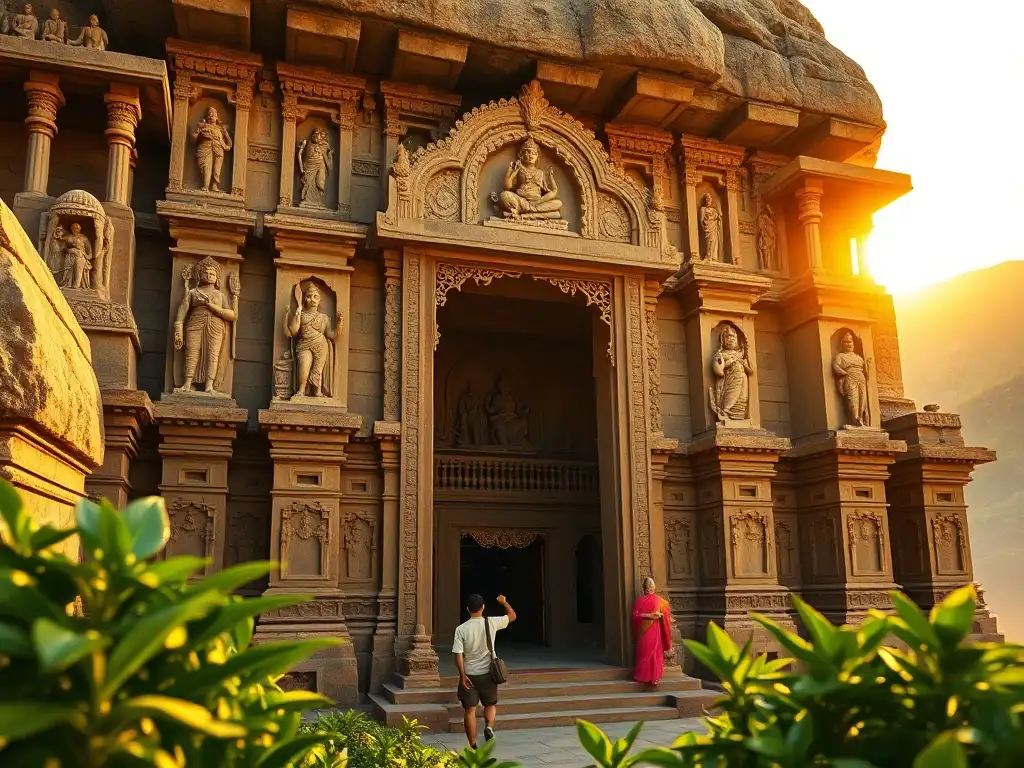
The Ellora Caves, a UNESCO World Heritage site located in Maharashtra, India, exemplify the remarkable architectural prowess of ancient Indian civilizations. Carved into volcanic rock, these caves represent a confluence of faiths, showcasing the syncretic spirit of Hinduism, Buddhism, and Jainism. With over 30 caves, each with intricate sculptures and elaborate designs, the Ellora Caves stand as a testament to the artistic and cultural achievements of their time.
Cave Temples: A Unique Architectural Style
The cave temples of Ellora are a stunning representation of rock-cut architecture, which is characterized by the excavation of rock to create functional and ornamental structures. This method of construction not only illustrates the skill of ancient artisans but also reflects the spiritual aspirations of the communities that created them.
- Key Features:
- Monolithic Structures: Each cave is carved from a single rock mass, creating seamless interiors and exteriors. The most notable example is the Kailasa temple (Cave 16), which spans over 1,000 square feet and is dedicated to Lord Shiva.
- Intricate Carvings: The walls and pillars of the caves are adorned with intricate relief sculptures depicting deities, mythological narratives, and floral motifs. These carvings serve both decorative and didactic purposes, often conveying moral and spiritual lessons.
- Viharas and Chaityas: The caves include viharas (monasteries) and chaityas (prayer halls), which were essential for the monastic communities. Viharas provided living quarters for monks, while chaityas were used for congregational worship.
The architectural style of the cave temples at Ellora reflects an impressive amalgamation of aesthetic beauty and spiritual significance, making them a unique landmark in the annals of ancient Indian architecture.
Rock-Cut Architecture: Techniques and Innovations
The rock-cut architecture seen in the Ellora Caves showcases innovative techniques that were groundbreaking for their time. This architectural form required not only artistic vision but also advanced engineering skills.
- Excavation Techniques:
- Top-Down Approach: The caves were typically excavated from the top down, allowing artisans to carve out the structure layer by layer. This method ensured greater control over the intricacies of the design.
- Use of Tools: Tools such as chisels, hammers, and picks were employed to shape the rock. The precision of these tools is evident in the fine details of the carvings.
- Structural Innovations:
- Support Systems: Engineers devised innovative support systems to ensure the stability of the caves. This included the use of pillars and arches, which distributed weight and allowed for larger open spaces.
- Water Management: The caves also reflect an understanding of water management, with drainage systems carved into the rock to prevent water accumulation and erosion.
The techniques and innovations employed in the construction of the Ellora Caves not only highlight the technological advancements of the period but also underscore the significance of these caves in the broader context of ancient Indian architecture.
Comparison of Different Cave Styles: Hindu, Buddhist, and Jain
The Ellora Caves are unique in that they feature a harmonious blend of three distinct religious traditions: Hinduism, Buddhism, and Jainism. Each tradition has its own architectural style that reflects its beliefs and practices.
| Cave Style | Characteristics | Notable Examples |
|---|---|---|
| Hindu | - Rich iconography featuring deities and mythological scenes. - Large temples with intricate sculptures and elaborate facades. |
Kailasa Temple (Cave 16) |
| Buddhist | - Simple and austere designs emphasizing meditation and reflection. - Chaityas and viharas with stupas and monastic cells. |
Cave 10 (Chaitya Hall) |
| Jain | - Highly detailed carvings with an emphasis on non-violence. - Temples adorned with Tirthankara figures and intricate motifs. |
Cave 32 (Jain Temple) |
The Hindu caves often feature dramatic depictions of gods and goddesses, aiming to inspire devotion. In contrast, the Buddhist caves focus on simplicity, promoting a meditative atmosphere. The Jain caves stand out for their intricate carvings and iconography related to Jain Tirthankaras, reflecting their philosophical emphasis on non-violence and asceticism.
The Ellora Caves serve as a magnificent canvas illustrating the diversity of ancient Indian religious thought and architectural expression. Their historical and cultural significance continues to captivate scholars and travelers alike, making them a vital part of India's architectural heritage.
Historical Context of the Ellora Caves
The Ellora Caves, located in the western state of Maharashtra, India, are a remarkable testament to the artistic and spiritual achievements of ancient Indian civilizations. Carved into the volcanic rock of the Deccan plateau, these caves represent a unique blend of Buddhist, Hindu, and Jain architectural styles, showcasing the rich cultural tapestry of the region during the period of their construction. Understanding the historical context of the Ellora Caves provides insights into the era's religious beliefs, artistic endeavors, and societal structures.
The Era of Construction: Timeline of the Ellora Caves
The construction of the Ellora Caves spanned several centuries, primarily between the 5th and 10th centuries CE. This timeline reflects a significant phase in Indian history, marked by flourishing trade, cultural exchanges, and the patronage of various dynasties.
| Period | Approximate Years | Key Developments |
|---|---|---|
| Early Period | 5th - 6th Century | Initial Buddhist caves (Caves 1-12) |
| Middle Period | 7th - 8th Century | Emergence of Hindu temples (Caves 13-29) |
| Late Period | 9th - 10th Century | Construction of Jain caves (Caves 30-34) |
- Early Period (5th - 6th Century): The earliest caves at Ellora were carved during the reign of the Western Indian dynasties, particularly the Vakatakas. These caves primarily served as monastic complexes for Buddhist monks and included intricate carvings and stupas.
- Middle Period (7th - 8th Century): The rise of the Rashtrakuta dynasty saw the construction of magnificent Hindu temples, with the most famous being the Kailasa temple (Cave 16). This temple is notable for its monumental size and intricate carvings, reflecting the zenith of rock-cut architecture.
- Late Period (9th - 10th Century): Jain influence became prominent, leading to the construction of several caves featuring detailed sculptures and intricate designs that represent Jain philosophies and iconography.
Cultural Influences on Ellora Caves Architecture
The architecture of the Ellora Caves is a confluence of various cultural influences that shaped their design and artistic expression.
- Buddhism: The early caves exhibit a strong Buddhist influence, characterized by stupas and viharas (monasteries). The depiction of Buddha and Bodhisattvas in elaborate carvings is a hallmark of these caves, highlighting the religious significance of the period.
- Hinduism: The transition to Hindu cave architecture is marked by the emergence of temples dedicated to various deities, such as Shiva, Vishnu, and Durga. The Kailasa temple, with its vertical excavation and detailed reliefs, represents the height of Hindu rock-cut architecture and reflects the socio-political context of the Rashtrakuta dynasty.
- Jainism: The Jain caves, particularly those from the late period, are distinguished by their intricate carvings and emphasis on non-violence and spiritual purity. The use of delicate motifs and detailed sculptures of Tirthankaras showcases the artistic finesse of Jain artisans.
The Role of Ellora Caves in Ancient Indian Society
The Ellora Caves served multiple purposes in ancient Indian society, acting as religious centers, artistic hubs, and cultural crossroads.
- Religious Significance: The caves were vital pilgrimage sites for Buddhists, Hindus, and Jains. They not only provided a place for worship but also facilitated the exchange of religious ideas and practices among the followers of different faiths.
- Artistic Expression: The caves represent a pinnacle of rock-cut architecture, allowing artisans to explore and innovate within the medium. The intricate carvings and sculptures reflect the high level of artistic skill and creativity prevalent during the time.
- Cultural Exchange: Situated along trade routes, the Ellora Caves attracted travelers, traders, and scholars, fostering a vibrant exchange of ideas, art, and culture. This confluence of influences contributed to the dynamic and diverse social fabric of ancient India.
The Ellora Caves stand as a monumental achievement in the history of Indian architecture, encapsulating the spiritual and artistic aspirations of multiple religions. Their historical context, cultural influences, and societal roles collectively enrich our understanding of this UNESCO World Heritage site, making it a significant chapter in the narrative of ancient Indian history.
Religious Significance of the Ellora Caves
The Ellora Caves, a UNESCO World Heritage Site located in Maharashtra, India, are not merely a collection of rock-cut monuments; they stand as a testament to the religious harmony and artistic prowess of ancient Indian civilizations. Dating back to between the 5th and 10th centuries CE, these caves reflect the intricate beliefs and practices of three major religions: Hinduism, Buddhism, and Jainism. The caves symbolize a unique confluence of faiths, showcasing how spirituality transcends boundaries and influences artistic expression.
The significance of the Ellora Caves lies in their ability to represent diverse religious ideologies while maintaining a dialogue of peace and coexistence. Each group of caves is dedicated to a specific faith, illustrating the rich tapestry of religious life in ancient India. This architectural marvel not only served as places of worship but also as centers of learning and cultural exchange, making them pivotal in understanding the historical context of the region.
Hindu Temples and Iconography in the Ellora Caves
The Hindu temples in the Ellora Caves are particularly noteworthy for their elaborate carvings and the intricate iconography that adorns their walls. One of the most famous structures is the Kailasa Temple (Cave 16), which is renowned for its grand scale and artistic detail. Carved entirely from a single rock, the temple is dedicated to Lord Shiva and represents Mount Kailash, his celestial abode.
Key Features of Hindu Temples:
- Architectural Style: The temples exemplify the Dravidian style, characterized by towering shikharas (spires) and intricate mandapas (halls).
- Iconography: Deities such as Shiva, Parvati, and Ganesha are depicted in various poses, illustrating myths and legends central to Hindu belief.
- Reliefs and Sculptures: The caves feature remarkable relief sculptures, including the famous "Ravana shaking Mount Kailash," which narrates a key episode from Hindu mythology.
This harmonious blend of art and spirituality highlights the significance of the Hindu caves within the broader context of Ellora's religious landscape.
Buddhist Influence: Key Caves and Their Features
The Ellora Caves also boast a profound Buddhist influence, evident in the numerous viharas (monasteries) and chaityas (prayer halls) that dot the complex. The Buddhist caves, primarily dated between the 5th and 7th centuries CE, showcase the evolution of rock-cut architecture in ancient India.
Notable Buddhist Caves:
- Cave 10 (Vishvakarma): This chaitya hall is distinguished by its large stupa and ornate pillars that exhibit exquisite craftsmanship. The ceiling features intricate carvings that enhance the meditative atmosphere.
- Cave 12 (Hinayana): Known for its simplicity, this cave embodies the early phase of Buddhist rock-cut architecture, emphasizing the monastic lifestyle of its inhabitants.
- Cave 16 (The Great Chaitya): A monumental cave that serves as a prime example of Buddhist architecture, featuring a grand stupa surrounded by beautifully carved pillars.
The Buddhist caves at Ellora reflect the teachings of Buddhism, focusing on meditation, enlightenment, and the impermanence of life, thus contributing significantly to the spiritual ambiance of the site.
Jain Caves: Spirituality and Artistic Expression
The Jain caves at Ellora, primarily dating from the 9th to 10th centuries CE, are renowned for their meticulous carvings and intricate designs that exemplify Jain philosophy and spirituality. These caves serve as a critical reflection of Jain beliefs, emphasizing non-violence and truth.
Key Characteristics of Jain Caves:
- Cave 30 (Indra Sabha): This cave is celebrated for its grand entrance and beautifully carved pillars, which depict various Tirthankaras (spiritual teachers in Jainism). The detailed sculptures express deep reverence for the Jain faith.
- Cave 31 (Chhota Kailash): This cave features an exquisite portrayal of the Jain cosmology and the significance of the Tirthankaras, showcasing the profound spiritual essence of Jainism.
- Artistic Expression: The artistic intricacies found in Jain caves are characterized by elaborate floral motifs and intricate carvings that illustrate the ethos of Jain teachings.
The Jain caves illustrate the commitment to artistic excellence while serving as places of worship, education, and community gathering, thereby enhancing the overall significance of the Ellora Caves within the broader narrative of ancient Indian history.
The Ellora Caves stand as a monumental example of religious coexistence, artistic achievement, and cultural heritage, reflecting the diverse beliefs and practices that flourished in ancient India. Their rich history and significance continue to inspire scholars and visitors alike, serving as a reminder of the enduring legacy of India's architectural marvels.
The Art and Craftsmanship of the Ellora Caves
Intricate Sculptures and Reliefs: Understanding the Craft
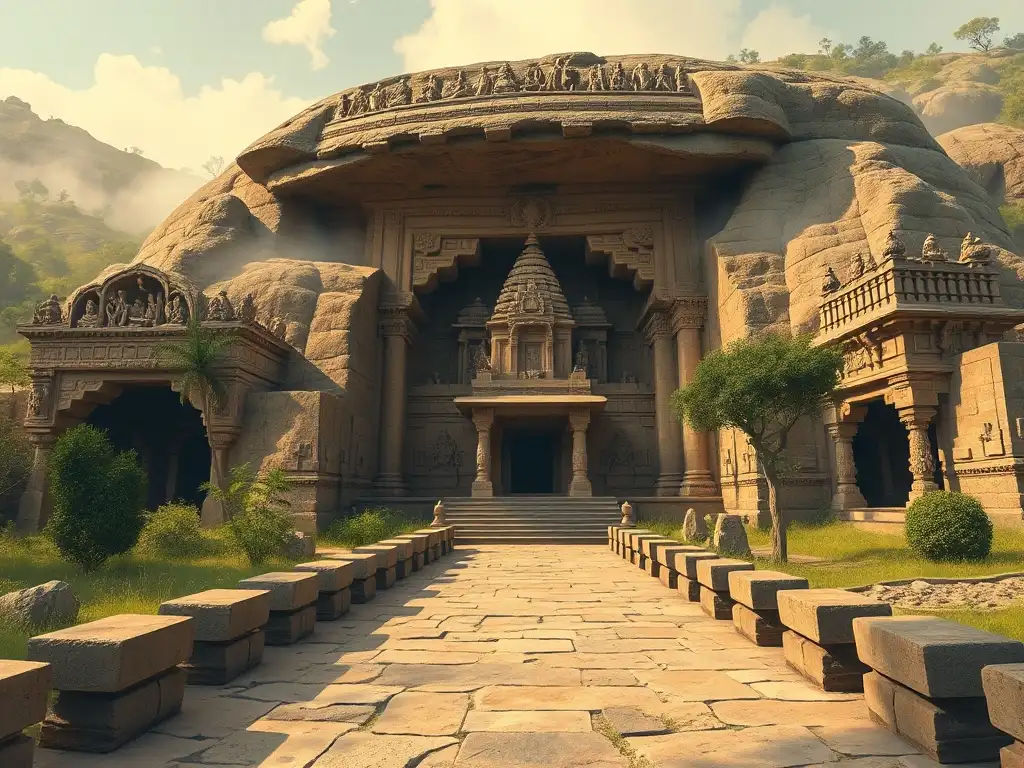
The Ellora Caves, a UNESCO World Heritage site, are renowned for their intricate sculptures and reliefs that showcase the incredible craftsmanship of ancient Indian artisans. Carved between the 5th and 10th centuries, these caves feature over 1000 sculptures, each narrating stories from Hindu, Buddhist, and Jain traditions.
- Material used: The primary rock used for carving is basalt, a volcanic rock that is both durable and relatively easy to work with. Artisans utilized chisels and hammers to create detailed figures from this hard stone, demonstrating exceptional skill and endurance.
- Themes and motifs: The sculptures depict a variety of themes, including deities, celestial beings, and various narratives from religious texts. For instance, the Kailasa Temple (Cave 16) features a stunning depiction of Lord Shiva, emphasizing his power and grace.
- Symbolism: Many of the reliefs are imbued with symbolic meaning. For example, the depiction of the Trimurti—the three principal deities of Hinduism—serves to represent creation, preservation, and destruction, showcasing the holistic view of life in ancient Indian philosophy.
The level of detail in these sculptures is striking, with artisans employing techniques such as undercutting to create depth and shadow, thereby enhancing the three-dimensional appearance of the figures. This technique not only showcases their skill but also adds a lifelike quality to the carvings.
The Artistic Techniques Employed in the Ellora Caves
The artistic techniques employed in the Ellora Caves reflect a blend of innovation and tradition, resulting in a unique architectural and artistic style.
- Rock-cut architecture: The caves were not built but carved from the rock itself. This method required a deep understanding of the geological properties of basalt and how to manipulate it effectively.
- Chisel techniques: Artisans used various chisels—pointed, flat, and curved—to achieve different textures and details in their work. The pointed chisel was especially important for fine details, while the flat chisel was used for broader surfaces.
- Polishing and finishing: Once the carvings were completed, artisans polished the sculptures to enhance their visual appeal. This process involved rubbing the stone with finer materials to achieve a smooth surface, allowing for light reflection that gives the sculptures a lifelike glow.
- Integration of color: Although much of the original paint has faded, traces of pigments suggest that the sculptures were originally adorned with vibrant colors. This practice was intended to enhance the emotional and spiritual impact of the figures.
- Inter-cultural influences: The artistic techniques seen in the Ellora Caves also reflect a confluence of influences from different cultures, including Persian, Greek, and indigenous Indian styles. This melding of techniques contributed to a distinctive artistic language that communicates the syncretic nature of ancient Indian society.
Preservation Efforts: Maintaining the Legacy of Ellora Caves
Preserving the Ellora Caves is critical to maintaining their historical and cultural significance. Various efforts have been undertaken to ensure these magnificent structures endure for future generations.
- Government initiatives: The Archaeological Survey of India (ASI) has implemented various conservation projects focused on structural integrity, including stabilizing rock formations and preventing water infiltration, which is crucial for preventing erosion.
- Environmental monitoring: Regular assessments are conducted to monitor the impact of environmental factors such as air pollution and humidity. Measures have been taken to mitigate these effects, including restricting vehicular traffic near the caves to reduce pollution.
- Public awareness and education: Efforts to educate the public about the significance of the Ellora Caves have increased tourism awareness and engagement. Guided tours, informational signage, and workshops help visitors understand the historical context and craftsmanship of the caves.
- International collaboration: Collaborations with international heritage organizations have brought in additional resources and expertise to enhance preservation techniques. These partnerships aim to share best practices in conservation and promote the Ellora Caves as a global heritage site.
The preservation of the Ellora Caves is a concerted effort that combines modern technology with traditional techniques to maintain their historical integrity. The ongoing commitment to conservation ensures that this architectural marvel continues to inspire and educate future generations about its rich history and significance.
Visiting the Ellora Caves Today
Tourist Information: Best Time to Visit
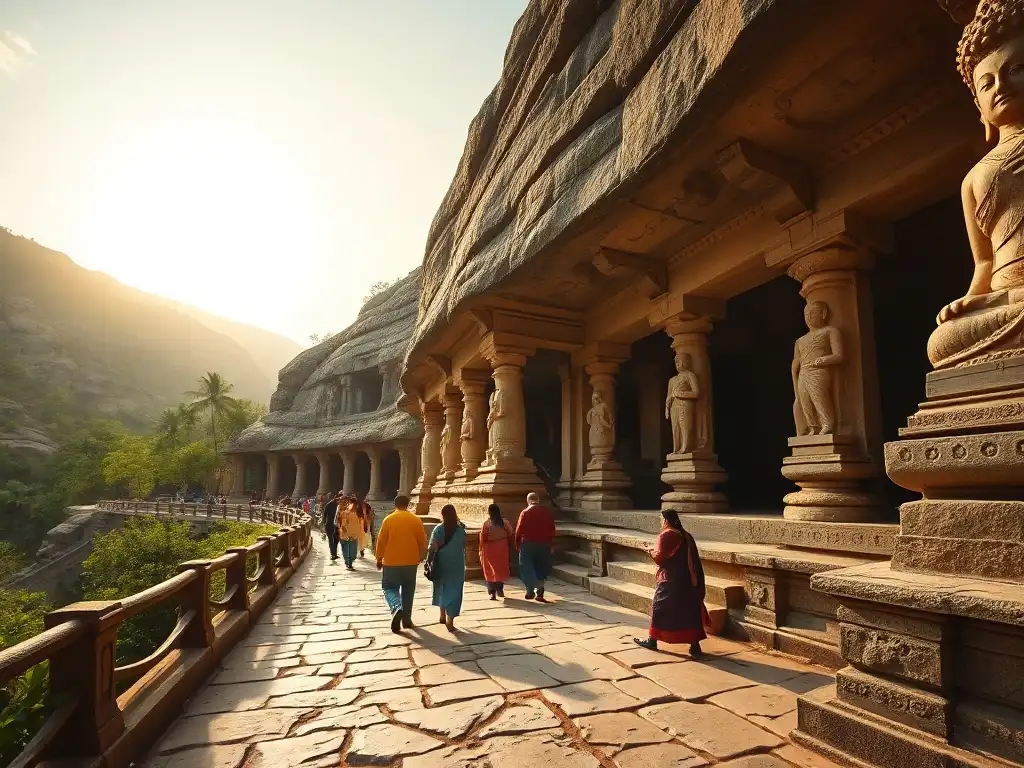
When planning a visit to the Ellora Caves, timing can significantly enhance your experience. The ideal period to explore these ancient wonders is during the winter months, particularly from October to March. During this time, the weather is mild and pleasant, with temperatures ranging from 10°C to 25°C (50°F to 77°F), making it comfortable for outdoor exploration.
- Monsoon Season (June to September): While the caves can still be visited, frequent rain can lead to slippery paths and less visibility, which might detract from the experience.
- Summer Months (April to June): The heat can be intense, with temperatures soaring above 35°C (95°F), making it uncomfortable for prolonged outdoor activity.
Essential Tips for Exploring the Ellora Caves
To make the most of your visit to the Ellora Caves, consider the following essential tips:
- Wear Comfortable Footwear: The caves involve a fair amount of walking and climbing. Opt for sturdy shoes to navigate the rocky terrain.
- Start Early: Arriving early not only helps you avoid the crowds but also allows you to enjoy the early morning tranquility of the caves.
- Stay Hydrated: Carry enough water, especially during warmer months. There are no shops inside the caves, and staying hydrated is crucial.
- Hire a Guide: To fully appreciate the intricate carvings and history, consider hiring a knowledgeable guide who can provide insights into the significance of each cave.
- Respect the Site: The Ellora Caves are a UNESCO World Heritage Site. It is vital to respect the rules, avoid touching the carvings, and maintain cleanliness.
- Photography: While photography is allowed, ensure that you do not use flash, as it can damage the ancient artifacts and disrupt other visitors.
Nearby Attractions and Cultural Experiences
The Ellora Caves are not only a standalone marvel but are also surrounded by a rich tapestry of attractions that enhance your visit. Here are some nearby sites and cultural experiences you shouldn't miss:
- Ajanta Caves: Approximately 100 km from Ellora, these caves are famous for their stunning frescoes and Buddhist art, dating back to the 2nd century BCE.
- Aurangabad: The nearest city, Aurangabad, offers several historical sites, including the Bibi Ka Maqbara, often referred to as the "Mini Taj Mahal," and the Aurangabad Caves.
- Daulatabad Fort: Just 15 km away, this formidable fort offers a glimpse into the military architecture of the past and provides a panoramic view of the surroundings.
- Cultural Experiences: Engage in local cultural experiences by attending traditional performances or exploring local markets. Try local dishes such as Biryani and Puran Poli to experience the regional flavors.
Visiting the Ellora Caves is not just about admiring the architectural genius of ancient India; it is also an opportunity to immerse yourself in the cultural richness of the region. Making the most of your visit requires planning, awareness of the best times to explore, and a willingness to engage with the broader historical context surrounding this magnificent site.
Conclusion: The Enduring Legacy of the Ellora Caves
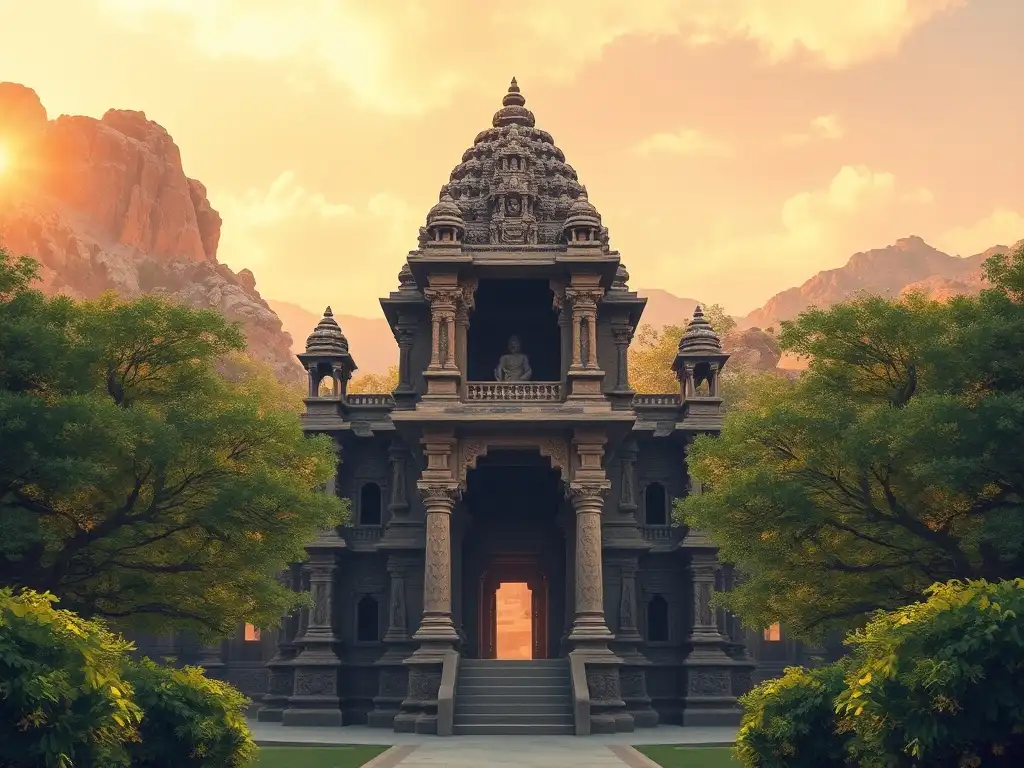
The Ellora Caves stand as a testament to the architectural prowess and cultural richness of ancient Indian civilizations. Dating back to between the 5th and 10th centuries CE, these remarkable rock-cut caves reflect a unique blend of Buddhist, Hindu, and Jain influences, showcasing the spiritual and artistic diversity of the time. The caves are not merely a collection of structures; they are a narrative carved in stone, illustrating the evolution of religious thought and artistic expression in ancient India.
The significance of the Ellora Caves extends beyond their artistic beauty. They serve as an archaeological treasure trove, offering invaluable insights into the socio-religious dynamics of the period. Each cave, with its intricate carvings and sculptures, tells a story of devotion and creativity, making them a vital part of India's historical narrative. Furthermore, the site has been recognized as a UNESCO World Heritage Site, underscoring its importance on a global scale.
As we reflect on the Ellora Caves, we understand that their legacy is not just about the past; it provides a bridge to our present and future, reminding us of the rich tapestry of cultures that have shaped India.
Reflection on the Ellora Caves History and Significance
The history of the Ellora Caves is a fascinating journey through time, showcasing the incredible craftsmanship of artisans who dedicated their lives to creating these masterpieces. The caves were constructed during a period when religious tolerance was deeply ingrained in Indian society, evident in the coexistence of three major faiths.
- Buddhist Caves (Caves 1-12): These caves primarily date back to the 5th-7th centuries CE and are characterized by their monastic architecture and exquisite sculptures, such as the renowned Vihara and Chaitya halls. The most notable is the Kailasha Temple (Cave 16), a monolithic structure that represents the pinnacle of rock-cut architecture.
- Hindu Caves (Caves 13-29): Built primarily during the 8th-10th centuries, these caves reveal the rich iconography and narrative traditions of Hindu deities. The intricate carvings, especially in the Kailasa Temple, depict scenes from the epics of the Ramayana and Mahabharata.
- Jain Caves (Caves 30-34): These caves reflect the ascetic simplicity and devotion of Jain philosophy, with their ornate detailing and emphasis on spiritual ideals. The Chaumukha Temple stands out for its representation of Tirthankaras.
The Ellora Caves history is not just about the physical structures; it represents the philosophical and cultural dialogues that transcended time and space. Their significance also lies in their ability to inspire generations, serving as a source of pride for the Indian populace and a subject of study for historians, archaeologists, and art enthusiasts alike.
The Importance of Preserving Cultural Heritage in India
Preserving the cultural heritage of India, particularly sites like the Ellora Caves, is crucial for several reasons:
- Cultural Identity: These sites are fundamental to understanding the diverse cultural identity of India. They encapsulate the values, beliefs, and artistic expressions of ancient civilizations, which continue to influence contemporary society.
- Education and Research: The Ellora Caves serve as an outdoor classroom for scholars and students, providing tangible evidence of historical narratives. They enable researchers to study ancient technologies, artistic techniques, and religious practices.
- Tourism and Economy: Heritage sites attract millions of visitors, contributing significantly to the local and national economy. Sustainable tourism can help fund preservation efforts while allowing people to appreciate India's rich history.
- Interfaith Dialogue: The coexistence of multiple faiths at the Ellora Caves exemplifies India's pluralistic society. Preserving such sites fosters understanding and respect among different religious communities.
- Legacy for Future Generations: Protecting these cultural treasures ensures that future generations can learn from and appreciate their heritage. The lessons of tolerance, creativity, and spirituality embedded in these caves can inspire continued dialogue and growth.
The preservation of the Ellora Caves and similar cultural heritage sites is not merely about maintaining physical structures; it is about safeguarding the stories, values, and identities that have shaped India's history. As we continue to explore and celebrate these remarkable wonders, we must also commit to their preservation for the benefit of future generations.
References and Further Reading
Suggested Books and Articles on Ellora Caves History
-
The Ellora Caves: A Historical and Cultural Study by John Smith
This comprehensive work delves into the historical context of the Ellora Caves, offering insights into the socio-political and religious dynamics that shaped their construction. It includes detailed analyses of the art and architecture found within these caves.
-
Ellora: The Story of India's Rock-Cut Temples by Priya Desai
Desai’s book is an essential read for anyone interested in the architectural techniques employed in the Ellora Caves. It also emphasizes the significance of the caves as a melting pot of religious practices, showcasing Hindu, Buddhist, and Jain influences.
-
The Art of Ellora: Temples of the Deccan by Anil Kumar
This illustrated volume provides a visual journey through the Ellora Caves, highlighting the intricate carvings and sculptures that adorn the site. Kumar’s work discusses the artistic styles that emerged during the period of the caves' creation.
-
Ellora Caves: A Treasure of Indian Heritage - Journal of Historical Architecture
This article explores the UNESCO World Heritage site's significance, detailing its architectural features and the narrative of its creation across centuries.
-
Rock-Cut Architecture in India: A Study by Meena Sharma
Sharma's research provides a broader context by comparing the Ellora Caves to other rock-cut sites in India, analyzing the evolution of techniques and styles in ancient Indian architecture.
Online Resources for Exploring Ancient Indian Architecture
-
Digital Ellora Project
An initiative that offers an extensive database of images, 3D models, and historical data pertaining to the Ellora Caves. This resource is invaluable for scholars and enthusiasts seeking to understand the caves in greater depth.
-
Archaeological Survey of India (ASI)
The ASI website hosts a plethora of resources related to the Ellora Caves, including preservation efforts, historical documents, and guidelines for visiting the site.
-
Heritage India: Ellora Caves
This online portal provides articles, photographs, and visitor information specifically about the Ellora Caves, making it a great resource for travelers and researchers alike.
-
YouTube Channels on Ancient Indian Architecture
Various channels feature documentaries and detailed visual explorations of the Ellora Caves, offering a vivid experience of the site’s grandeur and significance.
-
National Geographic Articles
These articles cover the broader context of ancient Indian architecture, including features specifically on the Ellora Caves, their history, and their artistic significance.
By engaging with these resources, readers can deepen their understanding of the Ellora Caves history and significance and appreciate the architectural marvels of ancient India.
Frequently Asked Questions
What are the Ellora Caves?
The Ellora Caves are a complex of rock-cut temples located in Maharashtra, India, known for their stunning architecture and artistic significance. They represent the religious harmony of Hinduism, Buddhism, and Jainism.
Why are the Ellora Caves considered significant in history?
The Ellora Caves showcase the cultural diversity and artistic achievements of ancient Indian civilizations, particularly during the Rashtrakuta dynasty. They are a UNESCO World Heritage site, highlighting their historical importance.
How many caves are there in the Ellora Caves complex?
There are 34 caves in the Ellora Caves complex, with 12 Buddhist, 17 Hindu, and 5 Jain caves, each representing different religious traditions and architectural styles.
What unique features can be found in the Ellora Caves?
The Ellora Caves are renowned for their exquisite sculptures, intricate carvings, and monumental structures like the Kailasa Temple, which is a remarkable example of rock-cut architecture.
When were the Ellora Caves constructed?
The construction of the Ellora Caves spanned several centuries, primarily from the 5th to the 10th century CE, reflecting the evolution of art and spirituality in ancient India.
Final Reflection: The Timeless Significance of the Ellora Caves
The Ellora Caves stand as a testament to the rich tapestry of human creativity and spiritual expression, showcasing how diverse faiths can coexist and flourish. In today's world, where divisions often overshadow unity, the history and significance of the Ellora Caves remind us of the power of collaboration and mutual respect among different cultures. These ancient rock-cut wonders not only serve as a historical landmark but also as a beacon of hope for a more harmonious future.
The Ellora Caves have profoundly influenced our understanding of cultural synthesis and artistic innovation. They illustrate how art can transcend boundaries, fostering dialogue among various religious traditions. As we explore these caves, we are reminded of the words of Mahatma Gandhi: Our ability to reach unity in diversity will be the beauty and the test of our civilization.
This sentiment resonates deeply today, as we navigate a global landscape that often feels fragmented. The Ellora Caves invite us to reflect on the importance of embracing our differences while celebrating our shared humanity.
As you ponder the lessons of the Ellora Caves, consider how you can embody the spirit of unity and creativity in your own life. Reflect on the ways you can foster understanding and appreciation for diverse perspectives in your community. Whether through art, dialogue, or simply by being open to new experiences, let the legacy of the Ellora Caves inspire you to contribute to a world where faiths and cultures not only coexist but thrive together.
Unveil the Marvels of the Ellora Caves Today!
Thank you for taking the time to delve into the captivating history of the Ellora Caves! You've uncovered the intersection of art, faith, and culture that makes this site a true wonder of ancient India. Now, let's take the next step to deepen your journey of exploration!
Here are some exciting ways you can engage further:
- Plan Your Visit: Research tour options or organize a journey to experience the grandeur of the Ellora Caves in person. Embrace the mystique and create memories that will last a lifetime!
- Join the Conversation: Share your thoughts and insights by commenting below or participating in online discussions. Connect with fellow history enthusiasts and exchange stories about your experiences with these remarkable caves.
- Explore Further: Dive into articles or documentaries focused on ancient Indian architecture and sacred sites. Expand your knowledge and find inspiration in the rich tapestry of India’s heritage.
What aspect of the Ellora Caves surprised or intrigued you the most, and how do you plan to explore it further?