
The Life of Mahaprajapati: The First Female Buddhist Monastic

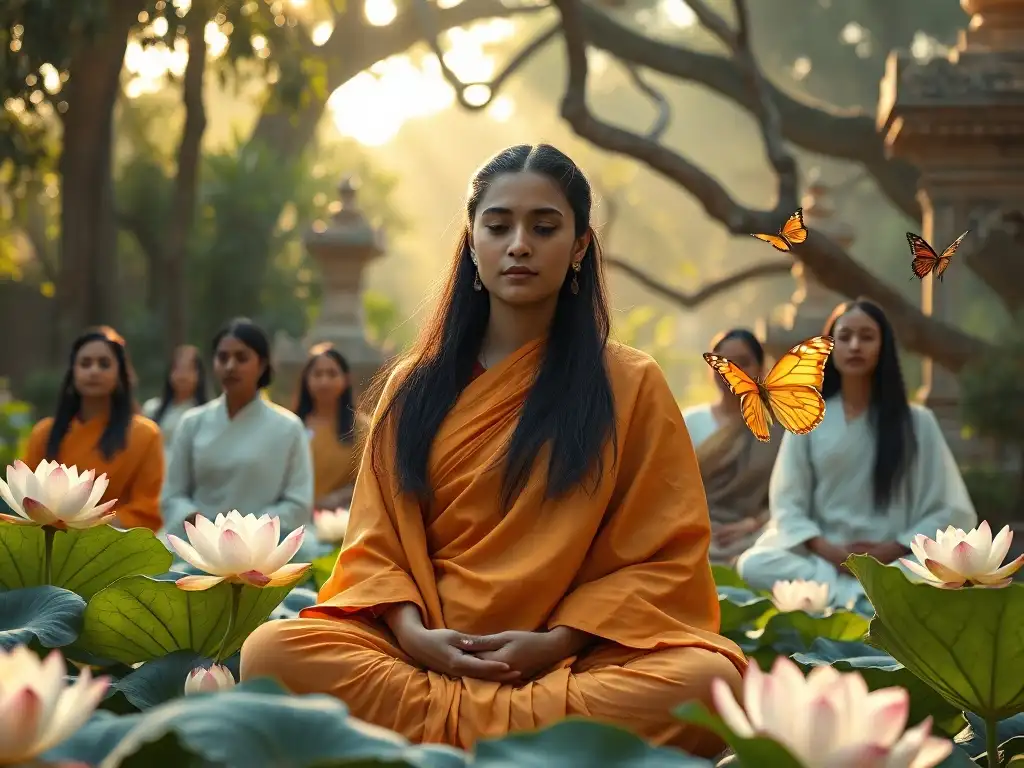
Welcome to Ancient India History, where we embark on a captivating journey through the rich tapestry of ancient Indian civilizations. Here, we delve into the remarkable stories and contributions that have shaped a culture steeped in wisdom and tradition. Today, we invite you to explore the inspiring narrative of Mahaprajapati, the first female Buddhist monastic, and uncover the pivotal role of women in ancient Indian Buddhism.
What challenges did she face, and how did her legacy pave the way for future generations? Join us as we unravel the threads of history and discover the profound impact of women's voices in this ancient spiritual landscape. Your exploration begins now!
- Introduction to Mahaprajapati and Women in Ancient Indian Buddhism
- Early Life of Mahaprajapati
- Mahaprajapati's Journey to Monastic Life
- Establishing the First Female Monastic Community
- Teachings and Contributions of Mahaprajapati
- The Legacy of Mahaprajapati
- Conclusion
-
Frequently Asked Questions
- What is the significance of Mahaprajapati in Buddhism?
- How did Mahaprajapati contribute to the establishment of the monastic community?
- What challenges did Mahaprajapati face in her pursuit of ordination?
- How did Mahaprajapati's life influence the status of women in Buddhism?
- What can we learn from Mahaprajapati's story today?
- Final Reflection: Empowering Women in Ancient Indian Buddhism
- Unleash the Wisdom of Mahaprajapati – Take Action Today!
Introduction to Mahaprajapati and Women in Ancient Indian Buddhism
The history of ancient India is replete with influential figures who shaped its religious and cultural landscape. Among these figures, Mahaprajapati Gautami stands out as a pioneering force in the realm of Buddhism, particularly in her role as the first female monastic. As the aunt and foster mother of Siddhartha Gautama, who would become the Buddha, she not only played a crucial part in his early life but also forged the path for women in a religious landscape predominantly dominated by men.
Her establishment of the Bhikkhuni Sangha, the order of female monks, marked a significant milestone in the acceptance and participation of women in Buddhist practices. This article delves into the life of Mahaprajapati and highlights her remarkable contributions, while also examining the broader context of women in ancient Indian Buddhism, their struggles, achievements, and the lasting impact they had on the spiritual traditions of the time.
Overview of Mahaprajapati's Significance in Buddhism
Mahaprajapati Gautami is often regarded as a foundational figure in Buddhism for several reasons. Firstly, she was instrumental in advocating for the inclusion of women in the monastic community. Her persistent requests to the Buddha led to the establishment of the Bhikkhuni Sangha, which allowed women to pursue enlightenment through monastic life. This was a revolutionary step, as it challenged the prevailing norms of society that restricted women's participation in spiritual practices.
- Key Contributions:
- Establishment of the Bhikkhuni Sangha: Mahaprajapati's efforts culminated in the Buddha's consent to allow women to become nuns, thereby formalizing their role within the Buddhist community.
- Promoting Gender Equality: Through her actions, she laid the groundwork for gender equality in spiritual pursuits, encouraging women to seek their own paths to enlightenment.
- Role Model: Mahaprajapati served as an inspiration for future generations of women, demonstrating that spiritual authority was not limited by gender.
The Role of Women in Ancient Indian Buddhism
The role of women in ancient Indian Buddhism was complex and multifaceted, reflecting both opportunities and challenges. While Mahaprajapati's establishment of the Bhikkhuni Sangha opened doors for women, their experiences varied widely depending on social, cultural, and regional contexts.
- Key Aspects of Women's Roles:
- Participation in Monastic Life: Women who joined the Bhikkhuni Sangha were able to engage in rigorous spiritual practices, study the teachings of the Buddha, and lead communities of their own.
- Contributions to Buddhist Literature: Many female monastics contributed to the development of Buddhist texts and teachings, leaving behind a legacy of wisdom.
- Social Barriers: Despite these advancements, women often faced social stigmas and limitations imposed by patriarchal structures that persisted in society.
The life of Mahaprajapati and the broader role of women in ancient Indian Buddhism highlight a significant yet often overlooked aspect of religious history. By examining their contributions and struggles, we gain a deeper understanding of the complexities surrounding gender and spirituality in ancient India, paving the way for a more inclusive perspective on the evolution of Buddhism.
Early Life of Mahaprajapati
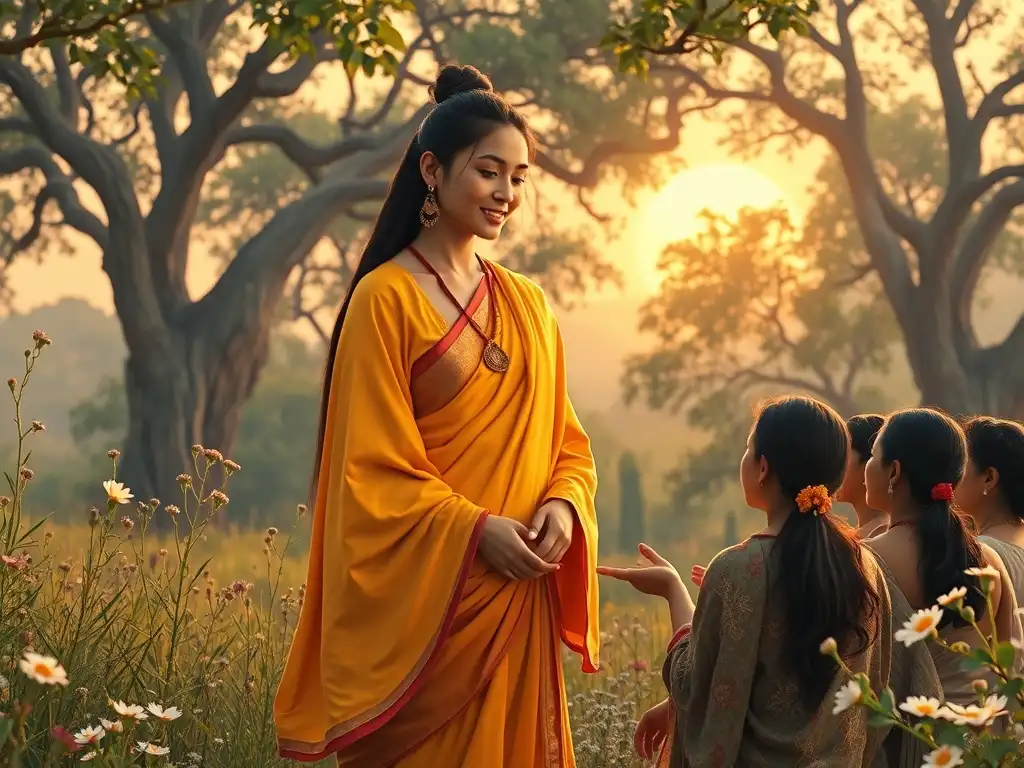
Mahaprajapati Gautami, recognized as the first female Buddhist monastic, holds a pivotal role in the history of Buddhism and the empowerment of women within this ancient tradition. Her life story is not just about her spiritual journey but also reflects the sociopolitical landscape of ancient India during her time.
Background and Family of Mahaprajapati
Mahaprajapati was born into a royal family in the Shakya clan, which is closely associated with the life of Siddhartha Gautama, who would later become the Buddha. As the sister of Queen Yasodhara, she was intricately linked to the early Buddhist community. After the birth of Siddhartha, Mahaprajapati played a significant role in the upbringing of his son, Rahula, further solidifying her importance within the familial structure of the fledgling Buddhist society.
Her familial connections provided her access to the teachings of the Buddha, as the Shakya clan was one of the first to embrace his philosophy. However, her life was marked by tragedy with the passing of her husband, which catalyzed her spiritual quest. Seeking deeper understanding and fulfillment, Mahaprajapati chose to renounce worldly attachments, a decision that was revolutionary for women of her time.
Cultural Context of Women in Ancient India
In ancient India, women played complex roles that varied widely across different regions and communities. The status of women was often shaped by the prevailing cultural and religious norms. While some texts depict women as subservient, others, like the Buddhist scriptures, provide narratives of female empowerment.
- Social Status: Women in ancient Indian society had limited rights and were generally expected to adhere to domestic roles. However, notable figures like Mahaprajapati challenged these norms by actively participating in spiritual life and leadership.
- Religious Participation: The emergence of Buddhism offered women a unique avenue for spiritual exploration. Mahaprajapati's establishment of the Bhikkhuni Sangha marked a significant shift, allowing women to engage in monastic life and spiritual practice on par with men. This was a groundbreaking development in a society that often relegated women to subordinate roles.
- Influence of Bhakti: The rise of Bhakti (devotional) movements in ancient India also contributed to the changing perceptions of women's roles. These movements appreciated the divine feminine and encouraged women's participation in religious life, aligning with Mahaprajapati's vision for female monastics.
Mahaprajapati's early life and the cultural context in which she lived were instrumental in shaping her path as a pioneering figure in Buddhism. Her legacy continues to inspire discussions about the role of women in ancient Indian Buddhism and their contributions to spiritual practices and monastic traditions.
Mahaprajapati's Journey to Monastic Life
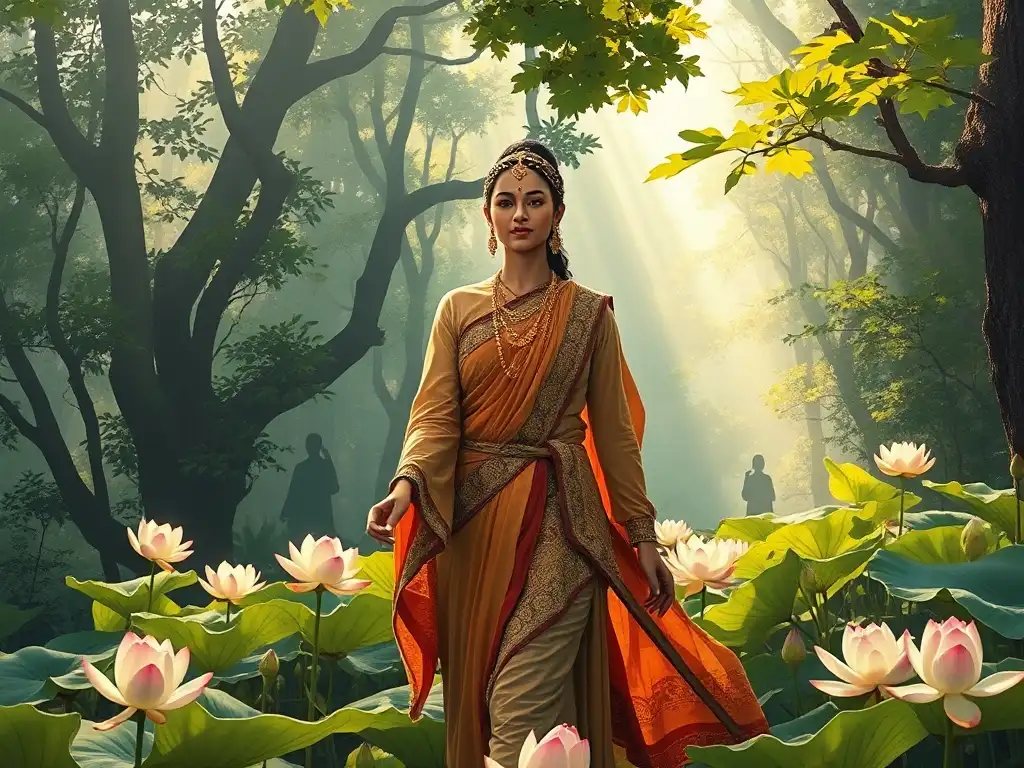
Mahaprajapati, an influential figure in the early days of Buddhism, is celebrated as the first female Buddhist monastic. Her journey to monastic life is not merely a personal quest for enlightenment but also a pivotal moment in the history of women in ancient Indian Buddhism. Born into a royal family as the aunt of Siddhartha Gautama (the Buddha), her life reflects the unique intersection of familial ties and spiritual ambition.
Her transformation from a noblewoman to a monastic leader illustrates the potential for women to break societal barriers within the context of ancient Indian culture. Mahaprajapati’s journey is marked by her deep commitment to the teachings of the Buddha and her determination to provide a pathway for other women to attain spiritual liberation.
Conversion to Buddhism and Early Influences
Mahaprajapati's conversion to Buddhism was catalyzed by her profound grief following the death of her son, which prompted her to seek solace through spiritual teachings. Influenced by the Buddha's message of suffering and the path to enlightenment, she was drawn to renounce her worldly life.
- Inspiration from the Buddha: Her close relationship with Siddhartha Gautama provided her with firsthand exposure to his teachings. As the Buddha shared the Four Noble Truths and the Eightfold Path, Mahaprajapati began to understand the deeper meaning of life and suffering.
- Support from Other Women: Mahaprajapati was not alone in her spiritual quest. She was surrounded by other women who shared similar aspirations. This camaraderie fostered a supportive environment, allowing her to cultivate her spiritual ambitions.
- Establishment of the Bhikkhuni Sangha: After her conversion, Mahaprajapati sought permission from the Buddha to establish a community for women, known as the Bhikkhuni Sangha. This was a significant step in the recognition of women's roles within Buddhism.
Mahaprajapati's determination to create a space for women in monastic life was groundbreaking, providing opportunities for women to practice and attain enlightenment, thus laying the groundwork for future generations of female practitioners.
The Challenges Faced by Women Seeking Enlightenment
Despite Mahaprajapati's pivotal role, the path for women in ancient Indian Buddhism was fraught with challenges. The societal norms of the time often placed women in subordinate roles, creating additional hurdles for those seeking spiritual enlightenment.
- Cultural Barriers: The patriarchal structure of ancient Indian society often relegated women to domestic roles. This societal expectation made the pursuit of monastic life challenging, as women were expected to focus on family and household responsibilities.
- Resistance from Male Monastics: Mahaprajapati faced significant resistance from some male followers of the Buddha, who were skeptical of the inclusion of women in monastic life. Their reluctance stemmed from a belief that women's presence could disrupt the spiritual harmony of the community.
- Establishing Credibility: As a pioneering figure, Mahaprajapati had to work hard to establish her credibility and the legitimacy of the Bhikkhuni Sangha. She not only had to prove her own commitment to the teachings but also had to advocate for the acceptance of women as equals in the monastic community.
- Navigating Spiritual Practices: Women in the Bhikkhuni Sangha faced additional scrutiny regarding their spiritual practices. They often had to navigate complex expectations while adhering to the same rigorous standards set for their male counterparts.
Through her resilience and unwavering dedication, Mahaprajapati overcame these challenges, ultimately paving the way for future generations of women in Buddhism. Her legacy continues to inspire women today, highlighting the importance of inclusivity and equality within spiritual practices.
Establishing the First Female Monastic Community
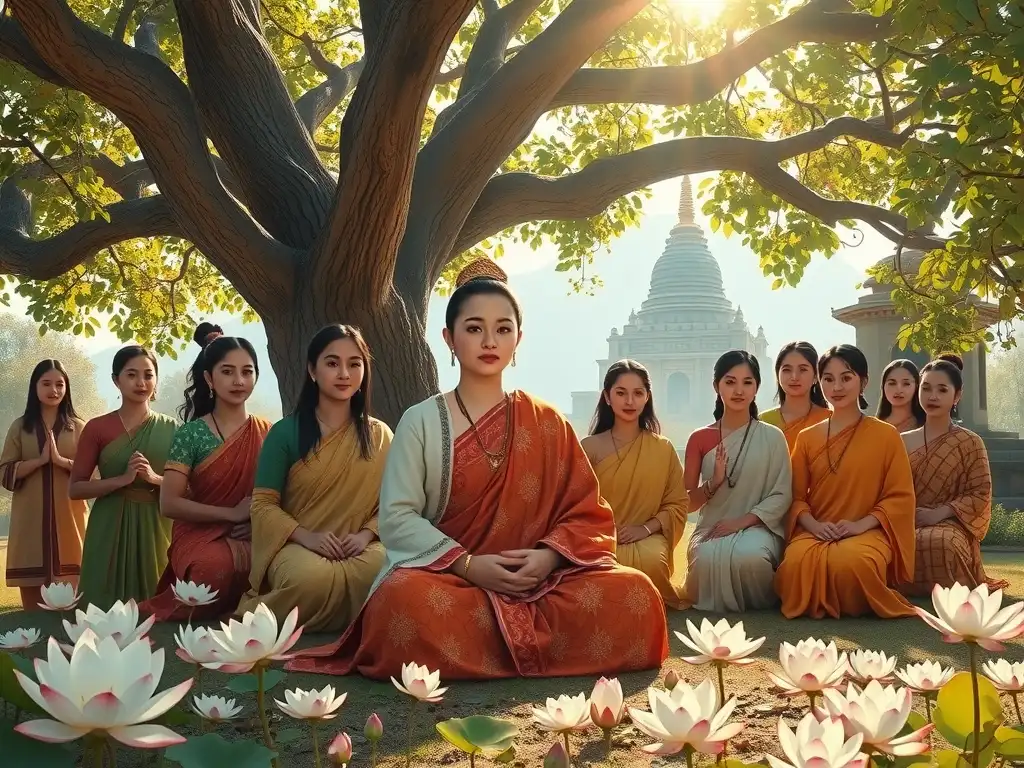
The Role of Mahaprajapati in Founding the Bhikkhuni Sangha
Mahaprajapati Gotami, a pivotal figure in the history of Buddhism, was not only the aunt and foster mother of Siddhartha Gautama (the Buddha) but also the first woman to establish a female monastic community, known as the Bhikkhuni Sangha. Her determination and leadership were instrumental in creating a space for women in a religious context that had predominantly been male-dominated.
When Siddhartha Gautama attained enlightenment and began teaching, Mahaprajapati expressed a profound desire to join the monastic order. However, initially, the Buddha hesitated, reflecting the societal norms of the time that often marginalized women. Undeterred, Mahaprajapati undertook a remarkable journey, traveling from Kapilavastu to Vesali—approximately 150 miles—leading a group of women who sought the same spiritual liberation. This act of defiance against the prevailing gender norms showcased her commitment to women's spiritual rights.
After much persuasion and with the support of Ananda, one of the Buddha's closest disciples, the Buddha finally agreed to ordain women. In this landmark moment, Mahaprajapati was ordained as the first bhikkhuni, and she became the leader of the Bhikkhuni Sangha. This historical event marked a significant turning point, as it recognized women's potential for spiritual attainment on par with men, thus laying the groundwork for subsequent generations of female practitioners.
Importance of the Bhikkhuni Sangha for Women in Buddhism
The establishment of the Bhikkhuni Sangha by Mahaprajapati represented a radical shift in the landscape of Buddhism, providing women with the opportunity to engage deeply in spiritual practice and community life. The Bhikkhuni Sangha offered a formal structure for female monastics, enabling them to pursue their spiritual aspirations free from the constraints typically placed on women in ancient Indian society.
One of the key aspects of the Bhikkhuni Sangha was its role in promoting the idea that women were capable of achieving enlightenment. This was a revolutionary concept in a time when women's roles were largely confined to domestic duties. By allowing women to become bhikkhunis, the Sangha challenged the prevailing patriarchal norms and opened doors for women to participate fully in religious life.
Benefits of the Bhikkhuni Sangha:
- Spiritual Growth: Women had access to teachings, meditation practices, and a supportive community that fostered their spiritual development.
- Social Status: Being part of the Sangha elevated the social status of women, granting them respect and recognition as spiritual leaders.
- Education and Empowerment: The Bhikkhuni Sangha emphasized the importance of education for women, allowing them to learn scriptures, philosophy, and ethics, thus empowering them intellectually and spiritually.
The legacy of Mahaprajapati and the Bhikkhuni Sangha continues to inspire contemporary movements advocating for gender equality within Buddhism and beyond. Today, the revival of female monastic orders in various Buddhist traditions can be traced back to the foundational work of Mahaprajapati, whose courage and vision created a pathway for women in ancient Indian Buddhism to seek spiritual enlightenment.
Teachings and Contributions of Mahaprajapati
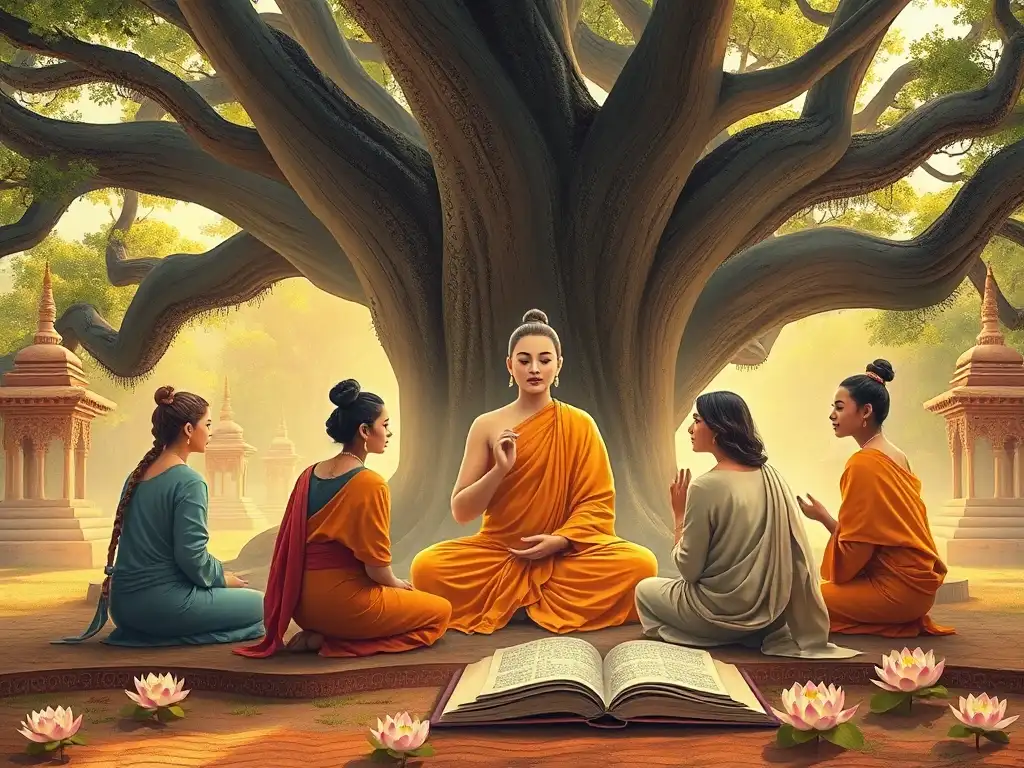
Mahaprajapati, often regarded as the first female Buddhist monastic, played a pivotal role in shaping the early Buddhist community and its teachings, particularly concerning women in ancient Indian Buddhism. Her contributions not only established a precedent for female monasticism but also laid down foundational teachings that emphasized gender equality within the Buddhist tradition.
Key Teachings on Gender Equality in Buddhism
Mahaprajapati's teachings centered around the idea of inclusivity and equality in the spiritual journey. One of her most significant contributions was advocating for the acceptance of women into the monastic community, which was a radical notion at the time. She firmly believed that women were equally capable of attaining enlightenment, a belief that challenged the prevailing norms of ancient Indian society.
- Inclusivity in the Sangha: Mahaprajapati emphasized that the Buddhist community (Sangha) should include women as well as men. This was a groundbreaking stance that helped create a space for women to pursue spiritual growth and engage in monastic life.
- The Importance of Compassion: Her teachings often highlighted the significance of compassion, not just towards oneself but also towards others. She encouraged female practitioners to support one another in their spiritual endeavors, fostering a sense of community among women in Buddhism.
- The Role of Women in Spiritual Leadership: Mahaprajapati's insistence on women's participation in monastic life also opened the door for future female leaders within Buddhism. By establishing that women could serve as teachers and guides, she set a precedent for female authority in religious matters.
- Reinterpretation of Scriptural Texts: Mahaprajapati is also credited with offering interpretations of existing Buddhist texts that reinforced the idea of equality. Her teachings often pointed out that enlightenment is not bound by gender, which resonated with many followers and helped shift attitudes within the community.
Mahaprajapati's Influence on Buddhist Practices for Women
Mahaprajapati's influence extended beyond her teachings; she actively shaped the practices of Buddhism concerning women. Her establishment of the Bhikkhuni Sangha, the order of female monks, was a landmark achievement that set a framework for female monastic life.
- Formation of the Bhikkhuni Sangha: By founding this order, Mahaprajapati created an organized structure for women seeking spiritual fulfillment through monasticism. This order allowed women to live a life dedicated to the teachings of the Buddha, following the Vinaya (monastic code) while maintaining their spiritual autonomy.
- Rituals and Practices: Mahaprajapati introduced specific rituals and practices tailored for women, acknowledging their unique experiences and challenges within the Buddhist framework. These practices encouraged women to engage fully in their spirituality, fostering an environment where they could thrive.
- Advocacy for Rights: Her role as an advocate for women's rights within the monastic community led to changes in how women were perceived and treated. This advocacy not only allowed women to participate in religious life but also empowered them to take charge of their spiritual journeys.
- Legacy of Female Leadership: Mahaprajapati's influence can be seen in the continued presence and leadership of women in various Buddhist traditions today. Her teachings and the structures she established have inspired countless women to seek monastic lives, thus perpetuating her legacy within the broader context of Buddhism.
Mahaprajapati's teachings and contributions significantly advanced the role of women in ancient Indian Buddhism. Her advocacy for gender equality and the establishment of the Bhikkhuni Sangha were critical in creating a more inclusive Buddhist community, one that recognized and celebrated the spiritual potential of women.
The Legacy of Mahaprajapati
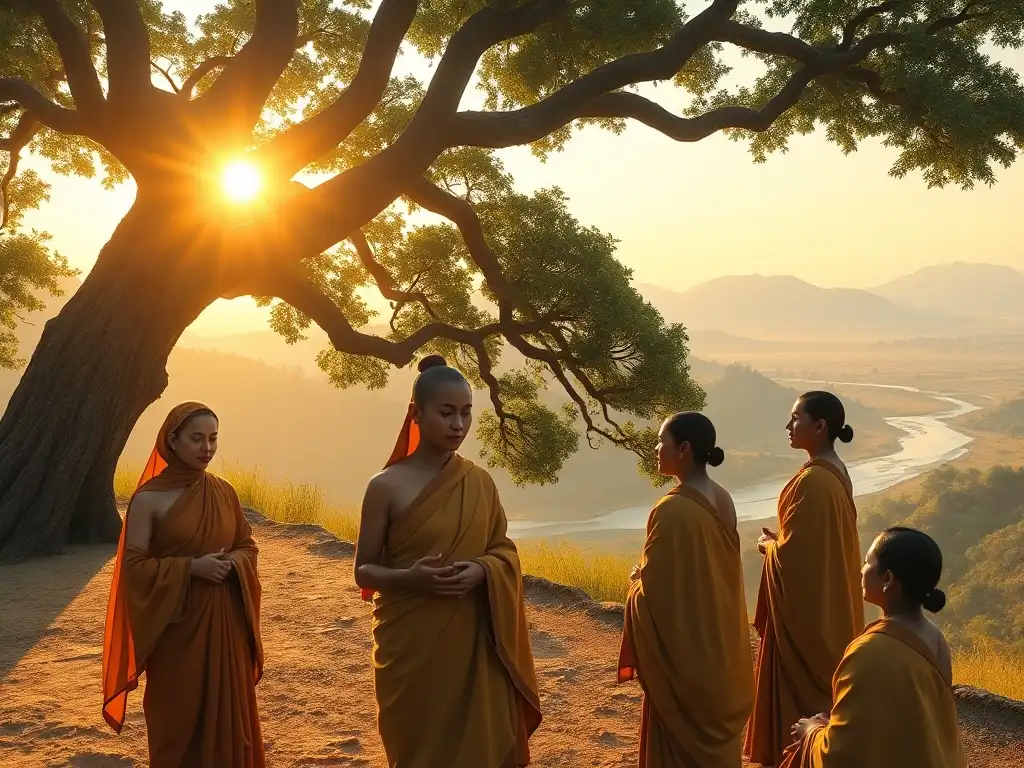
Mahaprajapati Gautami, recognized as the first female Buddhist monastic, holds a significant place in the history of Buddhism and ancient Indian society. Her legacy extends beyond her foundational role in establishing an order for women, reflecting a broader transformation in the perception of women within the spiritual landscape of ancient India. This section delves into her lasting impact on female monasticism and her pivotal role in shaping how women were viewed in Buddhist communities.
Impact on Future Generations of Female Monastics
Mahaprajapati's influence can be seen through the establishment of the Bhikkhuni Sangha, the community of female monks. This groundbreaking achievement provided a structured environment where women could pursue enlightenment, study the Dharma, and engage in spiritual practices traditionally reserved for men.
-
Foundational Texts and Teachings
Mahaprajapati's teachings and the rules established for the Bhikkhuni Sangha are preserved in various Buddhist texts, including the Vinaya Pitaka. These texts provided guidelines that not only legitimized women's monastic life but also ensured that future generations had a framework for spiritual practice.
-
Role Models for Women
Mahaprajapati served as a role model for countless women across generations. Her courage to challenge societal norms and advocate for women's rights within Buddhism resonated deeply, inspiring women to seek a spiritual path. The stories of her life and achievements have been passed down through oral traditions and written texts, showcasing her unwavering commitment to the Dharma.
-
Influence on Female Monastic Orders Globally
The establishment of the Bhikkhuni Sangha set a precedent that transcended geographical boundaries. In various cultures influenced by Buddhism, such as those in Sri Lanka, Tibet, and beyond, Mahaprajapati's legacy encouraged the formation of female monastic communities, fostering a more inclusive approach to spiritual practice.
-
Modern Reinterpretations
In contemporary times, Mahaprajapati’s legacy has been reassessed, leading to renewed interest in women in ancient Indian Buddhism. Feminist scholars and practitioners often cite her as a pivotal figure in discussions about gender equality in spiritual contexts, illustrating how her influence continues to manifest in modern Buddhist practices.
Mahaprajapati's Role in Shaping the Perception of Women in Buddhism
Mahaprajapati's contributions had profound implications for the perception of women within the Buddhist tradition. Her actions and teachings challenged prevailing gender norms and contributed to a more nuanced understanding of women's roles in spirituality.
-
Challenging Gender Norms
Mahaprajapati's insistence on ordination for women directly confronted societal expectations that relegated women to domestic roles. By advocating for women's spiritual rights, she initiated a dialogue that questioned the limitations placed on women in ancient Indian society.
-
Theological Contributions
Her involvement in the early Buddhist community allowed her to contribute to theological discussions that recognized women's spiritual capabilities. This acknowledgment was revolutionary for its time, as it challenged the notion that only men were capable of deep spiritual insight and leadership.
-
Cultural Shifts
Mahaprajapati's legacy fostered cultural shifts regarding women's participation in religious life. The acceptance of female monastics within Buddhism encouraged broader societal acceptance of women in various roles, promoting gender equality not only in spiritual practices but also in the larger context of society.
-
Long-Term Influence
The impact of Mahaprajapati's efforts can still be observed in contemporary Buddhist practices where female monks are increasingly recognized and respected. Her legacy serves as a reminder of the valuable contributions women have made within Buddhism and continues to inspire movements advocating for gender equality in religious contexts.
Mahaprajapati's legacy as the first female Buddhist monastic is a cornerstone in the history of women in ancient Indian Buddhism. Her pioneering actions not only transformed the landscape of monastic life for women but also reshaped societal perceptions of women's roles in spirituality, leaving an indelible mark on the traditions of Buddhism that resonates to this day.
Conclusion
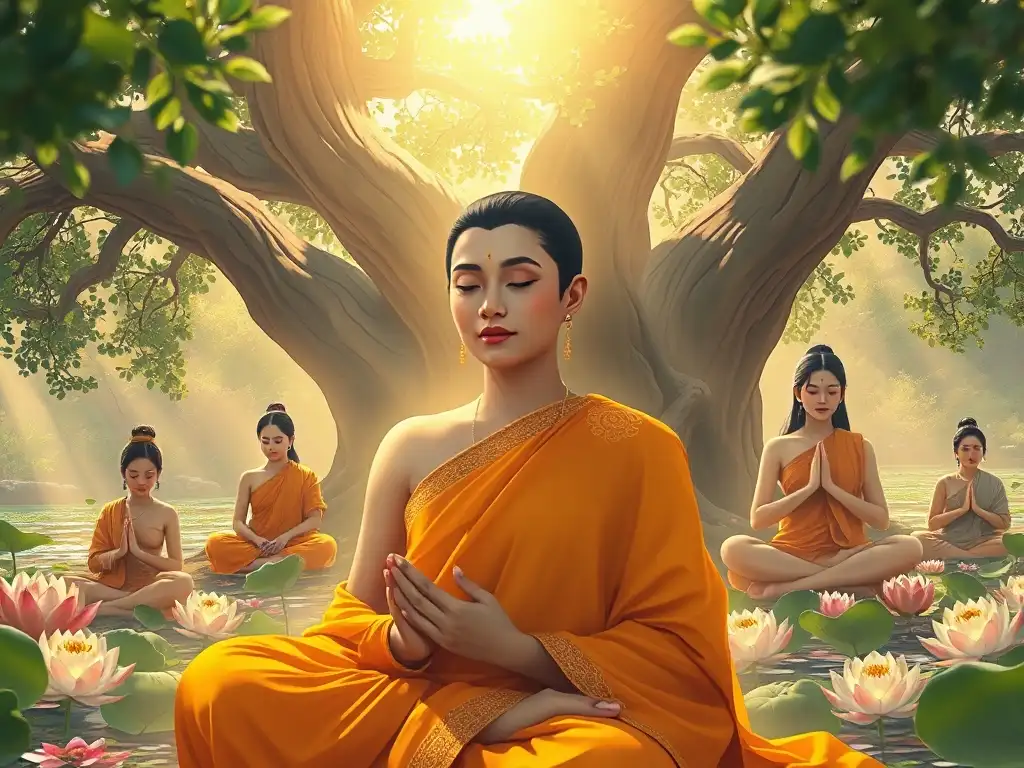
Reflection on Mahaprajapati's Life and Influence on Women in Ancient Indian Buddhism
Mahaprajapati Gotami stands as a pivotal figure in the history of Buddhism, particularly in the context of women in ancient Indian Buddhism. As the first female monastic, her life and actions laid the groundwork for the role of women in the early Buddhist community. Her unwavering commitment to the teachings of the Buddha and her pursuit of spiritual enlightenment in a male-dominated society reflect a profound resilience and courage.
Mahaprajapati's request to the Buddha for the establishment of a female monastic order was not merely a quest for personal enlightenment; it was a significant step towards inclusivity in a religious framework that had been largely patriarchal. By accepting her plea, the Buddha acknowledged the spiritual potential of women and opened doors for countless others to pursue a path of renunciation and meditation.
Her influence extended beyond her lifetime, as she inspired future generations of women to engage with Buddhist teachings and monastic life. The establishment of the Bhikkhuni Sangha (the order of female monks) allowed women to participate in religious life, attain spiritual goals, and contribute to the community in meaningful ways. This groundbreaking development not only empowered women but also enriched the Buddhist tradition, highlighting the essential role of female practitioners in the spiritual landscape.
The Continued Relevance of Mahaprajapati's Teachings Today
The teachings and legacy of Mahaprajapati resonate profoundly even in contemporary discussions around gender and spirituality. In today's world, where gender equality and women's rights are at the forefront of social discourse, Mahaprajapati's life serves as a powerful reminder of the potential for women to lead and inspire within religious contexts.
Her teachings encourage women to embrace their spiritual aspirations and challenge societal norms that seek to limit their roles. They advocate for a more inclusive interpretation of spirituality that recognizes and values the contributions of women.
Furthermore, the Bhikkhuni Sangha continues to be a source of inspiration for modern Buddhist women, providing a framework for female empowerment and religious authority. The revival of female monastic orders in various Buddhist traditions around the world is a testament to the enduring impact of Mahaprajapati's legacy.
Mahaprajapati's life and teachings not only shaped the early Buddhist community but also continue to inspire and empower women across cultures today. Her example encourages ongoing dialogues about gender equality within spiritual practices and highlights the importance of inclusivity in religious traditions. Through her influence, the role of women in ancient Indian Buddhism remains a vital part of the historical narrative, reminding us of the importance of equality and respect in our spiritual journeys.
Frequently Asked Questions
What is the significance of Mahaprajapati in Buddhism?
Mahaprajapati is considered the first female Buddhist monastic, highlighting the inclusion of women in ancient Indian Buddhism and their significant role in the spread of the Buddha's teachings.
How did Mahaprajapati contribute to the establishment of the monastic community?
She played a crucial role in advocating for women's ordination, leading to the establishment of the Bhikkhuni Sangha, which allowed women to become fully ordained monks in Buddhism.
What challenges did Mahaprajapati face in her pursuit of ordination?
Mahaprajapati encountered resistance from male monks, particularly from the Buddha himself initially, as societal norms of the time often limited women's roles in religious practices.
How did Mahaprajapati's life influence the status of women in Buddhism?
Her perseverance in becoming a monastic set a precedent for women's rights within the Buddhist community, fostering a more inclusive environment for future generations of female practitioners.
What can we learn from Mahaprajapati's story today?
Mahaprajapati's journey emphasizes the importance of gender equality and the need for women's voices in religious and cultural spheres, encouraging ongoing discussions about women's roles in society.
Final Reflection: Empowering Women in Ancient Indian Buddhism
The life of Mahaprajapati, the first female Buddhist monastic, serves as a powerful reminder of the significant role women played in ancient Indian Buddhism. Her journey not only paved the way for female monasticism but also resonates profoundly in today's discussions about gender equality and women's rights within religious contexts. As we reflect on her legacy, we recognize that the struggles and triumphs of women in ancient times continue to echo in our modern society, urging us to confront and dismantle the barriers that still exist.
Mahaprajapati's influence extends beyond her time, shaping the cultural and spiritual landscape of Buddhism. Her determination to seek enlightenment and advocate for women's inclusion in spiritual practices has inspired countless individuals throughout history. As we navigate contemporary issues surrounding gender and spirituality, her story reminds us of the importance of representation and the need for inclusive practices within religious communities. The greatest gift is the ability to share your light with others,
a sentiment that Mahaprajapati embodied as she illuminated the path for future generations of women.
As we conclude our exploration of Mahaprajapati's life, I invite you to reflect on the lessons her journey imparts. Consider how her courage and resilience can inspire you to advocate for equality and inclusivity in your own life and community. Let her story be a catalyst for change, prompting you to engage with the ongoing dialogue about women's roles in spirituality and society. Together, we can honor her legacy by ensuring that the voices of women are heard, valued, and celebrated in all spheres of life.
Unleash the Wisdom of Mahaprajapati – Take Action Today!
Thank you for diving into the inspiring journey of Mahaprajapati, a trailblazer in Buddhist monasticism! You’ve uncovered a piece of history that emphasizes the importance of **gender equality** and **spiritual commitment**. Now, it’s time to transform your newfound knowledge into meaningful action.
Here’s how you can honor Mahaprajapati's legacy and continue your exploration:
- Join a local meditation or mindfulness workshop to embody the principles she championed.
- Share her story with friends or on social media to raise awareness about the vital contributions of women in spirituality and history.
- Explore literature related to her impact by seeking out books or articles about influential women in Buddhism and beyond for deeper insights.
Which action resonates most with you, and how will you incorporate it into your life to celebrate the spirit of Mahaprajapati?