
How Persian Scholars Translated Indian Knowledge into New Realms

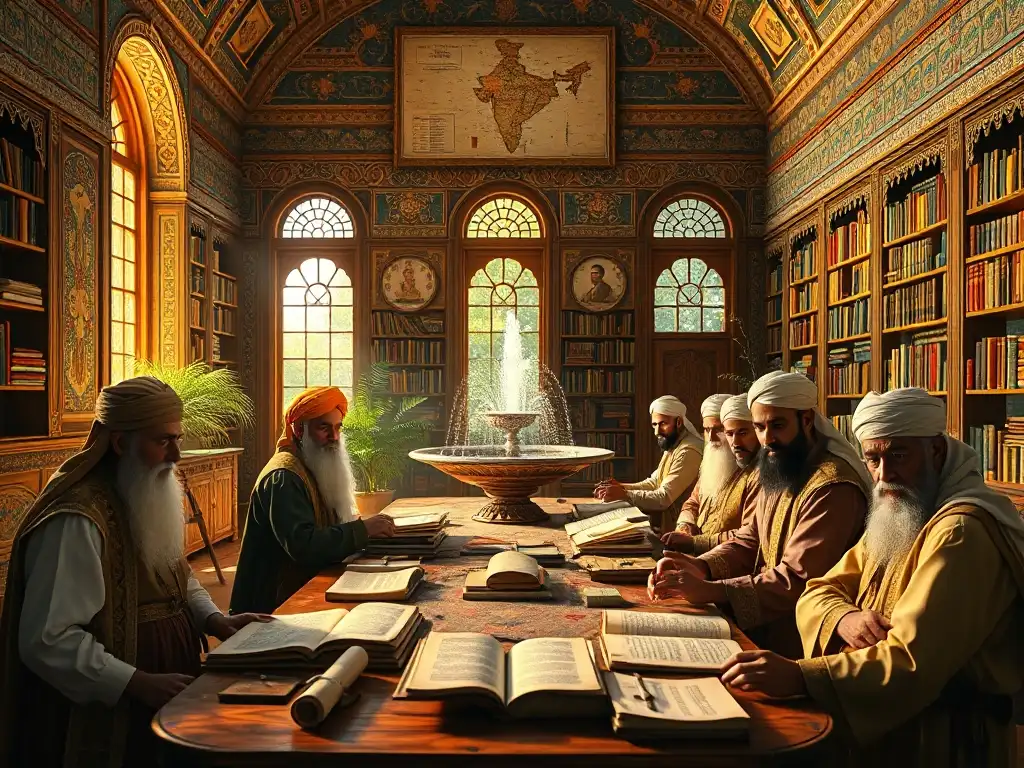
Welcome to Ancient India History, where we embark on a journey through the rich tapestry of ancient Indian civilizations. In this captivating exploration, we delve into the intriguing world of Persian translations of Indian knowledge, uncovering how these scholarly exchanges opened new realms of understanding and innovation. What secrets did the Persian scholars unveil, and how did their translations shape the intellectual landscape of their time? Join us as we dive deeper into the fascinating interactions between cultures, sparking curiosity about the profound impact of this cross-civilizational dialogue. Your adventure into the past begins here!
- Introduction to Persian Translations of Indian Knowledge
- Historical Context of Persian Translations
- Key Areas of Indian Knowledge Translated by Persian Scholars
- Prominent Persian Scholars Involved in Translation
- The Process of Translation: Techniques and Challenges
- Impact of Persian Translations on Knowledge Dissemination
- Conclusion: The Lasting Significance of Persian Translations of Indian Knowledge
- Frequently Asked Questions
- Final Reflection: The Enduring Legacy of Persian Translations of Indian Knowledge
- Unlock the Wisdom of the Ages!
Introduction to Persian Translations of Indian Knowledge
The historical tapestry of ancient civilizations is woven with threads of interaction, exchange, and translation. One of the most significant threads in this rich narrative is the Persian translations of Indian knowledge, which played a crucial role in bridging the intellectual landscapes of India and Persia.
This article delves into how Persian scholars meticulously translated Indian texts, facilitating a cross-cultural dialogue that not only enriched Persian literature and science but also preserved the vast wisdom of Indian civilization. By analyzing the motivations behind these translations and their impact on both cultures, we gain insights into the profound connections that existed between these ancient societies.
Understanding the Importance of Translation in Cultural Exchange
Translation serves as a vital conduit for cultural exchange, allowing for the transfer of ideas, philosophies, and innovations across linguistic and geographical barriers. In the context of Indian and Persian interactions, translation was not merely about converting words from one language to another; it was an intricate process that involved interpreting concepts and contextualizing knowledge within different cultural frameworks.
- Preservation of Knowledge: Persian translations played a pivotal role in safeguarding Indian intellectual heritage, particularly during periods of political upheaval. Scholars like Al-Biruni dedicated themselves to translating Sanskrit texts, ensuring that ancient Indian knowledge was not lost to time.
- Mutual Enrichment: The exchange of knowledge through translation fostered mutual enrichment. Persian scholars were introduced to Indian mathematics, astronomy, and medicine, while Indian scholars gained insights from Persian literature, philosophy, and administrative practices. This cross-pollination of ideas led to advancements in various fields.
- Cultural Identity: The act of translation also contributed to the formation of cultural identities. As Persian scholars engaged with Indian texts, they not only translated words but also infused Persian culture with Indian thought, leading to a unique synthesis that reflected the diverse influences of both civilizations.
Overview of Indian-Persian Interactions
The interactions between Indian and Persian civilizations date back centuries, characterized by trade, diplomacy, and the exchange of ideas. The Maurya Empire in India established early connections with Persia, but it was during the Medieval period that these interactions intensified, particularly with the rise of the Delhi Sultanate and later the Mughal Empire.
- Trade Routes: The Silk Route and maritime trade routes facilitated not only the exchange of goods but also the movement of scholars and ideas. Persian traders and diplomats traveled to Indian courts, bringing with them not only economic ties but also a rich cultural exchange.
- Scholarly Exchanges: Prominent Persian scholars, such as Firdawsi and Omar Khayyam, were influenced by Indian thought, leading to a blending of literary traditions. Conversely, Indian scholars like Aryabhata and Brahmagupta found their works translated into Persian, thus reaching a broader audience.
- Political Alliances: Strategic marriages and alliances between Indian and Persian rulers further solidified these interactions. The Mughals, in particular, were instrumental in fostering a syncretic culture that celebrated both Indian and Persian influences.
Through this exploration of Persian translations of Indian knowledge, we can appreciate the intricate web of connections that not only shaped the intellectual landscapes of these two great civilizations but also laid the groundwork for future cultural dialogues.
Historical Context of Persian Translations

The interaction between Persian scholars and Indian knowledge systems began to flourish during the medieval period, particularly from the 8th century onwards. This era marked a significant cultural exchange that would shape various fields such as mathematics, astronomy, medicine, and philosophy. The translations of Indian texts into Persian were pivotal in making this knowledge accessible to a broader audience, thereby influencing not only Persia but also regions beyond.
Historically, the establishment of the Islamic Caliphate in the 7th century laid the groundwork for this intellectual exchange. As Persian became a prominent language of administration and culture, scholars in the Persian-speaking world sought to integrate the rich traditions and knowledge of India into their own intellectual pursuits. The resulting translations served as bridges, connecting the diverse thoughts and ideas of these two great civilizations.
The Rise of Persian Scholars in the Medieval Period
The medieval period saw the emergence of a vibrant community of Persian scholars who played crucial roles in translating and disseminating Indian knowledge. This was particularly evident during the reign of the Abbasid Caliphate, when the House of Wisdom in Baghdad became a center for scholarly activities. Scholars such as Al-Khwarizmi and Al-Biruni were instrumental in this movement.
- Key Figures:
- Al-Biruni: A notable polymath, Al-Biruni traveled to India and studied its culture, science, and philosophy. His works, such as Kitab al-Hind, provided detailed accounts of Indian thought, mathematics, and astronomy, effectively introducing these concepts to the Persian-speaking world.
- Firdawsi: Although primarily known for his literary contributions, Firdawsi's Shahnameh reflects Indian tales and cultural elements, showcasing the influence of Indian narratives in Persian literature.
- Translation Movements:
- The translation of texts from Sanskrit and other Indian languages into Persian was not merely linguistic. It involved the interpretation and adaptation of complex concepts, making them comprehensible for Persian scholars.
- The establishment of royal libraries and translation academies in Persian courts facilitated this process. Notably, the court of Sultan Mahmud of Ghazni became a hub for such intellectual activities.
The Influence of Indian Knowledge Systems on Persian Thought
The translations of Indian knowledge into Persian had profound implications for various fields, enriching Persian scholarship and contributing to the development of new ideas.
- Mathematics and Astronomy:
- Persian scholars adopted and expanded upon Indian mathematical concepts, particularly the decimal system and the concept of zero. These ideas were crucial for advancements in algebra and calculus.
- The astronomical texts translated from Sanskrit into Persian provided insights into celestial navigation and the calculation of time, influencing Persian astronomy significantly.
- Medicine and Philosophy:
- Indian medical texts, such as those on Ayurveda, were translated into Persian, leading to a synthesis of Indian and Persian medical practices. This exchange enhanced medical knowledge across cultures and laid the groundwork for future developments in medicine.
- Philosophical ideas from Indian texts, particularly those related to metaphysics and ethics, found their way into Persian thought, promoting a dialogue between these two rich traditions.
The Persian translations of Indian knowledge not only preserved ancient wisdom but also sparked new intellectual inquiries, ultimately contributing to a shared cultural heritage that resonates even today. The collaborative spirit of these scholars demonstrates the profound impact of cross-cultural interactions in shaping historical trajectories and knowledge systems.
Key Areas of Indian Knowledge Translated by Persian Scholars
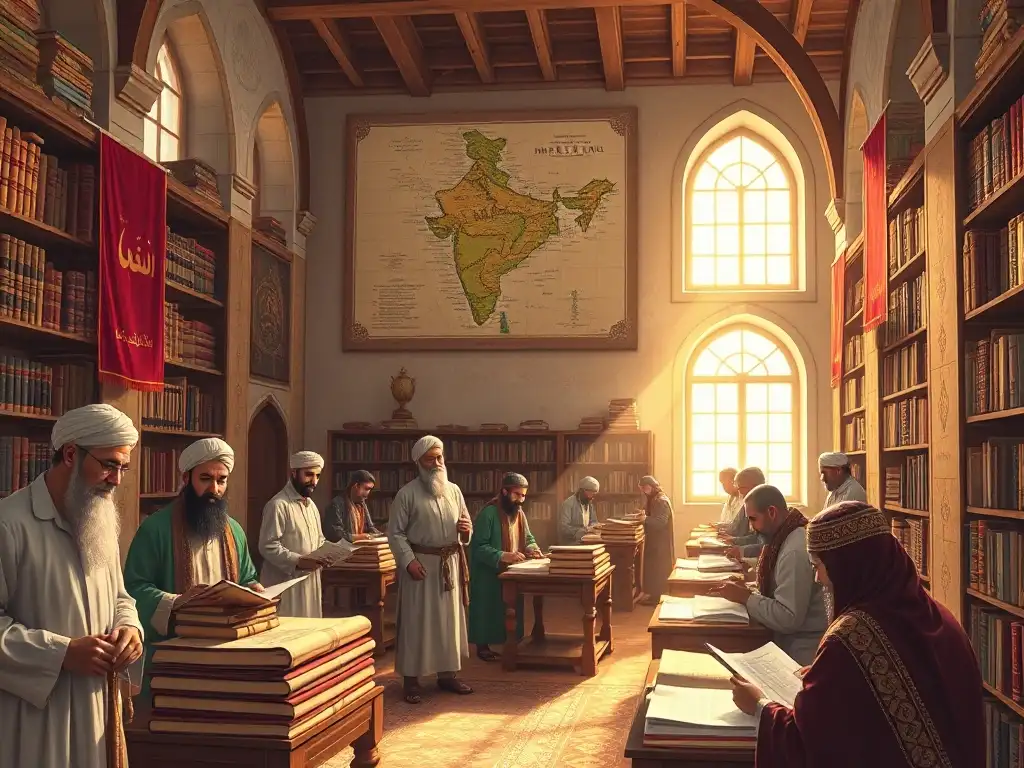
Mathematics and Astronomy
The contributions of Indian mathematicians and astronomers during ancient times significantly influenced the world of science, particularly through the Persian translations of Indian knowledge.
Contributions of Indian Mathematicians
Indian mathematicians such as Aryabhata, Brahmagupta, and Bhaskara made remarkable advancements in various mathematical concepts including arithmetic, algebra, and geometry. They introduced the concept of zero, the decimal system, and sophisticated methods for solving quadratic equations. For instance, Aryabhata's work, Aryabhatiya, provided insights into the approximation of π (pi) and established techniques for calculating the area of a triangle and the circumference of a circle.
| Mathematician | Key Contributions |
|---|---|
| Aryabhata | Introduced zero, decimal system, approximation of π |
| Brahmagupta | Solutions to quadratic equations, rules for negative numbers |
| Bhaskara | Advanced techniques in trigonometry and calculus |
The translation of these foundational texts into Persian not only preserved this knowledge but also disseminated it across the Islamic world, where it was further developed and integrated with existing scientific traditions.
Persian Adaptations and Innovations in Mathematics
Persian scholars like Al-Khwarizmi and Omar Khayyam built upon the translated works of their Indian counterparts, leading to innovations in algebra and geometry. Al-Khwarizmi's seminal work, Al-Kitab al-Mukhtasar fi Hisab al-Jabr wal-Muqabala, drew heavily from Indian mathematical principles and introduced methods of solving equations that would later influence European mathematics.
Persian adaptations also included the introduction of Indian numerals and the promotion of the base-ten system, which became a standard in mathematical education throughout the Islamic empire. This cross-cultural exchange elevated mathematics to new heights, demonstrating how Persian scholars effectively broadened the horizons of Indian mathematical knowledge.
Medicine and Ayurveda
The realm of medicine, particularly Ayurveda, saw significant engagement through Persian translations of Indian medical texts. The depth of knowledge in Ayurvedic practices was recognized and assimilated by Persian scholars, who played a crucial role in preserving and expanding this wisdom.
Indian Medical Texts and Their Impact
Key texts such as the Charaka Samhita and the Sushruta Samhita laid the groundwork for a holistic understanding of medicine in ancient India. These texts detailed various treatment methodologies, surgical procedures, and herbal remedies, emphasizing the importance of balance between body, mind, and spirit.
The translations of these texts into Persian not only facilitated the exchange of medical knowledge but also influenced the development of medical practices in Persia and beyond. Scholars such as Ibn Sina (Avicenna) were profoundly impacted by these texts, integrating Ayurvedic principles with their medical theories, thus enhancing the overall understanding of health and medicine in the region.
Persian Interpretations of Ayurvedic Practices
Persian scholars, while translating Indian medical knowledge, adapted and modified Ayurvedic practices to align with their own cultural and medical frameworks. They emphasized the importance of herbal medicine and preventive care, which resonated with the Persian approach to health.
For example, the Persian interpretation of Ayurvedic concepts introduced new methodologies in pharmacology and surgery, showcasing a synthesis of Indian and Persian medical traditions. This collaboration resulted in a rich tapestry of medical knowledge that not only improved healthcare in Persia but also influenced future generations of medical practitioners across the globe.
Through these translations, the legacy of Indian medicine was preserved and transformed, leading to advancements that would reverberate through history.
Philosophy and Literature
The rich tapestry of Indian philosophy and literature has significantly influenced various cultures throughout history, including that of Persia. Persian scholars played a crucial role in translating and disseminating Indian texts, thereby enriching their own literary and philosophical traditions. This exchange not only preserved Indian thought but also allowed for the reinterpretation and integration of these ideas into Persian culture. The translations facilitated a cross-cultural dialogue that fostered a deeper understanding of metaphysical concepts, ethical discussions, and literary forms unique to Indian civilization.
Indian Philosophical Texts and Their Translations
Indian philosophical texts, such as the Upanishads, the Bhagavad Gita, and the works of philosophers like Adi Shankaracharya and Ramanuja, have been pivotal in shaping spiritual thought. Persian translations of these texts began during the medieval period, particularly under the patronage of various rulers who sought to understand the philosophies that underpinned Indian society.
The translations were often undertaken by scholars fluent in both languages, which enabled them to convey not just the literal meanings but also the nuanced interpretations of the original texts. For instance, the concepts of Dharma (duty/righteousness) and Karma (action and its consequences) were explored in depth, allowing Persian readers to appreciate the complexity of Indian thought. These translations contributed to the cross-pollination of ideas, as Persian scholars began to incorporate these philosophical frameworks into their own works, leading to a richer intellectual landscape.
The Role of Persian Poets in Preserving Indian Narratives
Persian poets played an instrumental role in preserving and reinterpreting Indian narratives through their literary works. Figures such as Amir Khusrau, who was heavily influenced by Indian culture, often wove Indian themes, stories, and philosophical concepts into their poetry. By infusing Persian literature with Indian elements, these poets created a unique fusion that celebrated the cultural diversity of the region.
In addition, Persian translations of Indian epics like the Mahabharata and Ramayana allowed for the dissemination of these narratives beyond the Indian subcontinent. These translations were not mere copies; they were adaptations that reflected the sensibilities of Persian audiences. The storytelling techniques and poetic forms were altered to resonate with Persian literary traditions, making the Indian stories accessible and relevant to new audiences.
Through their works, Persian poets ensured that the essence of Indian narratives was preserved, allowing future generations to appreciate the rich cultural heritage of India. This literary exchange not only highlighted the shared values between the two cultures but also paved the way for a greater understanding of the complexities of human experience as expressed in both Indian and Persian literature.
Prominent Persian Scholars Involved in Translation
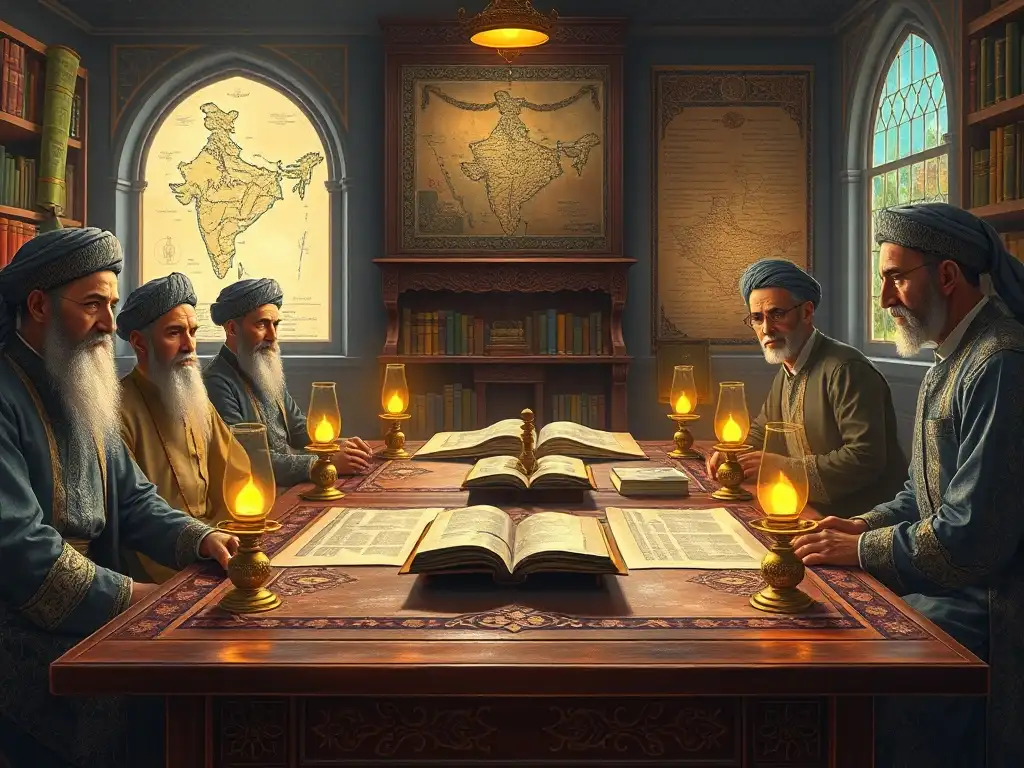
The interaction between Indian and Persian scholars during the medieval period led to significant intellectual exchanges, particularly in the translation of texts. This collaboration not only enriched Persian literature but also facilitated the dissemination of Indian knowledge across cultures. Here we highlight some of the most prominent Persian scholars who played crucial roles in translating Indian knowledge into Persian and other languages.
Al-Biruni and His Contributions
Al-Biruni (973–1048 CE) stands out as one of the foremost Persian scholars whose work transcended cultural boundaries. An exceptional polymath, he was well-versed in mathematics, astronomy, and philosophy, and his travels in India allowed him to study various aspects of Indian science and culture firsthand.
- Key Contributions:
- Translation of Sanskrit Texts: Al-Biruni was instrumental in translating several key Sanskrit texts into Persian, particularly in the fields of mathematics and astronomy. His translation of the Siddhanta (a compilation of Indian astronomical knowledge) made Indian astronomical concepts accessible to the Persian-speaking world.
- Comparative Studies: He authored the seminal work Kitab al-Hind (The Book of India), which provided a comprehensive overview of Indian society, philosophy, and science. This text not only showcased Indian knowledge but also engaged in comparative analysis with Persian and Greek thought.
- Methodological Approach: Al-Biruni adopted a rigorous empirical methodology, emphasizing the importance of observation and mathematics, which greatly influenced later Persian scholars.
Ibn Sina (Avicenna) and the Integration of Indian Knowledge
Ibn Sina (Avicenna) (980–1037 CE), another towering figure in Persian philosophy and science, played a vital role in integrating Indian knowledge into the broader Islamic intellectual tradition. While his works encompass a wide range of subjects, his engagement with Indian philosophy, particularly the works of Samkhya and Nyaya, is noteworthy.
- Key Contributions:
- Philosophical Synthesis: Ibn Sina synthesized various strands of knowledge, including Indian metaphysics, into his own philosophical frameworks. His writings, especially The Book of Healing and The Book of Salvation, reflect significant Indian influences.
- Medical Texts: He also translated and commented on Indian medical texts, particularly those related to herbal medicine and surgery. His Canon of Medicine incorporated numerous concepts from Indian medical practices, thus enriching the field.
- Influence on Later Scholars: His integration of Indian knowledge laid the groundwork for later scholars in both the Islamic world and Europe, influencing thinkers such as Thomas Aquinas.
Other Notable Scholars and Their Works
In addition to Al-Biruni and Ibn Sina, several other Persian scholars made significant contributions to the translation and adaptation of Indian knowledge.
- Nasir al-Din al-Tusi (1201–1274 CE):
- Contributed to astronomy and mathematics, translating and expanding upon Indian astronomical texts.
- His work on trigonometry and planetary motion was heavily influenced by Indian models.
- Al-Khwarizmi (c. 780–850 CE):
- Although primarily known for his contributions to mathematics, Al-Khwarizmi’s translations of Indian numerals and texts on arithmetic played a crucial role in the spread of Indian mathematical concepts in the Persian-speaking world.
- Jabir ibn Hayyan (Geber) (c. 721–815 CE):
- His writings on alchemy, influenced by Indian alchemical knowledge, laid the foundation for future developments in chemistry.
These scholars, through their translations and adaptations, not only preserved Indian knowledge but also expanded its reach, impacting various fields such as mathematics, astronomy, medicine, and philosophy. The Persian translations of Indian knowledge thus served as a bridge between cultures, facilitating a rich intellectual exchange that continues to resonate in modern scholarship.
The Process of Translation: Techniques and Challenges

The translation of Indian knowledge into Persian was a complex process that involved various techniques and faced numerous challenges. These translations not only played a crucial role in the preservation of ancient Indian wisdom but also facilitated cultural exchanges between India and Persia. Understanding the methodologies adopted by Persian scholars and the barriers they encountered provides insight into this significant historical endeavor.
Methods Used by Persian Scholars for Translation
Persian scholars employed multiple methodologies to translate Indian texts effectively. Some of the prominent methods included:
- Direct Translation: This method involved translating texts word-for-word from Sanskrit or other Indian languages into Persian. Scholars would meticulously analyze the source text to ensure accuracy in the translation.
- Interpretative Translation: In cases where direct translations were challenging due to linguistic or cultural differences, scholars used interpretative techniques. They would paraphrase or summarize content to convey the underlying meaning rather than sticking strictly to the original wording.
- Collaboration with Indian Scholars: Persian translators often worked closely with Indian scholars to clarify concepts and terminologies that lacked direct equivalents in Persian. This collaboration was essential in fields like medicine, mathematics, and astronomy, where precise understanding was vital.
- Use of Bilingual Dictionaries: To aid in translation, Persian scholars developed bilingual dictionaries that contained terminology from both languages. These resources were invaluable for ensuring consistency and accuracy in translations.
| Translation Method | Description |
|---|---|
| Direct Translation | Word-for-word translation from Indian languages to Persian. |
| Interpretative Translation | Paraphrasing to convey meaning when direct translation is difficult. |
| Collaboration with Scholars | Working alongside Indian scholars for clarification of concepts. |
| Bilingual Dictionaries | Developing resources to maintain consistency in terminology. |
Challenges Faced in Translating Indian Texts
The translation of Indian knowledge into Persian was not without its difficulties. Some of the primary challenges included:
- Linguistic Barriers: The vast differences between Sanskrit and Persian posed significant hurdles. Many terms and concepts in Indian philosophy, science, and literature had no direct Persian equivalents, which complicated translations.
- Cultural Context: Indian texts were often steeped in cultural references, religious beliefs, and philosophical ideas that were unfamiliar to Persian scholars. This required them to engage deeply with the cultural context to accurately translate and interpret the texts.
- Complex Terminology: Scientific and philosophical works frequently contained complex terminologies that required extensive knowledge of both fields. For example, texts on mathematics and astronomy often included intricate calculations and theories that demanded careful translation to maintain their integrity.
- Preservation of Meaning: Maintaining the original meaning while translating was a constant challenge. Scholars had to balance fidelity to the text with the need to make it comprehensible to Persian readers.
Translation is not merely a transfer of words, but a bridge between cultures.
– Anonymous
The Role of Cross-Cultural Dialogue in Translation
Cross-cultural dialogue was essential in the translation of Indian knowledge into Persian. This dialogue facilitated a deeper understanding of the texts and concepts, allowing for a more nuanced translation process. Key aspects of this dialogue included:
- Intellectual Exchange: Persian scholars regularly interacted with Indian thinkers, which enriched their understanding of Indian philosophies and sciences. This exchange of ideas not only improved translation accuracy but also fostered collaborative efforts in various fields.
- Adaptation of Concepts: Through dialogue, Persian scholars often adapted Indian concepts to fit into the Persian cultural and intellectual framework. This adaptation made the knowledge more accessible to Persian audiences while preserving its essence.
- Creation of Hybrid Texts: The interplay between Persian and Indian knowledge led to the creation of hybrid texts that combined elements from both traditions. These texts further enhanced the intellectual landscape of the time and contributed to the development of new ideas.
- Promotion of Multilingual Scholarship: The interaction between Persian and Indian scholars promoted a culture of multilingual scholarship, where scholars were encouraged to learn multiple languages, thereby enriching their understanding of their own and other cultures.
Overall, the translation of Indian knowledge into Persian was a multifaceted process shaped by various methodologies and challenges, underpinned by a rich cross-cultural dialogue that facilitated the exchange of ideas and knowledge across civilizations.
Impact of Persian Translations on Knowledge Dissemination

The translation of Indian texts into Persian during the medieval period significantly impacted the dissemination of knowledge across cultures, particularly within the Islamic world. This process not only facilitated the transfer of Indian scientific, mathematical, and philosophical concepts but also integrated them into the broader intellectual traditions of the region. Persian scholars acted as intermediaries, bridging the gap between Indian knowledge and the Arabic-speaking world, which was experiencing a renaissance during the Islamic Golden Age.
Influence on Later Scholars in the Islamic Golden Age
The translations carried out by Persian scholars in the medieval period laid the groundwork for a flourishing of intellectual activity during the Islamic Golden Age (approximately 8th to 14th century). These scholars engaged deeply with Indian texts, particularly in fields such as mathematics, astronomy, and medicine. Notable figures like Al-Khwarizmi and Al-Biruni were influenced by the translated works, which incorporated Indian numeral systems and astronomical concepts.
- Mathematics and Numerals: The introduction of the Indian numeral system, including the concept of zero, dramatically altered mathematical practices in the Islamic world. Persian mathematicians adopted and expanded upon these ideas, leading to advancements in algebra and arithmetic that would later influence European mathematics.
- Astronomy: Indian astronomical texts translated into Persian provided new insights into celestial mechanics. Scholars like Al-Biruni, who drew heavily from both Indian and Persian sources, made significant contributions to the understanding of the Earth’s rotation and the calculation of time.
- Medicine: Persian translations of Indian medical texts, such as the "Sushruta Samhita," introduced advanced surgical techniques and herbal remedies. These texts were essential in shaping medical practices in the Islamic world, leading to improved healthcare and medical education.
The impact of these translations extended beyond mere academic circles; they also influenced various aspects of daily life, including navigation, agriculture, and even architecture, demonstrating the far-reaching implications of knowledge dissemination through Persian translations.
The Legacy of Persian Translations in Modern Scholarship
The legacy of Persian translations of Indian knowledge is still felt today, as contemporary scholars continue to explore the rich tapestry of interactions between these two cultures. The translations not only preserved ancient Indian wisdom but also provided a foundation for future advancements in various disciplines.
- Interdisciplinary Studies: Modern scholars engage in interdisciplinary research that examines the confluence of Indian and Persian knowledge. This has led to a deeper understanding of how cultural exchanges shaped scientific and philosophical developments.
- Preservation of Texts: Many original Indian texts would have been lost without the intervention of Persian scholars. Their translations ensured that these works survived, allowing for the possibility of revival and study in contemporary academic settings.
- Cultural Appreciation: The translations have fostered a greater appreciation for the contributions of both Indian and Persian scholars in the larger narrative of world history. This recognition highlights the importance of cross-cultural interactions in the development of human knowledge.
The Persian translations of Indian knowledge not only facilitated the spread of information during the Islamic Golden Age but also laid the groundwork for ongoing scholarship and cultural appreciation in the modern world. The legacy of this intellectual exchange remains a vital area of study, illuminating the intricate connections between civilizations throughout history.
Conclusion: The Lasting Significance of Persian Translations of Indian Knowledge
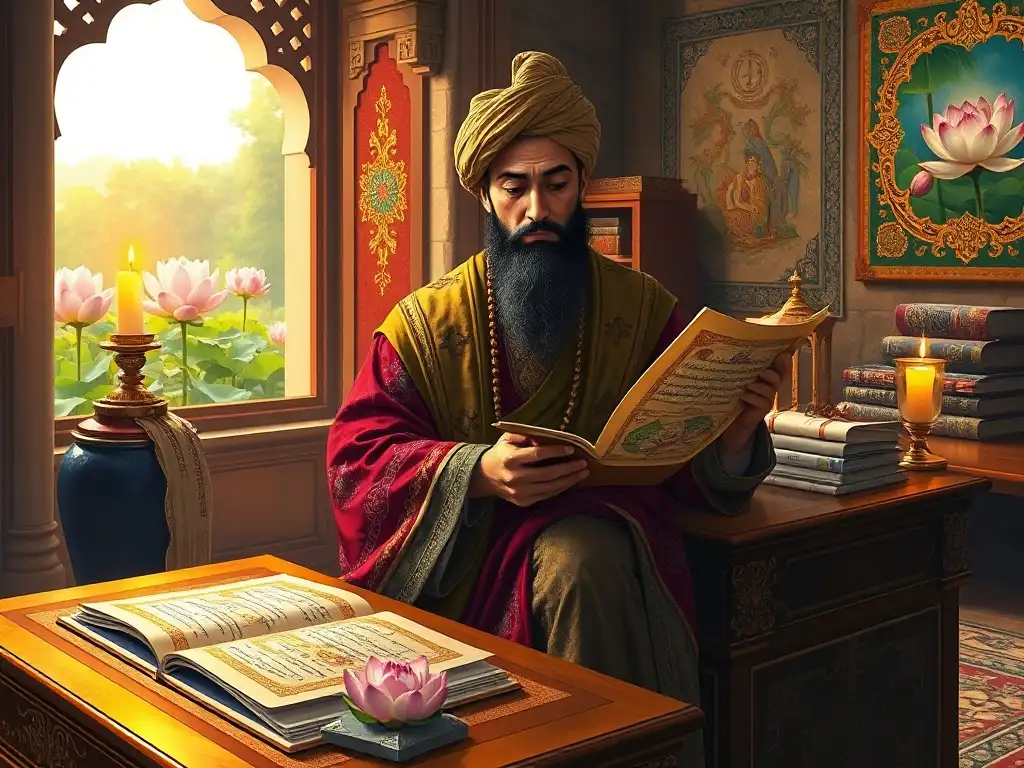
The Persian translations of Indian knowledge represent a pivotal chapter in the history of cultural and intellectual exchanges between civilizations. These translations not only facilitated the transfer of scientific, philosophical, and literary works from India to Persia but also laid the groundwork for subsequent interactions between the Islamic world and the Indian subcontinent. The lasting significance of these translations can be seen in several key areas:
- Preservation of Knowledge: Many ancient Indian texts, particularly in the fields of mathematics, astronomy, and medicine, were at risk of being lost. Persian scholars played a crucial role in preserving these works through meticulous translation efforts, ensuring that Indian wisdom continued to influence later generations.
- Cultural Synthesis: The translations fostered a unique blend of Indian and Persian thought. This synthesis contributed to the development of new ideas and concepts that enriched both cultures, demonstrating the power of cross-cultural collaboration.
- Influence on Islamic Scholars: Persian translations served as a bridge for Islamic scholars to access Indian knowledge, which significantly impacted fields such as mathematics and astronomy. The introduction of concepts like the numeral system from India had profound implications for the development of science in the Islamic Golden Age.
Reflection on Cultural Interactions and Knowledge Exchange
The interactions between Persian and Indian scholars were not merely transactional; they were transformative. Persian translations of Indian knowledge highlight the importance of cultural interactions in shaping intellectual landscapes.
- Intellectual Networks: Scholars from both cultures engaged in vibrant intellectual networks, sharing ideas, methodologies, and texts. This exchange was facilitated by the movement of scholars across regions, often due to the patronage of emperors and the establishment of educational institutions.
- Language as a Medium: The Persian language became a vehicle for the dissemination of Indian knowledge, illustrating how language can act as a bridge between cultures. The choice of Persian for translations allowed Indian ideas to reach a broader audience in the Islamic world and beyond.
- Mutual Influence: The process of translation was not one-sided; Persian scholars also contributed their own interpretations and adaptations of Indian texts. This mutual influence enriched the intellectual heritage of both cultures, leading to advancements in philosophy, literature, and the sciences.
Future Research Directions in Indian-Persian Interactions
As the field of Indian-Persian interactions continues to evolve, several areas warrant further exploration:
- Detailed Case Studies: Investigating specific texts and their translations can provide deeper insights into how knowledge was adapted and transformed across cultures. Case studies could focus on significant works in mathematics, medicine, or philosophy.
- The Role of Women Scholars: Historically, the contributions of women in the translation process have been underrepresented. Future research can explore the roles of female scholars in both Indian and Persian contexts, shedding light on their contributions to knowledge exchange.
- Comparative Analysis: Conducting comparative analyses of Indian and Persian versions of translated works could reveal how cultural contexts influenced interpretations and understandings of knowledge.
- Impact on Subsequent Civilizations: Understanding how Persian translations of Indian knowledge influenced later civilizations, particularly during the Renaissance and beyond, can provide a broader context for the significance of these interactions.
The study of Persian translations of Indian knowledge is a fertile ground for research that can illuminate the complexities of cultural interactions and the enduring legacy of these exchanges. By delving into this rich history, scholars can uncover the nuanced ways in which different civilizations have shaped one another over millennia.
Frequently Asked Questions
What role did Persian scholars play in translating Indian knowledge?
Persian scholars acted as intermediaries, translating vast amounts of Indian texts into Persian, which helped preserve and disseminate Indian knowledge across cultures.
How did Persian translations impact Indian literature?
The translations introduced Indian literary works to the Persian-speaking world, enriching both literature and cultural exchange between India and Persia.
What were some key areas of knowledge that were translated?
Persian scholars focused on various fields such as mathematics, astronomy, and philosophy, ensuring that Indian advancements reached a broader audience.
Why are these translations significant today?
These translations serve as a bridge between Indian and Persian cultures, highlighting the interconnectedness of ancient civilizations and their contributions to world knowledge.
How did the translations influence modern scholarship?
The Persian translations laid the groundwork for future research, making ancient Indian texts accessible and influencing academic studies in both fields.
Final Reflection: The Enduring Legacy of Persian Translations of Indian Knowledge
The intricate tapestry of knowledge woven by Persian scholars through their translations of Indian texts remains profoundly relevant today. In an era where cross-cultural exchanges are more vital than ever, the historical collaboration between Persian and Indian intellectuals serves as a powerful reminder of the importance of embracing diverse perspectives. The translations not only enriched Persian literature but also laid the groundwork for future generations to explore and innovate, demonstrating that knowledge knows no boundaries.
The impact of these translations resonates deeply within our contemporary cultural and social landscape. The blending of ideas and philosophies from different traditions has fostered a spirit of inquiry and collaboration that continues to inspire scholars and thinkers alike. As we reflect on this rich history, we are reminded of the words of the great Persian poet Rumi: The wound is the place where the Light enters you.
This highlights how the challenges of translation and cultural exchange can illuminate new paths of understanding and creativity, shaping our collective intellectual heritage.
As we stand at the crossroads of tradition and modernity, I invite you to reflect on the lessons of collaboration and openness found in the translations of Indian knowledge by Persian scholars. Consider how you can apply these principles in your own life—whether through fostering dialogue, embracing diverse viewpoints, or seeking knowledge beyond your immediate horizon. By doing so, we honor the legacy of those who came before us and contribute to a future where the sharing of knowledge continues to thrive, enriching our lives and the world around us.
Unlock the Wisdom of the Ages!
Thank you for exploring the fascinating journey of how Persian scholars transformed Indian knowledge into groundbreaking insights! You’ve uncovered the rich tapestry of history connecting these two great cultures. Now, let’s take that newfound understanding and put it into action!
Here’s how you can dive deeper and make a difference:
- Explore further: Read more about the contributions of Persian scholars and their influence on various fields such as science, literature, and philosophy.
- Share your thoughts: Discuss this amazing exchange of knowledge with friends or on social media to spread awareness and inspire greater interest in cultural exchanges.
- Join a community: Connect with fellow history enthusiasts online or in local groups to share insights and learn collaboratively.
Which aspect of this remarkable cultural exchange resonates with you the most, and how would you like to see it shape the future of scholarship?