
The Preservation of Culture: How Inscriptions Serve as Historical Narratives

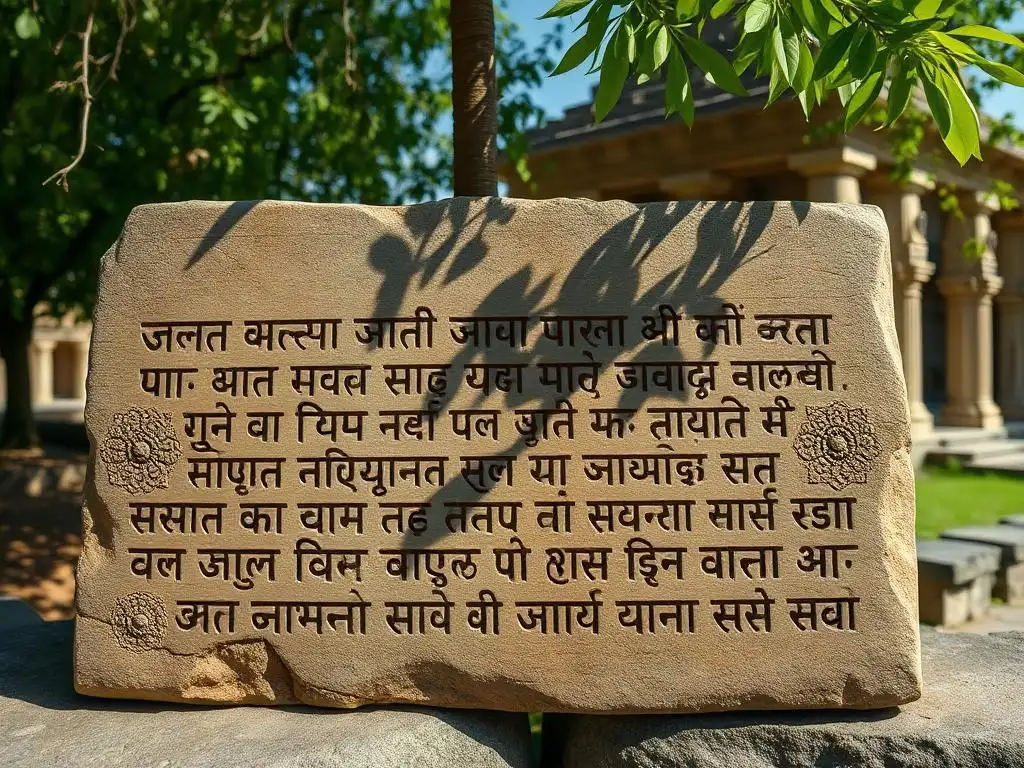
Welcome to Ancient India History, where we embark on a fascinating journey through the rich tapestry of ancient Indian civilizations. From the bustling streets of the Indus Valley to the flourishing Gupta Empire, our exploration unveils the profound cultural and historical narratives that shaped a nation. In our featured article, "The Preservation of Culture: How Inscriptions Serve as Historical Narratives," we delve into the intriguing world of Ancient Indian inscriptions history.
Discover how these remarkable artifacts not only preserve the past but also illuminate the vibrant stories of a civilization that continues to inspire. Join us as we unlock the secrets of history, one inscription at a time!
Introduction to Ancient Indian Inscriptions History
The history of ancient Indian inscriptions is a fascinating exploration into the cultural and historical tapestry of one of the world's oldest civilizations. These inscriptions, often carved into stone, metal, or other durable materials, serve as invaluable artifacts that provide insight into the social, political, and religious aspects of ancient Indian life.
By examining these records, historians and archaeologists can reconstruct narratives about the past, revealing the complexities of various ancient Indian societies. From the early Indus Valley Civilization to the flourishing Gupta Empire, inscriptions have played a crucial role in preserving the rich heritage of India, allowing modern scholars to piece together an intricate mosaic of cultural evolution.
Importance of Inscriptions in Understanding Ancient Cultures
Inscriptions are more than just mere words etched into surfaces; they are the echoes of ancient voices that communicate the values, beliefs, and practices of past societies. Their significance can be summarized in the following points:
- Cultural Insights: Inscriptions often reflect the everyday life, customs, and traditions of ancient peoples, providing a window into their societal norms.
- Political Records: Many inscriptions document the reigns of kings, territorial conquests, and administrative practices, offering a chronological narrative of political developments.
- Religious Texts: A substantial number of inscriptions relate to religious beliefs, rituals, and the patronage of temples, highlighting the spiritual life of ancient Indians.
The study of these inscriptions allows historians to understand the continuity and change within cultures over time, revealing how ancient Indian societies influenced one another and adapted to various circumstances.
Overview of Ancient Indian Civilizations and Their Contributions
Ancient India was home to several great civilizations, each contributing uniquely to the cultural and historical landscape of the region. Here's a brief overview of some key civilizations:
- Indus Valley Civilization (c. 3300–1300 BCE)
- Known for advanced urban planning and architecture.
- Early examples of writing, though still undeciphered.
- Vedic Period (c. 1500–500 BCE)
- Development of the Vedas, foundational texts of Hindu philosophy.
- Introduction of complex rituals and societal structures.
- Maurya Empire (c. 322–185 BCE)
- Notable for the reign of Ashoka, who promoted Buddhism.
- Inscriptions such as the Edicts of Ashoka spread messages of peace and governance.
- Gupta Empire (c. 240–550 CE)
- A golden age of arts, science, and literature.
- Inscriptions from this period often celebrate achievements in mathematics and astronomy.
These civilizations laid the groundwork for India's cultural heritage, and their inscriptions continue to inspire scholars and enthusiasts alike.
The Role of Inscriptions in Documenting History
Inscriptions serve as crucial links to the past, providing firsthand accounts of historical events and societal changes. Their role in documenting history can be understood through the following aspects:
Definition and Types of Inscriptions in Ancient India
Inscriptions in ancient India can be broadly categorized into several types, each serving different purposes:
- Epigraphic Inscriptions: Typically engraved on stone or metal, these inscriptions often commemorate significant events or individuals.
- Religious Inscriptions: Found in temples and sanctuaries, these texts often include prayers, hymns, or dedications to deities.
- Legal Inscriptions: These documents record laws, edicts, and decrees, providing insights into the legal systems of ancient societies.
The diversity of inscriptions reflects the multifaceted nature of ancient Indian life, encapsulating a wide range of human experiences.
Inscriptions as Primary Sources for Historical Research
Inscriptions are considered primary sources because they originate from the period they describe, offering authentic insights into historical contexts. Their significance in research includes:
- Chronological Framework: Inscriptions can often be dated accurately, helping historians establish timelines of events.
- Cultural Context: They provide context for archaeological findings, enriching our understanding of material culture.
- Interpretative Challenges: The study of inscriptions also poses challenges, such as issues of translation and interpretation, which require careful scholarly analysis.
Through these inscriptions, we can gain a deeper understanding of the historical narratives that have shaped ancient Indian civilization, making them indispensable to the study of history.
Key Historical Inscriptions of Ancient India
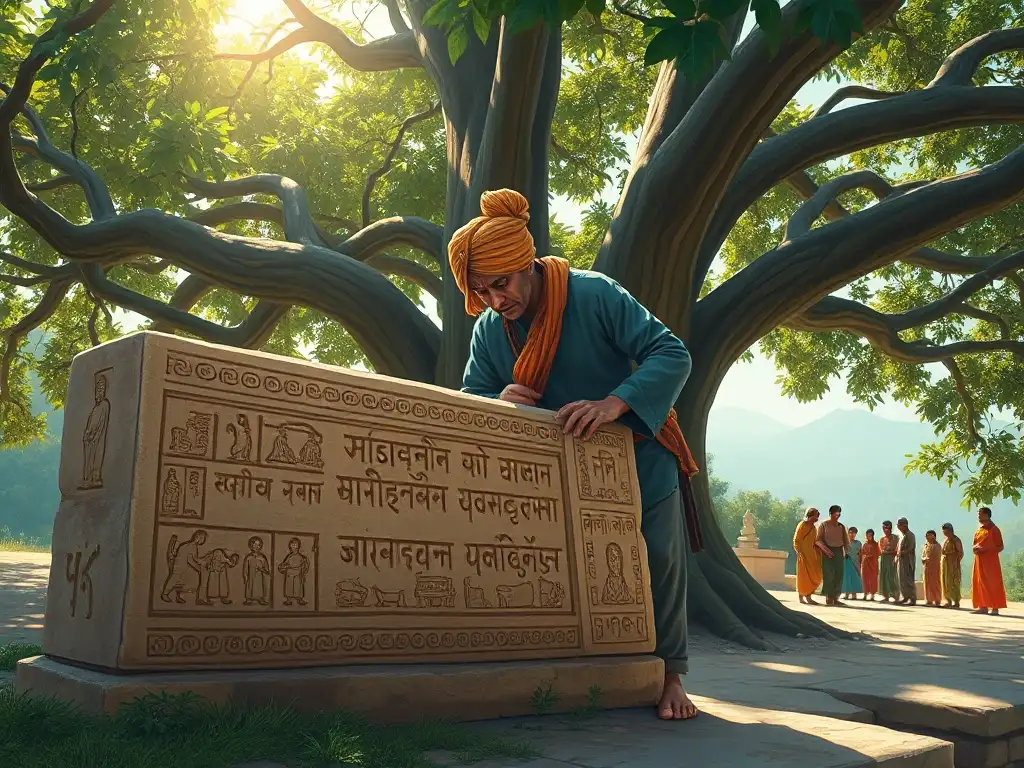
Ancient Indian inscriptions are invaluable artifacts that provide a window into the past, illuminating the cultural, political, and social dynamics of various epochs. These inscriptions, ranging from stone edicts to copper plate grants, document royal proclamations, religious edicts, and everyday transactions. They serve not only as records of historical events but also as reflections of the values and beliefs of the time.
Among the most significant inscriptions are the Edicts of Ashoka, which offer insights into the Mauryan Empire's governance and ethical framework. Other notable examples include the inscriptions from the Gupta period, which showcase advancements in administration and societal structure. Regional inscriptions, such as those from South India, further enrich our understanding of local histories and cultural nuances, highlighting the diversity within ancient Indian civilization.
The Edicts of Ashoka and Their Cultural Significance
The Edicts of Ashoka, inscribed during the 3rd century BCE, are perhaps the most prominent examples of ancient Indian inscriptions. These edicts were carved on rocks and pillars across the Indian subcontinent, promoting the principles of Dharma, non-violence, and moral conduct. Ashoka’s commitment to spreading Buddhism is evident in these inscriptions, which advocate for compassion towards all living beings and the importance of ethical governance.
The cultural significance of these edicts lies not only in their religious context but also in their role as a unifying force across a diverse empire. They served to communicate Ashoka’s policies to a largely illiterate population, fostering a sense of belonging and shared values. The inscriptions also reflect the king's desire to connect with his subjects, emphasizing the importance of justice, welfare, and community harmony in governance.
The Inscriptions of the Gupta Period: A Reflection of Society and Governance
The Gupta period, often referred to as the Golden Age of India, produced a wealth of inscriptions that reveal much about the era's societal structure, administrative practices, and cultural achievements. These inscriptions often recorded land grants, donations to temples, and the achievements of rulers, showcasing the importance of patronage in the arts and religion.
One of the most notable inscriptions from this era is the Allahabad Pillar inscription, which highlights the accomplishments of Emperor Samudragupta. It not only chronicles his military conquests but also alludes to the cultural and intellectual advancements of the time. The inscriptions from this period often reflect a sophisticated understanding of governance, with an emphasis on local administration and the role of regional powers, indicating a complex societal structure that valued both hierarchy and local autonomy.
Notable Regional Inscriptions and Their Impact on Local Histories
Regional inscriptions play a crucial role in piecing together local histories that are often overlooked in broader narratives. Inscriptions such as the Tamil inscriptions from the Chola dynasty and the Kannada inscriptions from the Western Chalukyas illustrate the rich cultural heritage and administrative practices of these regions.
These inscriptions often detail land grants, temple constructions, and social reforms, providing insight into the local governance systems and community dynamics. For instance, the inscriptions from the Chola period highlight the extensive maritime trade networks and the influence of Tamil culture across Southeast Asia. Similarly, the inscriptions from the Chalukyas reflect the patronage of literature and art, marking the region as a center of cultural renaissance. By studying these regional inscriptions, historians can better appreciate the diverse tapestry of ancient Indian civilization and its localized narratives.
The Language and Script of Ancient Indian Inscriptions
The language and script of ancient Indian inscriptions are crucial for understanding the historical context in which they were created. The inscriptions primarily utilized Brahmi and Kharosthi scripts, which are among the earliest writing systems in India. These scripts not only reflect the linguistic diversity of the time but also highlight the evolution of written communication in ancient Indian society.
The study of these inscriptions provides insights into the languages spoken across different regions and how they influenced one another. Additionally, the inscriptions often reveal the socio-political landscape, including the spread of religions, trade interactions, and cultural exchanges between different communities.
Deciphering Ancient Scripts: Brahmi and Kharosthi
Brahmi and Kharosthi scripts are pivotal in the study of ancient Indian inscriptions. Brahmi is considered one of the earliest scripts from which many modern Indian scripts have evolved. It was widely used during the Mauryan period and later, serving as a medium for a variety of languages including Sanskrit and Prakrit. The inscriptions in Brahmi reflect administrative, religious, and literary texts, showcasing the linguistic richness of ancient India.
Kharosthi, on the other hand, was used primarily in the northwest regions of the Indian subcontinent. This script, which shows a strong influence from Aramaic, was utilized for writing Gandhari, an ancient language of the region. The deciphering of these scripts has been crucial in understanding the historical narratives embedded within the inscriptions, allowing scholars to reconstruct the socio-cultural milieu of ancient India.
Linguistic Variations in Inscriptions Across Regions
Linguistic variations in ancient Indian inscriptions offer a fascinating glimpse into the regional identities and cultural interactions of the time. As different kingdoms and empires arose, the languages and dialects used in inscriptions evolved, reflecting the localized contexts and influences.
For instance, while Sanskrit predominated in the inscriptions of the Gupta period, regional languages such as Tamil and Kannada emerged prominently in southern India. This diversity not only showcases the linguistic richness of ancient India but also indicates the complex socio-political relationships and cultural exchanges between different regions.
The study of these linguistic variations helps historians understand how language served as a vehicle for cultural expression and identity, illustrating the dynamic interplay between local traditions and broader historical narratives. By examining these inscriptions, we can gain deeper insights into the historical evolution of language and script, as well as their impact on the preservation of culture in ancient India.
Thematic Analysis of Inscriptions in Ancient India
Inscriptions from ancient India serve as a vital resource for understanding the multifaceted nature of its civilizations. They provide a window into the prevailing themes of society, including religious beliefs, political structures, and social customs. The thematic analysis of these inscriptions reveals profound insights into the ideologies, governance, and daily practices of ancient Indian cultures.
By examining the content, language, and context of inscriptions, historians can reconstruct narratives that highlight the complexities of life during various periods, from the Indus Valley civilization to the Gupta Empire. Each theme encapsulates significant aspects that contributed to the rich tapestry of ancient Indian history.
Religious Inscriptions: Faith and Beliefs in Ancient Society
Religious inscriptions are among the most significant artifacts in ancient Indian history, reflecting the spiritual landscape of the time. These inscriptions often include dedications to deities, descriptions of rituals, and philosophical texts that outline the beliefs held by different sects. For example, numerous inscriptions from the Mauryan period, such as those by Emperor Ashoka, proclaim the tenets of Buddhism and the promotion of dharma.
These inscriptions not only illustrate the religious diversity present in ancient India, encompassing Hinduism, Buddhism, Jainism, and later, Islam, but also reveal the social dimensions of faith. Temples and stupas served as centers of community life, and the inscriptions found within these spaces often express the aspirations and contributions of patrons and devotees. Additionally, some inscriptions contain ethical teachings and moral codes that reflect the cultural values and societal norms of the time, emphasizing the role of faith in shaping individual and collective identities.
Political Inscriptions: Power Dynamics and Governance
Political inscriptions provide critical insights into the governance structures and power dynamics of ancient Indian states. These texts often commemorate military victories, royal decrees, and administrative reforms, highlighting the relationship between rulers and their subjects. Inscriptions such as the edicts of Ashoka and the inscriptions from the Chola dynasty illustrate the authority of kings and their responsibilities towards their people.
Furthermore, these inscriptions reveal how political power was legitimized through divine sanction, as rulers often associated themselves with deities to reinforce their authority. The inscriptions also serve to document treaties, land grants, and the establishment of trade routes, offering glimpses into the economic foundations of governance. By analyzing these texts, historians can trace the evolution of political thought and the administrative practices that characterized various dynasties in ancient India.
Social Inscriptions: Insights into Daily Life and Culture
Social inscriptions shed light on the everyday lives of ancient Indians, providing a rich narrative of cultural practices, social hierarchies, and community interactions. These inscriptions often include accounts of trade, agriculture, and craftsmanship, reflecting the economic activities that sustained ancient societies.
Additionally, inscriptions related to marriage, family structures, and social customs reveal the values and norms that governed interpersonal relationships. For instance, marriage agreements inscribed on copper plates and stone offer insight into familial alliances and inheritance practices. The presence of inscriptions in various languages and scripts also indicates the linguistic diversity of the region, showcasing the interactions between different ethnic and cultural groups.
Through these social inscriptions, researchers can reconstruct a more nuanced understanding of the cultural fabric of ancient India, illustrating how daily life was interwoven with broader historical narratives.
Preservation and Conservation of Ancient Indian Inscriptions
The preservation and conservation of ancient Indian inscriptions are crucial for maintaining the integrity of historical narratives. As irreplaceable sources of information, these inscriptions require careful handling and protection to withstand the test of time. Conservation efforts focus on maintaining the physical condition of the inscriptions, ensuring that they remain accessible for future generations of historians and scholars.
Challenges in Preserving Historical Inscriptions
Preserving ancient inscriptions poses several challenges, ranging from environmental factors to human interference. Natural elements such as weathering, humidity, and pollution can lead to the degradation of materials, causing inscriptions to fade or become illegible over time. Moreover, human activities, including urban development and tourism, often threaten the sites where these inscriptions are found.
Additionally, the materials used for inscriptions, such as stone, metal, and clay, each present unique conservation challenges. For instance, inscriptions carved into softer stones may erode more quickly than those on harder surfaces. The lack of adequate funding and resources for conservation projects further complicates efforts, making it imperative for governments and organizations to prioritize the protection of these historical treasures.
Techniques and Technologies for Conservation
Advancements in conservation techniques and technologies have significantly improved the preservation of ancient Indian inscriptions. Modern methods include digital documentation, where high-resolution imaging and 3D scanning are used to create detailed records of inscriptions. This digital archive serves both as a means of preservation and a resource for scholars who may not have access to the physical sites.
Chemical treatments and protective coatings can also be applied to inscriptions to prevent deterioration. For instance, consolidants can stabilize crumbling stone, while protective barriers can shield inscriptions from environmental elements. Additionally, public awareness campaigns and educational programs are crucial for fostering a culture of preservation, encouraging local communities to engage in the safeguarding of their historical heritage.
Through these efforts, the rich history inscribed within ancient Indian inscriptions can continue to inform and inspire future generations.
The Impact of Inscriptions on Modern Understanding of Ancient India
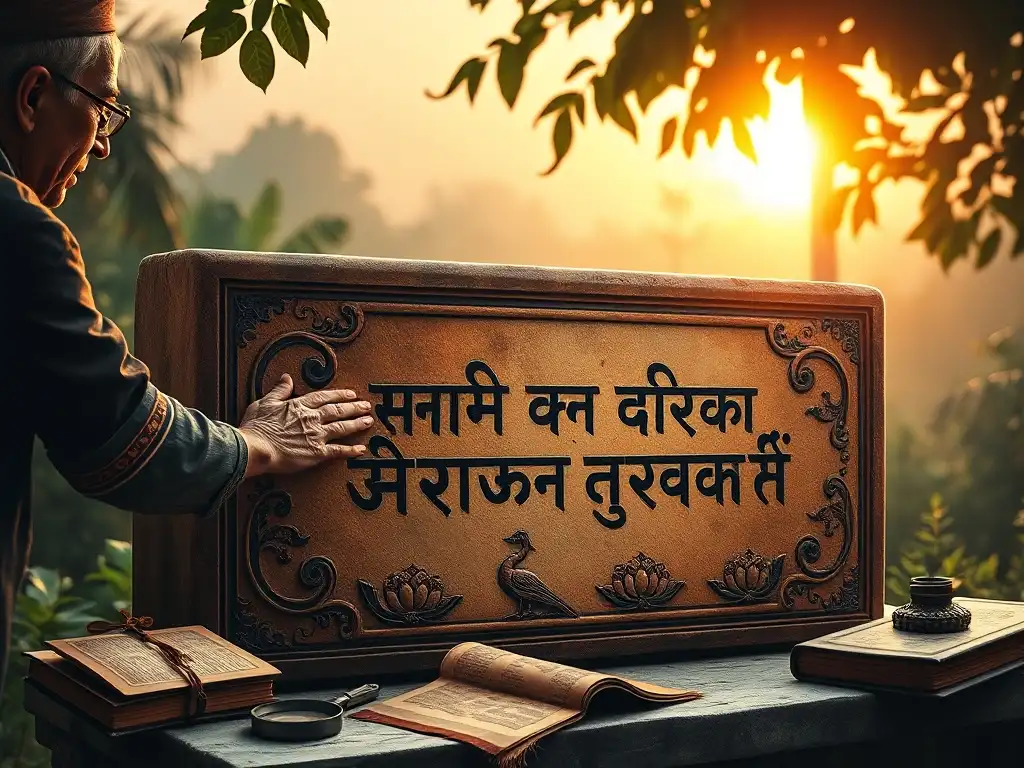
Inscriptions have played a pivotal role in shaping modern understandings of ancient Indian civilizations. These engraved messages, found on various materials such as stone, metal, and clay, provide direct evidence of historical events, social structures, and cultural practices. They serve as primary sources that offer insights into the political, economic, and religious life of ancient societies. The deciphering of inscriptions, such as those from the Indus Valley Civilization and the Mauryan Empire, has allowed historians to reconstruct timelines and understand the complexities of governance, trade, and societal norms.
Moreover, inscriptions often contain essential information about rulers and dynasties, including their achievements and contributions. For instance, the Edicts of Ashoka not only reflect the Mauryan emperor’s commitment to Dharma (moral law) but also reveal the extent of his empire and his policies on social welfare. Such findings have been instrumental in re-evaluating historical narratives and acknowledging the multifaceted nature of ancient Indian history.
How Inscriptions Shape Historical Narratives Today
The narratives shaped by inscriptions are crucial in contemporary historiography. They challenge preconceived notions and provide a more nuanced understanding of ancient Indian culture. By offering firsthand accounts and proclamations, inscriptions can refute or corroborate historical texts that might be biased or incomplete.
For example, inscriptions from the Gupta period highlight advancements in science, literature, and art, which are often overshadowed by political histories. This shift in focus enriches our comprehension of the cultural and intellectual achievements of the time. Inscriptions also facilitate cross-disciplinary studies, allowing archaeologists, linguists, and historians to collaborate and enhance the depth of historical inquiry.
The Relevance of Inscriptions in Contemporary Cultural Identity
In today's world, ancient inscriptions continue to resonate with various aspects of cultural identity in India. They act as a bridge connecting modern society with its historical roots, fostering a sense of pride and continuity among communities. Many inscriptions are revered as symbols of heritage, reflecting the values and traditions that have been passed down through generations.
Furthermore, inscriptions contribute to the preservation of languages and scripts that may be endangered. Efforts to study and document these inscriptions often lead to revitalization projects that celebrate local languages and dialects, reinforcing cultural identity in a rapidly globalizing world. Consequently, the relevance of inscriptions extends beyond historical study; they serve as vital elements in defining and preserving contemporary cultural identities.
Conclusion: The Lasting Legacy of Ancient Indian Inscriptions
The legacy of ancient Indian inscriptions is profound and enduring. They not only provide a window into the past but also shape the collective memory of a civilization that has significantly influenced global history. Inscriptions are more than mere artifacts; they encapsulate the thoughts, beliefs, and aspirations of ancient peoples, making them invaluable to both historians and cultural enthusiasts alike.
Final Thoughts on the Importance of Inscriptions in Cultural Preservation
Inscriptions underscore the importance of preserving cultural heritage in an age where rapid change threatens historical continuity. By valuing and studying these inscriptions, we not only honor the achievements of our ancestors but also ensure that future generations have access to their rich cultural narratives. The commitment to preserving such artifacts is essential for maintaining a sense of identity that is rooted in history.
Encouragement for Further Exploration of Ancient Indian Inscriptions History
For those intrigued by ancient Indian inscriptions history, further exploration is highly encouraged. Engaging with the vast array of inscriptions across different regions and periods can reveal fascinating stories and contribute to a deeper understanding of India’s cultural tapestry. Scholars, students, and enthusiasts alike can delve into epigraphy, archaeology, and linguistics to uncover the many layers of meaning embedded in these historical treasures, thus enriching their appreciation of India’s ancient past.
- Introduction to Ancient Indian Inscriptions History
- Importance of Inscriptions in Understanding Ancient Cultures
- Overview of Ancient Indian Civilizations and Their Contributions
- The Role of Inscriptions in Documenting History
- Key Historical Inscriptions of Ancient India
- The Language and Script of Ancient Indian Inscriptions
- Thematic Analysis of Inscriptions in Ancient India
- Preservation and Conservation of Ancient Indian Inscriptions
- The Impact of Inscriptions on Modern Understanding of Ancient India
- How Inscriptions Shape Historical Narratives Today
- The Relevance of Inscriptions in Contemporary Cultural Identity
- Conclusion: The Lasting Legacy of Ancient Indian Inscriptions
Frequently Asked Questions
What are ancient Indian inscriptions?
Ancient Indian inscriptions are texts carved into materials such as stone, metal, and pottery. They serve as historical records that provide insight into the culture, governance, and religious practices of ancient civilizations.
Why are inscriptions important for understanding ancient Indian history?
Inscriptions are crucial as they preserve primary historical narratives. They offer a direct glimpse into the thoughts, laws, and events of ancient societies, helping historians reconstruct the social and political landscape of the time.
What types of information can be found in ancient Indian inscriptions?
Ancient Indian inscriptions often contain information about royal decrees, religious rituals, and trade practices. They may also commemorate significant events or individuals, providing valuable context for historical research.
How have ancient inscriptions been preserved over time?
Many inscriptions have survived due to their durable materials and strategic placements. Some were inscribed in rock or stone, while others were protected by being located in sacred or remote areas, aiding in their long-term preservation.
What role did inscriptions play in the Gupta Empire?
During the Gupta Empire, inscriptions flourished as tools for administration and culture. They documented royal achievements and patronage, playing a significant role in promoting the arts and literature of the time.
Final Reflection: The Enduring Legacy of Ancient Indian Inscriptions
The preservation of culture through ancient Indian inscriptions is not merely a historical endeavor; it is a vital connection to our collective identity. In today’s rapidly changing world, where globalization often threatens local traditions, these inscriptions serve as powerful reminders of our roots and heritage. They encapsulate the wisdom, beliefs, and narratives of civilizations that have shaped our present, urging us to recognize the importance of safeguarding our cultural legacies.
The influence of ancient inscriptions extends far beyond their physical existence; they continue to inspire contemporary society and shape our understanding of history. As we delve into these inscriptions, we uncover stories that resonate with our own experiences, bridging the gap between past and present. History is not a burden on the memory but an illumination of the soul.
This quote encapsulates the essence of how these narratives enrich our lives, providing context and continuity in a world that often feels fragmented.
As we reflect on the significance of ancient Indian inscriptions, I invite you to consider how you can engage with and honor your own cultural heritage. Take a moment to explore your roots, learn about the stories that have shaped your community, and share these narratives with others. By doing so, you contribute to the preservation of culture and ensure that the lessons of the past continue to illuminate our paths forward. Let us embrace the wisdom of our ancestors and carry their stories into the future, fostering a deeper appreciation for the rich tapestry of human history.
Uncover Your Cultural Legacy Today!
Thank you for diving into the rich history of inscriptions and their crucial role in preserving culture. We hope you felt the powerful connection to our shared past! Now, it’s time to take action and further engage with this fascinating topic.
Here’s how you can continue your journey into the heart of cultural preservation:
- Explore your local history: Visit museums or historical sites in your area to discover inscriptions and artifacts that narrate the story of your community.
- Share your findings: Discuss what you've learned with friends and family. You can spark a conversation about cultural heritage on social media for a broader impact.
- Engage with experts: Join online forums or attend lectures focused on archaeological discoveries and inscriptions. Look for local events that delve deeper into ancient narratives.
What unique inscription or artifact from your culture would you like to explore more deeply? We invite you to share your thoughts in the comments!