
The Battle of Tarain: The Rise of Muslim Rule in India

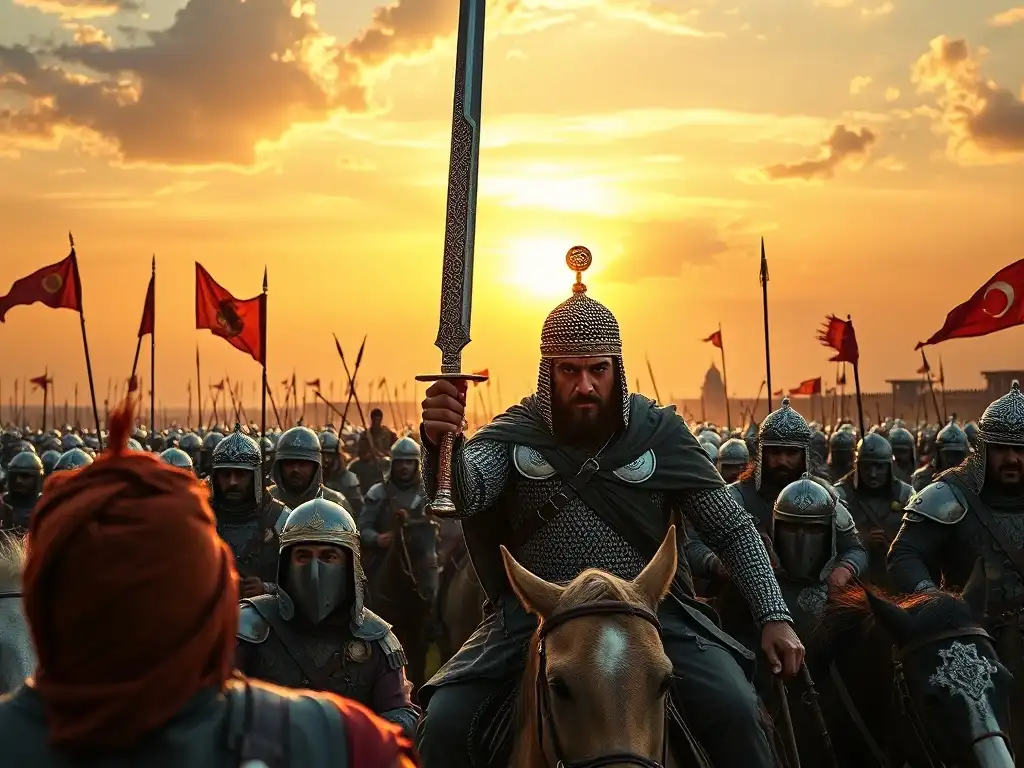
Welcome to Ancient India History, where we embark on a fascinating journey through the rich tapestry of ancient Indian civilizations. Today, we delve into a pivotal chapter that transformed the subcontinent: "The Battle of Tarain: The Rise of Muslim Rule in India." As we explore the military strategies, cultural exchanges, and the profound impact of this era, prepare to uncover the stories that shaped a nation.
What led to this monumental shift in power, and how did it influence the diverse cultural landscape of India? Join us as we unravel the intricate details of this historical turning point, igniting your curiosity to learn more about the legacies of the past.
Introduction to the Battle of Tarain
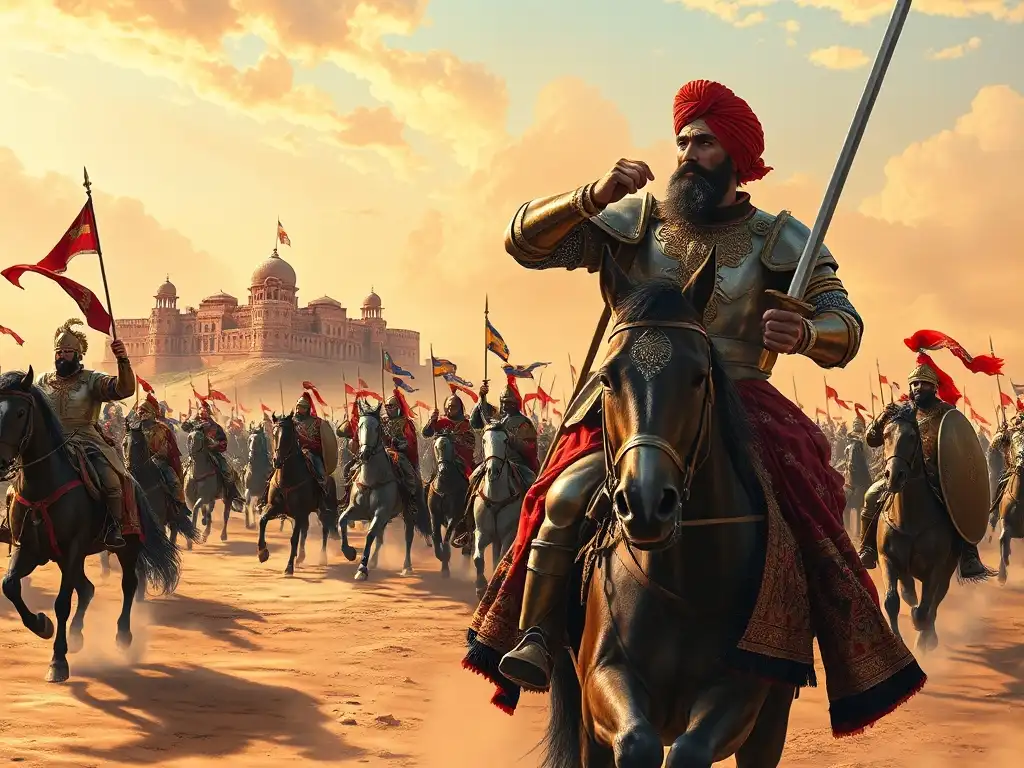
The Battle of Tarain, fought in the late 12th century, marks a pivotal moment in the history of ancient India, particularly in the context of the emergence of Muslim rule in the region. This conflict, occurring in 1191 and 1192, not only altered the political landscape of northern India but also set the stage for the establishment of Muslim dominance in the subcontinent. As we delve into the details of this battle, it is essential to understand its historical context, significance, and the broader implications it had on the evolution of governance and culture in ancient India.
Overview of the Historical Context
To fully appreciate the Battle of Tarain, one must consider the intricate tapestry of ancient Indian history leading up to the 12th century. This era was characterized by the fragmentation of power among various regional kingdoms, each vying for supremacy. The decline of the Ghaznavid Empire and the rise of the Ghurid Empire facilitated a series of invasions into India, spearheaded by Muhammad of Ghor. These invasions were not merely military campaigns; they represented a clash of cultures, ideologies, and power structures.
The backdrop of the battle reveals a complex interplay between local Rajput kingdoms and the encroaching Muslim forces. The Rajputs, known for their valor and martial traditions, were the dominant power in northern India at this time. However, the relentless advances of Muslim armies began to challenge their hegemony, leading to a series of confrontations that culminated in the Battle of Tarain.
Significance of the Battle in Ancient Indian History
The significance of the Battle of Tarain extends far beyond its immediate military outcomes. It is often viewed as a watershed moment that heralded the onset of a new era in Indian history, characterized by the establishment of Muslim rule. The victory of Muhammad of Ghor in 1192 over the Rajput king Prithvi Raj Chauhan not only paved the way for the expansion of Muslim territories but also initiated profound cultural and societal transformations in the Indian subcontinent.
This battle is crucial in understanding the dynamics of power in ancient India as it facilitated the fusion of cultures, leading to the syncretic traditions that would define medieval Indian society. The establishment of the Delhi Sultanate that followed the battle marked the beginning of a prolonged period of Muslim governance, influencing art, architecture, language, and administration for centuries to come.
Background of Muslim Rule in Ancient India
Early Muslim Invasions and Their Impact
The foundations of Muslim rule in ancient India were laid well before the Battle of Tarain. Early invasions, notably by Mahmud of Ghazni in the 11th century, initiated a series of military campaigns that exposed the vulnerabilities within Indian kingdoms. These invasions were characterized by raids on temples and wealth, which not only destabilized local powers but also introduced the Islamic faith to various regions of India.
The impact of these early invasions was multifaceted. They led to the establishment of trade links between the Indian subcontinent and the Islamic world, fostering cultural exchanges that would later influence Indian art, philosophy, and science. Moreover, these incursions set a precedent for subsequent Muslim rulers, who sought to expand their territories and assert their dominance over the established Hindu kingdoms.
The Political Landscape Before the Battle of Tarain
Prior to the Battle of Tarain, the political landscape of northern India was marked by the prominence of several Rajput clans, each with their own territorial claims and rivalries. The Rajputs, known for their chivalry and military prowess, were the custodians of Hindu power in the region. However, the infighting among these clans often weakened their collective resistance against external threats.
In this context, Prithvi Raj Chauhan emerged as a significant figure, uniting various Rajput factions to form a formidable resistance against the Muslim incursions. His reign was characterized by both military successes and political challenges, particularly against the backdrop of Ghurid ambitions. The stage was set for a decisive confrontation, as the aspirations of Muhammad of Ghor clashed with the Rajput resolve to defend their sovereignty, culminating in the historic Battle of Tarain.
The First Battle of Tarain (1191)
The First Battle of Tarain, fought in 1191, marked a significant event in the military history of India, showcasing the early confrontations between the Rajput kingdoms and the invading Muslim forces. This battle was primarily fought between the forces of Prithviraj Chauhan, the ruler of the Chauhan dynasty, and Muhammad of Ghor, the Sultan of the Ghurid Empire. The conflict set the stage for the subsequent rise of Muslim rule in India.
Key Players in the First Battle
- Prithviraj Chauhan: As a prominent Rajput king, Prithviraj Chauhan was known for his valor and military prowess. He ruled over a vast territory that included parts of present-day Rajasthan and was respected for his leadership in defending his kingdom against external invasions.
- Muhammad of Ghor: The Sultan of Ghor was an ambitious military leader seeking to expand his empire into the Indian subcontinent. His invasion aimed to establish a foothold in northern India, making him a pivotal figure in the unfolding events that would lead to the establishment of Muslim rule.
Course of the Battle
The battle commenced when Muhammad of Ghor advanced towards Prithviraj's territory, aiming to capture the strategic location of Tarain. Prithviraj, aware of the threat posed by the invaders, assembled a large army comprised of Rajput warriors. The clash took place near Tarain, where the two armies engaged in fierce combat.
The Rajput forces initially displayed their characteristic valor and discipline, pushing back the Ghurid troops. However, the Ghurid army, despite being initially outmatched, employed strategic maneuvers and exploited the terrain to their advantage. The battle was intense, with both sides suffering significant casualties.
Outcomes and Consequences of the First Battle
The First Battle of Tarain ultimately resulted in a decisive victory for Prithviraj Chauhan. The defeat forced Muhammad of Ghor to retreat, marking a temporary halt to his ambitions in northern India. This victory bolstered Prithviraj's reputation, strengthening his position as a formidable ruler among the Rajputs. However, the battle also highlighted the growing threat of Muslim invasions, signaling a shift in the balance of power in the region.
The Second Battle of Tarain (1192)
The Second Battle of Tarain, fought in 1192, was a continuation of the conflict initiated by the First Battle. This encounter had far-reaching consequences for the political landscape of India, leading to the establishment of Muslim rule in the subcontinent.
Causes Leading to the Second Battle
Following his defeat in the First Battle, Muhammad of Ghor regrouped his forces and sought to avenge his loss. The desire to expand his empire and consolidate power in the region motivated him to launch a renewed offensive against Prithviraj Chauhan. Additionally, the strategic importance of northern India, rich in resources and trade routes, made it imperative for Ghor to secure this territory.
Strategic Preparations by Both Sides
In preparation for the Second Battle, both sides undertook significant strategic measures. Muhammad of Ghor, learning from his previous defeat, reinforced his army with additional troops and sought alliances with local rulers, enhancing his military strength. Prithviraj Chauhan, on the other hand, remained confident after his earlier victory, but he faced challenges in unifying the Rajput factions, who often had their own rivalries.
Key Events During the Second Battle
The Second Battle of Tarain commenced with both armies assembling near the same location as the previous confrontation. This time, Muhammad of Ghor employed more sophisticated military tactics, including the use of cavalry and archers to outmaneuver the Rajput forces. The battle was marked by intense fighting, with both sides demonstrating their military capabilities. However, the cohesiveness and strategic planning of Ghor’s forces proved decisive.
Result and Its Implications for Muslim Rule in India
The outcome of the Second Battle of Tarain was a significant defeat for Prithviraj Chauhan. The victory of Muhammad of Ghor not only marked the beginning of Muslim rule in northern India but also set a precedent for subsequent invasions and conquests. Ghor's triumph led to the establishment of the Delhi Sultanate, which would dominate the Indian subcontinent for centuries. This battle underscored the vulnerability of the Rajput kingdoms and signaled a dramatic shift in the historical trajectory of India, paving the way for the integration of Islamic culture and governance in the region.
The Aftermath of the Battle of Tarain
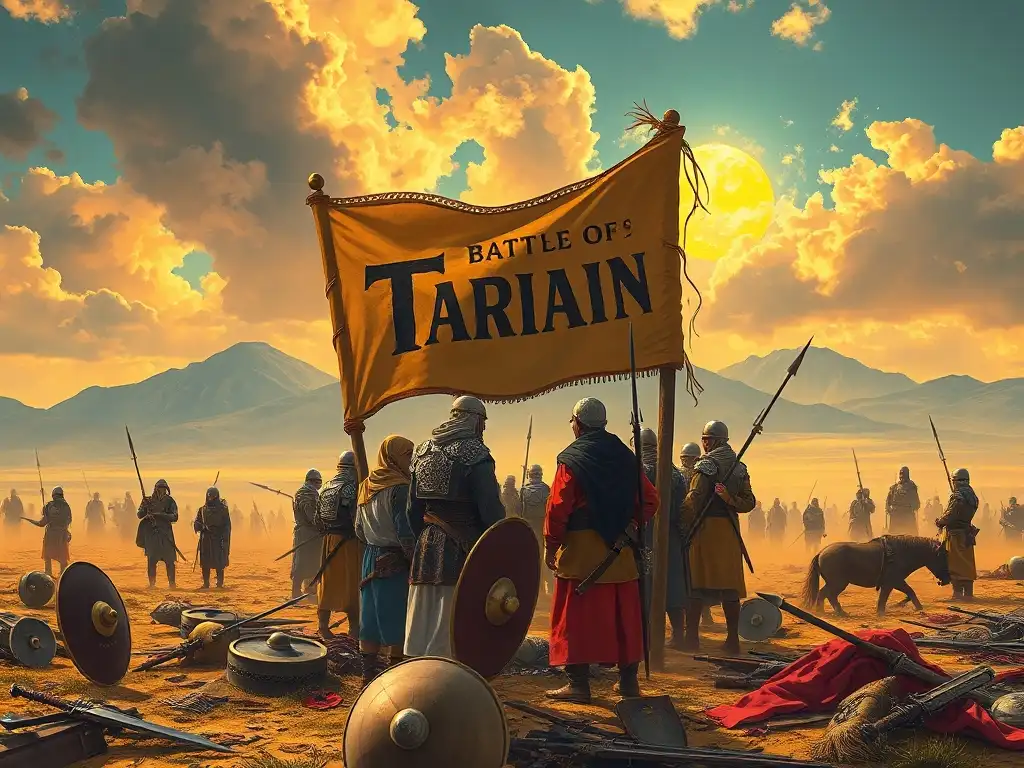
The Battle of Tarain, fought in 1191 and 1192, marked a pivotal moment in Indian history, resulting in significant changes in the political landscape of the subcontinent. Following the defeat of Prithviraj Chauhan in the second battle, the aftermath signaled the establishment of Muslim rule in northern India, a shift that would have profound implications for the region's governance, culture, and societal structure.
Establishment of Muslim Dominance in Northern India
The victory of Muhammad Ghori at Tarain laid the groundwork for the rapid expansion of Muslim dominance in northern India. Ghori's triumph not only enabled him to consolidate power but also facilitated the establishment of the Delhi Sultanate. This new regime heralded a period where Muslim rulers governed vast regions of India, leading to the decline of Rajput power and the fragmentation of local kingdoms. The establishment of a centralized administration under Muslim rule introduced new governance methods and administrative practices, which would significantly alter the political dynamics of the region.
Changes in the Political Structure of India
With the emergence of Muslim rule after the Battle of Tarain, the political structure of India underwent a substantial transformation. Traditional feudal systems dominated by Rajputs began to give way to a more centralized form of governance. The Delhi Sultanate implemented a bureaucratic system influenced by Islamic governance, fostering a complex hierarchy that included military, judicial, and fiscal roles. Key changes included:
- Integration of Diverse Regions: The Sultanate expanded its influence across various regions, thereby integrating different cultures and administrative practices.
- Military Innovations: The incorporation of new military technologies and strategies, including cavalry tactics and siege warfare, reshaped military engagements across India.
These changes set the stage for the rise of subsequent empires, including the Mughal Empire, which would further consolidate and expand upon the foundations laid by the early sultans.
Cultural and Social Impacts of Muslim Rule
The aftermath of the Battle of Tarain also ushered in significant cultural and social changes within Indian society. The introduction of Islamic culture and practices influenced various aspects of life, including art, architecture, and daily customs. Some key impacts included:
- Architectural Advancements: Islamic architecture flourished, leading to the construction of iconic structures such as mosques and forts that symbolized the new order.
- Cultural Syncretism: The blending of Hindu and Islamic traditions gave rise to new cultural expressions, including music, dance, and literature, fostering a rich tapestry of cultural syncretism.
- Social Stratification: The establishment of Muslim rule also altered social hierarchies, creating new classes and communities that navigated the complexities of a diverse society.
These cultural and social shifts contributed to the rich mosaic of Indian civilization, profoundly affecting its trajectory in the centuries that followed.
The Legacy of the Battle of Tarain
The Battle of Tarain left an indelible mark on the historical narrative of India, influencing the course of subsequent events and shaping the collective memory of the region.
Influence on Subsequent Military Campaigns
The victory at Tarain served as a crucial precedent for future military campaigns in India. Muhammad Ghori's strategies, particularly the employment of cavalry and tactical mobility, influenced subsequent commanders and rulers. The effectiveness of these military tactics was evident in the subsequent conquests that expanded Muslim territories across the subcontinent. Notable campaigns, including those led by later Sultans and the Mughals, often referenced the lessons learned from the battles at Tarain, showcasing the lasting impact of this pivotal conflict.
Historical Interpretations and Debates
The Battle of Tarain has been the subject of extensive historical interpretation and debate among scholars. Perspectives vary widely, with some viewing it as a mere military encounter, while others interpret it as a turning point that initiated a profound transformation in Indian history.
- Nationalistic Narratives: In contemporary discussions, the battle has been often framed within the context of national identity, with various interpretations highlighting the resistance against foreign invaders.
- Historical Critiques: Some historians argue that the focus on the battle oversimplifies the complex relationships between various Indian states and the Muslim rulers, advocating for a more nuanced understanding of the period.
These debates continue to shape the understanding of the battle's significance in the broader narrative of Indian history.
The Battle of Tarain in Modern Indian History
In modern Indian history, the Battle of Tarain is frequently referenced as a symbol of the beginning of foreign rule in India. Its legacy is reflected in the ongoing discussions about cultural identity, historical memory, and the implications of a multi-religious society. As India grapples with its diverse heritage, the events surrounding Tarain serve as a reminder of the complexities inherent in its historical journey, influencing contemporary discourse on nationalism and cultural integration.
Overall, the Battle of Tarain stands as a critical junction in the story of Indian history, encapsulating the rise of Muslim rule and its far-reaching consequences that continue to resonate in today's society.
Conclusion
The Battle of Tarain stands as a significant turning point in the history of India, marking the beginning of a new era characterized by the rise of Muslim rule in the subcontinent. This battle, fought in 1191 and 1192, not only showcased the military strategies of the time but also highlighted the political and cultural shifts that would redefine the Indian landscape for centuries to come.
Recap of the Rise of Muslim Rule in Ancient India
The rise of Muslim rule in ancient India can be traced back to a series of invasions and conquests that began in the early medieval period. The battle at Tarain was pivotal as it established the groundwork for the establishment of the Delhi Sultanate.
Under the leadership of Muhammad Ghori, the defeat of the Rajput confederation led by Prithviraj Chauhan facilitated the expansion of Muslim dominance in northern India. The victory not only solidified Ghori's power but also encouraged subsequent rulers to pursue further conquests, leading to the eventual establishment of a Muslim political framework that would influence the socio-political fabric of India.
This transition was characterized by the blending of Islamic and indigenous cultures, which laid the foundation for a unique Indo-Islamic civilization. The subsequent dynasties, such as the Ghurids and later the Mughals, would continue to build upon this legacy, further entrenching Muslim rule in the region and contributing to the rich tapestry of India’s historical narrative.
Reflection on the Battle of Tarain's Role in Shaping Indian History
The Battle of Tarain is often regarded as a crucial juncture in Indian history, symbolizing not just a military confrontation but a transformation in governance, culture, and society. The defeat of the Rajputs marked the decline of their political power and heralded a period of Muslim hegemony, which would last for several centuries. The consequences of this battle extended beyond immediate political changes; it also initiated a complex interplay of cultures that influenced art, architecture, language, and religious practices.
The battle's outcome served as a catalyst for the establishment of the Delhi Sultanate, which became a significant political entity in India. This period witnessed profound changes in trade, agriculture, and administration, introducing new practices and ideas that would ultimately shape the Indian subcontinent. Moreover, the interactions between Muslim rulers and the indigenous population contributed to the rich cultural and religious syncretism that characterizes modern India.
The Battle of Tarain not only represents a military victory but also serves as a reminder of the dynamic and often tumultuous nature of India's history, where each battle and regime has played a crucial role in molding the nation's identity. The rise of Muslim rule, initiated by this pivotal confrontation, marks an enduring chapter in the annals of Indian history that continues to resonate in contemporary discourse.
- Introduction to the Battle of Tarain
- Background of Muslim Rule in Ancient India
- The First Battle of Tarain (1191)
- The Second Battle of Tarain (1192)
- The Aftermath of the Battle of Tarain
- The Legacy of the Battle of Tarain
- Conclusion
Frequently Asked Questions
What was the significance of the Battle of Tarain?
The Battle of Tarain marked a pivotal moment in Indian history, leading to the establishment of Muslim rule in India. It symbolized the beginning of a new political era that changed the social and cultural landscape of the region.
Who were the key figures in the Battle of Tarain?
The two prominent leaders were Prithviraj Chauhan of the Chauhan dynasty and Muhammad Ghori, the founder of the Ghurid Empire. Their conflict epitomized the struggle between indigenous rulers and invading forces.
How did the Battle of Tarain influence future conflicts?
The outcome of the battle set the stage for further Muslim incursions into India. It demonstrated the vulnerability of Indian kingdoms and led to a series of conquests that ultimately established the Delhi Sultanate.
What were the cultural impacts of Muslim rule in ancient India?
Muslim rule introduced new cultural elements, including art, architecture, and literature. It led to a fusion of traditions that enriched Indian culture, as seen in the development of Mughal architecture and poetry.
How did the rise of Muslim rule affect Hindu society?
The rise of Muslim rule brought about significant social changes, including both conflict and coexistence. It resulted in new administrative systems and influenced the social hierarchy within Hindu society, leading to both challenges and adaptations.
Final Reflection: The Enduring Legacy of Muslim Rule in Ancient India
The Battle of Tarain stands as a pivotal moment in history, marking the rise of Muslim rule in ancient India and shaping the subcontinent's socio-political landscape for centuries to come. Today, as we navigate a world increasingly defined by cultural intersections and historical legacies, understanding this transformative period is crucial. The implications of this battle resonate deeply, reminding us that history is not merely a record of events but a foundation upon which contemporary societies are built.
Culture and identity in India have been profoundly influenced by the advent of Muslim rule, which brought with it a rich tapestry of art, architecture, and philosophy. The fusion of diverse traditions during this era has left an indelible mark on Indian society, fostering a spirit of pluralism that continues to thrive. History is not just about the past; it is a lens through which we view our present and future.
This quote encapsulates the ongoing relevance of the Battle of Tarain, urging us to recognize the complexities of our shared heritage and the importance of embracing diversity.
As we reflect on the lessons of the Battle of Tarain, let us consider how we can apply these insights to our lives today. Embrace the richness of our diverse backgrounds and histories, recognizing that they contribute to the vibrant tapestry of our collective identity. In a world often divided by differences, let us strive to foster understanding and unity, drawing inspiration from the past to create a more inclusive future. The legacy of Muslim rule in ancient India is not just a chapter in history; it is a call to action for us all.
Unleash Your Curiosity About Tarain's Legacy!
Thank you for diving into the pivotal events of the Battle of Tarain and discovering how it shaped the rise of Muslim rule in India. Your interest in this transformative period highlights the rich tapestry of our history—and it's just the beginning!
Now, let’s take the next step together. Here are a few ways you can deepen your understanding and connect with other history enthusiasts:
- Dive Deeper: Explore the cultural impacts following the Battle of Tarain in our related articles. Learn how India's landscape evolved during and after this significant period.
- Join the Discussion: Engage with fellow history lovers on our community forums—how do you think the battle influenced modern India? Your insights are invaluable!
- Explore the Voices of the Past: Listen to oral histories or podcasts featuring experts discussing the nuances of Tarain's legacy—these resources can provide you with fresh perspectives!
How do you envision the effects of the Battle of Tarain continuing to shape India's diverse cultural identity today?